Oscars: Documentary78
Best Documentary Feature.
The Academy Awards · compiled by Mat on TMDB
Sign in to see how many of these you have watched.
 46.4DocumentaryWar
Prelude to War was the first film of Frank Capra's Why We Fight propaganda film series, commissioned by the Pentagon and George C. Marshall. It was made to convince American troops of the necessity of combating the Axis Powers during World War II. This film examines the differences between democratic and fascist states.
Why We Fight: Prelude to War
1942 · 74 votes
 56.3WarDocumentary
A featureless land fit only for war, as the narrator, J. L. Hodson stated in the early scenes: "If war was to be fought then let it begin here". In endless miles of rock-strewn scrub desert, where civilians hardly existed. Desert Victory tells the story of the Allied campaign to drive Germany and Italy from North Africa is analysed, with the major portion of the film examining the battles at El Alamein, including some re-enactment. Won "Best Documentary Feature" at the 16th Academy Awards in 1944.
Desert Victory
1943 · 11 votes
 66.5WarDocumentary
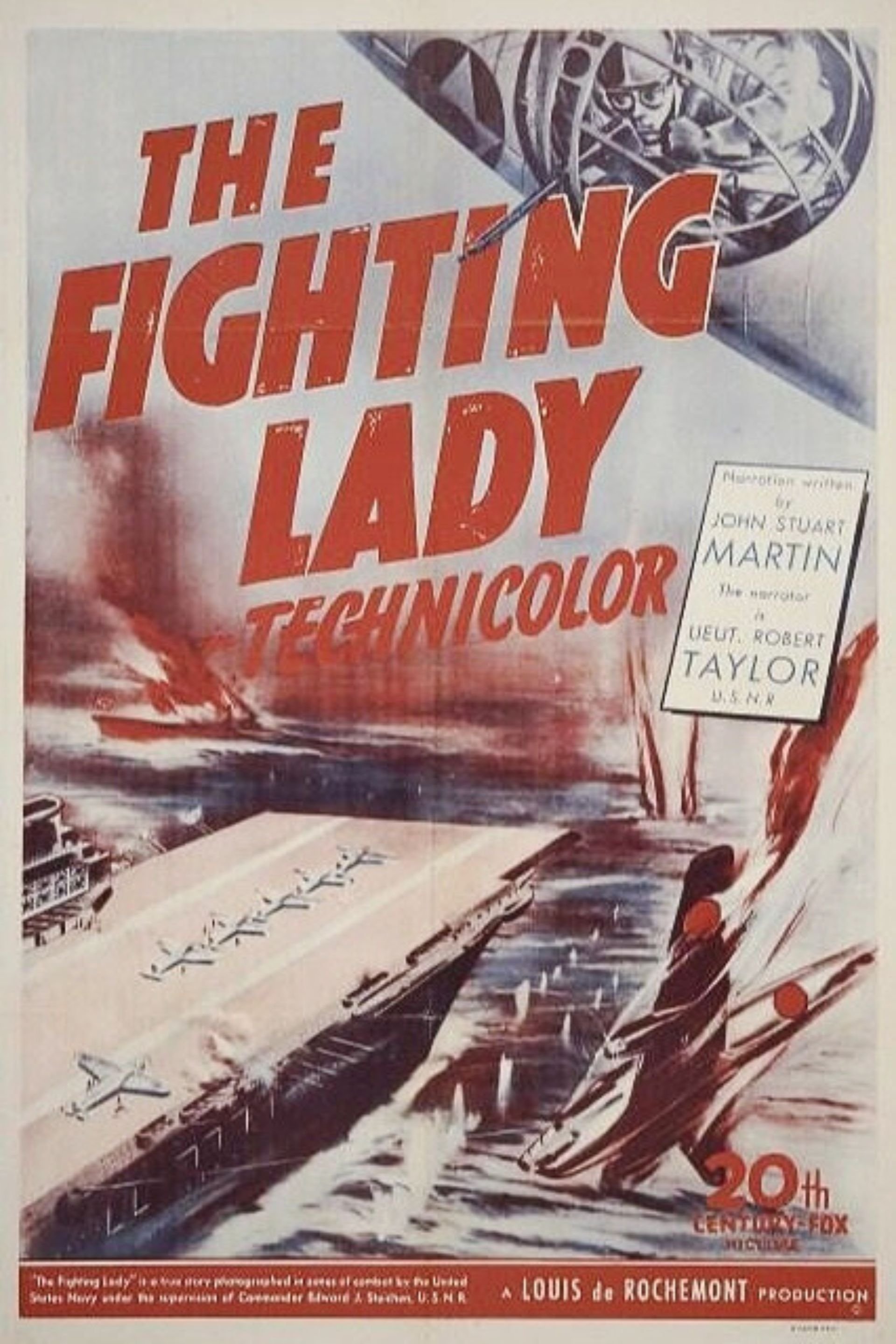
Oscar winner William Wyler directed this 1944 "newsdrama," narrated by Lieut. Robert Taylor, USNR (Bataan), and photographed in zones of combat by the U.S. Navy. The film follows one of the many new aircraft carriers built since Pearl Harbor, known as THE FIGHTING LADY in honor of all American carriers, as it goes into action against the Japanese in the Pacific Ocean in 1943. See the ship and its pilots undergo their baptism of fire, attacking the Japanese base on Marcus Island. Preserved by the Academy Film Archive in partnership with The Film Foundation.
The Fighting Lady
1944 · 15 votes
 76.5DocumentaryWar
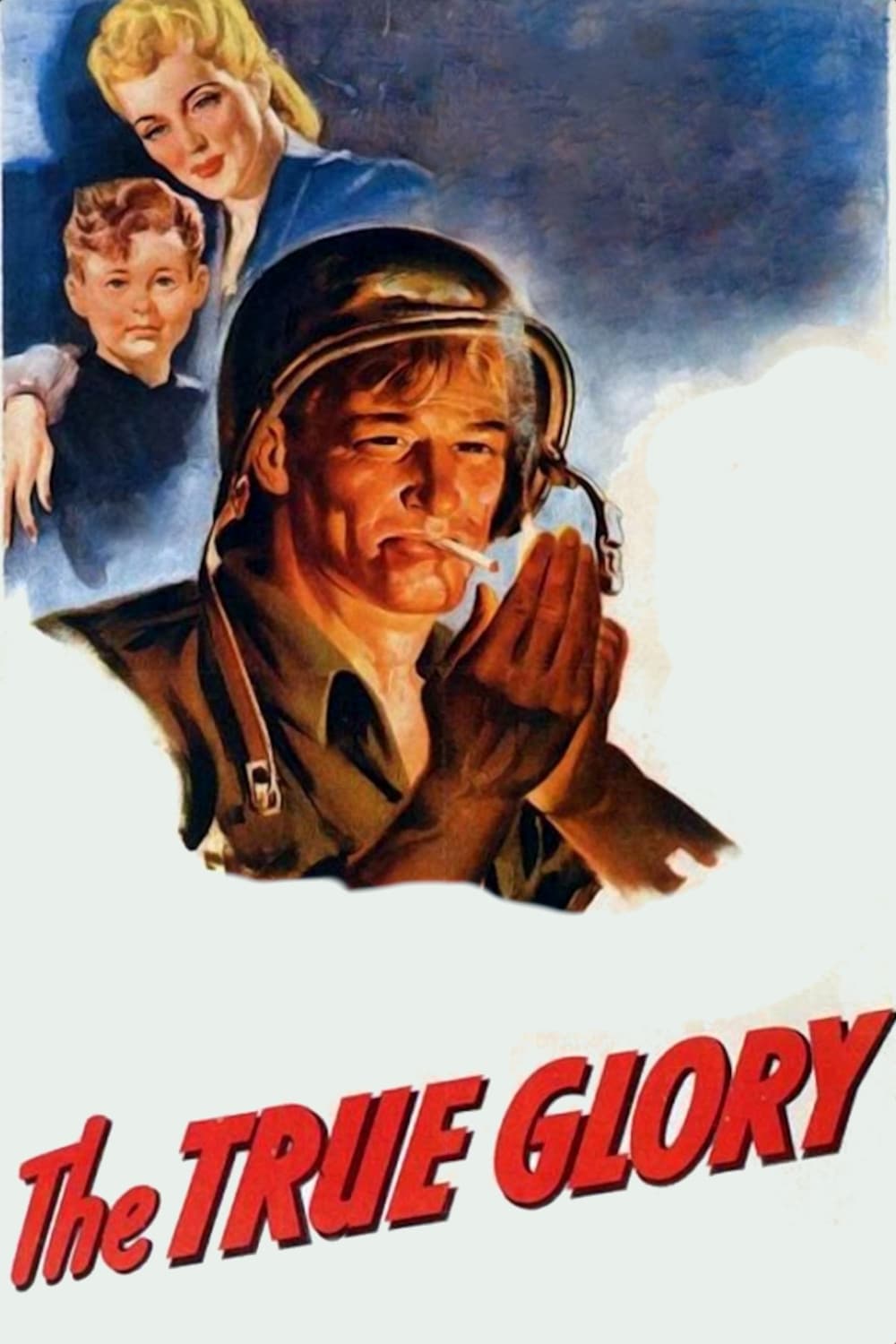
A documentary account of the allied invasion of Europe during World War II compiled from the footage shot by nearly 1400 cameramen. It opens as the assembled allied forces plan and train for the D-Day invasion at bases in Great Britain and covers all the major events of the war in Europe from the Normandy landings to the fall of Berlin.
The True Glory
1945 · 19 votes
 86.5Documentary
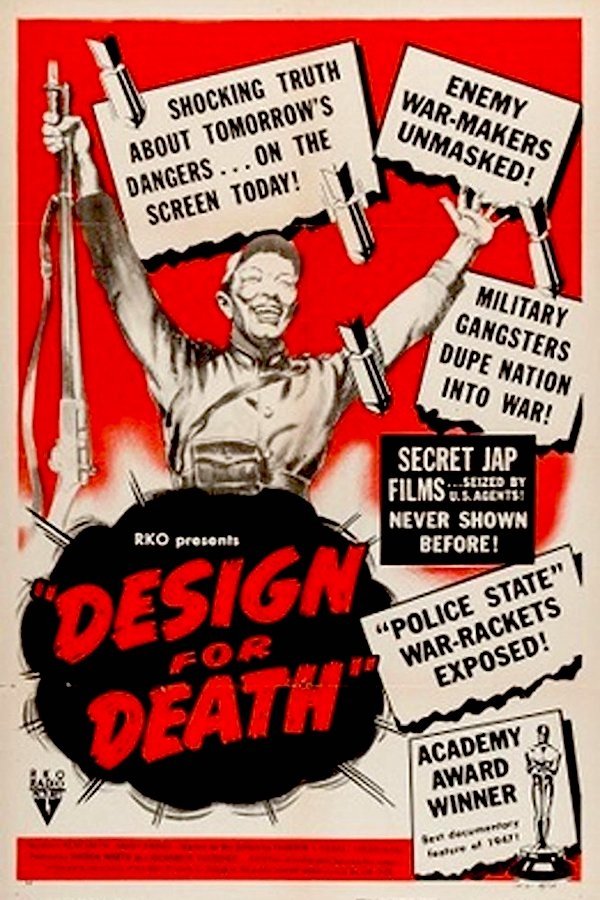
Documentary Feature winner "Design for Death" (1947) examines Japanese culture and how it led to Japan's role in WWII.
Design for Death
1948 · 4 votes
 95.5Documentary
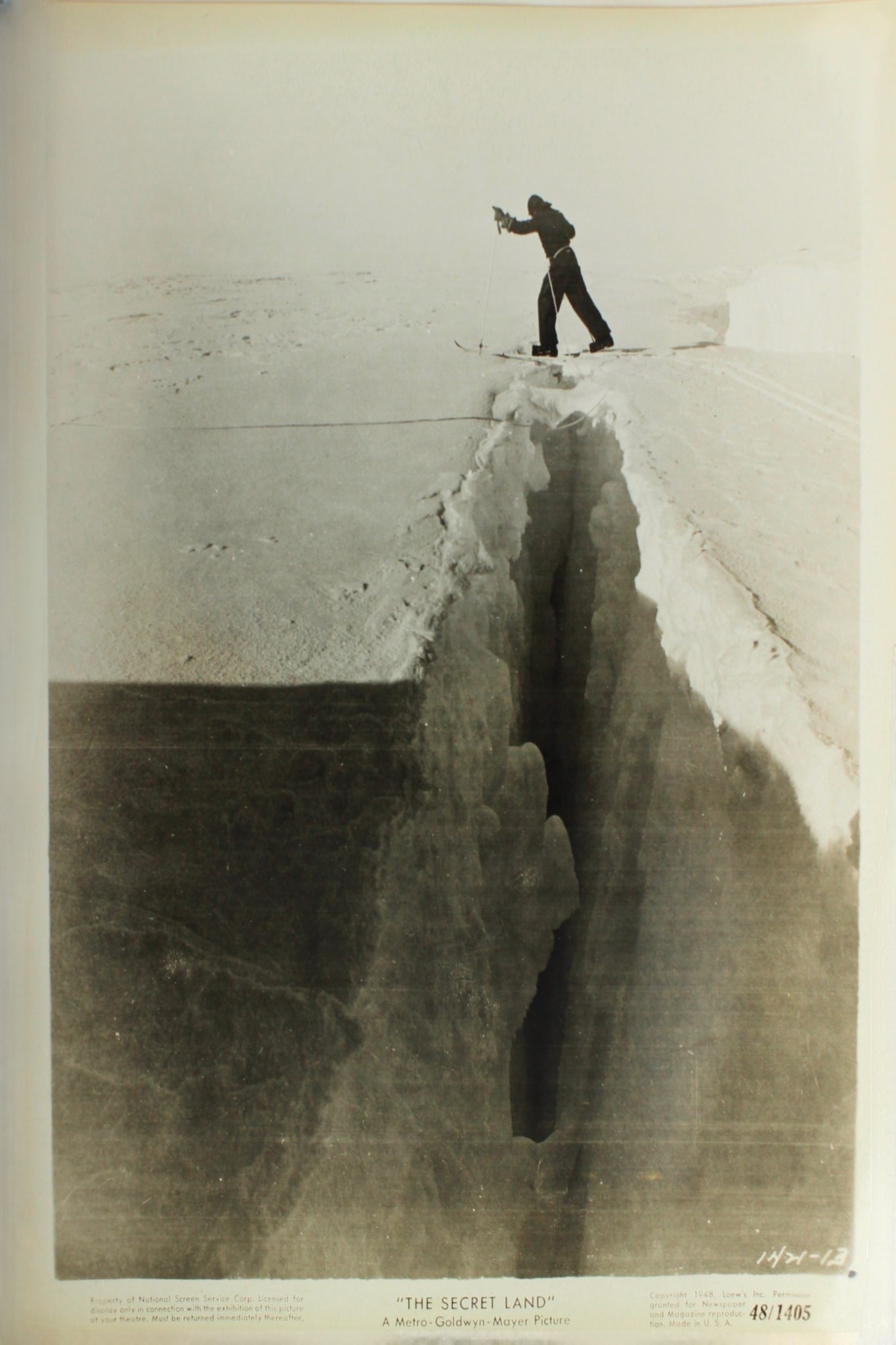
This documentary, filmed entirely by military photographers, recounts the U.S. Navy's 1946-47 expedition to Antarctica, known as Operation High Jump. The expedition was under the overall command of Admiral Richard E. Byrd, no stranger to the Antarctic. This was a large undertaking involving 13 ships and over 4000 thousand men. The fleet departed from Norfolk, Virginia traveling through the Panama canal and then southward to their final destination. The trip through the ice pack was fraught with danger and forced the submarine that was part of the fleet to withdraw. The trip was a success meeting all of its scientific goals.
The Secret Land
1948 · 11 votes
 104.8Documentary
An African tribe in the Eastern Nigerian village of Umana work to build a maternity hospital, with the aid of government officials, and against the opposition of some tribal members.
Daybreak in Udi
1949 · 10 votes
 116.2Documentary
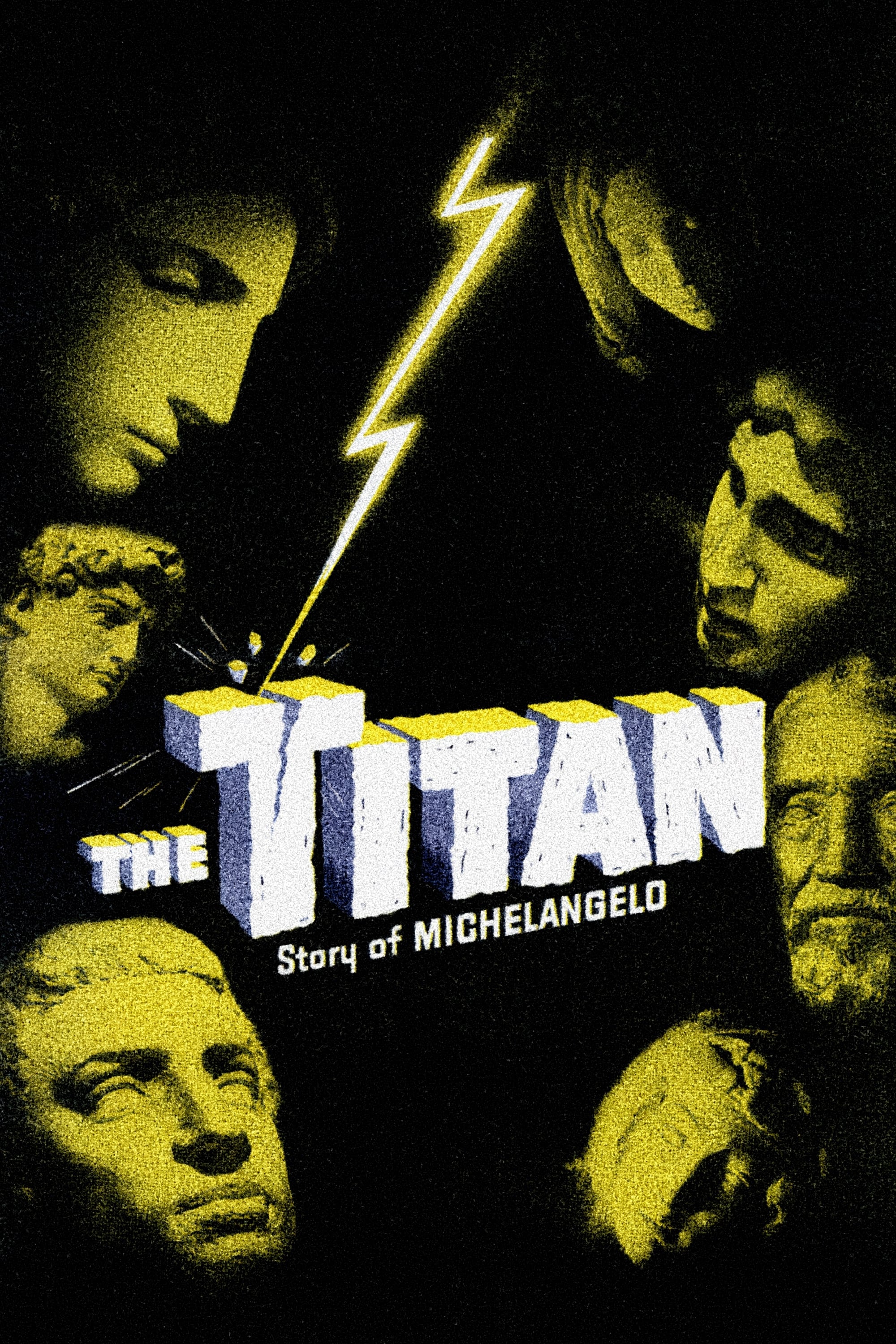
The life and works of the great artist Michelangelo Buonarroti are shown against the historical background of his time. Comprises his earliest artworks, and follows his life and career as he achieves lasting fame, and includes detailed looks at some of the artist's most renowned creations. A heavily re-edited cut of Curt Oertel's film Michelangelo: Das Leben eines Titanen, (1938, Switzerland) with new footage shot by Flaherty.
The Titan: Story of Michelangelo
1950 · 6 votes
 127.4DocumentaryAdventure
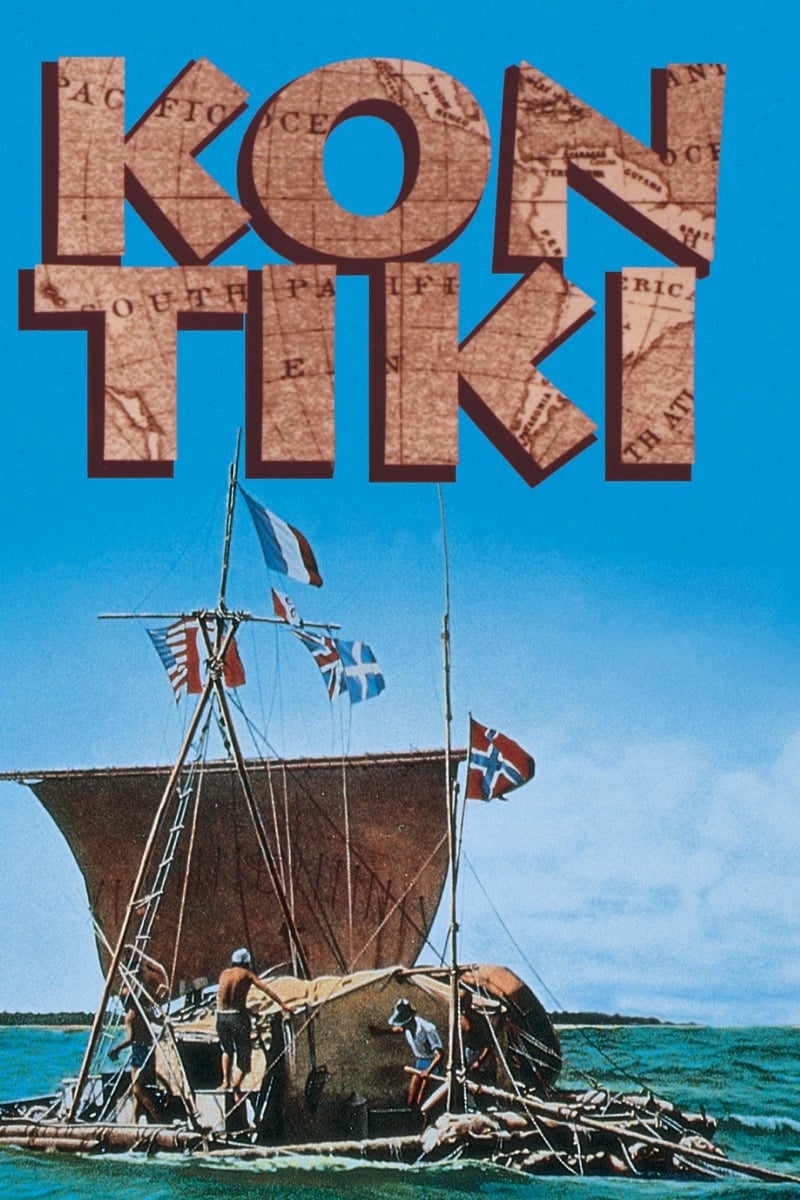
"Kon-Tiki" was the name of a wooden raft used by six Scandinavian scientists, led by Thor Heyerdahl, to make a 101-day journey from South America to the Polynesian Islands. The purpose of the expedition was to prove Heyerdal's theory that the Polynesian Islands were populated from the east- specifically Peru- rather than from the west (Asia) as had been the theory for hundreds of years. Heyerdahl made a study of the winds and tides in the Pacific, and by simulating conditions as closely as possible to those he theorized the Peruvians encountered, set out on the voyage.
Kon-Tiki
1950 · 60 votes
 136.1Documentary
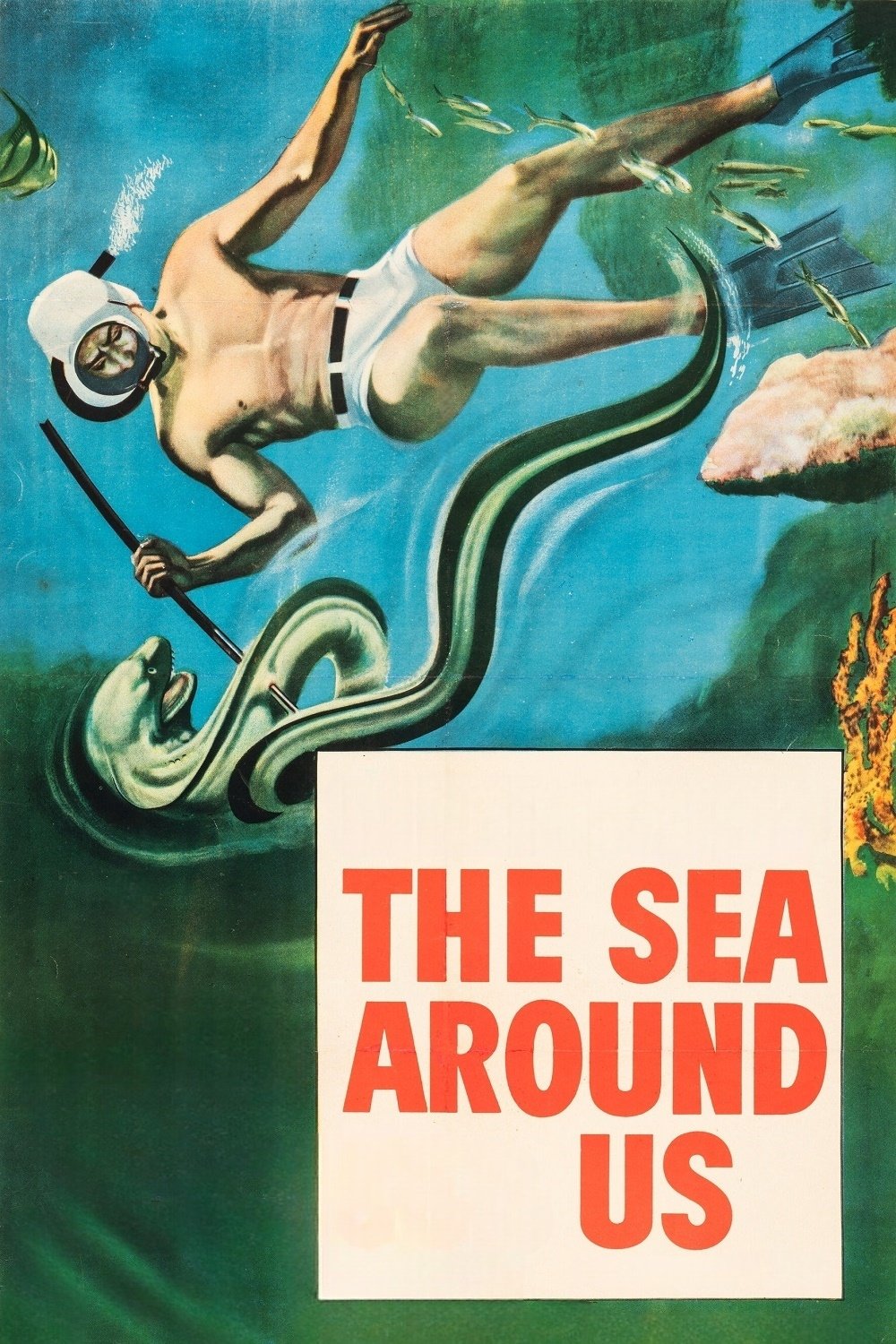
Irwin Allen explores the mysteries of the deep blue sea in this Technicolor documentary. Based on Rachel L. Carson's famous study, this Oscar winning project investigates everything under the sea, from sharks, whales and octopuses to microscopical creatures and their coexistence in this vast underwater world.
The Sea Around Us
1953 · 12 votes
 147.1Documentary
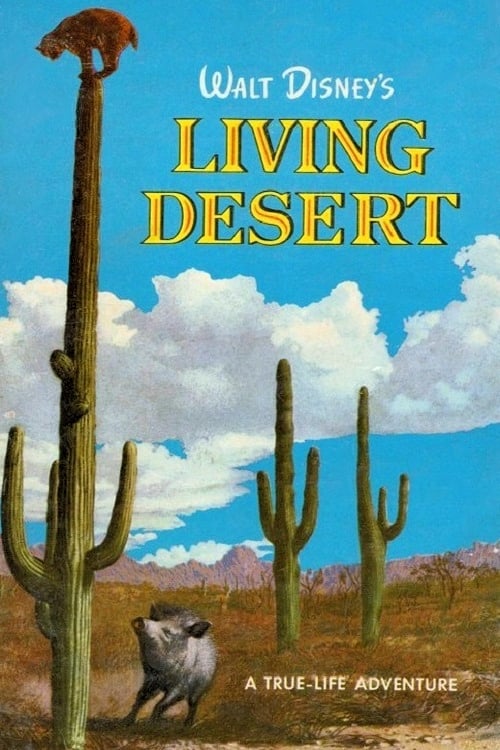
Although first glance reveals little more than stones and sand, the desert is alive. Witness moving rocks, spitting mud pots, gorgeous flowers and the never-ending battle for survival between desert creatures of every shape, size and description.
The Living Desert
1953 · 69 votes
 157.2Documentary
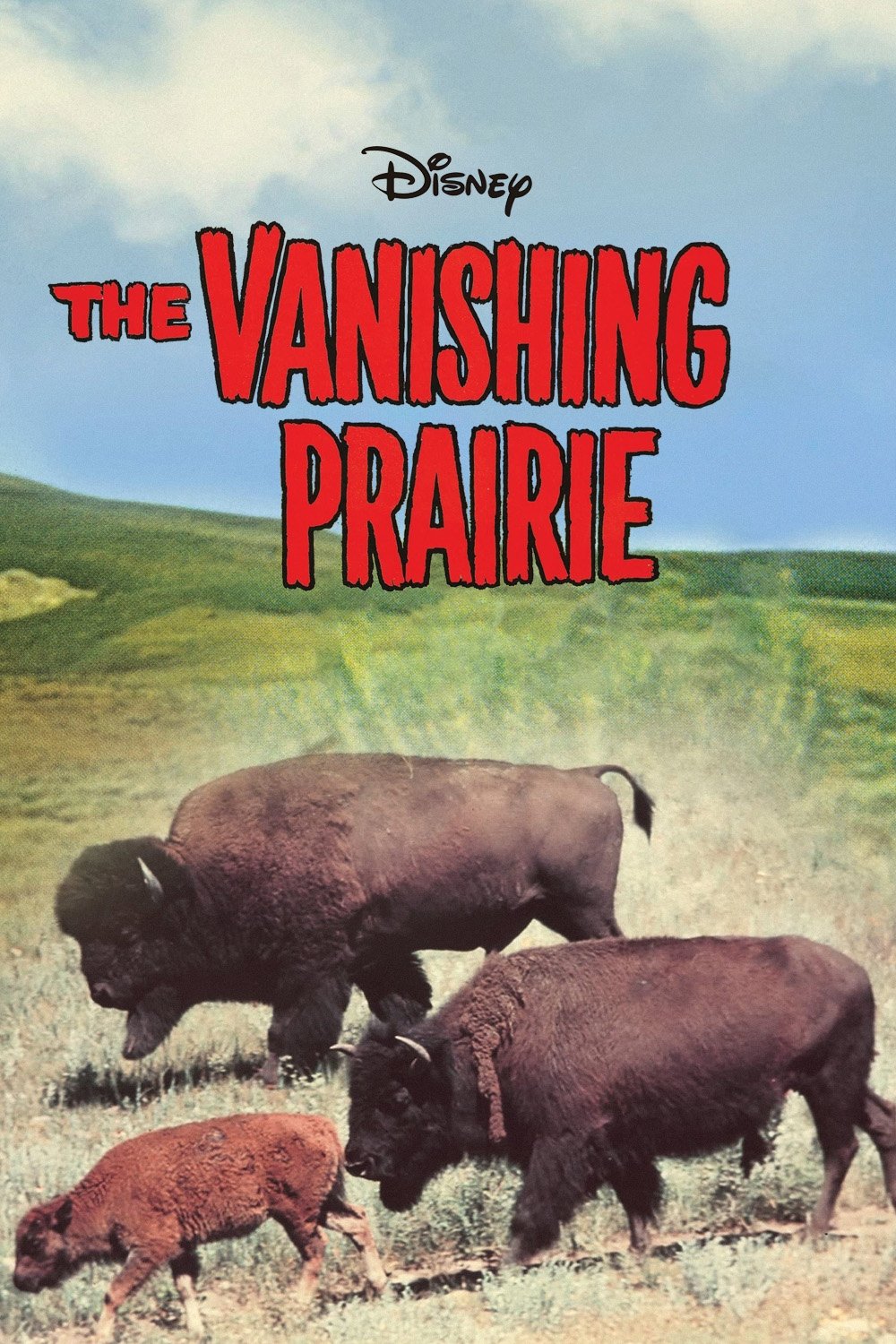
Story of the American Prairie as it was when vast herds of bison and elk grazed.
The Vanishing Prairie
1954 · 33 votes
 167.4Documentary
Narrated by actress Katharine Cornell and filmed in black and white, it spends the first 24 minutes introducing viewers, through newsreels, interviews, and old photographs, to the story of the deaf and blind disabled-rights pioneer. News footage shows her international appearances and visits with heads of state, including President Eisenhower allowing her to feel his face. The second half takes a day-in-the-(exceptional)-life approach to Keller's existence circa 1955. Made just 13 years before her death, Keller's famed tutor-translator-friend Anne Sullivan had already died, leaving her live-in replacement, Polly Thomson, to share the film's focus. From the time Keller takes her morning walk along the 1,000-foot handrail around her yard through her workday to her nightly reading of her Braille Bible, her serene acceptance of her life will amaze and inspire. Preserved by the Academy Film Archive in 2006.
The Unconquered
1954 · 10 votes
 176.5DocumentaryAdventure
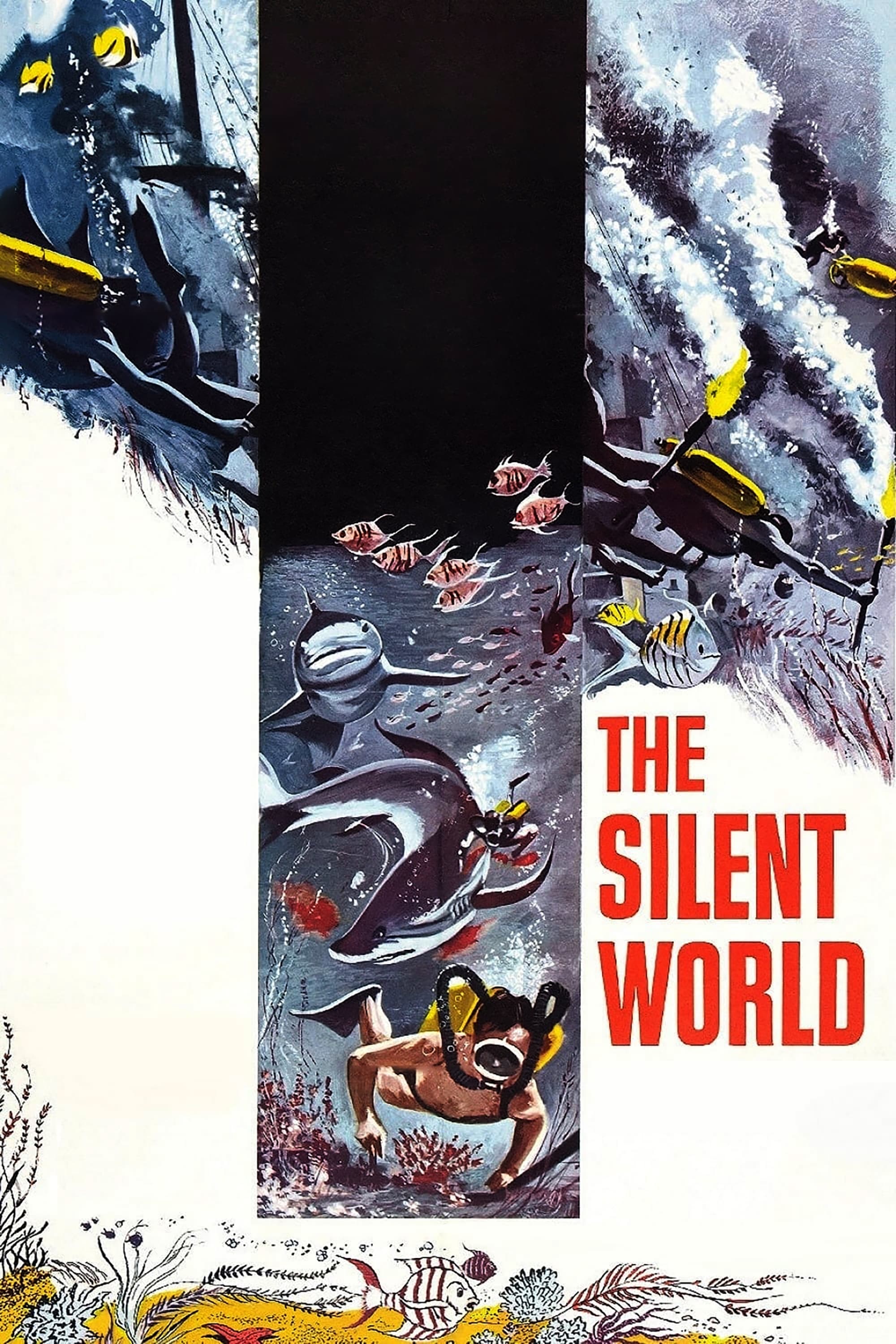
Join renowned explorer Jacques-Yves Cousteau as he investigates aquatic habitats worldwide, showcasing whales, sharks, and diverse marine life. The film highlights the brutal realities of nature while capturing the wonder of underwater exploration, as the team ventures into previously unseen ocean depths.
 186.5DocumentaryHistory
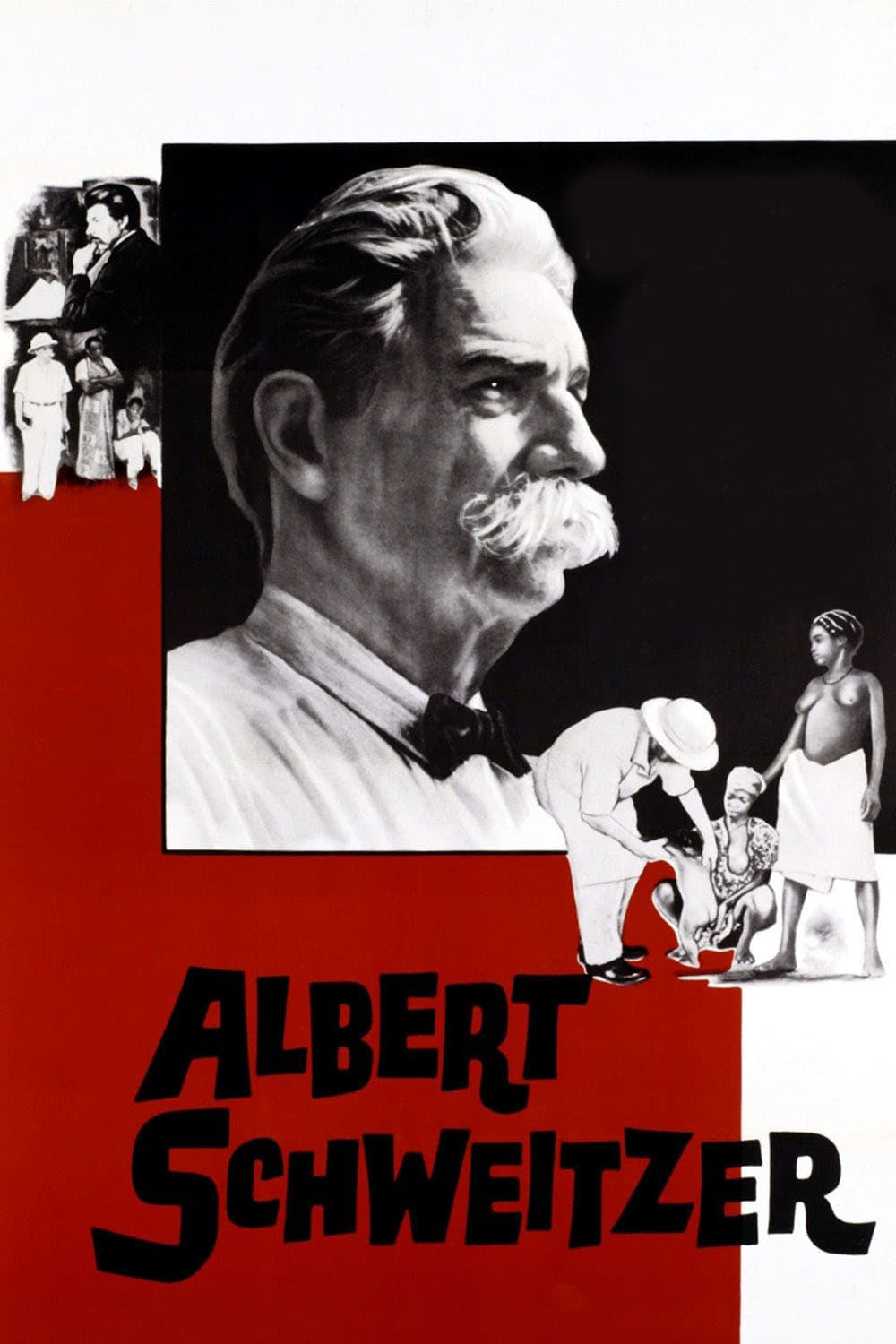
This biographical docudrama traces the life of Dr. Albert Schweitzer, from his birth in Alsace, up to the age of 30 when he made the decision to go to French Equatorial Africa and build his jungle hospital. The latter half of the film encompasses a full day in the hospital-village, following the octogenarian Samaritan in his daily rounds.
Albert Schweitzer
1957 · 10 votes
 194.5Documentary
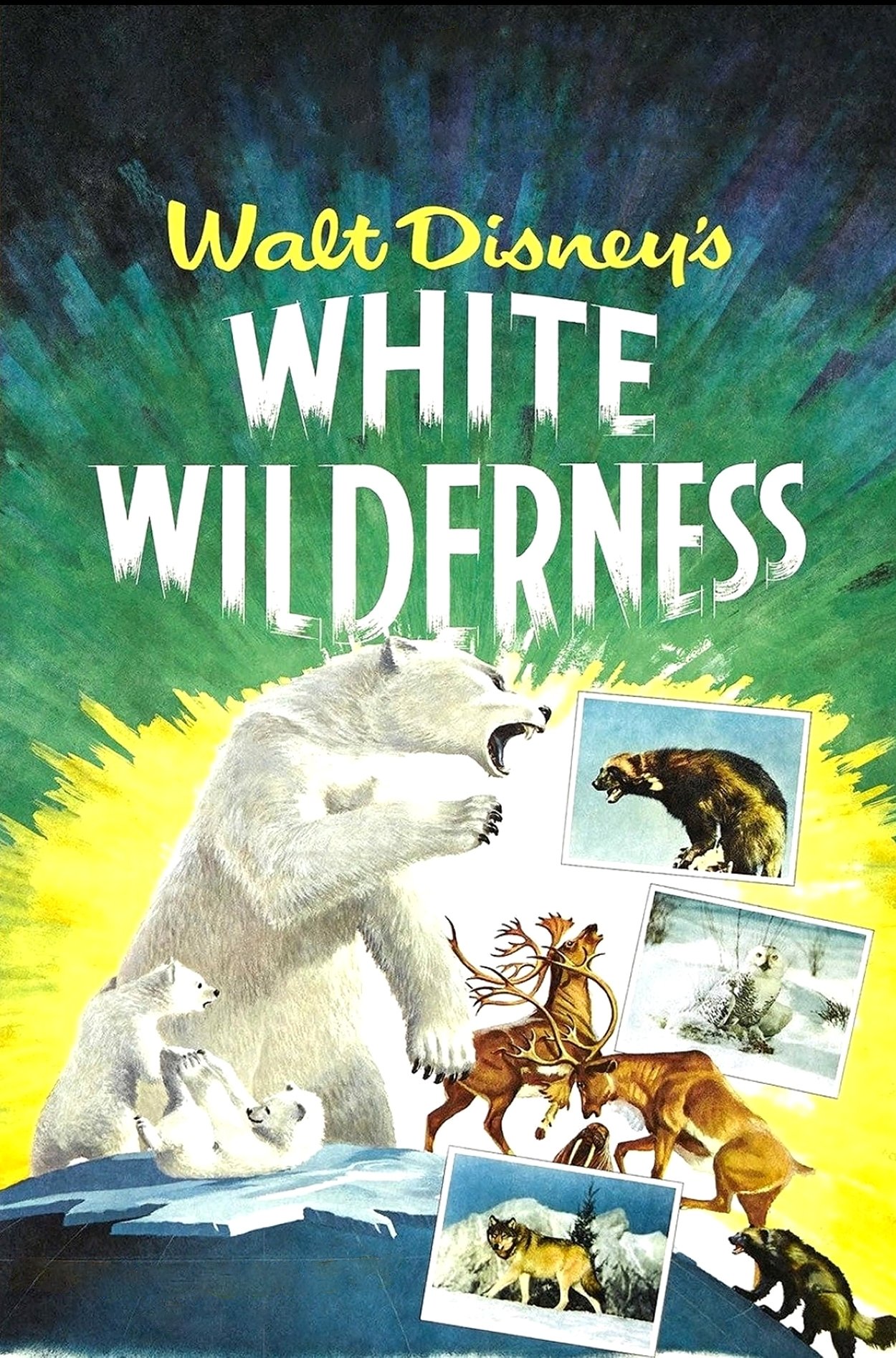
A fabulous new adventure in exciting entertainment.
White Wilderness
1958 · 13 votes
 206.5Documentary
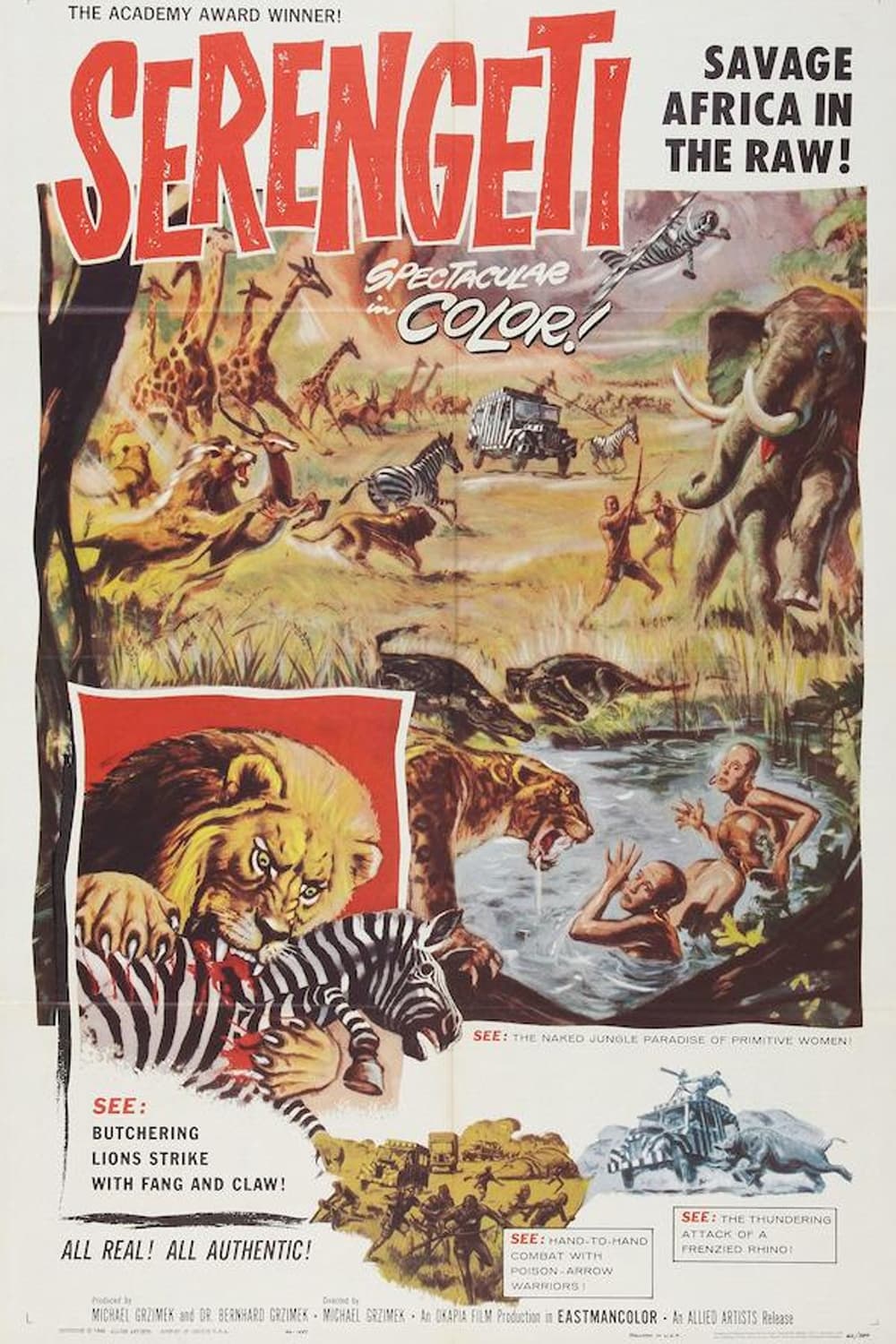
The film tells of the beginnings of the Serengeti National Park in Tanzania. At the end of the 1950s, the Tanzanian National Park Administration wanted to fence in the protected area around the Ngorongoro Crater. Bernhard and Michael Grzimek were invited by the national park administration in 1957 to get a precise picture of the animal migrations and to provide the national park administration with the values they needed for their project. Using a new counting method with two airplanes, the Grzimeks found out that the migration of the herds was different than assumed.
 217.3Documentary
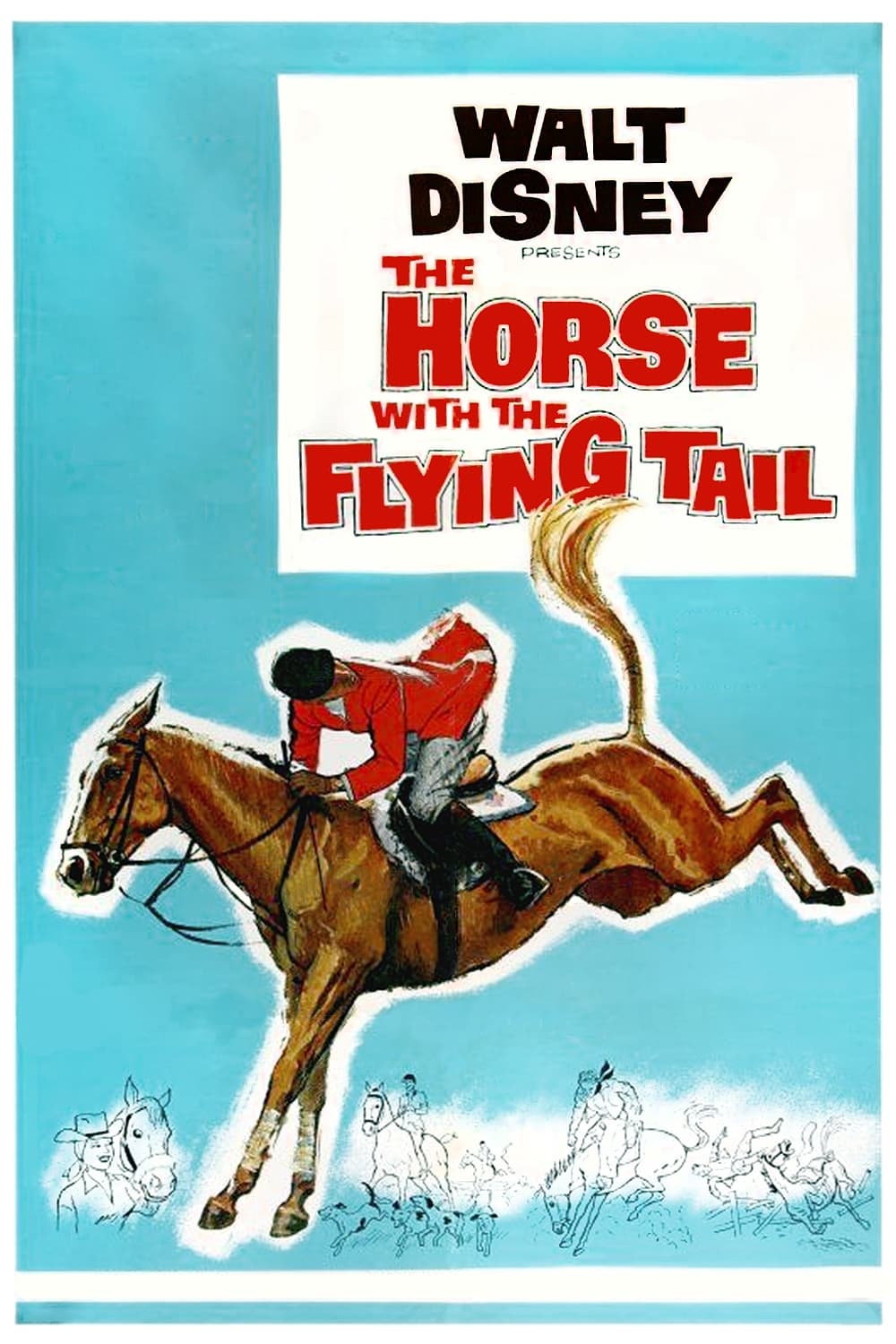
A palimino cow pony, through a series of owners and adventures becomes a champion mount for one of the US equestrian team.
The Horse with the Flying Tail
1960 · 14 votes
 225.7Documentary
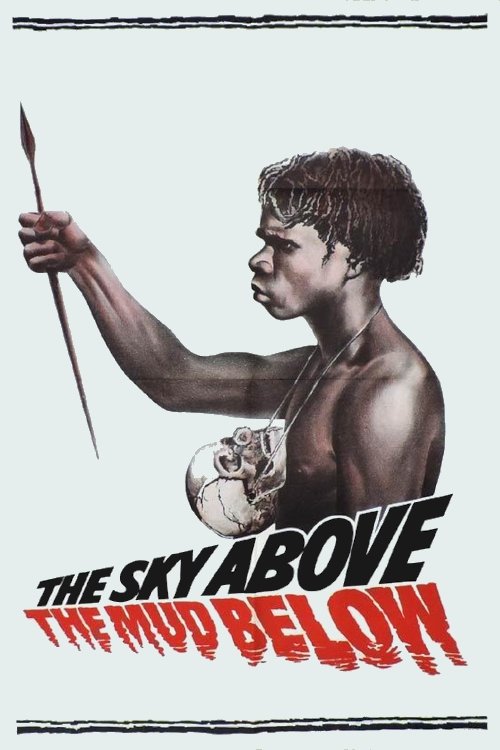
In September, 1959, six Europeans leave Cook's Bay on the southern coast of Dutch New Guinea, now West Papua or Irian Jaya, to trek north to the far side of the island. The journey (450 miles, as a crow flies) across unmapped territory took seven months; three Muyu porters died. Near both coasts, the expedition met villagers who invited them to observe rituals and live with them. In the interior, all villagers kept them at bay, and they depended on air lifts from Hollandia for food and supplies. They climbed above 10,000 feet, built 14 bridges, and fought leeches and malaria. The narrator focuses on describing Stone Age savages, headhunters, and cannibals.
 236.9DocumentaryHistory
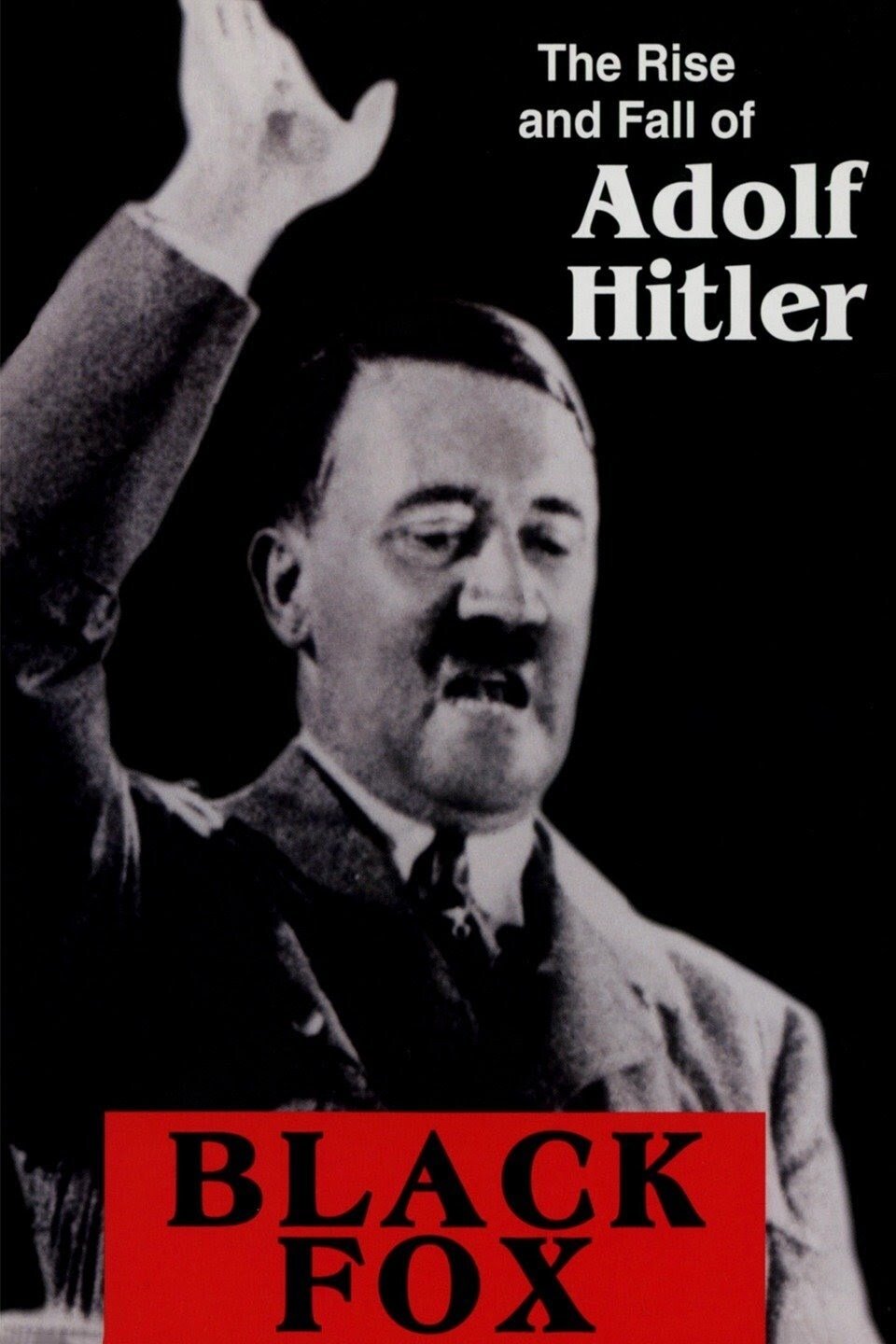
The rise and fall of Nazi Germany in part through the use of classical allegory.
Black Fox: The Rise and Fall of Adolf Hitler
1962 · 7 votes
 246.5Documentary
The acclaimed poet is examined in this film completed just prior to his death at age 88, with his speaking engagements at Amherst and Sarah Lawrence Colleges intercut with studies of his work, as well as with scenes of his life in rural Vermont and personal reminiscences about his career. He is also seen receiving an award from President Kennedy and touring an aircraft carrier. Preserved by the Academy Film Archive in partnership with UCLA Film & Television Archive in 2006.
Robert Frost: A Lover's Quarrel with the World
1963 · 11 votes
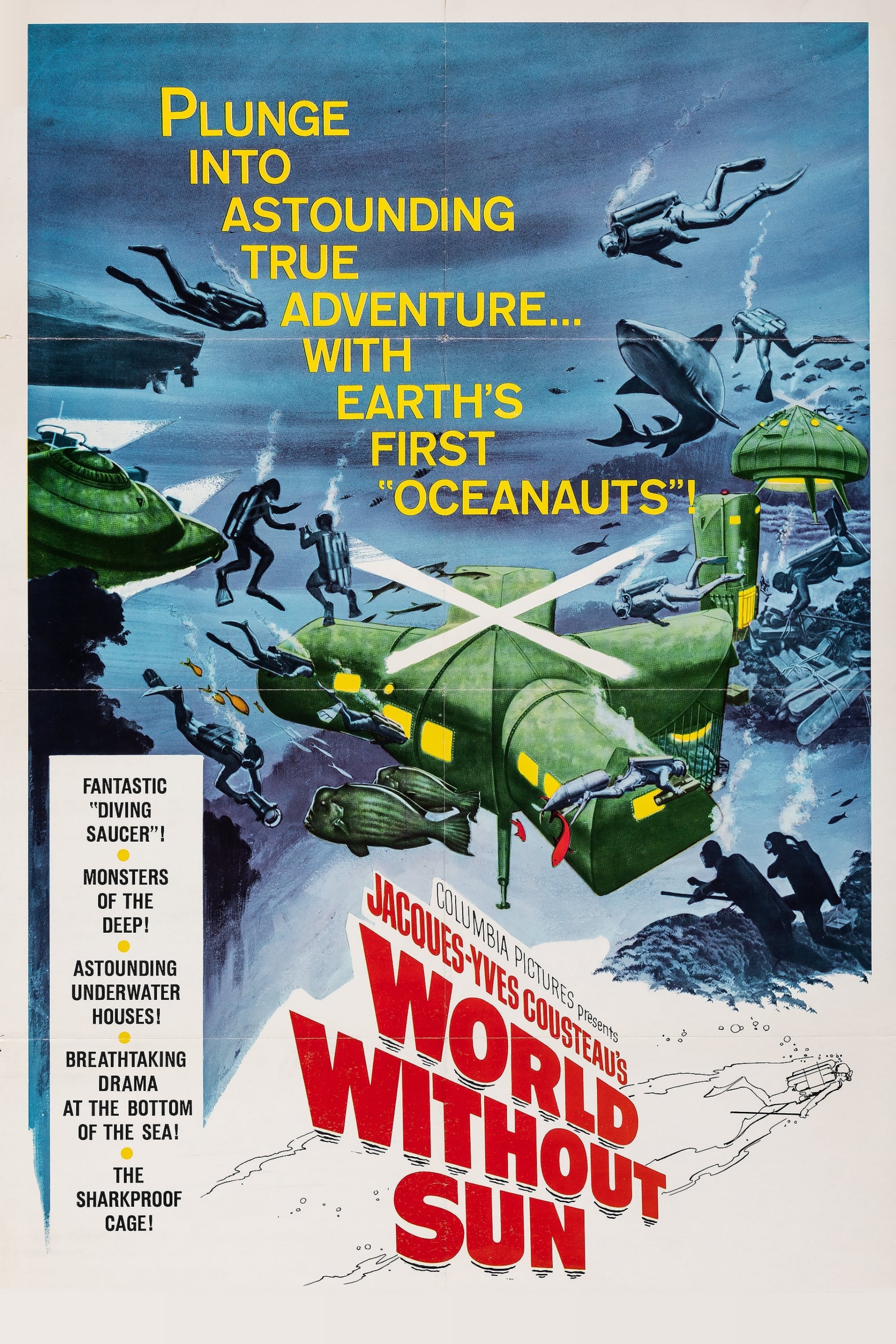 256.6Documentary
Fascinating underwater documentary filmed with hand-held cameras by frogmen and mostly filmed in deep-water seas from within a special designed batiscaff, by the Cousteau family of sea explorers. Preserved by the Academy Film Archive in 2010.
 266.0Documentary
The life and legacy of Eleanor Roosevelt, from her early years and marriage to Franklin D. through her tenure as the longest-serving U.S. First Lady and her subsequent work as a United Nations delegate advancing global human rights.
The Eleanor Roosevelt Story
1965 · 11 votes
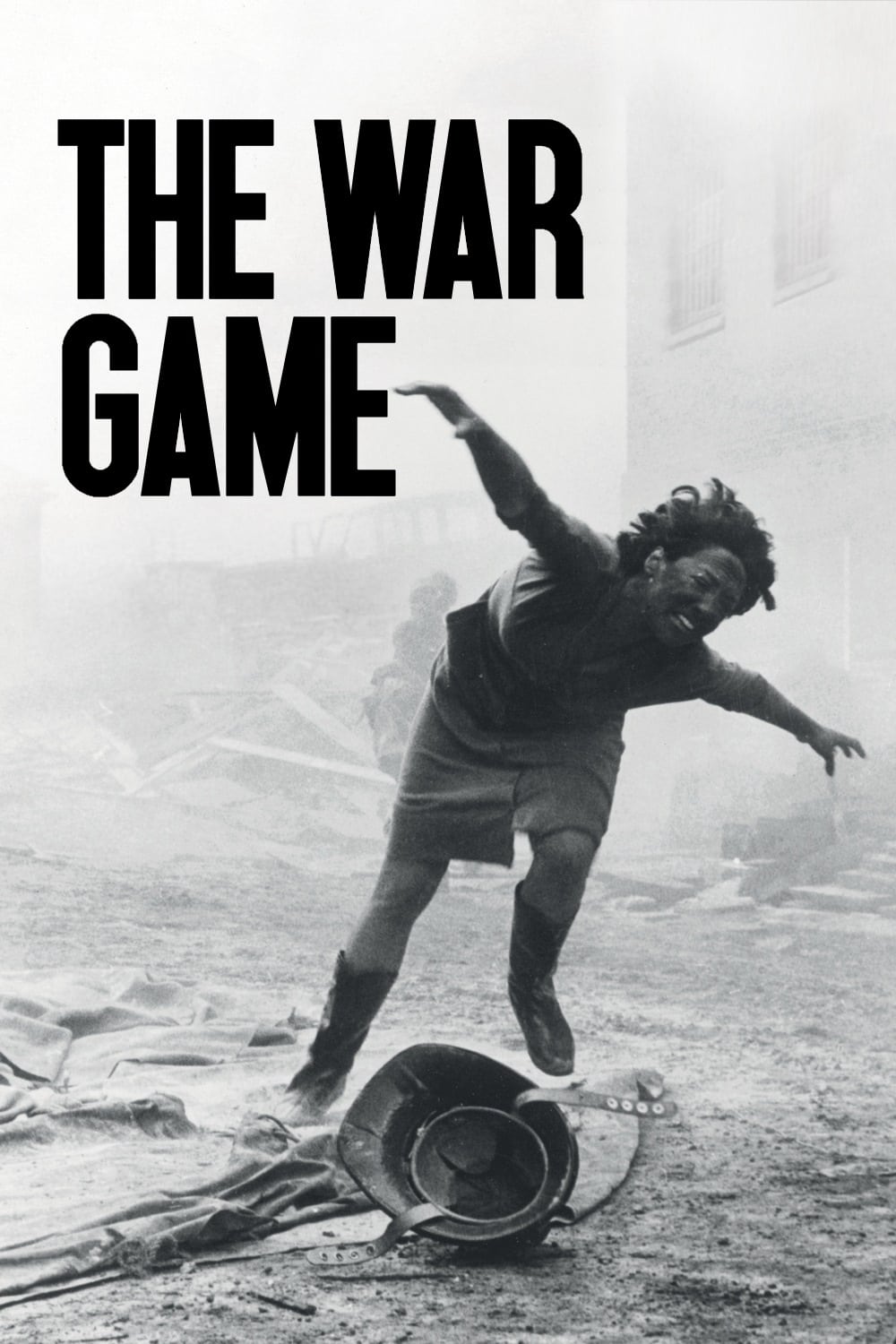 277.7WarTV Movie
A hypothetical Chinese invasion of South Vietnam triggers a new world war between East and West. In Rochester, Kent, the anticipation of a nuclear attack leads to mass evacuations. When a stray missile explodes, the ensuing firestorm blinds all those who see it. It's not long before the fabric of society is ripped apart from radiation poisoning, a lack of infrastructure and rioting for food and other necessities.
The War Game
1966 · 196 votes
 286.7DocumentaryWar
A documentary feature by Pierre Schoendoerffer about the Vietnam War. Winner of the 1968 Academy Award for best Documentary Feature.
 295.6Documentary
Journey into Self is a 1968 documentary film introduced by Stanley Kramer, and produced and directed by Bill McGaw. The film portrays a 16-hour group-therapy session for eight well-adjusted people who had never met before. The session was led by psychologists Carl Rogers and Richard Farson. The participants included a cashier, a theology student, a teacher, a principal, a housewife, and three businessmen. It won the Academy Award for Best Documentary Feature in 1968.
Journey Into Self
1969 · 10 votes
 306.9DocumentaryMusic
Documentary about Polish-American pianist, Arthur Rubinstein.
 317.6DocumentaryMusic
An intimate look at the Woodstock Music & Art Festival held in Bethel, NY in 1969, from preparation through cleanup, with historic access to insiders, blistering concert footage, and portraits of the concertgoers; negative and positive aspects are shown, from drug use by performers to naked fans sliding in the mud, from the collapse of the fences by the unexpected hordes to the surreal arrival of National Guard helicopters with food and medical assistance for the impromptu city of 500,000.
Woodstock
1970 · 305 votes
 326.5Science FictionDocumentary
A scientist explains how the savagery and efficiency of the insect world could result in their taking over the world.
The Hellstrom Chronicle
1971 · 35 votes
 337.6Documentary
Part documentary, part expose, this film follows one-time child evangelist Marjoe Gortner on the "church tent" Revivalist circuit, commenting on the showmanship of Evangelism and "the religion business", prior to the start of "televangelism". Preserved by the Academy Film Archive in 2005.
Marjoe
1972 · 35 votes
 346.6Documentary
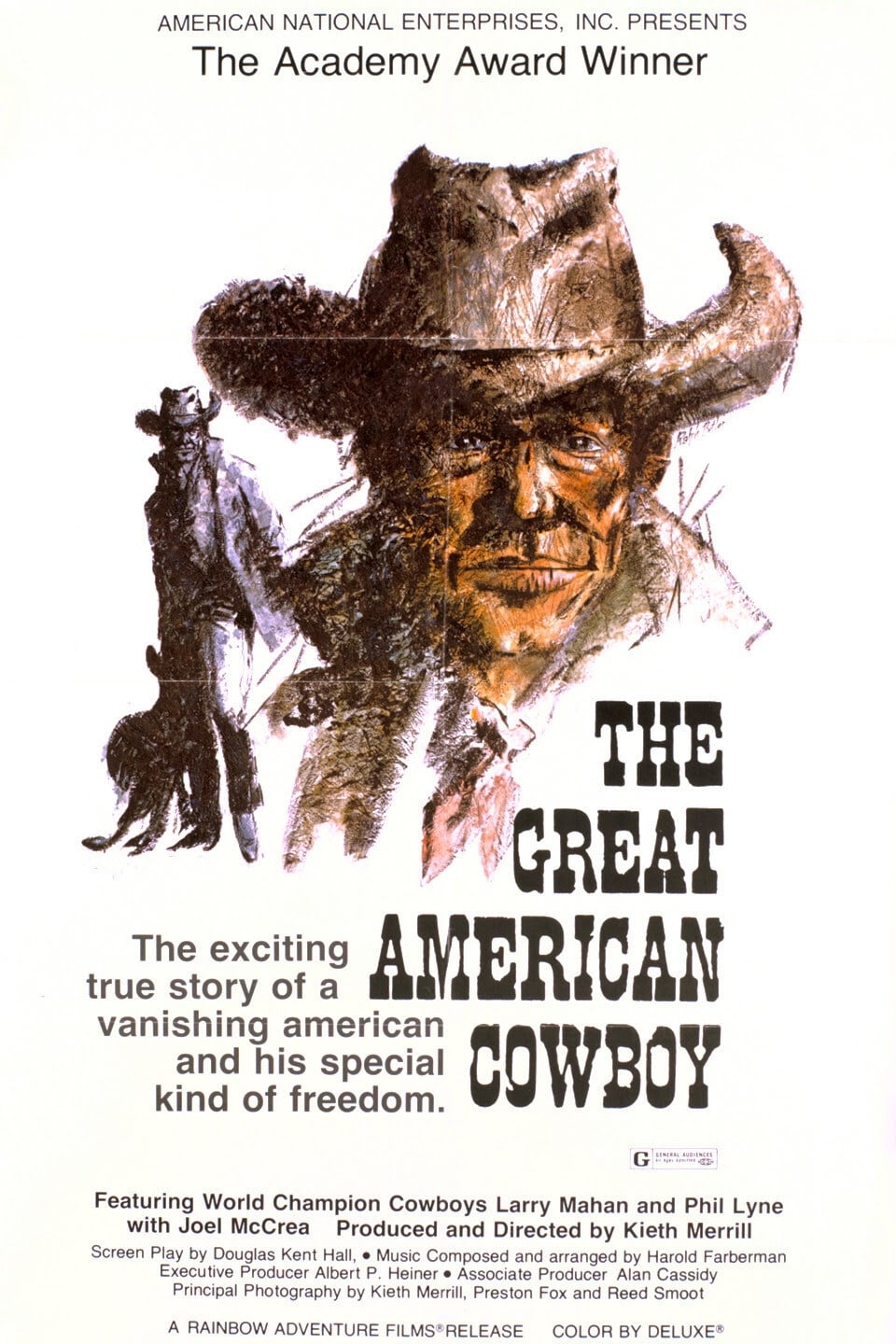
The battle between two rodeo stars for the world championship: veteran Larry Mahan and newcomer Phil Lyne. Narrated by Cowboy Hall of Fame actor Joel Mc Crea, this Academy Award-winning documentary takes the viewer inside the rodeo arena with today's cowboys. Features incredible "in-the-saddle" photography.
The Great American Cowboy
1973 · 5 votes
 357.6DocumentaryWar
Many times during his presidency, Lyndon B. Johnson said that ultimate victory in the Vietnam War depended upon the U.S. military winning the "hearts and minds" of the Vietnamese people. Filmmaker Peter Davis uses Johnson's phrase in an ironic context in this anti-war documentary, filmed and released while the Vietnam War was still under way, juxtaposing interviews with military figures like U.S. Army Chief of Staff William C. Westmoreland with shocking scenes of violence and brutality.
Hearts and Minds
1974 · 96 votes
 366.8DocumentaryAdventure
This Oscar-winning documentary tells the story behind Japanese daredevil Yuichiro Miura's 1970 effort to ski down the world's tallest mountain.
The Man Who Skied Down Everest
1975 · 21 votes
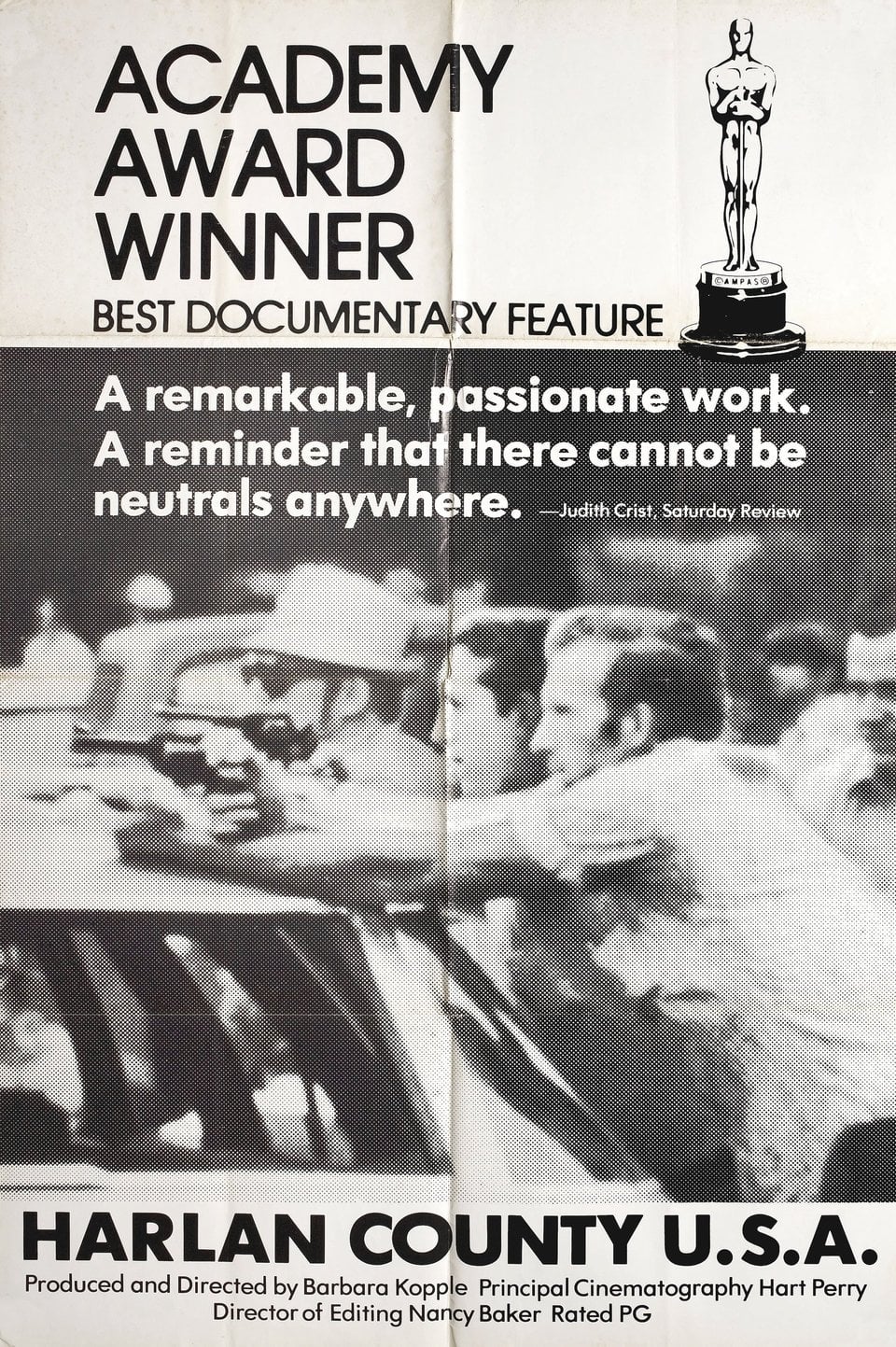 377.6Documentary
A heartbreaking record of the thirteen-month struggle between a community fighting to survive and a corporation dedicated to the bottom line.
Harlan County U.S.A.
1976 · 125 votes
 386.4Documentary
Who Are the DeBolts? And Where Did They Get Nineteen Kids? is a 1977 documentary film about Dorothy and Bob DeBolt, an American couple who adopted 14 children [12 at the start of filming], some of whom are severely disabled war orphans -- in addition to raising Dorothy's five biological children and Bob's biological daughter. The film won an Academy Award for Best Documentary in 1978. Preserved by the Academy Film Archive in 2007.
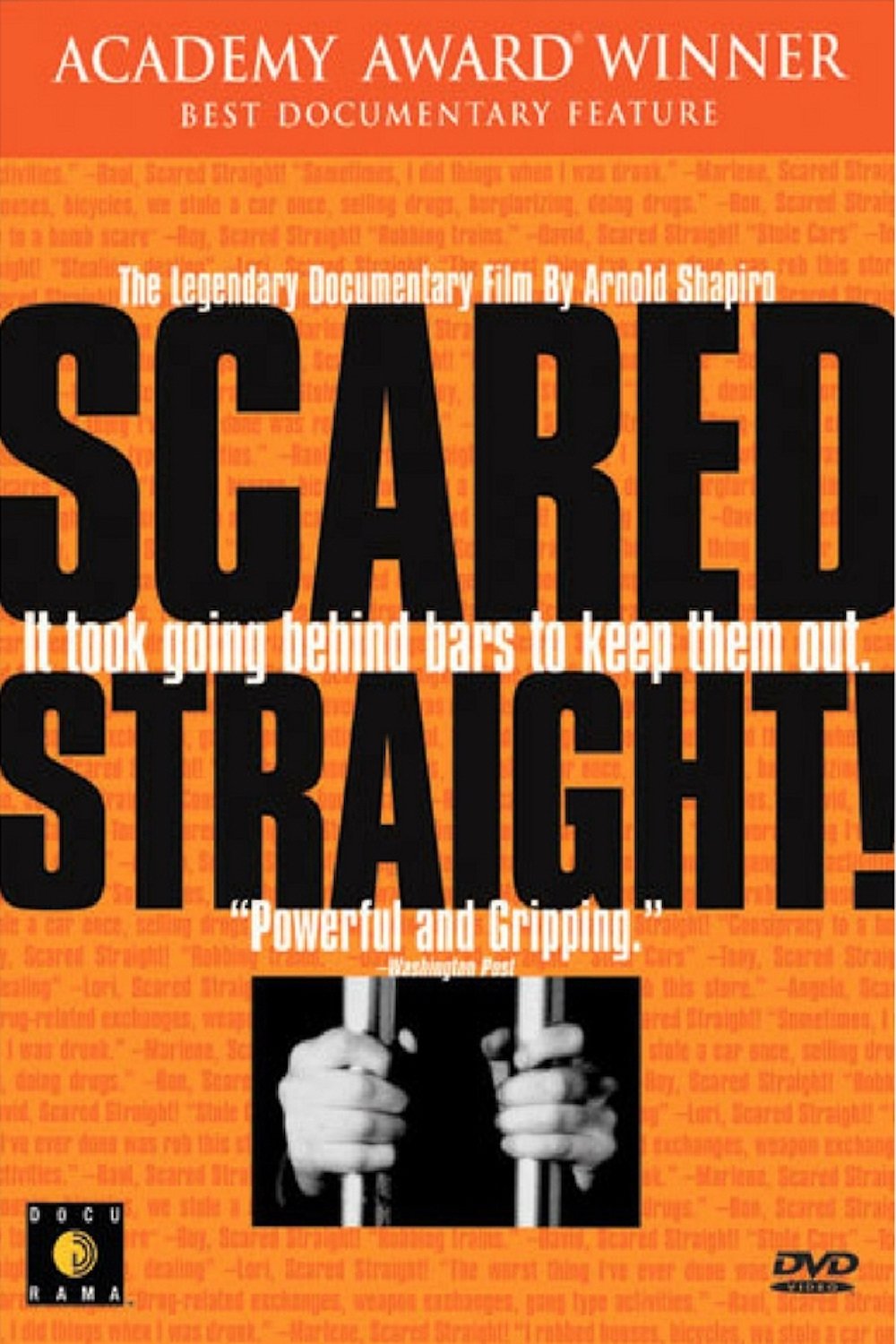 397.5Documentary
The filmed depiction of a program where convicts tell troubled kids about the horrors of prison life. Preserved by the Academy Film Archive in 2007.
Scared Straight!
1978 · 14 votes
 406.6Documentary
In this documentary, the director follows the day-to-day activities of his intellectually disabled, middle-aged cousin Philly over a three-year period.
Best Boy
1979 · 11 votes
 415.9DocumentaryMusic
A beautiful expression of two differing cultures brought together by the warmth and dedication of a great musician and humanitarian. In 1979, as China re-opened its doors to the West, virtuoso Isaac Stern received an unprecedented government invitation to tour the country.
From Mao to Mozart: Isaac Stern in China
1981 · 10 votes
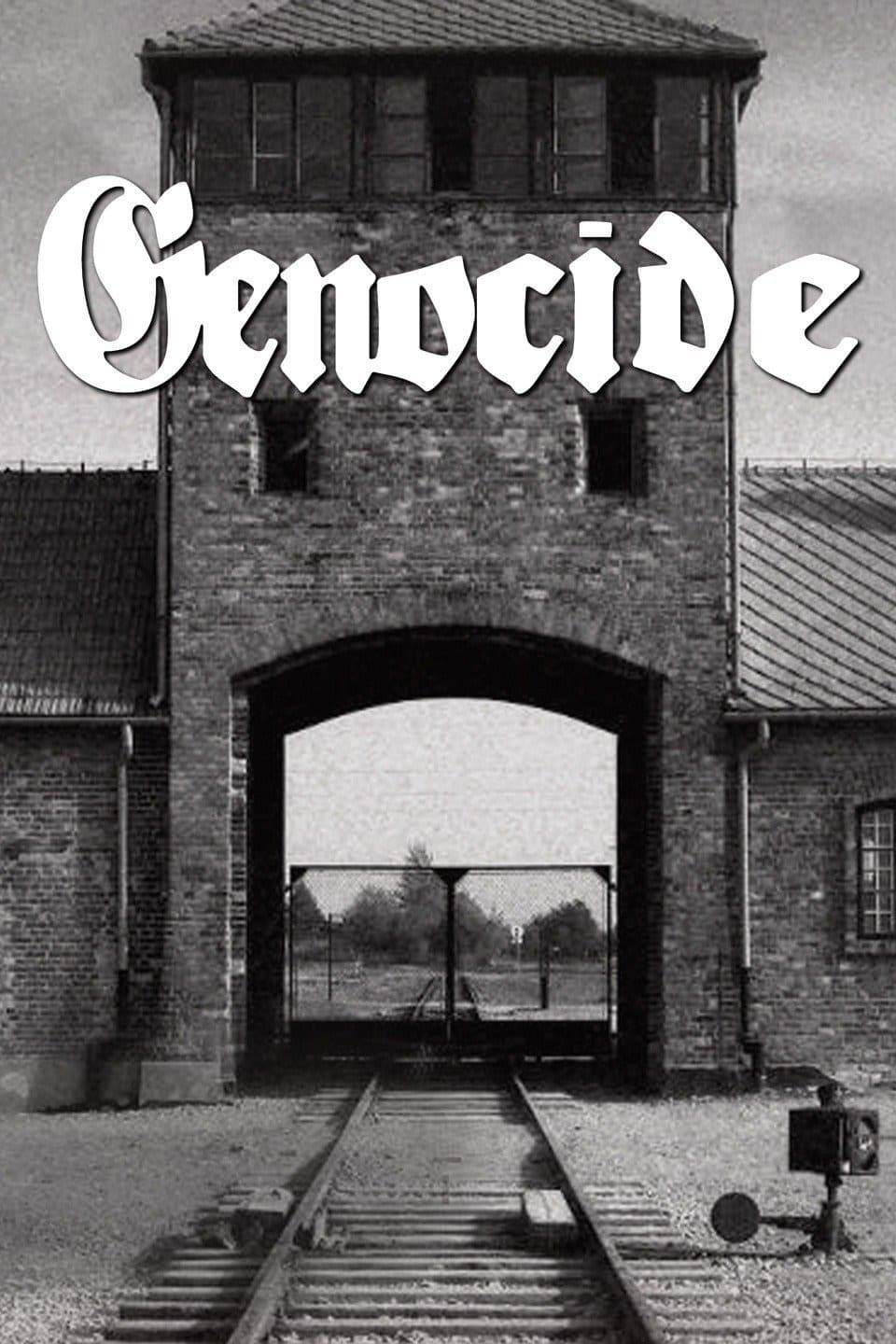 427.5DocumentaryHistory
The mass murder of Jewish people by the Nazi regime is chronicled, with a warning that anti-Semitism is on the rise and the events of the Holocaust could happen again. The history of European Jewish culture and events before and during the Holocaust are seen in newsreels, photographs, and animated segments. The words of the victims of the era are read, and footage from the liberation os a concentration camp is shown.
Genocide
1982 · 20 votes
 437.7Documentary
On July 10, 1978, Eric Wilson - a 19-year from Ottawa and student at Tufts University - left home to drive to a summer college course in Colorado. When he went missing four days afterward in Nebraska, his family tried to persuade local and U.S. police that he wasn't simply a runaway and hadn't simply forgotten to call home. The program examines the lengths to which they had to go to find out what happened to Eric, and the byzantine nature of the legal system which seemed less interested in pursuing justice than in avoiding the expenses involved in the investigation and potential trials. Preserved by the Academy Film Archive, in partnership with Canadian Broadcasting Corporation, in 2007.
Just Another Missing Kid
1981 · 6 votes
 446.1Documentary
Why do over 1,000 New York City schoolchildren audition for a modern dance program that requires them to sacrifice free time and involvement in sports and music? For a chance to study with the charismatic Jacques d'Amboise at the National Dance Institute. His philosophy--that creativity exists within everyone and that trying one's best ensures success--forms the foundation of a unique dance program. This documentary chronicles one school-year-long program including initial auditions, rehearsals, and the creation of an exclusive "SWAT" team, and culminates in an amazing, year-end performance at New York's Felt Forum. D'Amboise's enthusiasm is infectious--children, parents, teachers, professional dancers and musicians, and even local law enforcement officers find themselves involved in his productions. This Academy Award-winning documentary details the inspiring story of how one talented dancer's vision flourished into a coveted New York City dance program.
He Makes Me Feel Like Dancin'
1983 · 9 votes
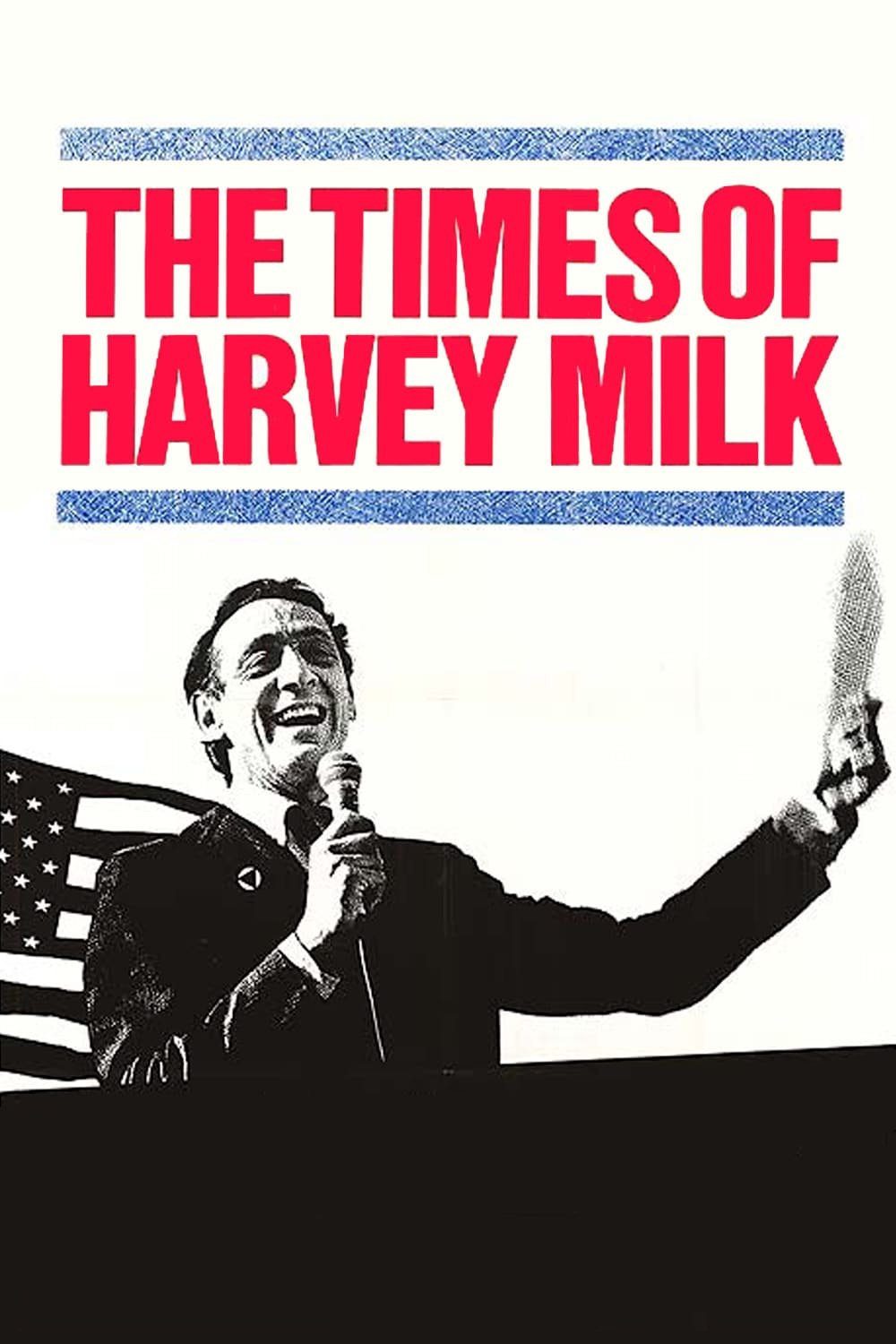 457.3Documentary
Harvey Milk was an outspoken human rights activist and one of the first openly gay U.S. politicians elected to public office; even after his assassination in 1978, he continues to inspire disenfranchised people around the world.
The Times of Harvey Milk
1984 · 127 votes
 465.8DocumentaryHistory
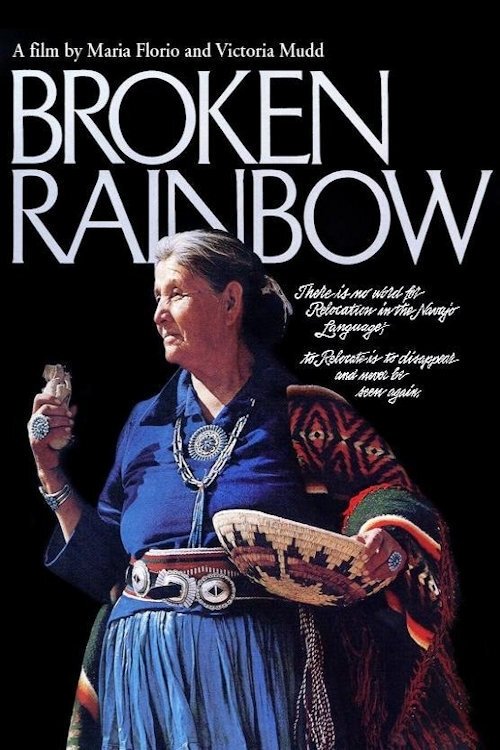
Documentary chronicling the government relocation of 10,000 Navajo Indians in Arizona.
Broken Rainbow
1985 · 10 votes
 477.7DocumentaryMusic
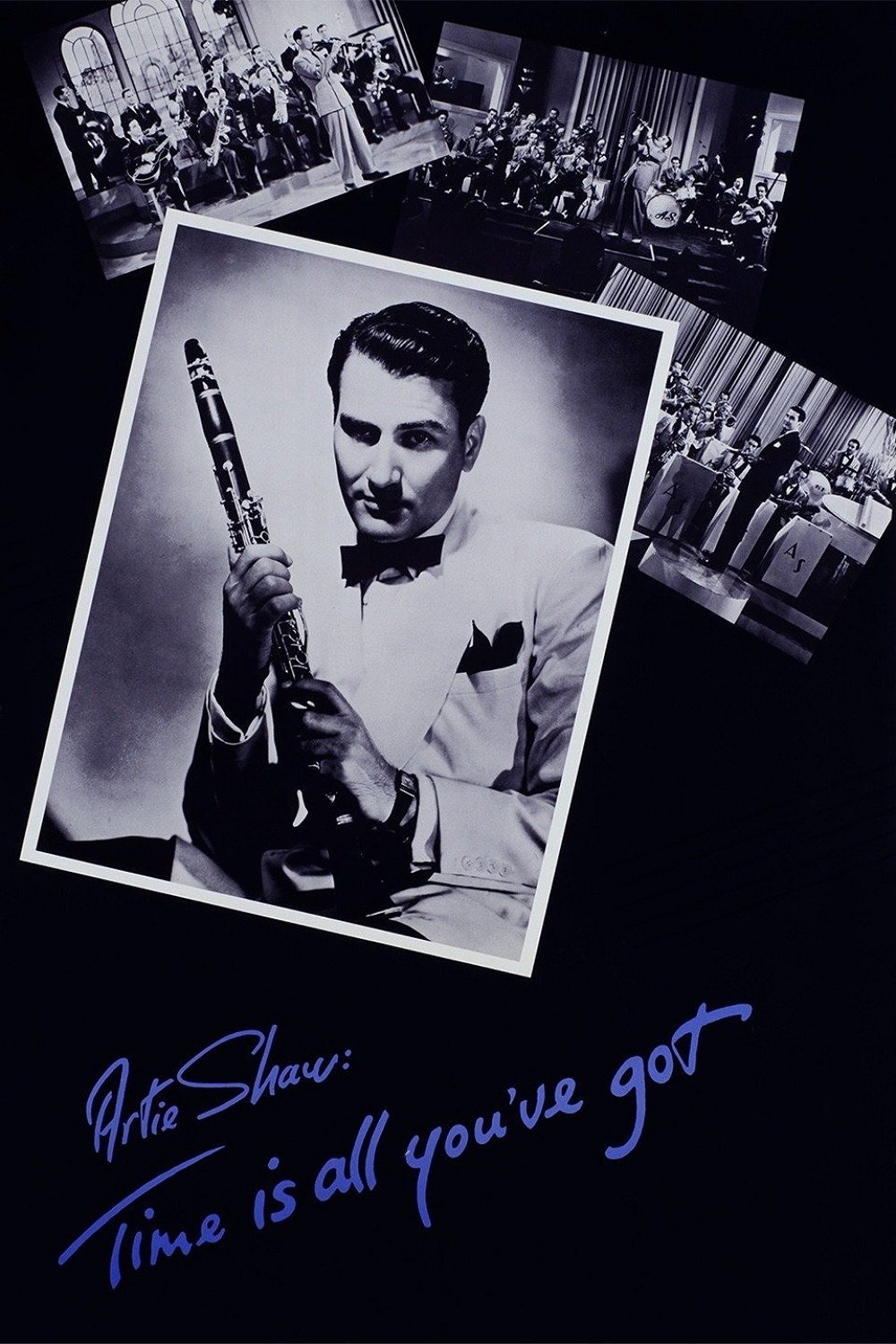
This in-depth examination of the life and career of clarinetist and bandleader Artie Shaw cuts between archival footage, location shots, and an interview with Shaw himself. Berman illustrates the tumultuous, complicated, and remarkable legacy of a man who brought numerous innovations to jazz and swing music during the big-band era.
Artie Shaw: Time Is All You've Got
1985 · 7 votes
 486.9DocumentaryHistory
The recession of the 1980s split the country into the haves and have-nots, from family farmers to factory workers and homeless people forced to live in decrepit welfare hotels. On the verge of losing everything, courageous Americans discover the power of community organizing to fight injustice.
Down and Out in America
1986 · 12 votes
 497.1WarDocumentary
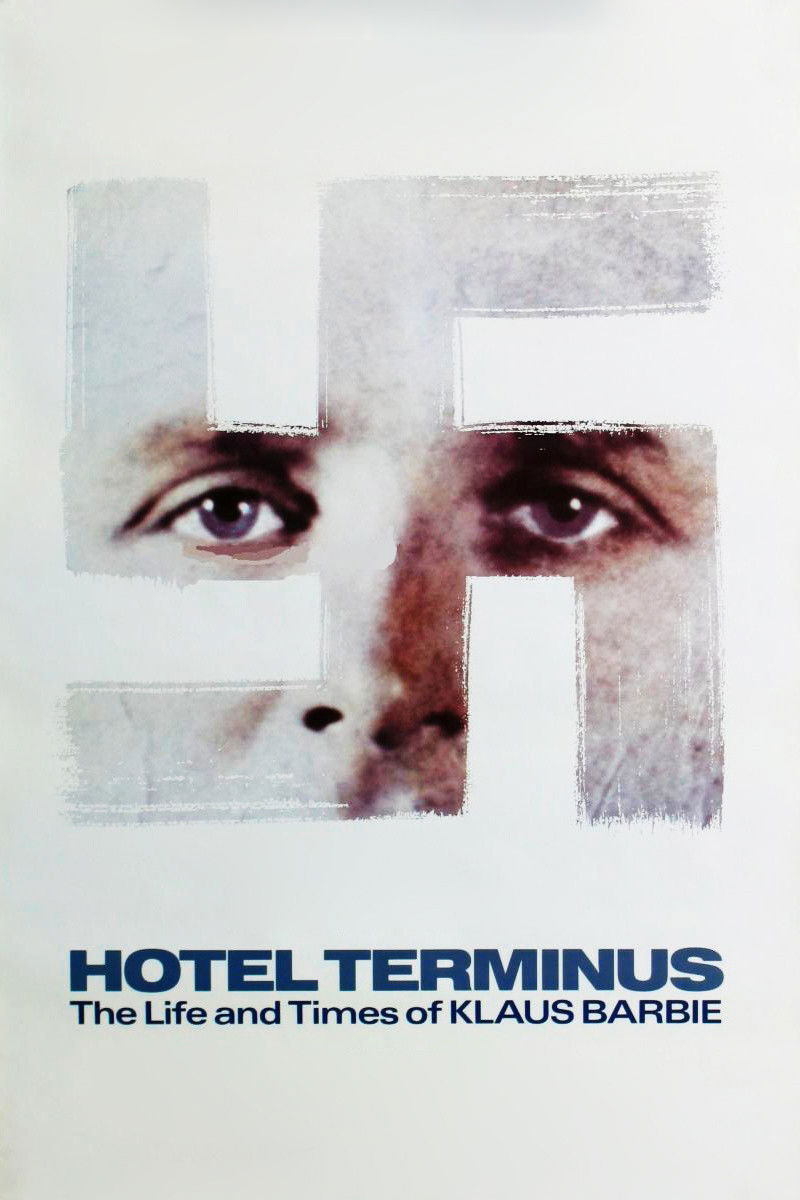
Marcel Ophuls' riveting film details the heinous legacy of the Gestapo head dubbed "The Butcher of Lyon." Responsible for over 4,000 deaths in occupied France during World War II, Barbie would escape—with U.S. help—to South America in 1951, where he lived until a global manhunt led to his 1983 arrest and subsequent trial.
Hôtel Terminus: The Life and Times of Klaus Barbie
1988 · 40 votes
 506.9HistoryDocumentary
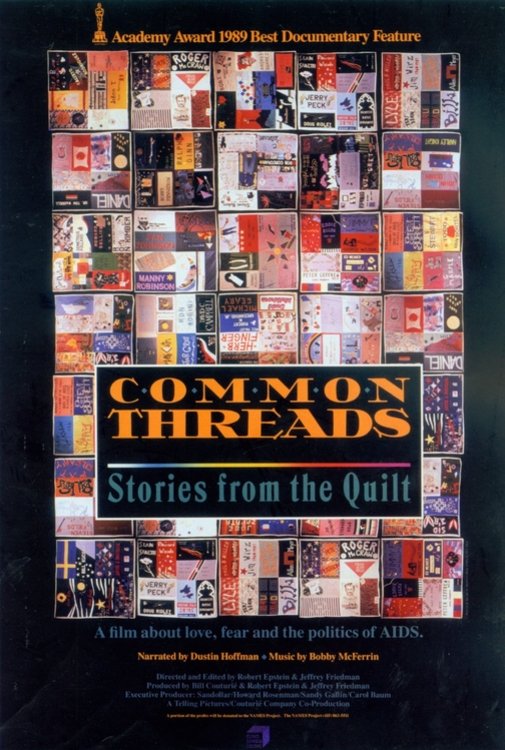
On the eve of 1987's Second National March on Washington for Lesbian and Gay Rights, surviving families and friends of people who have died of AIDS prepare panels to be added to a large-scale memorial quilt project. Drawing from the sea of names memorialized, director Robert Epstein focuses on the lives of six people. Alongside the intimate profiles offered, through news footage and interviews, Epstein puts the AIDS crisis in the larger context of social and government response to the disease.
Common Threads: Stories from the Quilt
1989 · 19 votes
 517.3Documentary
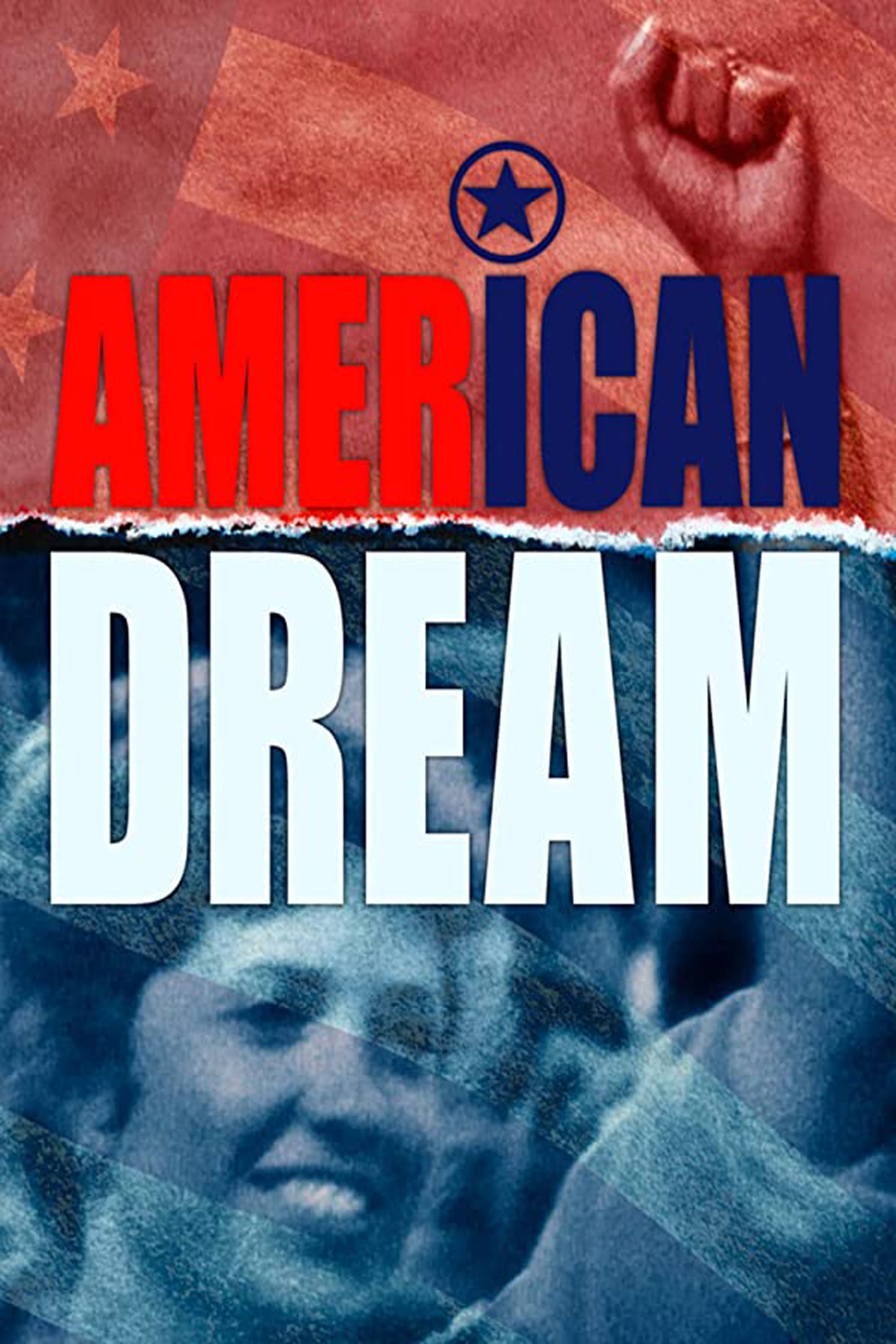
When workers at the Hormel meatpacking plant in Austin, Minnesota are asked to take a substantial pay cut in a highly profitable year, the local labor union decides to go on strike and fight for a wage they believe is fair. But as the work stoppage drags on and the strikers face losing everything, friends become enemies, families are divided and the very future of this typical mid American town is threatened.
American Dream
1990 · 17 votes
 526.4Documentary
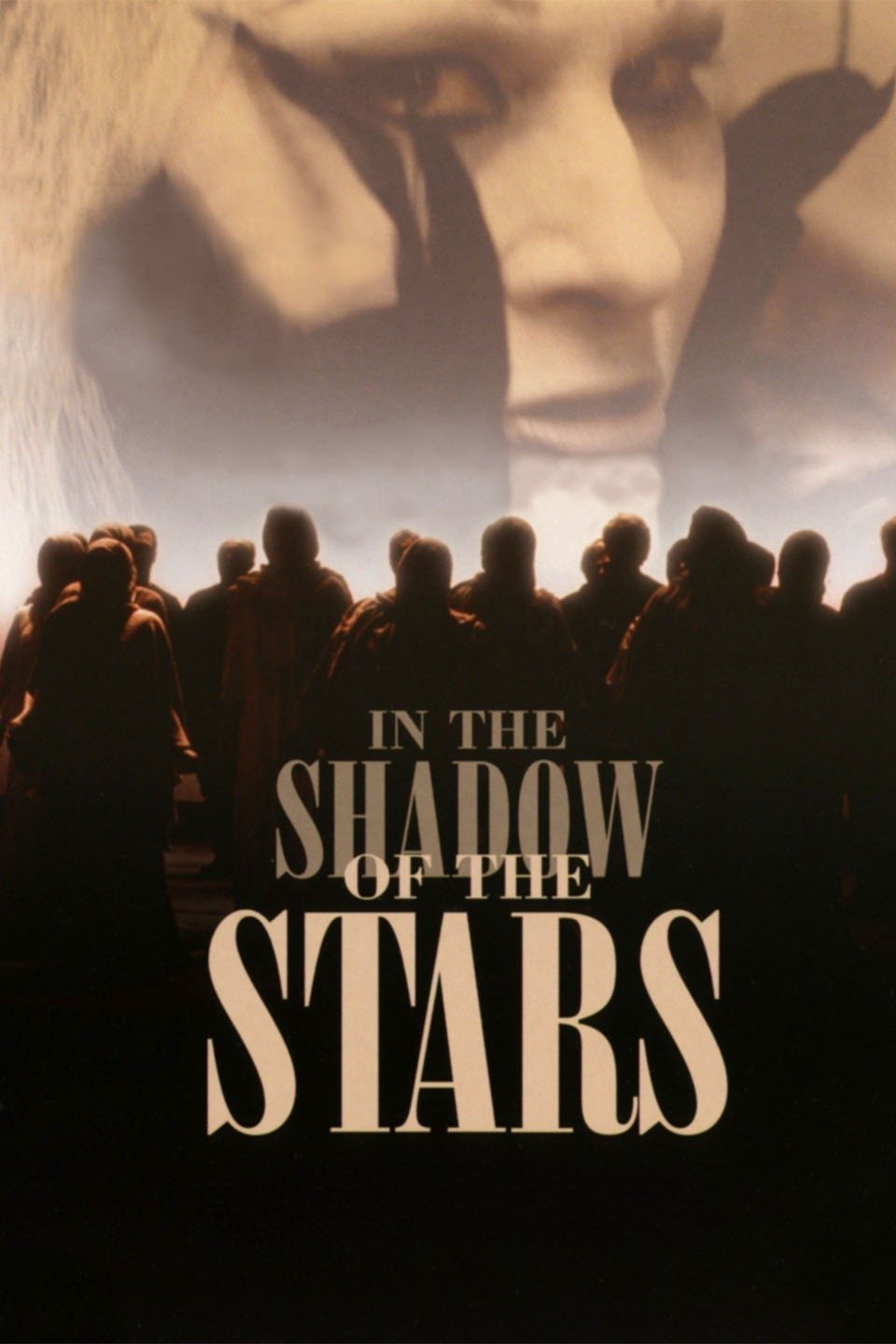
A hilarious and affectionate look at the path to stardom inside the competitive world of opera. Filmmakers Allie Light and Irving Saraf relegate the divas to the background and focus on a limelight-craving group of "choristers" -- the seldom-noticed singers who stand behind the soloists portraying peasants, soldiers and slaves.
In the Shadow of the Stars
1991 · 8 votes
 537.0DocumentaryHistory
This winner of the 1993 Academy Award for Best Documentary Feature details the case that the 1989 invasion of Panama by the US was motivated not by the need to protect American soldiers, restore democracy or even capture Noriega. It was to force Panama to submit the will of the United States after Noriega had exhausted his usefulness.
The Panama Deception
1992 · 22 votes
 546.3Documentary
An unflinching verité portrait of the children of Stanton Elementary School in North Philadelphia, an inner-city neighborhood where 90% of the students live below the poverty line. Seen through the viewpoint of devoted principal Deanna Burney, the film shows Stanton as grossly underfunded, understaffed, and filled with children struggling to overcome their difficulties. But for these at-risk kids, however, the hope for their future survives only in the success of their education. A captivating series of vignettes concerning children growing up outside the American dream, echoing current “hot-button” issues in our country’s ongoing political discussion.
 557.1Documentary
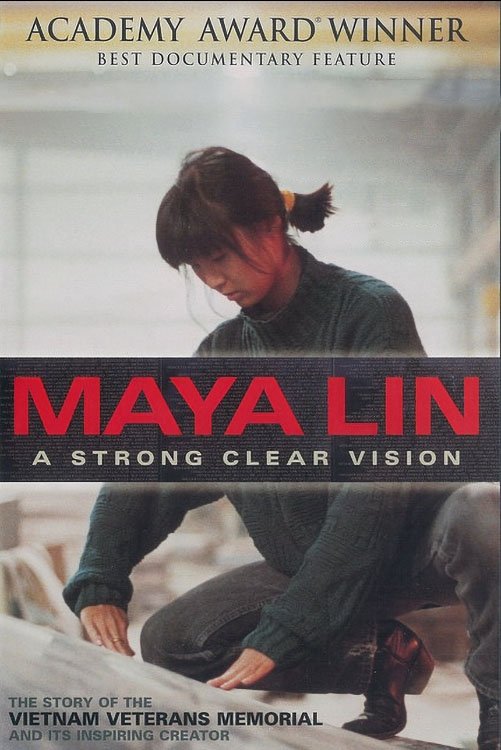
A film about the work of the artist most famous for her monuments such as the Vietnam Memorial Wall and the Civil Rights Fountain Memorial.
Maya Lin: A Strong Clear Vision
1995 · 9 votes
 567.6Documentary
Using previously unreleased archival material in addition to contemporary interviews, this Academy Award-winning documentary tells the story of the Frank family and presents the first fully-rounded portrait of their brash and free-spirited daughter Anne, perhaps the world's most famous victim of the Holocaust.
Anne Frank Remembered
1995 · 25 votes
 577.6Documentary
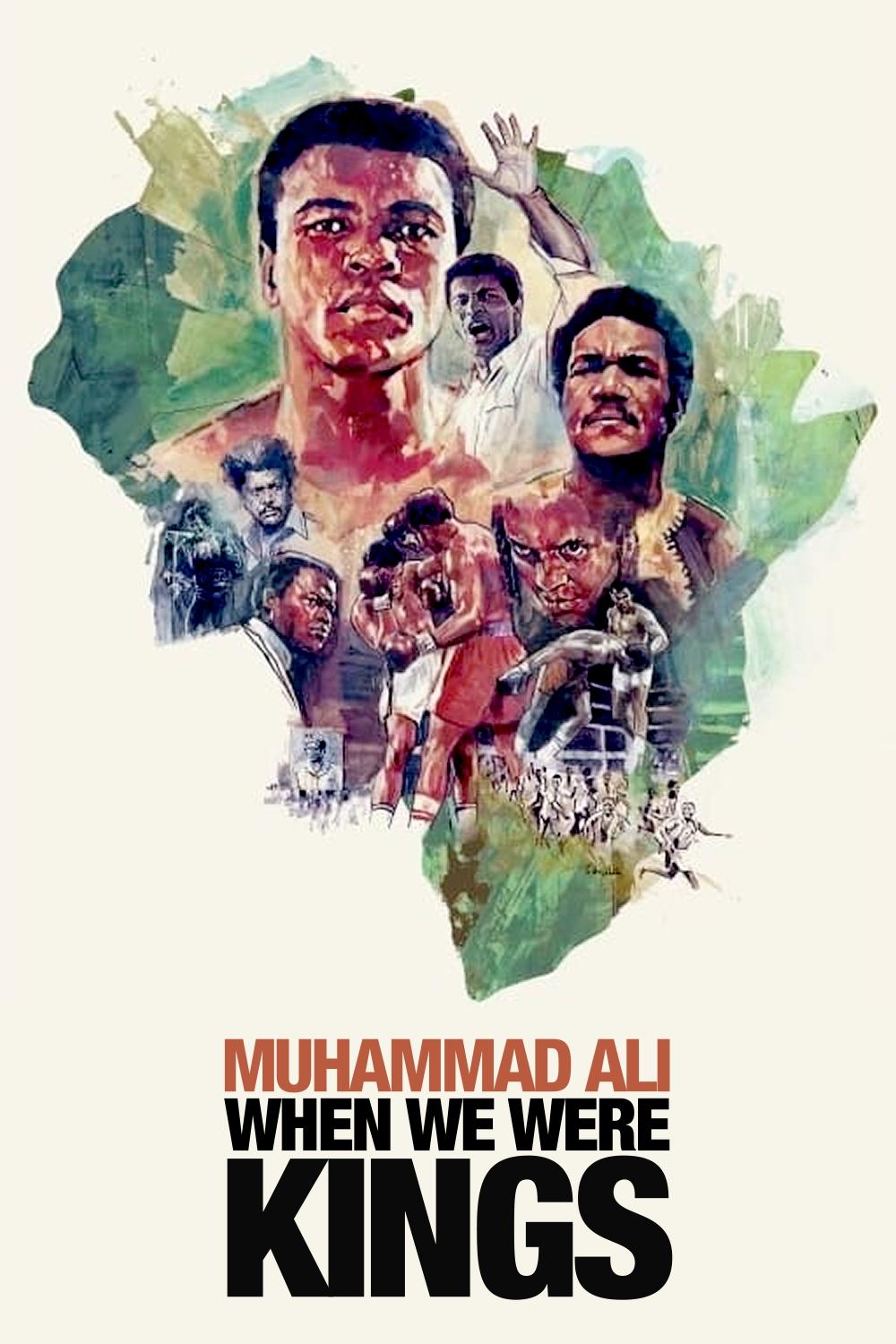
It's 1974. Muhammad Ali is 32 and thought by many to be past his prime. George Foreman is ten years younger and the heavyweight champion of the world. Promoter Don King wants to make a name for himself and offers both fighters five million dollars apiece to fight one another, and when they accept, King has only to come up with the money. He finds a willing backer in Mobutu Sese Suko, the dictator of Zaire, and the "Rumble in the Jungle" is set, including a musical festival featuring some of America's top black performers, like James Brown and B.B. King.
When We Were Kings
1996 · 264 votes
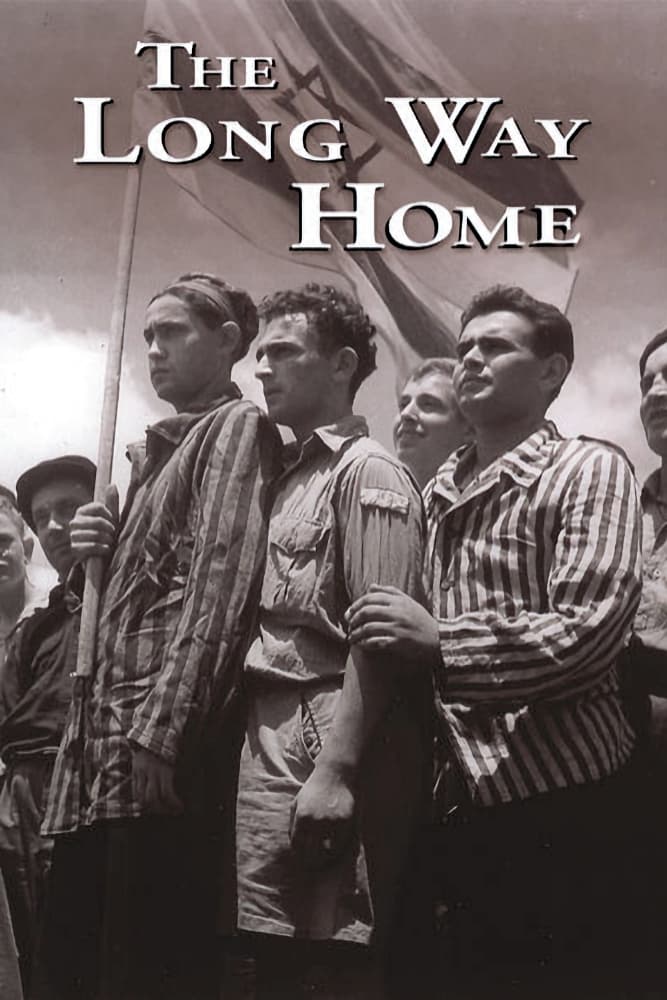 587.1DocumentaryHistory
The story of the post World War II Jewish refugee situation from liberation to the establishment of the modern state of Israel.
The Long Way Home
1997 · 14 votes
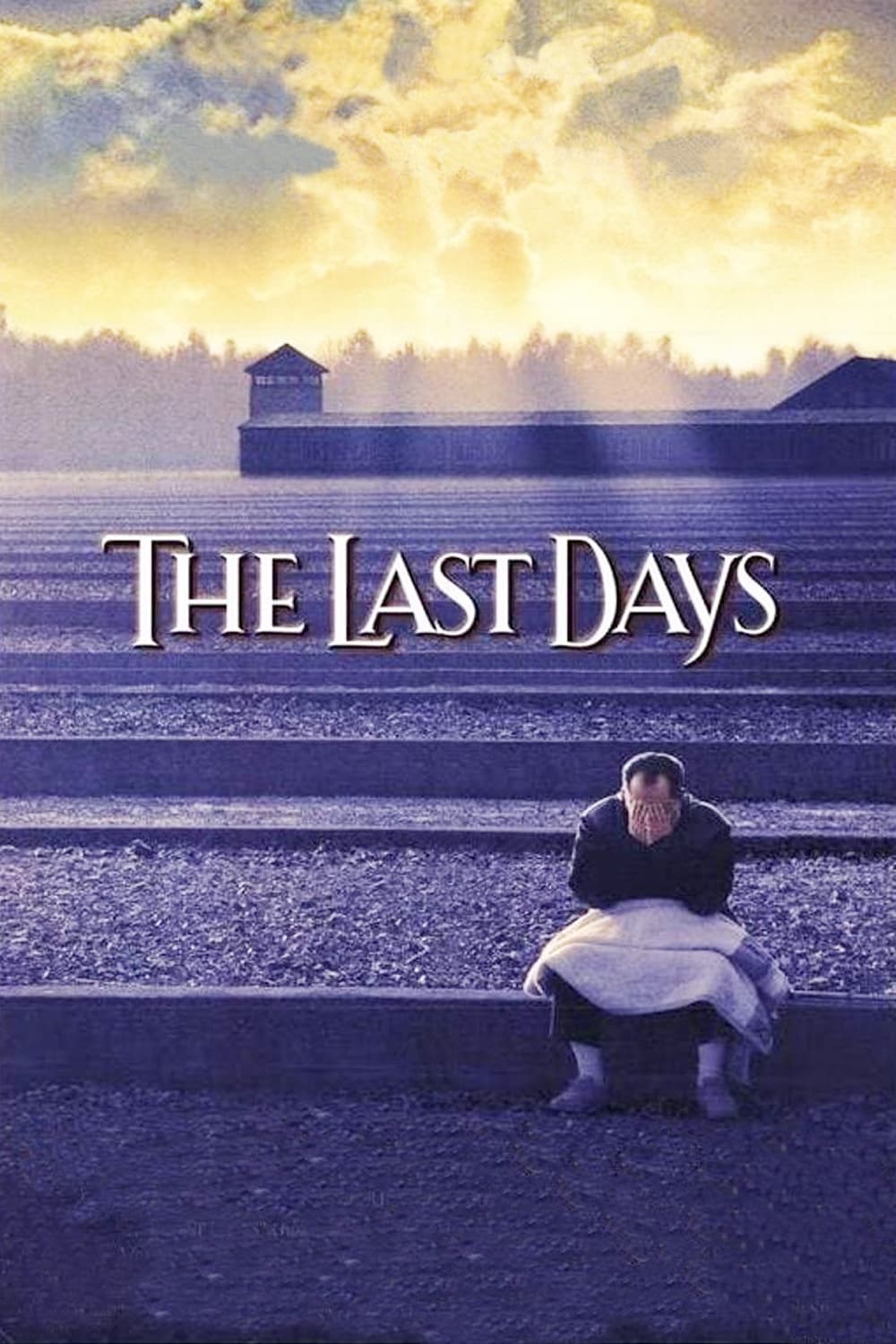 597.4DocumentaryHistory
This Oscar-winning documentary recounts the harrowing stories of five Hungarian Jews who endured the horrors of the Holocaust and Hitler's reign.
The Last Days
1998 · 106 votes
 607.3DocumentaryHistory
The full story of the 1972 Munich Olympics Massacre and the Israeli revenge operation 'Wrath of God.' The 1972 Munich Olympics were interrupted by Palestinian terrorists taking Israeli athletes hostage. Besides footage taken at the time, we see interviews with the surviving terrorist, Jamal Al Gashey, and various officials detailing exactly how the police, lacking an anti-terrorist squad and turning down help from the Israelis, botched the operation.
One Day in September
1999 · 81 votes
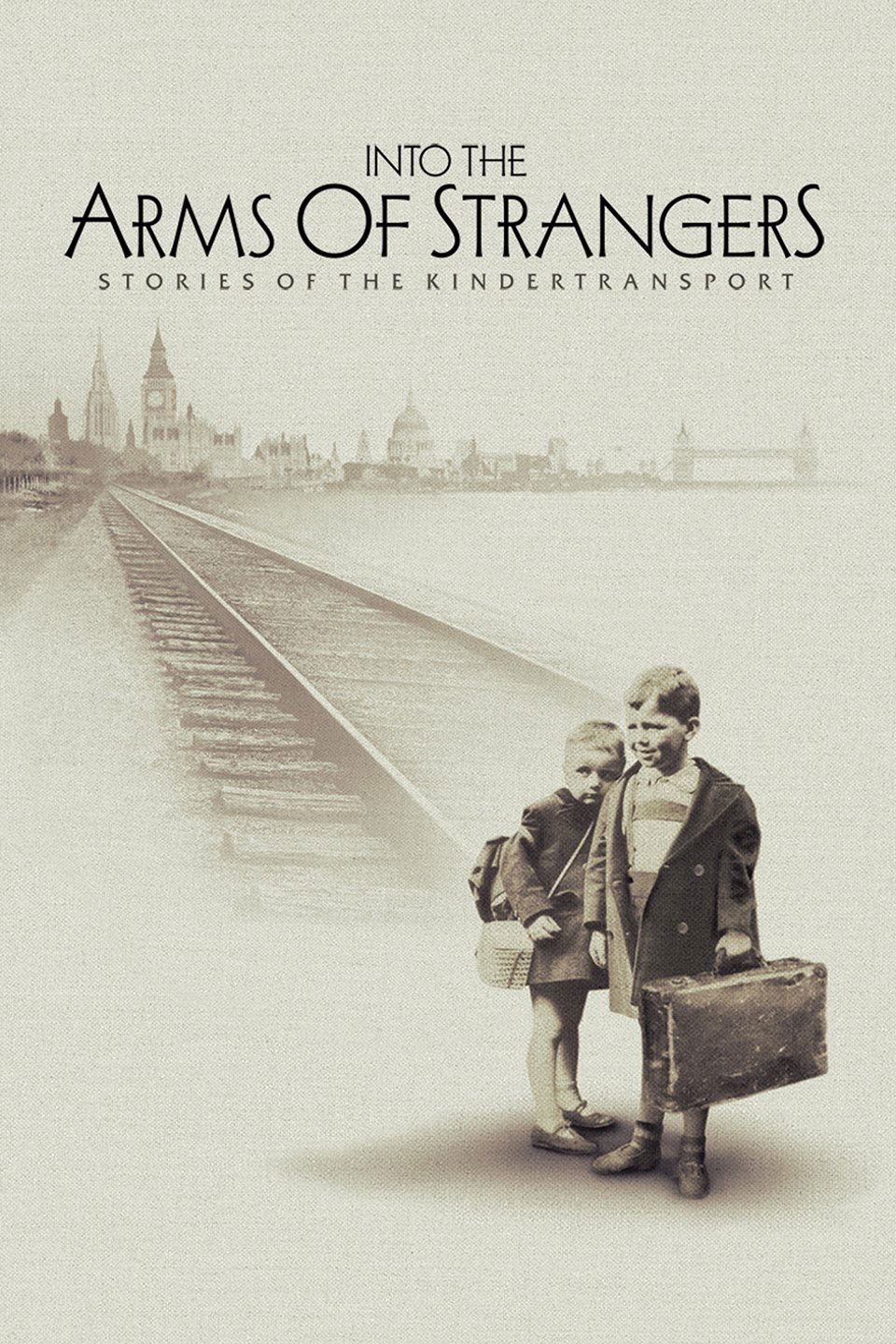 617.4DocumentaryHistory
In the nine months prior to World War II, 10.000 innocent children left behind their families, their homes, their childhood, and took the journey... to Britain to escape the Nazi Holocaust.
Into the Arms of Strangers: Stories of the Kindertransport
2000 · 35 votes
 627.4CrimeDocumentary
2001 French documentary about the murder trial of a 15 year old black teen accused of murder in Jacksonville, Florida. Winner of 2002 Academy Award for Best Documentary.
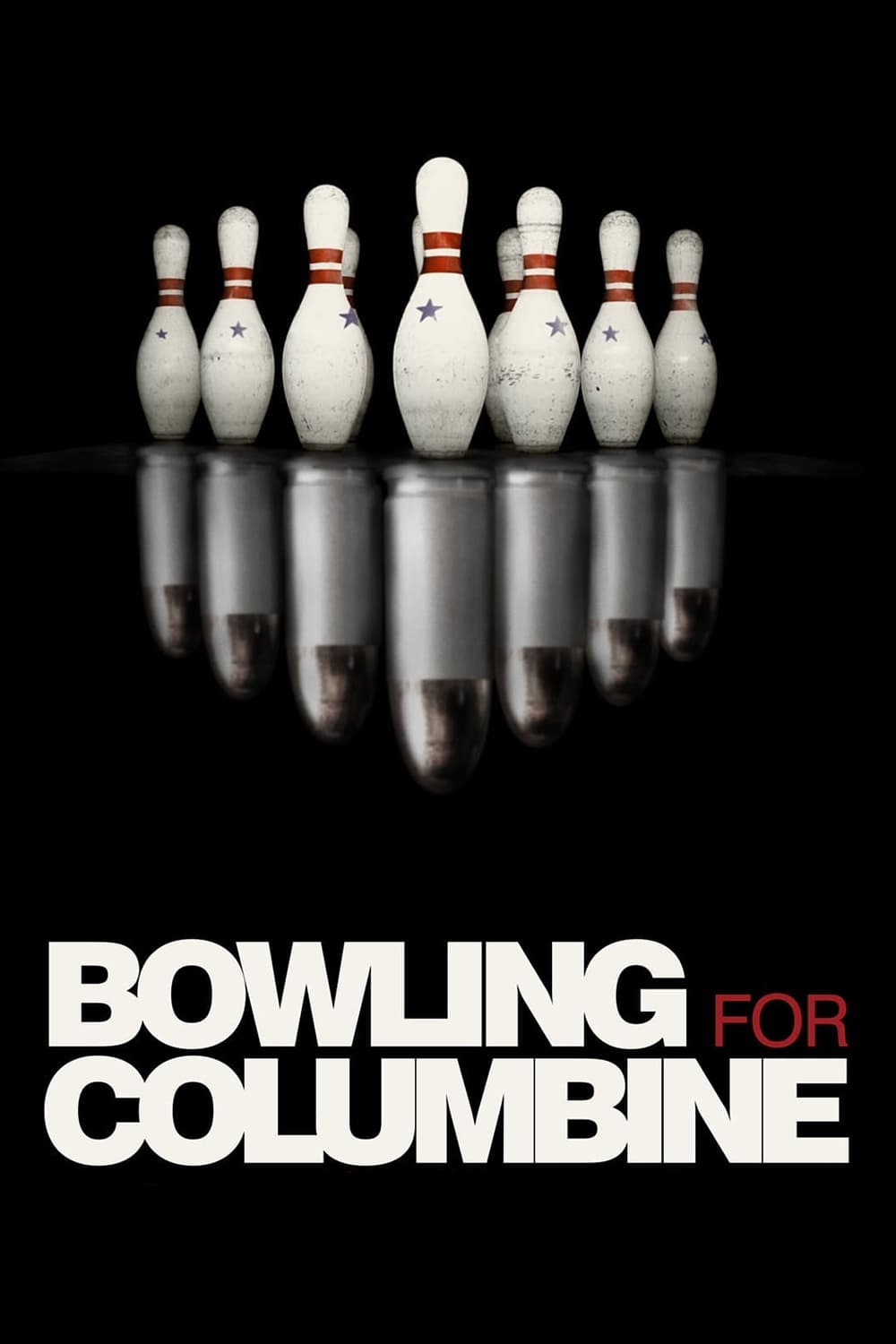 637.5DocumentaryDrama
This is not a film about gun control. It is a film about the fearful heart and soul of the United States, and the 280 million Americans lucky enough to have the right to a constitutionally protected Uzi. From a look at the Columbine High School security camera tapes to the home of Oscar-winning NRA President Charlton Heston, from a young man who makes homemade napalm with The Anarchist's Cookbook to the murder of a six-year-old girl by another six-year-old. Bowling for Columbine is a journey through the US, through our past, hoping to discover why our pursuit of happiness is so riddled with violence.
Bowling for Columbine
2002 · 1.8K votes
 647.7Documentary
Former corporate whiz kid Robert McNamara was the controversial Secretary of Defense in the Kennedy and Johnson administrations, during the height of the Vietnam War. Augmented by archival footage and cabinet conversation recordings, Errol Morris gives the conflicted McNamara a platform on which he attempts to confront his and the U.S. government's actions in Southeast Asia in light of the horrors of modern warfare, the end of ideology and the punitive judgment of history.
The Fog of War
2003 · 308 votes
 656.8Documentary
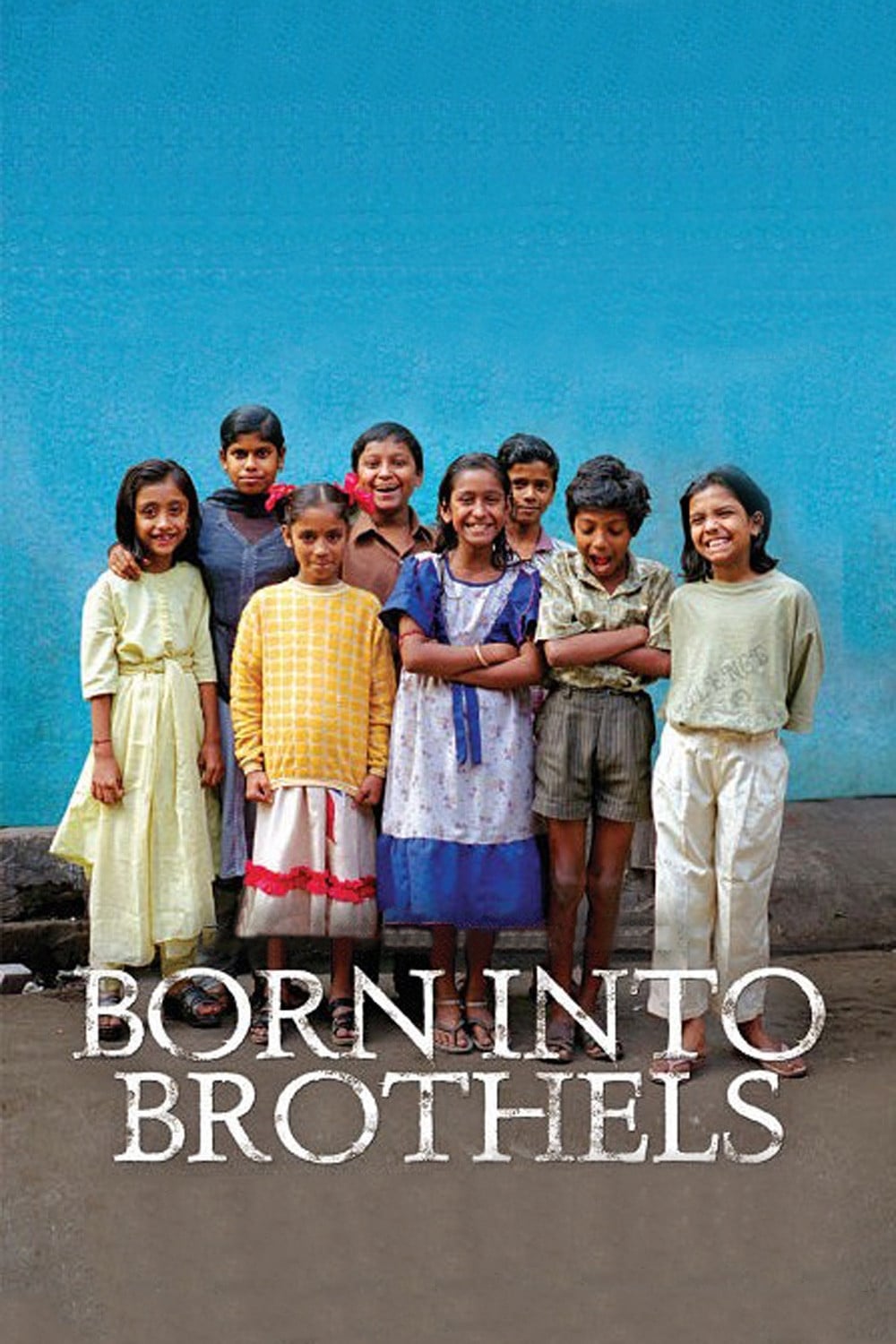
Documentary depicting the lives of child prostitutes in the red light district of Songachi, Calcutta. Director Zana Briski went to photograph the prostitutes when she met and became friends with their children. Briski began giving photography lessons to the children and became aware that their photography might be a way for them to lead better lives.
Born into Brothels: Calcutta's Red Light Kids
2004 · 256 votes
 667.1DocumentaryFamily
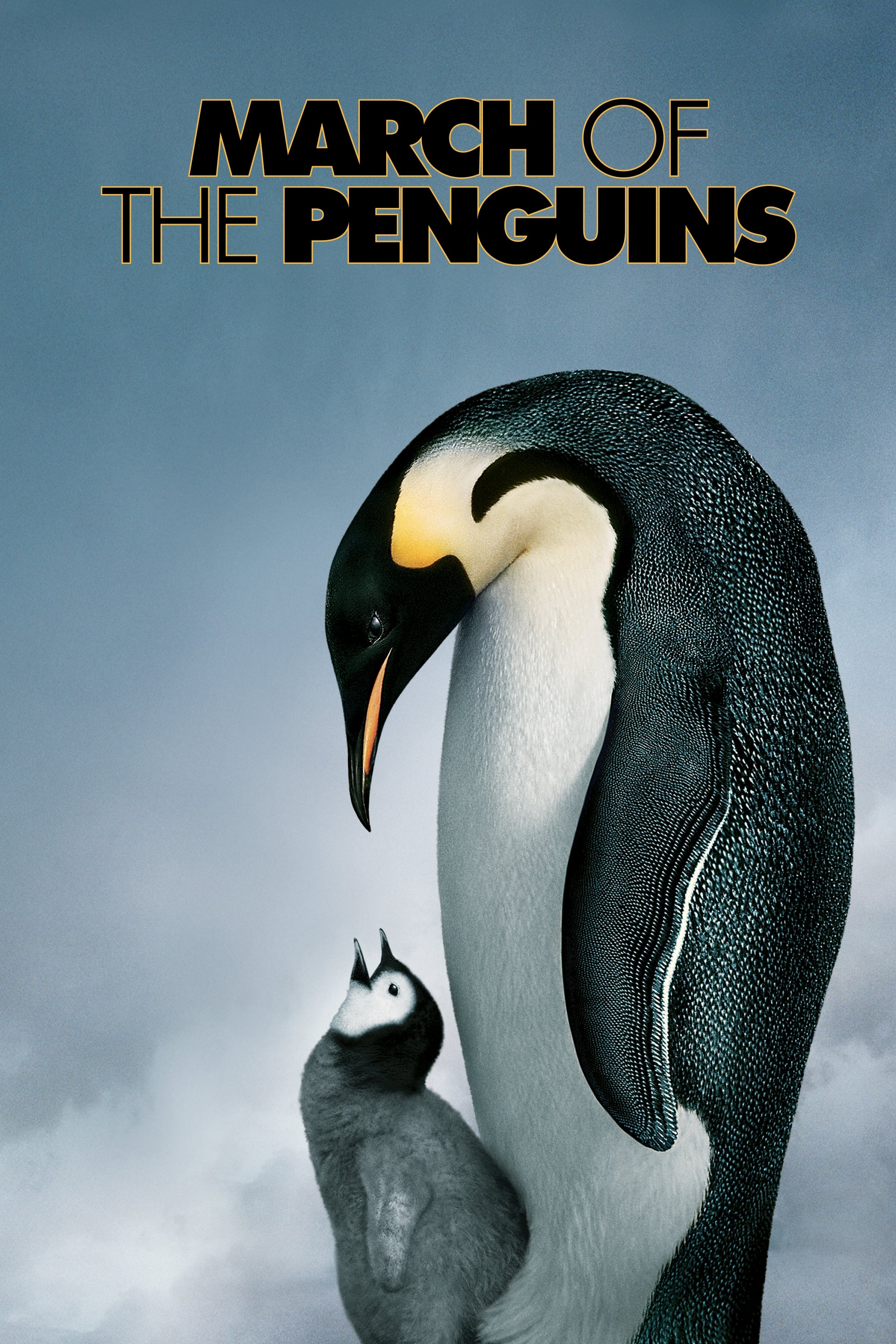
Every year, thousands of Antarctica's emperor penguins make an astonishing journey to breed their young. They walk, marching day and night in single file 70 miles into the darkest, driest and coldest continent on Earth. This amazing, true-life tale is touched with humour and alive with thrills. Breathtaking photography captures the transcendent beauty and staggering drama of devoted parent penguins who, in the fierce polar winter, take turns guarding their egg and trekking to the ocean in search of food. Predators hunt them, storms lash them. But the safety of their adorable chicks makes it all worthwhile. So follow the leader... to adventure!!
 676.9Documentary
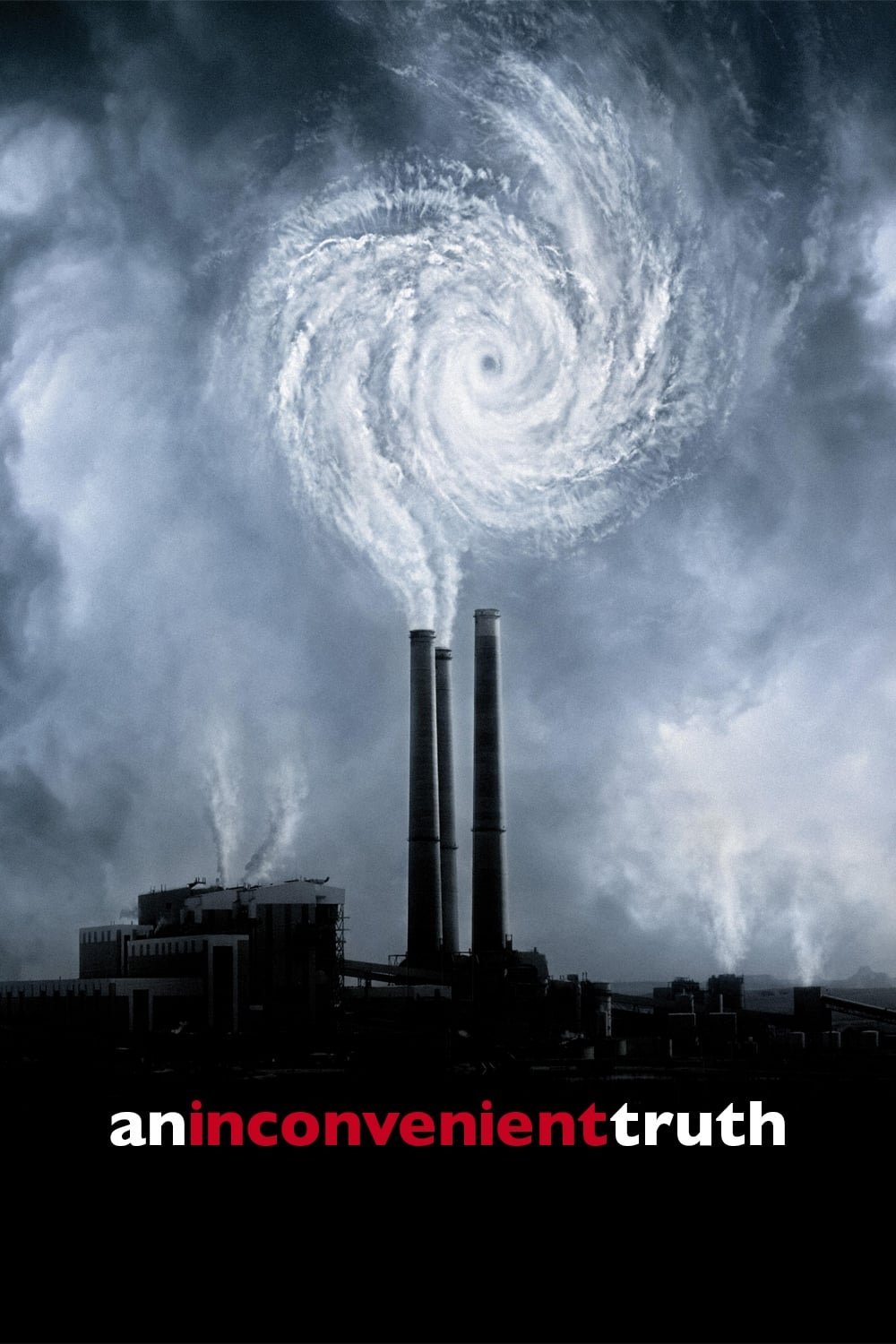
A documentary on Al Gore's campaign to make the issue of global warming a recognized problem worldwide.
An Inconvenient Truth
2006 · 1K votes
 686.9Documentary
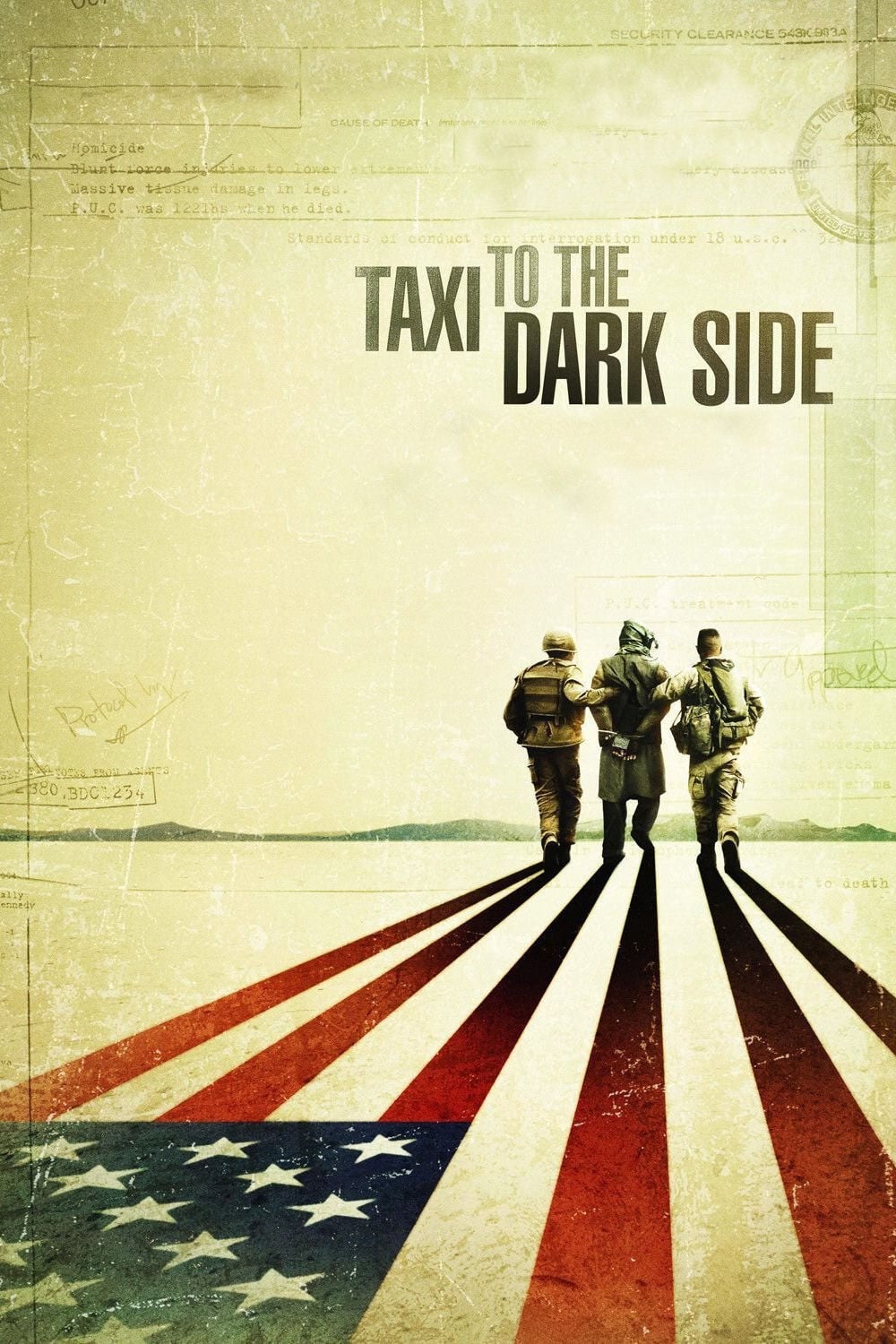
An in-depth look at the torture practices of the United States in Afghanistan, Iraq and Guantanamo Bay, focusing on an innocent taxi driver in Afghanistan who was tortured and killed in 2002.
Taxi to the Dark Side
2008 · 270 votes
 697.4Documentary
On August 7th 1974, French tightrope walker Philippe Petit stepped out on a high wire, illegally rigged between New York's World Trade Center twin towers, then the world's tallest buildings. After nearly an hour of performing on the wire, 1,350 feet above the sidewalks of Manhattan, he was arrested. This fun and spellbinding documentary chronicles Philippe Petit's "highest" achievement.
Man on Wire
2008 · 1K votes
 708.0Documentary
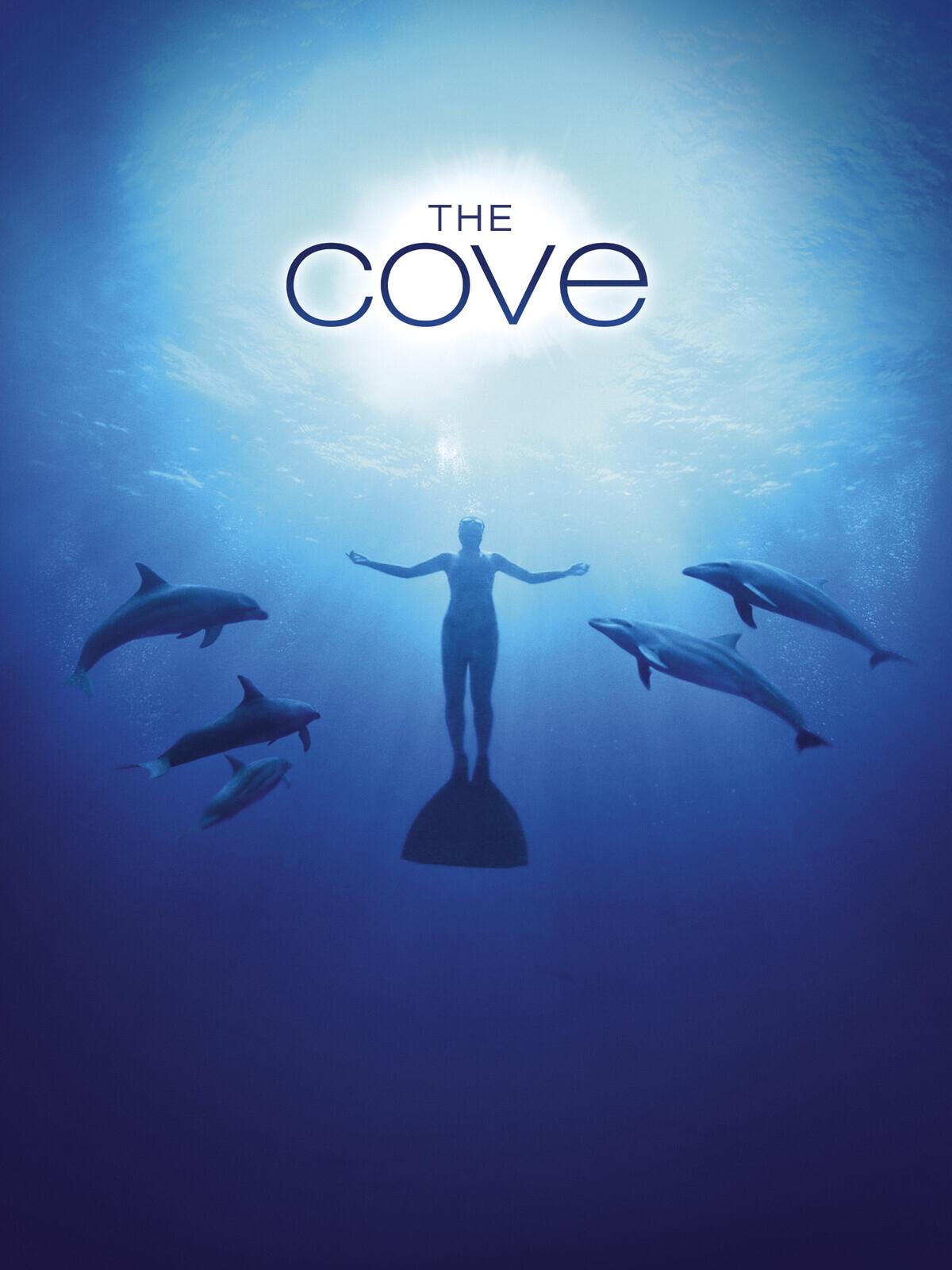
The Cove tells the amazing true story of how an elite team of individuals, films makers and free divers embarked on a covert mission to penetrate the hidden cove in Japan, shining light on a dark and deadly secret. The shocking discoveries were only the tip of the iceberg.
The Cove
2009 · 701 votes
 717.7DocumentaryCrime
A film that exposes the shocking truth behind the economic crisis of 2008. The global financial meltdown, at a cost of over $20 trillion, resulted in millions of people losing their homes and jobs. Through extensive research and interviews with major financial insiders, politicians and journalists, Inside Job traces the rise of a rogue industry and unveils the corrosive relationships which have corrupted politics, regulation and academia.
Inside Job
2010 · 1.1K votes
 727.4Documentary
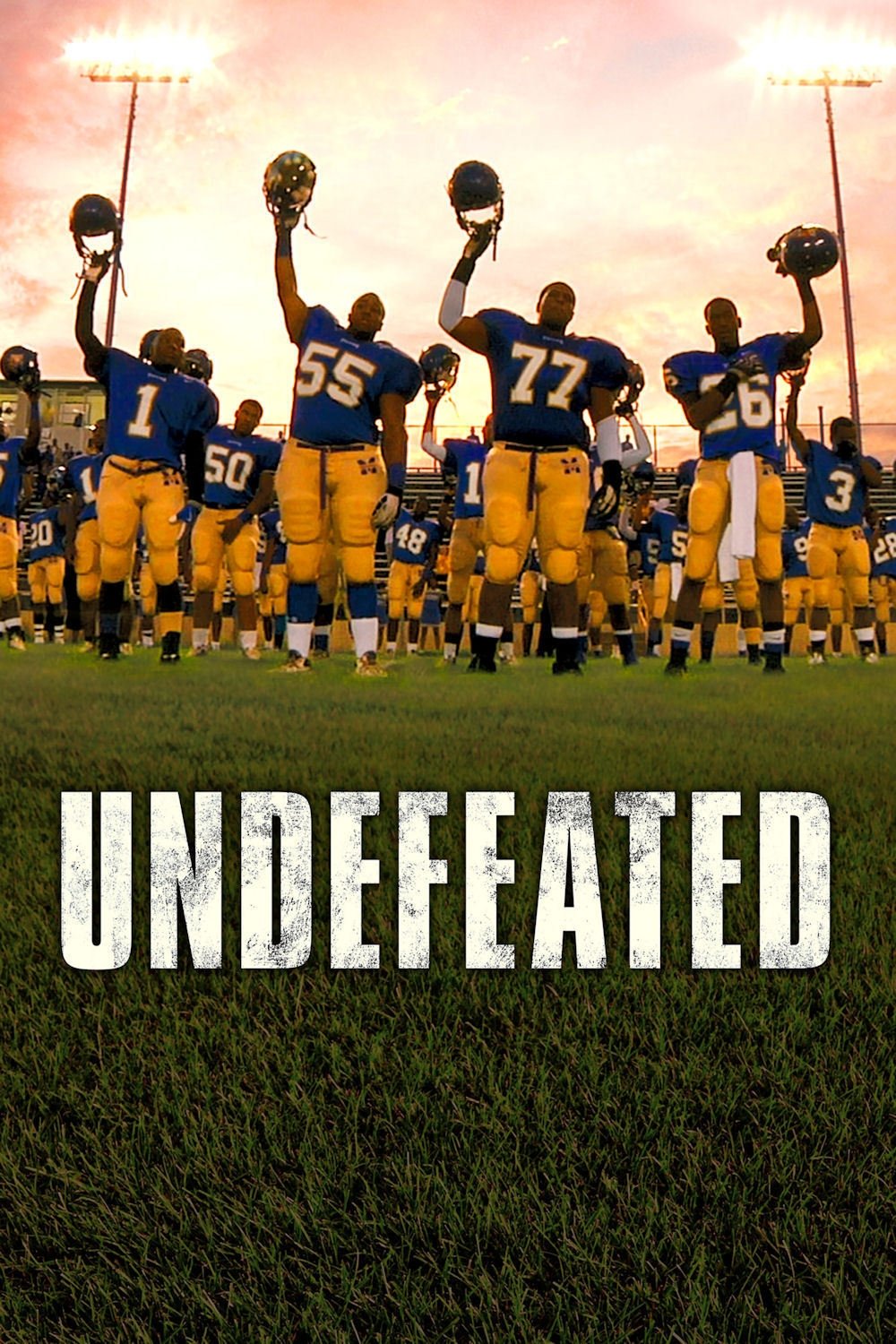
Set against the backdrop of a high school football season, Dan Lindsay and T.J. Martin’s documentary UNDEFEATED is an intimate chronicle of three underprivileged student-athletes from inner-city Memphis and the volunteer coach trying to help them beat the odds on and off the field. For players and coaches alike, the season will be not only about winning games — it will be about how they grapple with the unforeseeable events that are part of football and part of life.
Undefeated
2011 · 86 votes
 737.9MusicDocumentary
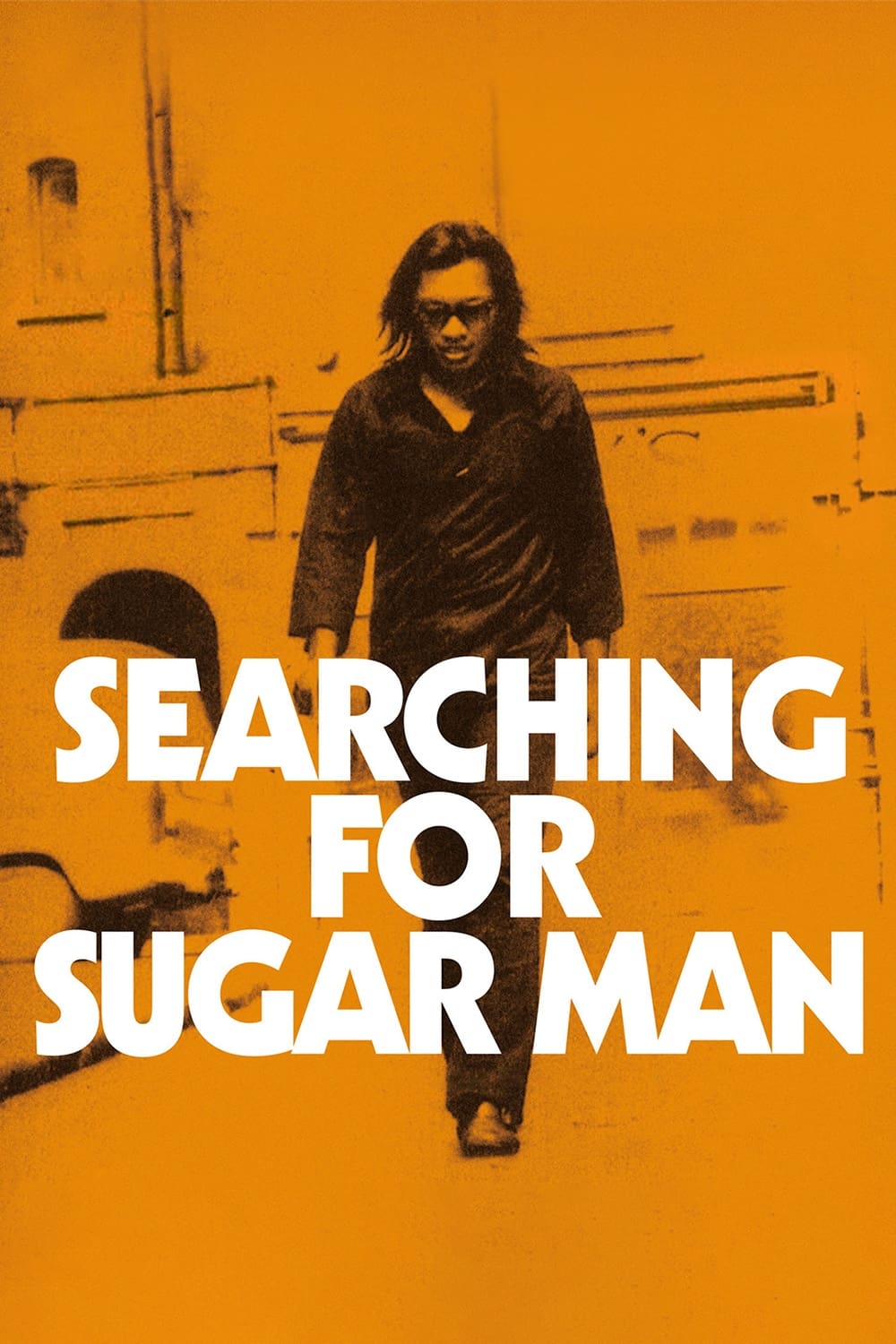
Two South Africans set out to discover what happened to their unlikely musical hero, the mysterious 1970s rock 'n' roller, Rodriguez.
Searching for Sugar Man
2012 · 1.1K votes
 747.2DocumentaryMusic
Backup singers live in a world that lies just beyond the spotlight. Their voices bring harmony to the biggest bands in popular music, but we've had no idea who these singers are or what lives they lead, until now.
20 Feet from Stardom
2013 · 268 votes
 757.7Documentary
In June 2013, Laura Poitras and reporter Glenn Greenwald flew to Hong Kong for the first of many meetings with Edward Snowden. She brought her camera with her.
Citizenfour
2014 · 1.5K votes
 767.6DocumentaryMusic
A documentary on the life of Amy Winehouse, the immensely talented yet doomed songstress. We see her from her teen years, where she already showed her singing abilities, to her finding success and then her downward spiral into alcoholism and drugs.
Amy
2015 · 1.3K votes
 778.4DocumentaryCrime
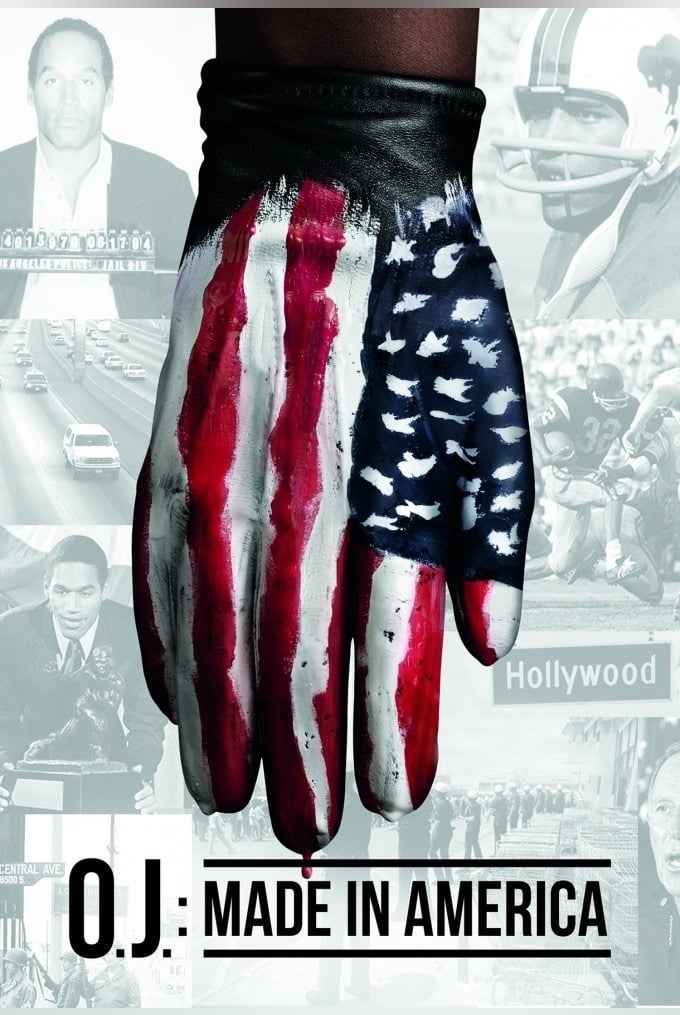
A chronicle of the rise and fall of O.J. Simpson, whose high-profile murder trial exposed the extent of American racial tensions, revealing a fractured and divided nation.
O.J.: Made in America
2016 · 268 votes
 787.6Documentary
While investigating the furtive world of illegal doping in sports, director Bryan Fogel connects with renegade Russian scientist Dr. Grigory Rodchenkov—a pillar of his country’s “anti-doping” program. Over dozens of Skype calls, urine samples, and badly administered hormone injections, Fogel and Rodchenkov grow closer despite shocking allegations that place Rodchenkov at the center of Russia’s state-sponsored Olympic doping program.
Icarus
2017 · 864 votes