Comments
Sign in to join the conversation.
Sign in to join the conversation.
Who is in it. Open anyone to see what else they are in.
Picked from what people who watched this went on to watch.
 Movie8.2
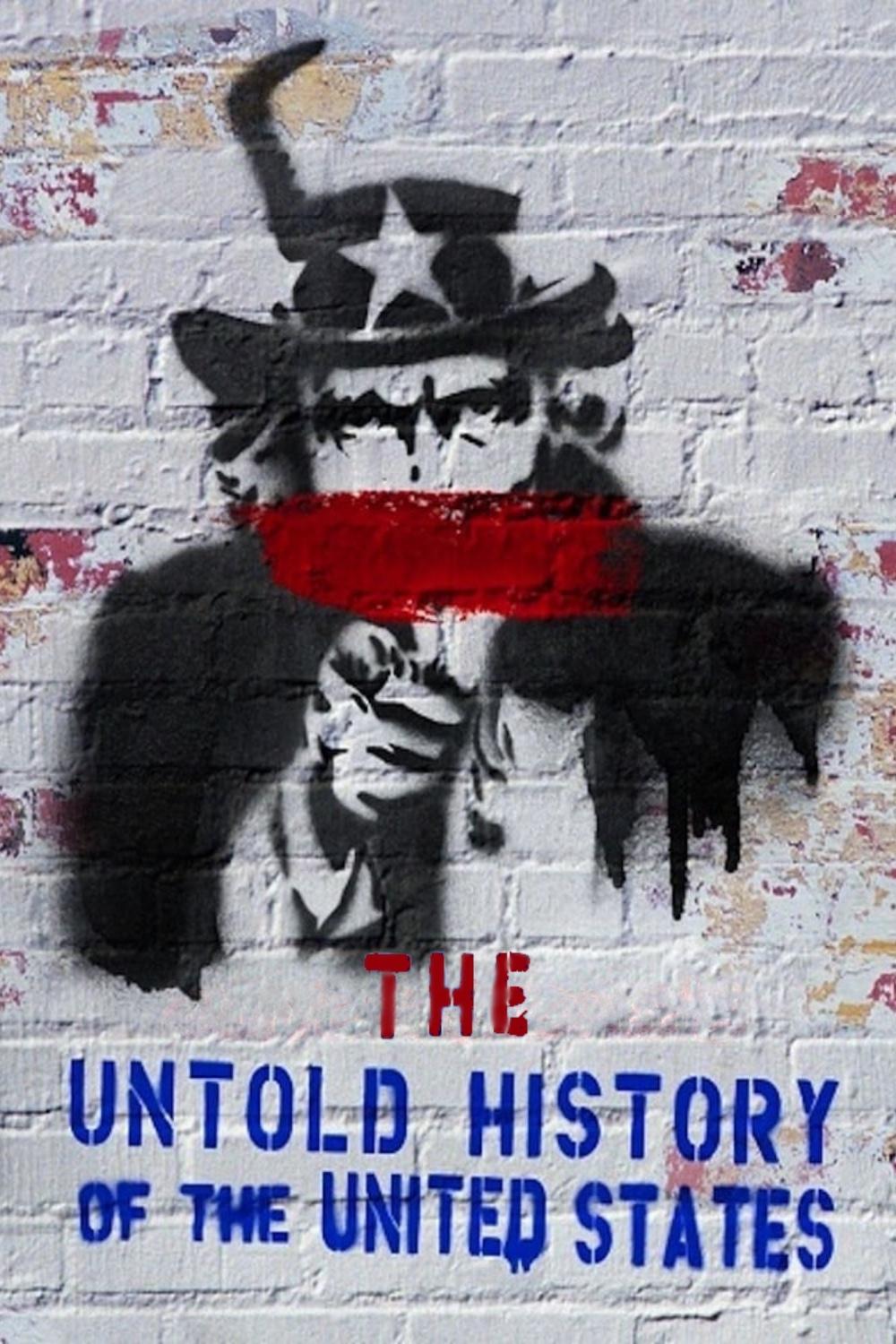
Oliver Stone charts the history of the United States from the Second World War to the present.
2012 · 112 votes
 Movie7.6
Ranjit, a farmer in India, takes on the fight of his life when he demands justice for his 13-year-old daughter, the victim of a brutal gang rape. His decision to support his daughter is virtually unheard of, and his journey unprecedented.
2023 · 42 votes
 Movie7.1
An unprecedented and intimate look at the life, work and enduring legacy of British actress Audrey Hepburn (1929-1993).
2020 · 65 votes
 Movie7.2
In an intimate and joyful story of love in the face of loss, celebrated poets Andrea Gibson and Megan Falley find strength—and unexpected hilarity—in what might be their final year together.
2025 · 42 votes
 Movie7.6
When Allied forces liberated the Nazi concentration camps in 1944-45, their terrible discoveries were recorded by army and newsreel cameramen, revealing for the first time the full horror of what had happened. Making use of British, Soviet and American footage, the Ministry of Information’s Sidney Bernstein (later founder of Granada Television) aimed to create a documentary that would provide lasting, undeniable evidence of the Nazis’ unspeakable crimes. He commissioned a wealth of British talent, including editor Stewart McAllister, writer and future cabinet minister Richard Crossman – and, as treatment advisor, his friend Alfred Hitchcock. Yet, despite initial support from the British and US Governments, the film was shelved, and only now, 70 years on, has it been restored and completed by Imperial War Museums under its original title "German Concentration Camps Factual Survey".
2014 · 90 votes
 Movie7.2
After the coup d'État of the Democratic government of Allende, the embassy of Italy in Santiago played a major role in helping the opposers of the regime, and extradited many of them to Italy.
2018 · 121 votes