 TV SeriesTV SeriesTV Series
Picked from what people who watched this went on to watch.
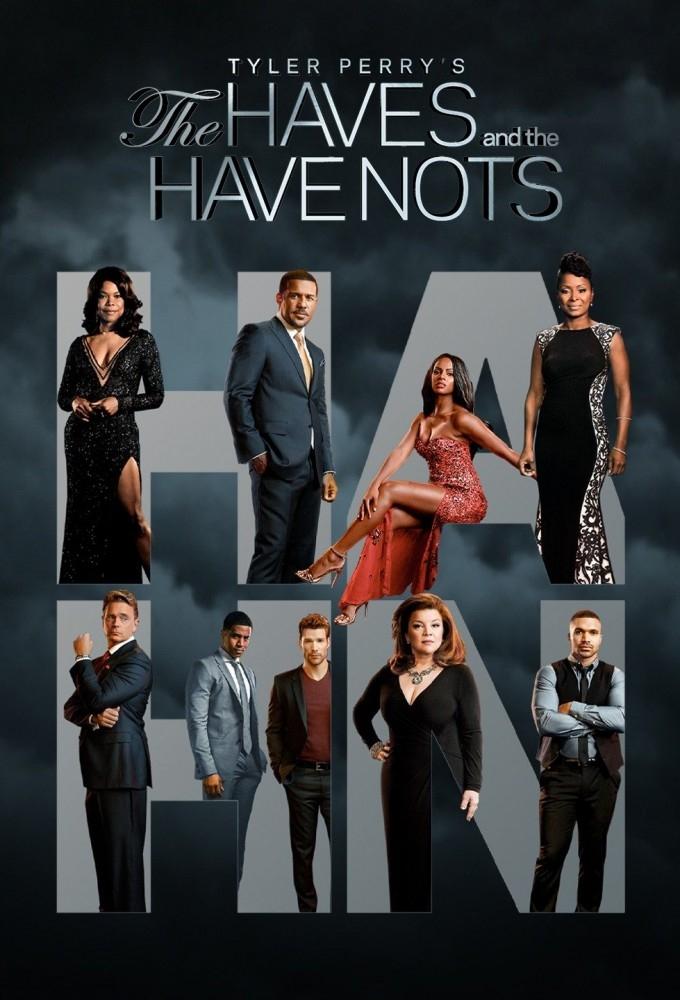 TV7.5
TV7.5Follow the complicated dynamic between the rich and powerful Cryer family and the hired help who work in their opulent Savannah, Georgia, mansion.
2013 · 140 votes
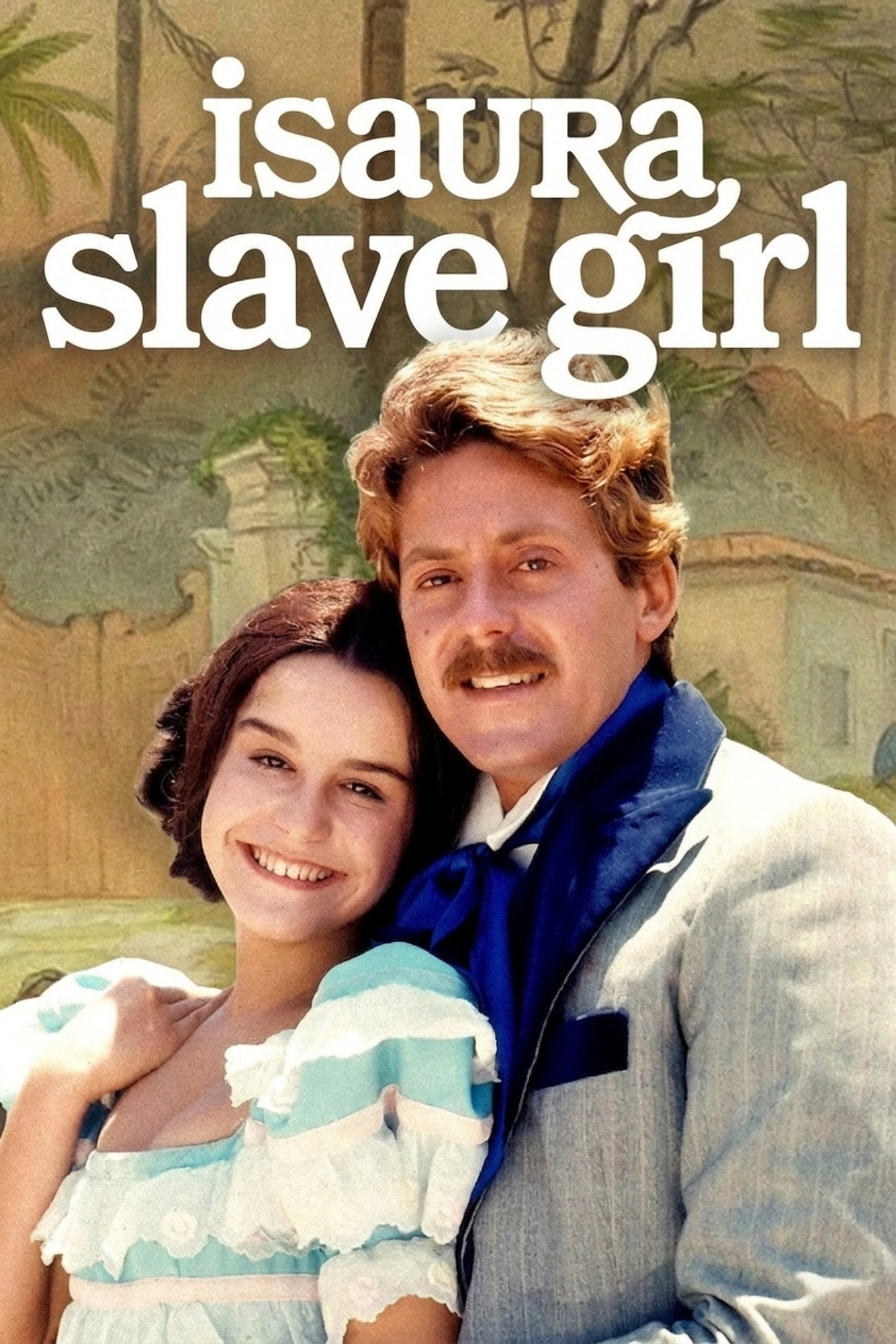 TV6.0
TV6.0Set in 19th-century Brazil during the waning years of slavery, Escrava Isaura tells the story of Isaura, a white-skinned enslaved woman raised with the manners and education of a noble lady. Though treated with affection by her mistress, Isaura remains legally enslaved and becomes the object of obsessive desire by Leôncio Almeida, the cruel heir to the plantation. After the death of her protector, Isaura falls under Leôncio’s control. Despite his attempts to seduce and dominate her, she resists, determined to preserve her dignity and freedom. Her father, Miguel, helps her escape to Recife, where she adopts a new identity and meets Álvaro, a wealthy and principled abolitionist who falls in love with her. Leôncio eventually tracks her down, leading to dramatic confrontations. In the end, Álvaro rescues Isaura by purchasing Leôncio’s debts, securing her freedom and affirming the story’s central themes of justice, love, and resistance against oppression.
 TV7.0
TV7.0The rivalries, romances, hopes and fears of the residents of the fictional Midwestern metropolis, Genoa City. The lives and loves of a wide variety of characters mingle through the generations, dominated by the Newman, Abbott, Baldwin and Winters families.
1973 · 169 votes
 TV7.8
TV7.8The story of fifteen-year-old Jovana Luna and the obstacles she will have to overcome in her fight to find happiness with the handsome León Baldomero, the love of her life.
2000 · 83 votes
 TV8.6
TV8.6The kidnapping of her son unleashes a storm in Nuria García's life who, in the most difficult moment, meets Santiago Zepeda; together, they find redemption in the face of adversity.
2023 · 21 votes
 TV6.2
TV6.2The ground-breaking soap set in a housing estate on the outskirts of Liverpool.
1982 · 20 votes
Who is in it. Open anyone to see what else they are in.

Carlos Vereza
Queiroz Antunes
119 episodes

Carla Camurati
Aimée Lovato
119 episodes
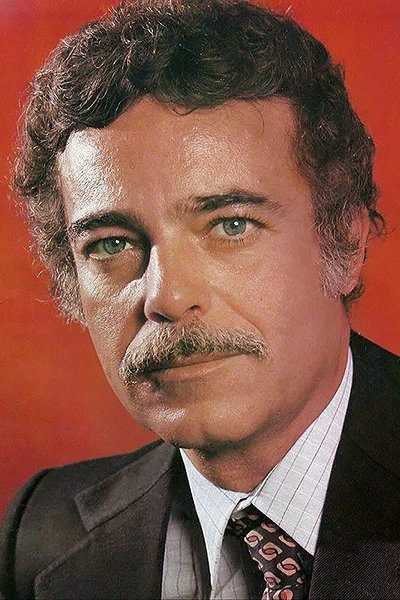
Rubens de Falco
Abílio Mendonça
119 episodes

Edwin Luisi
Dr. Demétrio Lovato
119 episodes
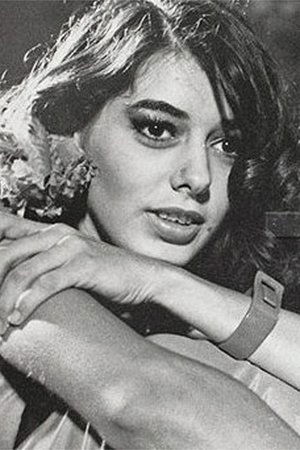
Cristina Aché
Isabel
119 episodes
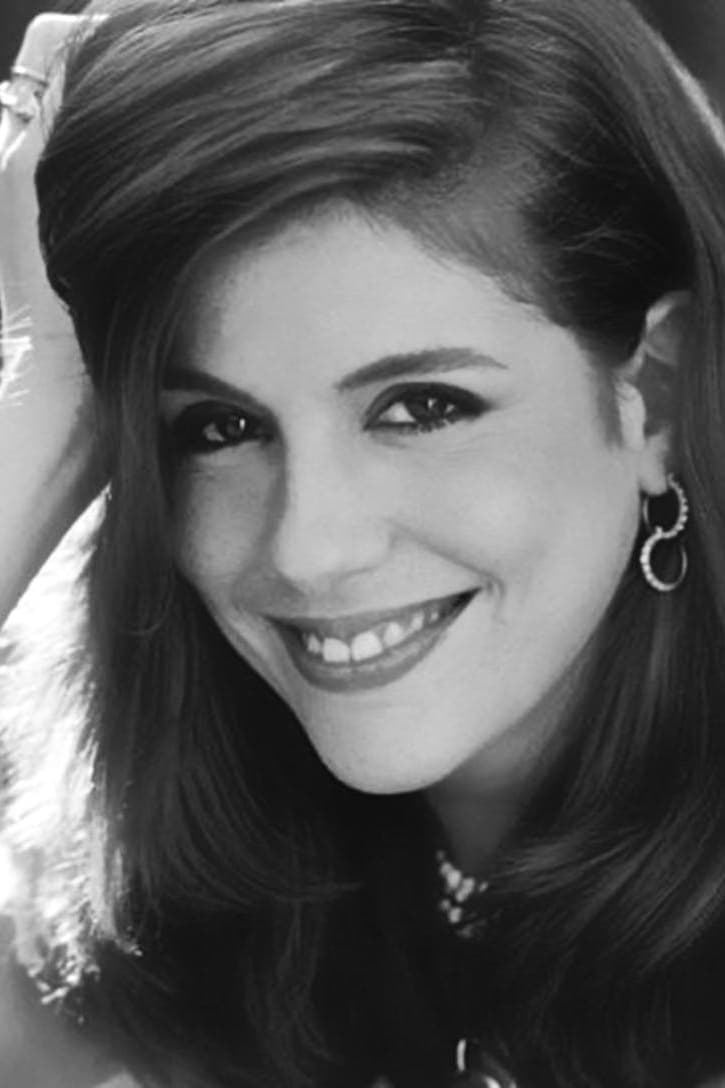
Sandra Bréa
Francisca Matoso
119 episodes
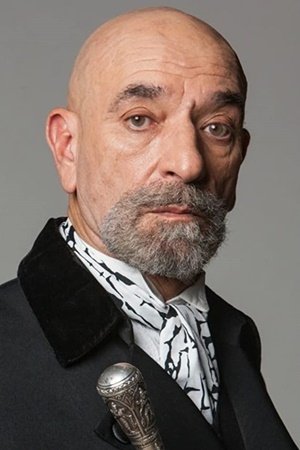
Luis Guilherme
Francisco da Gama
119 episodes
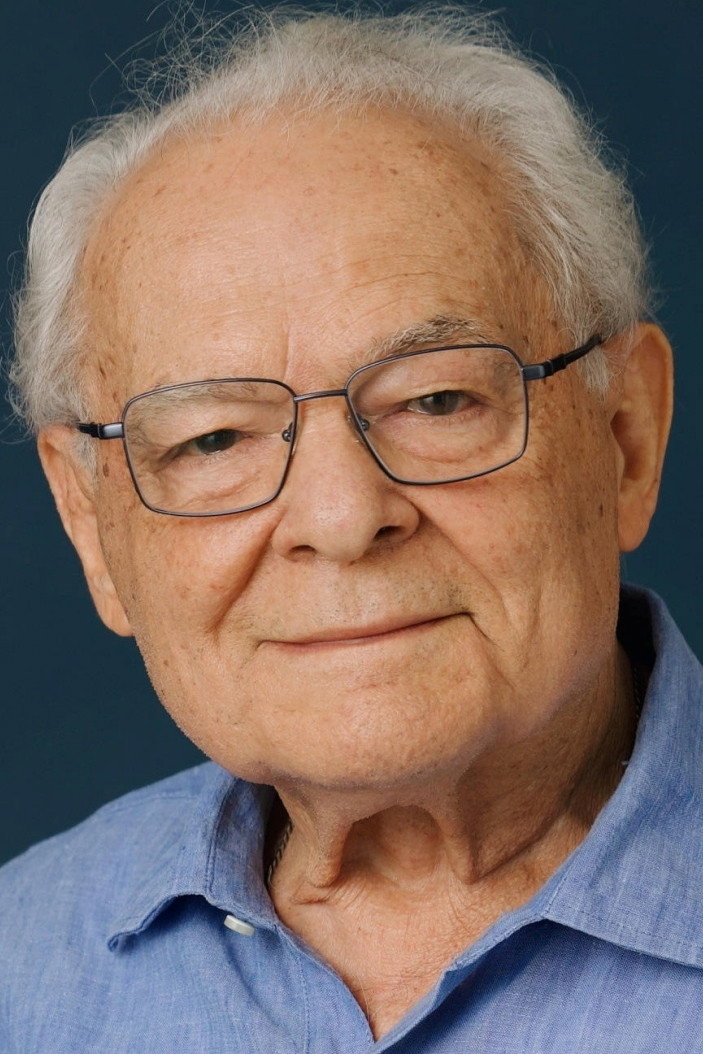
Othon Bastos
Coronel Tóti
119 episodes

Esther Góes
Violante
119 episodes
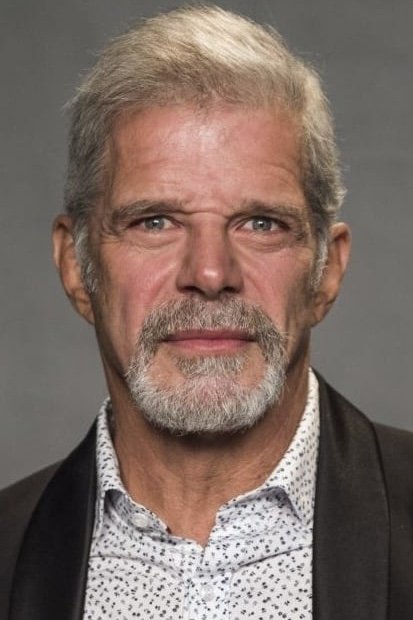
Raul Gazolla
Fernando
119 episodes
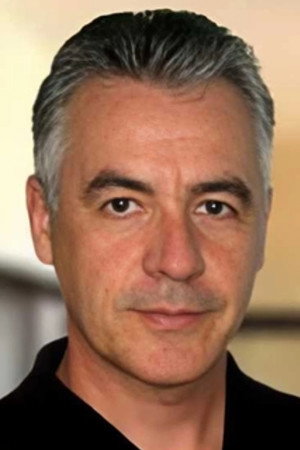
Fabio Junqueira
Carlos Albuquerque
119 episodes
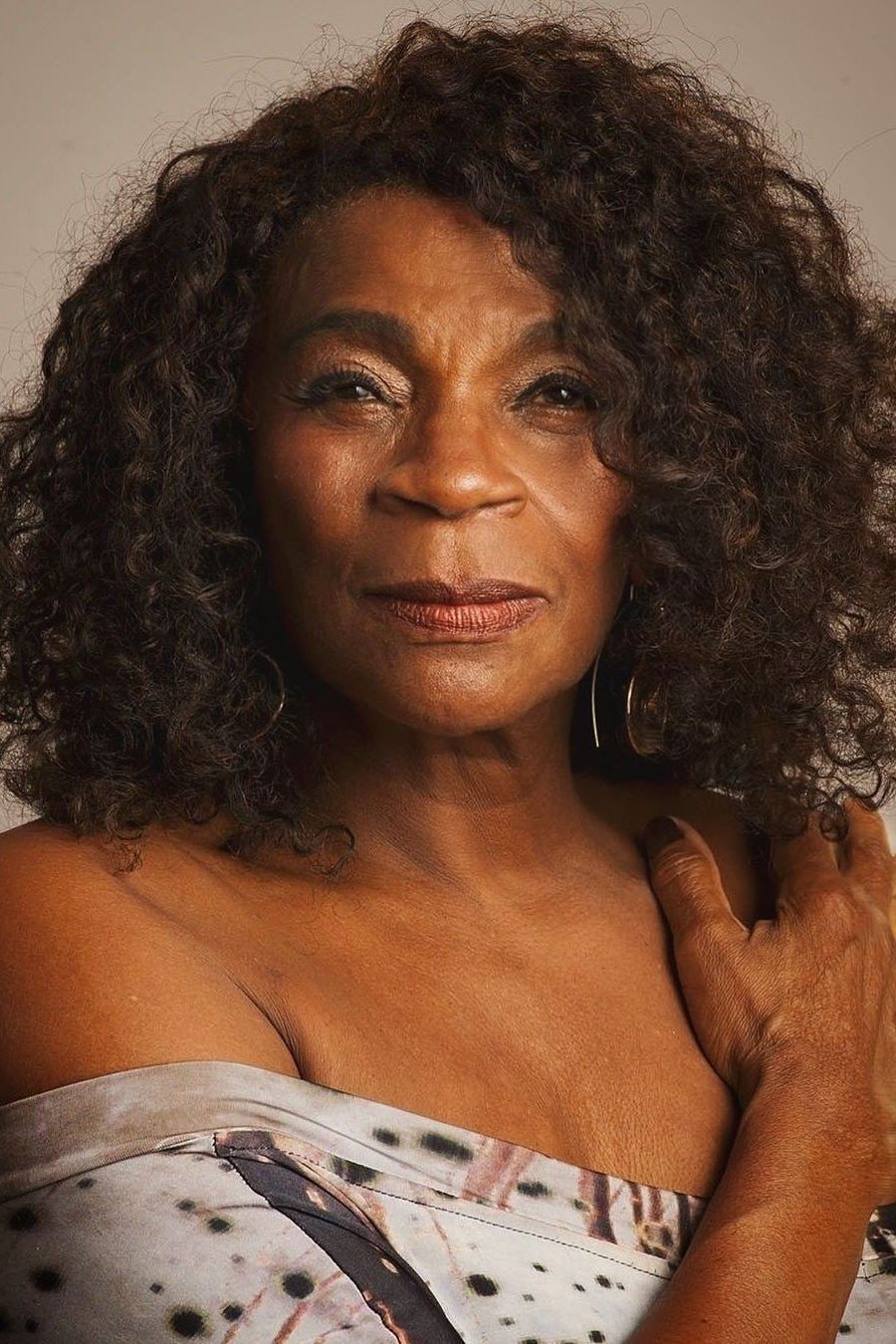
Zezé Motta
Maria
119 episodes
Haroldo de Oliveira
Damião
119 episodes
Julciléa Telles
Ana
119 episodes
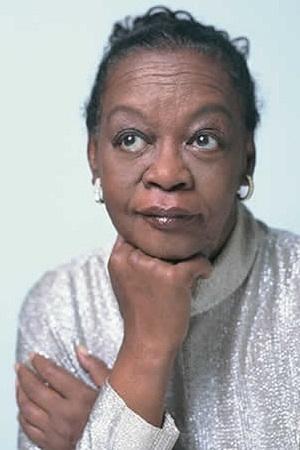
Ruth de Souza
Mãe Quitinha
119 episodes
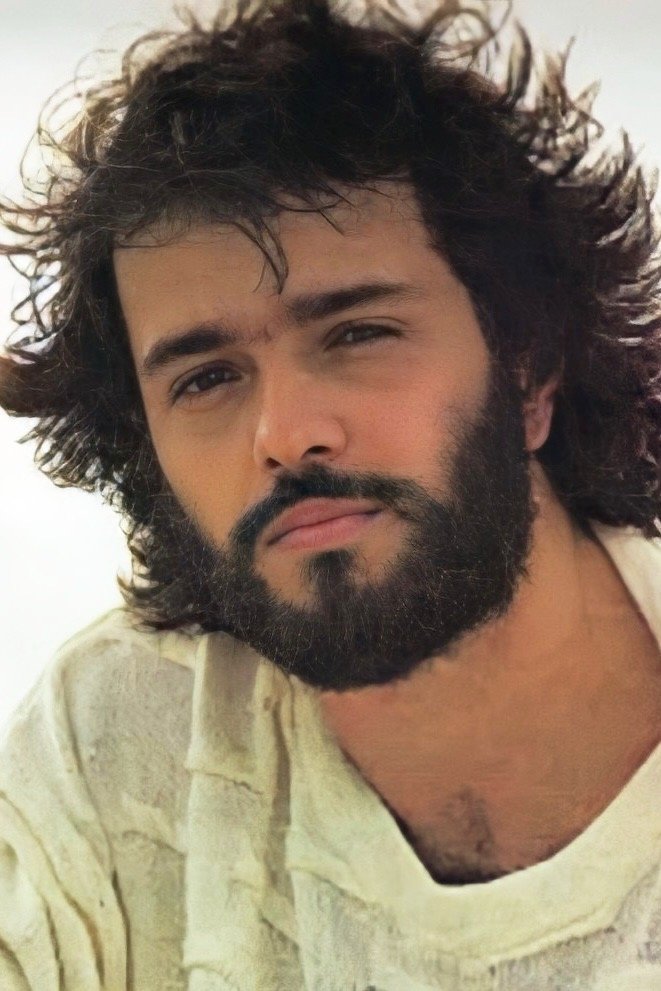
Jayme Periard
Miguel
119 episodes

Sandra Annenberg
Celeste Mendonça
119 episodes
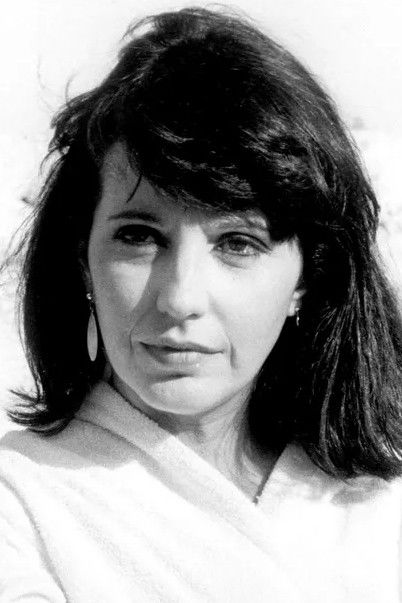
Maria Isabel de Lizandra
Clara
119 episodes
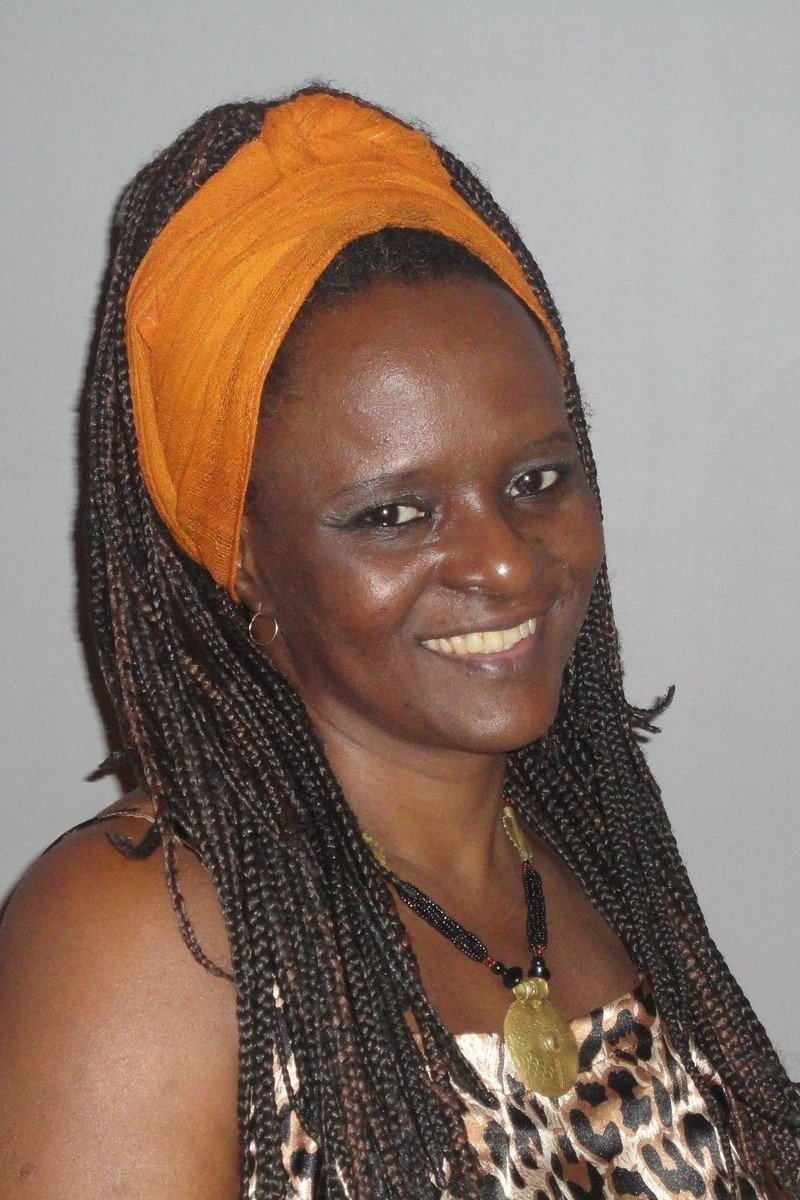
Iléa Ferraz
Luzia
119 episodes
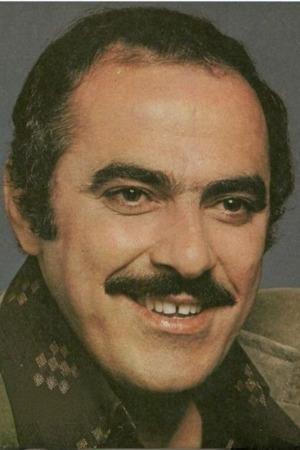
Jonas Mello
Corrêa
119 episodes
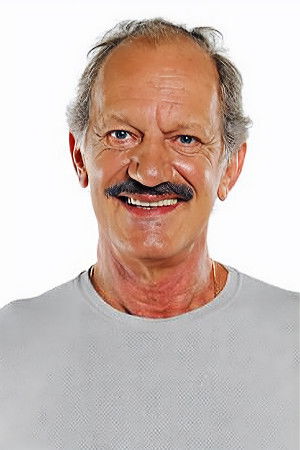
Ricardo Petraglia
Bombom
119 episodes
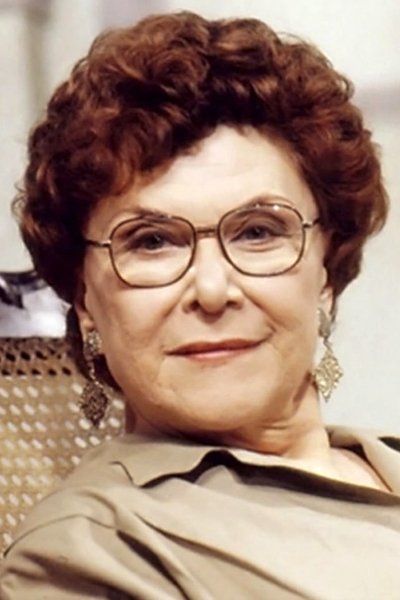
Yara Cortes
Afrosina
119 episodes
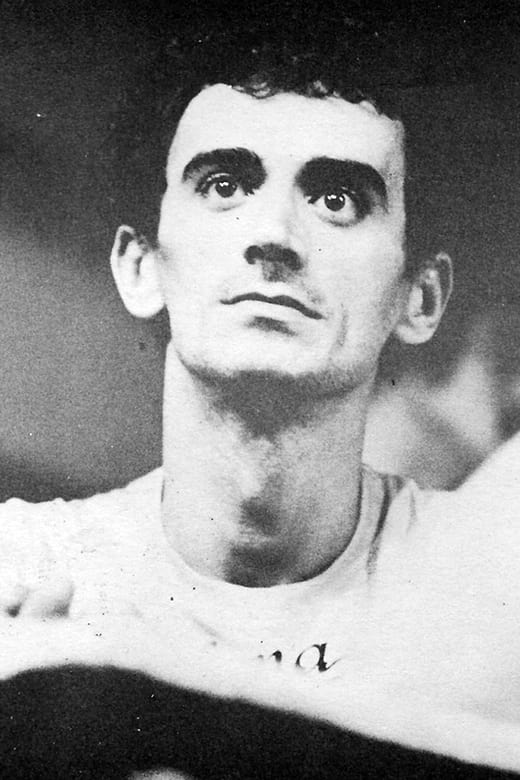
André Valli
Alfredo
119 episodes

Izabella Bicalho
Mercedes
119 episodes

Ricardo Blat
Pedro
119 episodes

Ângela Corrêa
Baoní
119 episodes
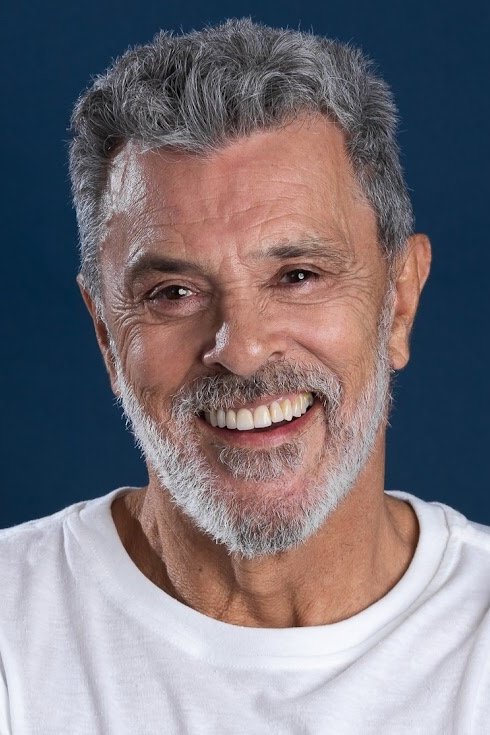
Raymundo de Souza
Zé Soldado
119 episodes
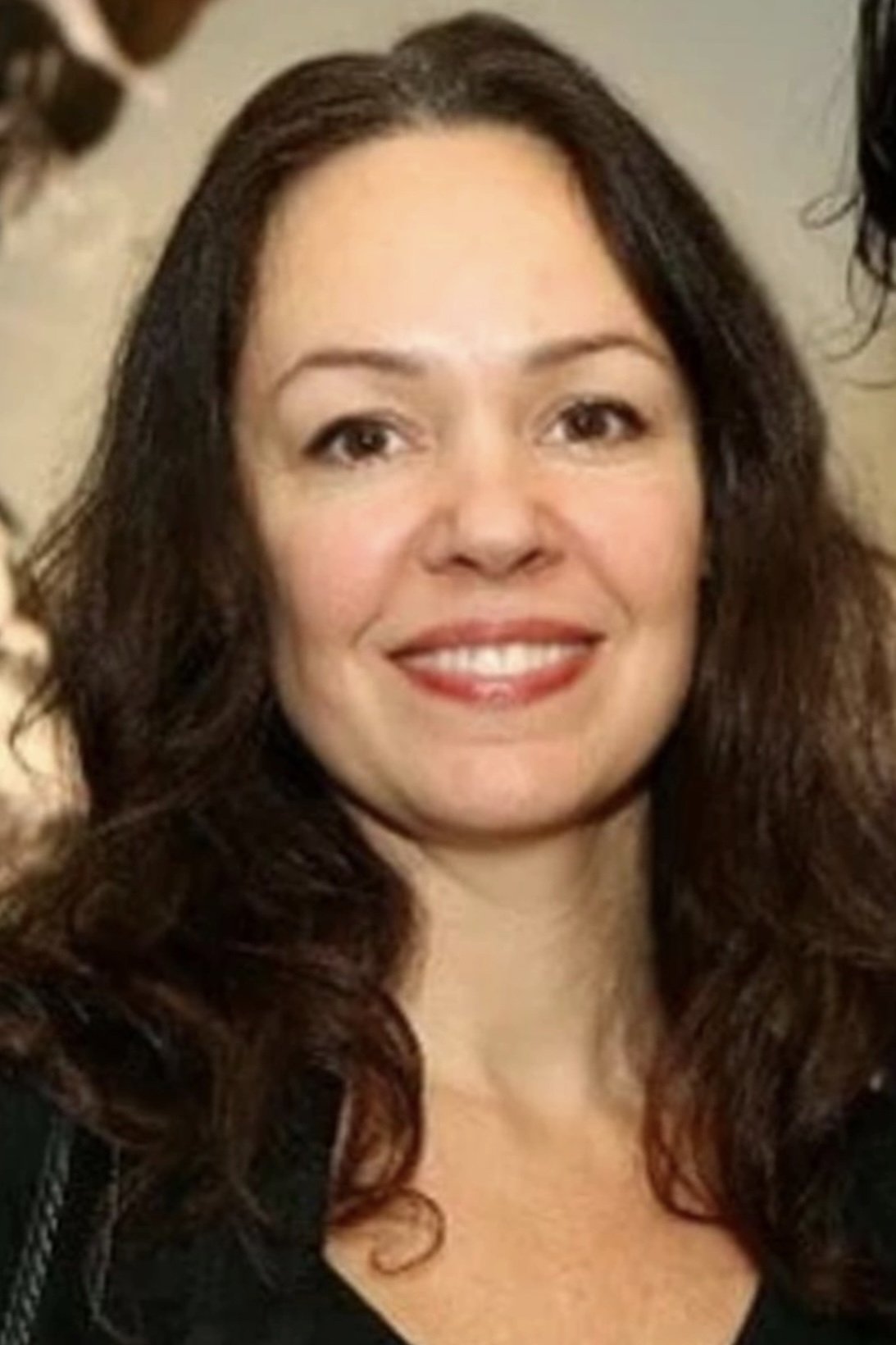
Claudia Cepeda
Angélica
119 episodes
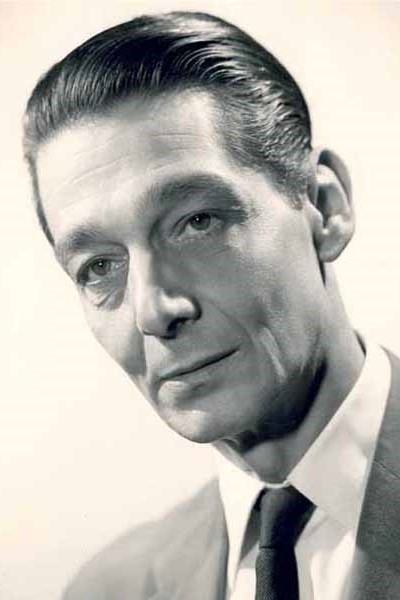
Oswaldo Louzada
General Tóti
119 episodes
Alfredo Murphy
Mergulhão
119 episodes