Comments
Sign in to join the conversation.
Sign in to join the conversation.
Picked from what people who watched this went on to watch.
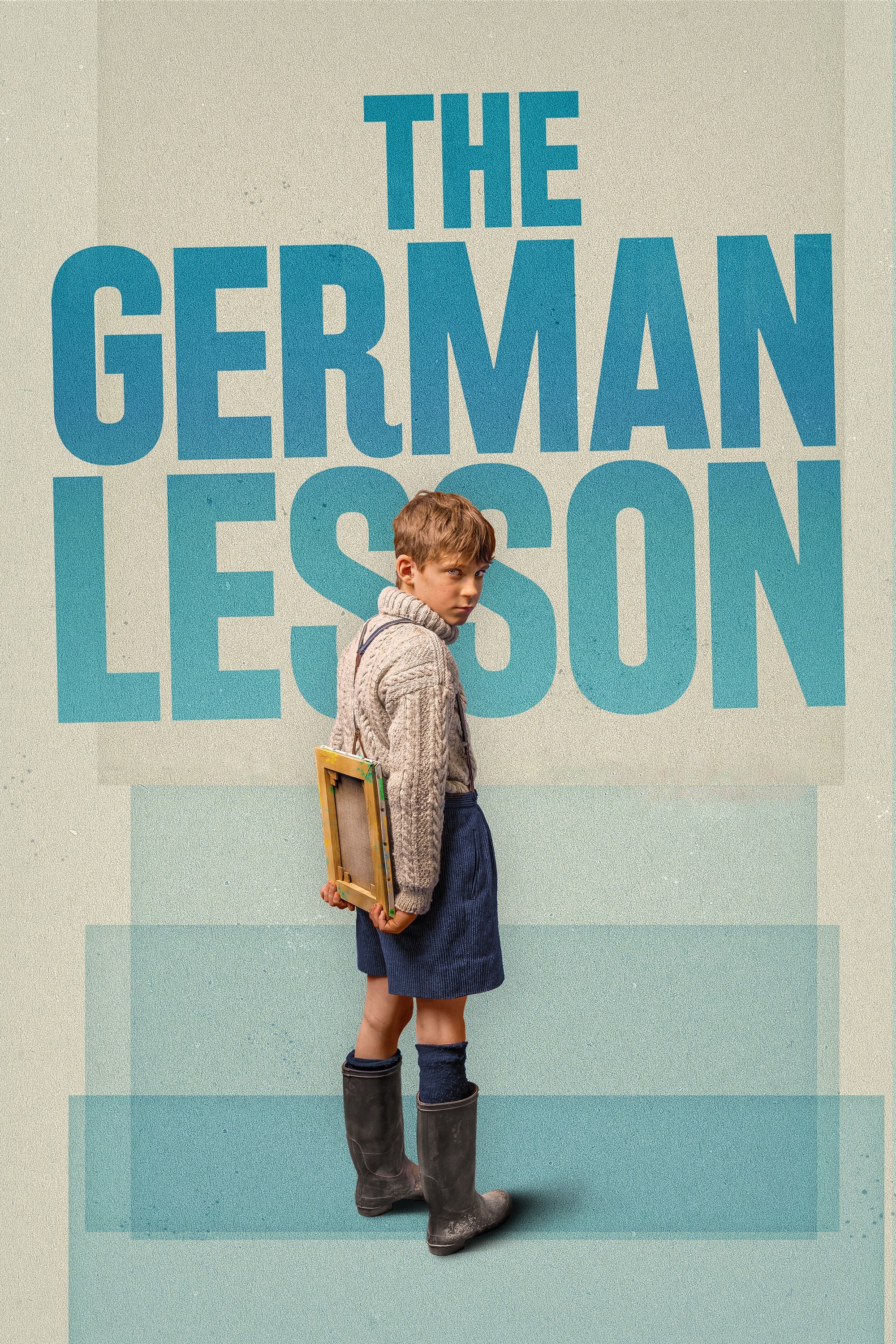 Movie6.6
In a small North German village a drama played out during and shortly after the Second World War about duty versus individual conscience and morality.
 Movie6.2
It's 1989 in East Berlin: Suzie is kicked out of school shortly before she graduates from high school and has to defend herself as a worker in the cable factory. However, a randomly taken photo leads her to the fashion world of the GDR. The editor-in-chief Elsa Wilbrodt put her on the cover of Sibylle, the fashion magazine of the GDR. In the Berlin underground scene she made the acquaintance of the gay fashion designer Rudi and the photographer Coyote. Suzie must decide if she's brave enough to leave the old strands behind forever.
 Movie7.4
A Yenish boy is placed in a mental hospital and experiences the Nazi euthanasia program. Aware of what was happening and attached to friends, the lad attempts to sabotage the program. The film addresses the complexities of the program director, the lives of the child victims, and the struggles of the child protagonist. More than five thousand children died in the Nazi euthanasia program.
 Movie6.9
Christian, a reclusive young man from Leipzig, gets a job working the night shift at a big-box store. He's trained to stocks goods and operate a forklift by Bruno, a wistful former truck driver, who introduces Christian to a colorful group of overnight workers, including Marion, with whom Christian develops a troubled infatuation.
 Movie6.5
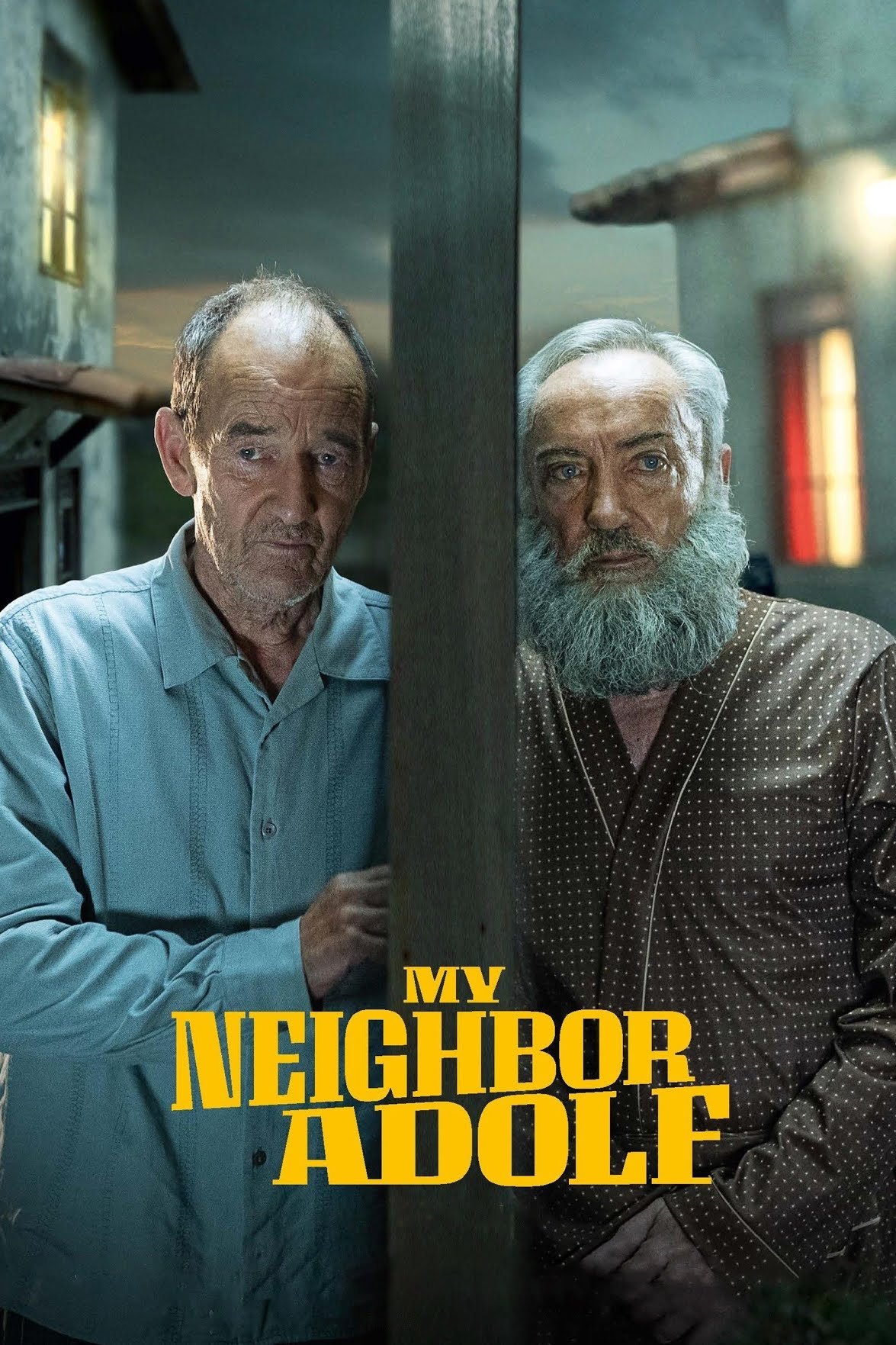
South America, 1960. A lonely and grumpy Holocaust survivor convinces himself that his new neighbor is none other than Adolf Hitler. Not being taken seriously, he starts an independent investigation to prove his claim, but when the evidence still appears to be inconclusive, Polsky is forced to engage in a relationship with the enemy in order to obtain irrefutable proof.
2022 · 83 votes
 Movie7.0
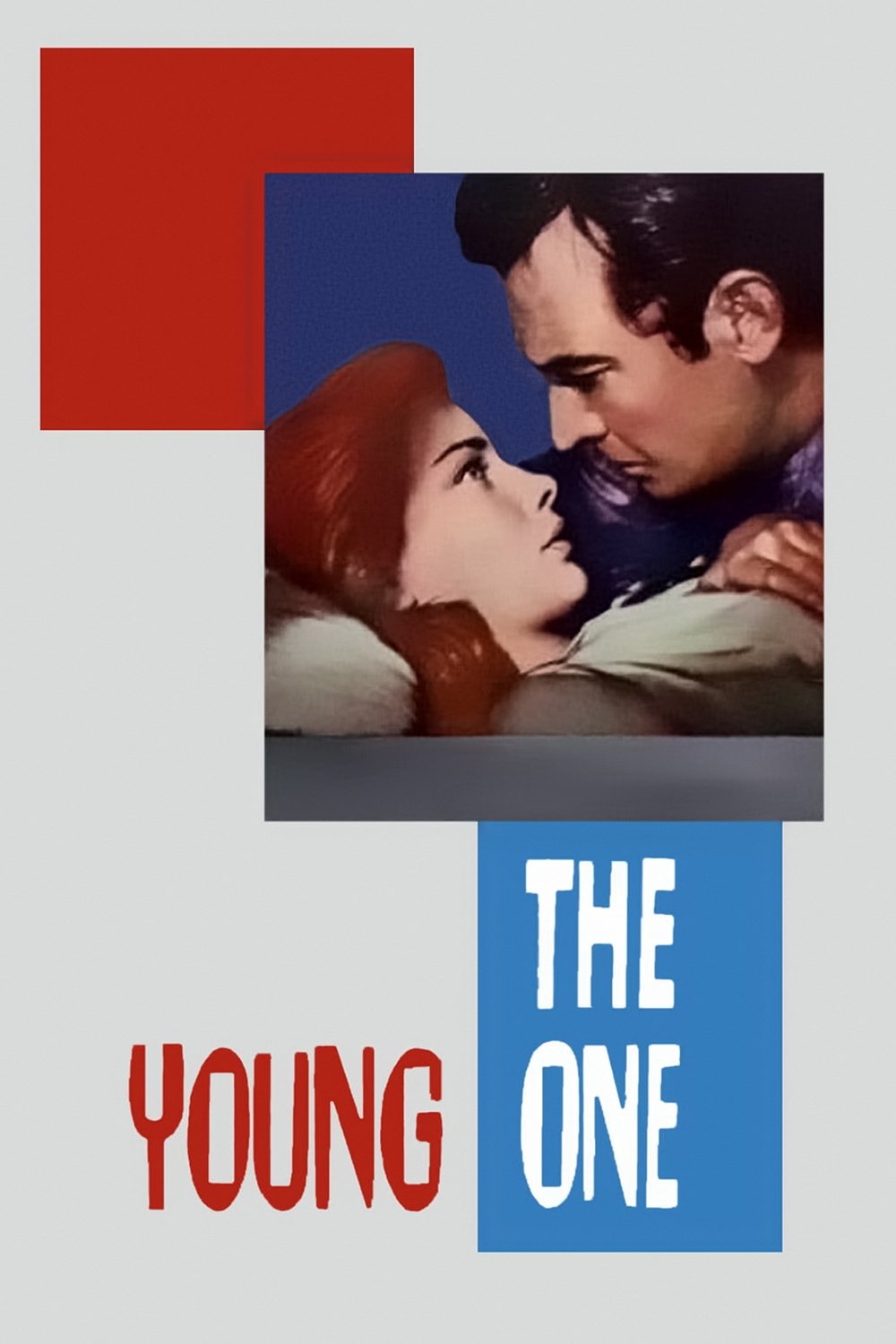
A jazz musician seeks refuge from a lynch mob on a remote island, where he meets a hostile game warden and the young object of his attentions.
Who is in it. Open anyone to see what else they are in.