 Movie
MovieComments
Sign in to join the conversation.
MovieSign in to join the conversation.
Picked from what people who watched this went on to watch.
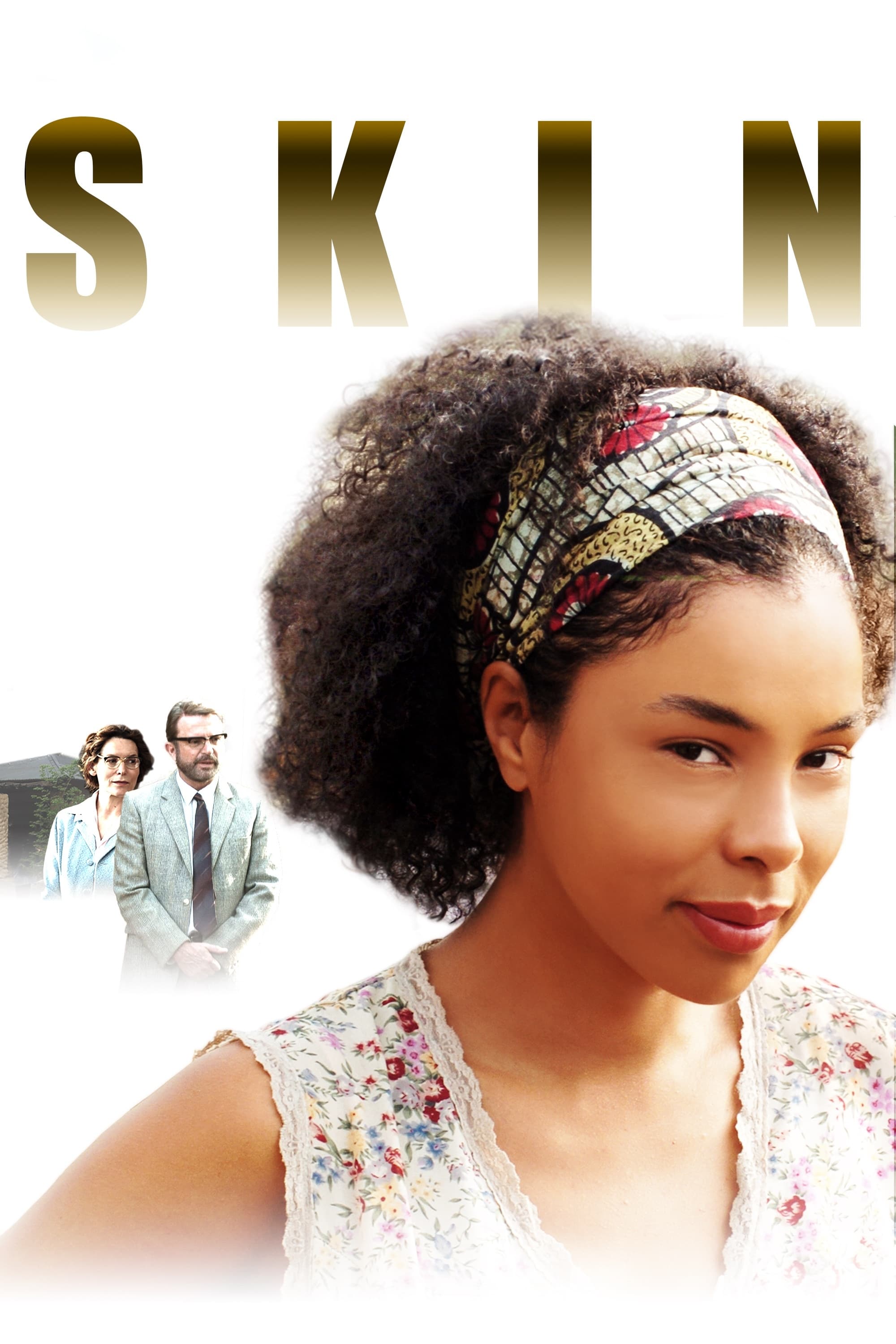 Movie6.4
Based on the true story of a black girl who was born to two white Afrikaner parents in South Africa during the apartheid era.
2009 · 50 votes
 Movie6.5
In a suburban landscape, the lives of several families interlace with loss, despair and personal crisis. Esther Gold has lost focus on all but caring for her comatose son, Paul, and neglects her daughter and husband. Lawyer Jim Train is devoted to his career, not his family. Helen Christianson wants to find a new spark in life, while Annette Jennings tries to rebuild hers.
2002 · 57 votes
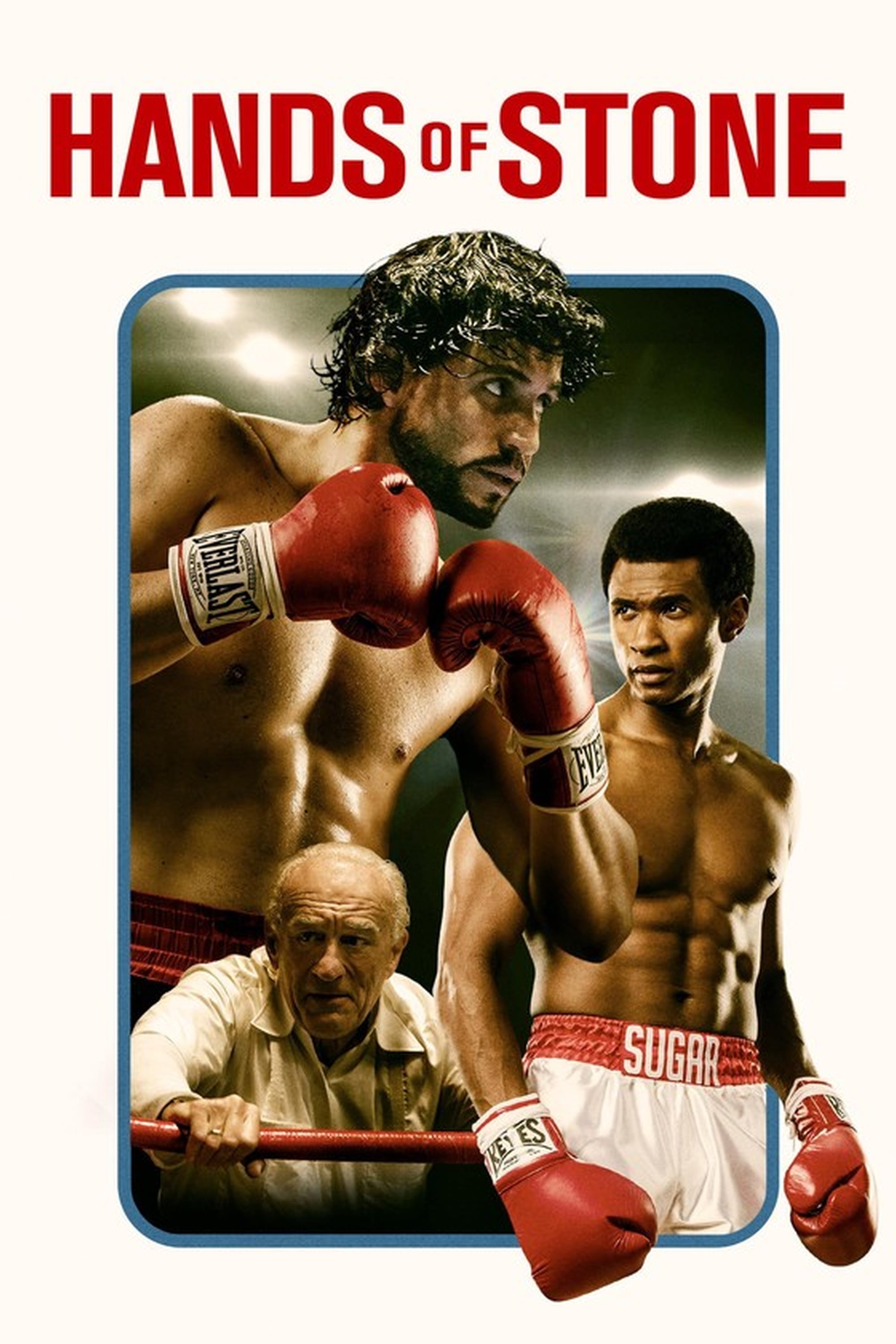 Movie6.6
The legendary Roberto Duran and his equally legendary trainer Ray Arcel change each other's lives.
2016 · 466 votes
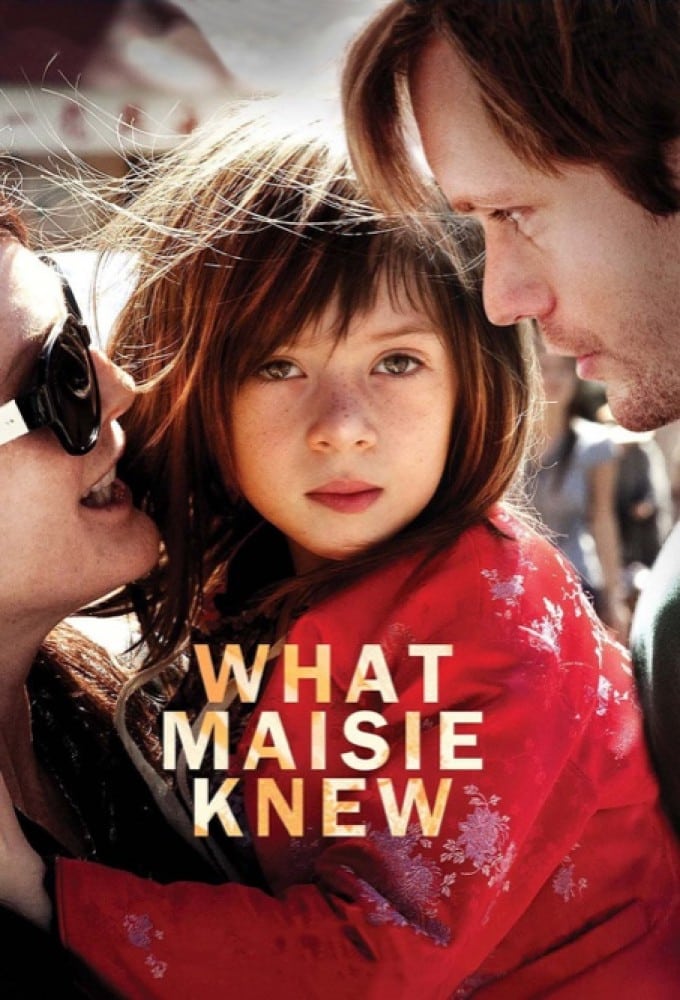 Movie7.1
In New York City, a young girl is caught in the middle of her parents' bitter custody battle.
2013 · 459 votes
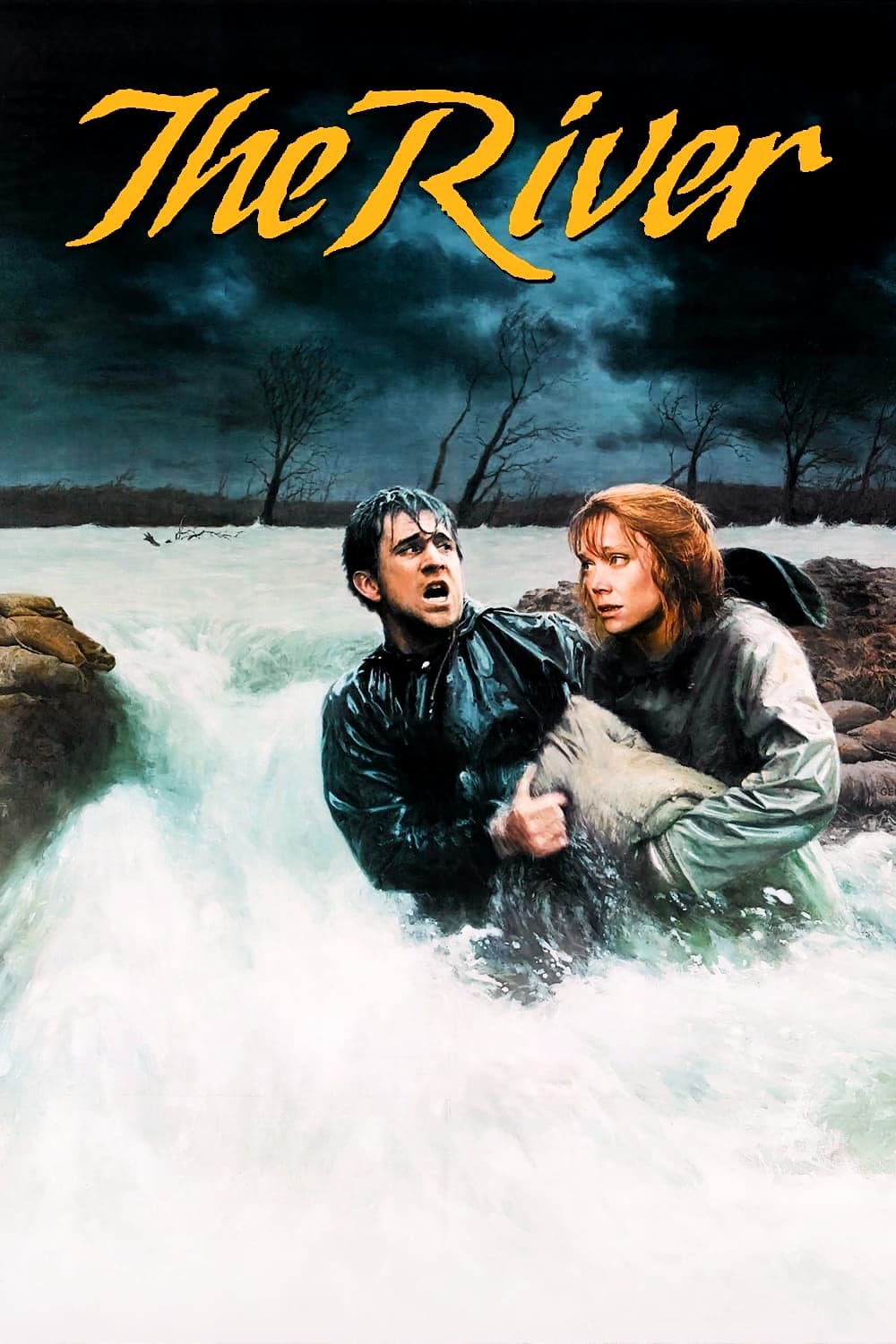 Movie6.4
Tom and Mae Garvey are a Tennessee farming couple battling violent floods to save their land. In addition to natural disasters, the Garveys fight to stop a selfish land developer and a local corporation from foreclosing on their farm. While Mae stays at home to care for their children and tend to the crops, Tom finds work as a scab at a steel mill to preserve his family's property.
1984 · 142 votes
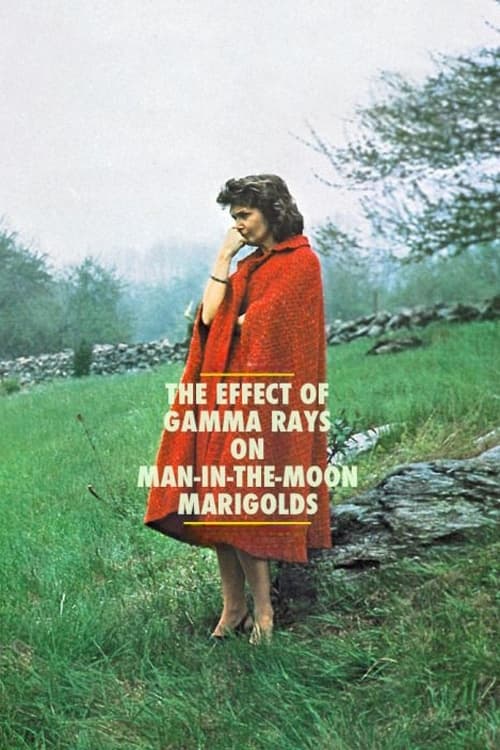 Movie7.3
Middle-aged widow Beatrice Hunsdorfer and her daughters Ruth and Matilda are struggling to survive in a society they barely understand. Beatrice dreams of opening an elegant tea room but does not have the wherewithal to achieve her lofty goal. Epileptic Ruth is a rebellious adolescent, while shy but highly intelligent and idealistic Matilda seeks solace in her pets and school projects, including one designed to show how small amounts of radium affect marigolds.
1972 · 65 votes
Who is in it. Open anyone to see what else they are in.