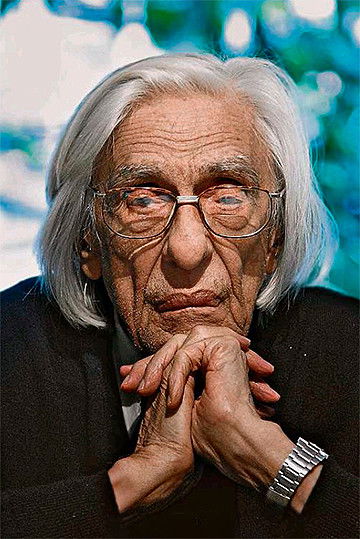
Ferreira Gullar
Actor · 1930 – 2016 · São Luís, Maranhão, Brazil
Ferreira Gullar, pseudonym of José Ribamar Ferreira (São Luís, September 10, 1930 – Rio de Janeiro, December 4, 2016), was a Brazilian writer, poet, art critic, biographer, translator, memoirist and essayist and one of the founders of neoconcretism. He was the candidate for chair 37 of the Brazilian Academy of Letters, in the vacancy left by Ivan Junqueira, of which he took office on December 5, 2014.
Movies18
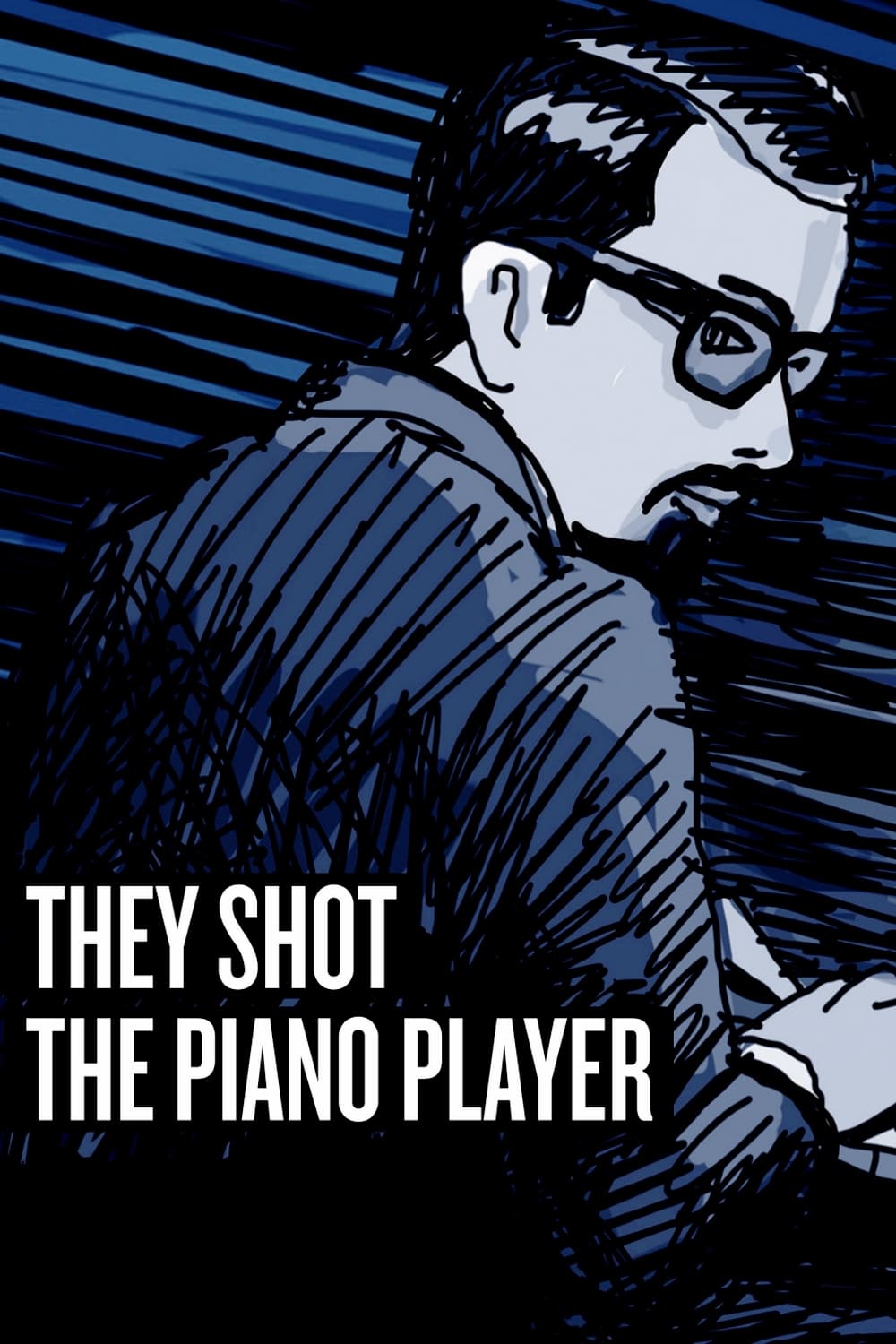 Movie6.5AnimationDrama
New York, 2010. Jeff Harris, a music journalist, sets out to uncover the truth about Francisco Tenório Júnior, a young Brazilian samba-jazz pianist who disappeared in Buenos Aires on March 18, 1976.
They Shot the Piano Player
2023 · 42 votes
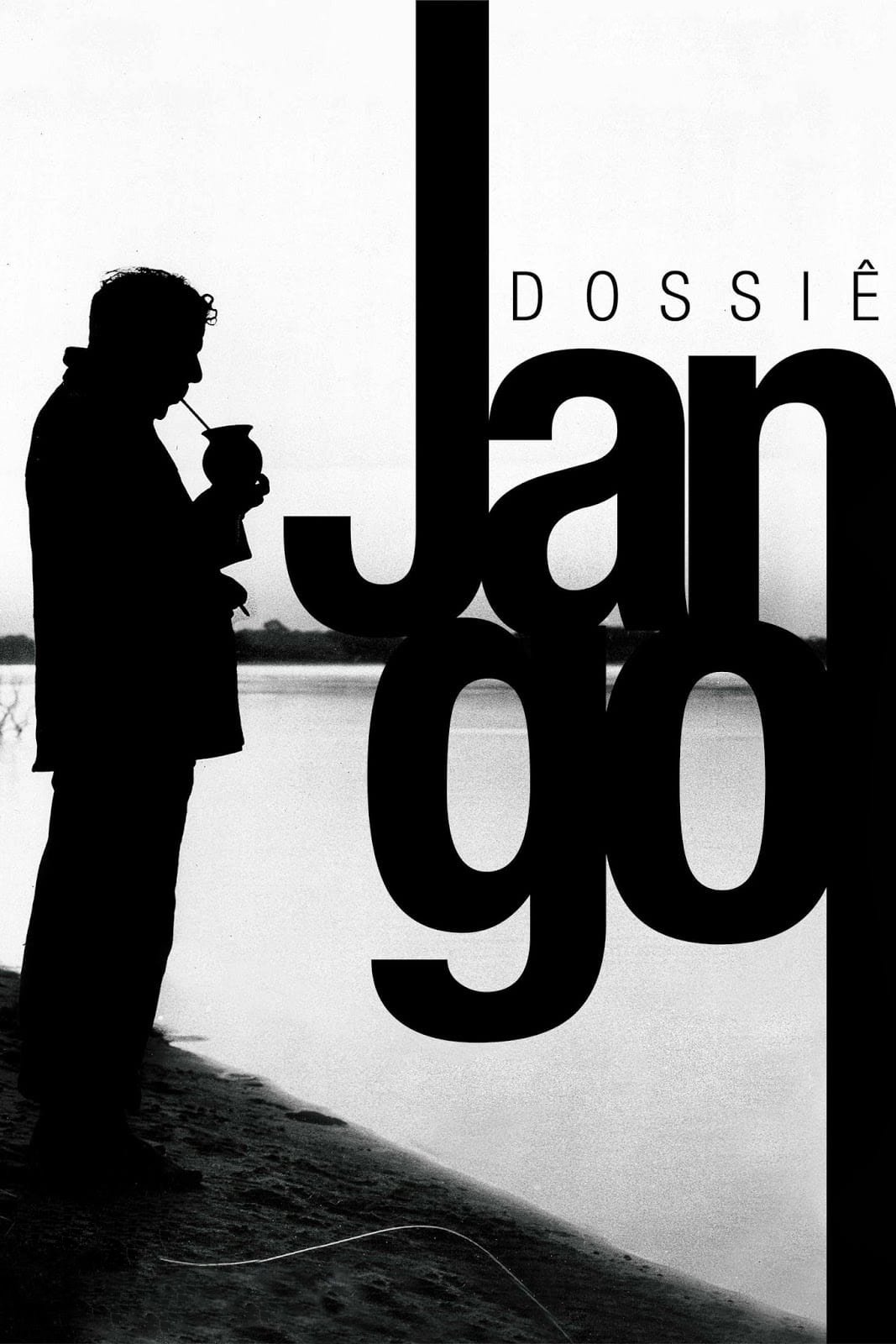 Movie7.5Documentary
João Goulart (known as Jango) had been democratically elected president of Brazil, but was expelled from office after the coup of April 1, 1964. After that, Jango lived in exile in Argentina, where he died in 1976. The circumstances of his death in the neighboring country were not well explained today. His body was buried immediately after his death, raising the suspicions of premeditated murder. This documentary brings the issue back to the fore and tries to publicly clarify some obscure facts of the history of Brazil.
Dossiê Jango
2013 · 4 votes
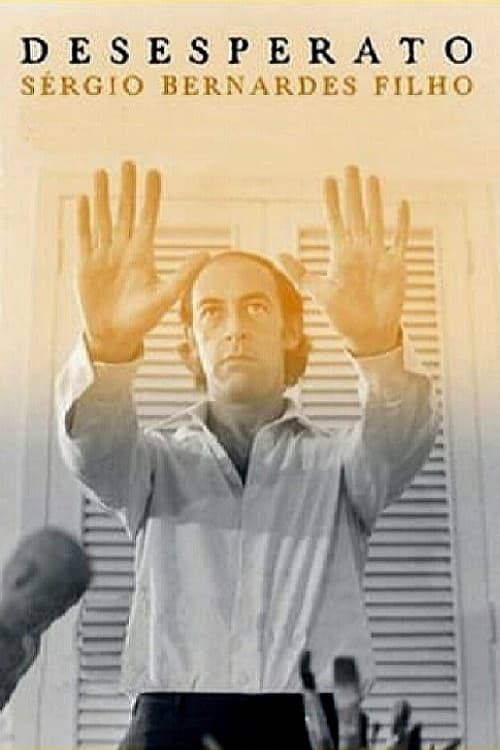 Movie7.0Drama
Directed by Sérgio Bernardes Filho, "Desesperato" tells the story of a writer (Raul Cortez) who leaves his home to carry out literary research in the country's most obscure settings. Unhappy with the current national situation, the historian joins a guerrilla force with serious consequences.
Desesperato
1968 · 2 votes
 Movie7.6Documentary
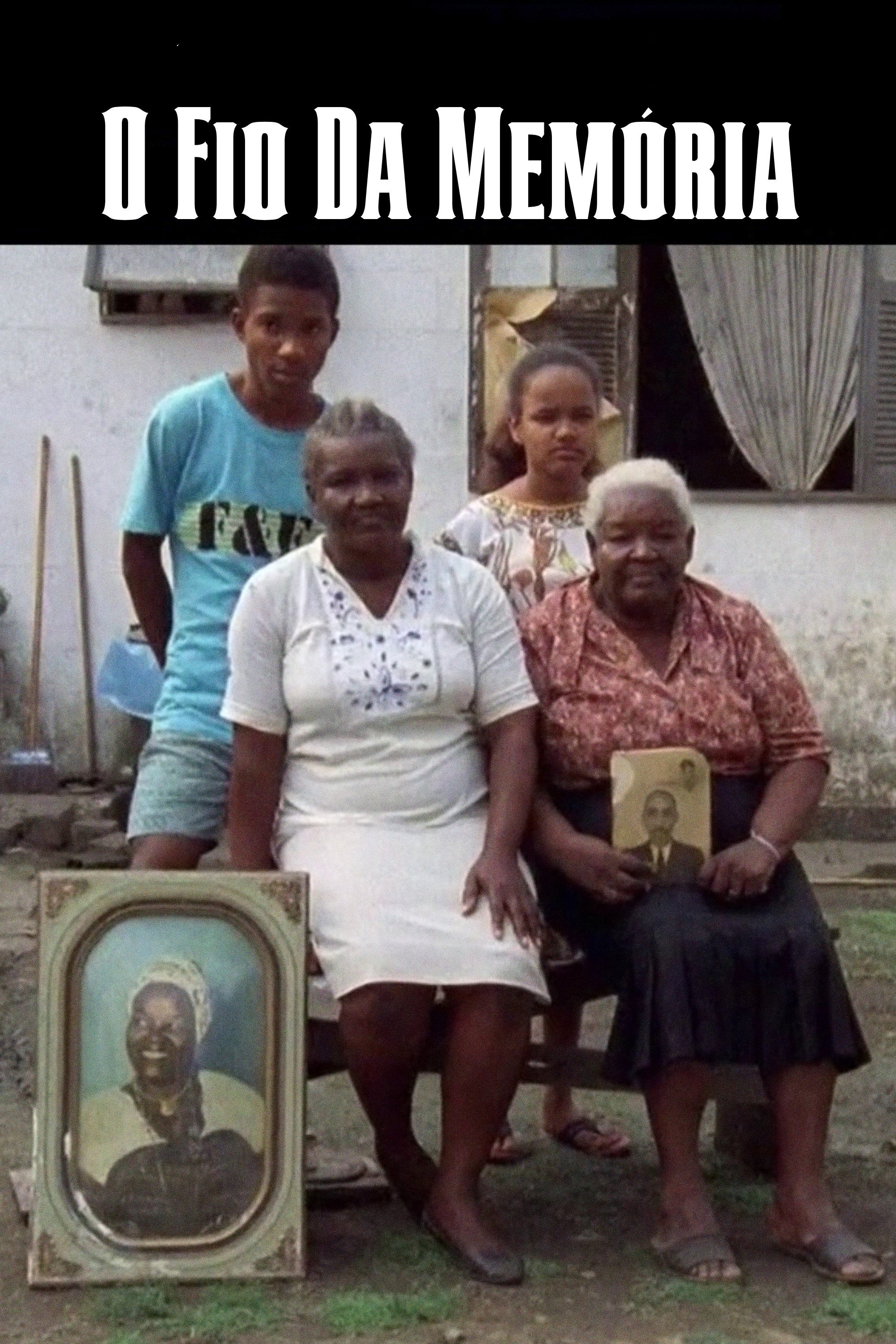
A panorama of the Brazilian black experience, starting with the figure of the semi-illiterate popular artist and employee of a salt mine Gabriel Joaquim dos Santos.
 Movie8.4DocumentaryHistory
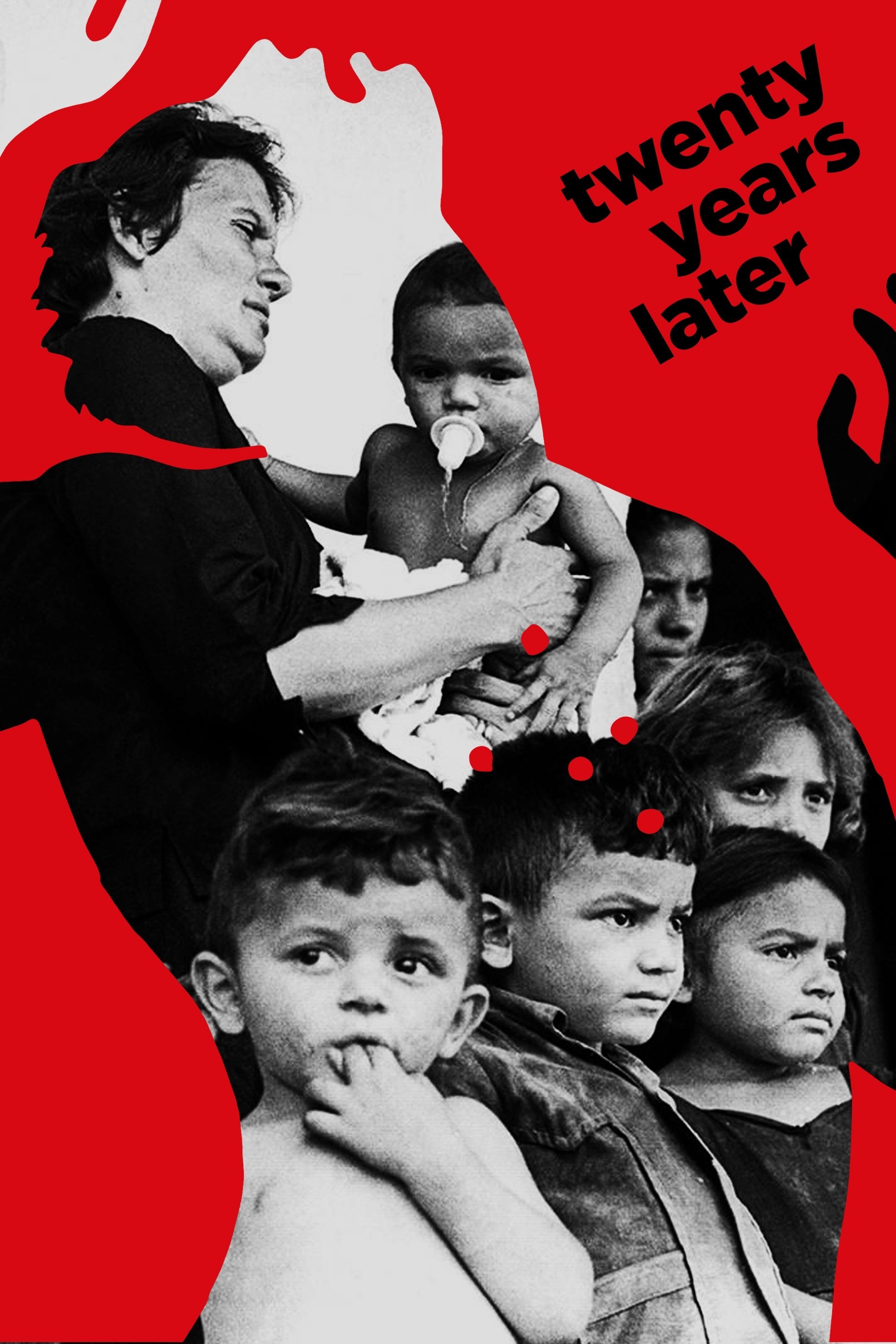
Eduardo Coutinho was filming a movie with the same name in the Northeast of Brazil, in 1964, when there came the military coup. He had to interrupt the project, and came back to it in 1981, looking for the same places and people, showing what had ocurred since then, and trying to gather a family whose patriarch, a political leader fighting for rights of country people, had been murdered.
 MovieDocumentary
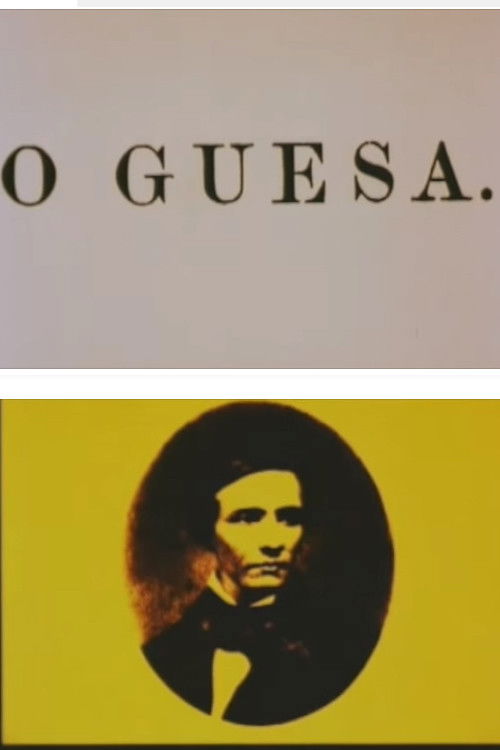
"Life and work of the Maranhense poet Sousândrade (1833-1902), illustrated with engravings on Brazilian history, from the discovery to the proclamation of the Republic."
O Guesa
1969
 Movie6.3Documentary
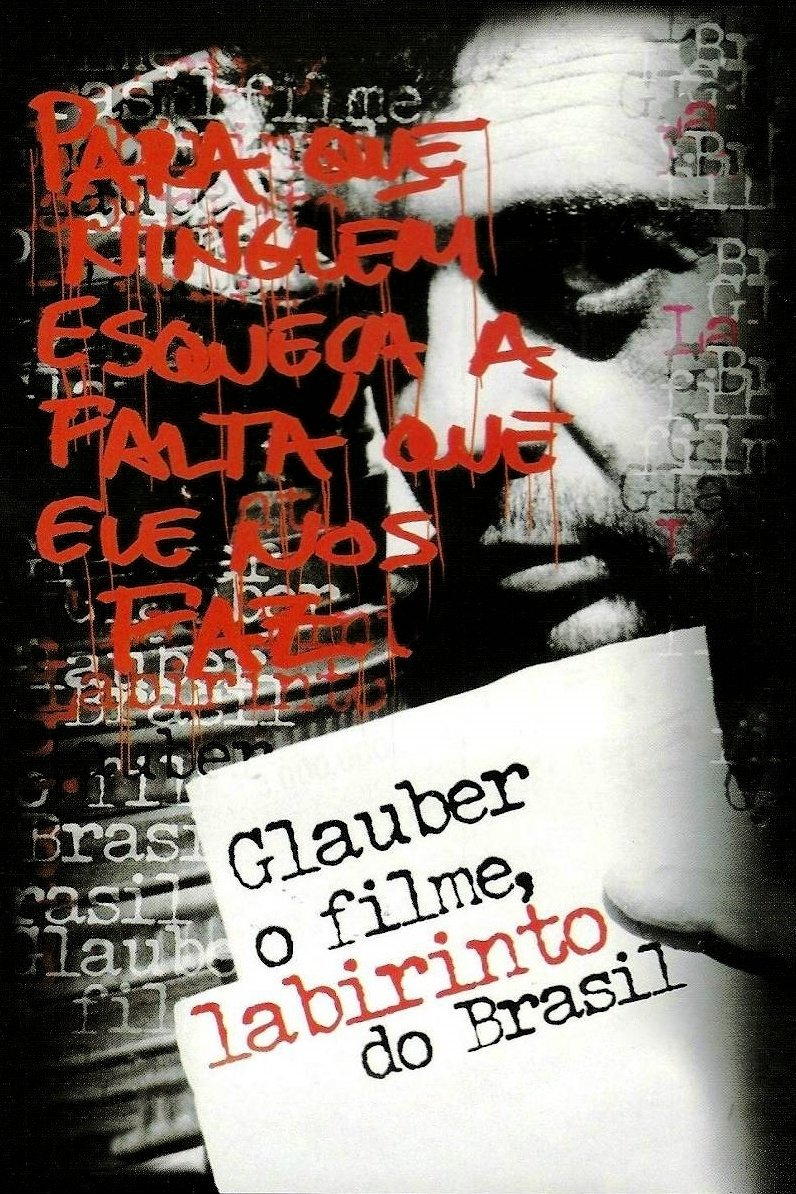
Documentary about Brazilian filmmaker Glauber Rocha, one of the most important names in the Cinema Novo, with interviews with some of his friends and colleagues.
 MovieDocumentary
Follows the story of Opinião, a theatre group created in 1964 during the early Brazilian dictatorship period to oppose the government through artistic performances. Considered the first left-wing response to the dictatorship, the group gathered now famous Brazilian artists such as Nara Leão, Maria Bethânia, João do Vale and Millôr Fernandes.
 Movie7.6Documentary
O Aleijadinho, a study of the work of Antonio Francisco Lisboa, the architect whose cathedral de Andrade had assisted in the restoration of more than 20 years earlier. de Andrade dedicated the film to his father, who had sent him on the expedition.
O Aleijadinho
1978 · 8 votes
 Movie10.0DocumentaryDrama
Documentary about Brazilian poet Carlos Drummond de Andrade, and the many facets of his work.
Poeta de Sete Faces
2002 · 1 votes
 Movie6.9Documentary
A documentary made to coincide with Niemeyer's 100th birthday. The renowned architect talks about his long life, his inspirations, and his aspirations towards a just Brazil, and the ways he tried to help that along in his spectacular and beautiful buildings.
 MovieDocumentary
The intense life of Ferreira Gullar, one of the most influential poets in Brazil, is revisited by his personal friend Silvio Tendler, based on his most acclaimed work: Poema Sujo. In addition to addressing other poems by Gullar, the documentary also includes the testimony of people who lived directly with the artist's work.
Ferreira Gullar: Arqueologia do Poeta
2019 · 1 votes
 Movie7.7Documentary
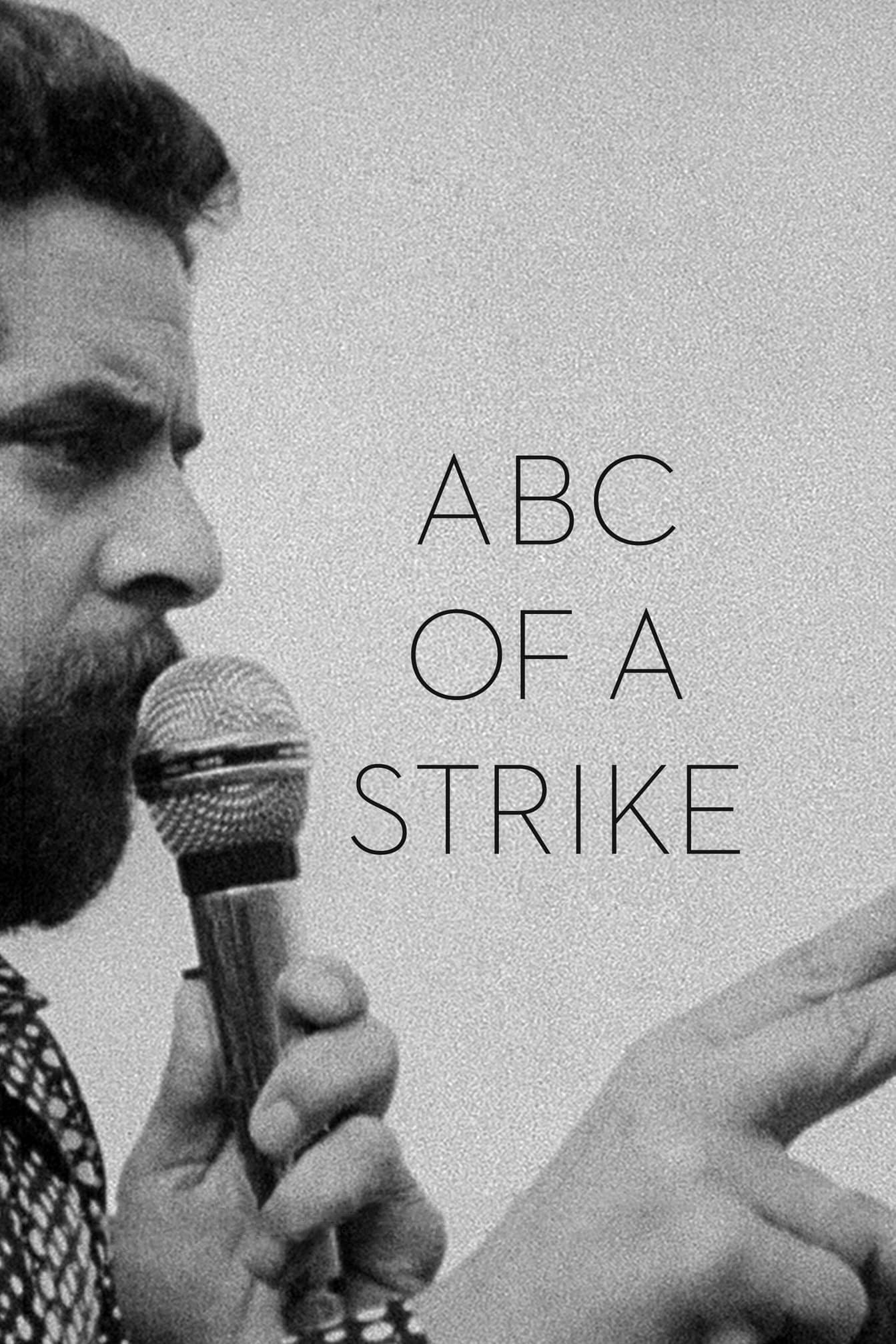
ABC of a Strike captures the 1979 metal workers strikes outside of São Paulo. The footage sat untouched until after the death of highly-regarded director Leon Hirszman in 1987, by which time the material had a new relevance. The gripping film captures the negotiations between the labor unions and the factory bosses and shows the birth of the region’s Worker’s Party, as well as the emergence of its charismatic leader, Luiz Inácio Lula da Silva. Rising from extreme poverty, Lula gained national prominence as a union activist during the late 70s and early 80s. After being jailed during his time as a union leader, he eventually becomes Brazil’s president from 2003 to 2010.
 Movie6.8DramaCrime
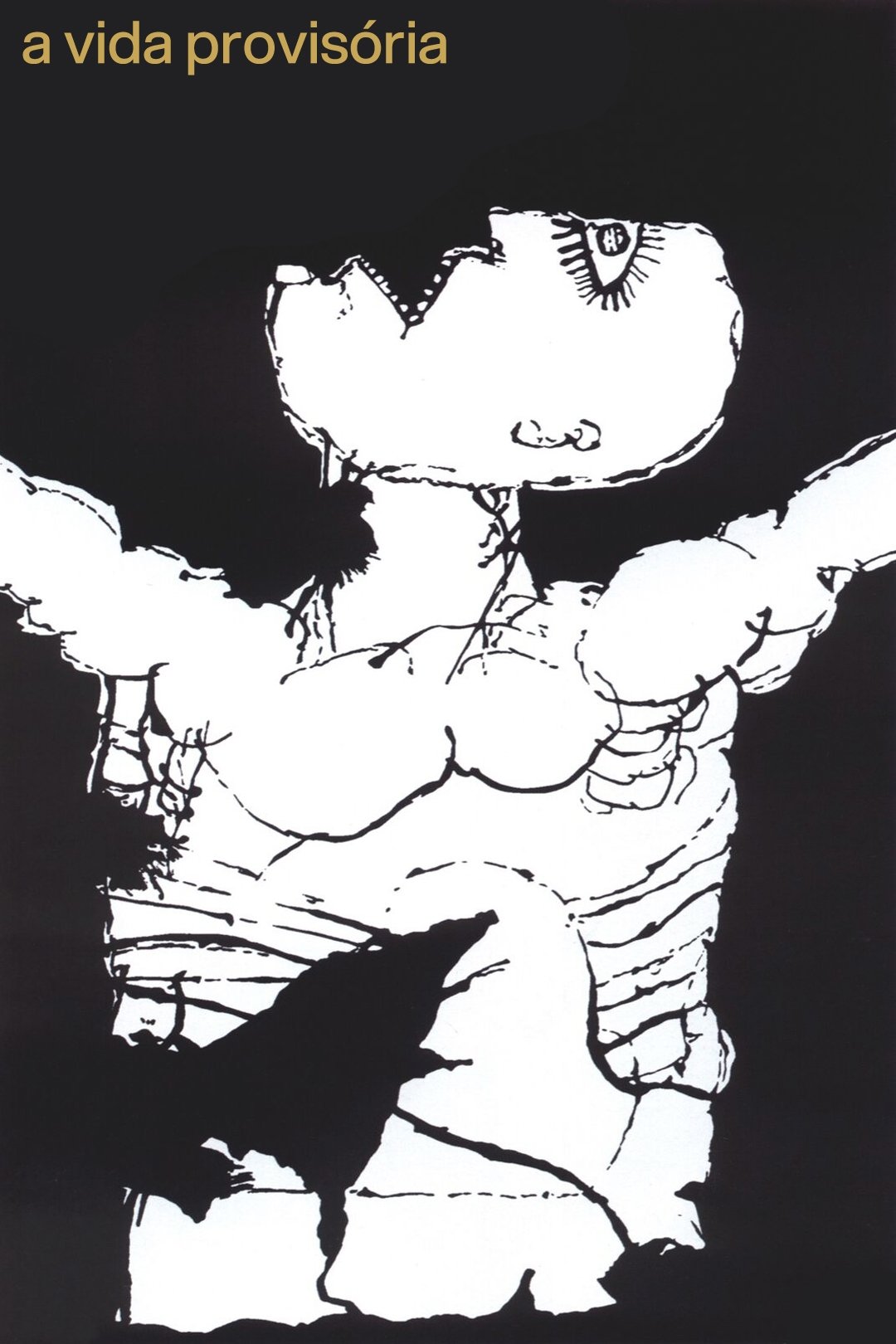
During the Brazilian military government, journalist Estêvão is sent from Rio de Janeiro to Brasilia to cover the important statement of a minister, but takes the opportunity to deliver incriminating documents to another one.
 Movie5.0DocumentaryMusic
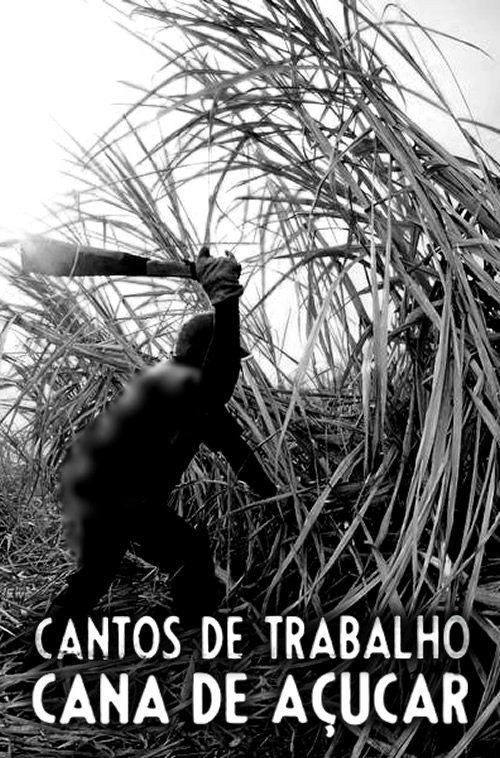
Between 1974 and 1976, while researching for his filme "S. Bernardo", Leon Hirszman shot three documentary shorts produced by the Brazilian Ministry of Education on the chores of the men who worked in the sugar cane fields in the town of Feira de Santana, in the cocoa fields of Itabuna, and in the efforts of building households in Chã Preta.
Cantos de Trabalho - Cana de Açúcar
1976 · 2 votes
 Movie6.1Documentary
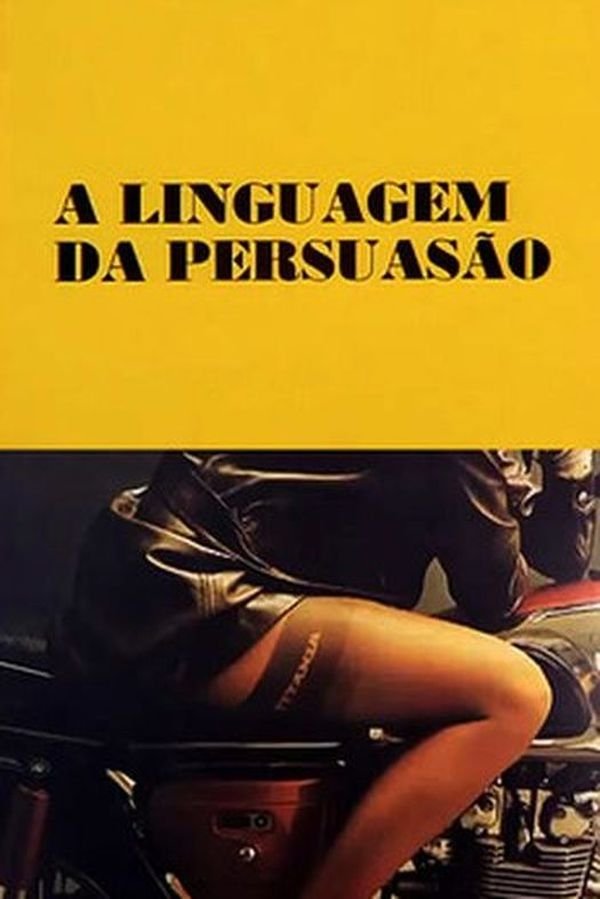
Short documentary about the ideology of publicity and mass medias.
 Movie10.0DocumentaryDrama
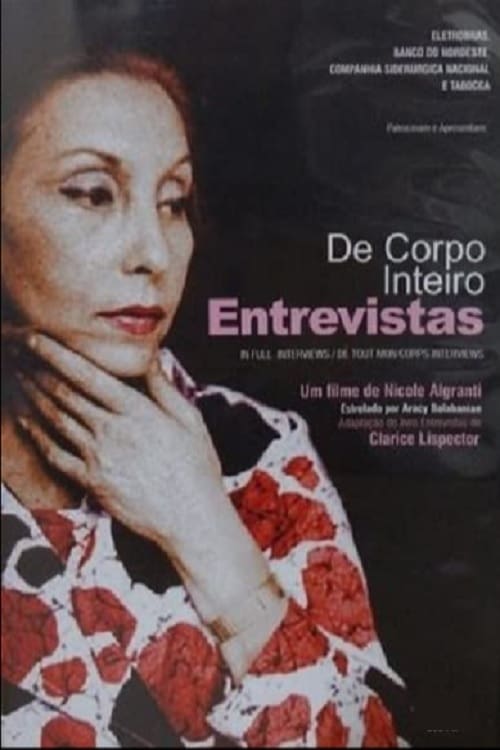
Mixed with fiction and documentary, the film relives the interviews conducted by the writer Clarice Lispector published in the magazines "Manchete" and "Fatos and Fotos" in the 1970s.
 Movie7.7Documentary
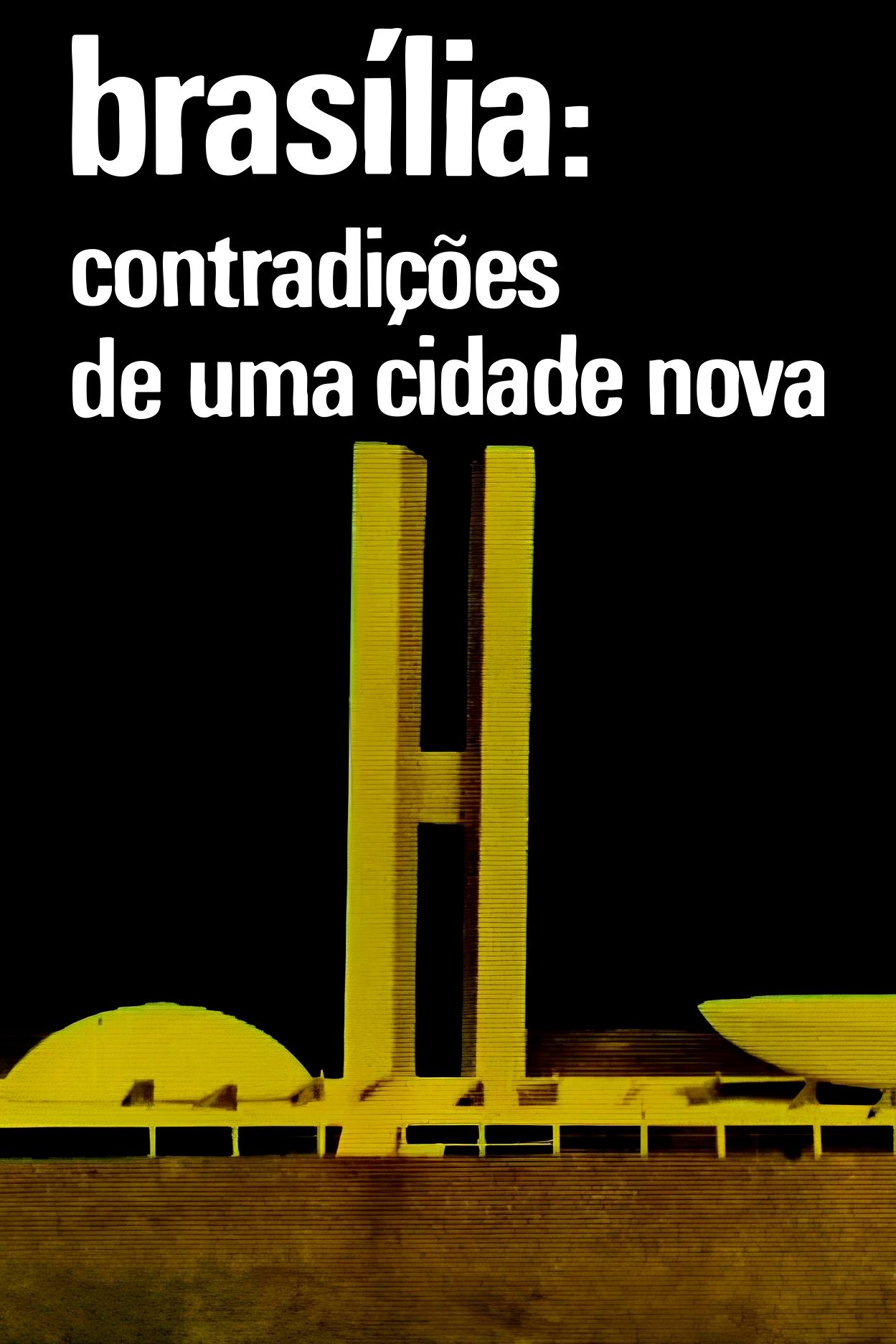
In 1967, de Andrade was invited by the Italian company Olivetti to produce a documentary on the new Brazilian capital city of Brasília. Constructed during the latter half of the 1950s and founded in 1960, the city was part of an effort to populate Brazil’s vast interior region and was to be the embodiment of democratic urban planning, free from the class divisions and inequalities that characterize so many metropolises. Unsurprisingly, Brasília, Contradições de uma Cidade Nova (Brasília, Contradictions of a New City, 1968) revealed Brasília to be utopic only for the wealthy, replicating the same social problems present in every Brazilian city. (Senses of Cinema)
Series1
 TV9.5Documentary
Nara Leão revolutionized Brazilian music, broke prejudices, confronted the military dictatorship, opened paths for women. All this without changing the tone of her voice.
O Canto Livre de Nara Leão
2022 · 4 votes