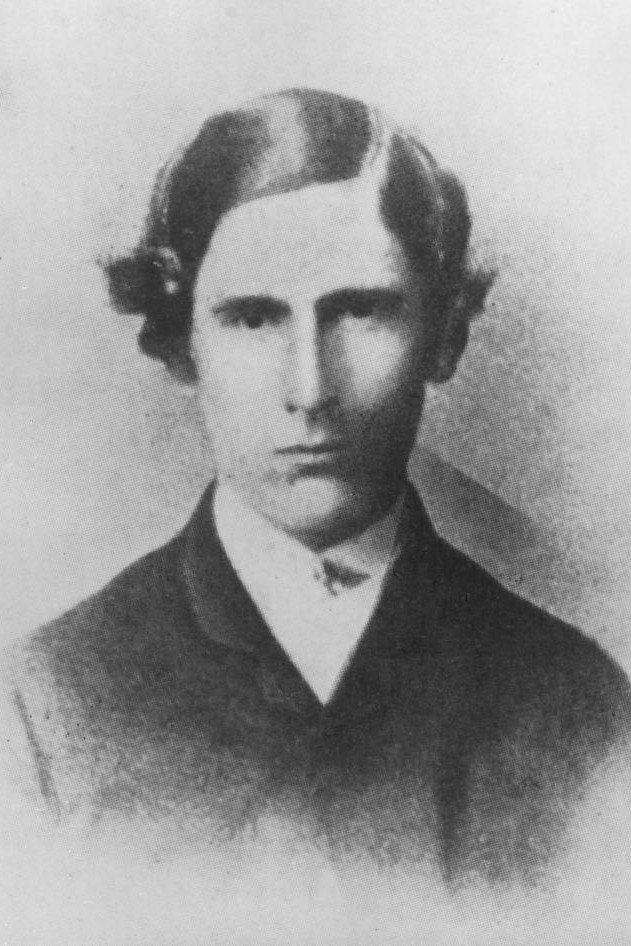
Douglas Hadow
Actor · 1846 – 1865 · Regent's Park, London, England, UK
Douglas Robert Hadow was a British novice mountaineer who died on the descent after the first ascent of the Matterhorn. Hadow was born in 1846 at 49 York Terrace, Regent's Park, London, the son of Patrick Douglas Hadow (chairman of the P. & O. Steam Navigation Company) and Emma Harriett Nisbet (daughter of Robert Parry Nisbet, of Southbroom House, Devizes, Wiltshire), who married at Southbroom on 28 January 1845. Hadow's paternal great-grandfather was George Hadow, professor of Hebrew and Oriental Languages at the University of St Andrews, and one of his younger brothers was Frank Hadow, who won the Wimbledon championship in 1878. Hadow was educated at Harrow School, where he and six of his brothers who also attended the school were known as the 'Harrow Hadows'. In 1865, at the age of nineteen, Hadow undertook his first trip to the Alps as a protégé to Charles Hudson, a clergyman from Skillington in Lincolnshire, and a leading advocate of guideless climbing. Together they made a swift ascent of Mont Blanc and other climbs; these ascents – together with the backing of a climber of Hudson's stature – persuaded Edward Whymper that Hadow was a suitable companion for an attempt on the Matterhorn. Whymper later wrote: "Before admitting his [Hudson's] friend—Mr. Hadow—I took the precaution of asking what he had done in the Alps, and, as well as I remember, Mr. Hudson's reply was, "Mr. Hadow has done Mont Blanc in less time than most men." He then mentioned several other expeditions that were unknown to me, and added, in answer to a further question, "I consider he is a sufficiently good man to go with us."" In 'A Modern View of the 1865 Accident', the Alpine Club president Capt. J. P. Farrar (1917–19) concurred with this positive estimation of Hadow's ability: "Hadow was one of those active young Englishmen capable, with experienced companions, of going anywhere. I say distinctly that Hudson and Croz were fully qualified to conduct him on the proposed expedition, and that the sum of the powers of the party was much above the average of half the parties that go mountain-climbing today." During the first ascent of the Matterhorn on 14 July 1865, Hadow was, however, challenged by the technical difficulties presented by the mountain. Whymper noticed his inexperience after the party had traversed onto what he termed the 'north-west face' whilst ascending the mountain. In a piece published by The Times shortly after the accident, he wrote: "The general slope of the mountain at this part was less than forty degrees, and snow had consequently accumulated and filled up the irregularities of the rock face, leaving only occasional fragments projecting here and there. These were at times coated with a thin glaze of ice, from the snow above having melted and frozen again during the night. Still it was a place which any fair mountaineer might pass in safety. We found, however, that Mr. Hadow was not accustomed to this kind of work, and required continual assistance; but no one suggested that he should stop, and he was taken to the top. It is only fair to say that the difficulty experienced by Mr. Hadow at this part arose, not from fatigue and lack of courage, but simply and entirely from want of experience."
Movies5
 MovieDramaHistory
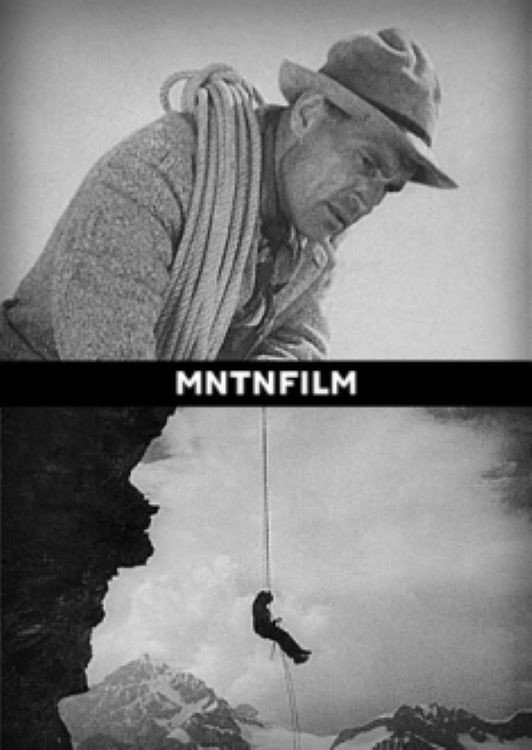
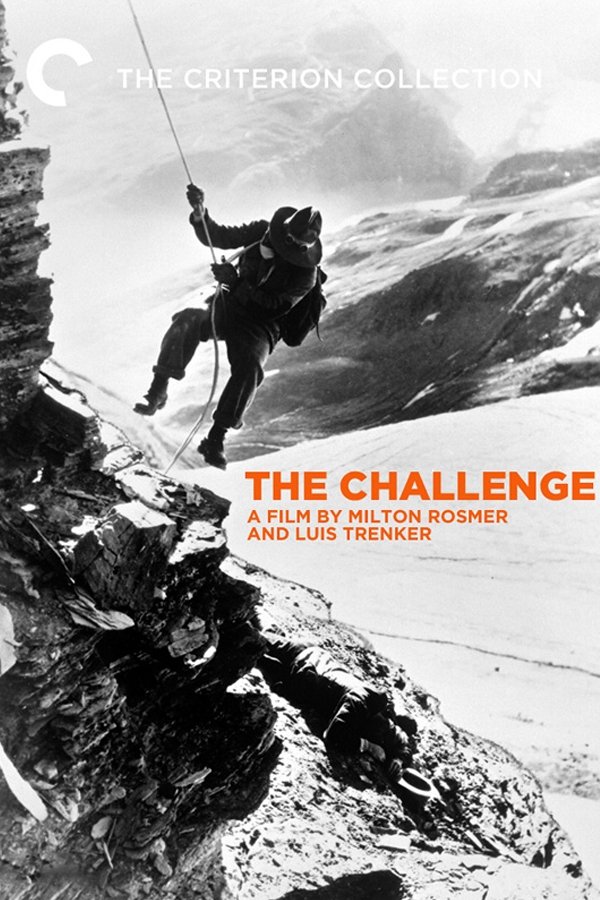
English-language, dubbed sound and partly re-edited version of Der Kampf ums Matterhorn. During an early, unsuccessful attempt at climbing the Matterhorn, Edward Whymper finds himself rescued by an italian guide, Jean Antoine Carrel. The two men quickly build a friendship and agree to reach the peak together. However, local villagers plot to divide the alliance of Whymper and Carrel and both men join rival teams as they set out in a race to conquer the mountain. A mountaineering drama based on the novel by Carl Haensel and inspired in the dramatic true story of Edward Whymper, who led the first successful ascent of the Matterhorn in 1865.
 Movie10.0DocumentaryDrama
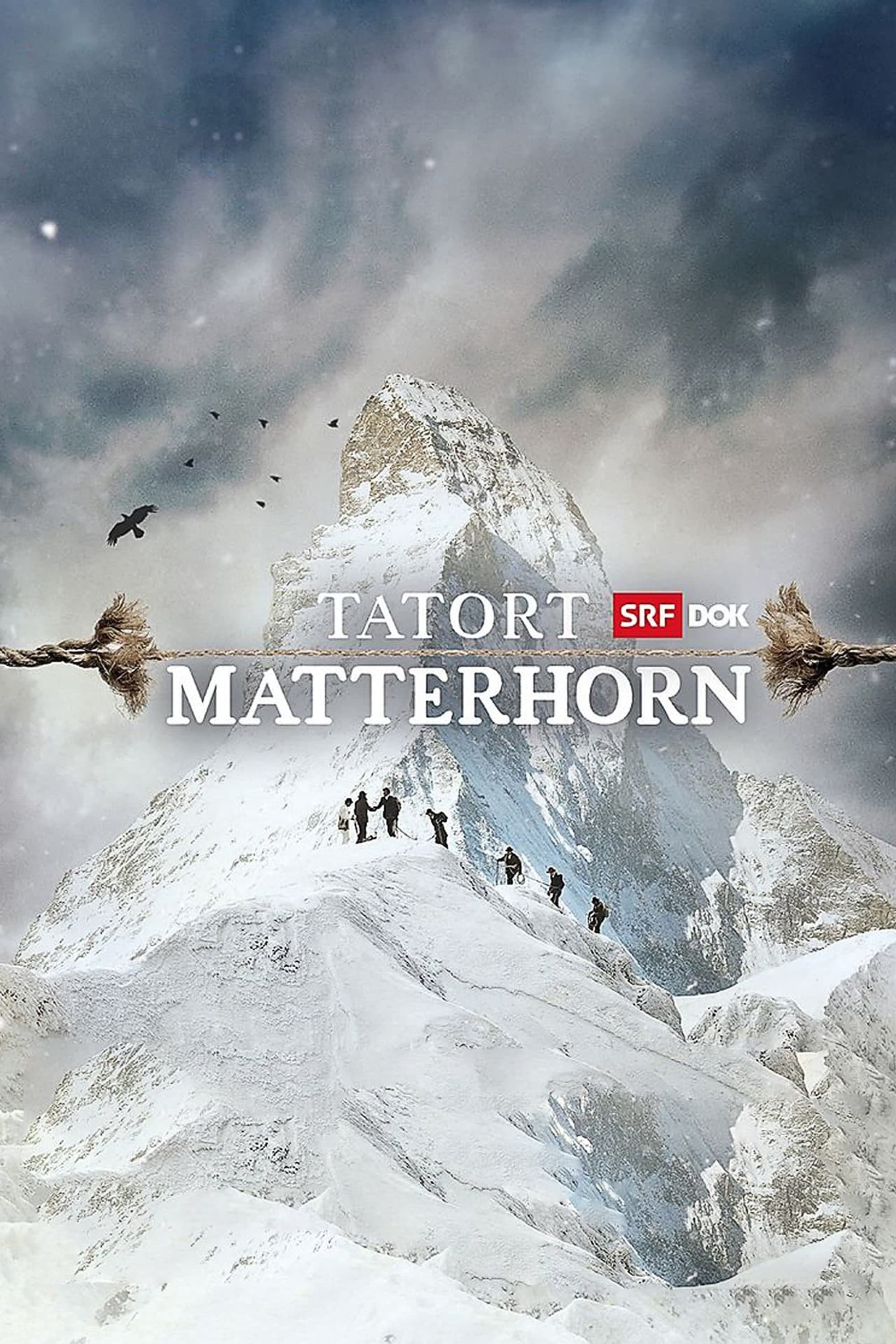
The first ascent of the Matterhorn was made on July 14, 1865 by Edward Whymper, Francis Douglas, Charles Hudson, Douglas Hadow, Michel Croz and two guides from Zermatt, Peter Taugwalder father and son. Douglas, Hudson, Hadow and Croz are killed on the descent after Hadow slips and drags the other three men down the north face. Whymper and the two Taugwalders, who survive, are later accused of having cut the rope that connected them to the rest of the group so as not to be dragged into the fall, but the ensuing investigation finds no evidence of their guilt and they are acquitted. The Matterhorn is the last great peak in the Alps to be conquered and its ascent marks the end of the golden age of mountaineering. One hundred and fifty years later, a team undertakes the same expedition in order to unravel the mystery.
 Movie8.2Drama
Struggle for the Matterhorn (German: Der Kampf ums Matterhorn) is a 1928 German-Swiss silent drama film co-directed by Mario Bonnard and Nunzio Malasomma and starring Luis Trenker, Marcella Albani, and Alexandra Schmitt. The film is part of the popular cycle of mountain films of the 1920s and 1930s. Art direction was by Heinrich Richter. Based on a novel by Carl Haensel, the film depicts the battle between British and Italian climbers to be the first to climb the Matterhorn. Trenker later remade the film as The Challenge in 1938.
 Movie7.1Drama
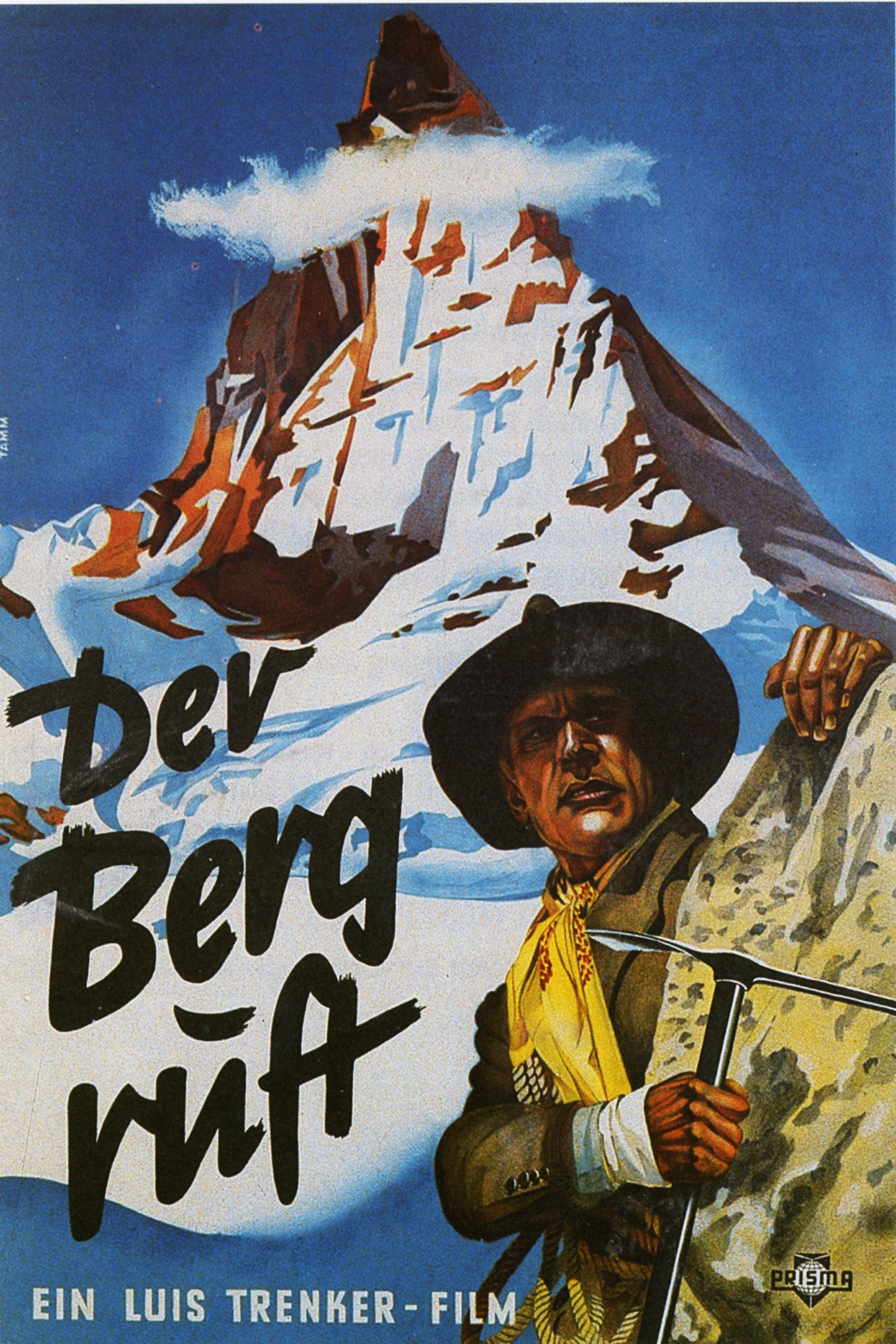
During an early, unsuccessful attempt at climbing the Matterhorn, Edward Whymper finds himself rescued by an italian guide, Jean Antoine Carrel. The two men quickly build a friendship and agree to reach the peak together. However, local villagers ploto to divide the alliance of Whymper and Carrel and both men join rival teams as they set out in a race to conquer the mountain. A mountaineering drama based on the novel by Carl Haensel and inspired in the dramatic true story of Edward Whymper, who led the first successful ascent of the Matterhorn in 1865. There is another version of the film titled The Challenge, shot the same year in English.
 Movie6.3RomanceAdventure
During an early, unsuccessful attempt at climbing the Matterhorn, Edward Whymper finds himself rescued by an italian guide, Jean Antoine Carrel. The two men quickly build a friendship and agree to reach the peak together. However, local villagers ploto to divide the alliance of Whymper and Carrel and both men join rival teams as they set out in a race to conquer the mountain. A mountaineering drama based on the novel by Carl Haensel and inspired in the dramatic true story of Edward Whymper, who led the first successful ascent of the Matterhorn in 1865. There is another version of the film titled Der Berg Ruft, shot the same year in German.
The Challenge
1938 · 9 votes