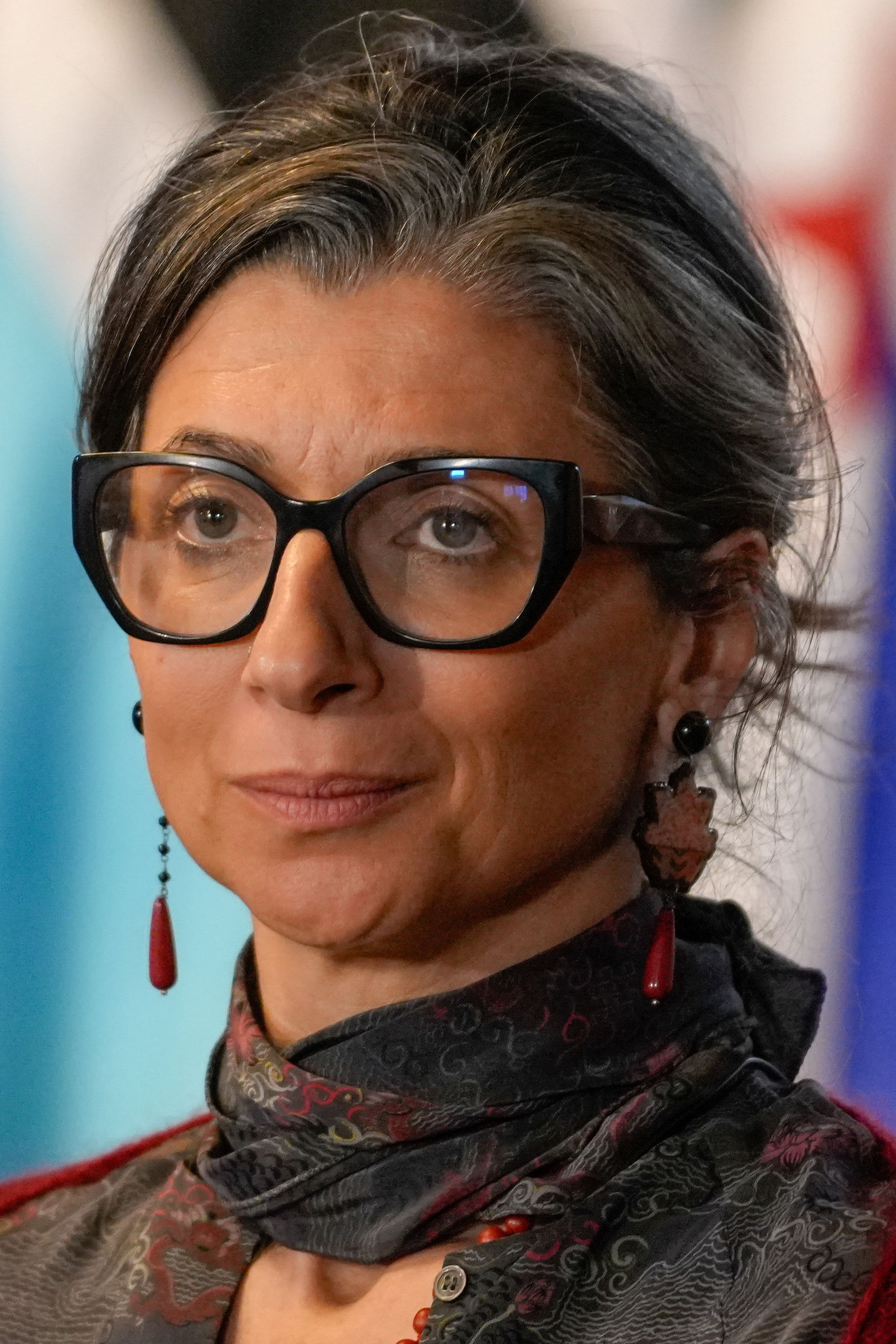
Francesca Albanese
Actor · b. 1977 · Ariano Irpino (AV)
Francesca Albanese is an Italian legal scholar and human rights expert whose work has shaped contemporary debates on international law, forced displacement, and the Israeli–Palestinian conflict. She has served as the United Nations Special Rapporteur on the occupied Palestinian territories since 2022, becoming the first woman to hold the position. Her tenure has drawn international attention for its detailed investigations into the human rights situation in Gaza and the West Bank, as well as for the political controversies surrounding her findings. Albanese was born in Ariano Irpino in southern Italy. She studied law at the University of Pisa, graduating with honours, and later completed a Master of Laws in human rights at SOAS University of London. Early in her career she worked for more than a decade with several United Nations bodies, including the Office of the High Commissioner for Human Rights and the UN Relief and Works Agency. During these years she advised governments and humanitarian organisations across the Middle East, North Africa, and Asia-Pacific, developing a deep expertise in the legal protection of refugees, migrants, and populations living under occupation. Her academic work has continued in parallel with her international engagements. She is an Affiliate Scholar at Georgetown University’s Institute for the Study of International Migration and a senior advisor with the Arab Renaissance for Democracy and Development, where she co-founded the Global Network on the Question of Palestine. Her publications include the widely cited Palestinian Refugees in International Law, co-authored with Lex Takkenberg and published by Oxford University Press in 2020. Albanese was appointed United Nations Special Rapporteur in May 2022 and confirmed for a second term in 2025. In this role she has produced several prominent reports examining the legal and humanitarian implications of Israel’s occupation. Her analyses have addressed issues such as mass displacement, arbitrary detention, settler violence, and the increasingly severe conditions in Gaza. In March 2024 she presented the report titled “Anatomy of a Genocide” to the UN Human Rights Council, concluding that Israel’s actions in Gaza met the threshold of genocidal acts under the Genocide Convention. The report called for sanctions, an arms embargo, and renewed international accountability mechanisms, and it became one of the most widely discussed UN documents of the year.
Movies4
 Movie8.4Documentary
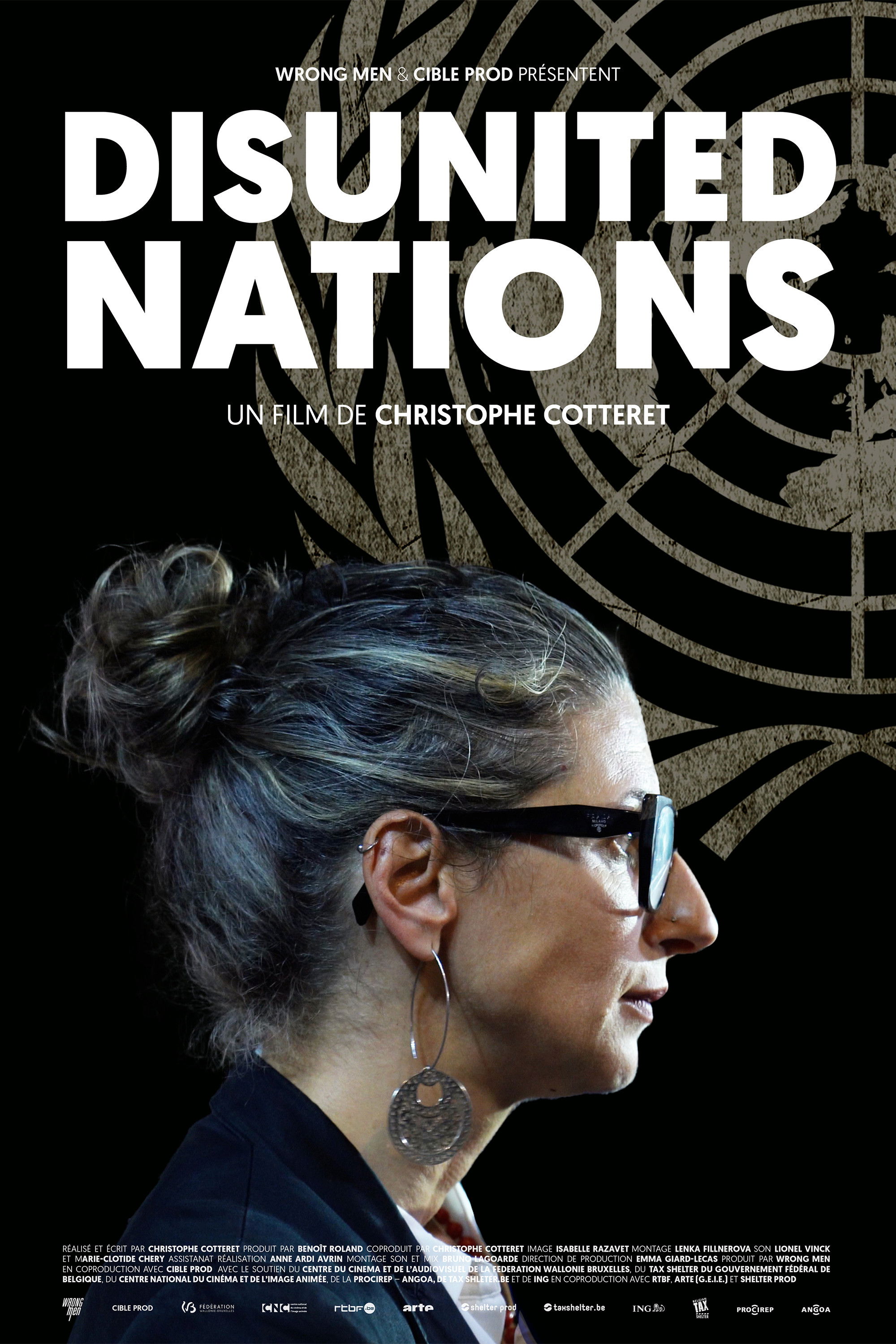
Francesca Albanese, the UN Special Rapporteur on human rights in the occupied Palestinian territories, had already labelled events in Gaza a genocide back in March 2024. Following her lead, this piece takes us deep into the heart of the institution’s crisis, as it struggles with its inability to stop the massacre of civilians.
Disunited Nations
2025 · 4 votes
 Movie8.2Music
Broadcast of the “Together for Palestine” charity concert, organized by Brian Eno alongside several artists, to raise funds and awareness for Palestinians affected by the ongoing genocide in Gaza perpetrated by Israel.
Together for Palestine
2025 · 5 votes
 MovieDocumentary
A look into how and why international laws and principles are being applied and ignored in the Israel-Gaza conflict. The events of October 7 sent shockwaves across the world and brought to the forefront once again a conflict that has been ongoing for 75 years. The Israeli government's response to Hamas's attack was prompt - it embarked on a war of magnitude in Gaza, claiming it needed to take out Hamas and rescue the captives. At first, the consensus of Western powers seemed solid: Israel has the right to fight back against Hamas. But more than five months later, Israel's military was facing criticism worldwide, including allegations that it is committing war crimes, crimes against humanity, ethnic cleansing and even genocide. This film will explore whether Israel is breaking international law and, if so, why are Western powers, in particular the United States, silent.
 MovieHistoryDocumentary
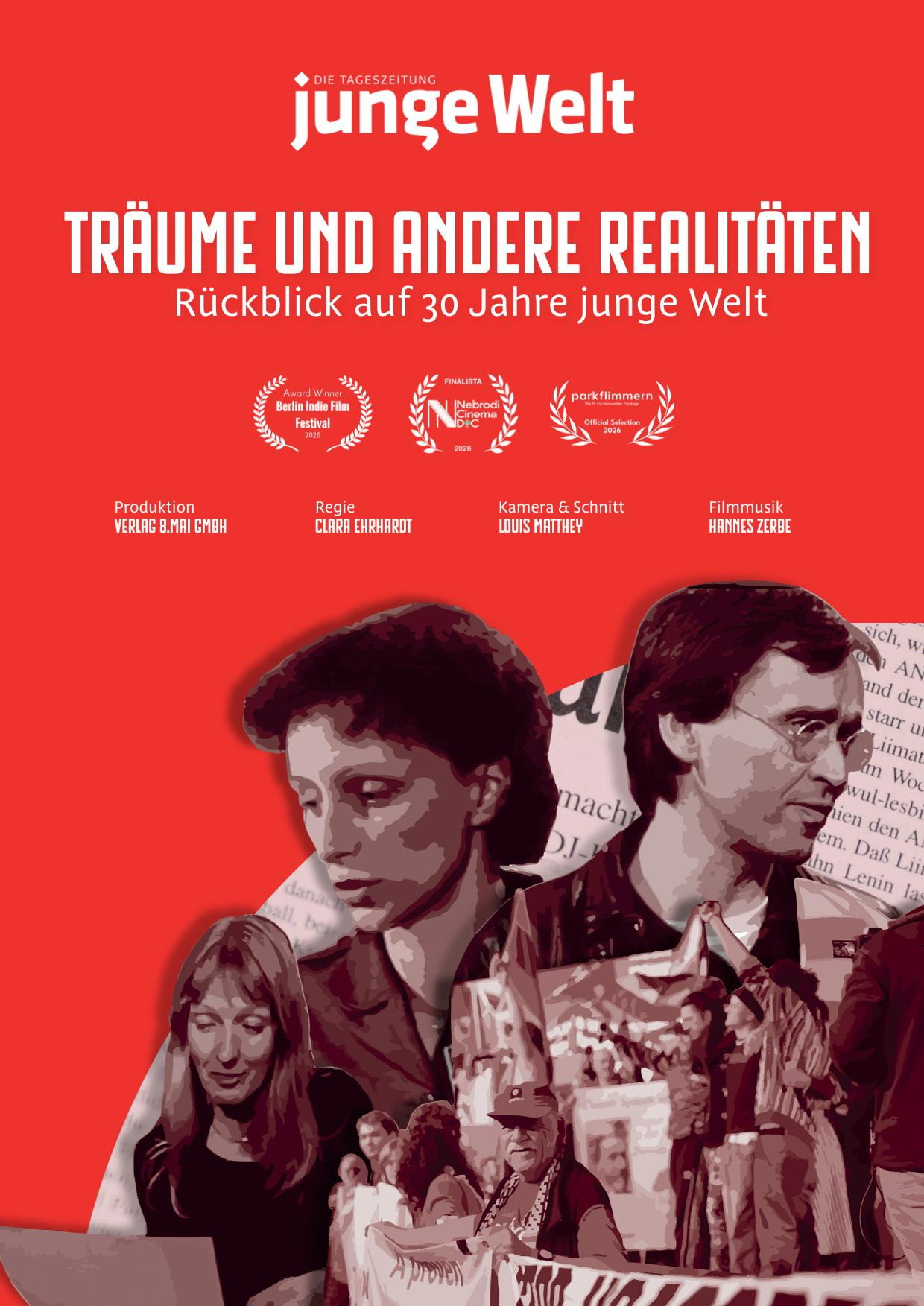
The film looks both back and forward, examining traditions, ruptures, and reinventions. It recounts the struggle for survival in the years following German reunification, the unique role of *junge Welt* as a national Marxist daily newspaper, and its place within the Left movement—as well as the repression, resistance, and visions for the future it has encountered. It is a portrait of the newspaper, the last three decades of its history, and the people who create it.
Series1
 TV6.9DocumentaryNews
A United States daily progressive, nonprofit, independently syndicated program of news, analysis, and opinion.
Democracy Now!
2001 · 7 votes