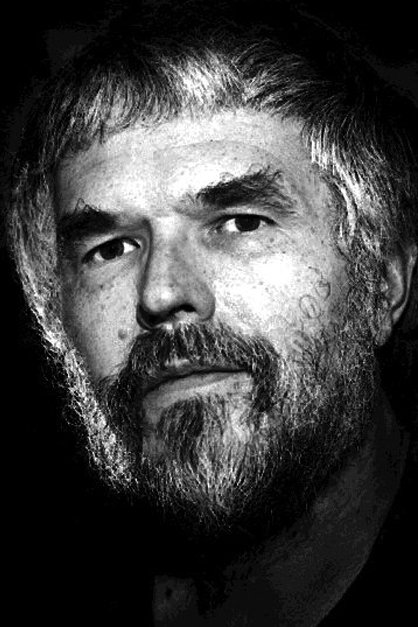
Stan Brakhage
Director · 1933 – 2003 · Kansas City, Missouri, USA
Stan Brakhage is one of the most influential filmmakers in American avant-garde cinema, noted for his unflinching social commentaries and technical innovations. Over his nearly 40-year career, he has made over 200 films of varying length. He made his first film, Interim (1952) at age 18 after dropping out of college. Brakhage films seek to change the way we see. They encourage viewers to eschew traditional narrative structure in favor of pure visual perception that is not reliant on naming what is seen; rather his goal is to create a more visceral visual experience, for he believes that a "stream-of visual-consciousness could be nothing less than the pathway of the soul." To this end, his films are shot in highly sensual colors and utilize minimal soundtracks. His work can be divided into distinct periods. His first short films explored the properties and possibilities of light. In many of his experimental ventures, Brakhage has forgone traditional cinematography in favor of working directly with the film stock itself. He has occasionally painted, inked, scratched and dyed images onto it; he has also tried pasting organic objects on the film. His most famous example is the 1963 short Mothlight in which he glued moth wings onto the stock. Some of his early films were based on his most intimate experiences that included making love to his new bride--depicted on negative film--in Wedlock House: An Intercourse (1959), and an attempt to bring his dead dog back to life with a camera in Sirius Remembered (1959). During the 1960s, Brakhage's iconoclastic views were celebrated for their poetry, but during the '70s, his focus changed to social issues and he alienated many supporters with such disturbing film series as the "Pittsburgh documents" in which he presented many gruesome views of inner city life with films such as Act of Seeing with One's Own Eyes (1971) which was shot in a morgue. He also continued with autobiographical material with the "Sincerity/Duplicity series. During the 1980s, Brakhage's focus again changed--this time he became intrigued with creating truly "abstract" films such as Arabics (1982) which consists of brilliant bursts of colored light which he claims, represent "envisioned music." In addition to filmmaking, Brakhage also wrote books about films and filmmaking and also served as a teacher.
Movies18
 Movie7.8Documentary
A compilation of over 30 years of private home movie footage shot by Lithuanian-American avant-garde director Jonas Mekas, assembled by Mekas "purely by chance", without concern for chronological order.
 Movie6.4Documentary
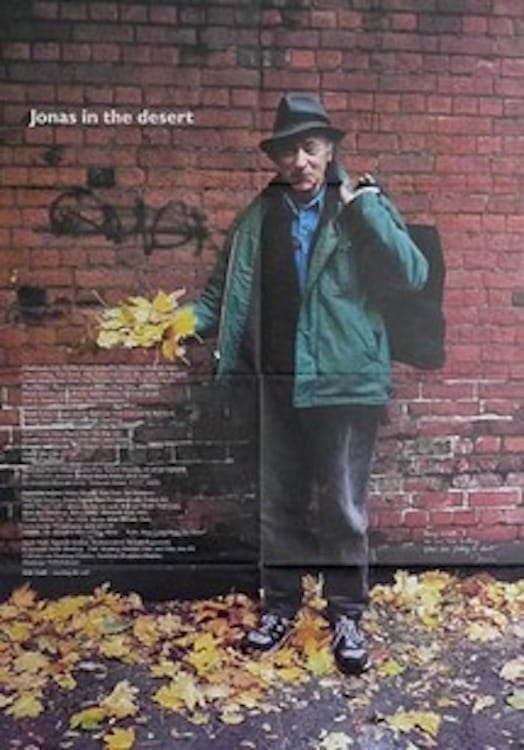
Not a documentary in the strictest sense of the word. Rather, it is a journey through the world of the artist Jonas Mekas - one of the exponents of independent U.S. movies; founder and director of the New York Anthology Film Archive.
Jonas in the Desert
1994 · 5 votes
 Movie7.3Documentary
Also known as Walden, Jonas Mekas’s first diary film is a six-reel chronicle of his life in 1960s New York, interweaving moments with family, friends, lovers, and artistic idols. Blending everyday encounters with portraits of the avant-garde art scene, it forms an epic, personal meditation on community, creativity, and the passage of time.
Diaries, Notes, and Sketches
1968 · 32 votes
 Movie7.0Documentary
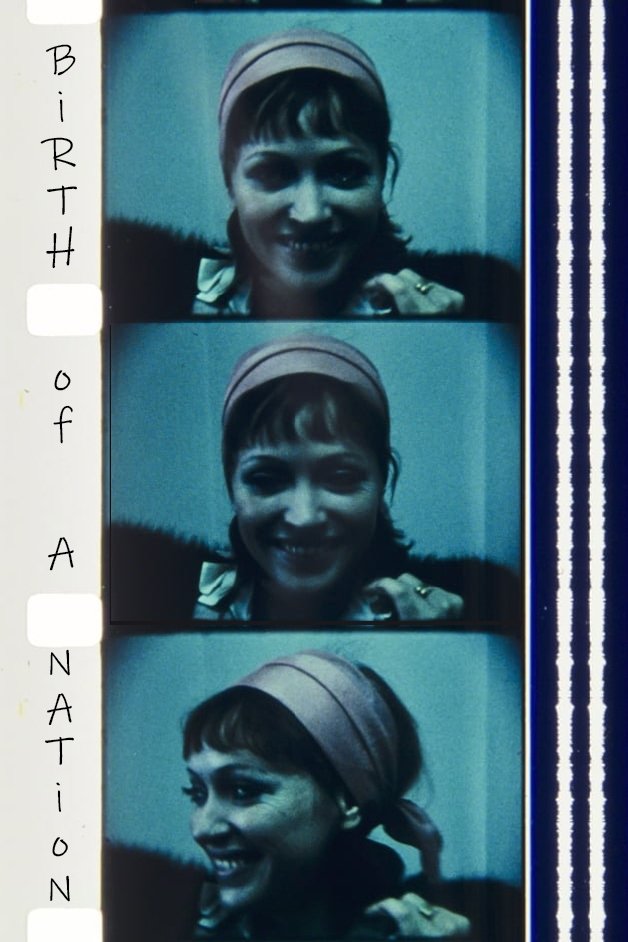
Jonas Mekas assembles 160 portraits, appearances, and fleeting sketches of underground and independent filmmakers captured between 1955 and 1996. Fast-paced and archival in spirit, the film celebrates the avant-garde as its own “nation of cinema,” a vital community existing outside the dominance of commercial film.
Birth of a Nation
1997 · 4 votes
 Movie6.4ComedyWestern
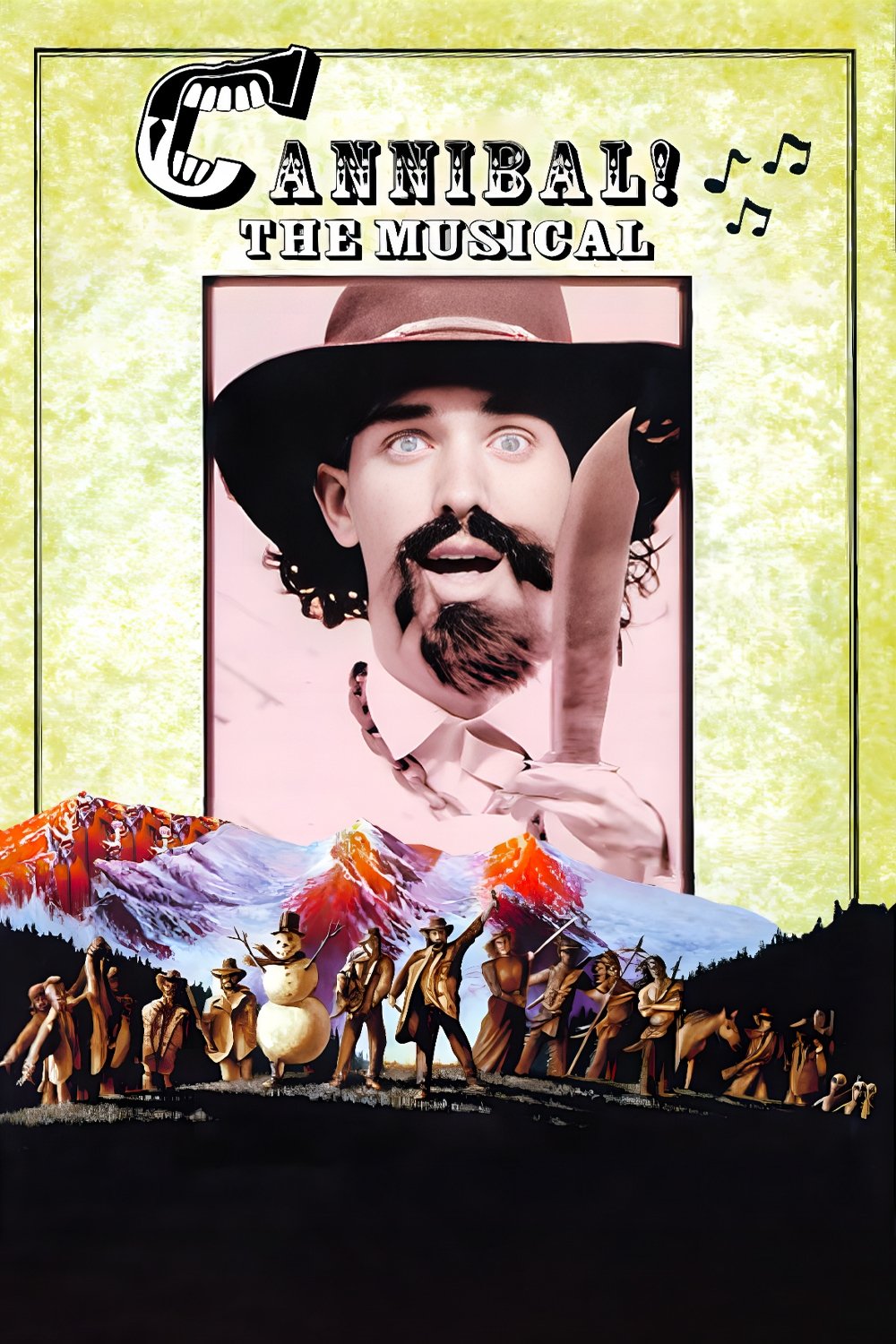
Heading through Colorado Territory in search of gold and women, Alferd Packer and his group of bemused companions find themselves lost, starving and musically inspired by the obstacles they confront along the way, including a die-hard Confederate cyclops, a trio of surly trappers, a tribe of Japanese-speaking "Indians," and ultimately, each other.
Cannibal! The Musical
1996 · 175 votes
 Movie7.5Documentary
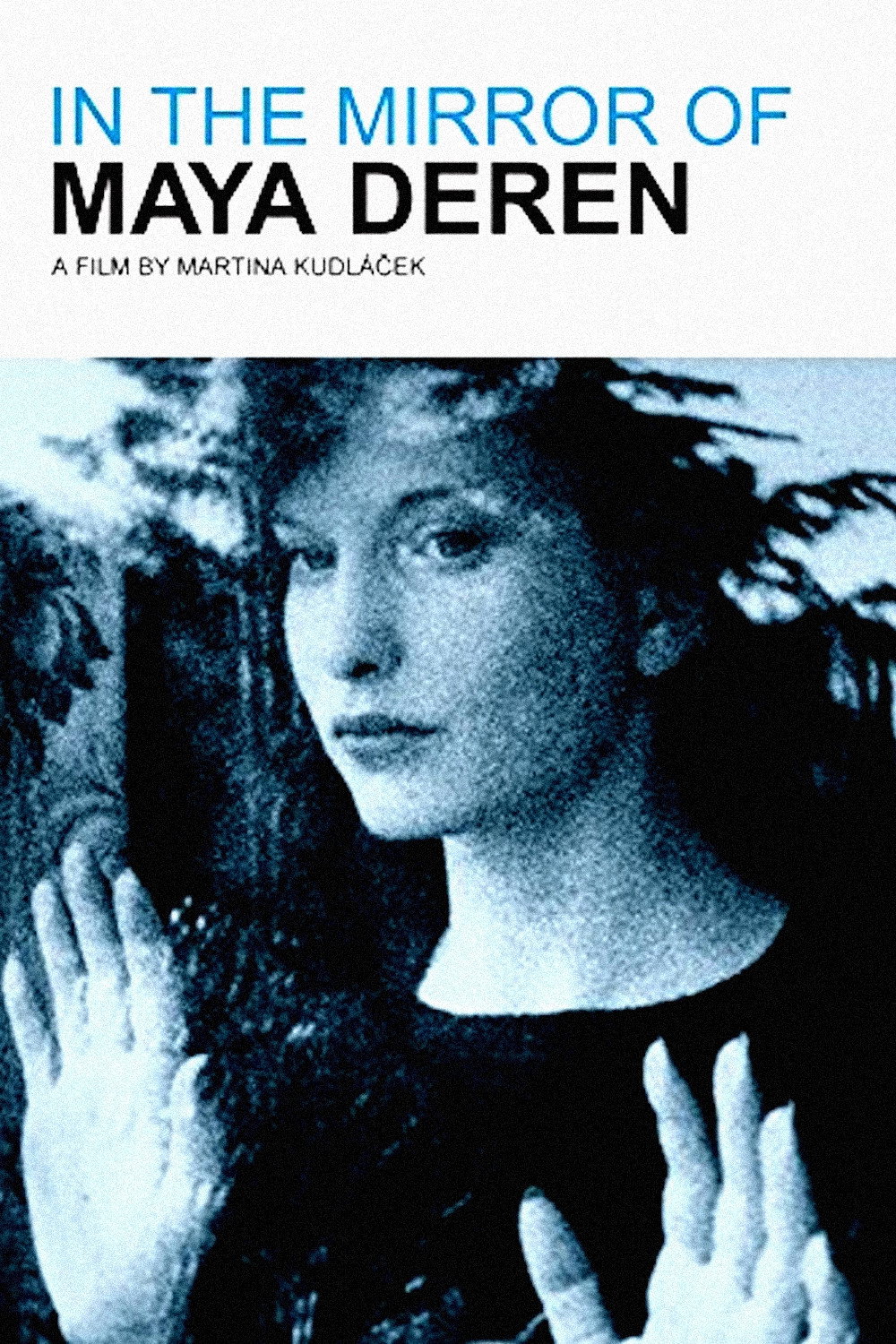
Documentary about the life of avant-garde filmmaker Maya Deren, who led the independent film movement of the 1940s.
 Movie6.8Documentary
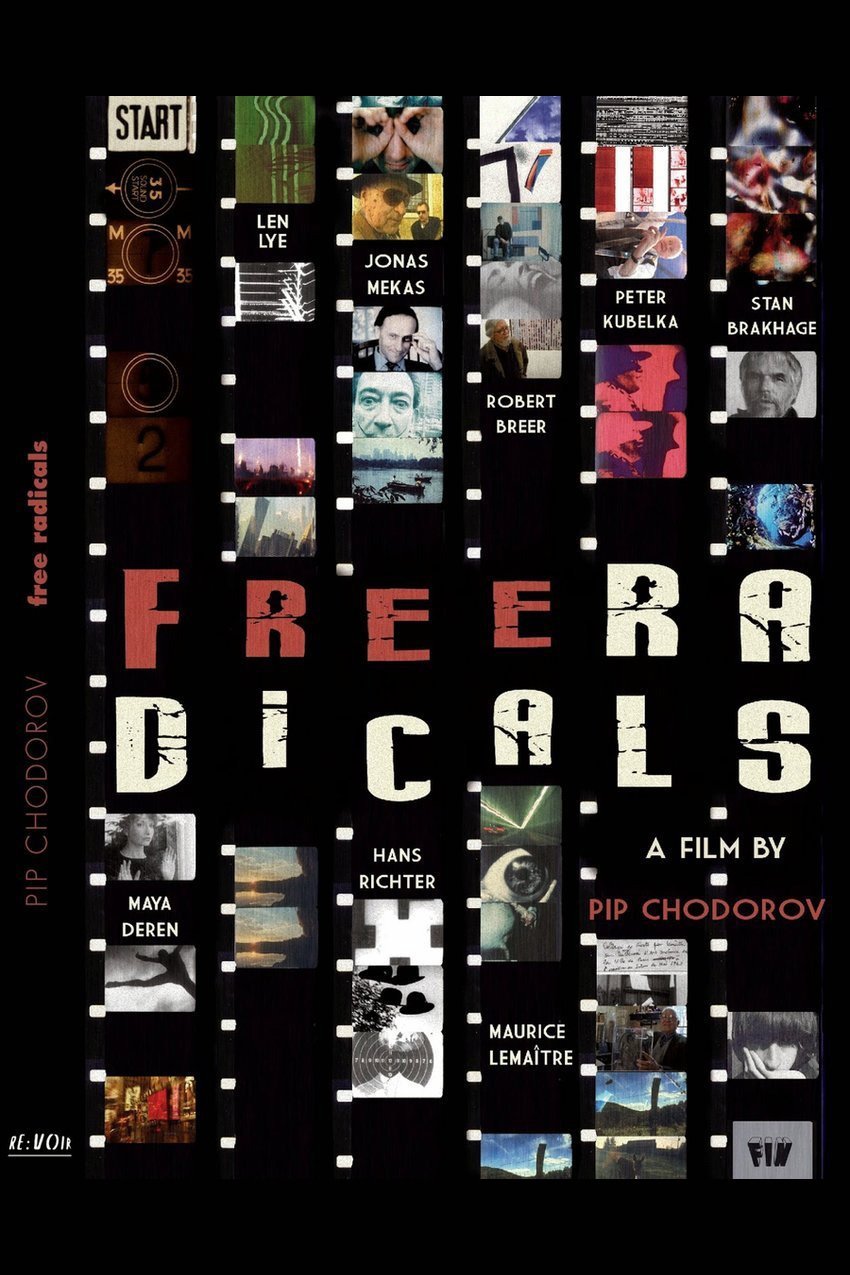
Experimental filmmaker Pip Chodorov traces the course of experimental film in America, taking the very personal point of view of someone who grew up as part of the experimental film community.
Free Radicals: A History of Experimental Film
2011 · 12 votes
- Movie10.0Documentary
An exploration of film preservation and restoration in the United States.
Keepers of the Frame
1999 · 2 votes
 Movie7.5Documentary
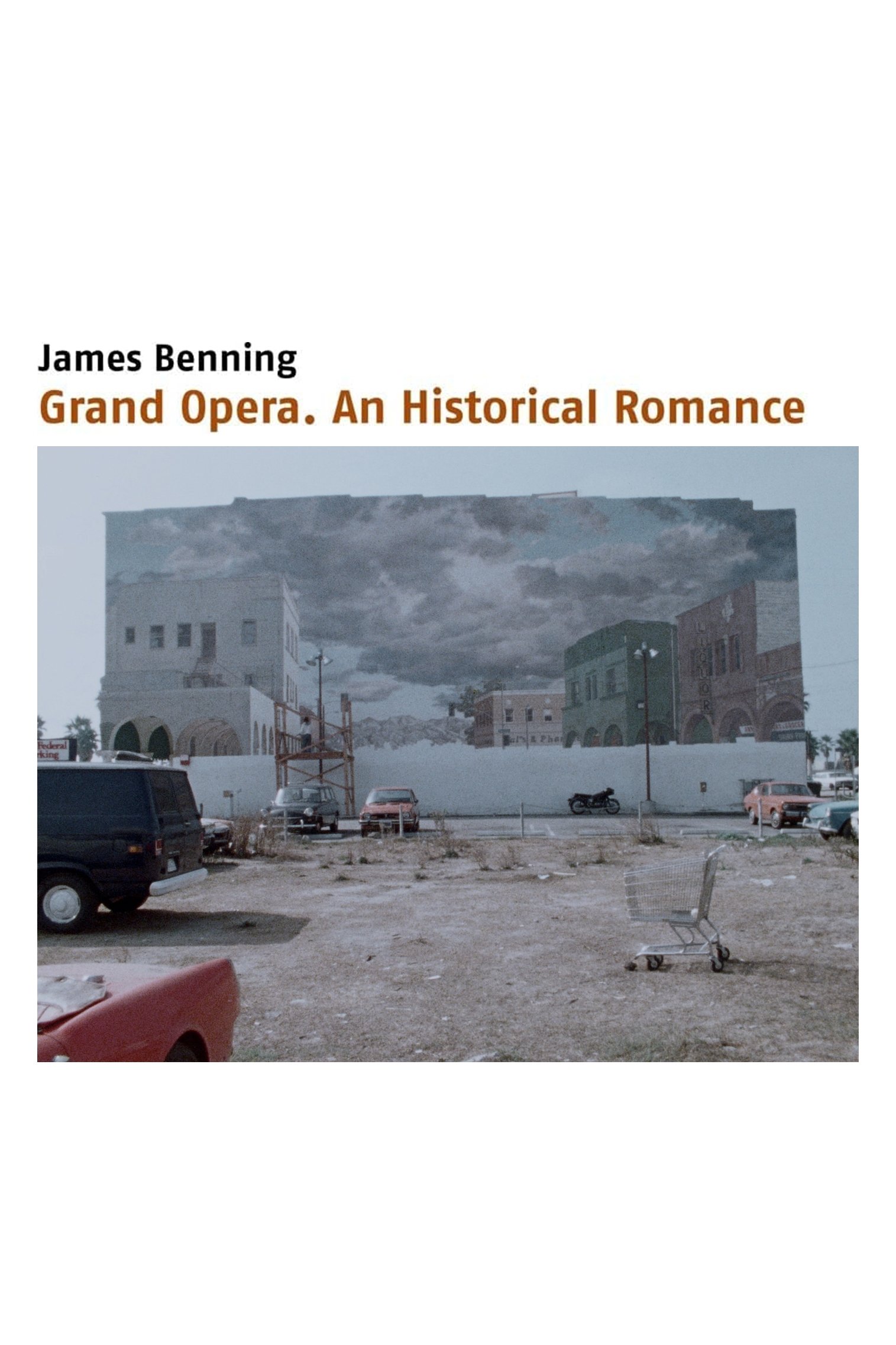
Grand Opera marks a stock-taking of Benning's work and his life, presenting a personal and artistic autobiography woven together with a series of events dealing with the historical development of the number pi, Benning's travels, and homages to Michael Snow, Hollis Frampton, George Landow (Owen Land), and Yvonne Rainer.
Grand Opera: An Historical Romance
1979 · 6 votes
 Movie6.9Documentary
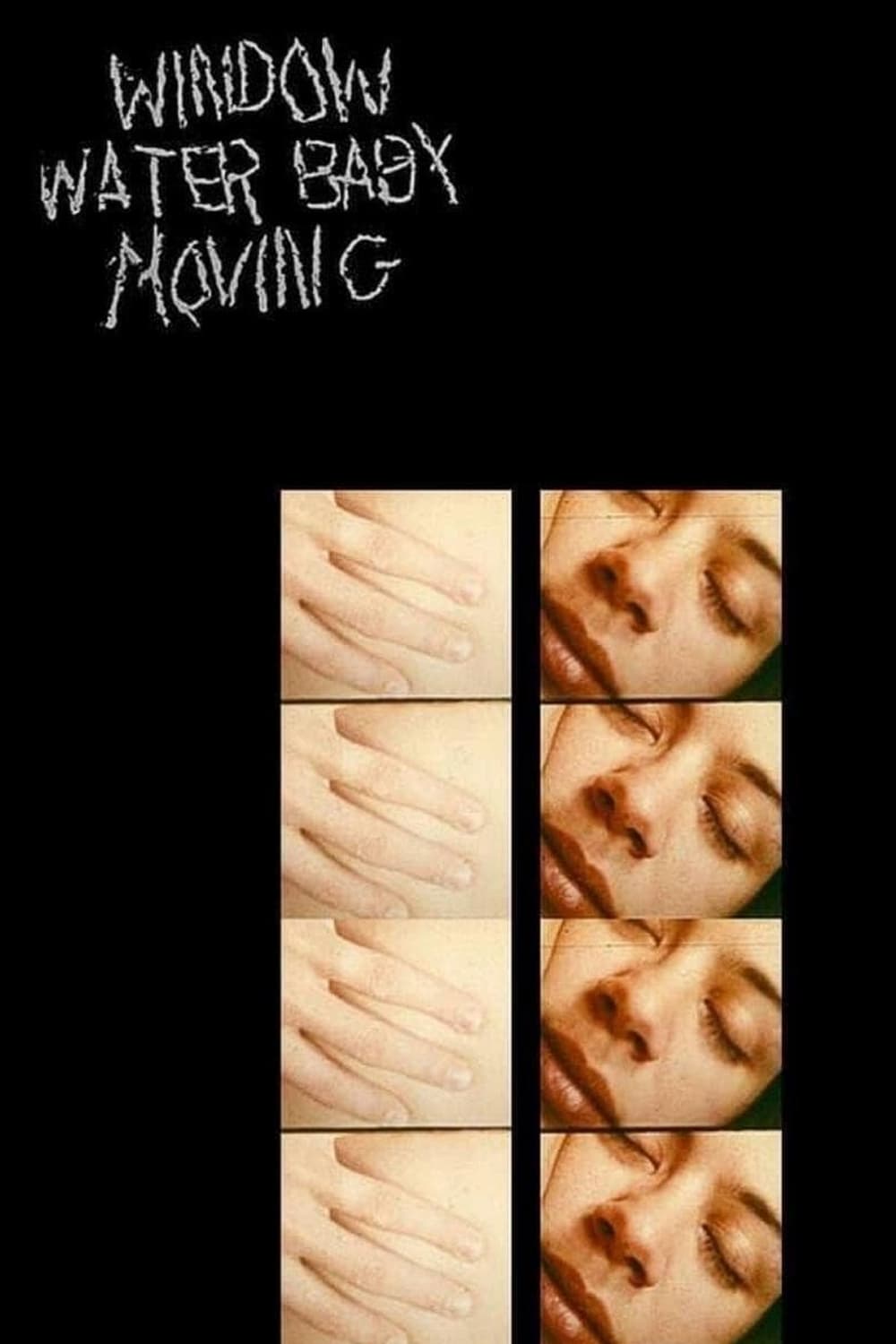
On a winter's day, a woman stretches near a window then sits in a bathtub of water. She's happy. Her lover is nearby; there are close ups of her face, her pregnant belly, and his hands caressing her. She gives birth: we see the crowning of the baby's head, then the birth itself; we watch a pair of hands tie off and cut the umbilical cord. With the help of the attending hands, the mother expels the placenta. The infant, a baby girl, nurses. We return from time to time to the bath scene. By the end, dad's excited; mother and daughter rest.
Window Water Baby Moving
1959 · 74 votes
- Movie5.4Documentary
A look at avant-garde filmmaker Marie Menken.
Notes on Marie Menken
2006 · 5 votes
 MovieDocumentary
This is a 1991 documentary film about the legendary artist and filmmaker, Joseph Cornell, who made those magnificent and strange collage boxes. He was also one of our great experimental filmmakers and once apparently made Salvador Dali extremely jealous at a screening of his masterpiece, Rose Hobart. In this film we get to hear people like Susan Sontag, Stan Brakhage, and Tony Curtis talk about their friendships with the artist. It turns out that Curtis was quite a collector and he seemed to have a very deep understanding of what Cornell was doing in his work.
 Movie5.8
A depiction of the creative process of hand-painting film giant, Stan Brakhage. Inspired by Monet's paintings from Giverny, Brakhage's luminous abstract painting transforms the screen into an oneiric botanical landscape. Brakhage's painted loops leap out of black and white footage of the master at work, painting and printing.
Garden Path
2001 · 4 votes
 Movie6.3Documentary
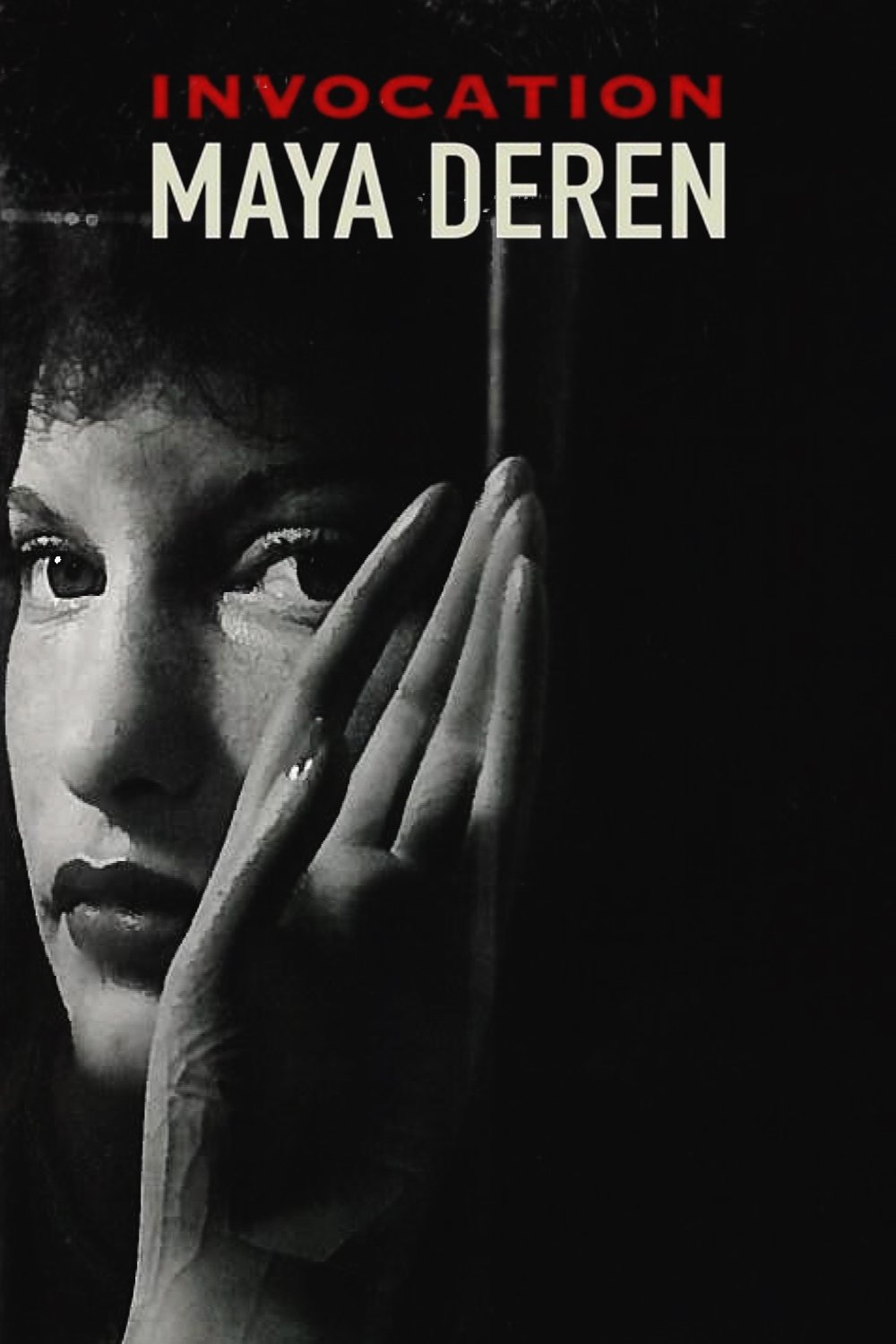
Maya Deren is a legend of avant-garde cinema. This authoritative biography of the charismatic filmmaker, poet and anthropologist features excerpts from her pioneering Meshes of the Afternoon and her unfinished documentary on Haiti, interviews with Stan Brakhage and Jonas Mekas, and recordings of her lectures. Narrated by actress Helen Mirren, this definitive documentary offers startling insights into one of the most intriguing, accomplished figures in cinema history.
Invocation: Maya Deren
1986 · 3 votes
 Movie5.9Comedy
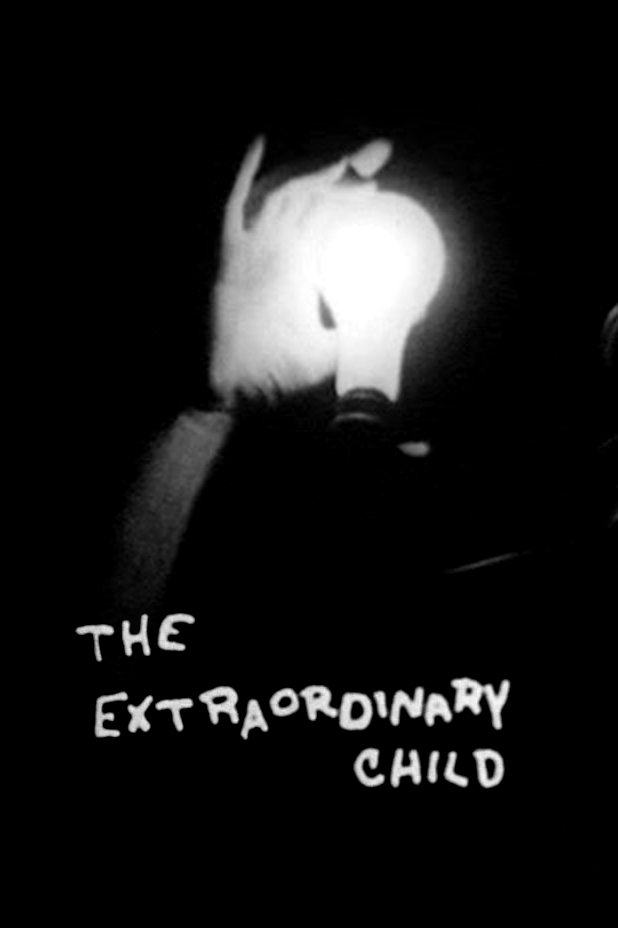
The Extraordinary Child applies his developing style to broad slapstick. His friends from the previous films and the director himself play out a riotous farce about an overgrown baby who steals his father’s cigars. Everyone mugs hilariously. The movie could be taken as another example of the Romantic notion of the artist as a monstrous child or misfit, or a parody of the same rather than the personal confessional statement seen so often in these film movements.
The Extraordinary Child
1954 · 9 votes
 Movie
MovieIimura creates a short self-portrait as well as brief portraits of five of his peers: Brakhage, Vanderbeek, Smith, Mekas and Warhol. In each portrait, Iimura attempts to copy the styles and traits of each artist (Vanderbeek's constantly moving camera; Mekas' experiments with film speed; Warhol's use of flashes of white against a black background), while briefly commenting on the images being shown. The film serves effectively as an introduction to the film styles of these artists.
Filmmakers
1969
 Movie6.1DramaFantasy
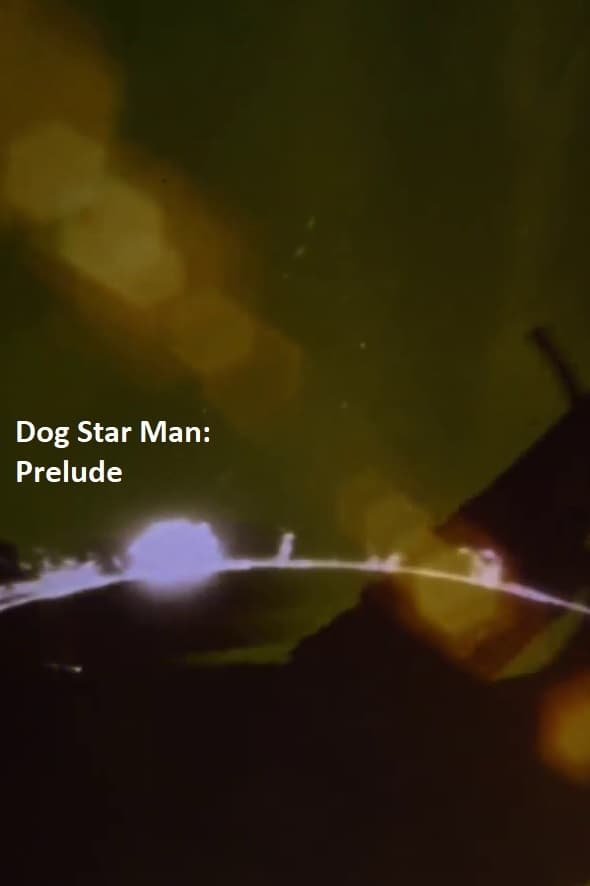
A creation myth realized in light, patterns, images superimposed, rapid cutting, and silence. A black screen, then streaks of light, then an explosion of color and squiggles and happenstance. Next, images of small circles emerge then of the Sun. Images of our Earth appear, woods, a part of a body, a nude woman perhaps giving birth. Imagery evokes movement across time. Part of the Dog Star Man series of experimental films.
Prelude: Dog Star Man
1962 · 54 votes
 Movie8.0Documentary
This documentary, made seven years after the death of legendary filmmaker and kinetic artist Len Lye, tells Lye's story: from being a young boy staring at the sun, to travels around the Pacific and life in New York. It includes excerpts from many of his films, and interviews with second wife Ann and biographer Roger Horrocks. Len Lye himself is often heard, outlining his ideas of the ‘old brain’ and how Māori and Aboriginal art influenced his work. The grandeur of his ideas are only matched by their scale, with steel sculptures designed to be "at least 20 foot high".
Doodlin': Impressions Of Len Lye
1987 · 1 votes
Series1
 TV
TVIndependent filmmakers are given a chance to show and discuss their work on a commercial (ABC-TV) affiliate station.
Screening Room
1972