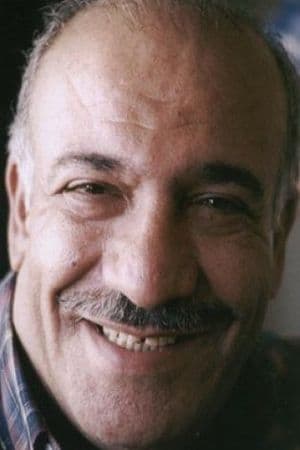
Esam Abjy
Actor · 1941 – 2014 · Damascus, Syria
A Syrian actor, born in the Al-Muhajireen neighborhood of the Syrian capital Damascus on February 9, 1941. He began his artistic career in the 1960s while working with the National Theater troupe alongside the late Rafik Al-Suba’i, after being invited by the then Minister of Information, Mr. Youssef Shuqra, who asked them to form the Dramatic Arts Troupe affiliated with television. After the unification of Egypt and Syria and the merging of the Ministries of Information and Culture, he transitioned into theater. Among his most notable works are the TV series Awdat Ghawar (The Return of Ghawar) and Bab Al-Hara, along with many other well-known series. He participated as an actor in numerous television, theatrical, and cinematic productions. His theater work includes: Life is a Dream, The Dead Without Graves, Tartuffe, Sour Grapes, The Fig Tree, King Lear, The Whirlwind, The Thin Man, The King is the King, The Judge of Olive Valley, and The Minister’s Wife, in addition to several radio works. He also appeared in three films: Kafr Qasim, Al-Yazrli, and The Usurer. He passed away on November 24, 2014, at the age of 75 after a battle with illness, leaving behind a rich legacy of Syrian theatrical and television works.
Series11
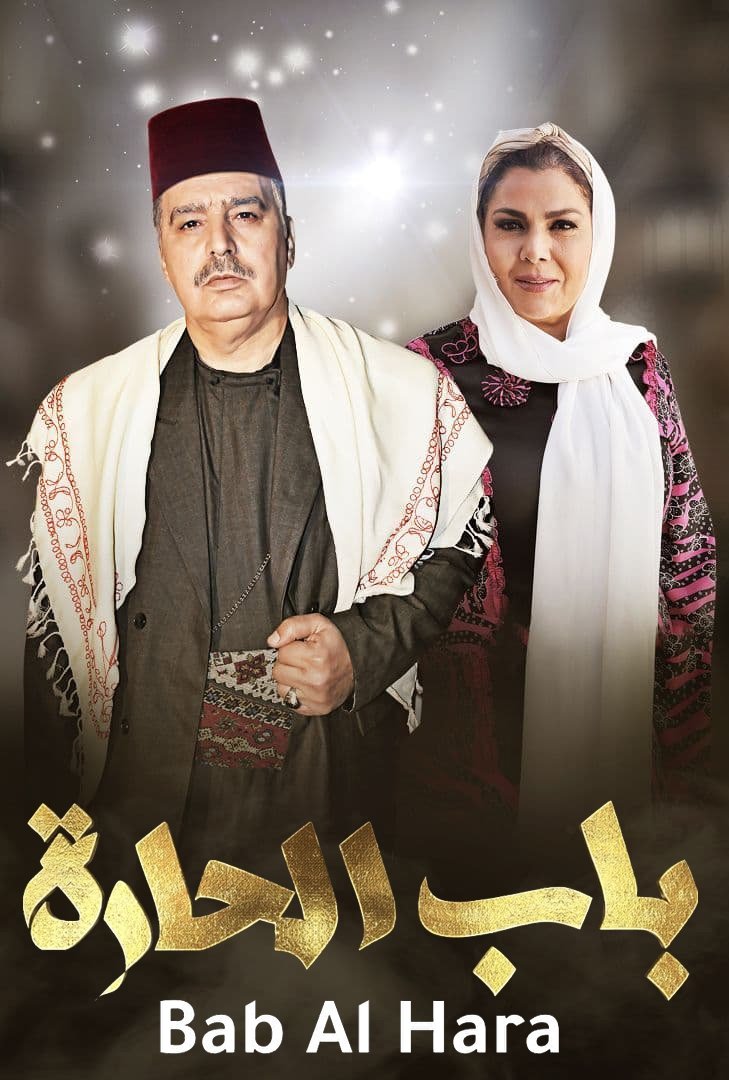 TV7.6Drama
A modern classic of Arab television. A social drama set in the 1920s in Damascus- It highlights Damascene life, noble values, and ancient customs and traditions represented by the people of Harat al-Dabeh who fled to Harat al-Salihiyah after the French bombed Harat al-Dabeh. The events take place after the gold is stolen from the house of the cloth merchant Abu Ibrahim, and the guard Abu al-Samu is killed. The men of the neighborhood try to find the thief.
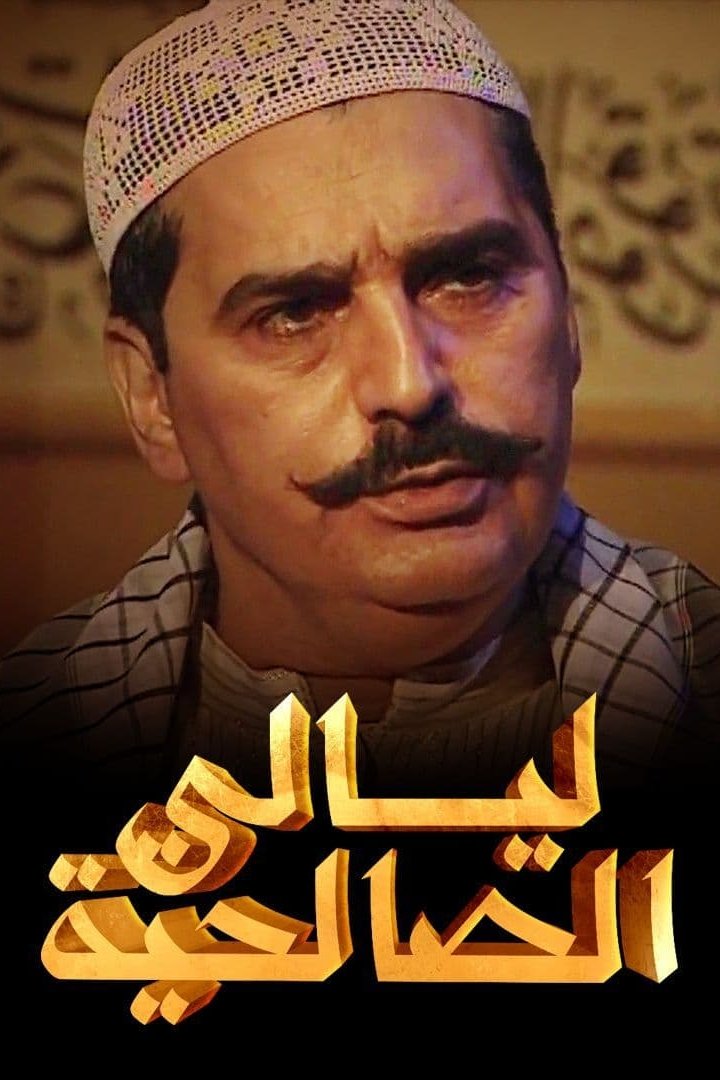 TV6.4DramaFamily
A man entrusts Abu Al Makhraz with a huge sum of money and disappears. When Abu Al Makhraz dies, his family finds themselves pitted against his relatives.
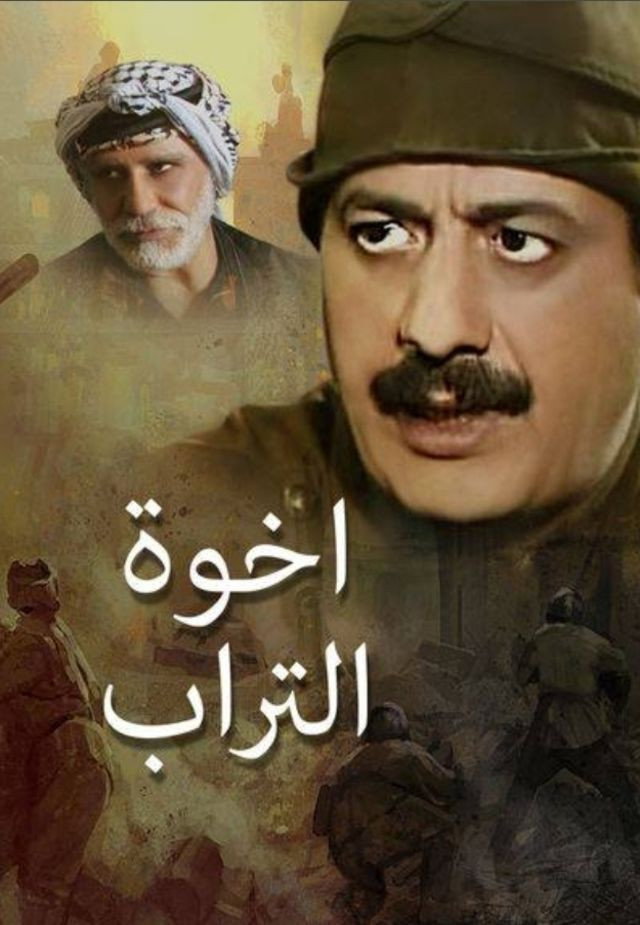 TVDramaWar & Politics
The series revolves around the Arab Revolt that broke out in Syria against the Ottoman occupation that had ruled the country for four centuries.
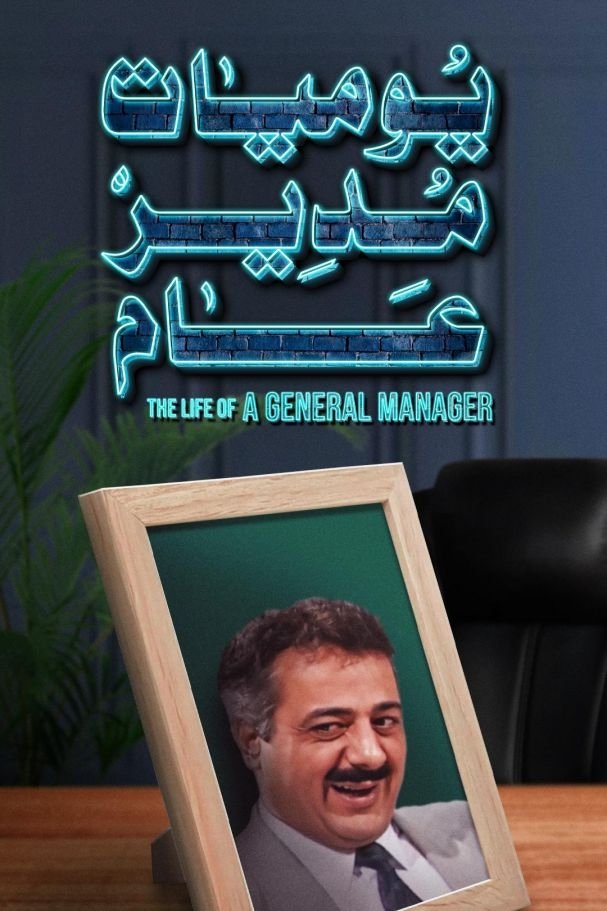 TV7.0DramaComedy
A journalist working in the same newspaper as her husband, and intellectual conflict arises between them because of the differences between the nature of men and women. The series shows the relationship between the spouses, revealing many attitudes of the “Eastern Man”.
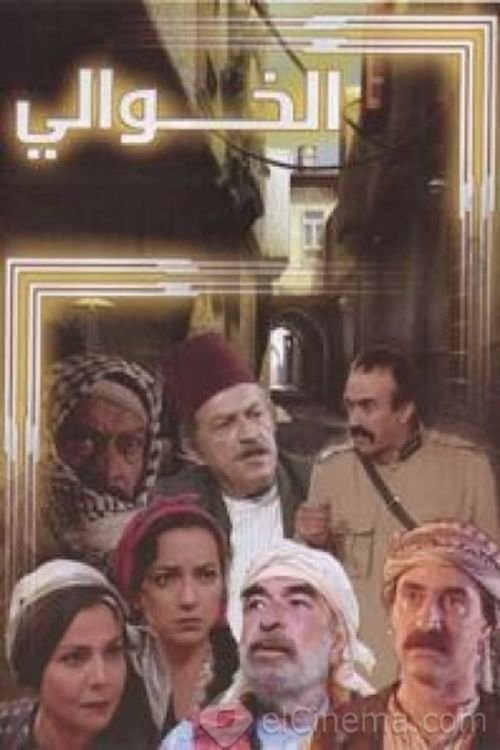 TVDrama
The story of Nassar Ibn Oraibi, a fighter against injustice, that sheds light on the life in the Damascus neighborhood and the role of one woman who becomes responsible for the house and her four daughters in light of her husband's absence during the Hajj.
 TV8.0Comedy
The series deals with the life of the simple man, Abu Al-Hana, who is constantly exposed to unenviable situations, and grows when he begins to search for solutions to them, for he is a simple and kind-hearted person, but he has self-confidence that makes his wife Umm al-Khair always obey him, and he is a ninth-degree employee in a government department.
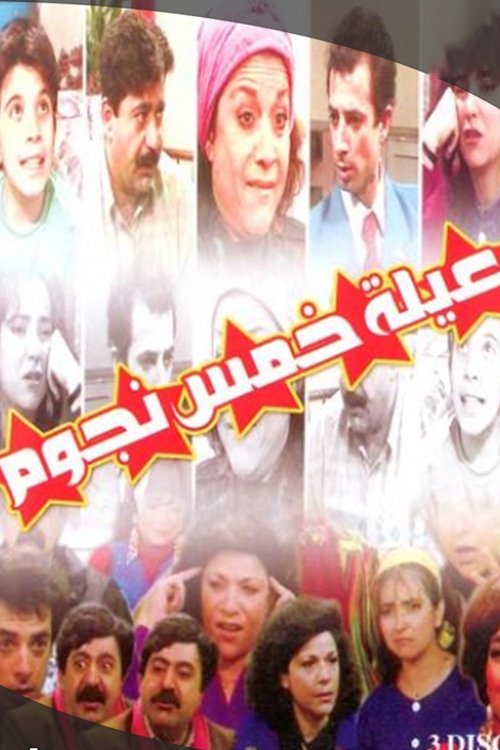 TVComedyDrama
The story revolves around the family of Umm Ahmed Bilalish who lives in one of the old Damascene neighborhoods. When Farhan proposes to marry Samar, her mother reluctantly agrees. The events start taking a comic twist when the family wins the lottery and their social status changes.
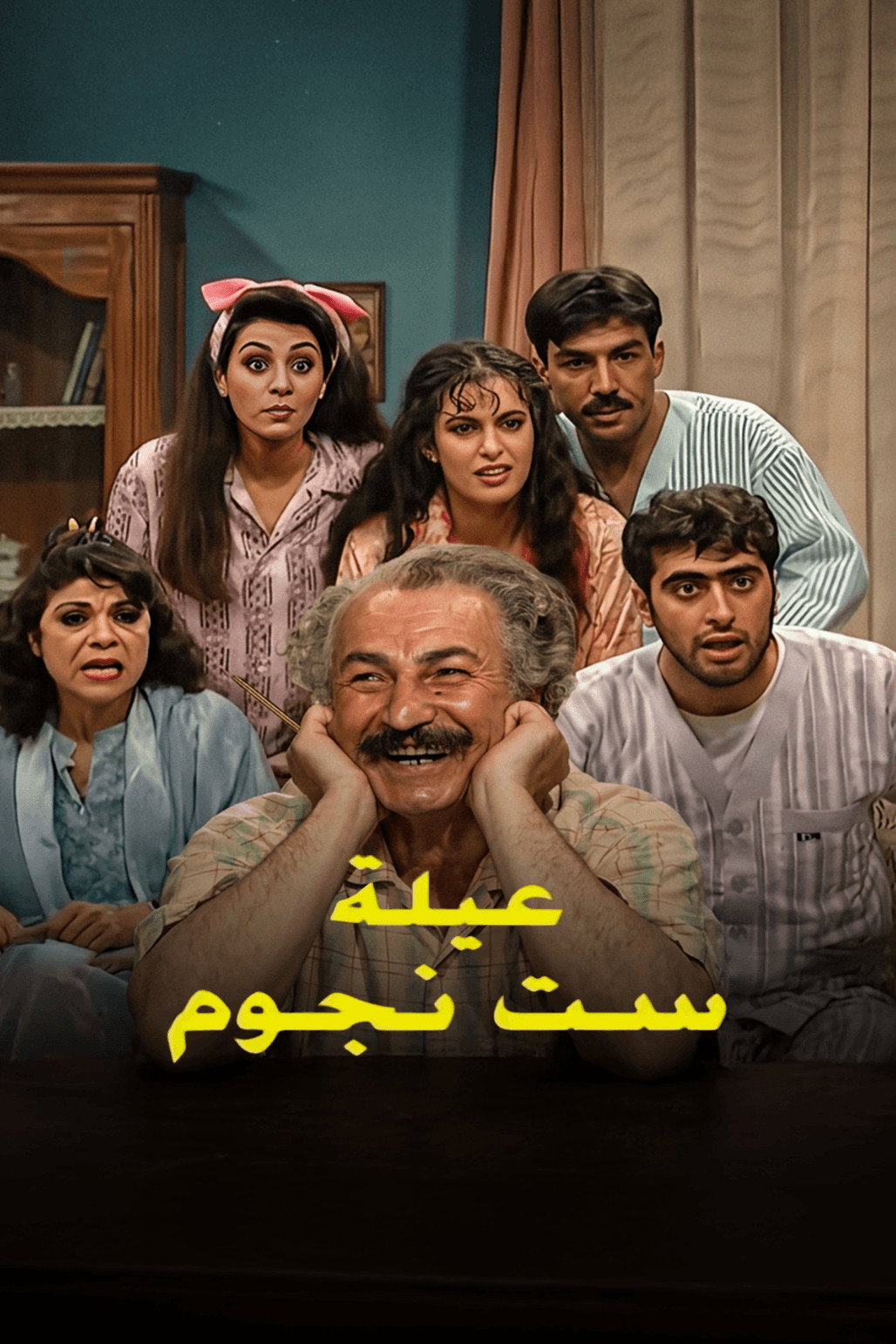 TVComedy
When Fardous, Gamil's mother, gets an apartment from a film production company as compensation for mistakenly using her name in a movie, her life changes completely as she becomes a reputable businesswoman and lives with her son and daughter, as well as their spouses, in the apartment.
 TV10.0DramaComedy
AlDaghari is a Syrian social comedy series, based on the story of Turkish writer Aziz Nesin, produced by Syrian Arab Television in 1992, directed by Haitham Haqqi. It tells the story of a fraudulent person who exploits the gullibility of the villagers.
 TVCrimeDrama
اختفاء رجل
1992
 TVDrama
The series deals with the Al-Midan neighborhood in the year 1930 through a large family living in one house, and many issues arise among its members that appeal to viewers, and the work is not satisfied with that, but goes out to the neighborhood to notice the intertwined relations between its members, especially since Al-Midan neighborhood is one of the oldest neighborhoods of Damascus and was at that time in the heart of City.
Movies4
 Movie6.0Drama
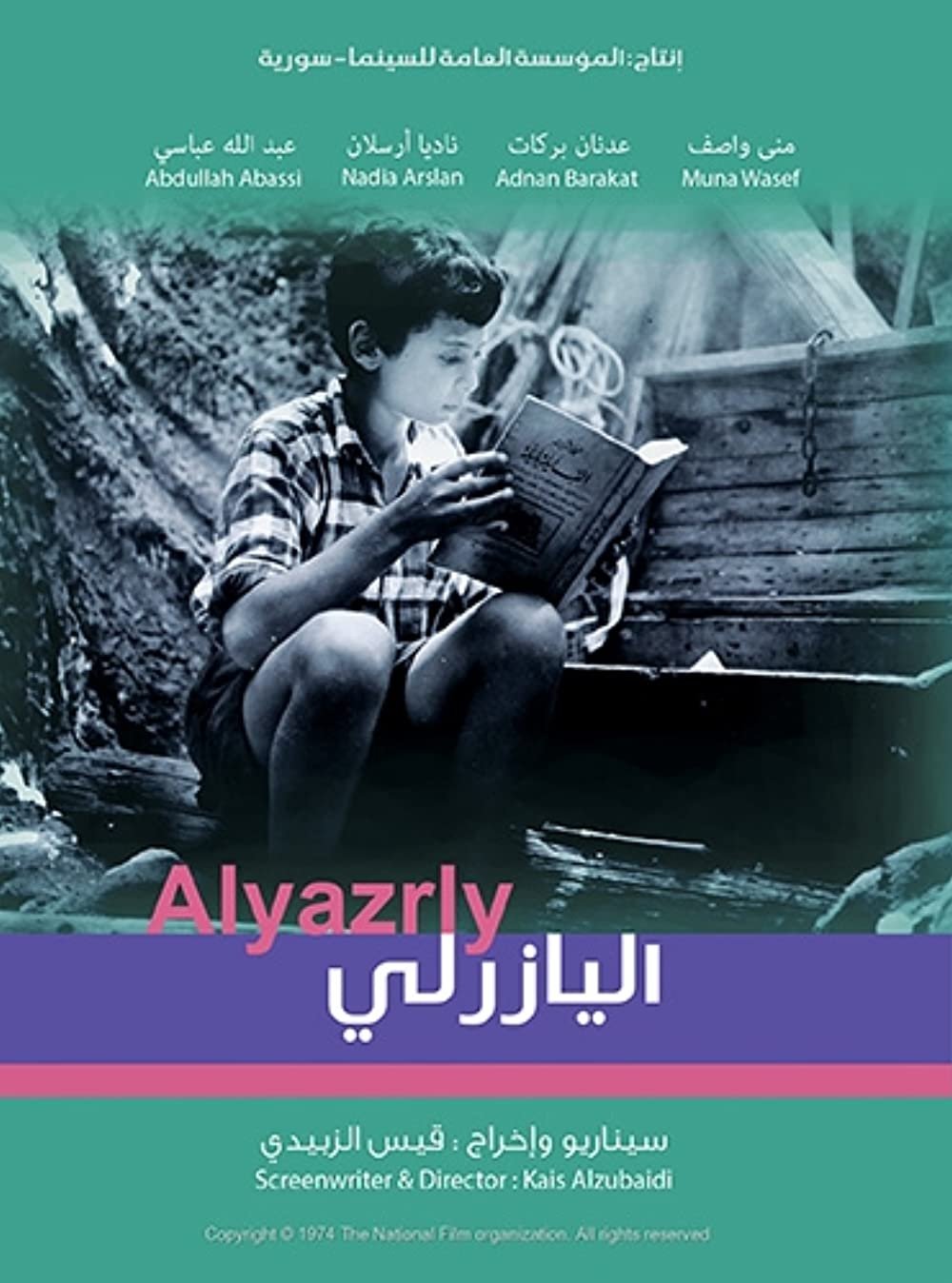
The Yazerli is the foreman who provides work to day laborers. The film’s poetic, non-narrative structure simulates the fractured thoughts of a young boy who is forced to leave school and find work on the docks. Using minimal dialogue but evocative music and sounds, separate vignettes introduce characters the boy encounters in a single workday. The filmmaker explores the child’s vivid imaginary world while tangibly conveying the physical harshness and repressed sexuality of a life spent in poverty and manual labor. Based on a novella by Hanna Mina.
 Movie
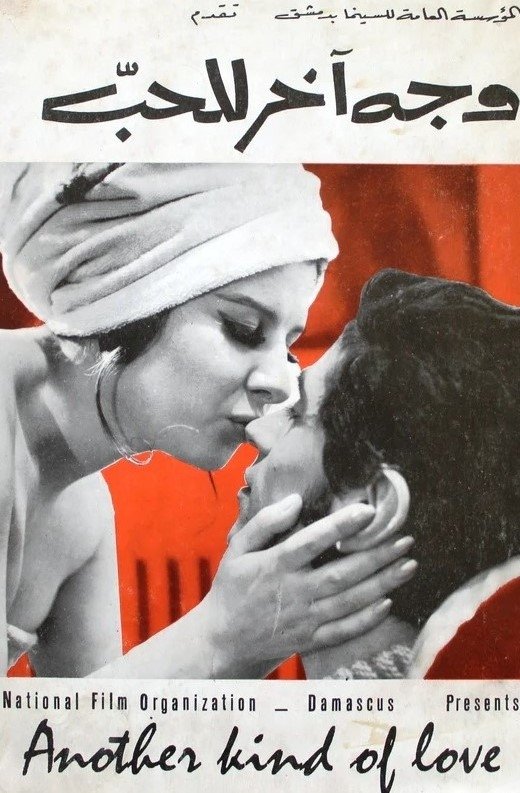
MovieA newly graduated young doctor has hopes of making his way steadily in his country, or of traveling to another country in order to achieve his dreams. In the village, he wakes up from his rosy dream he lived before he traveled to a harsh reality, after he is accused of murder.
 Movie6.7Drama
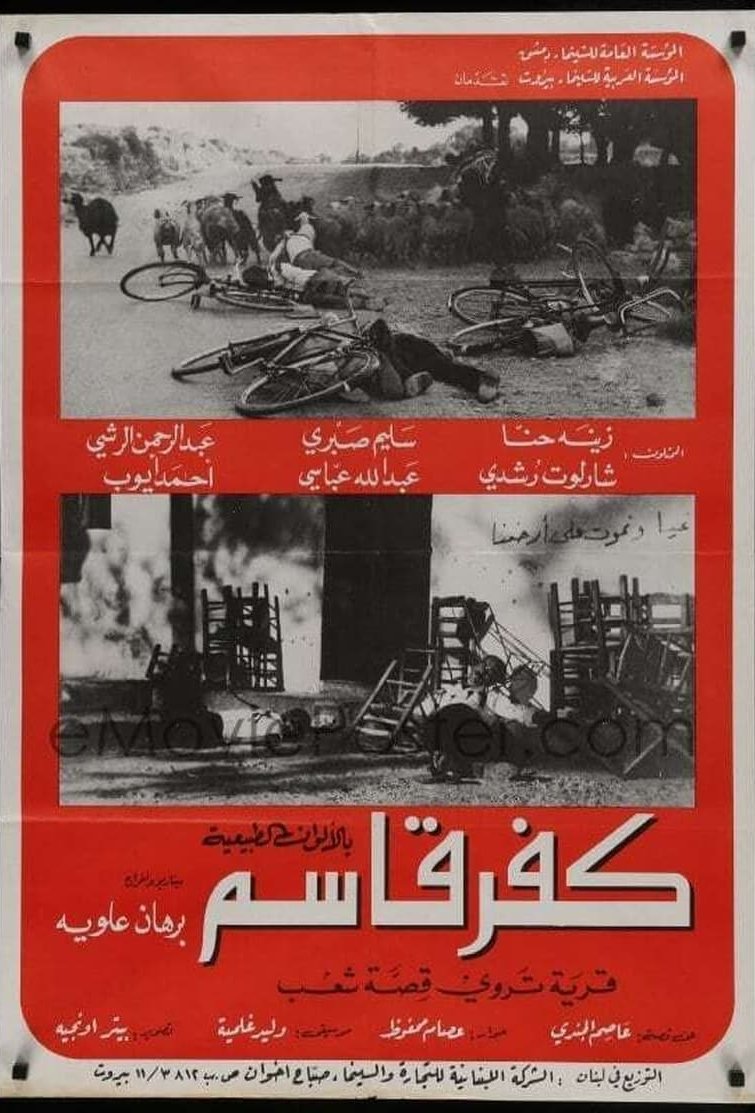
On the eve of the Israeli attack on Egypt in 1956, Israel declares martial law in all the occupied Arab territories without any previous notice. When the villagers of Kafr Kassem returned home from the fields, they were butchered and killed in what is known today as the massacre of “Kafr Kassem”.
 Movie6.9DramaHistory
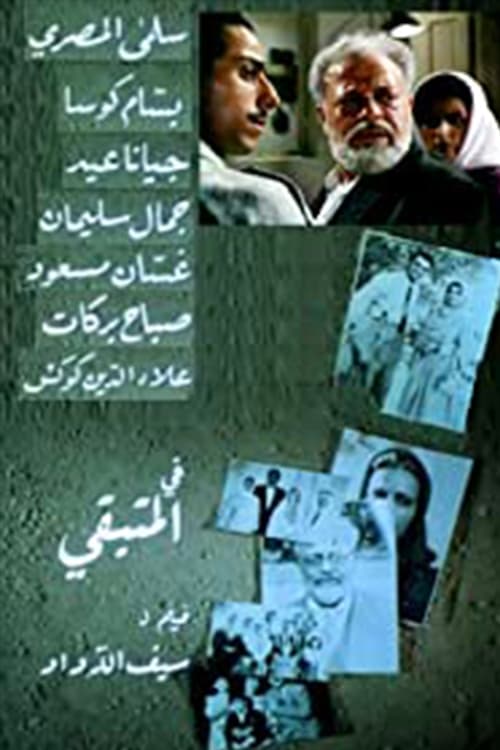
Based on Ghassan Kanafani's novel, 'Returning to Haifa,' this film, set in 1967, centres on a Palestinian couple who return to the war-torn city to search for their young son Farhan, whom they were forced to abandon when fleeing Zionist acts of terrorism in 1948. Saeed and Atefeh's own house has even been taken over by a Polish Jewish family, who, it transpires, are holding Farhan hostage. It is up to the couple, with the assistance of Farhan's steely grandmother, to find a way to reclaim their lost son. One of the few Iranian films to tackle the Palestinian issue from a historical perspective, this stunning piece of work from Seifollah Daad features meticulous attention to period detail and moving performances.