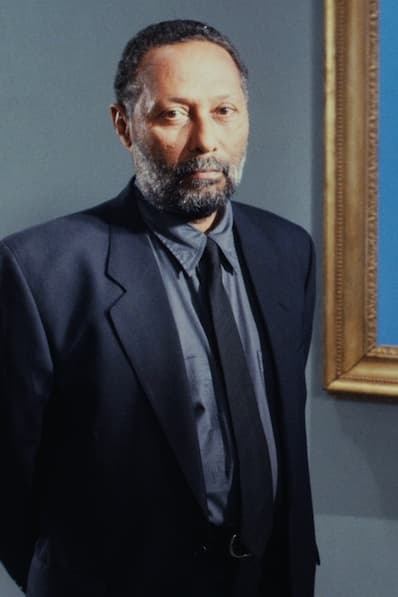
Stuart Hall
Actor · 1932 – 2014 · Kingston, Jamaica
Stuart Henry McPhail Hall (3 February 1932 – 10 February 2014) was a Jamaican-born British Marxist sociologist, cultural theorist, and political activist. In the 1950s Hall was a founder of the influential New Left Review. At Hoggart's invitation, he joined the Centre for Contemporary Cultural Studies (CCCS) at Birmingham University in 1964. Hall took over from Hoggart as acting director of the CCCS in 1968, became its director in 1972, and remained there until 1979.[3] While at the centre, Hall is credited with playing a role in expanding the scope of cultural studies to deal with race and gender, and with helping to incorporate new ideas derived from the work of French theorists such as Michel Foucault. Hall left the centre in 1979 to become a professor of sociology at the Open University. He was President of the British Sociological Association from 1995 to 1997. He retired from the Open University in 1997. After his death in 2014, Stuart Hall was described as "one of the most influential intellectuals of the last sixty years".
Movies14
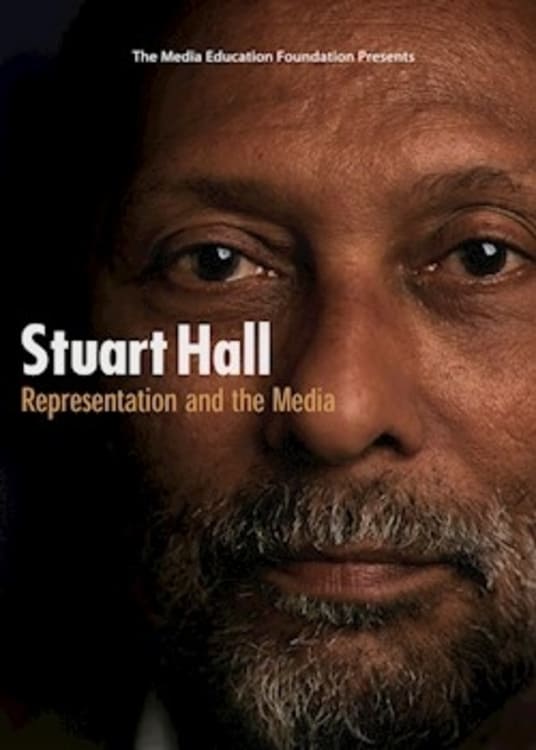 Movie8.0Documentary
Cultural theorist Stuart Hall offers an extended meditation on representation. Moving beyond the accuracy or inaccuracy of specific representations, Hall argues that the process of representation itself constitutes the very world it aims to represent, and explores how the shared language of a culture, its signs and images, provides a conceptual roadmap that gives meaning to the world rather than simply reflecting it. Hall's concern throughout is the centrality of culture to the shaping of our collective perceptions, and how the dynamics of media representation reproduce forms of symbolic power.
Stuart Hall: Representation & the Media
1997 · 1 votes
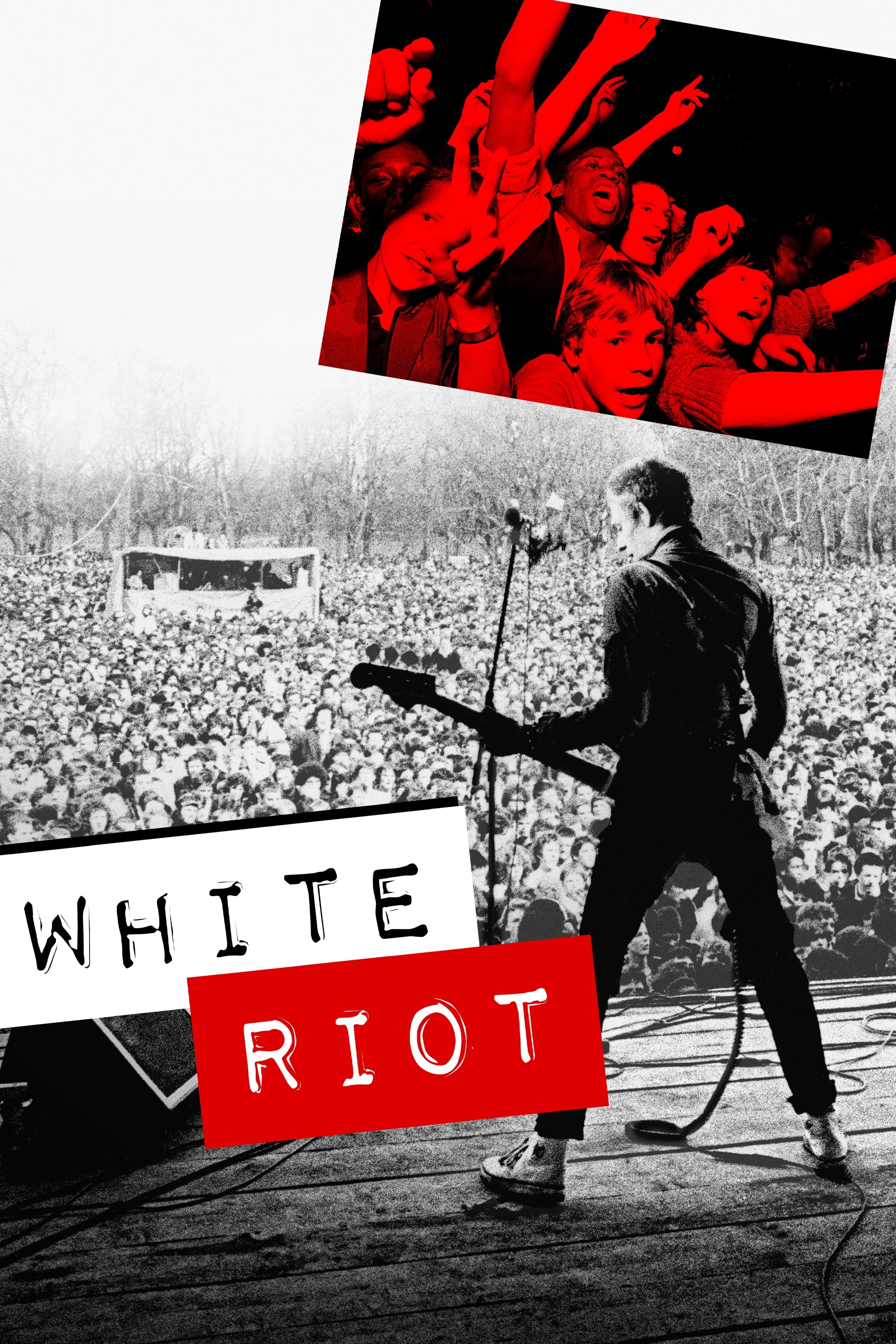 Movie6.1DocumentaryMusic
Exploring how punk influenced politics in late-1970s Britain, when a group of artists united to take on the National Front, armed only with a fanzine and a love of music.
White Riot
2020 · 32 votes
 Movie10.0Documentary
A two part documentary that details the contribution of black and Asian people to television history from the birth of television in 1936 to 1992. Interviewees include: Pearl Connor, Thomas Baptiste, Lenny Henry, Norman Beaton, Horace Ové, Carmen Munroe, and Stuart Hall.
Black and White in Colour
1992 · 1 votes
 Movie7.2DocumentaryDrama
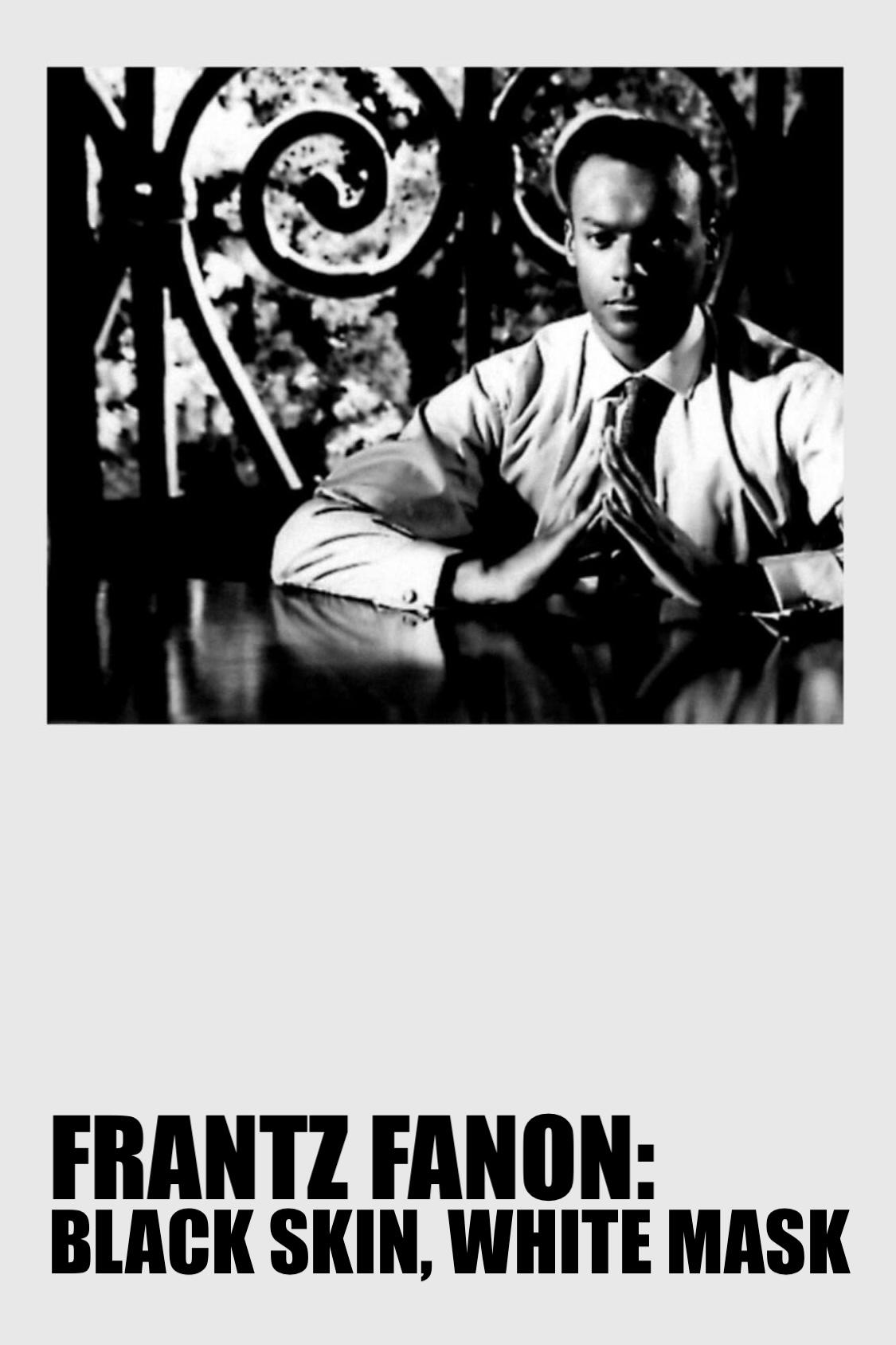
Explores the life and work of the psychoanalytic theorist and activist Frantz Fanon who was born in Martinique, educated in Paris and worked in Algeria. Examines Fanon's theories of identity and race, and traces his involvement in the anti-colonial struggle in Algeria and throughout the world.
Frantz Fanon: Black Skin, White Mask
1996 · 9 votes
 Movie8.0Documentary
Academic and activist Stuart Hall and actor and activist Maggie Steed present a rigorous deconstruction of the racism - both explicit and more insidious in its subtlety - of the British media from within.
It Ain’t Half Racist, Mum
1979 · 1 votes
 Movie5.7HistoryDocumentary
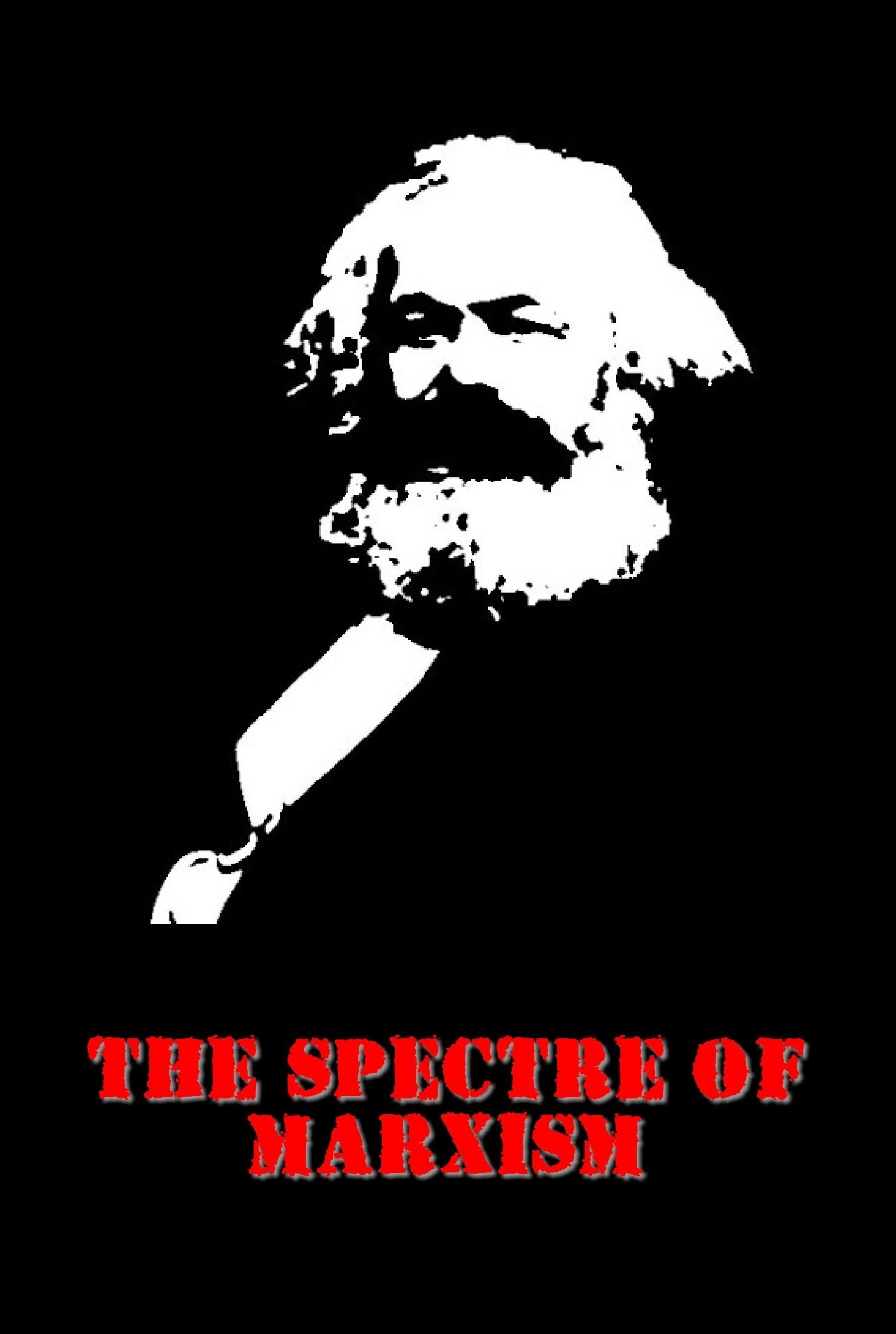
The impact of Marx on the 20th century has been all-pervasive and world-wide. This program looks at the man, at the roots of his philosophy, at the causes and explanations of his philosophical development, and at its most direct outcome: the failed Soviet Union.
The Spectre of Marxism
1983 · 3 votes
 Movie5.1Drama
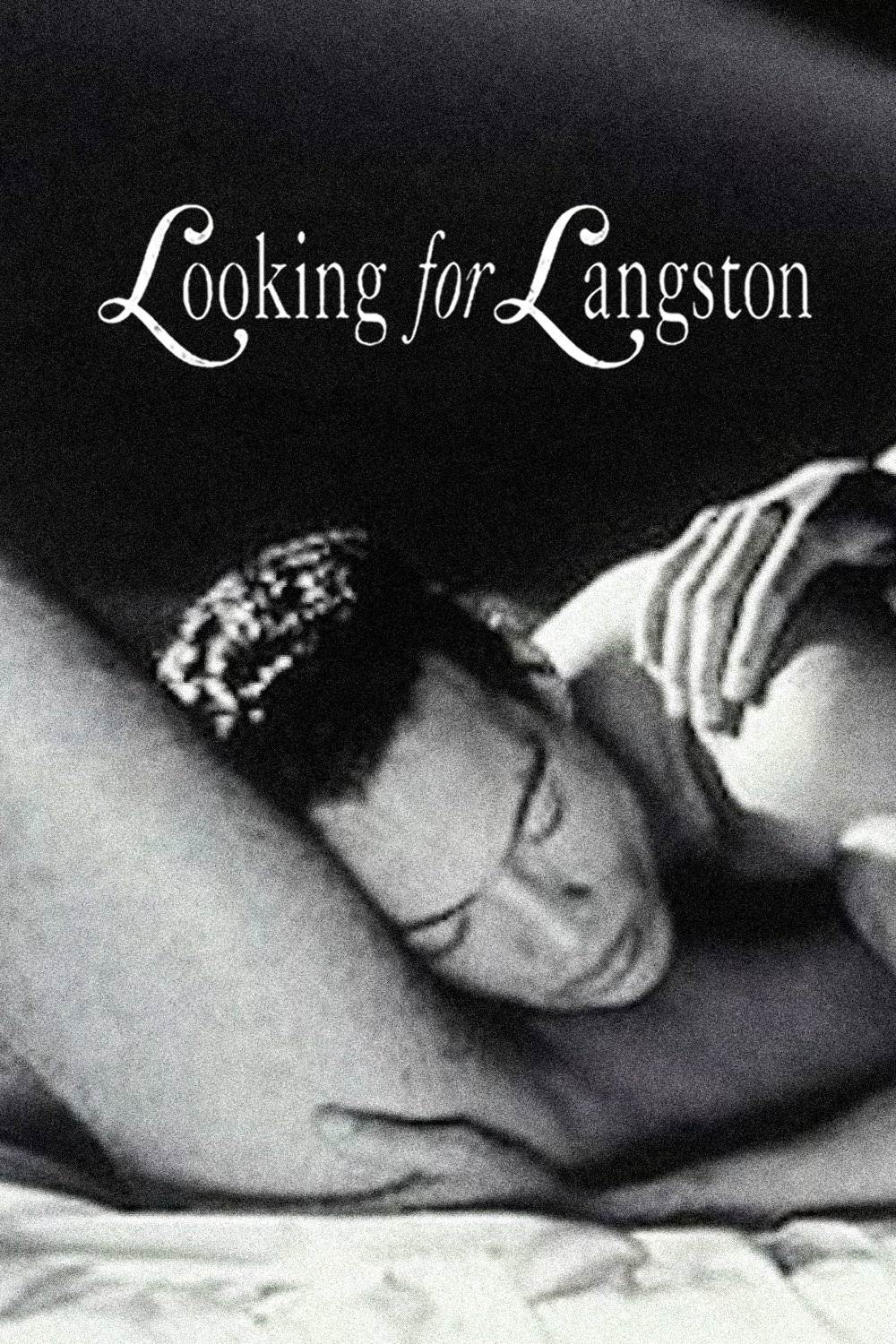
A black and white, fantasy-like recreation of high-society gay men during the Harlem Renaissance, with archival footage and photographs intercut with a story. A wake is going on, with mourners gathered around a coffin. Downstairs is an elegant bar where tuxedoed men dance and talk. One of them has a dream in which he comes upon Beauty, who seems to reject him, although when he awakes, Beauty is sleeping beside him. His story and his visits to the jazz and dance club are framed by voices reading from the poetry and essays of Hughes and others. The text is rarely explicit, but the freedom of gay Black men in the 1920s in Harlem is suggested and celebrated visually.
Looking for Langston
1989 · 25 votes
 Movie2.0DramaDocumentary
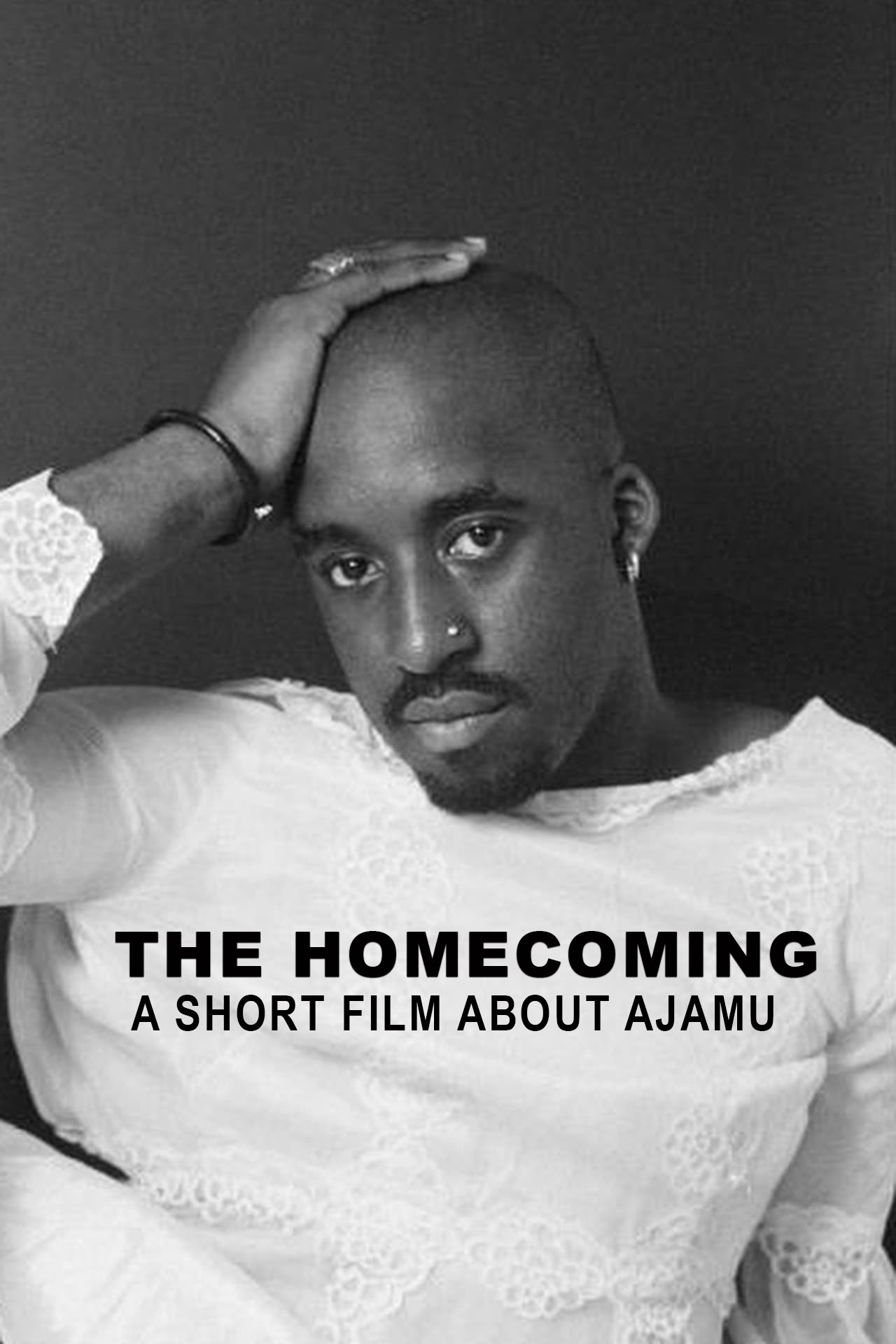
Queer activist and artist Ajamu prepares to leave Brixton for an exhibition of his work in his hometown, Huddersfield.
The Homecoming: A Short Film About Ajamu
1996 · 2 votes
 MovieDocumentaryDrama
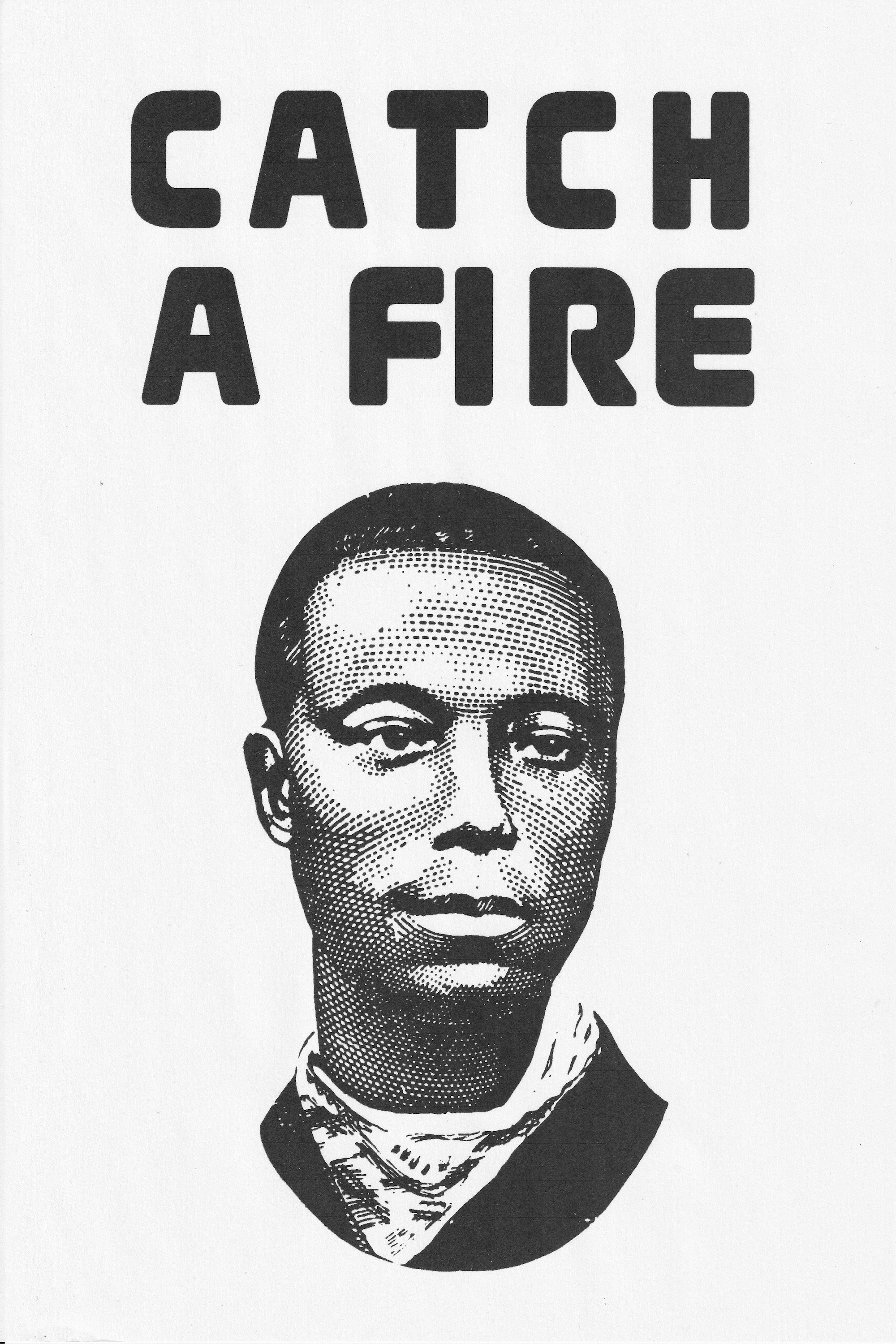
This award winning drama/doc tells the story of Paul Bogle, leader of the Morant Bay Rebellion 1865. This rebellion had a major impact on attitudes to race and empire in Victorian Britain, still present today.
Catch a Fire
1996
 Movie4.6Documentary
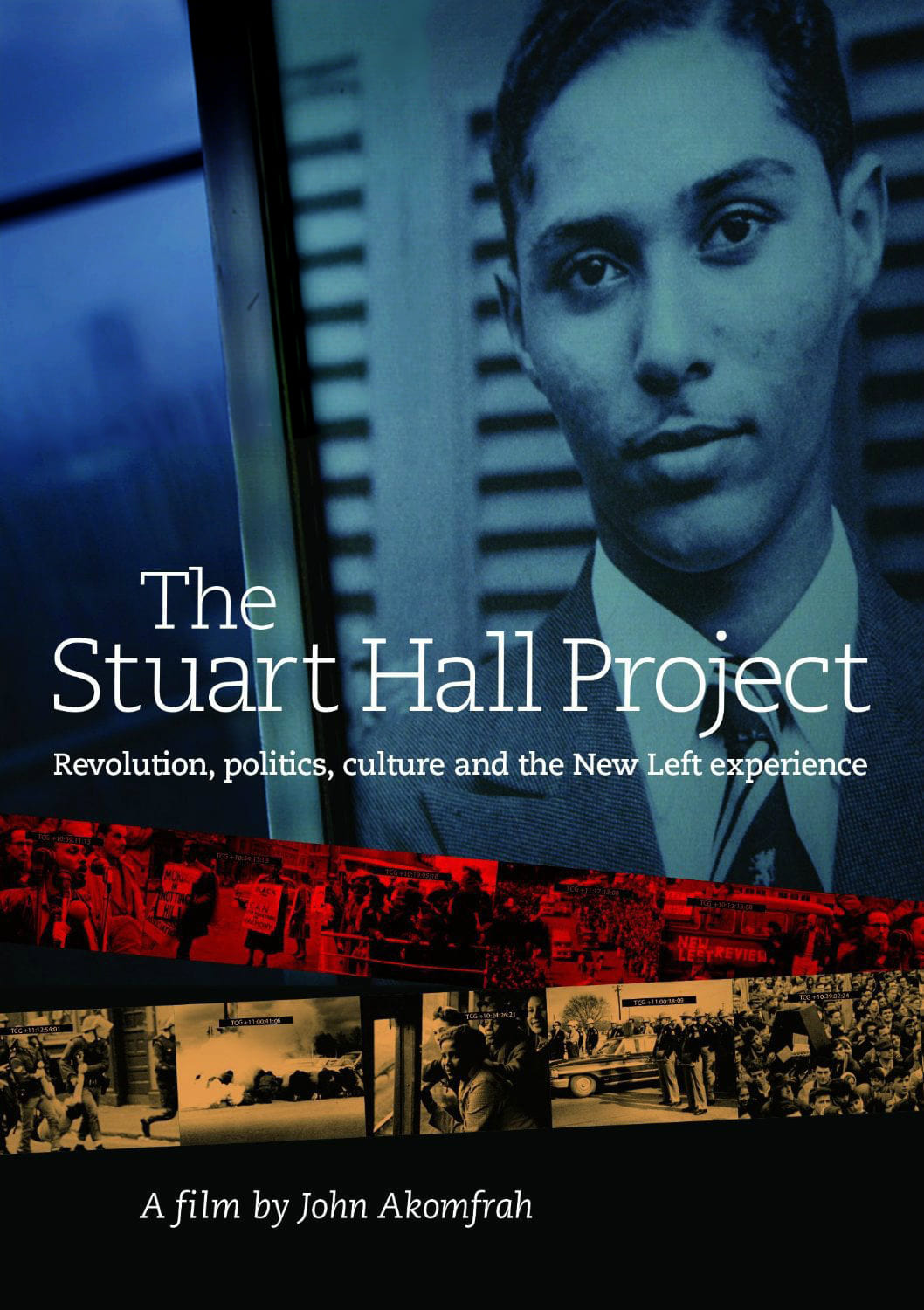
A person’s culture is something that is often described as fixed or defined and rooted in a particular region, nation, or state. Stuart Hall, one of the most preeminent intellectuals on the Left in Britain, updates this definition as he eloquently theorizes that cultural identity is fluid—always morphing and stretching toward possibility but also constantly experiencing nostalgia for a past that can never be revisited.
The Stuart Hall Project
2013 · 5 votes
- Movie
A panel of literary scholars and professors that made a tribute to Welsh writer/critic Raymond Williams (1921-1988), a few days after his passing. The works of Williams, along with his activism on behalf of socialism in UK, are briefly debated.
 Movie
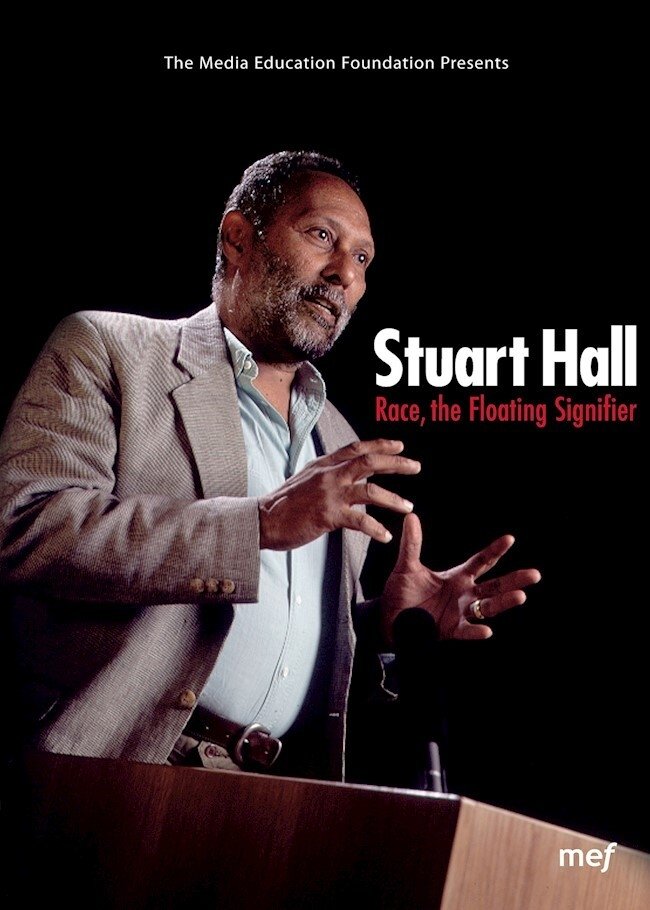
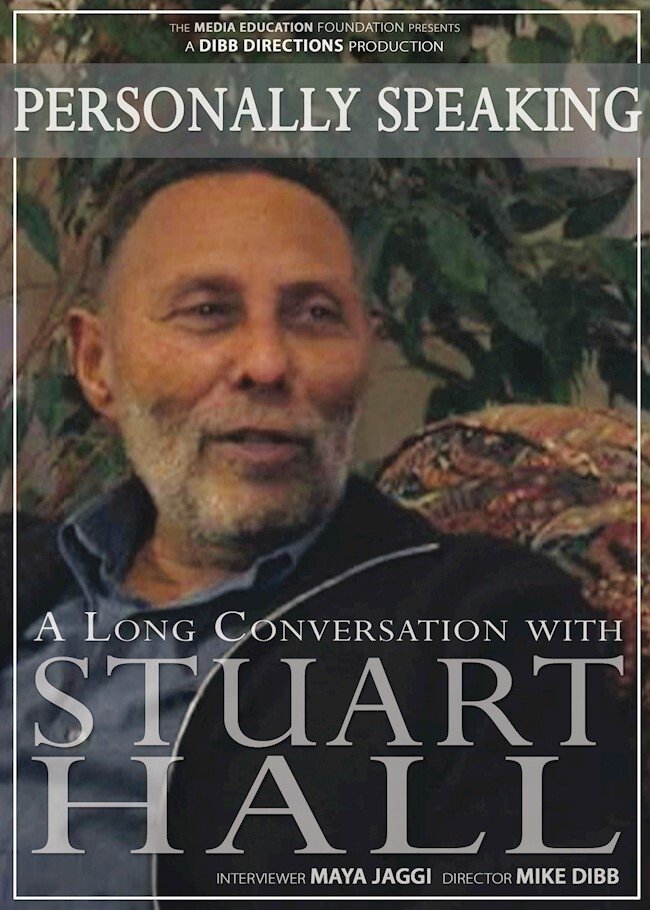
MovieStuart Hall offers an accessible and clarifying analysis of the social construction of race and racial difference. He explores how variations in people's appearances come to be mistaken for essential differences. He traces how these misinterpretations function both to express and to reproduce dominant power relations. And he argues for more rigorous engagements with identity, representation, and contingency capable of acknowledging and respecting difference without essentializing it. An ideal introduction to how cultural studies intervenes in debates about race, representation, identity, and power.
 MovieDocumentary
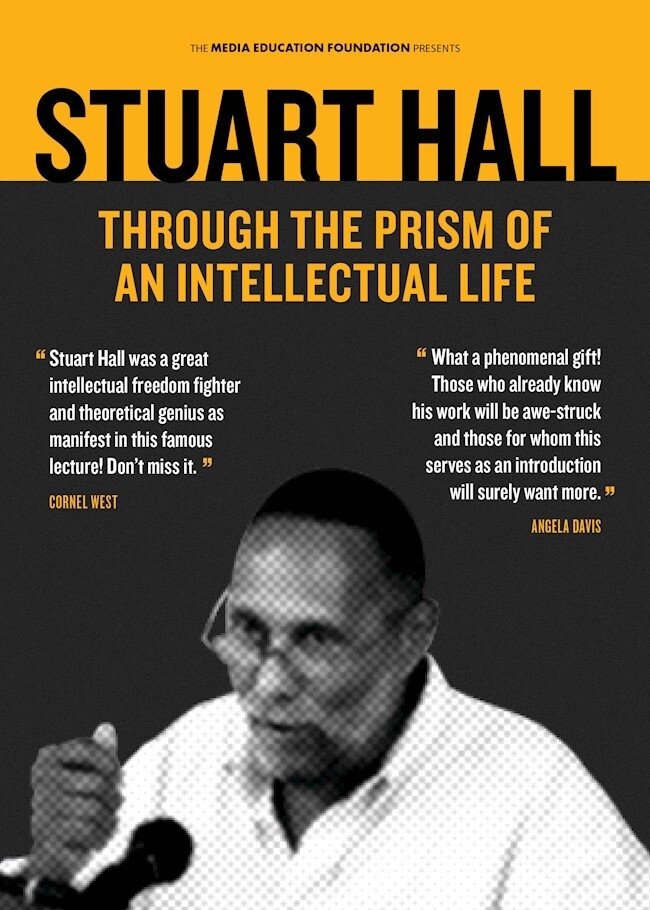
In this stimulating and eloquent four-hour interview, conducted by the literary journalist Maya Jaggi and directed by Mike Dibb, Hall reflects on his life and career, talking personally and in depth about the trajectory of his work and how it has intersected with broader political movements. In a conversation both intimate and sweeping in scope, Hall describes his migration from Jamaica to England, his immersion in left-wing politics in London, the influence of Raymond Williams and E.P. Thompson on the evolution of his thought, and the context within which the early classic texts of cultural studies were written. Hall also shares his pessimism about the economic recession and his optimism about Barack Obama's victory. Future analysis of Hall's work, and of cultural studies in general, will need to take account of this fascinating and indispensable first-person account of his life and ideas.
 Movie
MovieIn one of Stuart Hall's most famous lectures, Hall speaks with dazzling precision about the responsibilities of intellectuals in the face of undemocratic structures of power, injustice, racism, and inequality.
Series2
 TV7.0Documentary
Jamaican-born Stuart Hall looks at the history of the Caribbean islands through interviews with modern inhabitants.
Redemption Song
1991 · 2 votes
 TVDocumentary
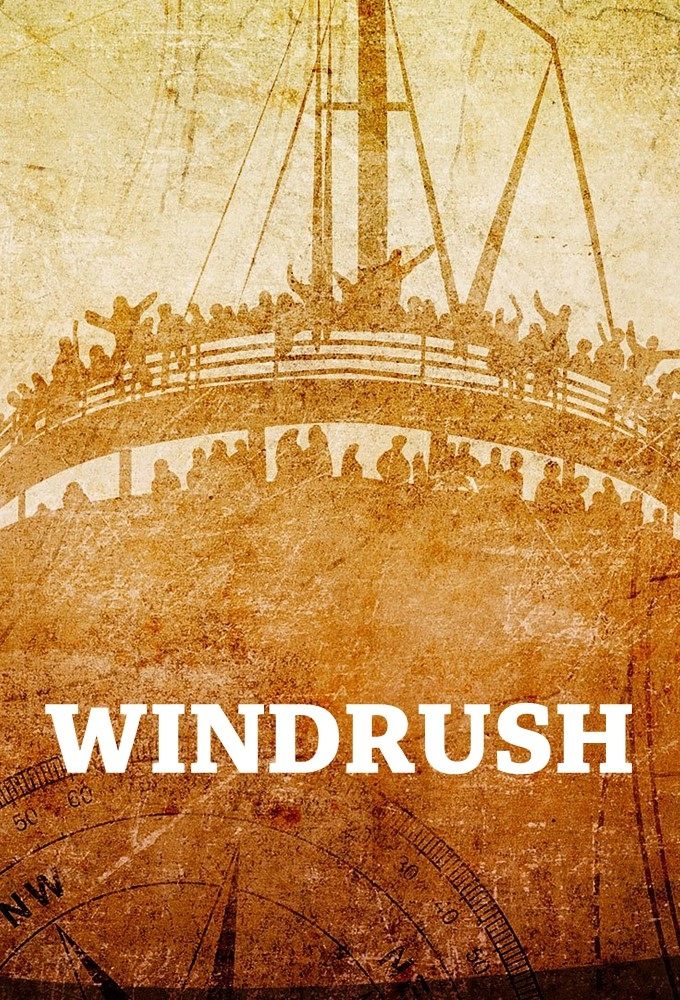
Windrush is a 4-part series of one hour television documentaries originally broadcast on BBC2 in 1998 to mark the 50th anniversary of the arrival in Britain of the Empire Windrush, the ship which brought the first wave of post-war West Indian immigrants.
Windrush
1998