
Marit Bergman
Actor · b. 1975 · Rättvik, Dalarna, Sweden
Series6
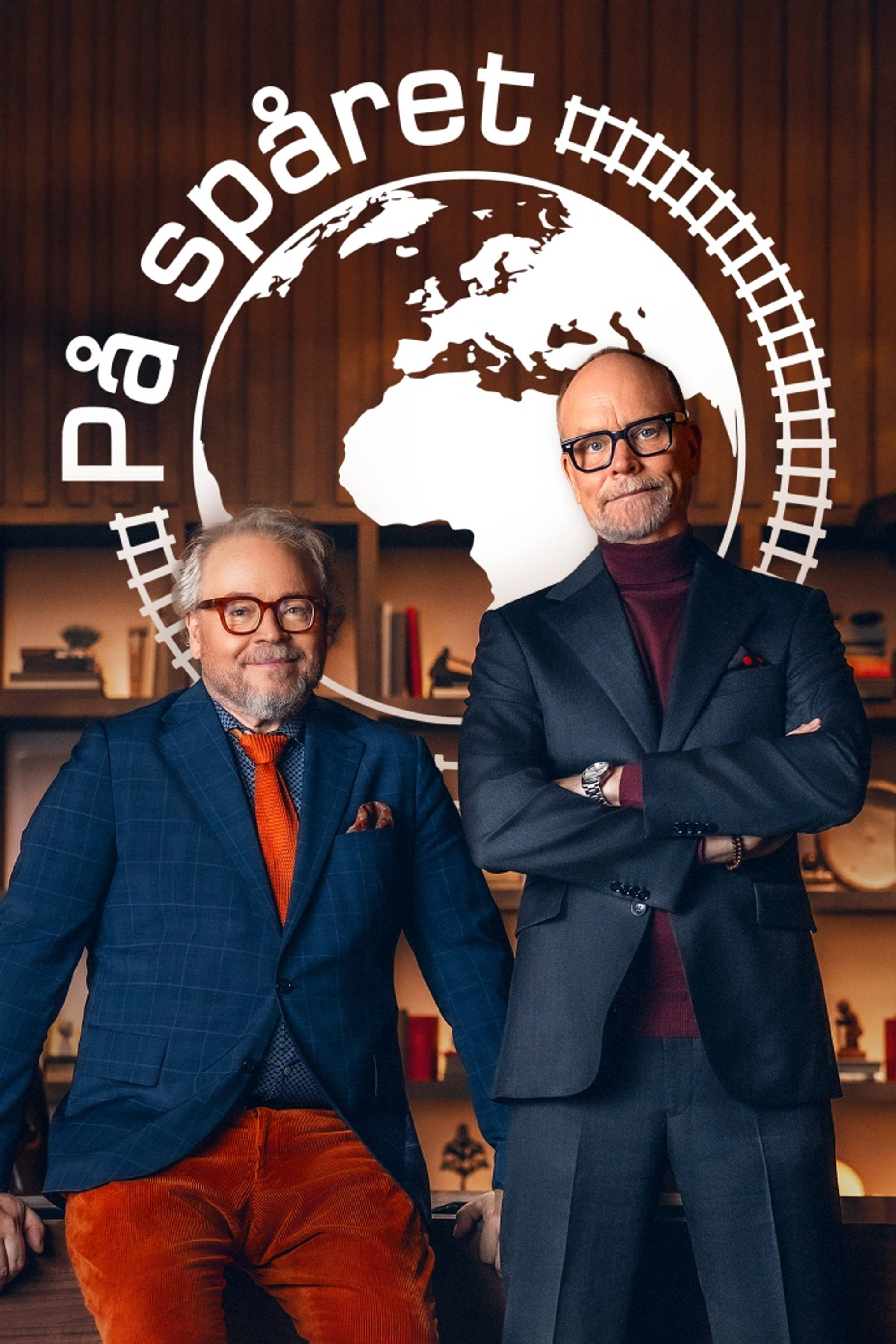 TV6.7Family
På spåret is a popular Swedish TV game show broadcast on SVT since September 5, 1987. The show, which is intended to be humorous yet educational, has remained one of the most popular TV shows in Sweden, attracting an average of 2,150,000 viewers during the 2007 season. The all-time record was set in March 1990, when 3.7 million people tuned in to see the show. This means that nearly every second Swede saw the game show. På spåret is an original format developed by Ingvar Oldsberg for SVT, and he hosted the show for many years. Author and tennis legend Björn Hellberg was promoted from contestant to permanent Oldsberg sidekick in 1995 after winning for four straight seasons. Famous gourmet, restaurant-owner, and former contestant Carl-Jan Grankvist sat in for Hellberg during the 2004 season. In 2009, after 21 years, Oldsberg left and Kristian Luuk took over as the host. Björn Hellberg too decided to leave and was replaced with Fredrik Lindström.
På spåret
1987 · 14 votes
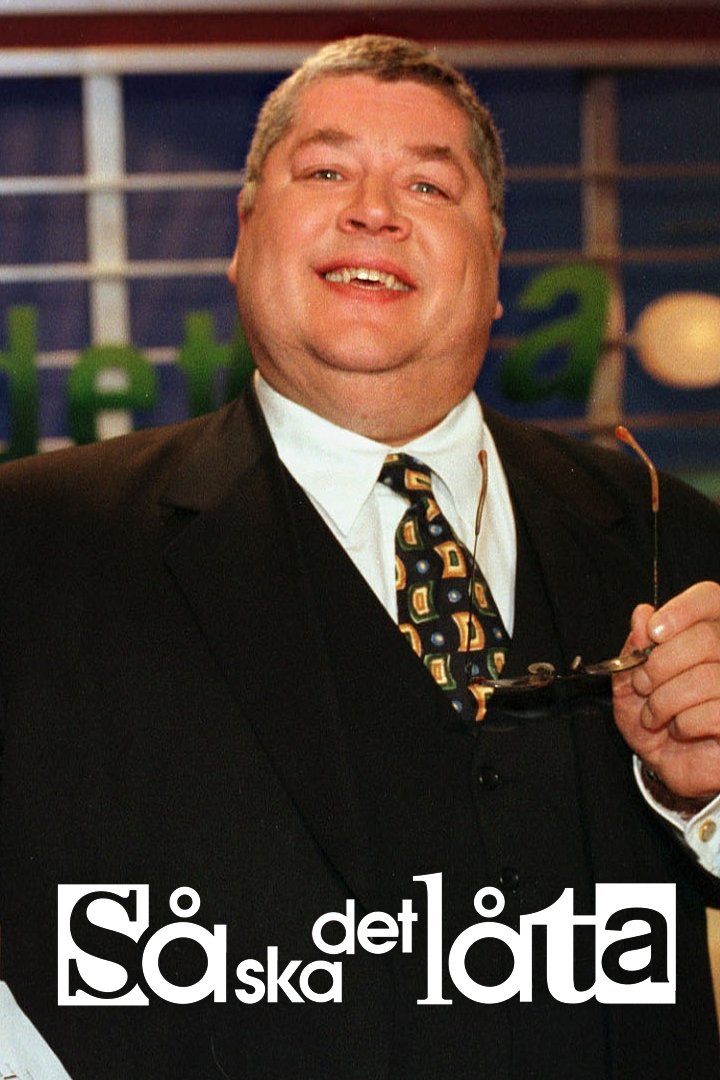 TV6.3Family
Så ska det låta is a Swedish game show, based on the Irish The Lyrics Board. The show was introduced in 1997 and led by Peter Harryson until Peter Settman took over in 2006. Så ska det låta can be watched online at svt play for approximately one month after airing.
Så ska det låta
1997 · 7 votes
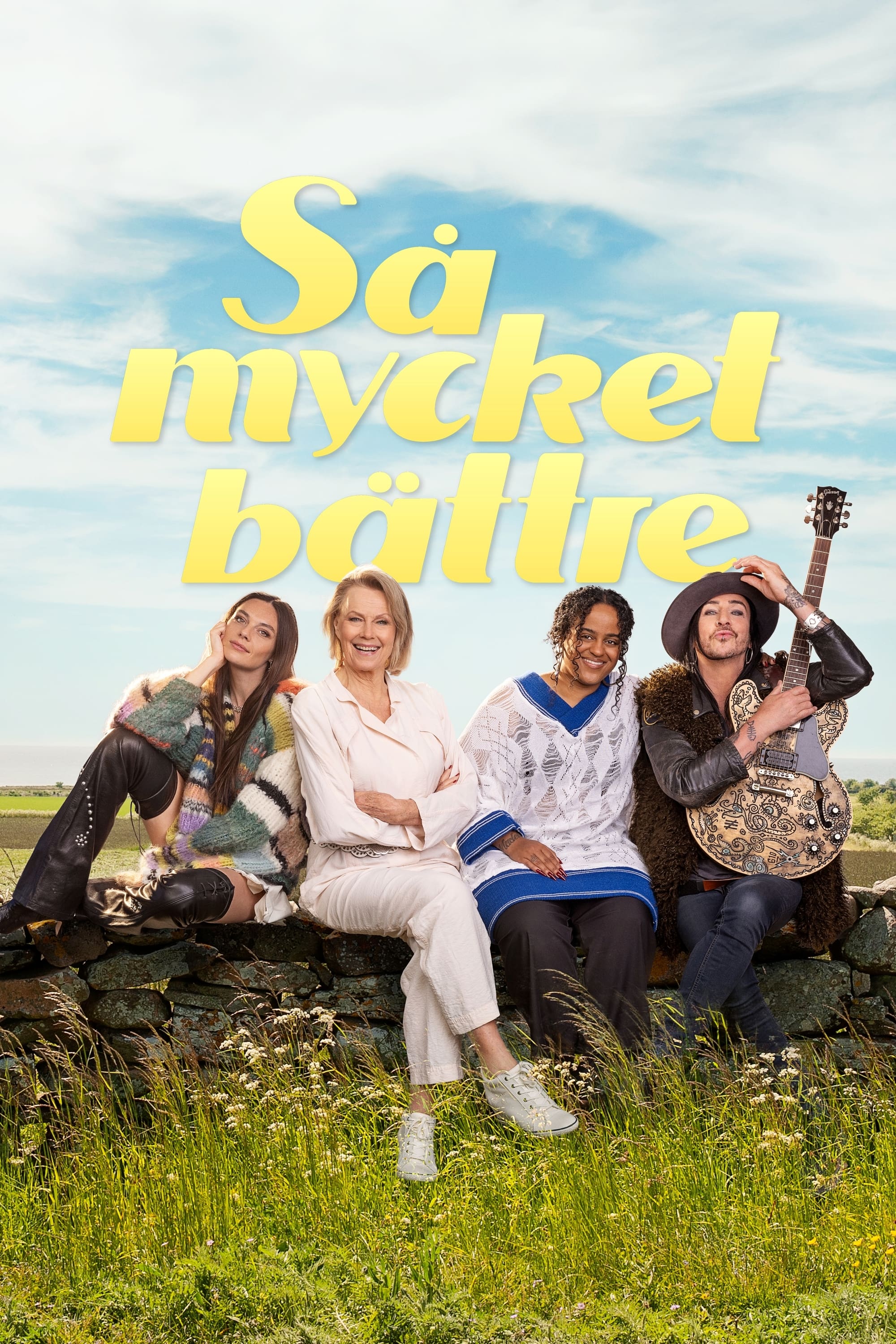 TV6.5Reality
"Så mycket bättre" is the Swedish version of the format "Beste Zangers". This is asinging reality show where each artist attempts to do their own version of another artists well-known songs, with each person getting an episode featuring all of their songs being performed by the other musicians. The artists spend eight days together at a hotel in Gotland, where they attempt to put their own stamps on the songs.
Så mycket bättre
2010 · 8 votes
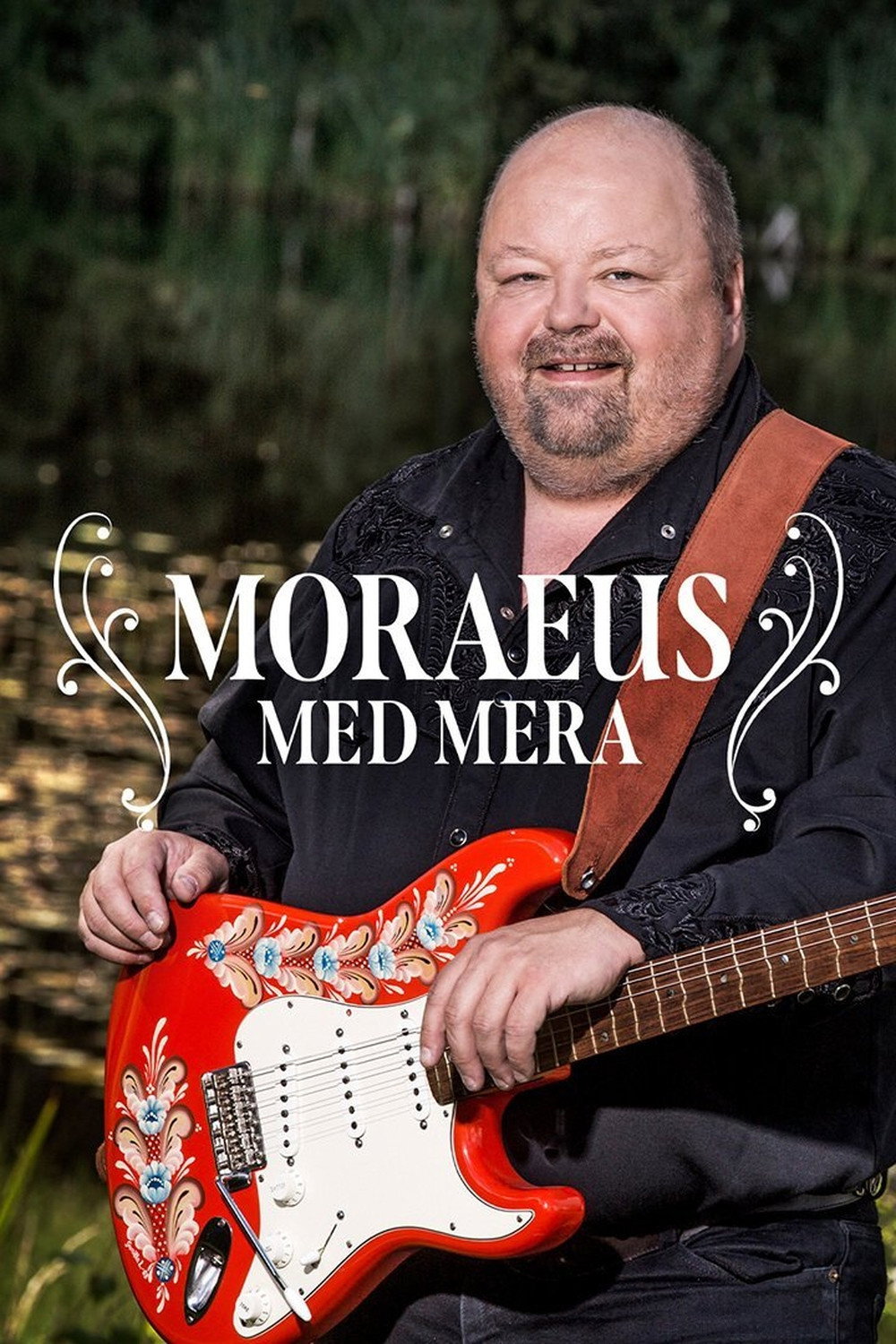 TV10.0FamilyReality
Moraeus Med Mera
2011 · 1 votes
 TV10.0Reality
Jills Veranda
2014 · 2 votes
 TVReality
Movies1
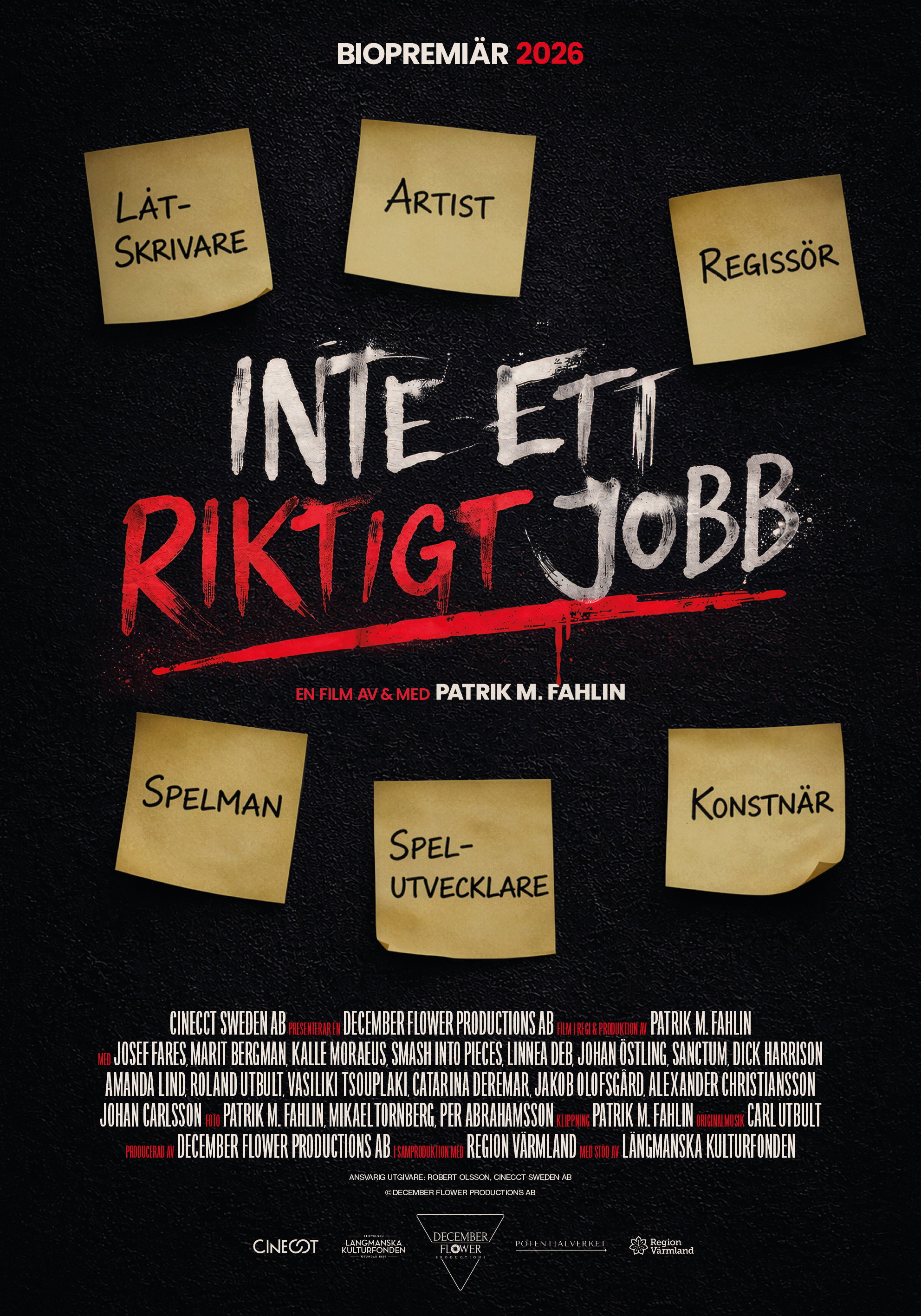 MovieDocumentary
How can an entire career in the cultural sector not count? The Minister of Education has announced that one-third of the funding for adult education associations is to be cut, with the money instead being invested in educational programs that lead to “real jobs.” What happens to the next generation of creators? And what do we lose as a society when the pathways into the cultural sector become increasingly scarce?