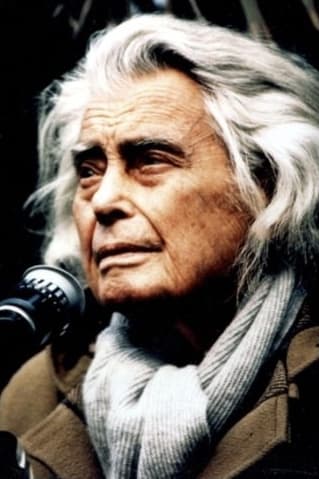
Joris Ivens
Director · 1898 – 1989 · Nijmegen, Gelderland, Netherlands
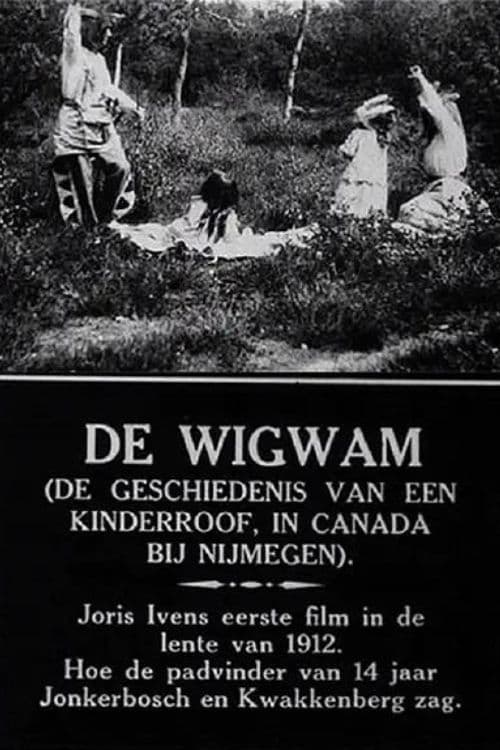
The filmmaker Joris Ivens was the son of C.A.P. Ivens, owner of the CAPI photography shop in Nijmegen. With the help of his father’s employees, in the 1910s the young Joris Ivens made the short film De wigwam, with roles for his parents, brothers, and sisters. Ivens studied economics and photography. From the end of the 1920s, he was one of the vital figures in the world of Dutch avant-garde film. As a technical consultant, he was involved with the Filmliga, and made important avant-garde films like De brug and Regen. He also founded the film company Studio Joris Ivens, where young, enthusiastic filmmakers could find a home. The Studio was the cradle of experimental film in the early 1930s. Ivens developed into a political filmmaker, and with films like Borinage, Spanish Earth, and Indonesia Calling!, he grew into a leading documentary filmmaker.
Movies10
 Movie7.3Documentary
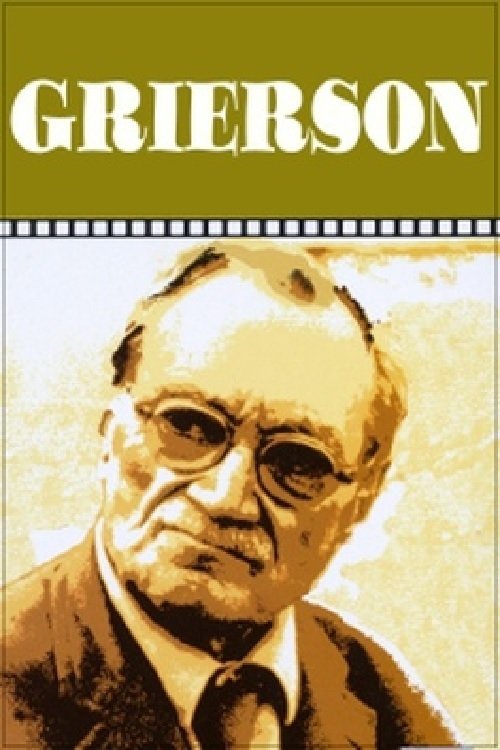
A portrait of John Grierson, the first Canadian Government Film Commissioner and founder of the National Film Board in 1939. Interweaving archival footage, interviews with people who knew him and footage of Grierson himself, this film is a sensitive and informative portrait of a dynamic man of vision. Grierson believed that the filmmaker had a social responsibility, and that film could help a society realize democratic ideals. His absolute faith in the value of capturing the drama of everyday life was to influence generations of filmmakers all over the world. In fact, he coined the term 'documentary film'.
Grierson
1973 · 3 votes
 Movie9.5DocumentaryWar
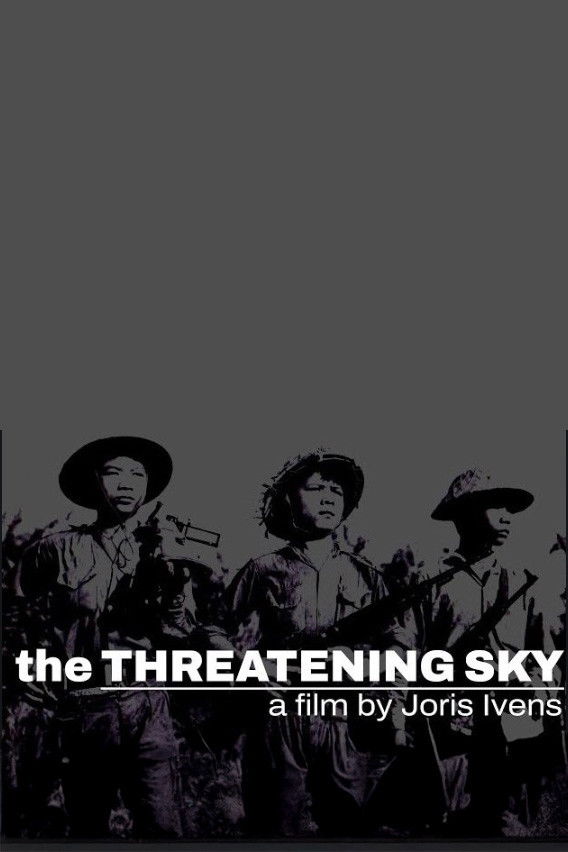
This documentary presents the Vietnam War as seen from within Vietnam, focusing on civilian life, industrial and agricultural labor, and organized resistance under sustained aerial bombardment. Introduced by Bertrand Russell, the film situates the conflict within a broader history of anti-occupation struggles, drawing parallels to World War II resistance movements. Footage includes interviews with Vietnamese leaders, scenes of air defense, and mass political mobilization.
- MovieDocumentary
Three pioneers of documentary filmmaking – Joris Ivens, Henri Storck, and the man behind the camera, Jean Rouch – recall the early days of the documentary genre and speak about their creative methods and sources of inspiration. This lively discussion between the directors is shot in cinéma vérité style and spliced with footage from their older films.
Ciné-mafia
1980
 Movie7.0Drama
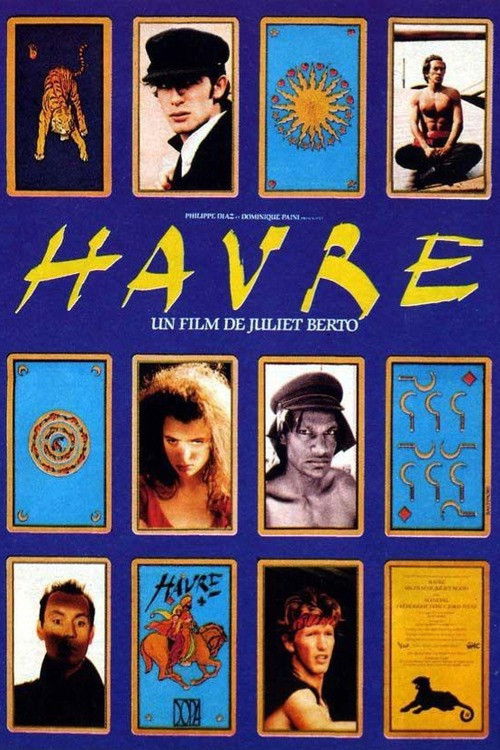
Lili lives near the port of Le Havre. She is mourning her lover Pablo, who died leaving unfinished a video game he was developing for a Japanese trust. A young boy decides to take over the project, while Lili, guided by a mysterious figure called Doctor Digitalis, struggles with her grief and searches for meaning in his absence. The film blends reality and dreamlike visions against the backdrop of the docks and port landscapes.
Havre
1986 · 2 votes
 Movie6.5Documentary
It is an autobiographical fiction starring Ivens as an old man who has spent his life trying to "tame the wind and harness the sea" by capturing them on film.
 Movie9.0Documentary
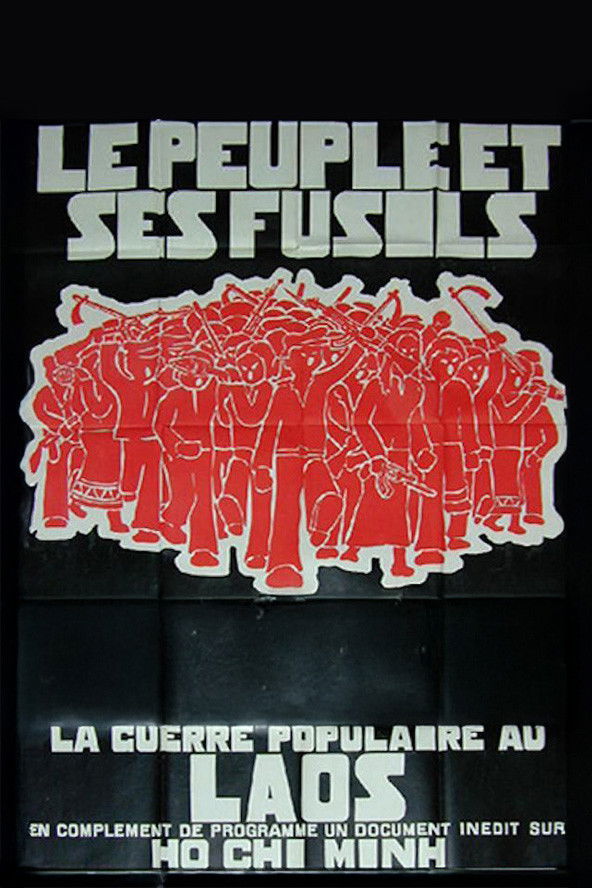
Filmed in Laos in 1968, this four-part documentary examines the armed struggle against foreign intervention during the Indochina conflicts. The film focuses on the relationship between the population and guerrilla forces engaged in the war.
 Movie5.0AdventureDrama
At the age of 14 Joris Ivens was fond of Cowboys and Indians stories, so he decided to invent one himself. He made a script and used a camera from his father's shop. This became his first film, Wigwam, with his own family as cast. Black Eagle, a bad Indian, kidnaps the daughter of a farmer's family. Flaming Arrow, played by the young director, saves the child from the kidnapper and brings her back to her family. No better conclusion than smoking a peace pipe. Although filmed in the spring of 1912, the film had a theatrical release in December 1915.
 MovieDocumentary
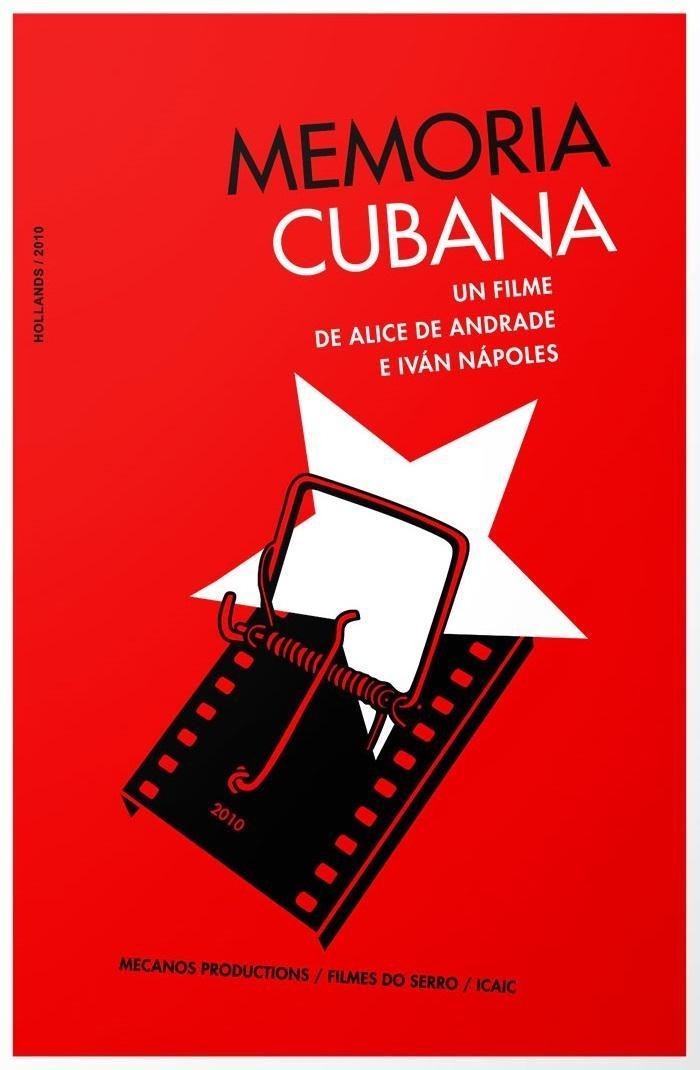
Through the files of Cuban cinema news program Noticieros ICAIC Latinoamericanos, the documentary shows the most relevant events of the second half of the 20th century as seen by the documentary filmmakers of the island. During three decades and under the general direction of Santiago Álvarez, these moviemakers witnessed almost everything: from the shivers of the Cold War to Bola de Nieve's piano solos; from the discovery of the killing fields in Cambodia to the Carnation Revolution in Portugal. In 2009, the original negatives of Noticieros ICAIC Latinoamericanos were declared part of the "world memory" by UNESCO.
Memória Cubana
2010
 Movie10.0Comedy
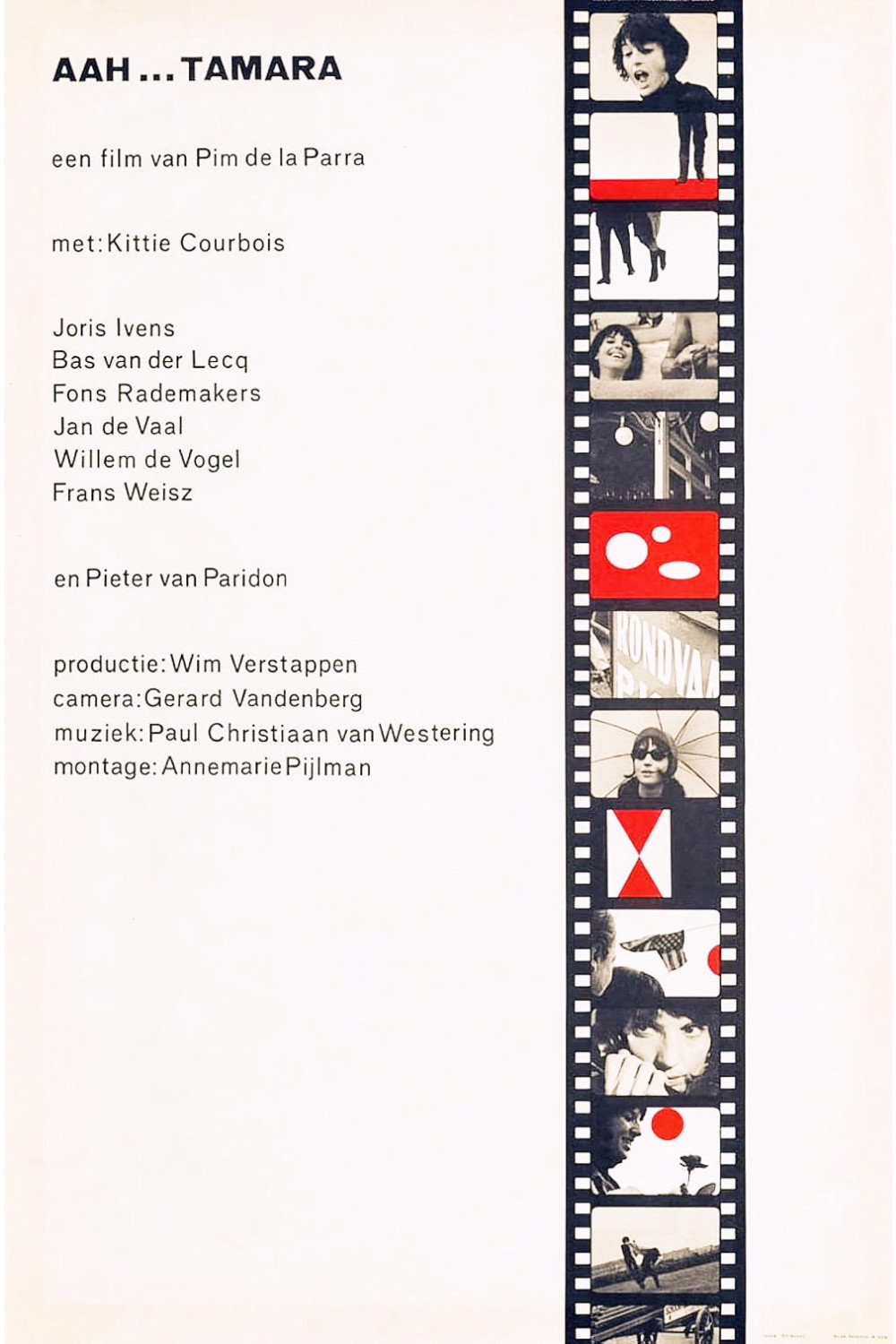
A student is working part-time on a canal boat in Amsterdam and a young director wants to make a film about her.
Aah... Tamara
1965 · 1 votes
 Movie6.8Documentary
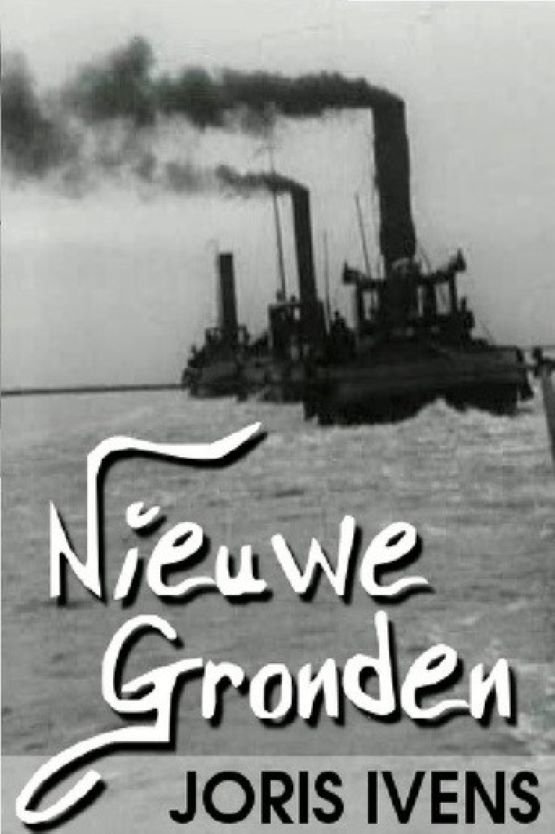
The film is a documentary portraying a struggle as man tries to subdue nature. To prevent flooding and for purposes of land reclamation, the people of the Netherlands struggle and succeed in building a breaker, thereby eliminating the wild inland body of water once known as the Zuider Zee (now called Ijsselmeer).
Series1
 TV9.0Reality
Midi Première is a French variety show presented by Danièle Gilbert, directed by Jacques Pierre and broadcast from January 6, 1975 until January 1, 1982 on TF1. The program was generally broadcast between 12:15 p.m. and 12:55 p.m., then giving way to the 1:00 p.m. TV news. However, the broadcast schedule could change, depending on the guests, and the setting where the recording of the program was shot. Certain performances by artists who have become cult like the one where Ringo jostles with a demonstrator in interpretation (1977), that of Dalida with the title There is always a song with the soundtrack that does not start, twice, at the right speed (1978), Claude François and his Clodettes, who, in the provinces, are unable to join "the set" in order to interpret his song, the latter being taken by the crowd of delirious fans (summer 1977) . The group Supertramp performed there with the title "Dreamer" on March 8, 1975.
Midi Première
1975 · 2 votes