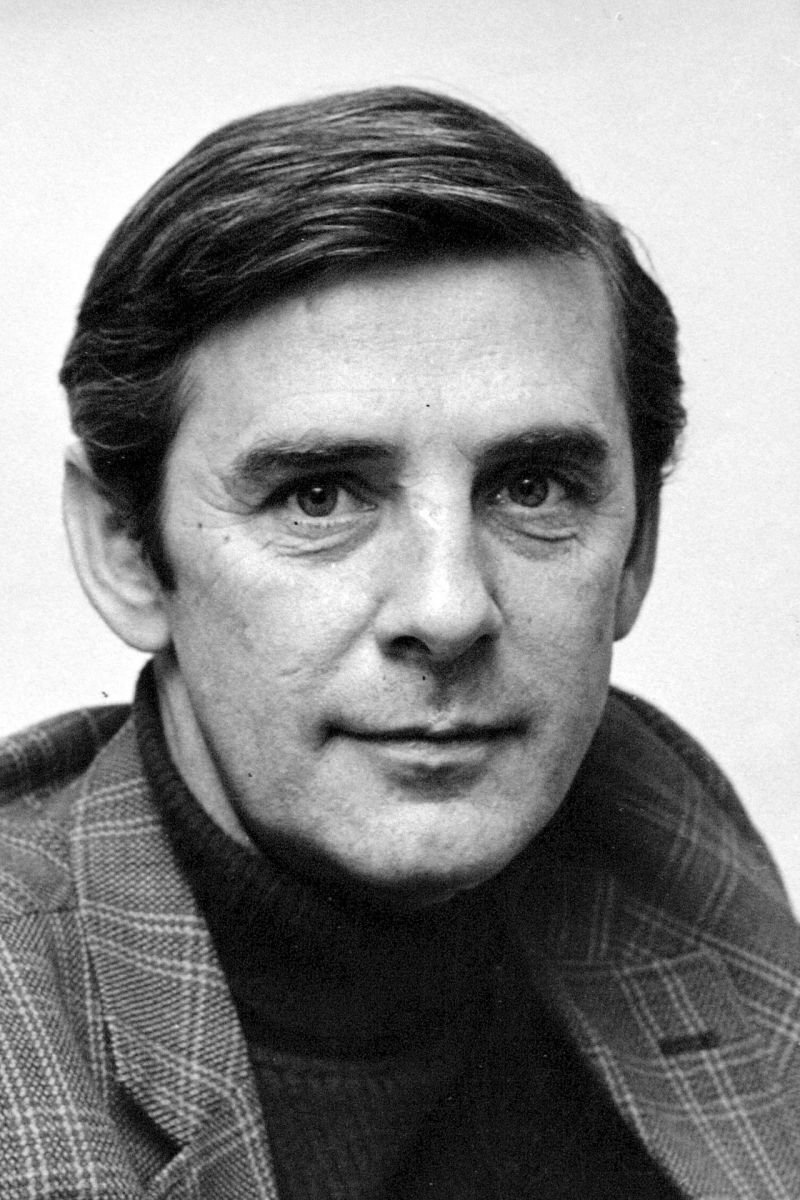
Ivan Mistrík
Actor · 1935 – 1982 · Bratislava, Czechoslovakia [now Slovakia]
Ivan Mistrík (* October 15, 1935, Bratislava - † June 8, 1982, Bratislava) was a Slovak actor. Brother of actor Ján Mistrík. First wife Helena, rod. Kollátová (1932 - 1977), second Mária, b. Klesniaková, singer. He had two sons from his first marriage. Curriculum vitae From 1949 to 1951 he studied acting at the State Conservatory. In 1951 cultural promotional officer in Slovnaft, 1951 - 1952 member of the Village Theater in Bratislava, 1952 - 1953 drama of the Jozef Gregor Tajovský Theater in Zvolen, 1953 - 1966 drama of the New Stage, 1966 - 1982 drama of the Slovak National Theater in Bratislava. From 1946 he performed in the Radio Acting Company, where he created dozens of boy characters. In the theater, he played mainly sensitive heroes, confronted with a harsh world. His acting was evenly applied in the film, where since 1951 he has created a number of roles in Slovak and Czech films. He has appeared in television since 1959 and has created about 100 characters in The Ballad of Vojta Marina (1964), The Dead Don't Sing (1965), The Bloody Star of Canaris (1966), Seven Witnesses (1967), The Ballad of Seven Hanged Men (1968), Portrait of Dorian Graya (1969), Bastion (1969), Parisian Mohicans (1971), Vivat Beňovský (1975), Shipwreck of Danubia (1976), Escape from the Golden Land (1977), Table for Fourteen (1978) and others. In 1977 he was awarded the title of Merited Artist.
Movies16
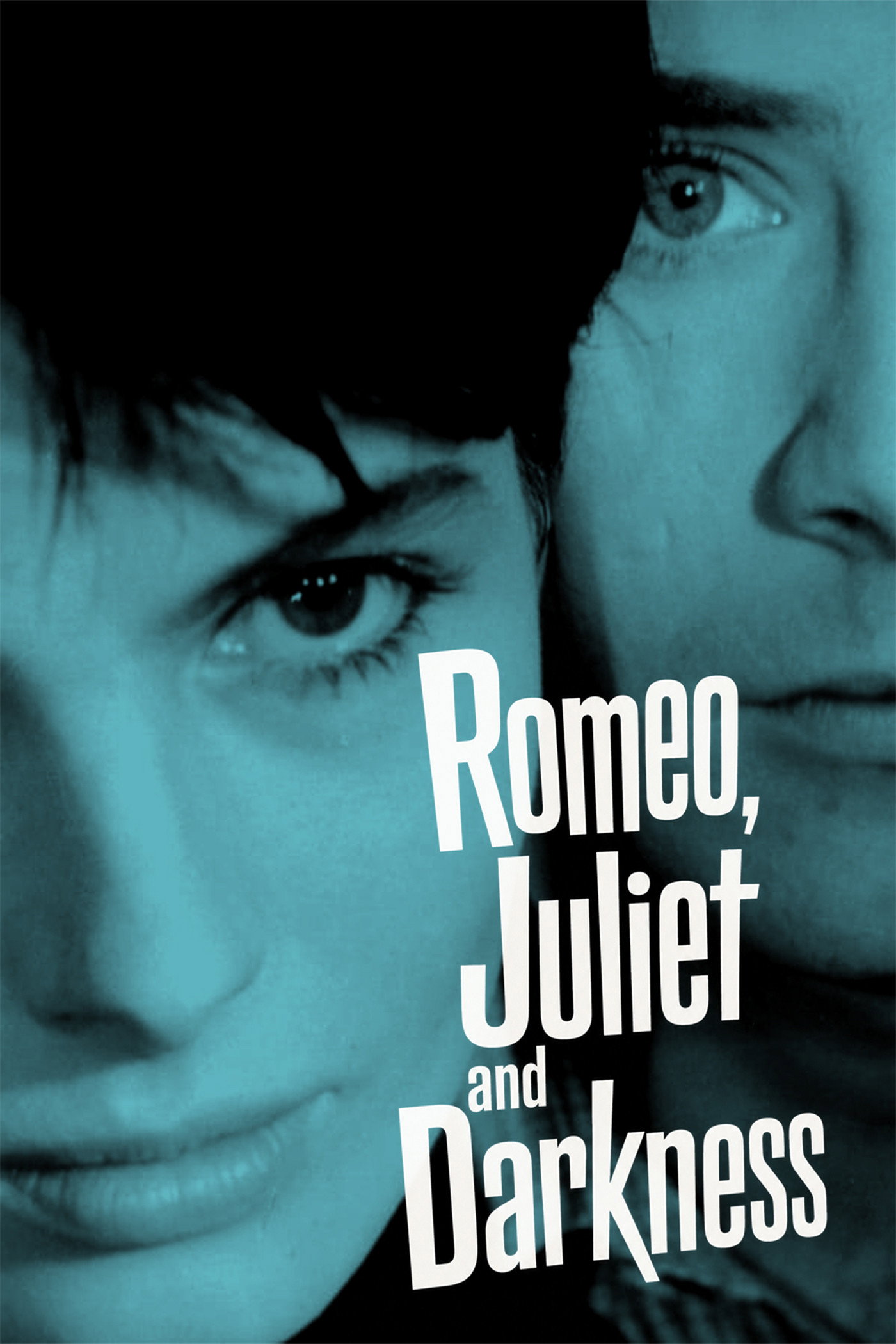 Movie6.2DramaWar
Pavel, a young student living in Prague in 1942, hides a Jewish girl in his apartment building's attic. Amidst the brutality of the occupying German army, love blossoms between the two. He is her only link to the outside world. Then the two are discovered by Pavel's mother, who forces the residents of the apartment building to decide whether Hana can remain.
 Movie7.8HistoryDrama
This film is one of the most popular pictures of Slovak cinema and relates the story about the legendary folk hero and brigand Juro Jánošík [1688-1713] and the social situation in Slovakia of the late 17th and early 18th centuries. The first part talks about Jánošík's childhood, studies and return to his native village. In the second part Jánošík leaves for the hills, where he organizes his band of brigands and starts an anti-feudal resistance. The film concludes with Jánošík's execution.
Jánošík
1963 · 8 votes
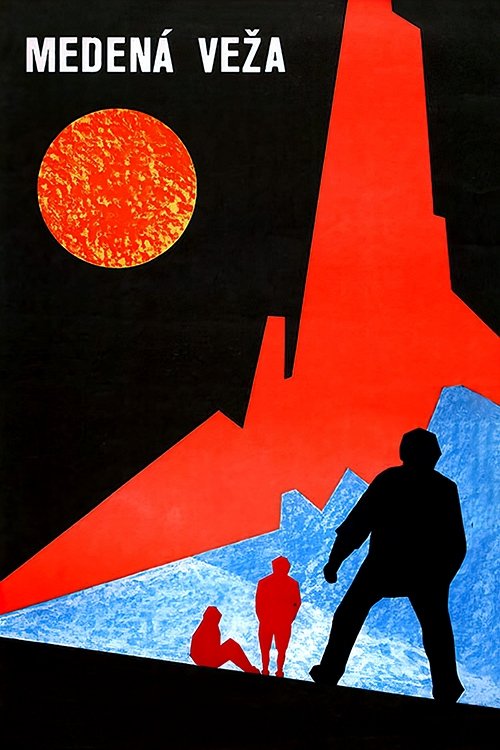 Movie6.2Drama
A dramatic story of three friends happily spending time on their own in a mountain cottage in the High Tatras. On the arrival of the wife of one of them their perfect friendship is put to a test.
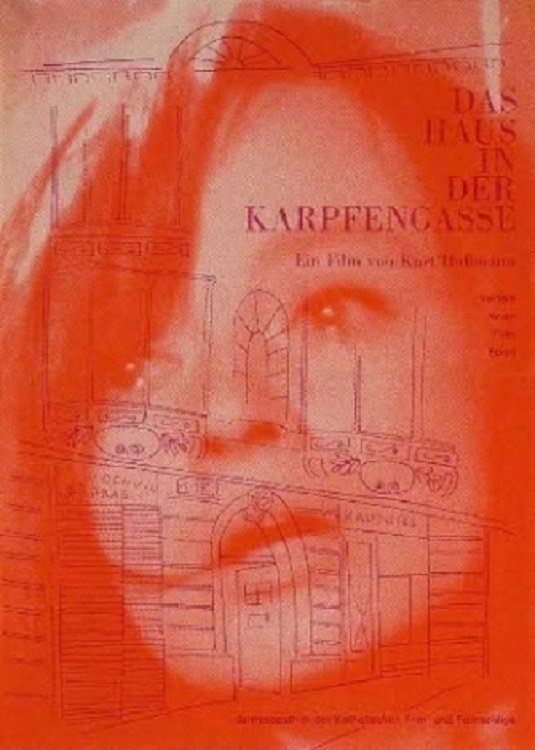 Movie7.5Drama
The film depicts the fate of the residents of an apartment block in Prague’s Jewish quarter following the invasion by German troops in 1939. Among them is an elderly widow who had once disowned her son and now wishes to bring him to Brazil; there are also the owners of a stationery shop, who are driven to ruin by the German occupiers. The caretaker Glaser, who is of German descent, also comes under pressure when his son is arrested in a communist pub. To save his own skin, he informs on two young people who are active in the resistance.
 Movie6.7MysteryDrama
A man may or may not have betrayed a resistance fighter during World War II. He has supposedly been shot down by the Nazis and wanders into town. Mourning the death of an unseen comrade, he is taken in by the family of the dead rebel. He engages in a superfluous affair and witnesses the lesbian relationship between the man's sister and a female servant. When passions subside, the family has doubts about the reliability of the man's story.
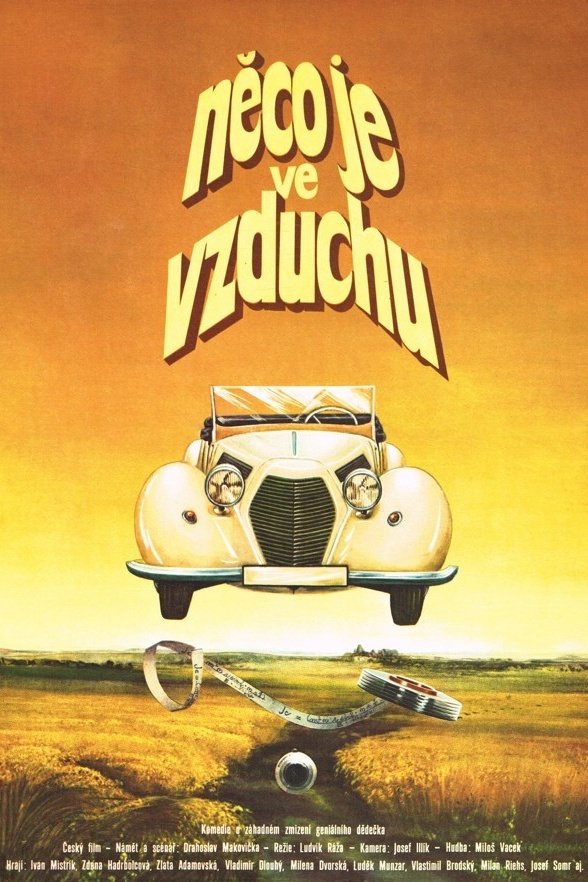 Movie5.0Science FictionComedy
The urn supposedly containing the remains of Alice's grandfather falls out of the window and breaks. To Alice's great surprise, the urn is empty and the girl learns that the grandfather didn't die but disappeared under mysterious circumstances on the 2nd September 1946 in the town of Telc. Her grandmother claims that a mysterious young man with dark glasses was implicated in her husband disappearance. Alice is determined to solve the mystery. Grandmother's story leads Alice to a shoemaker who hands her Professor Jeník's - her grandfather's - invention, called the Force-fields Accelerator. Alice tells her boyfriend Petr about the device and the young man creates a time machine following the professor's instructions. The young couple then travel back to 1946 and there they indeed meet Alice's grandfather, and his daughter Blanka, who will later be Alice's mother.
Něco je ve vzduchu
1981 · 8 votes
- MovieDrama
Crainquebille
1982
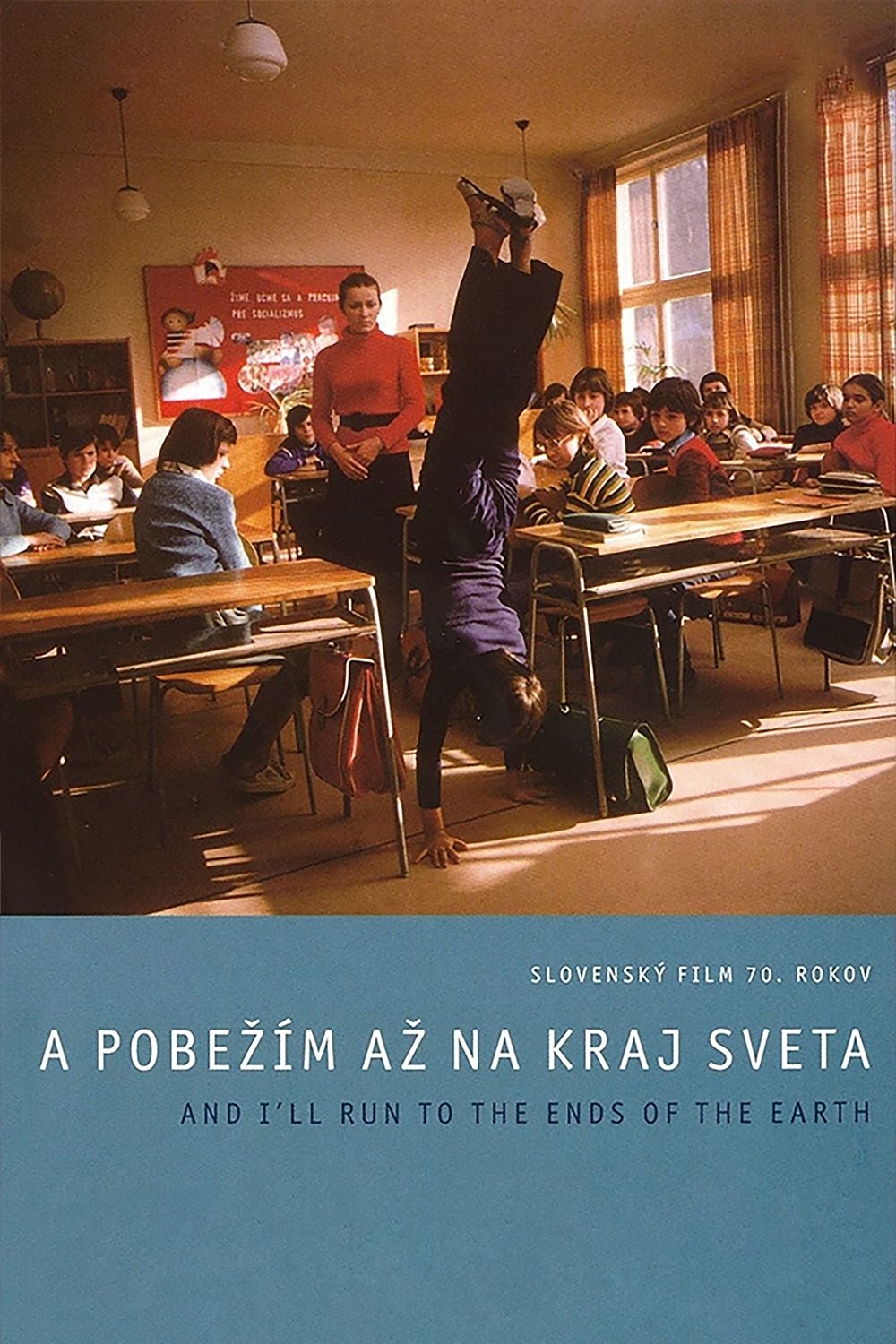 Movie7.1FamilyDrama
Majka "Chatterbox" is a girl entering adolescence. She was born with a minor disability. While her mother keeps scolding her for the way she walks, her classmates mock her and call her a "duck". Along an innocent first love affair and a secret friendship, she receives little understanding from her parents and lots of malice from her schoolmates. Majka finds refuge with her grandmother and in her own fantasy world.
 Movie10.0Drama
A story of a family that after WWII moved to the south of Slovakia and acquired a prosperous butcher business left behind by a Hungarian emigrant. From the previous owner, the family also inherited a self-assured, greedy assistant who does not like to observe any firm moral principles. He assists the family in gaining wealth but in the long run, he causes the family's moral dissolution. In his most successful feature film, director Zoro Záhon combined a complex drama with excellent acting performances, especially that of Hungarian actor Gábor Koncz in the lead role.
 Movie10.0HistoryDrama
Historical reconstruction of the events of the anti-fascist struggle in Slovakia in 1943 and 1944.
Poéma o svedomí
1979 · 1 votes
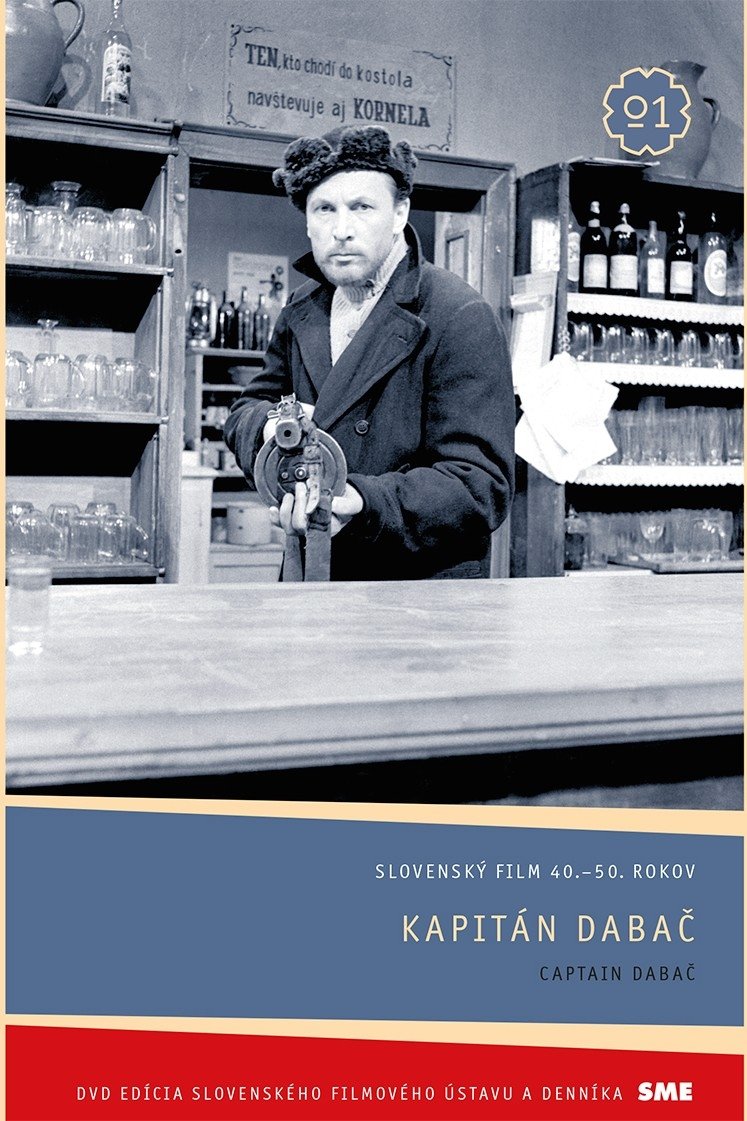 Movie5.7DramaWar
The drama of a young Slovak army officer who gradually realises the horrors of fascism during the fighting in Ukraine. On his return to Slovakia, he joins the SNP. However, he cannot overcome his loner attitude or his doubts about the meaning of partisan activity.
Kapitán Dabač
1959 · 6 votes
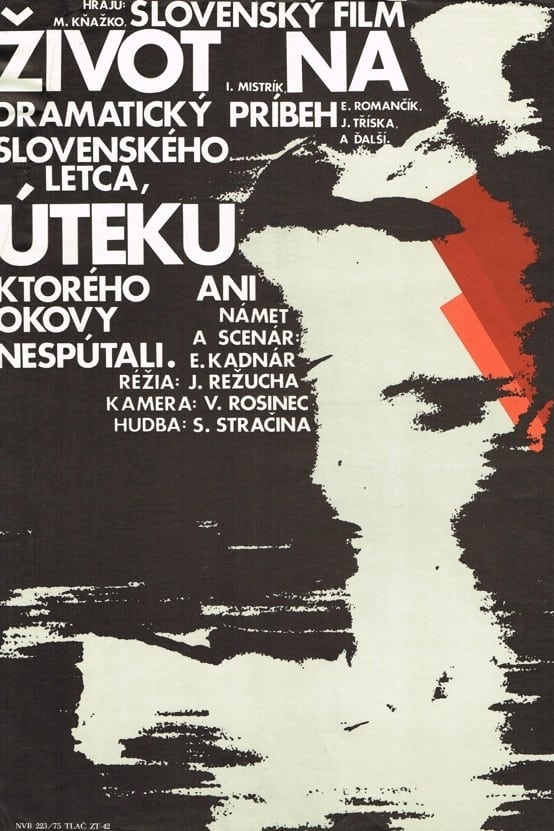 Movie7.0DramaWar
In Slovakia, they often and gladly honored those soldiers who refused to serve the fascist regime and stood against it. Lieutenant Kukorelli also rejected the tempting career of a pilot, instead helping the resistance fighters and later participating in the Slovak National Uprising.
Život na úteku
1976 · 1 votes
- MovieTV MovieDrama
A two-part television film based on the novel of the same name by Rudolf Jašík, depicting a realistic picture of life and interpersonal relationships during World War II in the mixed Slovak-German environment of the town of Pravna and the nearby village of Planice, as well as life and relationships between soldiers on the Eastern Front. From this perspective, the plot follows a unit of Slovak soldiers, their realisation that they are fighting for foreign interests, their dissatisfaction and distrust of everything, especially their officers.
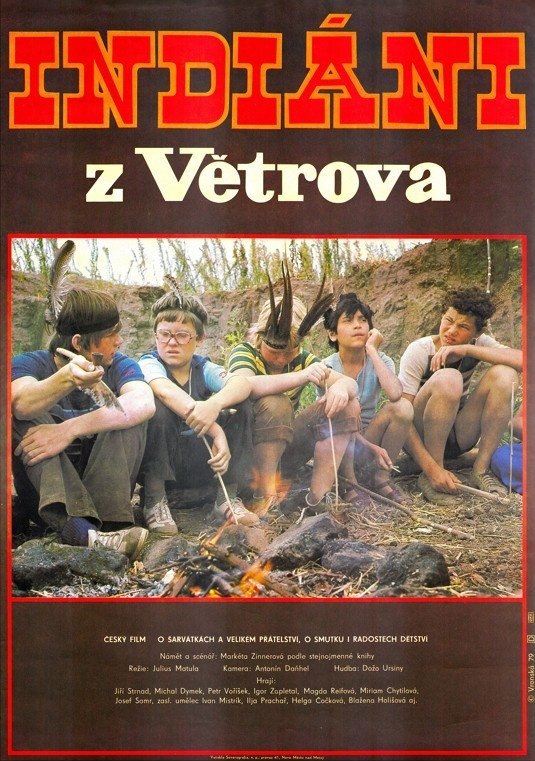 Movie7.0Family
In the frontier village Vetrov boys from the children's home called Indians lead a bitter "war" with the local Símáks. Before a battle the Indians have a meeting in the sandpit with a smoke signaling. The smoke brings to the sandpit a frontier guard Tomás with a police dog Ranek. The children learn from Tomás that Rank served out and that it shall be destroyed. The nine-year old Fanda writes a letter to the "minister of the frontier guards" in which he asks to let Ranek live. To save Ranek's life he also visits the local frontier guard commander. In the end it is decided that children from the children's home may keep Ranek.
- Movie6.1TV MovieDrama
Seven people waiting for their death. A group of assasins - three men and two women - and Gypsy thief spend their time in prison to be tucked up.
- Movie7.5DramaWar
On Christmas Eve, 1944, in Nazi-occupied Slovakia, the Kubiš family grapples with survival amidst brutal reprisals. Marián collaborates as a fascist guard leader, while his sister Angela has an affair with their Nazi lodger, Major Brecker. The situation escalates when their younger son, Juraj, a former partisan fighter, returns home wounded. As Germans search homes for escapees, Juraj hides in the attic, while an unsettling Christmas dinner unfolds below with Major Brecker present.
Series14
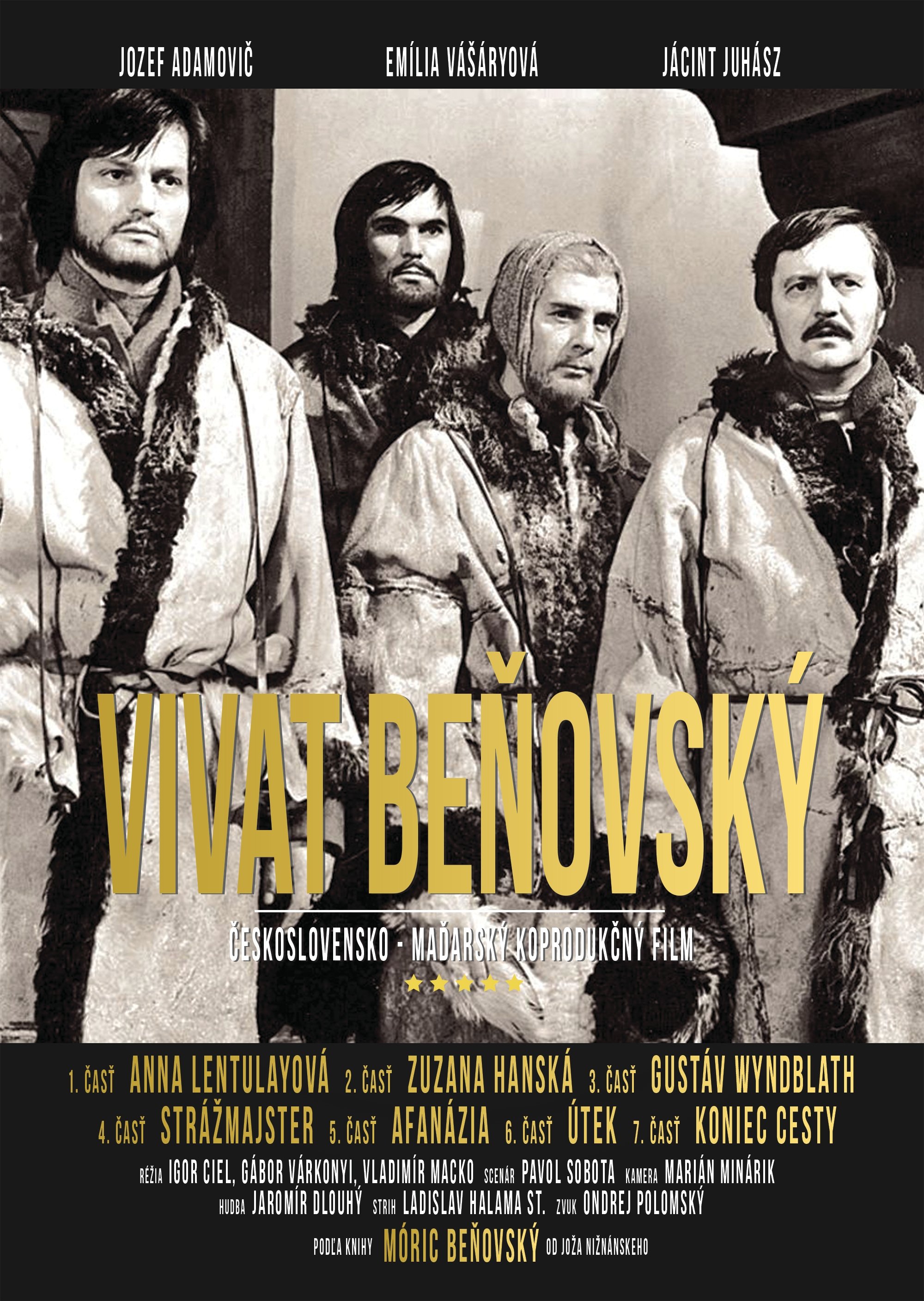 TV7.0DramaAction & Adventure
Vivat Beňovský!
1975 · 2 votes
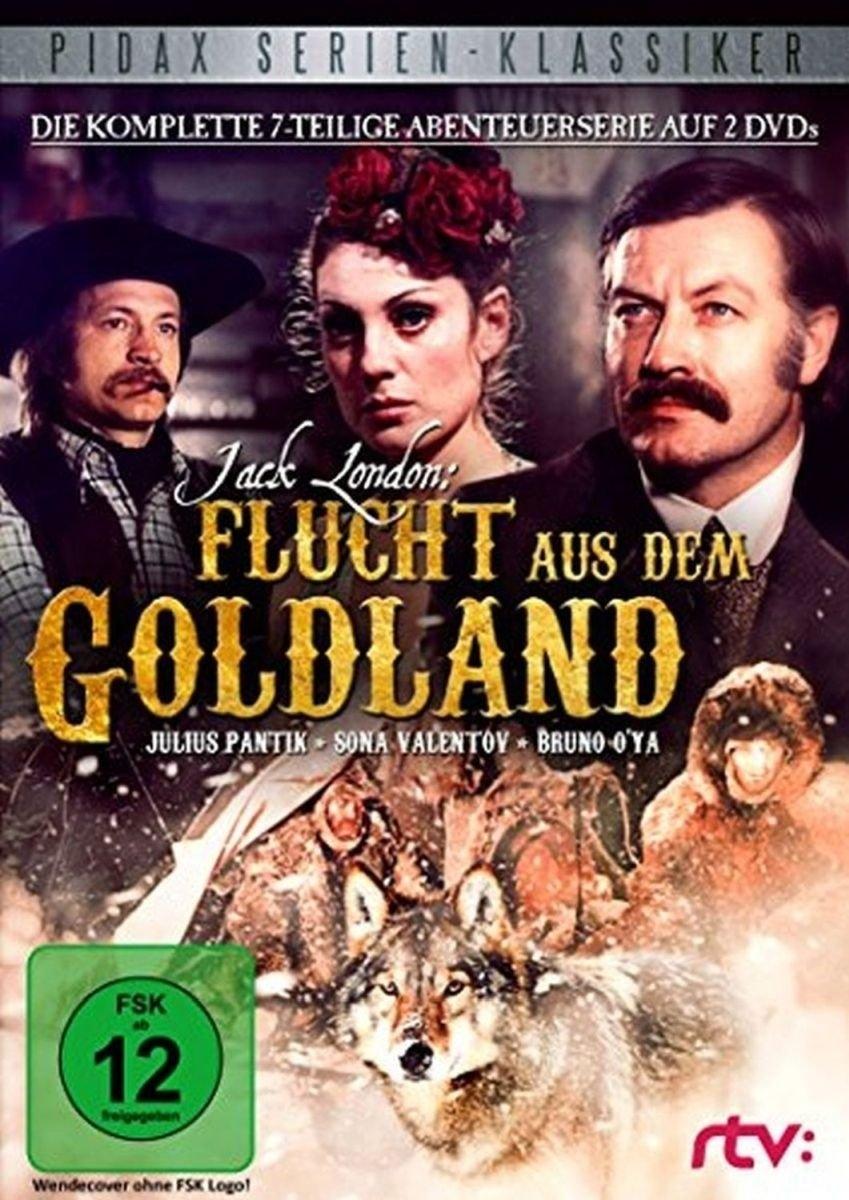 TV7.0Action & Adventure
Útek zo zlatej krajiny
1979 · 1 votes
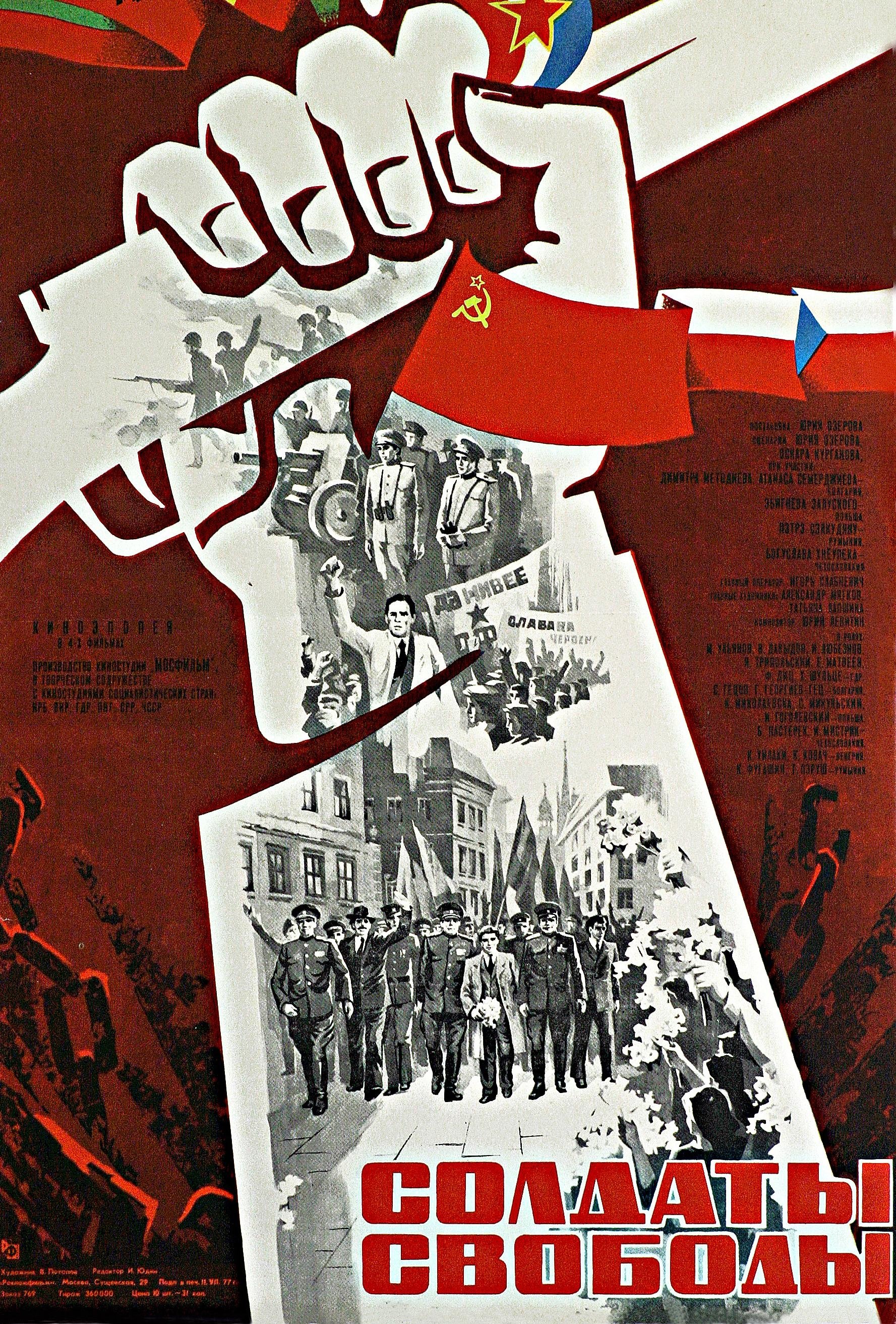 TV4.4DramaWar & Politics
The action of the epic film takes place in the second half of World War II. The plot focuses on the liberation of European countries from German occupation and the anti-fascist activities of the communist parties of these countries. After the victory at Stalingrad, a decisive turn occurred during the war. The main aim is the rallying of all patriotic forces, the creation of a national anti-fascist front in the struggling countries. The swift offensive of the Soviet troops, problems with the opening of a second front, major operations and the offensive of the Soviet army lead to the liberation of Europe. Rebellions are rising in different countries - such as the heroic uprising in Warsaw, in Slovenia, Bucharest and other cities. Brave heroes who performed immortal feats in the name of the happiness of mankind and freedom.
- TVDrama
 TVDrama
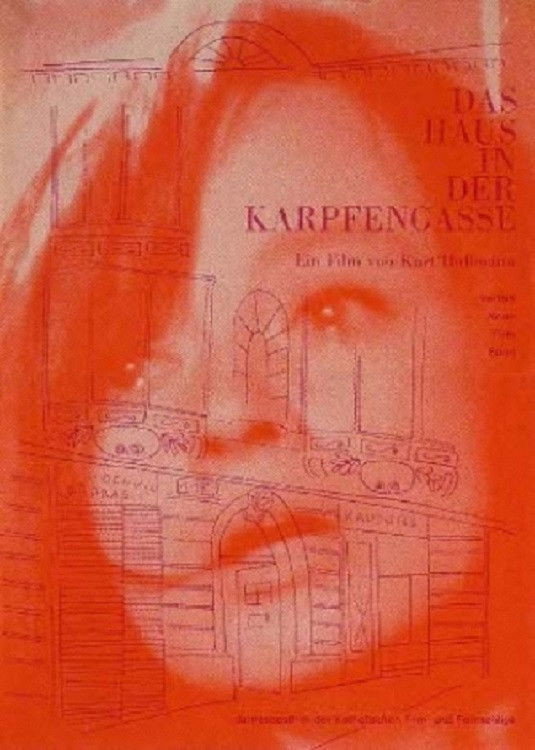
The miniseries depicts the fate of the residents of an apartment block in Prague’s Jewish quarter following the invasion by German troops in 1939. Among them is an elderly widow who had once disowned her son and now wishes to bring him to Brazil; there are also the owners of a stationery shop, who are driven to ruin by the German occupiers. The caretaker Glaser, who is of German descent, also comes under pressure when his son is arrested in a communist pub. To save his own skin, he informs on two young people who are active in the resistance.
- TVDrama
- TV10.0Drama
Bašta
1970 · 1 votes
 TV9.0DramaWar & Politics
Sám vojak v poli
1964 · 1 votes
- TVDramaCrime
Tajný agent
1974
- TV7.0Drama
Americká tragédia
1977 · 1 votes
- TV7.0Drama
Barbora Rösselová
1979 · 1 votes
- TVDrama
Louis Pasteur
1979
- TVSci-Fi & FantasyMystery
A handsome young man trades his soul so that his portrait ages while he stays eternally young.
- TV9.0Drama
Mŕtvi nespievajú
1964 · 1 votes