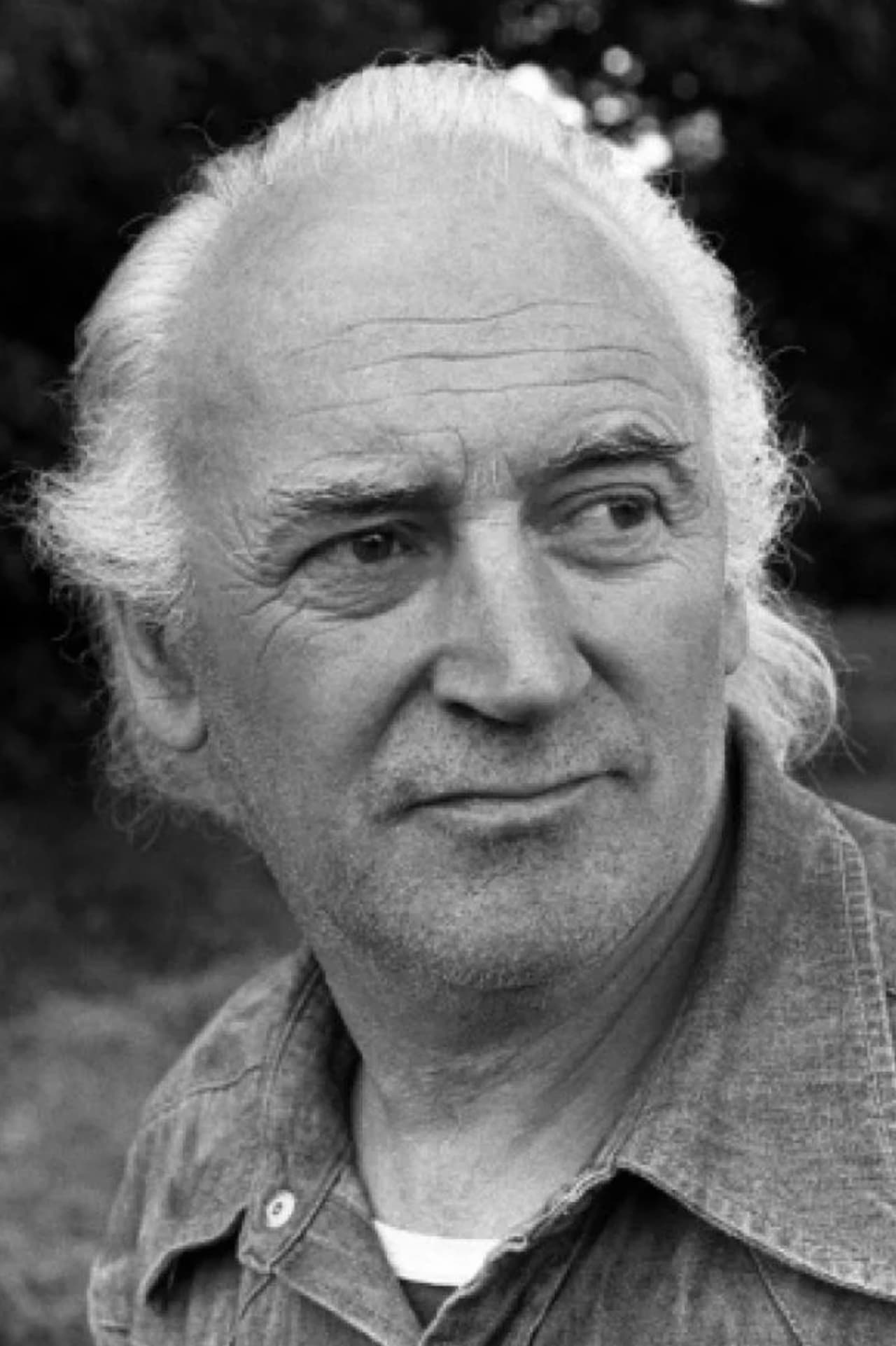
René Vautier
Director · 1928 – 2015 · Camaret-sur-Mer
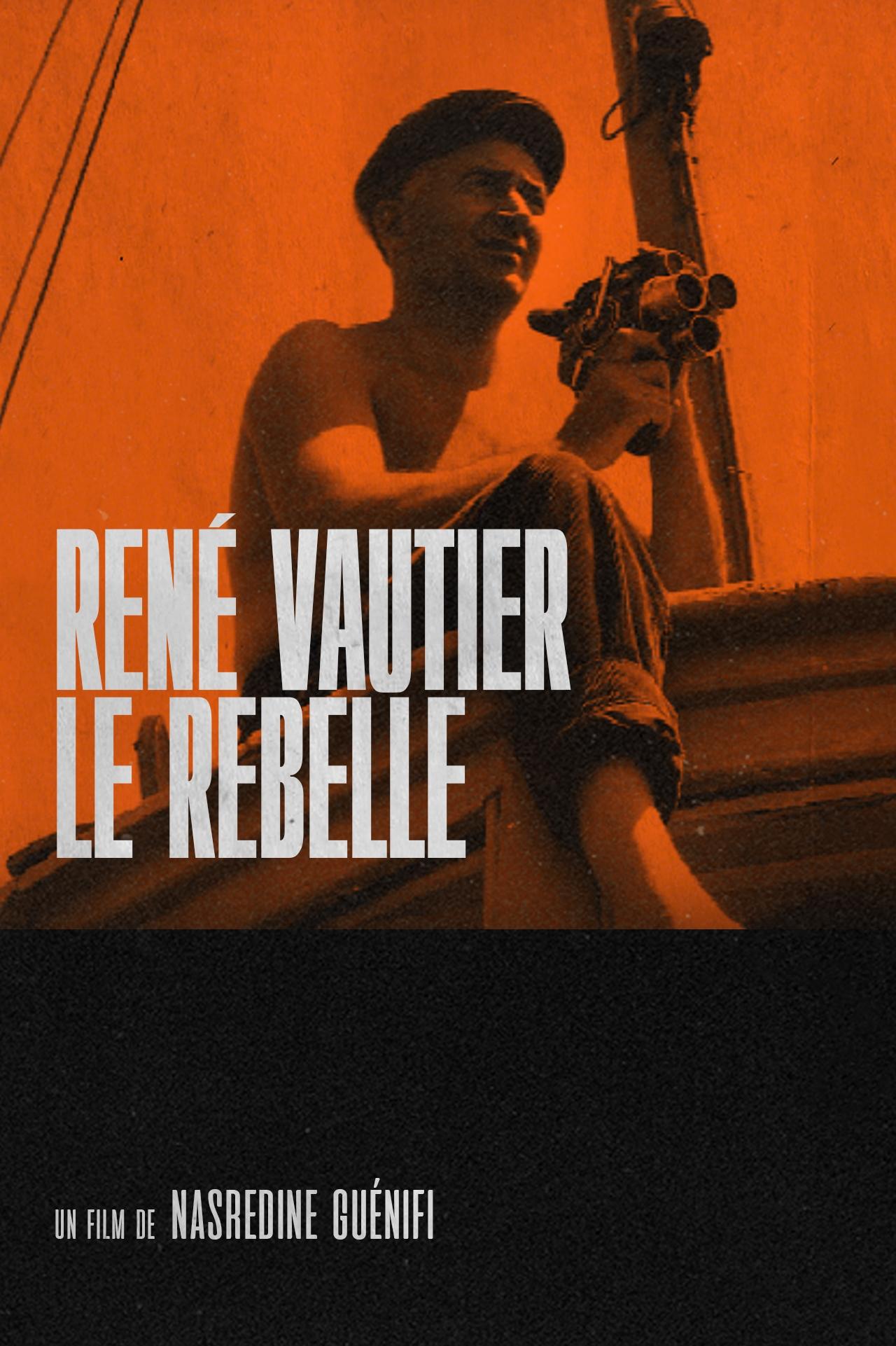
René Vautier, born January 15, 1928 in Camaret-sur-Mer (Finistère) and died January 4, 2015 in Cancale (Ille-et-Vilaine), is a French director and screenwriter, communist and anticolonialist, particularly known for his film Have twenty years in the Aurès. Born to a factory worker father and a teacher mother, René Vautier carried out his first militant activity within the Resistance in Brittany in 1943, when he was fifteen years old, which earned him several decorations. He was decorated with the Croix de Guerre at the age of sixteen, responsible for the “youth” group of the René Madec clan, cited in the Order of the Nation by General Charles de Gaulle for acts of Resistance (1944). René Vautier joins the maquis in France then takes the IDHEC competition under the leadership of his comrades in combat. From then on, this fierce supporter of the Communist Party will never stop, camera in hand, campaigning in Algeria, Africa or Brittany in order to denounce the contradictions of the systems in place. If he spoke about social struggles in France (Quand tu dit Valery), the condition of women (Quand les Femmes ont la anger) or Africa (Afrique 50), René Vautier is best known for his commitment against the abuses of the French army during the Algerian War. Thus, Being 20 years old in the Aurès represents one of his major works. His work, specifies the Arab HUFFINGTON POST, is today part of the historical heritage of Algeria, where he is considered a Mujahid, understand an independence fighter. A rebellious and prolific filmmaker, René Vautier experienced the wrath of censorship on numerous occasions. Imprisonments, hunger strikes, but also numerous awards have regularly punctuated the career of this atypical activist artist.
Movies13
 Movie9.0Documentary
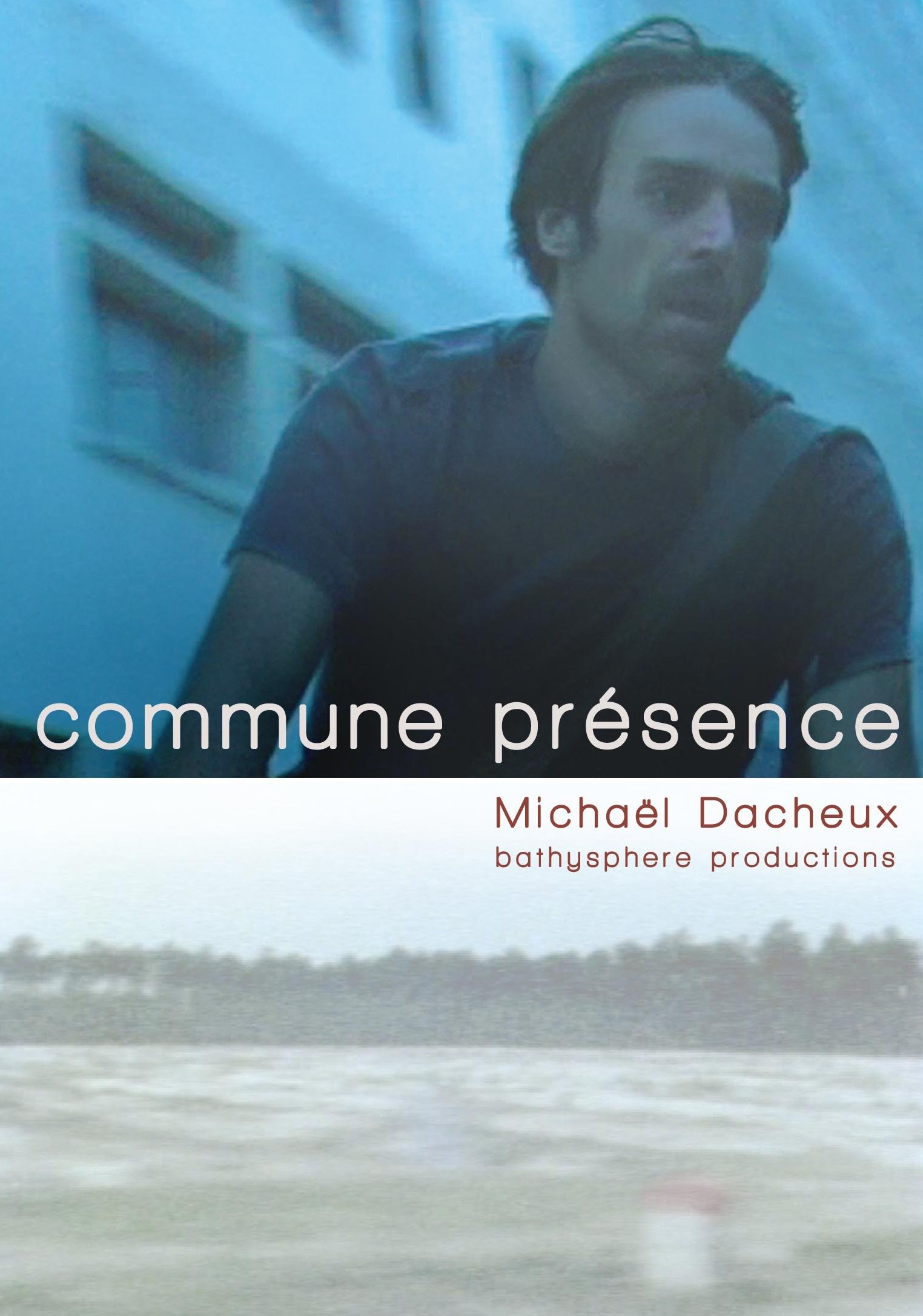
Guided by a letter from an childhood friend, a young man visits places and people from the past marked by history and commitment. He then meets other people throughout the night, looking for ways to act and imagine collectively.
Commune présence
2008 · 1 votes
 Movie8.5ComedyAdventure
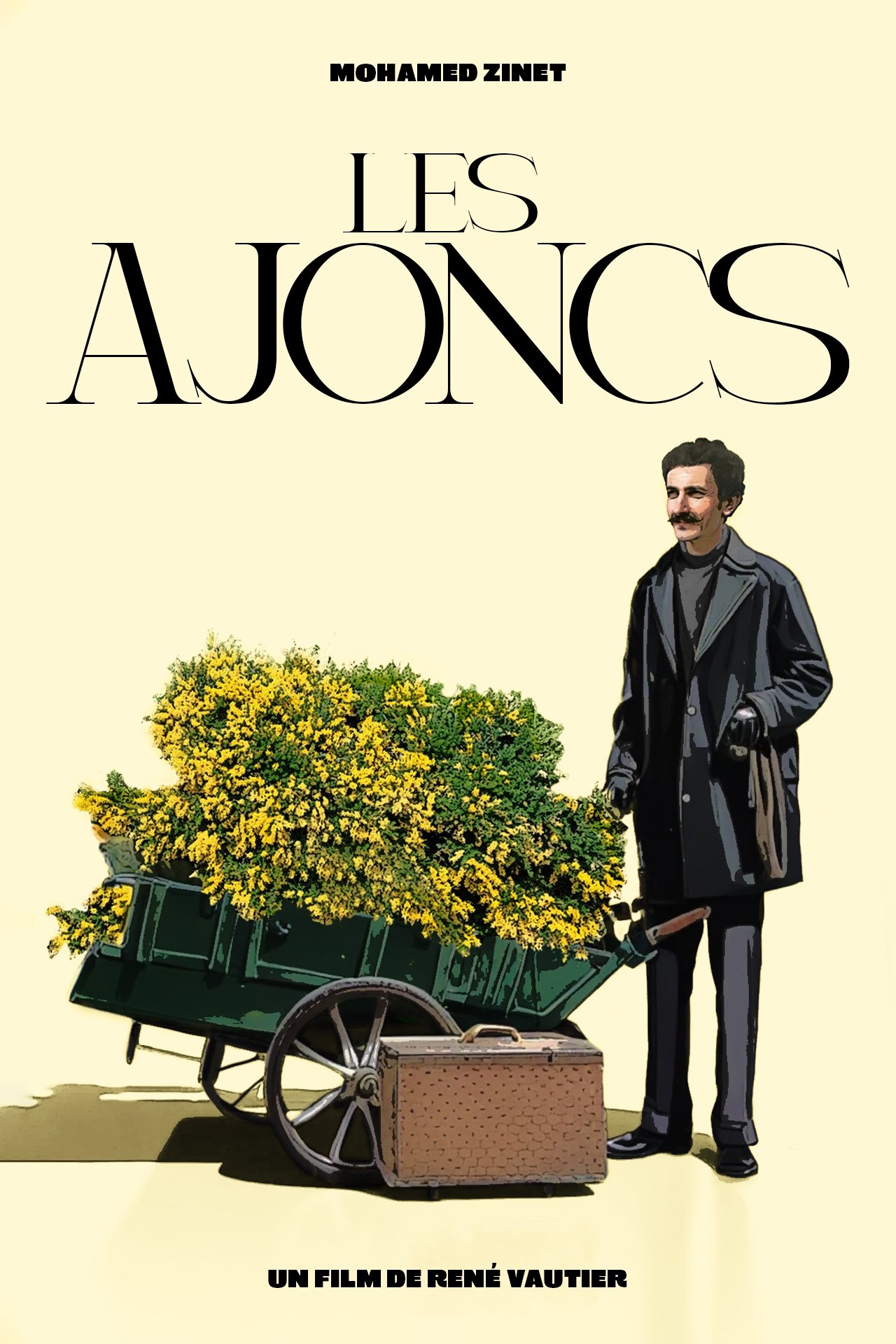
An unemployed Algerian worker leaves Paris by hitchhiking. He soon found himself in Brittany and, seduced by the beauty of wild gorse, eventually established himself as a gorse merchant. But for problems with parking his little cart, he had a rough explanation with a law enforcement officer. The happy intervention of factory workers, the eager kindness they showed him, saved him from despair. This film is part of a trilogy "Them And Us" with the films "Les 3 Cousins" and "Techniquement Si Simple".
Les Ajoncs
1970 · 3 votes
 Movie6.8Documentary
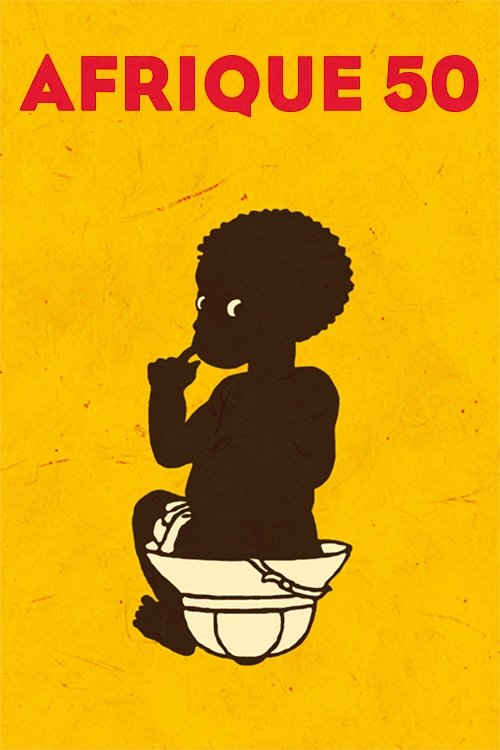
The first French anti-colonialist film, derived from an assignment in which the director was to document educational activities by the French League of Schooling in West Africa. Vautier later filmed what he actually saw: “a lack of teachers and doctors, the crimes committed by the French Army in the name of France, the instrumentalization of the colonized peoples.” For his role in the film, Vautier was imprisoned for several months. The film was banned from public screening for more than 40 years.
Afrique 50
1950 · 29 votes
 Movie7.5DocumentaryHistory
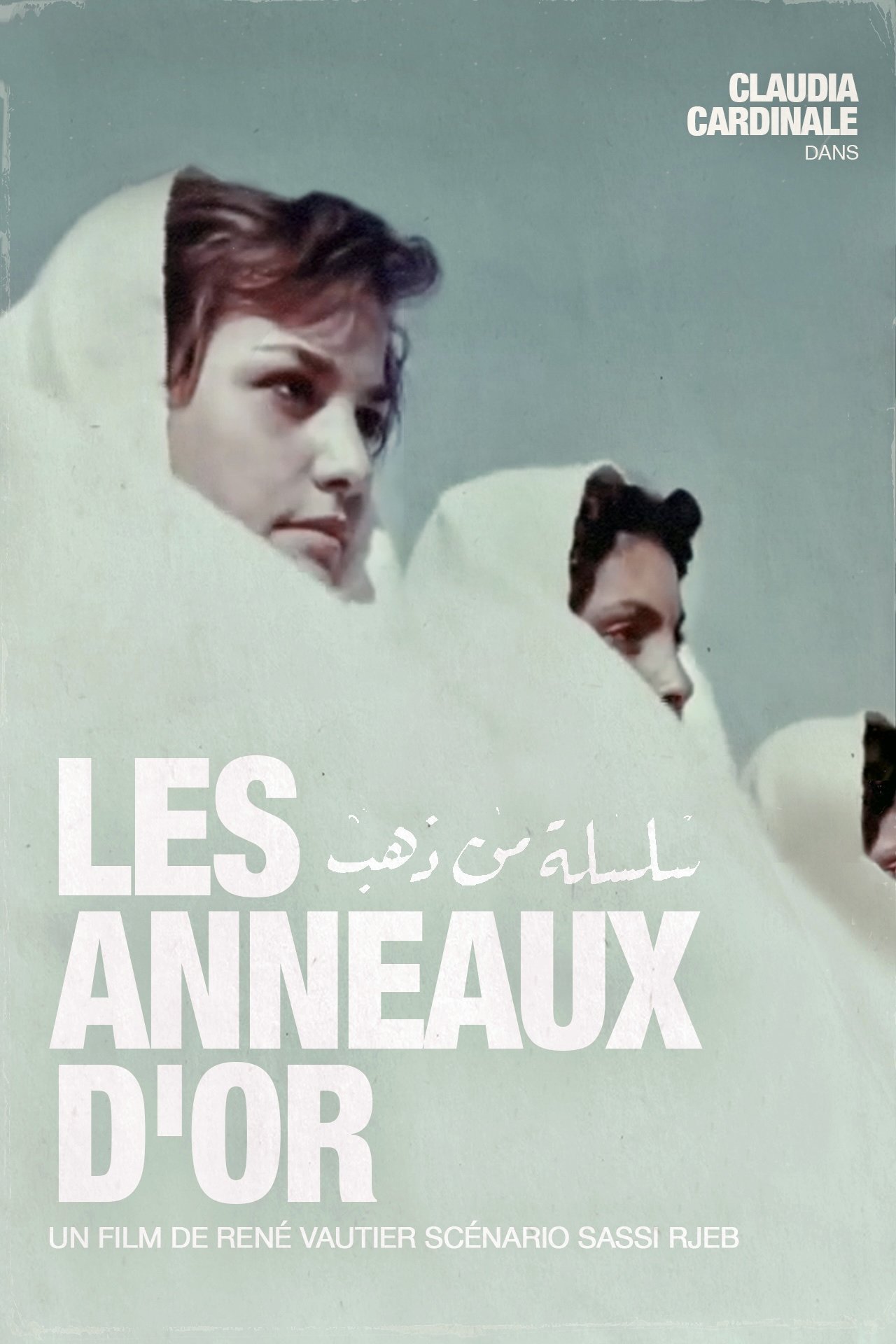
At the time of Tunisian independence, owners of large boats decide to sell, while many small fishermen soon find themselves without work. Their wives then decide to pool their gold rings to sell them and thus buy boats.
Les Anneaux d'Or
1956 · 4 votes
 Movie10.0ComedyDrama
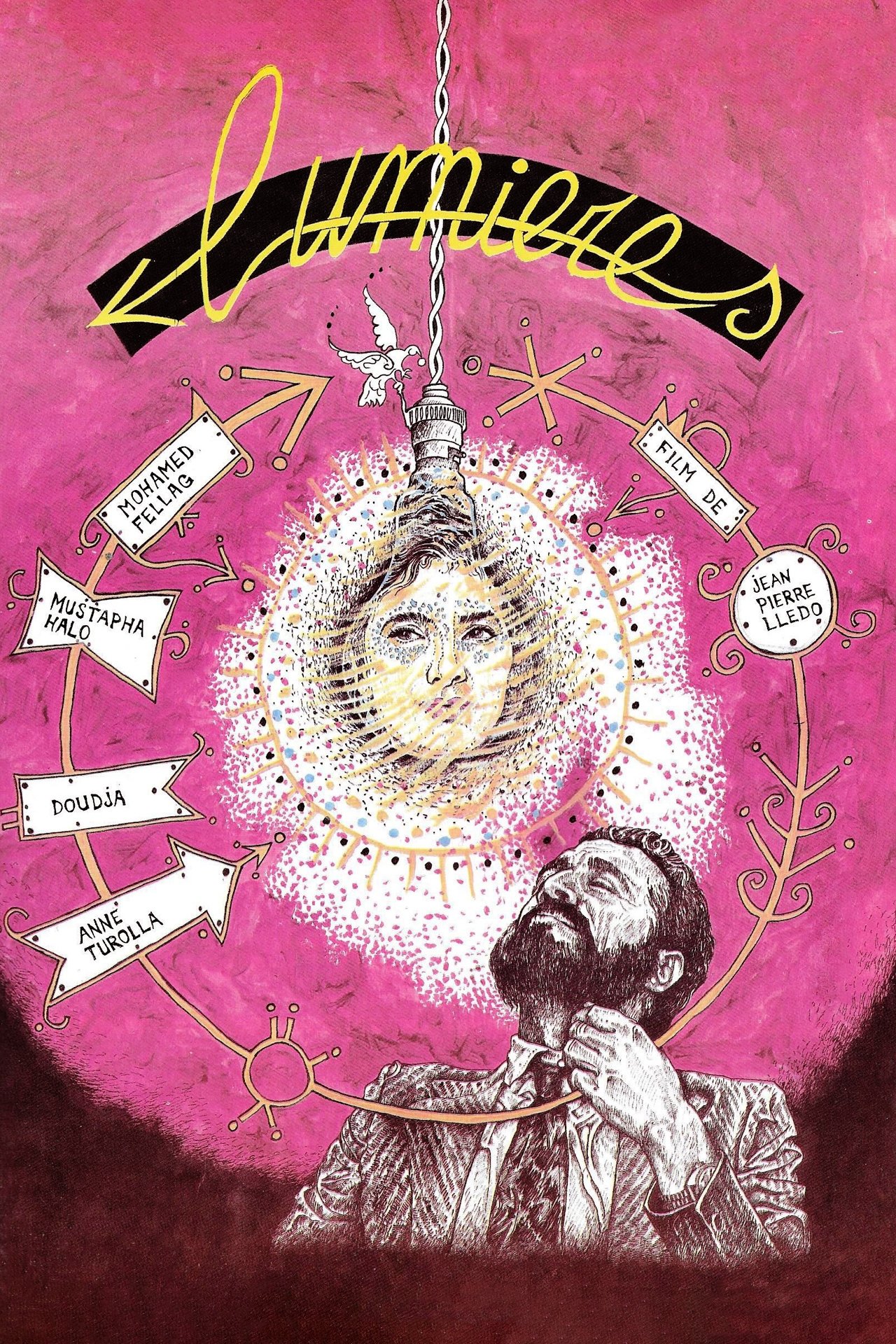
Long quest for a director specializing in commissioned films, who after a depression rediscovers his loved ones, his Casbah district, himself. Taken in hand, for a while, by his Islamist neighbor, it is above all the meeting with an old projectionist giving him a censored history of cinema and Algeria, which helps him to change, and to accept his own fantasies, embodied by Marilyn Monroe and the Andalusian.
Lumières
1989 · 1 votes
 Movie7.4DocumentaryHistory
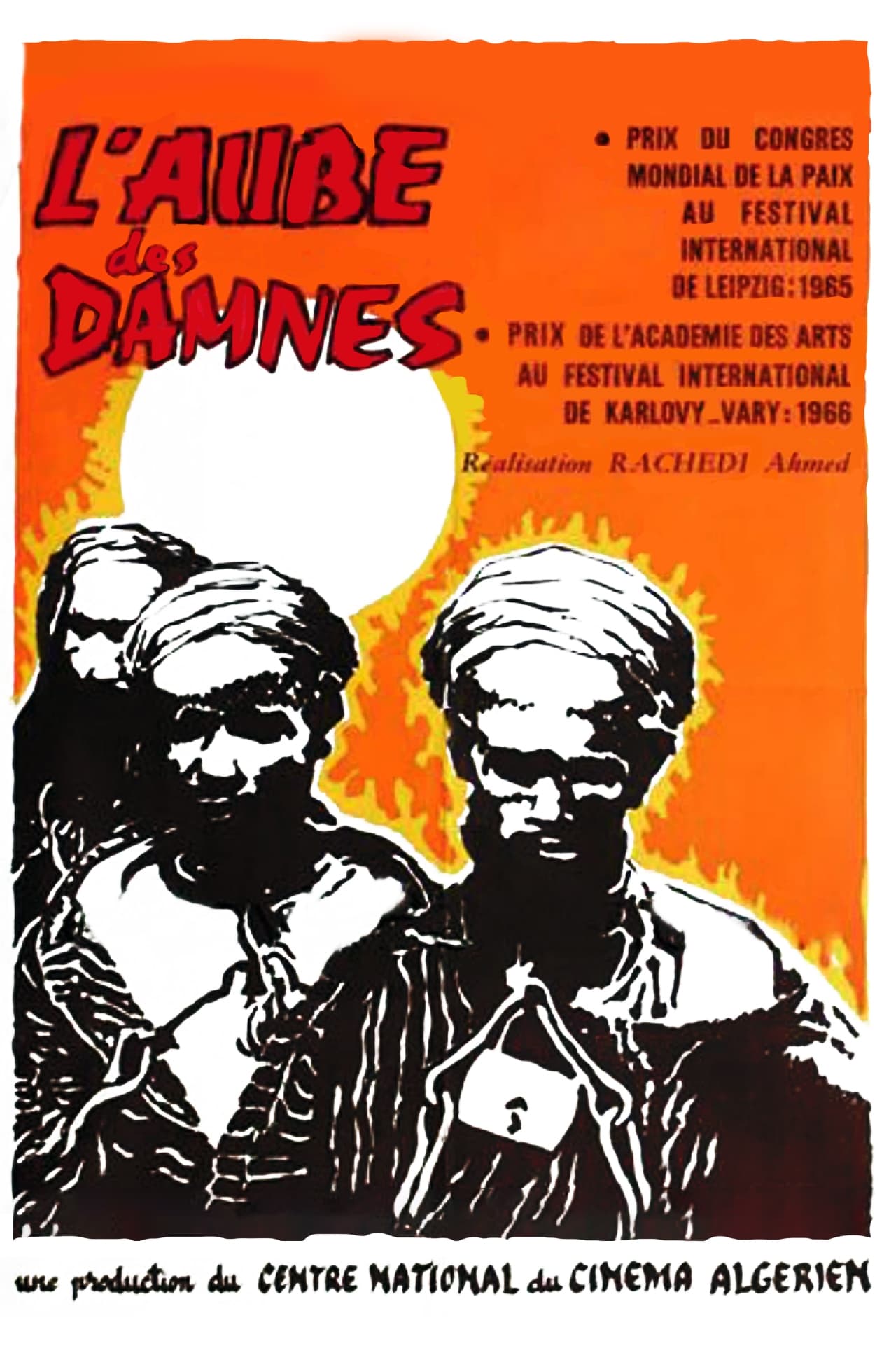
This excellent feature-length documentary - the story of the imperialist colonization of Africa - is a film about death. Its most shocking sequences derive from the captured French film archives in Algeria containing - unbelievably - masses of French-shot documentary footage of their tortures, massacres and executions of Algerians. The real death of children, passers-by, resistance fighters, one after the other, becomes unbearable. Rather than be blatant propaganda, the film convinces entirely by its visual evidence, constituting an object lesson for revolutionary cinema.
 Movie10.0Documentary
René Vautier, le rebelle
2000 · 1 votes
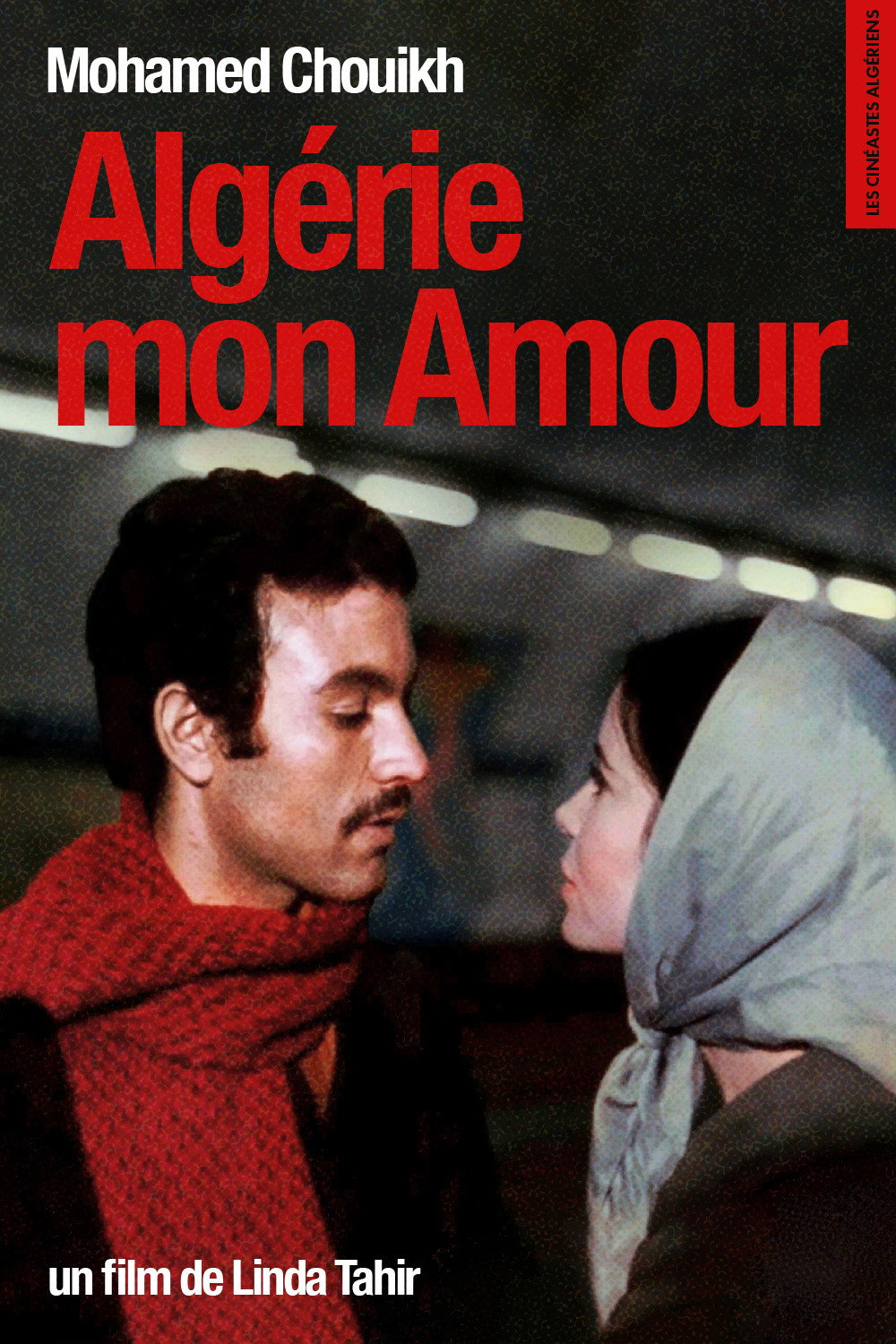 Movie10.0Documentary
This portrait from the "Algerian Filmmakers" collection, created by Linda Tahir-Meriau, focuses on Mohamed Chouikh, born in 1943 in Mostaganem, an Algerian actor and director. In 1965, he starred in one of the first major Algerian films, "L'Aube des Damnés" (The Dawn of the Damned) by René Vautier and Ahmed Rachedi. In 1966, he appeared in "Le Vent des Aurès" (The Wind of the Aurès) by Mohammed Lakhdar-Hamina. The film won the Best First Feature Award at Cannes. Until 1970, Mohamed Chouikh devoted himself primarily to his acting career in theater and film. It was Michel Drach's film, "Elise Ou La Vraie Vie" (Elise, or Real Life), based on the novel by Claire Etcherelli, that brought him to the attention of French audiences. In the 1970s, he became a director for Algerian television. In 1989, he directed "The Citadel", which was selected for more than 70 international festivals and won around twenty awards.
Mohamed Chouikh, Algérie mon Amour
2008 · 1 votes
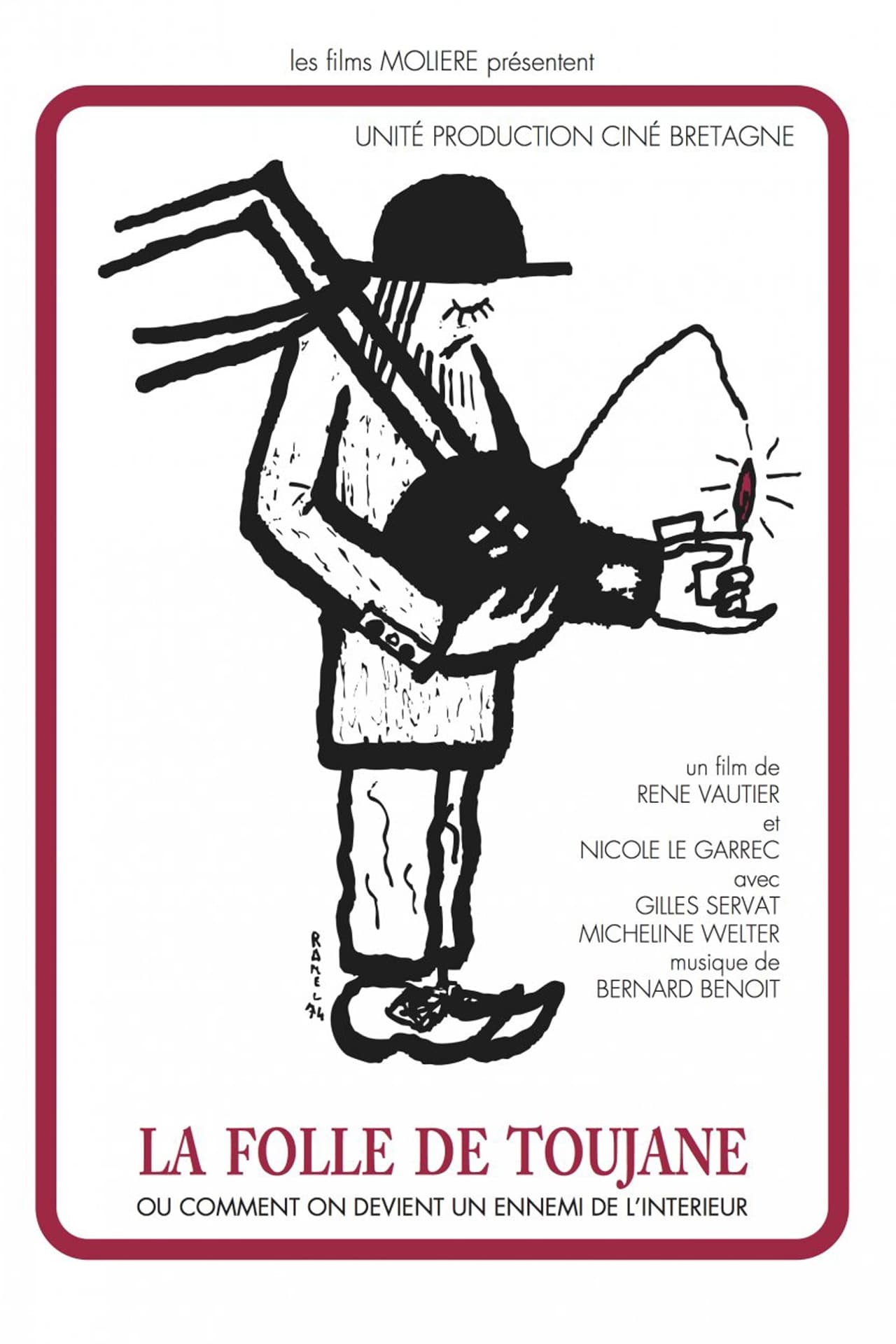 Movie8.7Drama
This rambling political melodrama tells the story of a French Breton who learns about colonialism while teaching native students in France's colonies of Tunisia and Algeria and returns to his native Brittany to see that the same conditions prevail there.
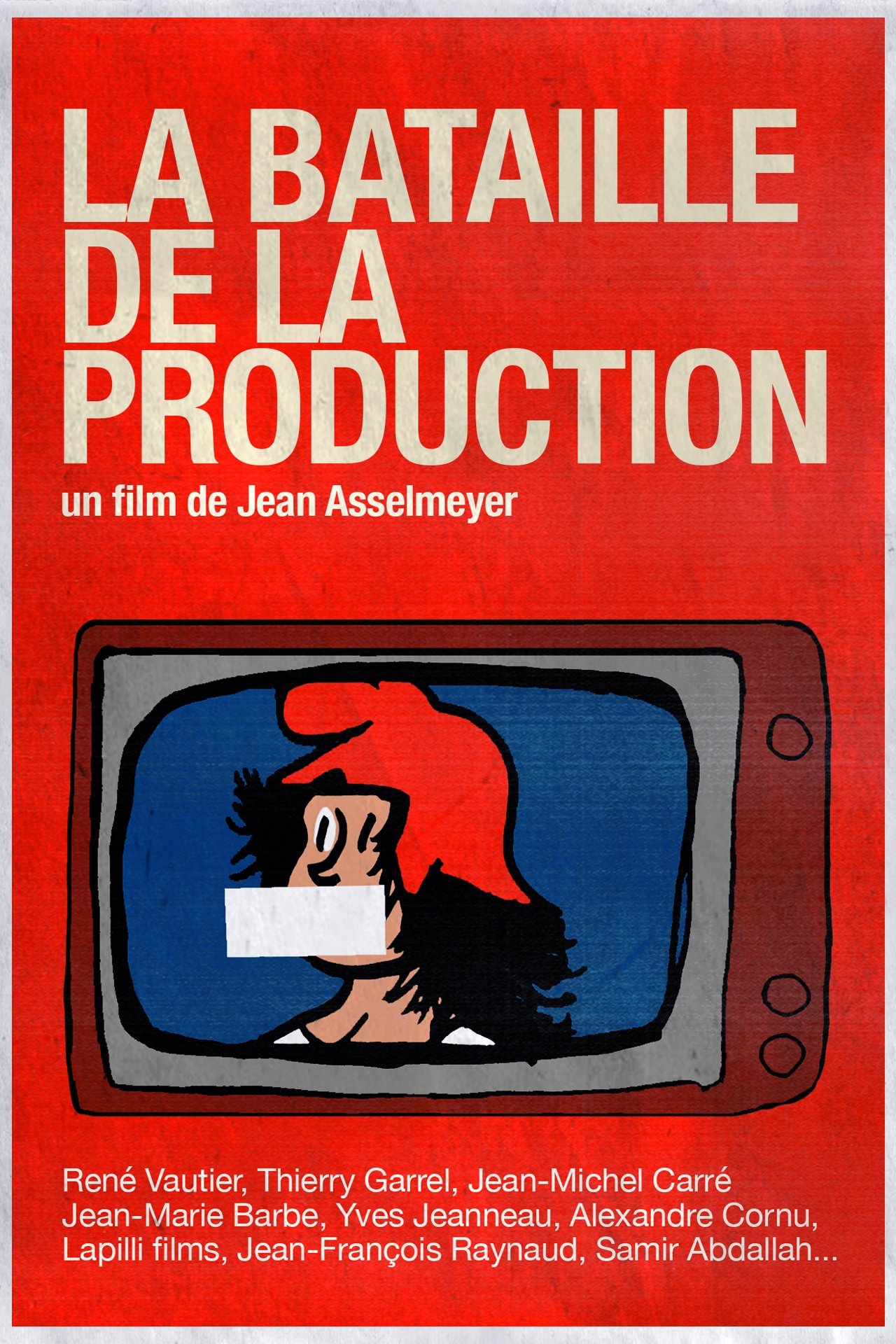 Movie10.0Documentary
In 1997, the committed filmmaker Jean Asselmeyer, armed with his camera, posed the following question at the General Assembly of Documentary Film in Lussas and in Paris: Is it possible today to make a committed creative documentary?, to René Vautier, Thierry Garrel, Jean-Michel Carré, Jean-Marie Barbe, Yves Jeanneau, Alexandre Cornu, Lapilli films, Jean-François Raynaud, Samir Abdallah and many others, not the least of whom.
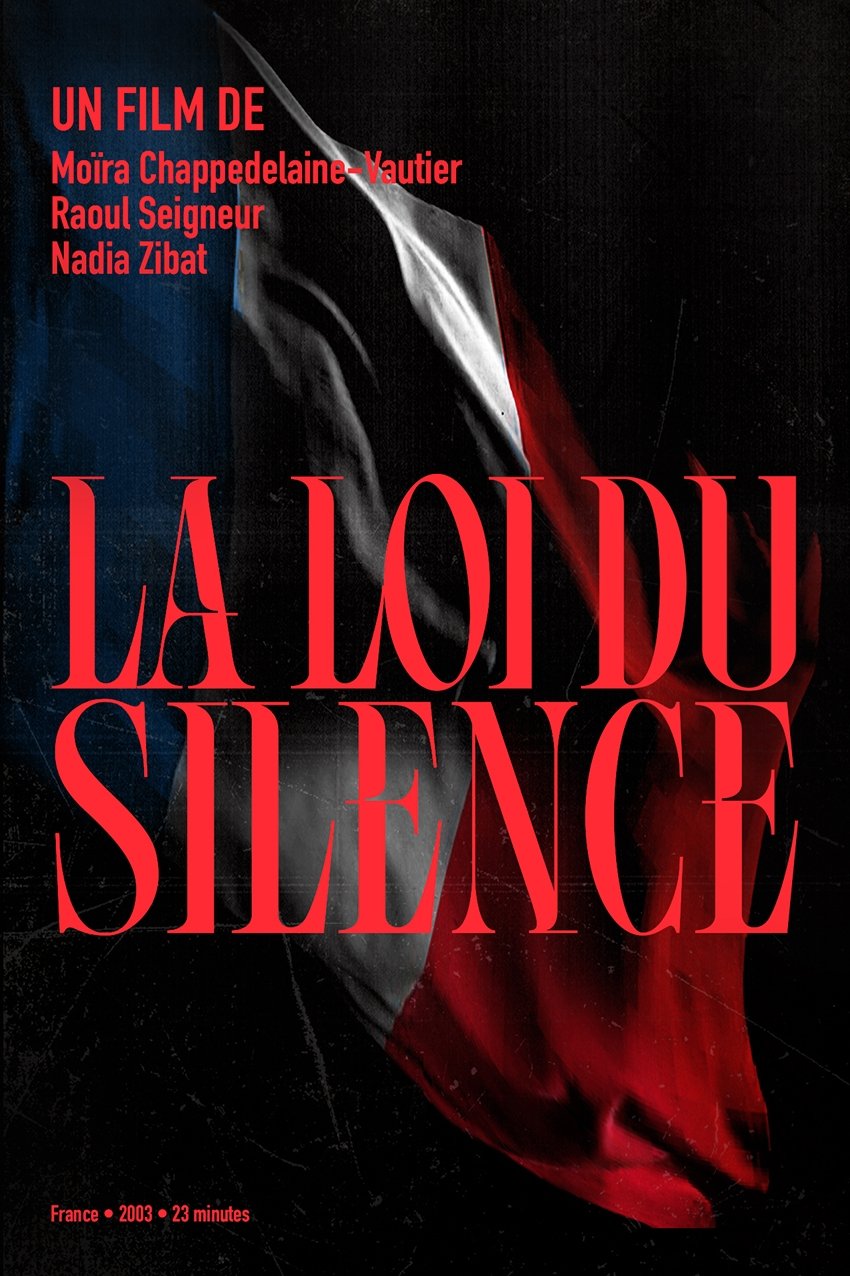 Movie9.0Documentary
The Law of Silence, a final-year documentary by Moïra Chappedelaine-Vautier at Femis, examines the 1963 Amnesty Law and the consequences it had on studies of the Algerian War. It brings together interviews conducted in 2002 with Henri Alleg, editor of the daily newspaper Alger Républicain from 1951 to 1955, and Pierre Vidal-Naquet, historian and essayist. It also features incredible statements from General Massu and lawyers unraveling the various legal defenses of people like Jean-Marie Le Pen. Not only does Moïra have her father, René Vautier, speak, but she also includes footage he himself filmed forty years earlier. A very interesting report, which notably reminds us that the Amnesty is not a pardon but the erasure of the sentence and also of the crime itself.
 Movie3.0Drama
An adaptation of the novel by the famous soil writer Vasily Belov, raising the problems of the harmful influence of Western civilization on the Russian mentality.
 Movie6.0Documentary
In 1950, in full reconstruction, the workers of Brest went on strike. It will last more than a month and will be bloody. Edouard Mazé, a 26-year-old worker from Brest, will die during the demonstration on April 17, dozens of his comrades will be injured and one of them, Pierre Cauzien, will be amputated five days later. The city is under siege. René Vautier, a 20-year-old filmmaker, goes clandestinely to Brest, at the call of the CGT, to shoot a film on the reasons for anger. The trace of these events is now tenuous and carried by witnesses whose words are gradually dying out. This film proposes to find the traces of these events, to collect the words of the witnesses, to search their personal archives, to exhume the forgotten photograms, to open the official files hitherto protected, to delve into the depths of individual memories to understand. In 1950, a man died... But who still remembers?
Histoires d’images, images d’Histoire
2014 · 1 votes