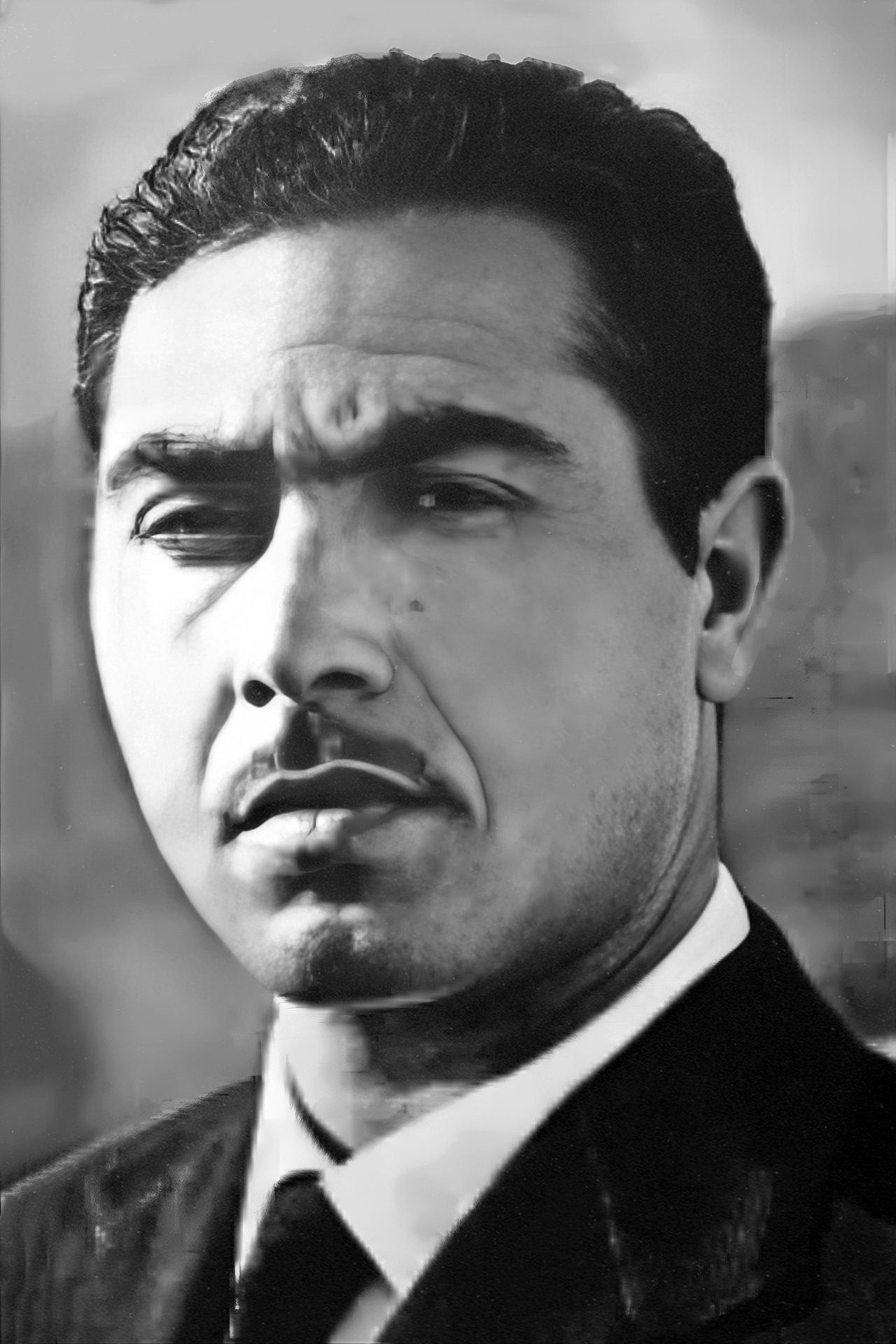
Djamel-Eddine Chanderli
Director · 1920 – 1990 · Annaba, Algeria
Djamel-Eddine Chanderli is an Algerian director, born in 1920 in Annaba. In 1956, in the middle of the Algerian war of independence, he joined the maquis and was considered the first Algerian to produce images from inside the country in struggle. In 1957, Djamel-Eddine was part of the team of the cinema service which was created by the GPRA (Provisional Government of the Algerian Republic). The first independent Algerian images of a documentary nature were therefore born in the maquis of the National Liberation Army (ALN) in 1957. Participating in a real war of images intended to counter colonial propaganda, they are known under the title “Ambush between EI -Arrouch and Azzaba” showing an ambush filmed in 1956. These images were intended to participate in the war against colonial France faced with the legitimacy of the Algerians' fight for their freedom; a fight that the whole world had to know about. Other notable productions took place in the middle of the war. Among them, The Ouenza Mine Attack, The ALN Nurses, The Refugees, in 1957. In 1961, there was Algeria in Flame, Sakiet Sidi Youcef, Djazaïrouna, The Rifles of Liberty , I'm 8 years old, The voice of the people, Let's go children for Algeria and Yasmina. A real war front was opened: the front of images which mobilized courageous activists like Djamel-Eddine Chanderli, Ahmed Rachedi, René Vautier, Yann Le Masson, Pierre Chaulet, Pierre Clément, Cécile de Cujis, Karl Gass, Mohamed Lakhdar Hamina and Stevan Labudovic. In 1958, Djamel-Eddine Chanderli directed with Pierre Clément "Algerian Refugees", a film about refugees at the borders. To prepare for the debate on the Algerian question at the UN, Chanderli, Mohamed Lakhdar Hamina and Pierre Chaulet were entrusted, in 1959, by the Ministry of Information of the GPRA with the production of "Djazaïrouna" (Our Algeria), a film by montage intended to enlighten the international community on the objectives pursued by the Algerian resistance fighters. In 1961, he made a short fiction film which tells the story of little Yasmina, her flight after the bombing of her village, her wandering with her chicken to the border and her life among the refugees. After independence, Djamel Eddine Chanderli was one of the heads of the Algerian news office created in 1963. In 1969, he took care of the audiovisual service of Sonatrach. In 1979, he returned to Paris. Will take care of the audiovisual service of the Algerian Cultural Center in Paris, inaugurated in 1983, until his death on November 10, 1990.
Movies1
 Movie10.0Drama
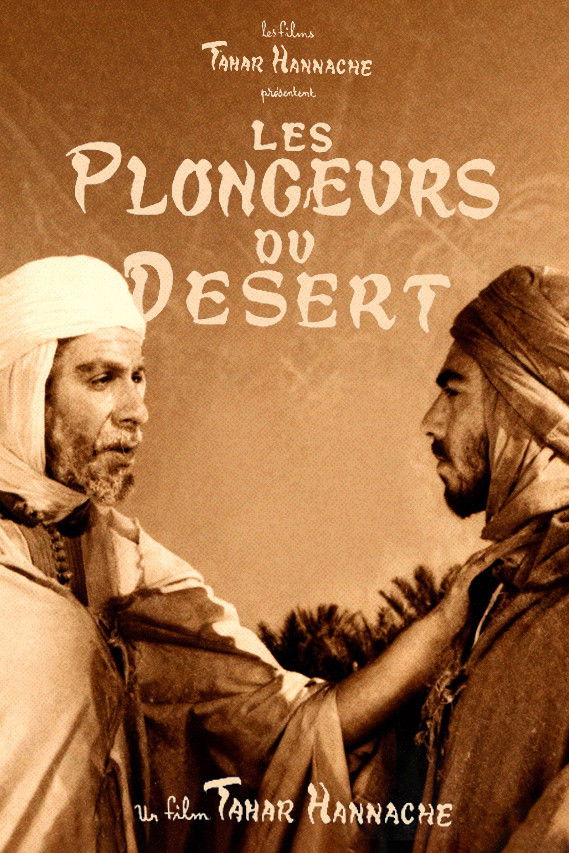
Les Plongeurs Du Désert, directed by Tahar Hannache in 1952, is considered the first entirely Algerian fiction film. It tells the story of the inhabitants of an oasis whose well has dried up. The village elder, Sheikh Messaoud, calls upon the renowned desert divers, artisans specializing in clearing sand- and silt-filled wells, to restore access to the vital water for the community. After their intervention, the water begins to flow again, bringing relief to the oasis and its inhabitants. The film depicts the contrast between the traditional techniques of the divers, embodied by Sheikh Ali and his son Mansour, and the arrival of modernity, represented by the machine that ultimately replaces their craft. This story symbolizes the marginalization of local knowledge in the face of technological progress and the social injustice of the colonial era.