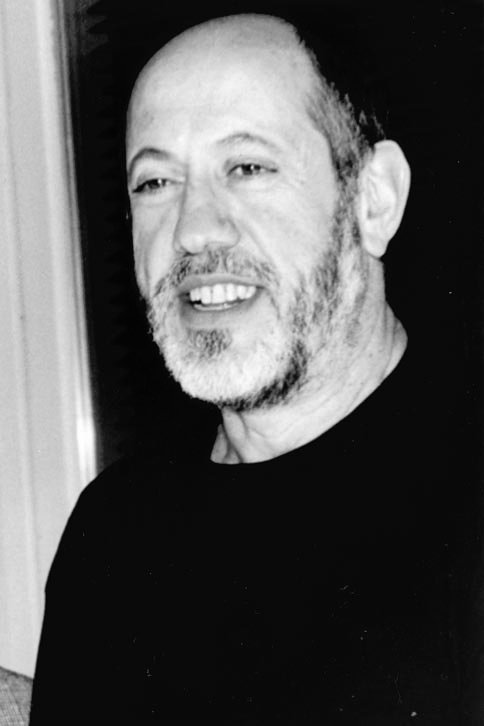
Michel Nedjar
Director · b. 1947 · Soisy-sous-Montmorency, Val d'Oise, France
Master of Art Brut, Michel Nedjar was born in 1947 in the Val d'Oise to a Jewish family marked by war and the holocaust. His father, born in Algiers, settled in Paris in 1921 as a tailor. At home, he tinkered on a sewing machine doll clothes for his sisters. During the Second World War, a large part of his family fell victim to Nazi oppression. In 1960, he became aware of the magnitude of the Holocaust. At the age of fourteen, he enrolled in a vocational school to become a tailor and sells jeans with his flea grandfather from Saint-Ouen and accompanies his grandmother to the scrap fair; she makes him share his love for Shmattès (the worn cloth) that she picks up and stacks. In the spring of 1967, he left for military service. With tuberculosis and declared disabled in 1968, he spent a few months in a school of fashion stylist. He is upset by the vision of 'Night and Fog' by Alain Resnais, echoing his own disappearances in his family. In the years 1970-1975, he left with Teo Hernandez. His travels take him to Morocco, Asia Minor, Europe and Mexico. He discovers cultures rich in symbolic expressions. He begins to take an interest in the funeral art and the dolls whose magic function fascinates him. Returning to Paris in 1976, he began making his first dolls called "Chairdâmes" with rags that he gleaned in the neighborhood of the Goutte d'Or, then made dolls dyed. In 1978, a period of depression transformed his style: his dolls look like gargoyles and terrifying totems, they are sometimes soiled with dirt and even blood. It was in 1980 that he began to draw with grease pencils on recovered flea media. He made his first films in 8 mm from 1964 during his holidays in Greece or the Balearic Islands. Like Lionel Soukaz, he is one of the first French experimental filmmakers to address the theme of homosexuality (Le gant de l'autre, 1977). His practice will evolve towards a more formal exploration of the characteristics of cinema: luminous calligraphies (Gestuel, 1978), grain of the film (Le grain de la peau, 1986); either to direct cinema (Monsieur Loulou, 1980). These research finds their paroxysm in Capitale-paysage (1982-83), mixing snatches of conversations, work of concrete sound and rhythm, and kaleidoscopic effects.
Movies14
 Movie4.9Documentary
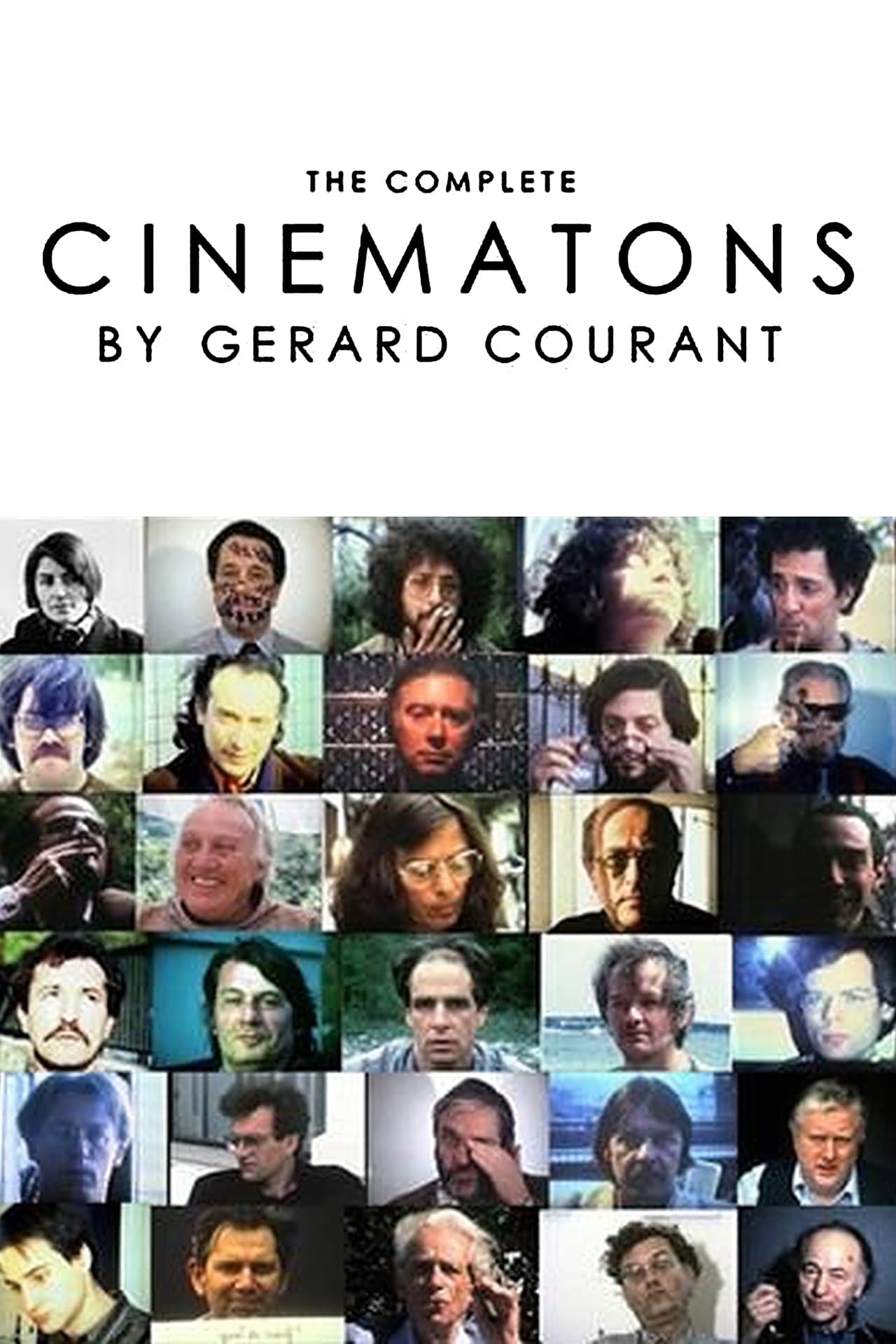
Cinématon is a 156-hour long experimental film by French director Gérard Courant. It was the longest film ever released until 2011. Composed over 36 years from 1978 until 2006, it consists of a series of over 2,821 silent vignettes (cinématons), each 3 minutes and 25 seconds long, of various celebrities, artists, journalists and friends of the director, each doing whatever they want for the allotted time. Subjects of the film include directors Barbet Schroeder, Nagisa Oshima, Volker Schlöndorff, Ken Loach, Benjamin Cuq, Youssef Chahine, Wim Wenders, Joseph Losey, Jean-Luc Godard, Samuel Fuller and Terry Gilliam, chess grandmaster Joël Lautier, and actors Roberto Benigni, Stéphane Audran, Julie Delpy and Lesley Chatterley. Gilliam is featured eating a 100-franc note, while Fuller smokes a cigar. Courant's favourite subject was a 7-month-old baby. The film was screened in its then-entirety in Avignon in November 2009 and was screened in Redondo Beach, CA on April 9, 2010.
Cinématon
1978 · 7 votes
 Movie4.2Drama
A personal interpretation of Oscar Wilde Salome from three basic elements: the light, the color, and the projection speed.
Salomé
1976 · 5 votes
 Movie5.0FantasyScience Fiction
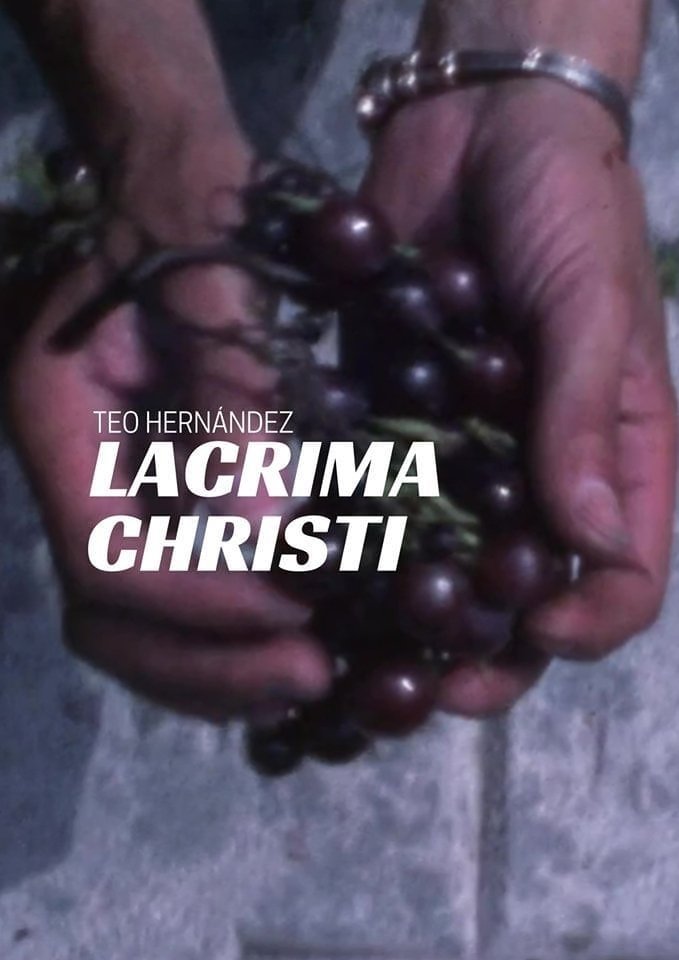
Lacrima Christi is the longest of the over 150 films made by the Mexican filmmaker resident in Paris, Teo Hernández. Part three of a tetralogy devoted to Christ’s Passion, Lacrima Christi is an exploration of the transfer between desire and myth that takes as its starting point a series of objects found in the flea market of Belleville.
Lacrima Christi
1980 · 2 votes
 Movie2.3
The film Graal goes (as well as all the films which precede it) toward an open and avowed paganism, in which pagan force and magic imbue all the subjects at all times. (...) This is not about "the" Holy Grail and its legend but about the concept of the Grail, taken in a larger sense as a universal archetype: abbreviation, metaphor of the cosmos. In fact, achievement. That is what the Grail is: the achievement's completion.
Graal
1980 · 3 votes
 Movie10.0Drama
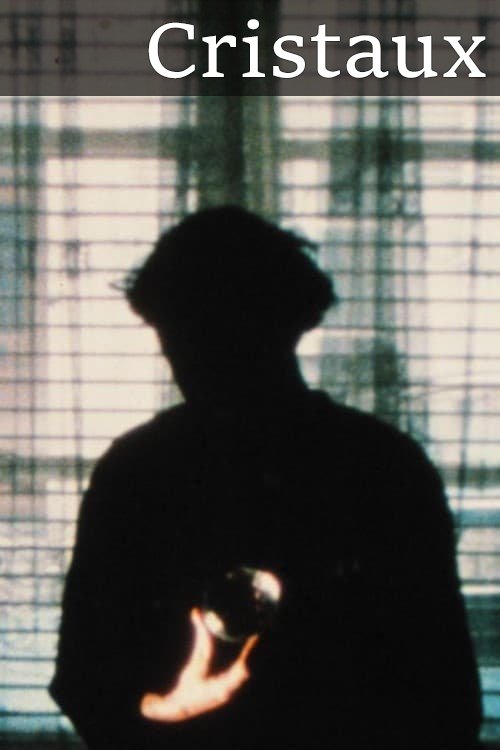
The tetralogy pieces are dominated by the concept and presence of death, foreclosure, fetal vertigo. As such, CRISTAUX is a real descent into an inner labyrinth, which we do not know if it is organic or cultural. At the same time, the film contains a dialectical break that initiates other semantic directions in Hernandez's work. Under the influence of Michel NEDJAR, the filmmaker abandons his traditional method of editing based on rushes. The operation is now completed inside the camera, filming. This more flexible way of proceeding ("the camera must become a second eye") is already reflected in the clear openings of Lacrima Christi: the Christian myth seems to be on the way to exorcising. The pantheistic intoxication - close to that evoked by Nietzsche - seizes places, objects and participants.
Cristaux
1978 · 1 votes
 MovieDocumentary
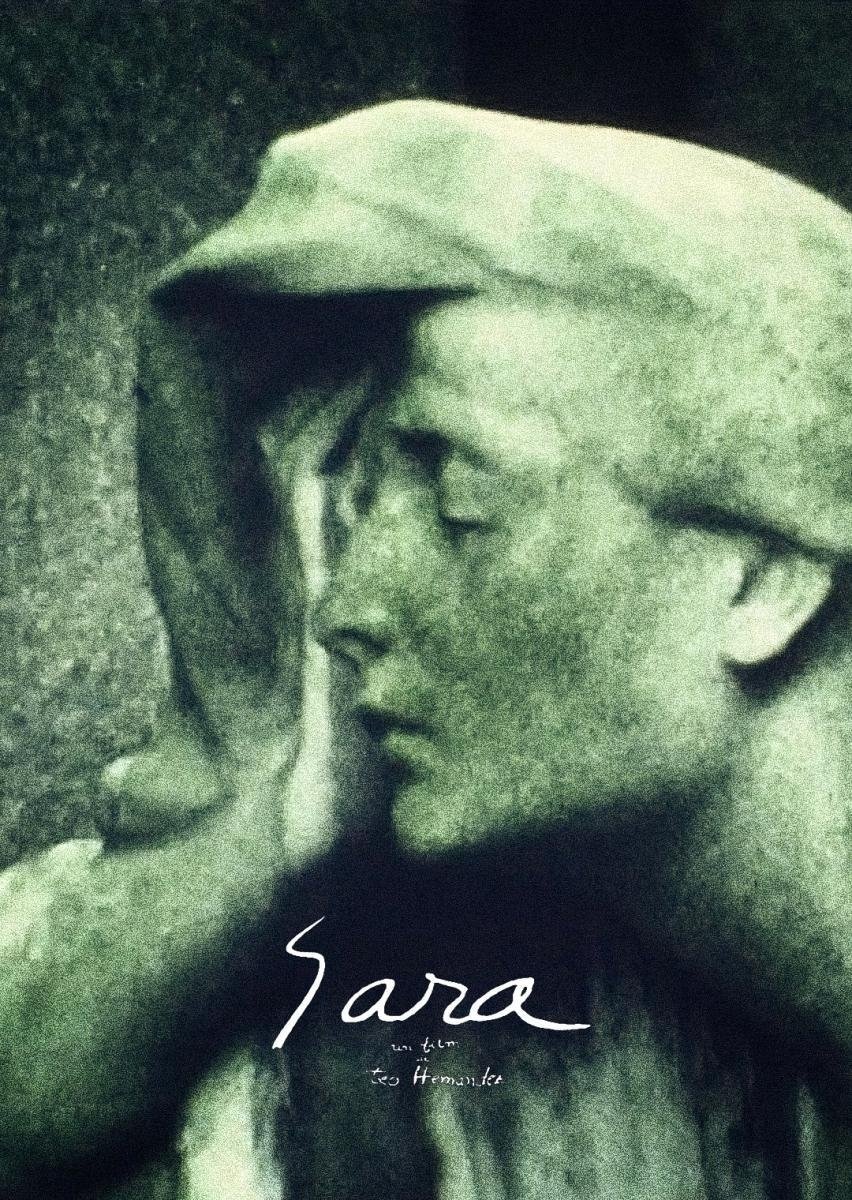
Portrait of the filmmaker's mother during her visit to Paris.
Sara
1981
 Movie6.0
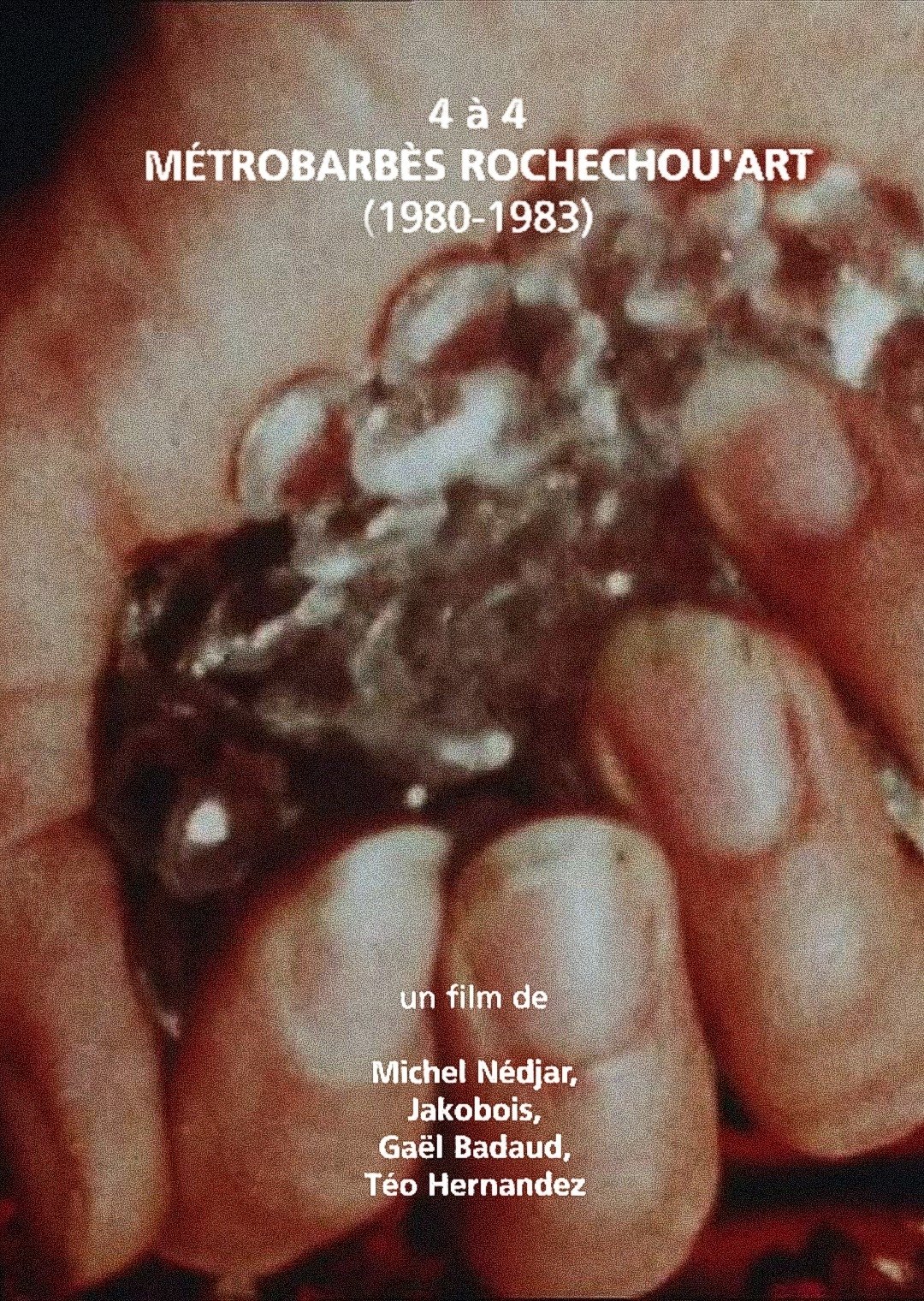
In the early '80s, this collective of artists invented a style of cinema made in 4 hands, where each of the protagonists is also a filmmaker.
4 à 4 Métro-Barbès-Rochechou-Art
1983 · 1 votes
 MovieDocumentary
Fugitive images of the northwestern city of France.
Souvenirs/Rouen
1983
 Movie
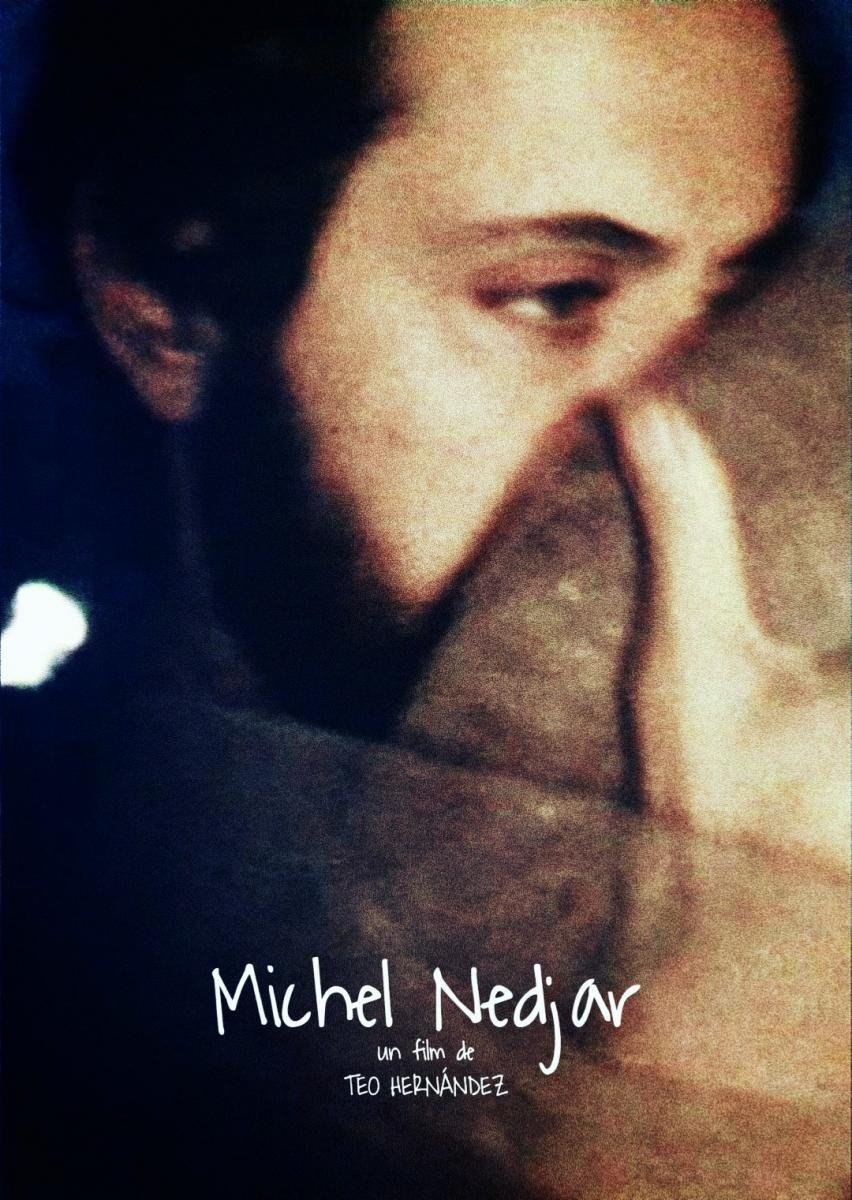
MovieSplendid portrait of the artist Michel Nedjar making one of his dolls, which allows to fully follow the entire genesis of the act of creation.
Michel Nedjar
1978
 MovieDocumentary
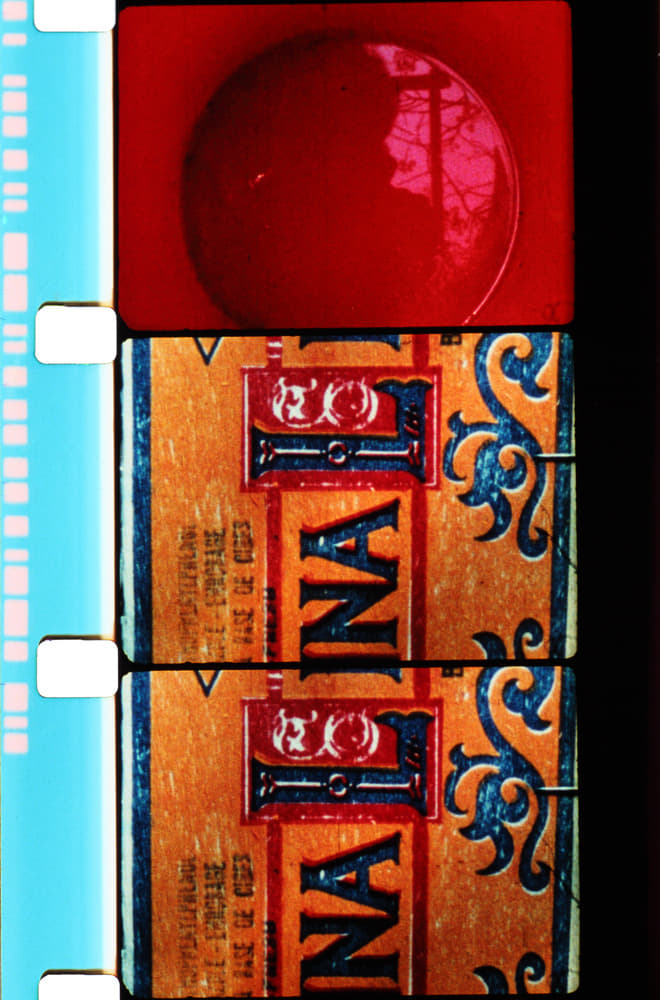
Teo Hernandez films waste and scrap found on the pavements of the streets of Paris. “Sidewalks are great subjects: garbage, objects and materials, stains, signs, are a movie subject.”
 Movie3.2Drama
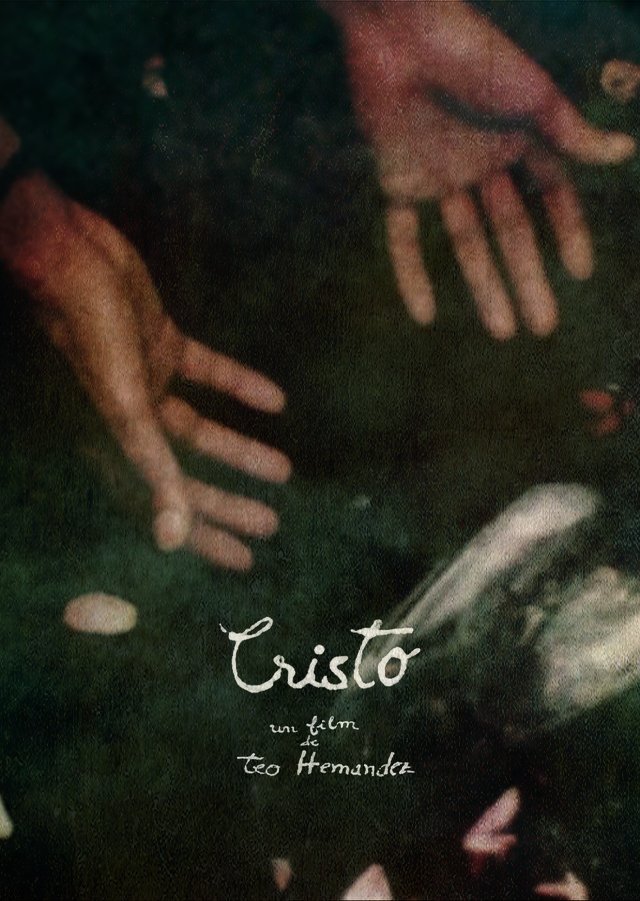
All of history, that of Christ or any other, permeates the world, leaves its mark, modifying and informing history, and all that the human reproduces and creates. The best way for historical interpretation or literary adaptation is to move as far as possible from literal interpretation. That is, it is a contemporary and personal interpretation. The story of Christ is an archetypal story. It has modified and informed a morality and a vision of the human being in the West, it must be taken for what it is and what it has become: matter.
Cristo
1977 · 4 votes
 Movie1.0
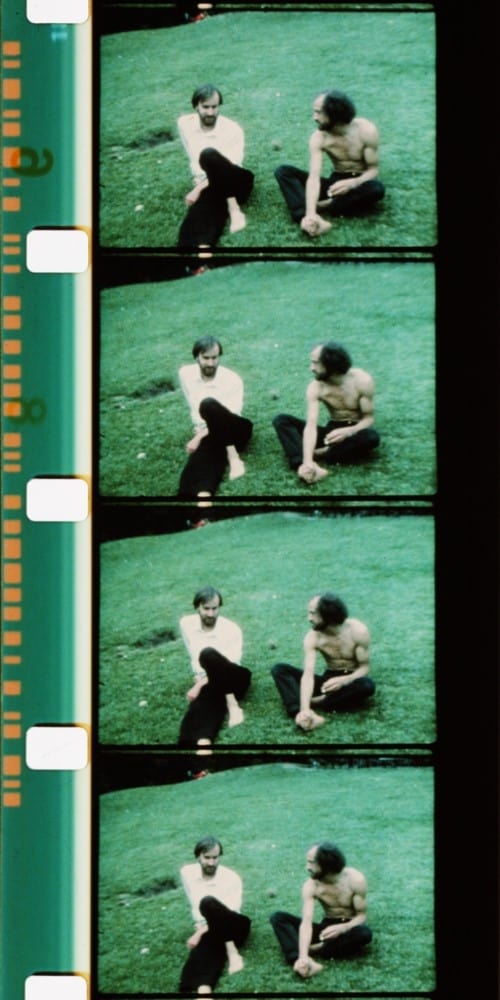
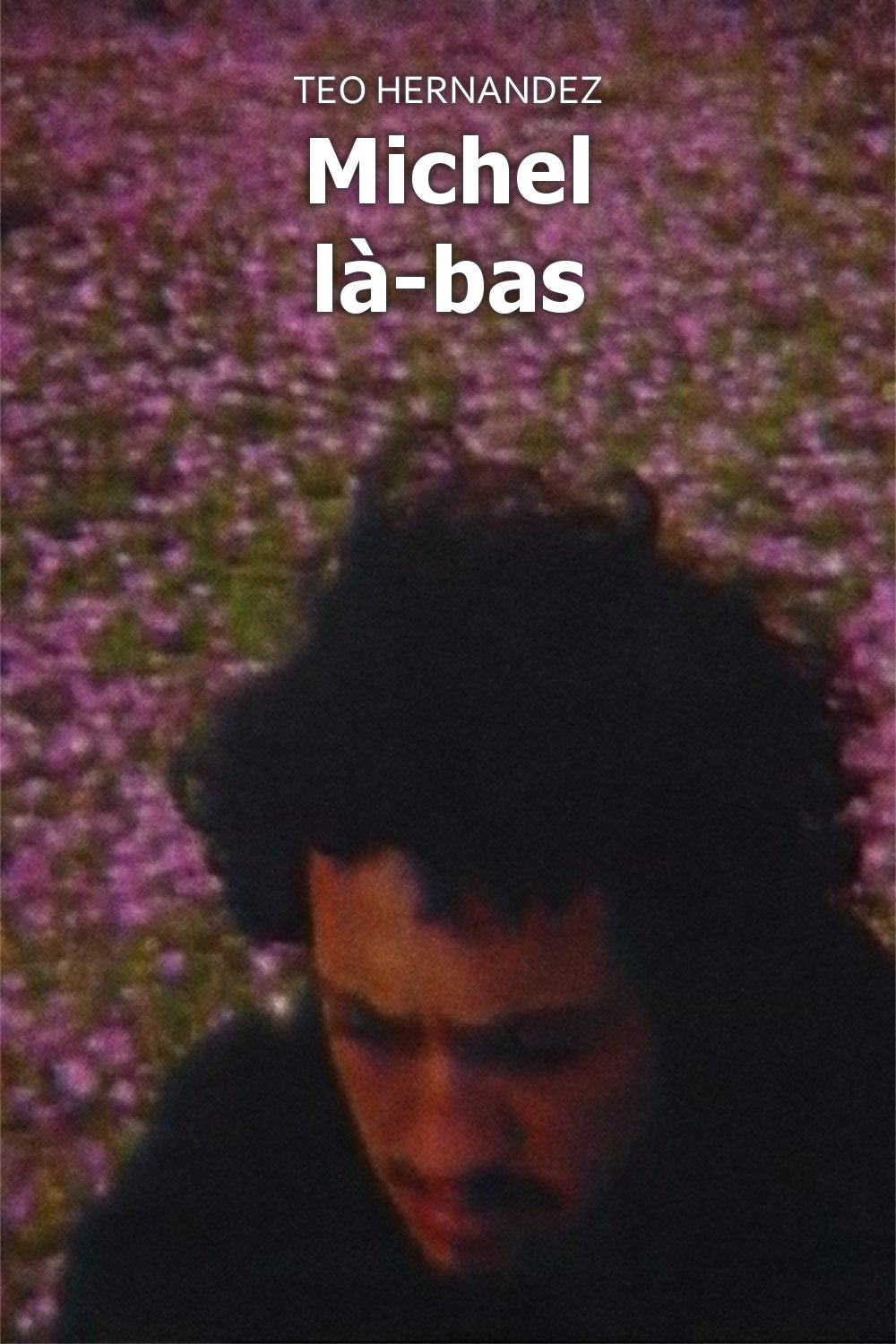
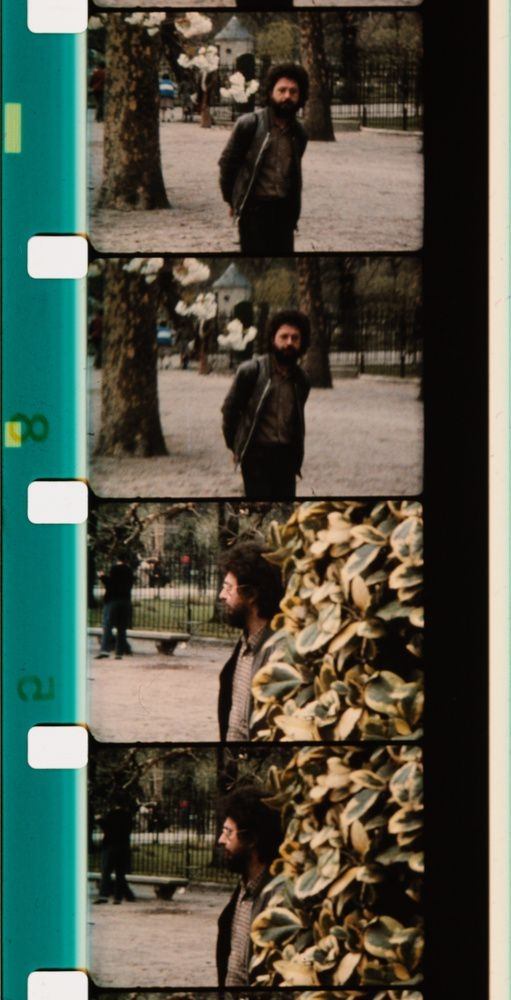
The desert, the sea, someone. I meet Michel Nedjar; together we went to the south of Morocco. There, a movie begins to take shape and develops as our journey continues. This is Michel là-bas.
 Movie4.2
Sur Graal de T.H.
1981 · 6 votes
 Movie
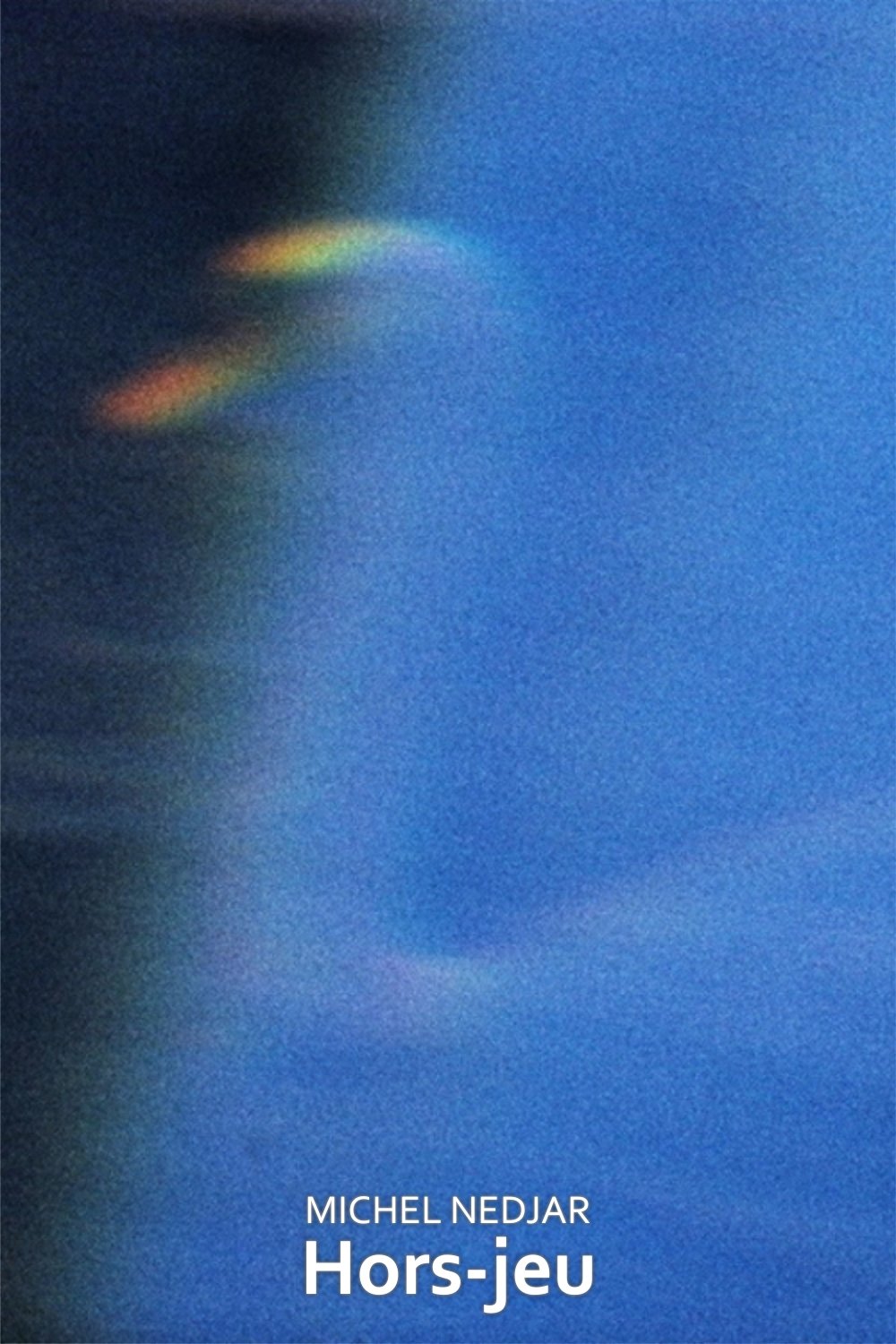
MovieAs this title indicates, the rule of the game is random. The protagonist invites us to play rhythmic palpitations of radio parasites and broken images.
Hors-jeu
1979 · 1 votes