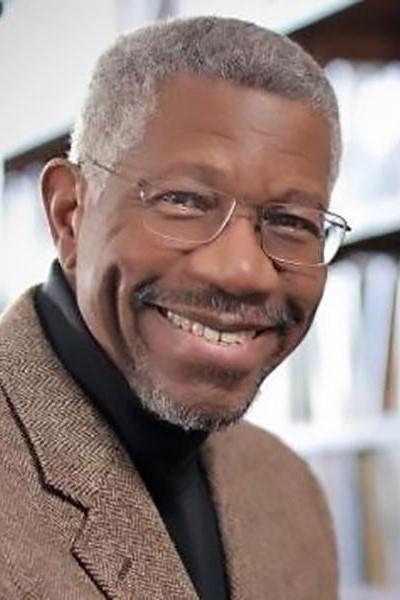
Gerald Early
Actor · b. 1952 · Philadelphia, Pennsylvania, U.S.
Gerald Lyn Early is an American essayist and American culture critic, appearing and serving as a consultant on Ken Burns' documentary films Baseball, Jazz, Unforgivable Blackness: The Rise and Fall of Jack Johnson, The War, and Muhammad Ali. Currently, Early is the Merle Kling Professor of Modern letters, of English, African studies, African-American studies, American culture studies, and Director, Center for Joint Projects in the Humanities and Social Sciences at Washington University in St. Louis, Missouri. He is a regular commentator on National Public Radio's Fresh Air, and his essays have appeared in numerous editions of Best American Essays series. He writes on topics as diverse as American literature, the Korean War, African-American culture, Afro-American autobiography, non-fiction prose, baseball, jazz, prizefighting, Motown, Miles Davis, Muhammad Ali and Sammy Davis Jr.
Movies5
 Movie7.1DocumentaryHistory
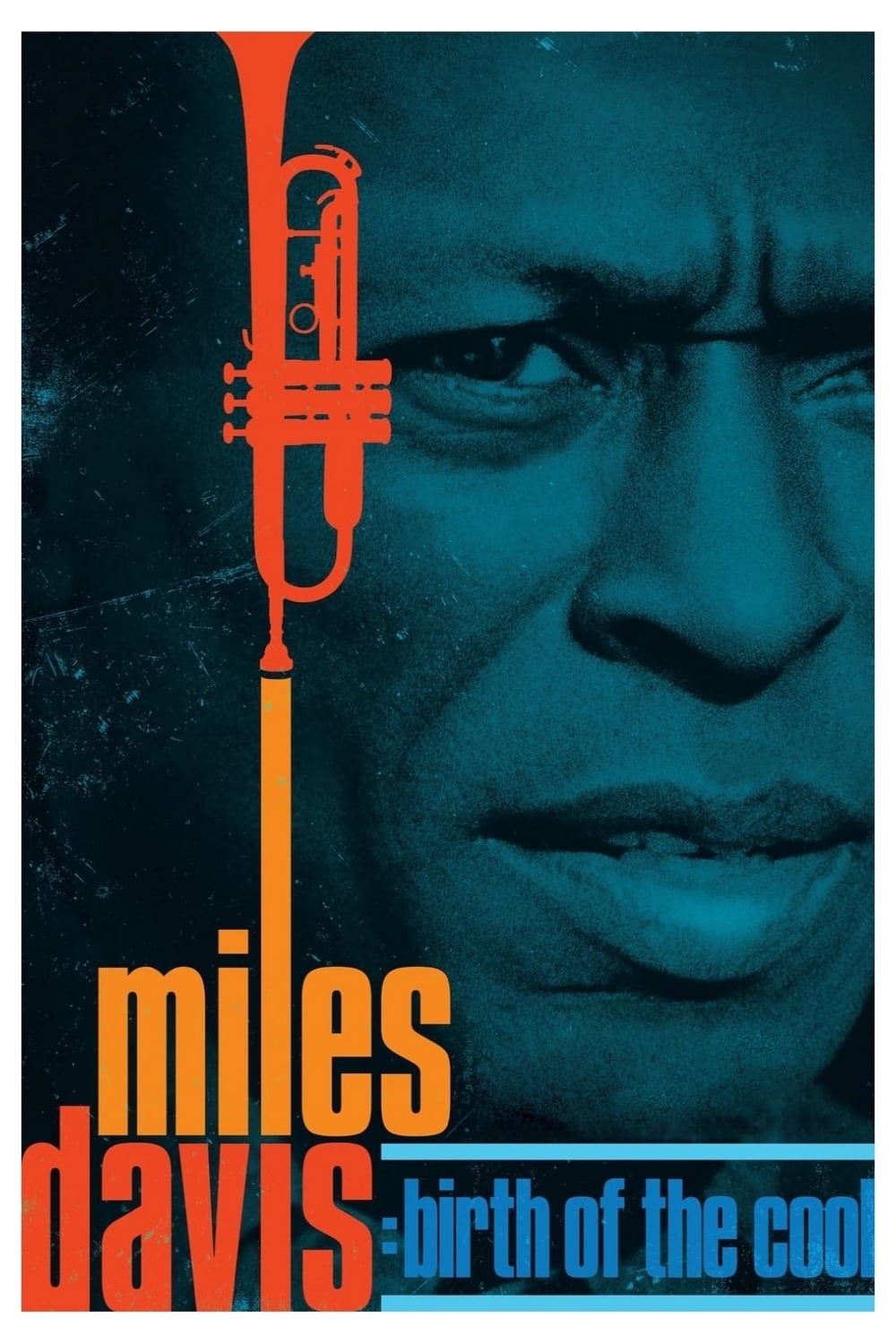
An immersive look at the eventful life and brilliant artistic career of visionary American jazz trumpeter Miles Davis (1926-1991).
Miles Davis: Birth of the Cool
2019 · 96 votes
 Movie7.4Documentary
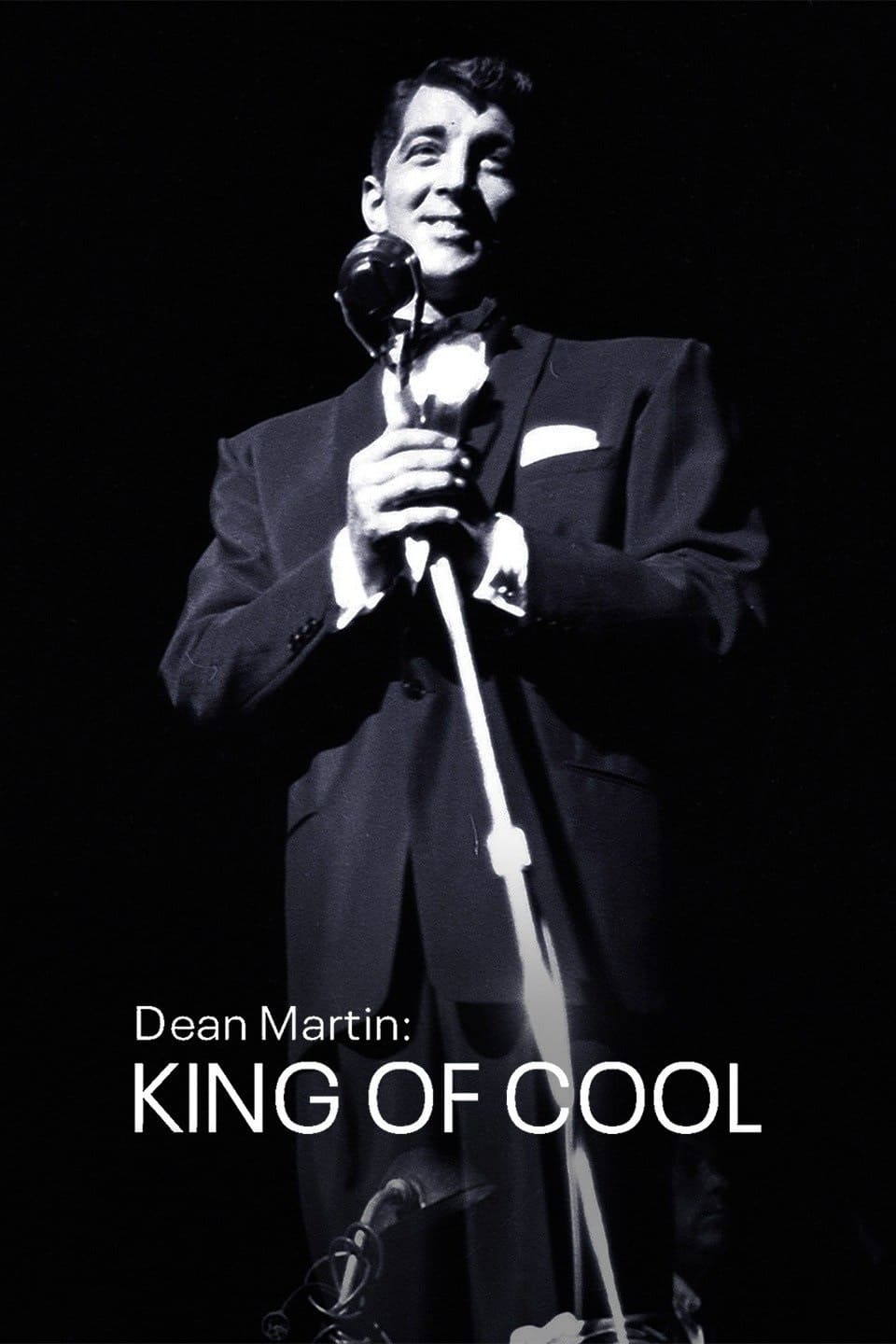
Dean Martin had a laid-back charm that made him successful in everything from big-screen comedies to television variety shows to live acts in Las Vegas. Filmmaker Tom Donahue explores Martin’s varied career, including his complicated relationships with Jerry Lewis, Frank Sinatra, Sammy Davis Jr, and others. We hear from admirers such as critic Gerald Early, actor Jon Hamm, and Hip-Hop artist RZA who testify to Martin’s enduring mystique.
Dean Martin: King of Cool
2021 · 16 votes
 Movie10.0DocumentaryHistory
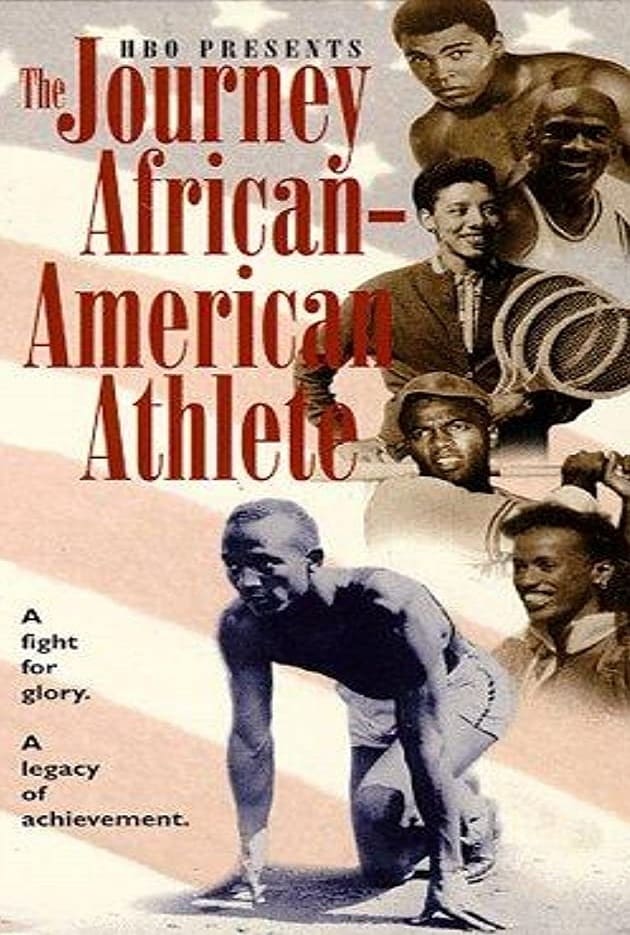
Documentary feature exploring the rise of African-Americans to positions of greatness in American sports. Stories are told of boxers, tennis players, runners, and basketball players, athletes who either suffered the indignities of racism, helped break down its walls, or enjoyed the opportunities afforded by past struggles.
The Journey of the African-American Athlete
1996 · 1 votes
 MovieDocumentary
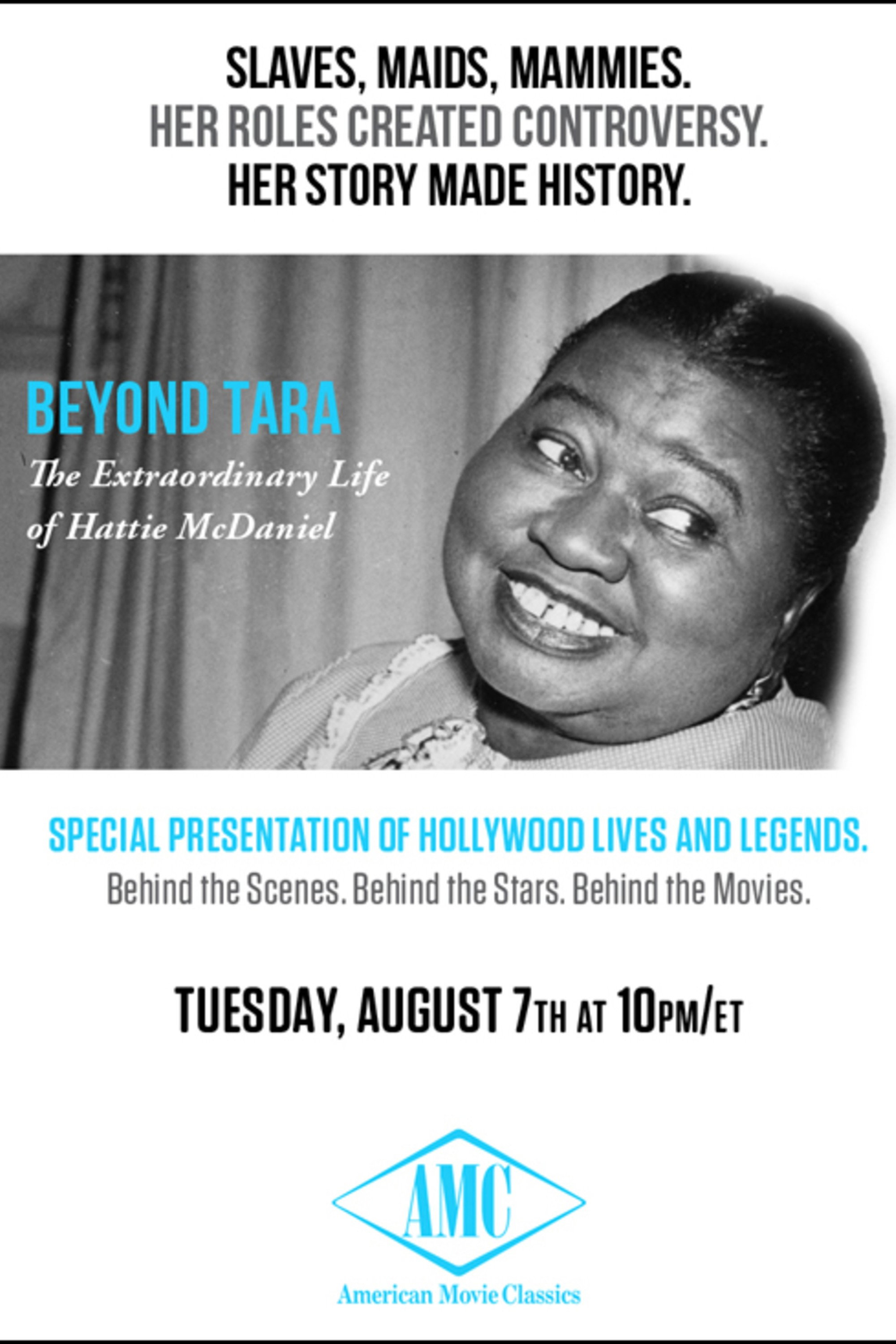
Profiles the life of performer Hattie McDaniel, the first Black American to win an Oscar, and her unapologetic resilience in the face of critics.
 Movie7.0Documentary
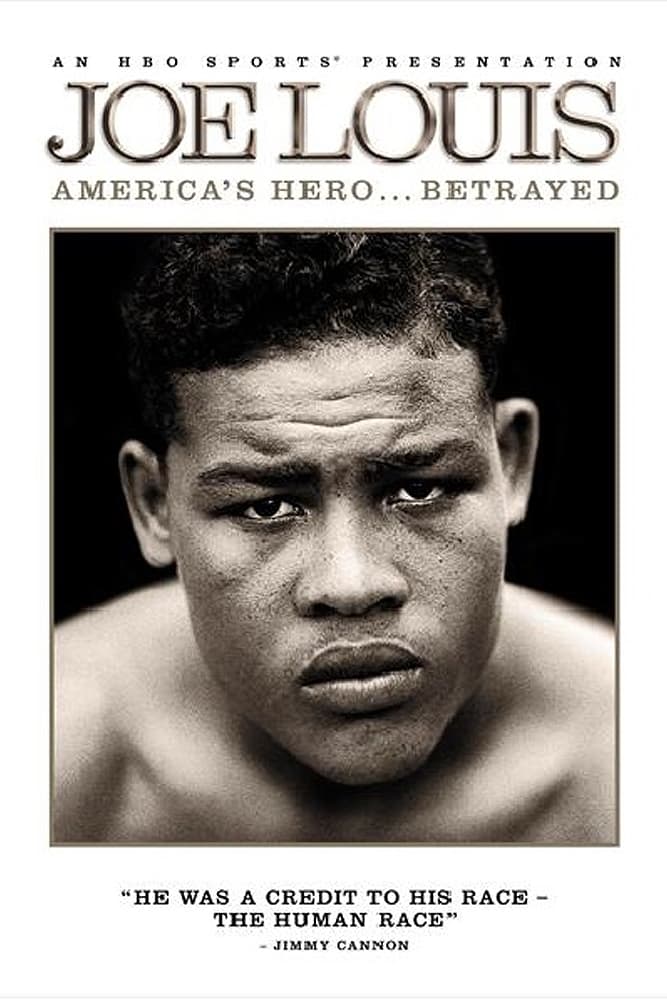
An American story. Traces the career of Joe Louis (1914-1981) within the context of American racial consciousness: his difficulty getting big fights early in his career, the pride of African-Americans in his prowess, the shift of White sentiment toward Louis as Hitler came to power, Louis's patriotism during World War II, and the hounding of Louis by the IRS for the following 15 years. In his last years, he's a casino greeter, a drug user, and the occasional object of scorn for young Turks like Muhammad Ali. Appreciative comment comes from boxing scholars, Louis's son Joe Jr., friends, and icons like Maya Angelou, Dick Gregory, and Bill Cosby.
Joe Louis: America's Hero Betrayed
2008 · 2 votes
Series4
 TV7.5Documentary
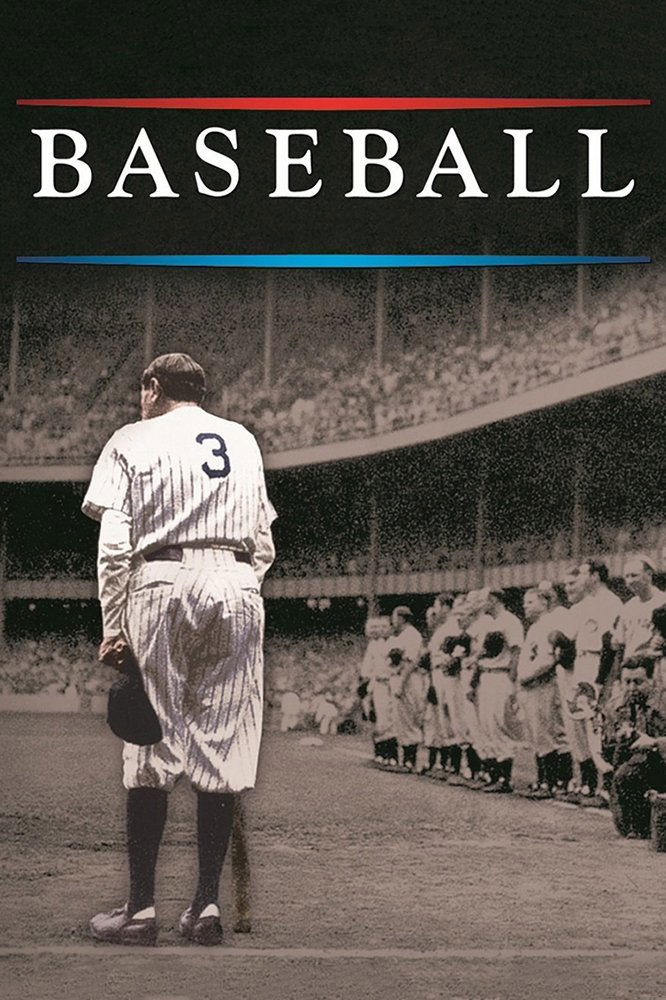
The history of the sport of baseball in America, told through archival photos, film footage, and the words of those who contributed to the game in each era. Writers, historians, players, baseball personnel, and fans review key events and the significance of the game in America's history.
Baseball
1994 · 46 votes
 TV10.0Documentary
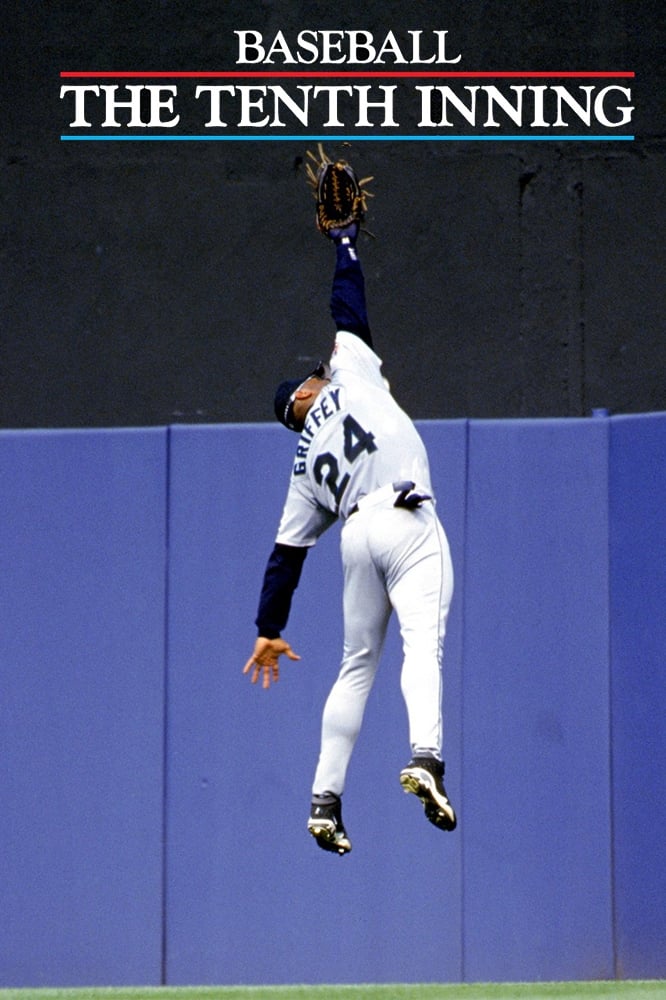
This two-part sequel to the 1994 series Baseball continues the story of America's national pastime from the early 1990s to 2010. This transformational period leads off with the 1994 players' strike. Other key developments and milestones include the increasing dominance of Latino and Asian players who truly turn the game international; skyrocketing profits; the Red Sox' historic World Series victory; the astonishing feats of Mark McGwire, Sammy Sosa, and Barry Bonds; and the revelations about performance-enhancing drugs that cast a shadow over many athletic accomplishments.
Baseball: The Tenth Inning
2010 · 2 votes
 TVDocumentary
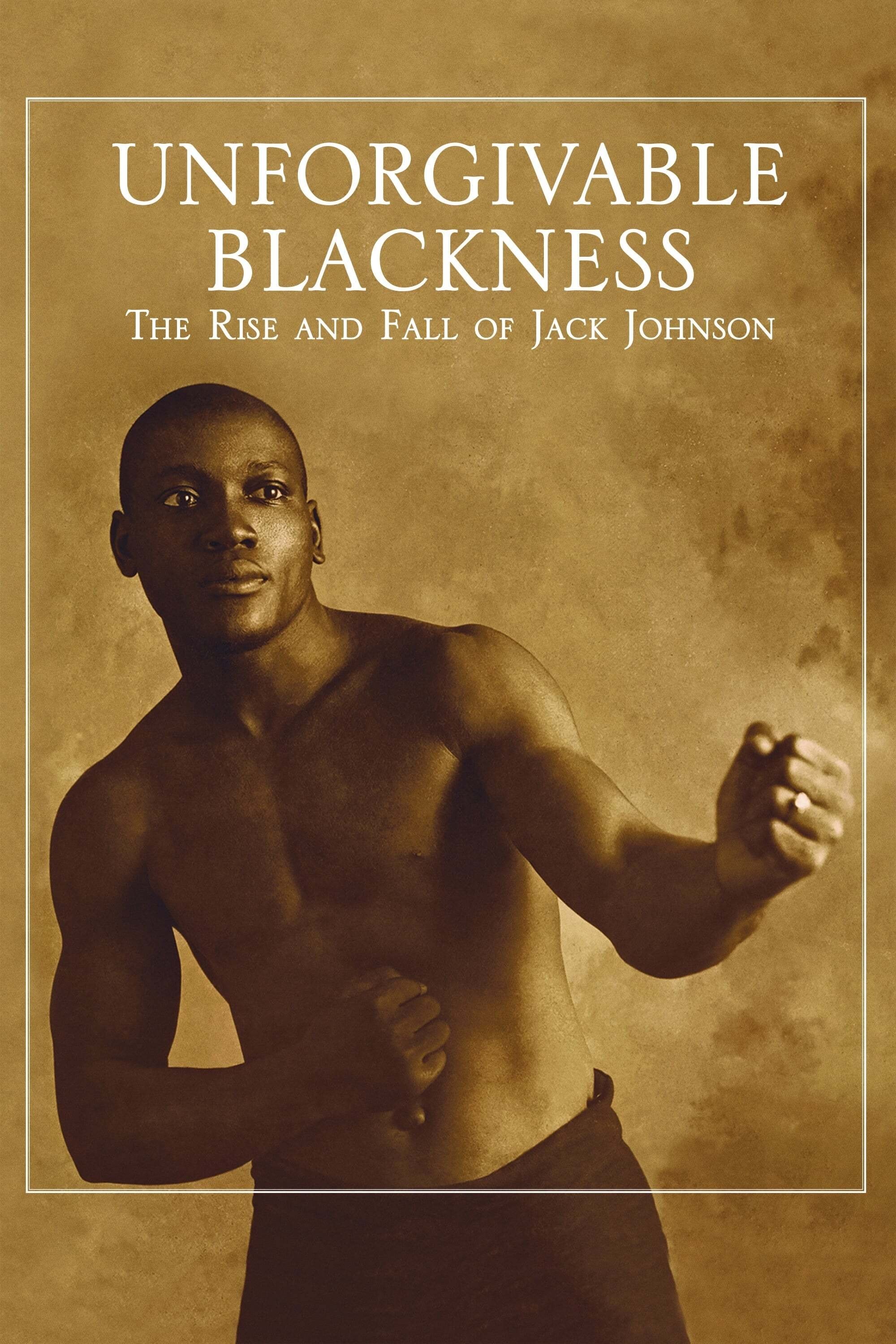
The story of Jack Johnson, the first African-American boxer to win a title and his struggle to live as a free man.
 TV7.0Documentary
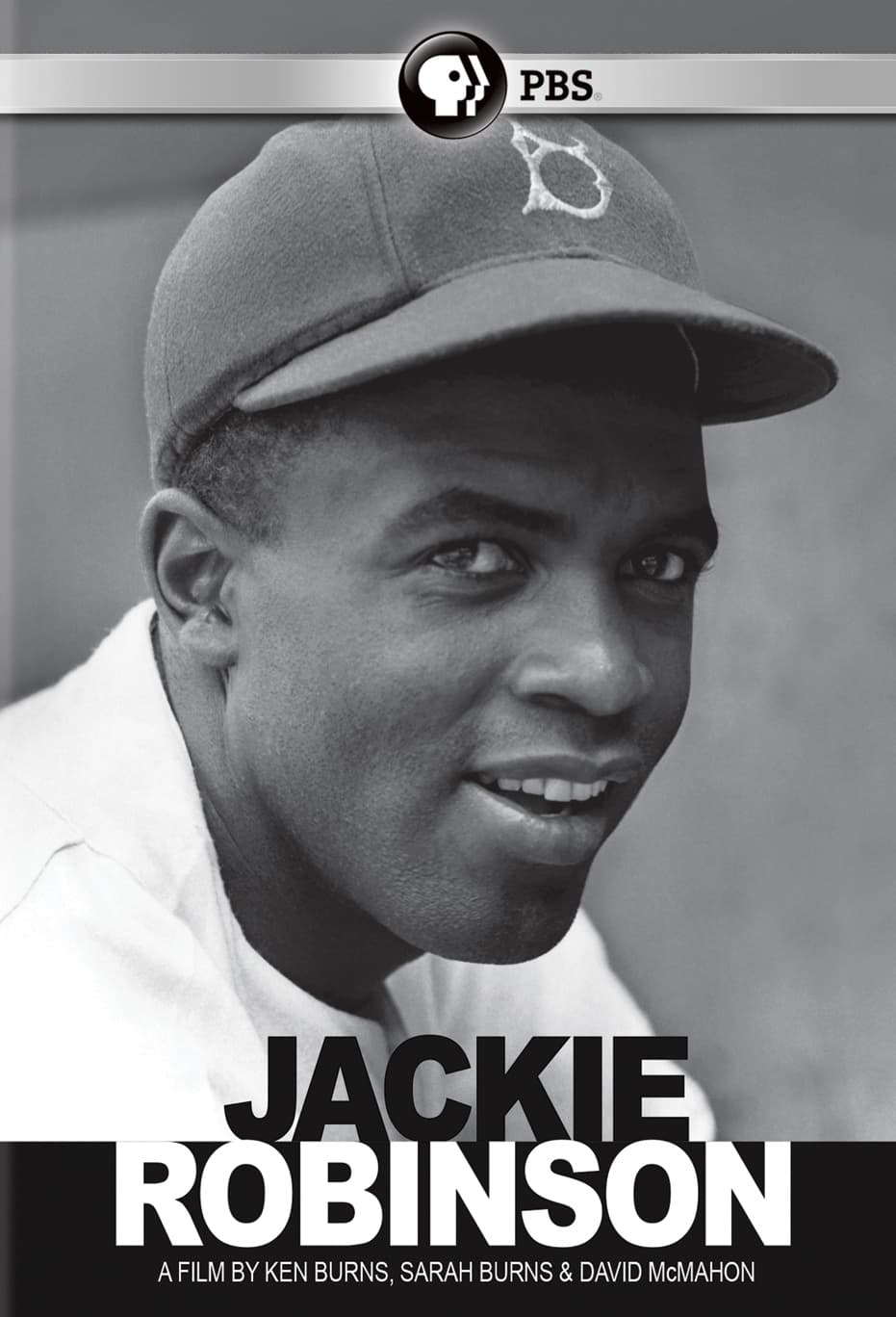
Jack Roosevelt Robinson rose from humble origins to cross baseball’s color line and become one of the most beloved men in America. A fierce integrationist, Robinson used his immense fame to speak out against the discrimination he saw on and off the field, angering fans, the press, and even teammates who had once celebrated him for “turning the other cheek.” After baseball, he was a widely-read newspaper columnist, divisive political activist and tireless advocate for civil rights, who later struggled to remain relevant as diabetes crippled his body and a new generation of leaders set a more militant course for the civil rights movement.
Jackie Robinson
2016 · 9 votes