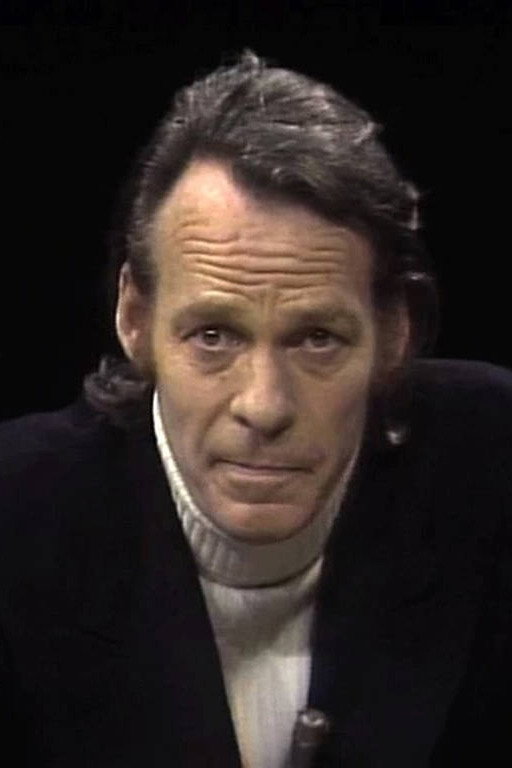
Robert Gardner
Director · 1925 – 2014 · Brookline, Massachusetts, USA
Robert Gardner was the Director of the Film Study Center at Harvard University from 1957 to 1997. He is known for his work in the field of non-fiction film. He is an internationally renowned filmmaker and author whose works have entered the permanent canon of non-fiction filmmaking. Some of his most prominent films include Dead Birds (1964), a lyric account of the Dugum Dani, a Stone Age society at one time living an isolated existence in the Highlands of the former Netherlands New Guinea (Gardner was the leader of the Peabody Museum-sponsored expedition to study the Dani in 1961-62); Rivers of Sand (1974), a social commentary on the Hamar people of southwestern Ethiopia; and Forest of Bliss (1985), a cinematic essay on the ancient city of Benares, India, which explores the ceremonies, rituals, and industries associated with death and regeneration. Gardner’s films have received numerous awards, including the Robert J. Flaherty Award for best nonfiction film (twice); the Golden Lion for Best Film at the Florence Film Festival (three times); and First Prizes at the Trento, USA Dallas, Melbourne, Nuoro, EarthWatch, Athens, and San Francisco film festivals. His films have been invited to Festivals throughout the world including Jerusalem, Bergen, London, Munich, Toronto, Montreal, Margaret Mead, Marseilles, Locarno, Chicago and Cinema du Réel.
Movies4
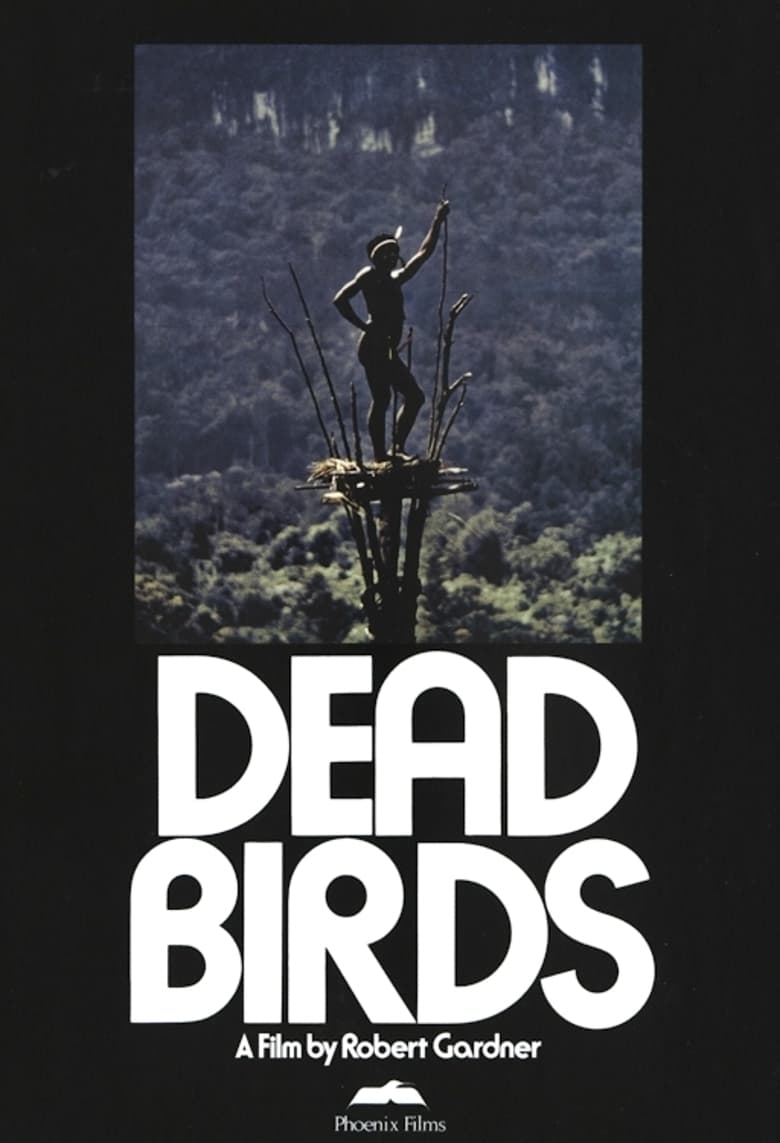 Movie6.0Documentary
An ethnographic documentary documenting the ritual warfare cycle, social life, and belief systems of the Dani people of the Baliem Valley in western New Guinea.
Dead Birds
1963 · 10 votes
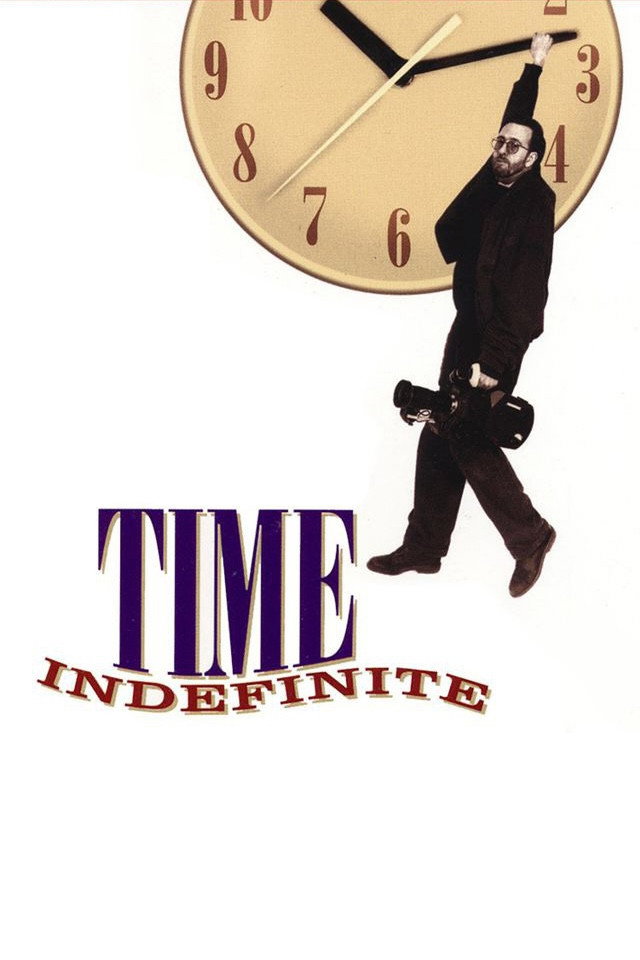 Movie7.0Documentary
After documentarian Ross McElwee gets married, a series of misfortunes follow: his grandmother dies, his wife miscarries, and then his father dies less than a week later. Shaken by the sudden string of deaths, McElwee becomes depressed. After spending time with his friend and former high school poetry teacher, Charlene, he goes to meet his brother, a doctor. In a series of interviews, McElwee contemplates his morbid preoccupation with death and tries to figure out how to shake it off.
Time Indefinite
1993 · 10 votes
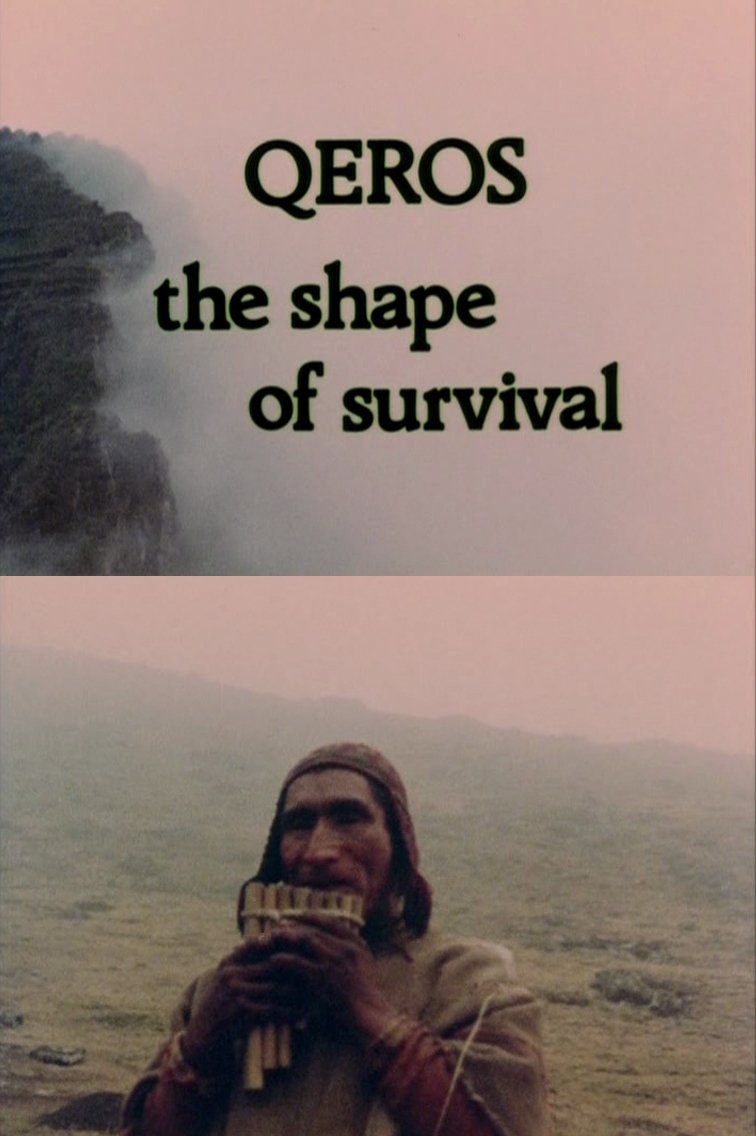 Movie2.0Documentary
Exploration of the way of life of the Q’eros Indians of Peru, who have lived in the Andes for more than 3,000 years.
Q'eros: The Shape of Survival
1979 · 1 votes
 Movie5.9Documentary
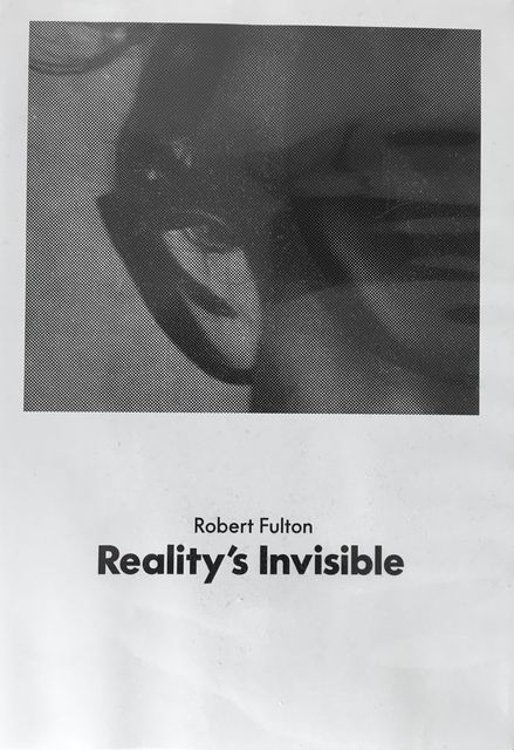
Fulton made the film during his brief time at Harvard, where he had been invited to teach by Robert Gardner, his friend and collaborator (Fulton would later serve as a cinematographer on Gardner’s 1981 documentary Deep Hearts, among others). Reality’s Invisible could be described as a portrait of the Carpenter Center, yet it is a portrait of an extremely idiosyncratic and distinctive sort. Fulton moves us through the concrete space of the Center’s Le Corbusier-designed building—the only structure by the architect in North America—but, more centrally, presents us footage of students making and discussing their work alongside figures like Gardner, theorist Rudolf Arnheim, artist Stan Vanderbeek, filmmaker Stan Brakhage, and graphic designer Toshi Katayama.
Reality's Invisible
1972 · 8 votes
Series1
 TV
TVIndependent filmmakers are given a chance to show and discuss their work on a commercial (ABC-TV) affiliate station.
Screening Room
1972