
Shelly Manne
Actor · 1920 – 1984 · New York City, New York, USA
Sheldon "Shelly" Manne (June 11, 1920 – September 26, 1984) was an American jazz drummer. Most frequently associated with West Coast jazz, he was known for his versatility and also played in a number of other styles, including Dixieland, swing, bebop, avant-garde jazz, and later fusion. He also contributed to the musical background of hundreds of Hollywood films and television programs. Manne's father Max Manne and uncles were drummers. In his youth he admired many of the leading swing drummers of the day, especially Jo Jones and Dave Tough. Billy Gladstone, a colleague of Manne's father and the most admired percussionist on the New York theatrical scene, offered the teenaged Shelly tips and encouragement. From that time, Manne rapidly developed his style in the clubs of 52nd Street in New York in the late 1930s and 1940s. His first professional job with a known big band was with the Bobby Byrne Orchestra in 1940. In those years, as he became known, he recorded with jazz stars like Coleman Hawkins, Charlie Shavers, and Don Byas. He also worked with a number of musicians mainly associated with Duke Ellington, like Johnny Hodges, Harry Carney, Lawrence Brown, and Rex Stewart. In 1942, during World War II, Manne joined the Coast Guard and served until 1945. In 1943, Manne married a Rockette named Florence Butterfield (known affectionately to family and friends as "Flip"). The marriage would last 41 years, until Shelly Manne's death. When the bebop movement began to change jazz in the 1940s, Manne loved it and adapted to the style rapidly, performing with Dizzy Gillespie and Charlie Parker. Around this time he also worked with rising stars like Flip Phillips, Charlie Ventura, Lennie Tristano, and Lee Konitz. Manne rose to stardom when he became part of the working bands of Woody Herman and, especially, Stan Kenton in the late 1940s and early 1950s, winning awards and developing a following at a time when jazz was the most popular music in the United States. Joining the hard-swinging Herman outfit allowed Manne to play the bebop he loved. The controversial Kenton band, on the other hand, with its "progressive jazz", presented obstacles, and many of the complex, overwrought arrangements made it harder to swing. But Manne appreciated the musical freedom that Kenton gave him and saw it as an opportunity to experiment along with what was still a highly innovative band. He rose to the challenge, finding new colors and rhythms, and developing his ability to provide support in a variety of musical situations. In the early 1950s, Manne left New York and settled permanently on a ranch in an outlying part of Los Angeles, where he and his wife raised horses. From this point on, he played an important role in the West Coast school of jazz, performing on the Los Angeles jazz scene with Shorty Rogers, Hampton Hawes, Red Mitchell, Art Pepper, Russ Freeman, Frank Rosolino, Chet Baker, Leroy Vinnegar, Pete Jolly, Howard McGhee, Bob Gordon, Conte Candoli, Sonny Criss, and numerous others. Many of his recordings around this time were for Lester Koenig's Contemporary Records, where for a period Manne had a contract as an "exclusive" artist (that is, he needed permission to record for other labels). ... Source: Article "Shelly Manne" from Wikipedia in English, licensed under CC-BY-SA 3.0.
Movies8
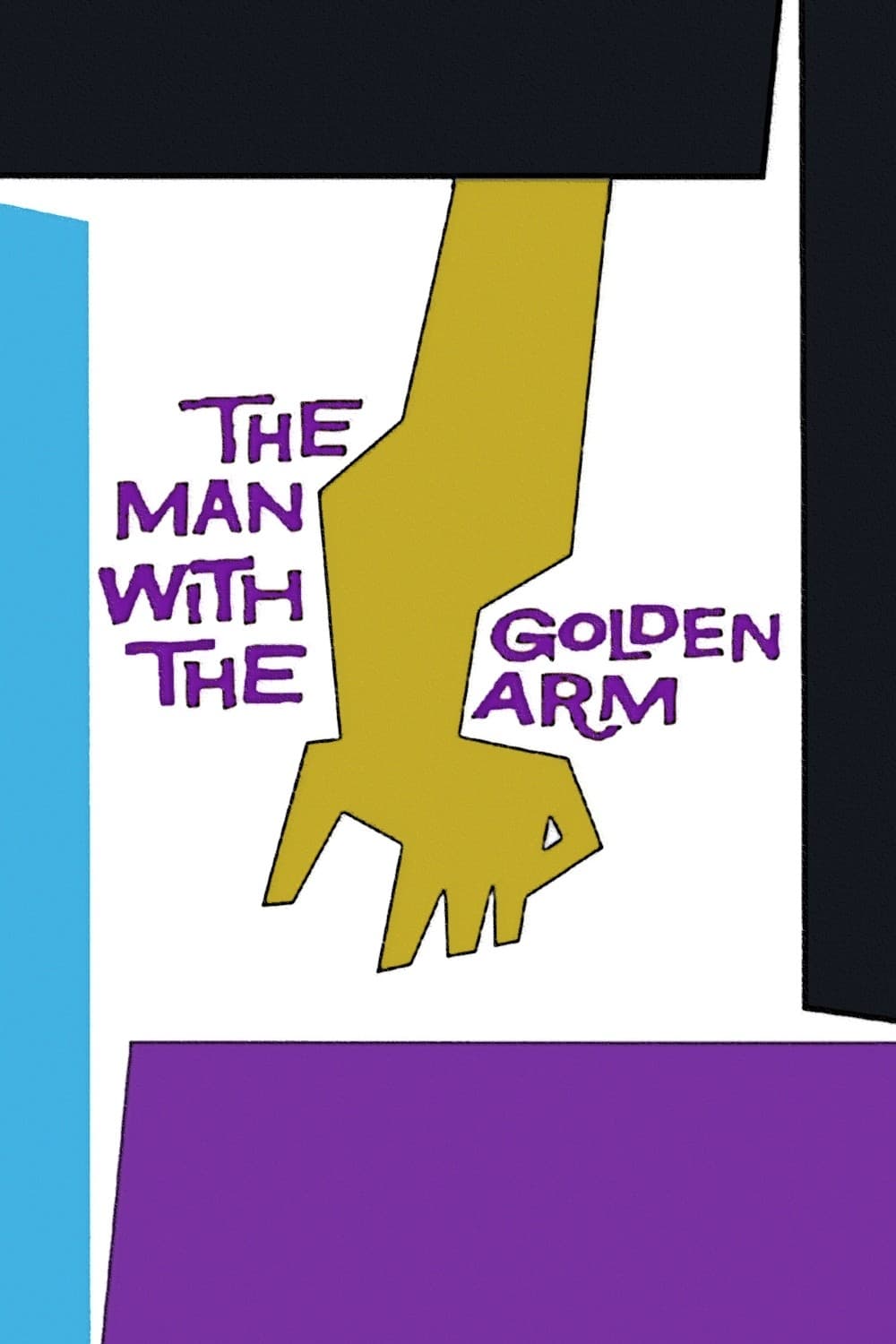 Movie7.1DramaCrime
When illegal card dealer and recovering heroin addict Frankie Machine gets out of prison, he decides to straighten up. Armed with nothing but an old drum set, Frankie tries to get honest work as a drummer. But when his former employer and his old drug dealer re-enter his life, Frankie finds it hard to stay clean and eventually finds himself succumbing to his old habits.
The Man with the Golden Arm
1955 · 264 votes
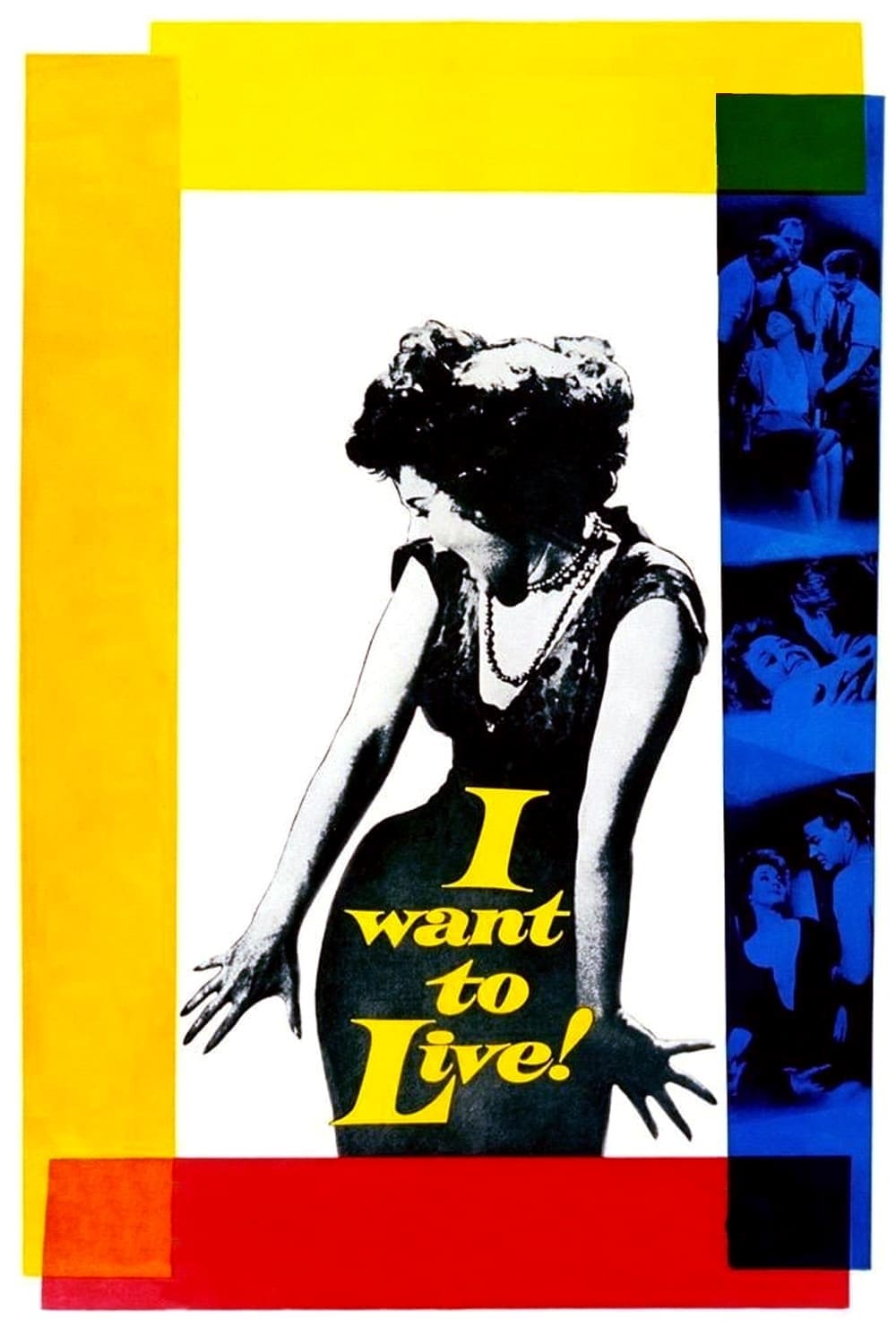 Movie7.0DramaCrime
Brazen perpetual offender Barbara Graham tries to go straight but she finds herself implicated in a murder and sent to death row.
I Want to Live!
1958 · 123 votes
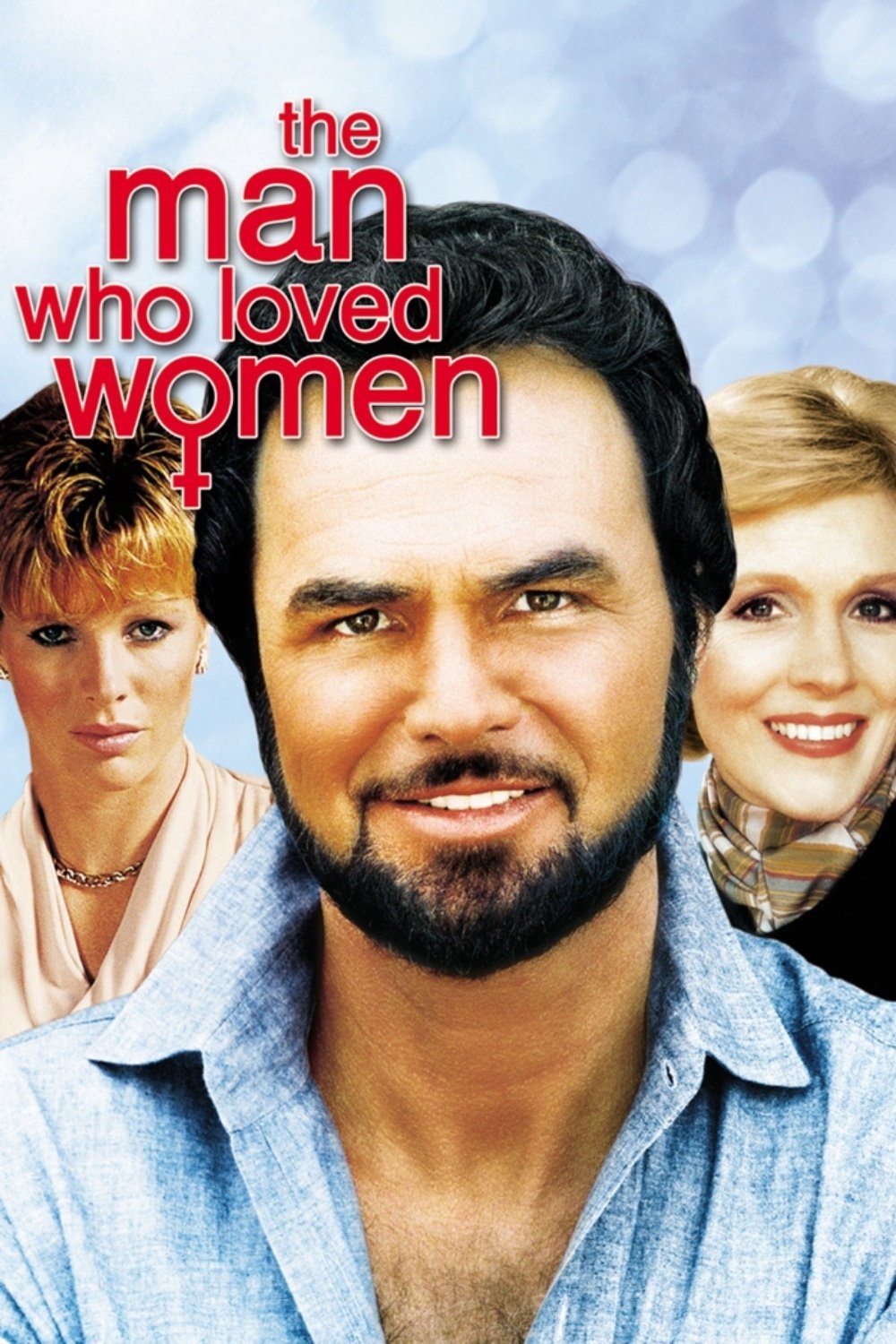 Movie4.9ComedyDrama
A womanizing sculptor seeks help from a psychiatrist to cure him of his obsession with women.
The Man Who Loved Women
1983 · 51 votes
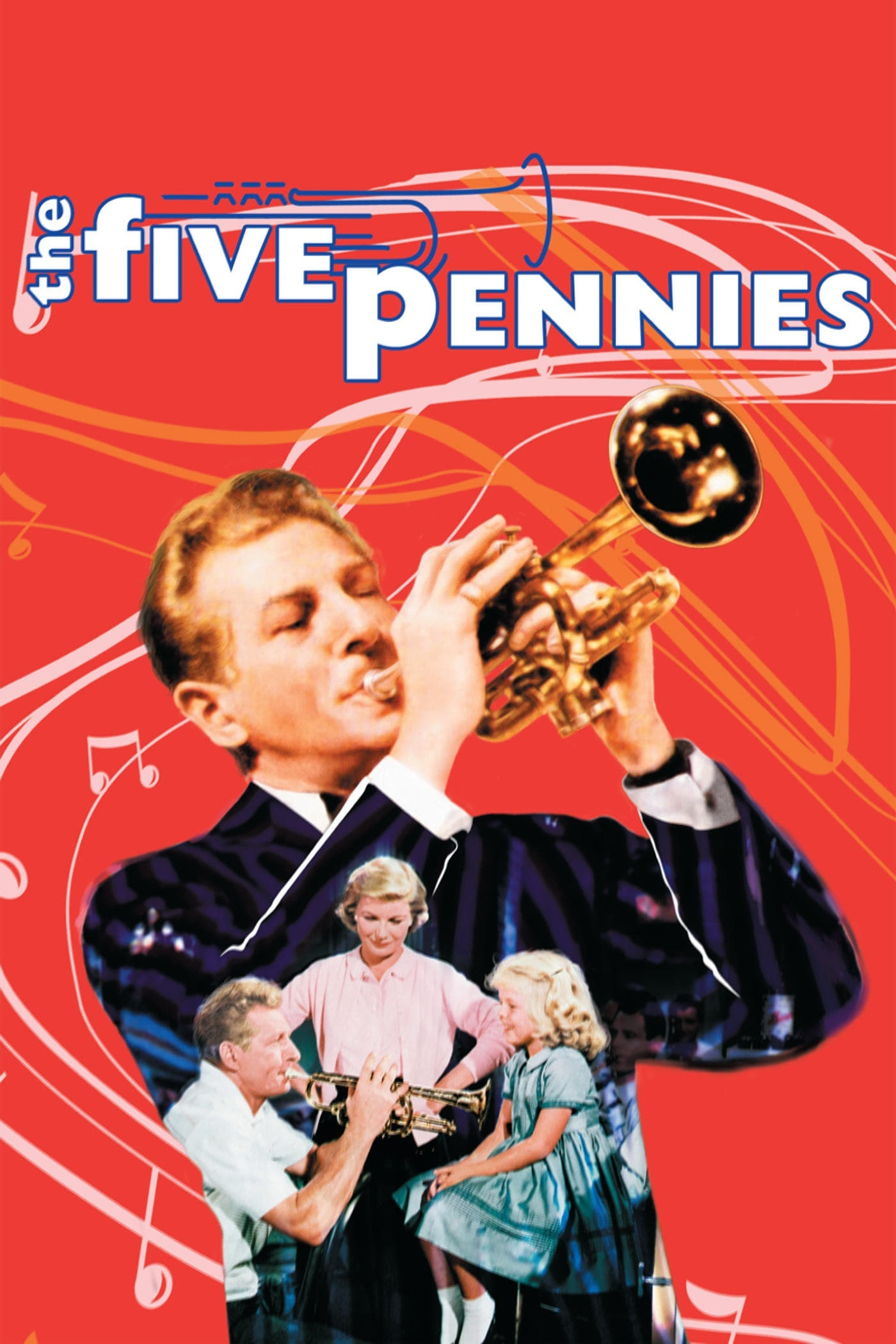 Movie6.8DramaMusic
Dixieland cornetist Red Nichols runs into opposition to his sound, but breaks through to success. He marries a warm, patient woman and even finds time to raise a family. Then tragedy strikes when their daughter contracts polio.
The Five Pennies
1959 · 30 votes
 Movie7.1DramaMusic
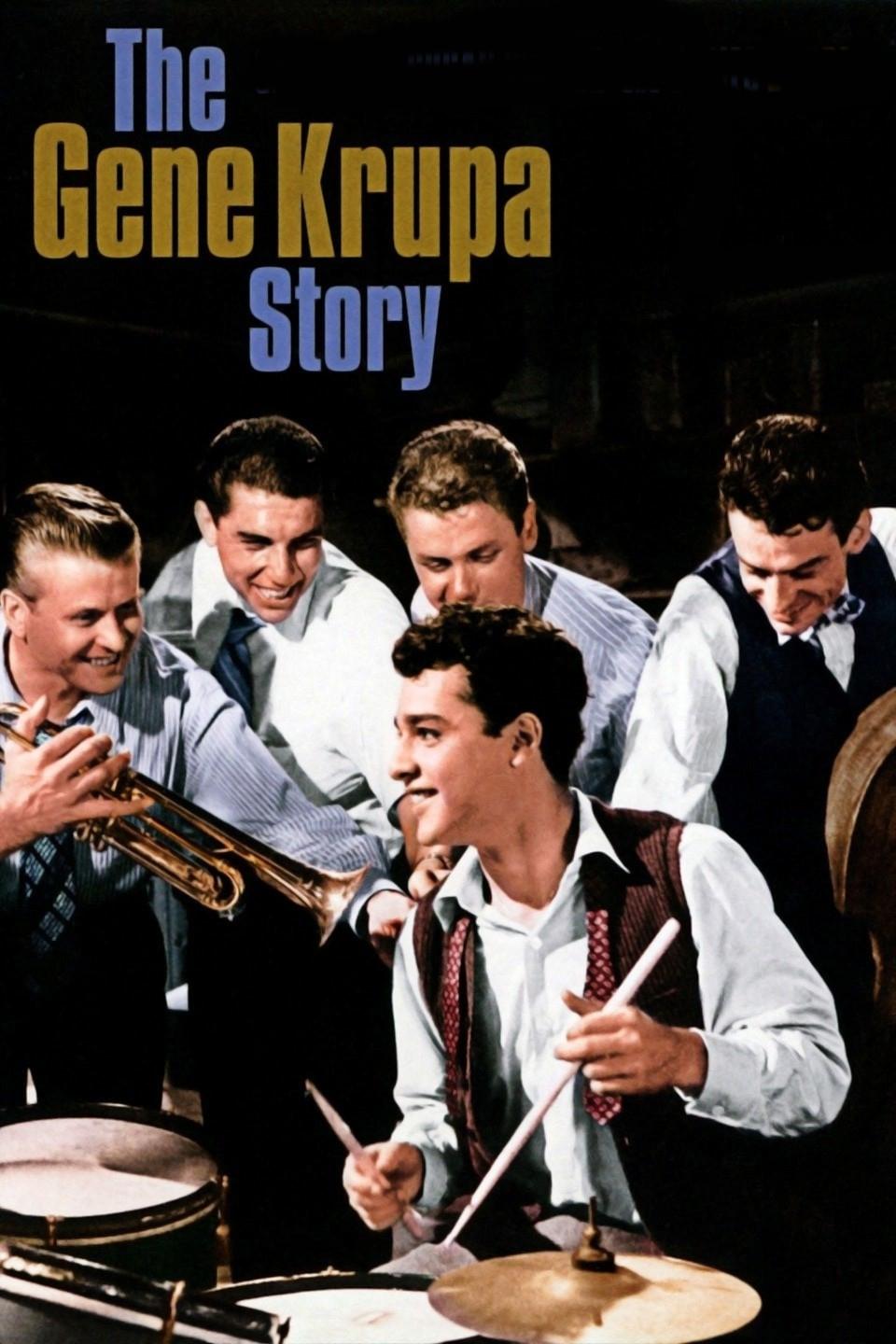
The story of legendary jazz drummer, Gene Krupa. Since his youth, all Gene ever wanted to do is play the drums and make music. This is something his parents would not approve of- they want him to be a priest. When Gene's father dies he promises to enter the priesthood. He soon realizes that he doesn't belong there and leaves to join his friend, Eddie's band. Ethel, Eddie's girlfriend, convinces Gene to go to New York and make it big. The 3 of them head to New York. Here Ethel and Gene soon fall in love and Gene makes a name for himself. Gene starts to live in the fast lane, with drugs, alcohol, women and parties. Ethel, unhappy with Gene's lifestyle, leaves him. Gene soon "hits rock bottom" where he has to face reality and choose where to take his life.
The Gene Krupa Story
1959 · 8 votes
 Movie7.0Music
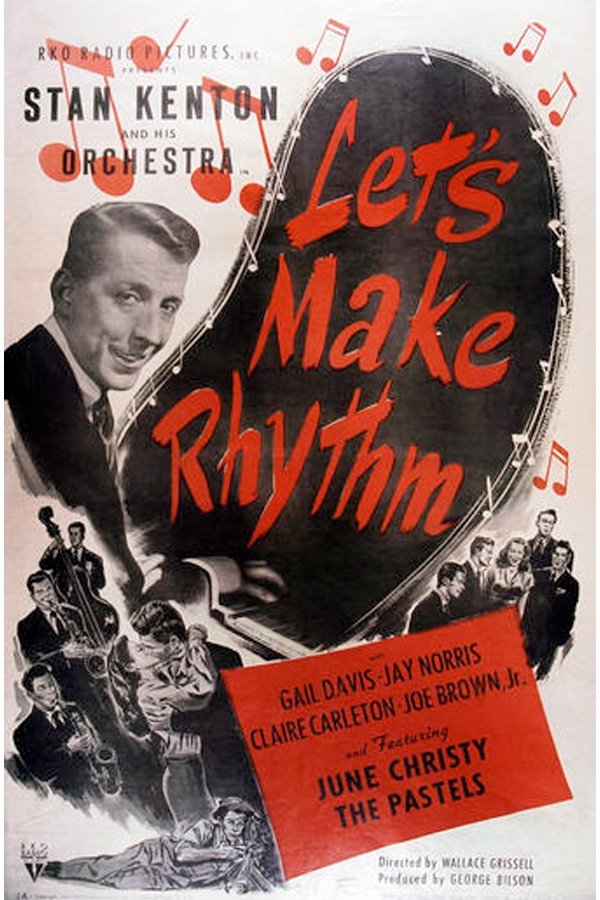
The musical short features a romantic story that ties in with the music of Stan Kenton and his Orchestra with June Christy and the Pastels.
Let's Make Rhythm
1947 · 2 votes
 Movie5.1Drama
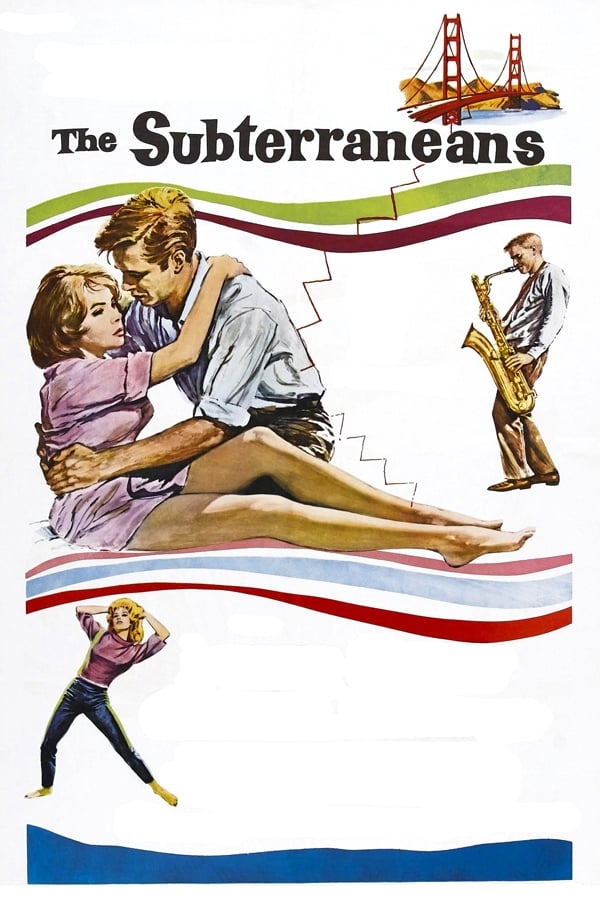
A disillusioned writer explores the subterranean depths of San Francisco's North Beach district.
The Subterraneans
1960 · 9 votes
 Movie7.0ComedyRomance
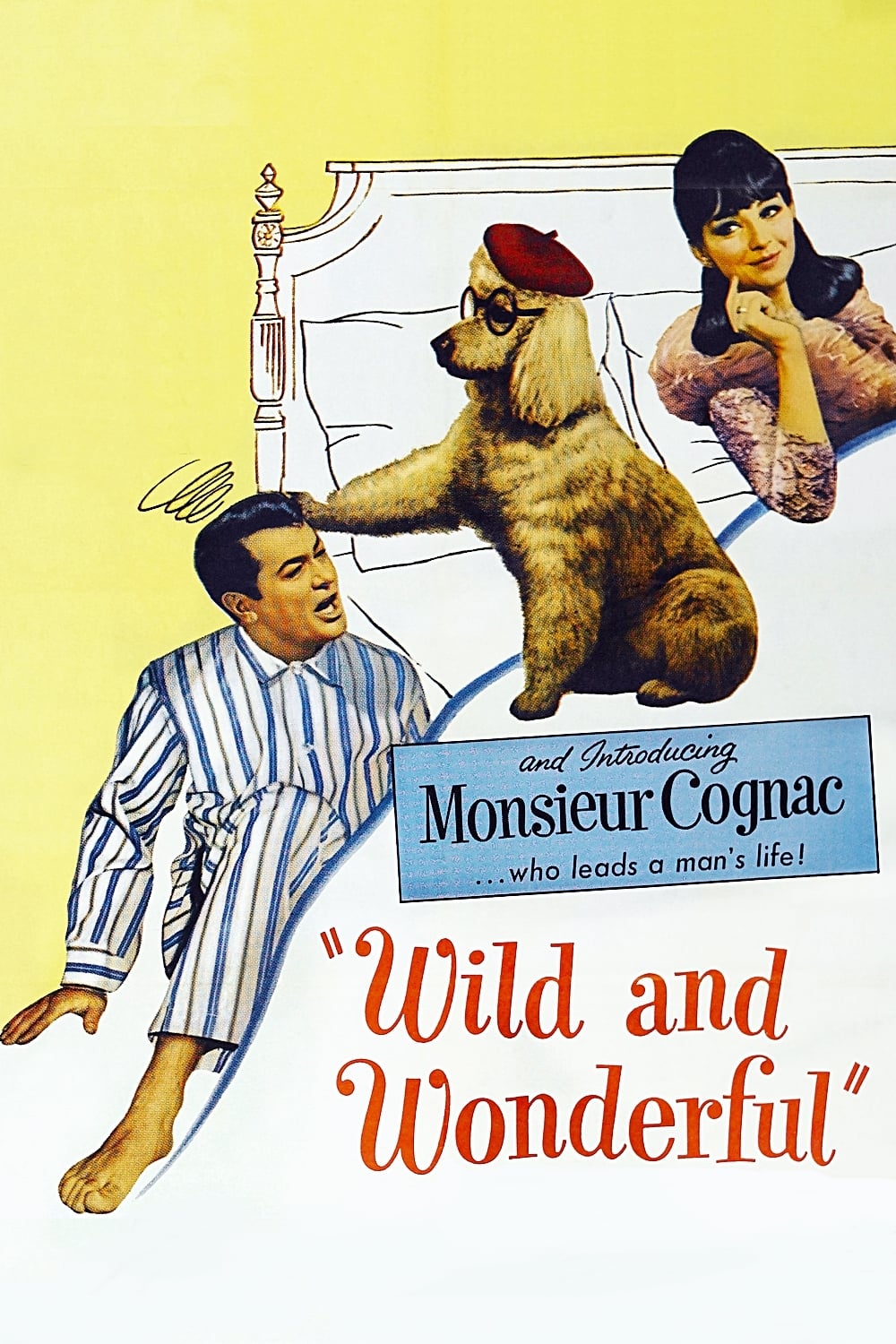
Cognac, a pampered poodle and popular star on French television, creates marital problems for his pretty owner Giselle when he becomes jealous of her new husband.
Wild and Wonderful
1964 · 4 votes
Series3
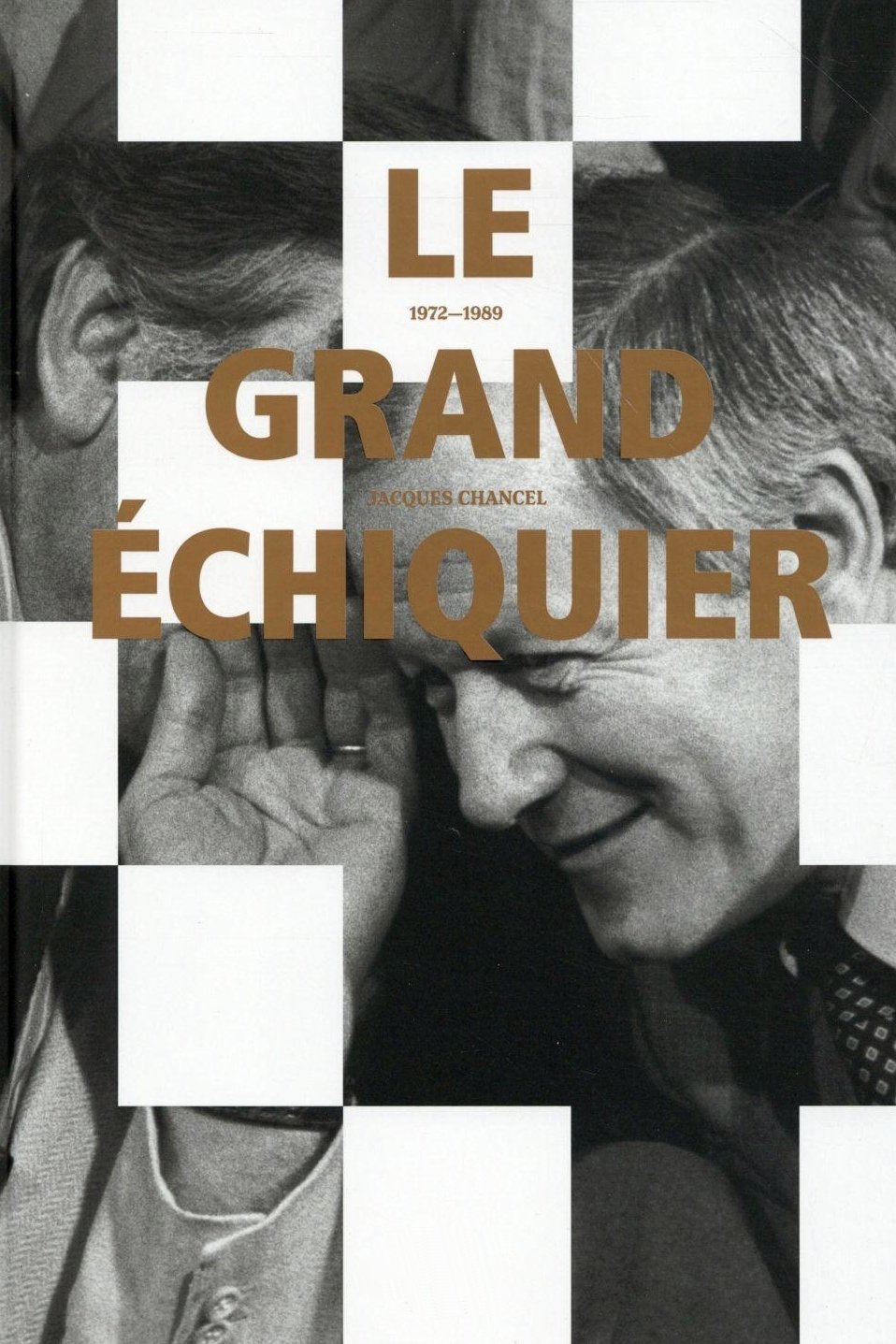 TV8.0Talk ShowNews
Le Grand Échiquier is a French variety television program created and presented by Jacques Chancel. It aired at 8:30 pm on the first channel of the ORTF from January 12, 1972 to July 12, 1972, then on the second color channel of the ORTF from September 1972 to December 1974, and finally on Antenne 2 from January 1975 to December 21, 1989. The program returned to France 2 on December 20, 2018 and is hosted by Anne-Sophie Lapix.
Le Grand Échiquier
1972 · 3 votes
 TV6.6CrimeDrama
Peter Gunn is an American private eye television series. Filmed in a film noir atmosphere and featuring Henry Mancini music that could tell you the action with your eyes closed, Peter Gunn worked in style. Known as Pete to his friends and simply as Gunn to his enemies, he did his job in a calm cool way.
Peter Gunn
1958 · 26 votes
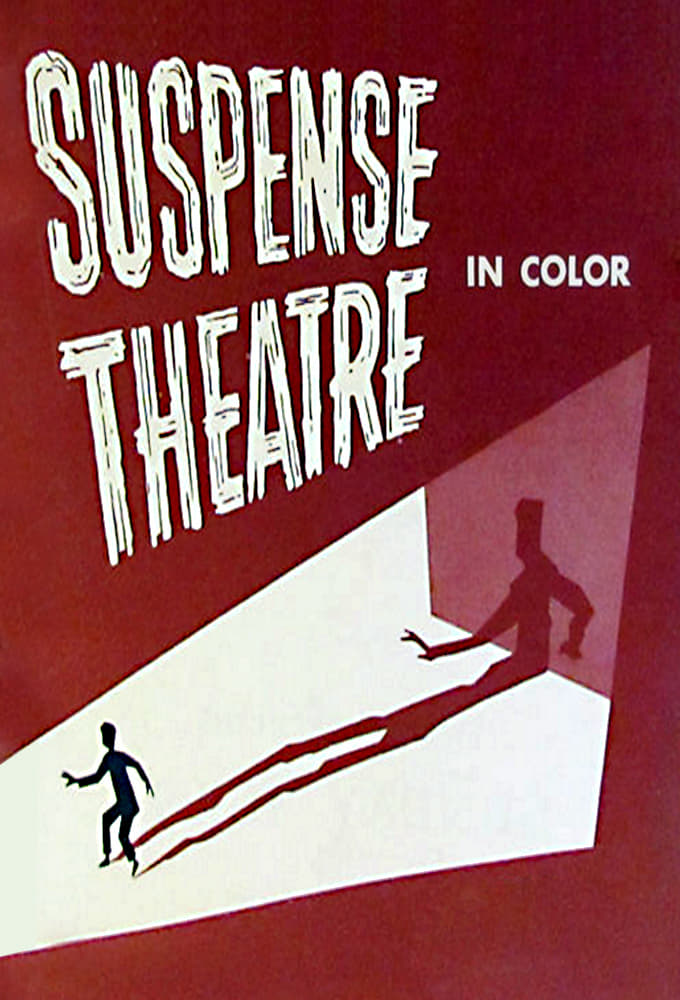 TV6.5MysteryDrama
Kraft Suspense Theatre
1963 · 4 votes