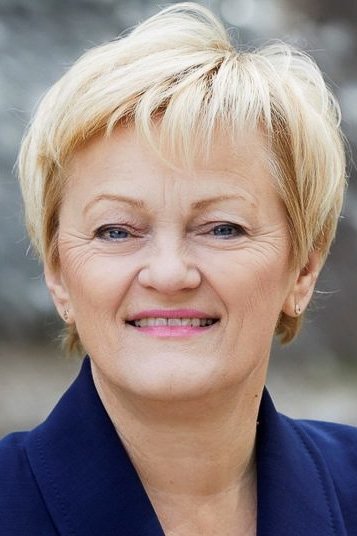
Renate Künast
Actor · b. 1955 · Recklinghausen, Germany
Renate Künast is a German politician. She has been a member of the German Bundestag since 2002. Künast was Federal Minister of Food, Agriculture, and Consumer Protection from 2001 to 2005.
Series24
- TV4.4News
Volle Kanne
1999 · 7 votes
 TV5.5Talk Show
TV presenter Markus Lanz invites prominent guests and experts from all areas of public life to his colourful talk show. As a rule, there are four guests, introduced individually to contribute their personal experiences to the topics.
Markus Lanz
2008 · 14 votes
 TV4.7Talk ShowNews
Every evening at 6:45 p.m. sharp, a prominent guest takes a seat on the red sofa—and DAS! provides daily updates on what's hot in the north.
DAS!
1991 · 6 votes
 TV5.3NewsTalk Show
Morgenmagazin
1992 · 3 votes
- TV7.5Talk Show
 TV9.0Talk Show
Political talk show on current topics presented by Maybrit Illner.
maybrit illner
1999 · 2 votes
- TV7.2Talk Show
3 nach 9
1974 · 5 votes
 TV4.5Talk Show
Reinhold Beckmann hosts a weekly talk show.
Beckmann
1999 · 4 votes
- TV7.2Talk Show
Menschen bei Maischberger
2003 · 4 votes
 TV7.0Talk Show
Zimmer frei!
1996 · 13 votes
 TV6.0Talk Show
alfredissimo! Kochen mit Bio
1994 · 2 votes
- TV9.0Talk Show
Tietjen und Bommes
1997 · 1 votes
 TV6.5Talk Show
Hart aber fair
2001 · 2 votes
- TV10.0Talk Show
Sabine Christiansen
1998 · 1 votes
 TV7.0Reality
Tigerenten Club is a German children's television programme. The programme involves a mix of games, quizzes, cartoons and outside reports from the presenters and children, with the aim to educate and entertain. It is produced by SWR in co-operation with other regional broadcasters, and is broadcast on ARD and KiKa. The logo and the name of the programme is based upon the Tigerente or 'Tigerduck', created by German cartoonist Janosch.
Tigerenten Club
1996 · 1 votes
 TVTalk Show
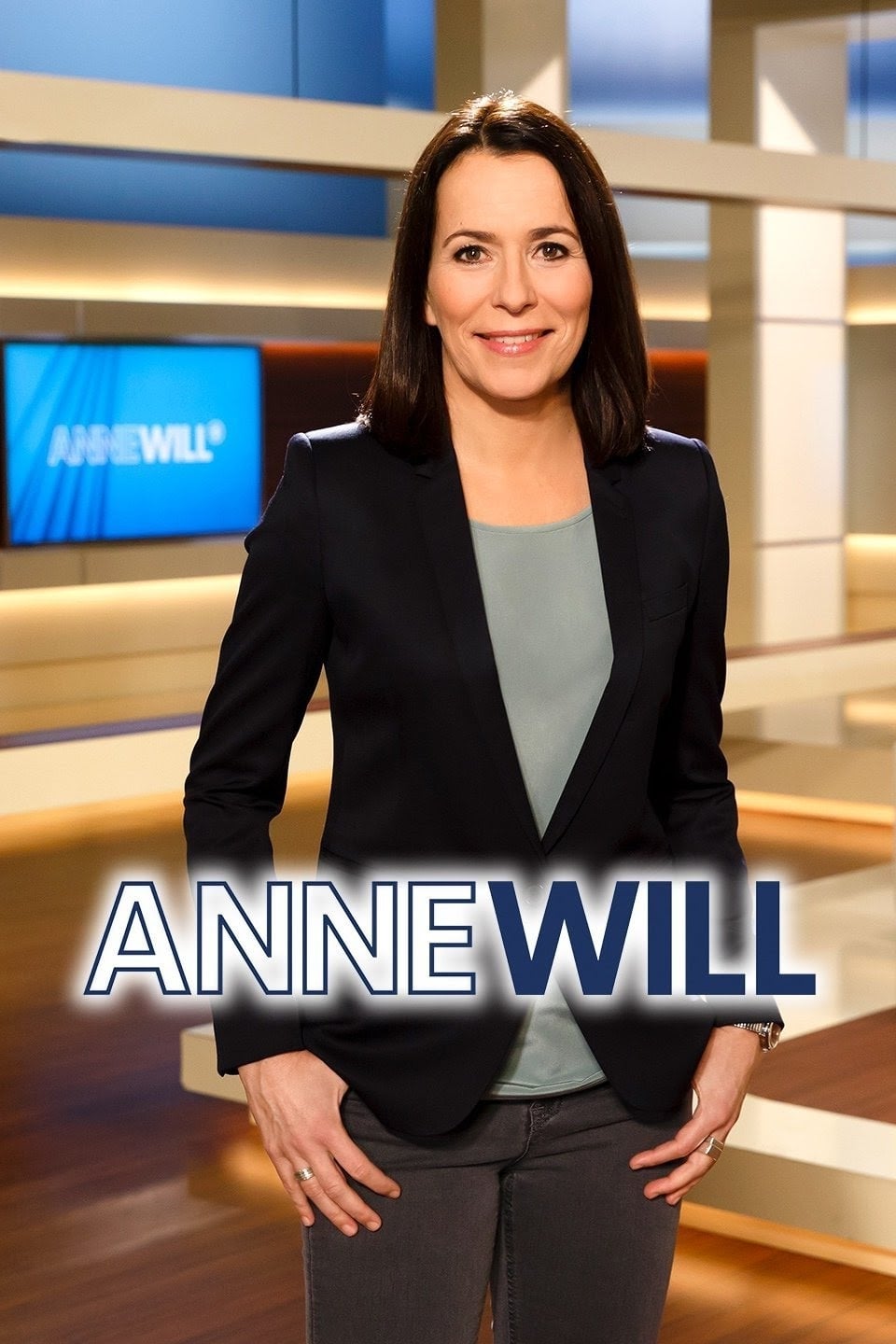
Anne Will discusses political processes, economic relationships, and social trends with her guests. Her motto: to think politically and ask directly.
ANNE WILL
2007
- TV1.0Talk Show
Unter den Linden
2002 · 1 votes
 TV7.0Talk Show
Boulevard Bio
1991 · 2 votes
- TVTalk Show
Im Dialog
1997
- TVTalk Show
Wortwechsel
1982
- TV6.0Talk Show
Thadeusz
2005 · 1 votes
- TVNews
Berlin direkt
2000
- TVTalk Show
Studio Friedman
2005
 TVTalk Show
A German television format in which Günter Gaus interviewed prominent members of German society, particularly politicians. More than 200 interviews were conducted over the course of 40 years.
Zur Person
1963
Movies2
 MovieDocumentary
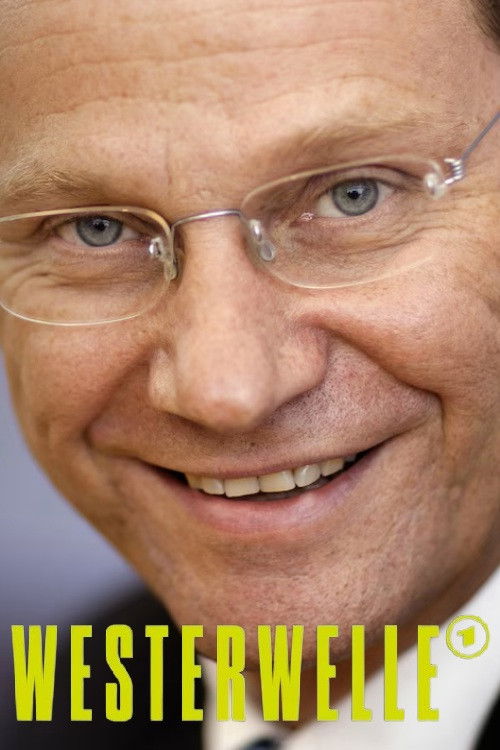
A documentary that offers an intimate portrait of Guido Westerwelle, Germany’s former Vice-Chancellor, balancing his political career with his groundbreaking role as a gay pioneer. Released for the 10th anniversary of his death, the film explores the sharp contrast between his polarizing public persona and his private vulnerability. The narrative anchor consists of never-before-heard audio recordings from 2014, captured in Mallorca by journalist Dominik Wichmann as Westerwelle battled acute leukemia. The movie weaves these raw archives with emotional interviews from his husband, Michael Mronz, and key political rivals. It charts his rise within the FDP, his historic 2004 public coming out, and his legacy as Germany’s first openly gay cabinet minister. The plot highlights the unique diplomatic challenges he faced visiting nations hostile to LGBTQ+ rights, his sudden fall from political grace, and his final fight against cancer alongside Mronz.
Westerwelle
2026
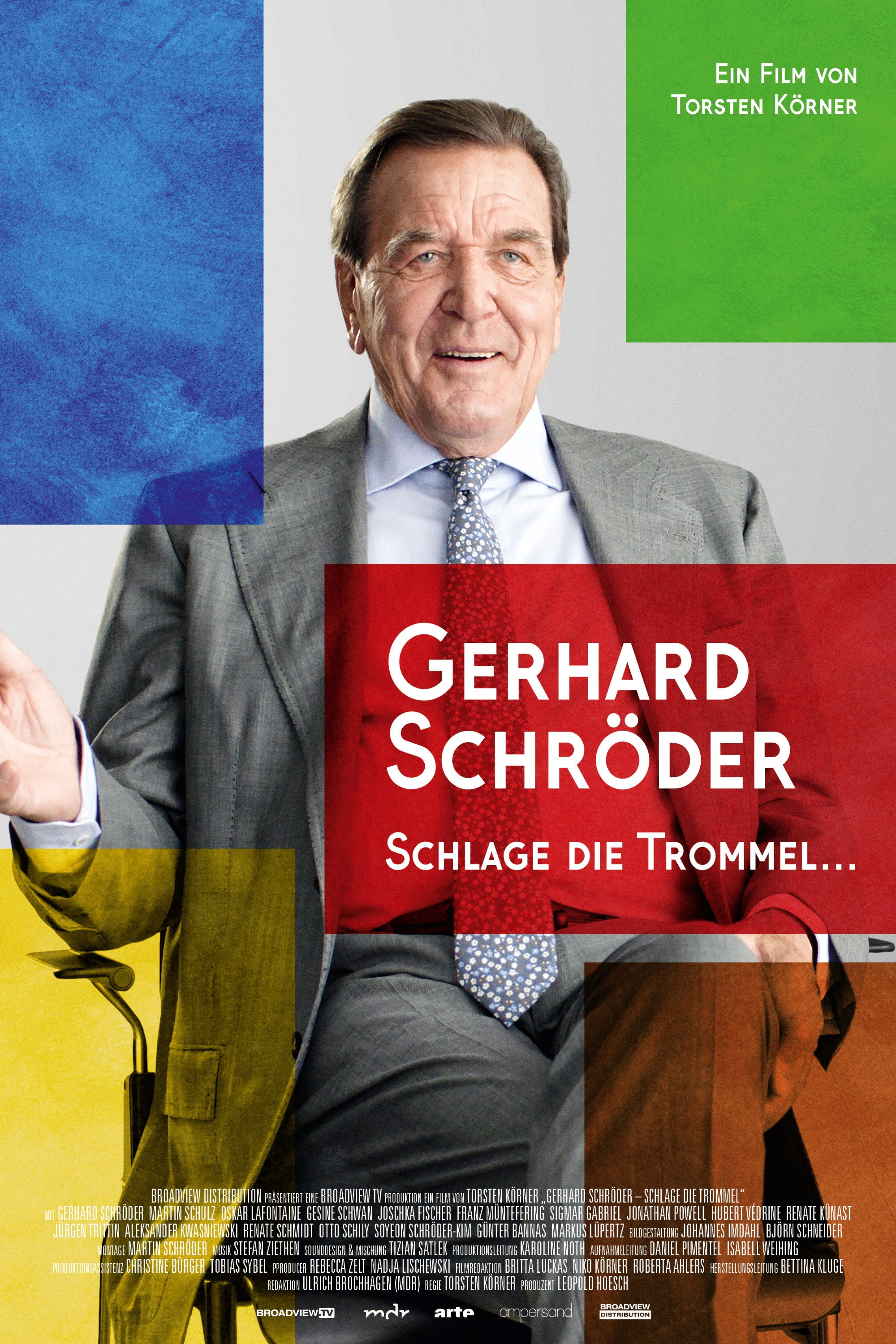 MovieDocumentary
Gerhard Schröder was the last SPD chancellor. He was always a controversial figure within his party. To some, he was a self-centered individual and a careerist; to others, he was a gifted campaigner and a successful modernizer. It is undisputed that his popularity played a decisive role in helping the SPD seize power in 1998. But what remains of the Red-Green coalition project that came to such an abrupt end in 2005? The Agenda reforms? The energy transition? The SPD’s identity crisis? Since Gerhard Schröder’s defeat by Angela Merkel in 2005, the party has been in decline; the label “people’s party” no longer seems to apply. What responsibility does the SPD’s most recent chancellor bear for this decline? How did the unprecedented Agenda 2010 reform program come about in the first place?