Brewster Mason
Actor · 1922 – 1987 · Kidsgrove, England, UK
Series16
 TV5.2Drama
A BBC television anthology series featuring productions of classic and contemporary stage plays usually broadcast on BBC1. Each production featured a different work, often using prominent British stage actors in the leading roles. The series was transmitted from October 1965 to September 1983.
BBC Play of the Month
1965 · 8 votes
 TV7.4Action & AdventureCrime
Simon Templar is The Saint, a handsome, sophisticated, debonair, modern-day Robin Hood who recovers ill-gotten wealth and redistributes it to those in need.
The Saint
1962 · 136 votes
 TV6.7Drama
A British television anthology of stories, often with sinister and wryly comedic undertones, and a twist at the end. With early episodes written and presented by Roald Dahl, the series featured a plethora of big name guest stars.
Tales of the Unexpected
1979 · 54 votes
 TV7.0Drama
A one-hour anthology television series of one-off contemporary and classic dramas produced by the BBC.
Playhouse
1974 · 1 votes
 TV7.2Drama
Theatre 625 is a British television drama anthology series, produced by the BBC and transmitted on BBC2 from 1964 to 1968. It was one of the first regular programmes in the line-up of the channel, and the title referred to its production and transmission being in the higher-definition 625-line format, which only BBC2 used at the time.
Theatre 625
1964 · 5 votes
 TV6.8MysteryDrama
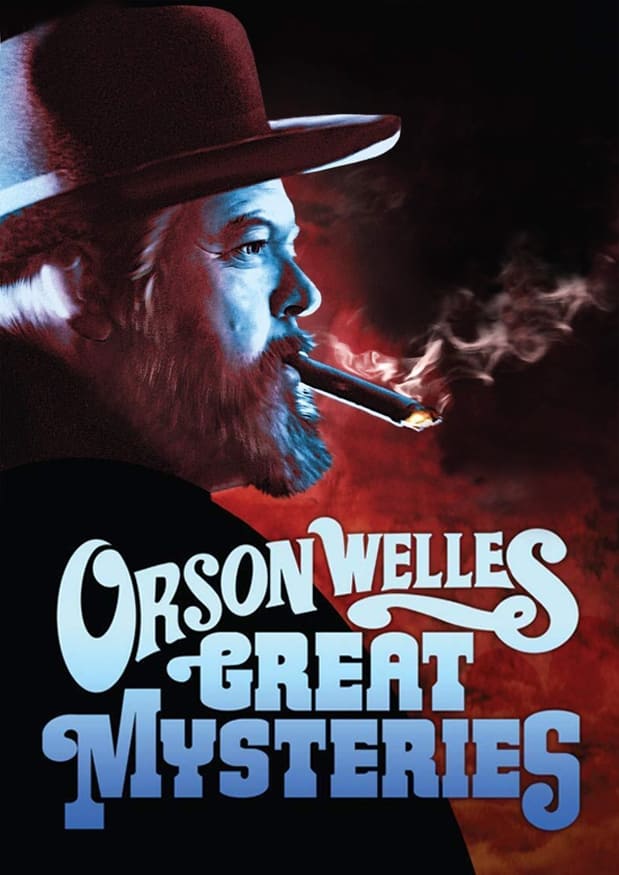
Orson Welles’ Great Mysteries is a British television anthology series produced by Anglia Television for the ITV network and broadcast between 1973 and 1974. The series presents standalone adaptations of classic mystery, crime, and supernatural stories drawn from literary sources including Dickens, Conan Doyle, Wilkie Collins, Balzac, Maugham, O. Henry, and others. Each episode is framed by original introductory and closing sequences performed by Orson Welles, who serves as the series’ host and sole recurring on-screen presence. These segments, written and directed by Welles (uncredited), function as stylized narrative framing devices rather than dramatic participation in the stories themselves. The dramatic content of each episode is performed by separate casts and directors, with no continuing characters or serialized narrative, establishing the series as a unified television anthology rather than a collection of standalone films.
Orson Welles' Great Mysteries
1973 · 4 votes
 TV7.3Drama
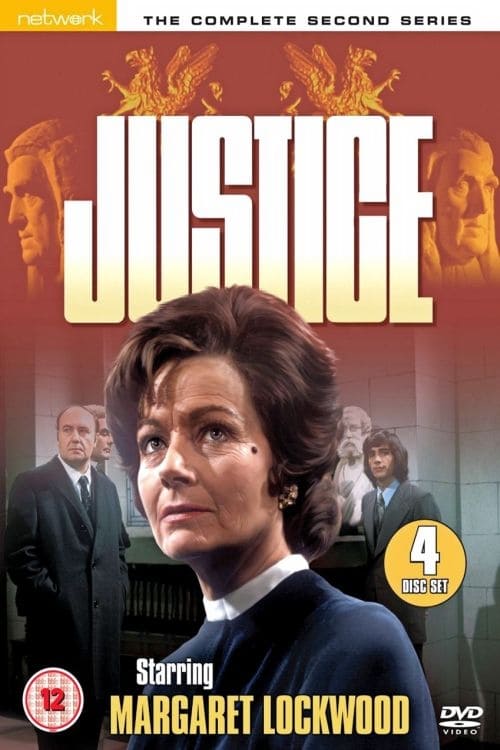
Justice is a British drama television series which originally aired on ITV in 39 hour-long episodes between 8 August 1971 and 16 October 1974. Margaret Lockwood stars as Harriet Peterson a female barrister in the North of England. It was made by Yorkshire Television and was based loosely on Justice Is a Woman, an episode of ITV Playhouse broadcast in 1969 in which Lockwood had previously also played a barrister. The theme music was Crown Imperial by William Walton.
Justice
1971 · 3 votes
 TV7.0DramaComedy
An anthology of plays and novels adapted into feature length TV movies, broadcast on BBC2 from September 1977 to April 1979.
BBC2 Play of the Week
1977 · 1 votes
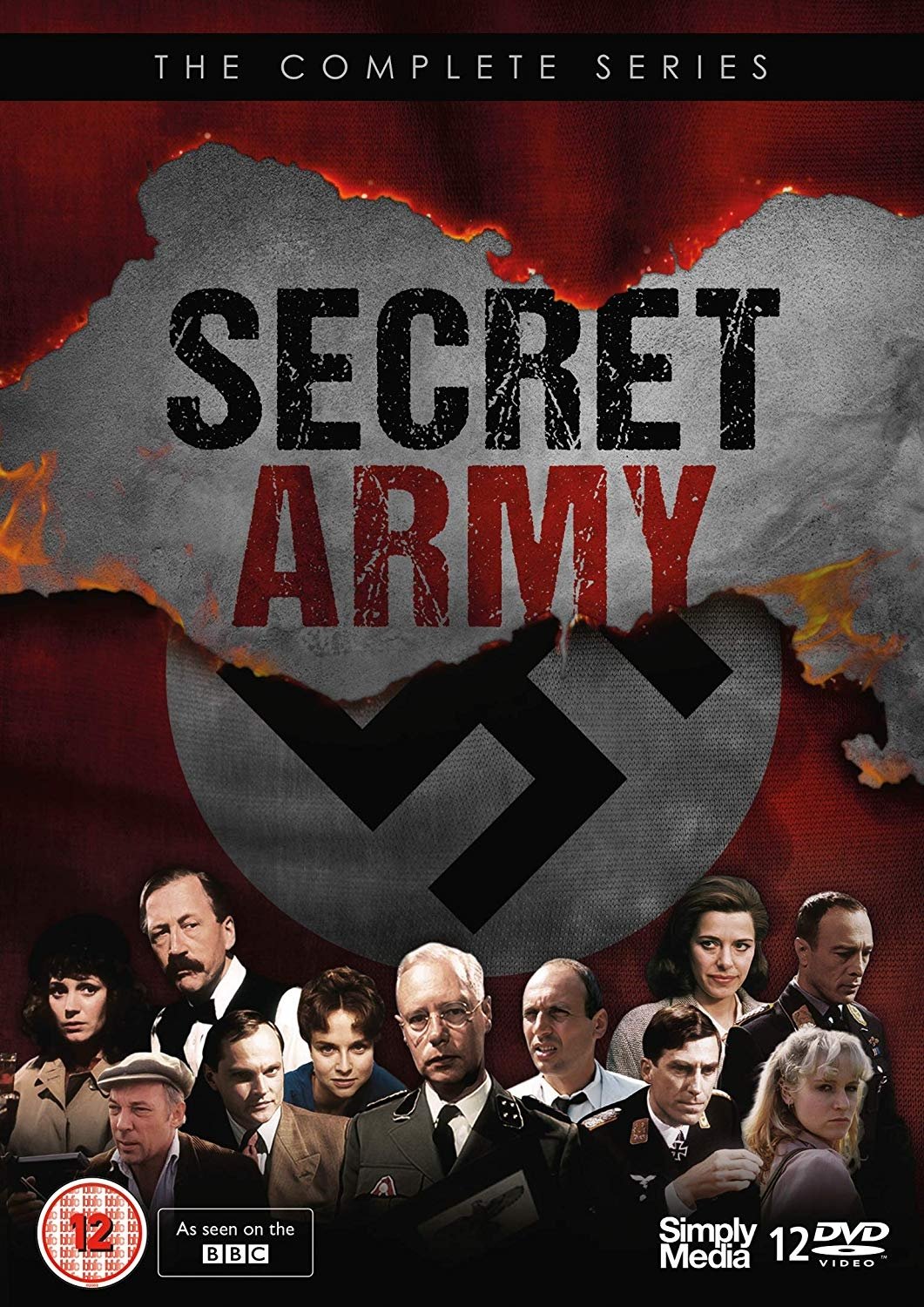 TV7.8DramaWar & Politics
World War II drama about covert organisation Lifeline helping allied airmen escape after being shot down in occupied Europe, working with the Resistance and hiding from the Gestapo.
Secret Army
1977 · 15 votes
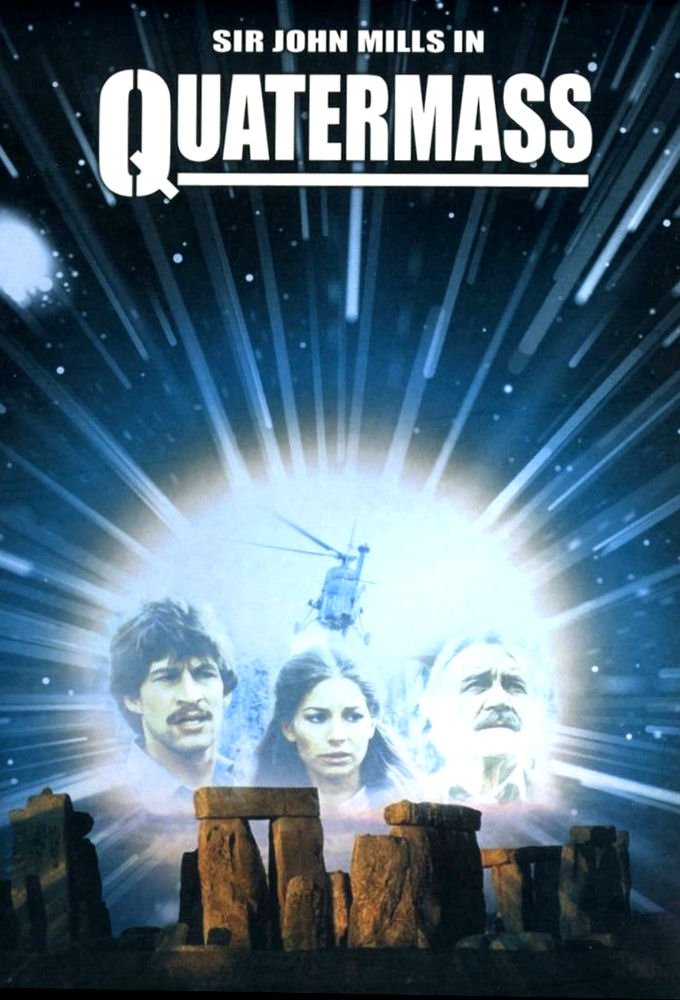 TV6.8DramaSci-Fi & Fantasy
In the near future, a now-elderly Bernard Quatermass investigates the disappearance of his granddaughter and a mysterious cult.
Quatermass
1979 · 17 votes
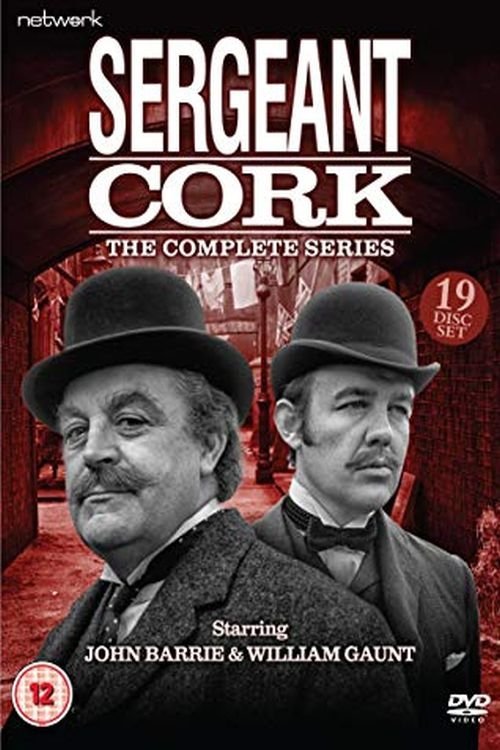 TV7.2Drama
Sergeant Cork is a British detective television series which first aired between 1963 and 1968 on ITV. It was a police procedural show that followed the efforts of two police officers and their battle against crime in Victorian London. In all 66 hour-long episodes were aired during the five-year run, although the last episode was not broadcast until January 1968, 16 months after the others. Journalist Tom Sutcliffe has credited it as a first example of the use of the Victorian-era policeman in a television crime series. A 1969 review in The Age opined that rather than suspense, the strengths of the series were its "excellent period settings and wonderfully thick pea-soupers" which "add up to splendid evocative stuff", as well as the performance of star John Barrie. At no time during the whole series is Sergeant Cork's first name given.
Sergeant Cork
1963 · 5 votes
 TV6.4Drama
This sprawling BBC saga follows an aristocratic family through three generations of power, wealth, intrigue, and scandal in Victorian England. Based on Anthony Trollope’s “political” novels .
The Pallisers
1974 · 5 votes
 TV8.8Drama
Long-running anthology program sponsored by Hallmark Cards. Beginning in 1951 and continuing into 2019, the series received 80 Emmy Awards, 24 Christopher Awards, 11 Peabody Awards, 9 Golden Globes, and 4 Humanitas Prizes. Early seasons were a weekly live drama, eventually transitioning to videotaped and then filmed productions broadcast as occasional specials.
Hallmark Hall of Fame
1951 · 8 votes
- TV7.0Drama
A series of anthologies highlighting the initial projects of directors venturing into television drama filmmaking.
Premiere
1977 · 1 votes
 TV6.0Drama
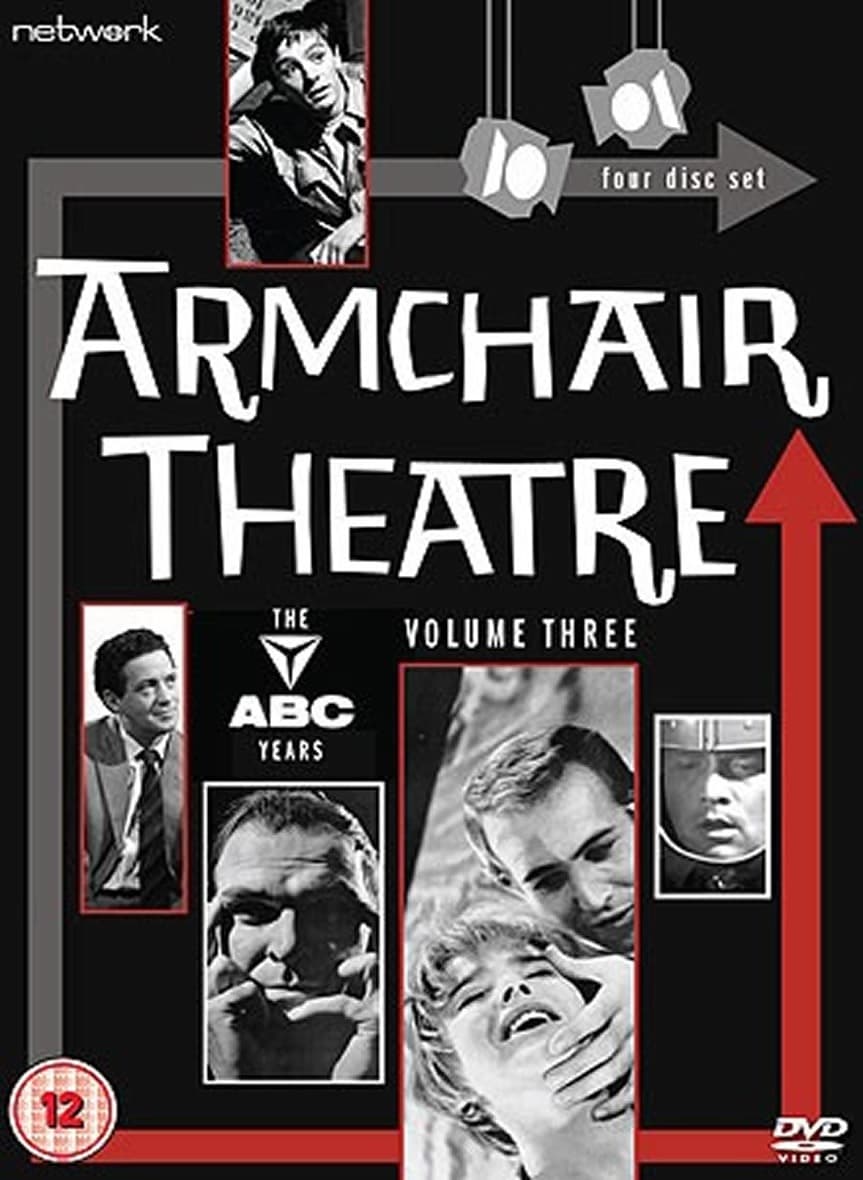
Armchair Theatre is a British television drama anthology series of single plays that ran on the ITV network from 1956 to 1974. It was originally produced by Associated British Corporation, and later by Thames Television from mid-1968.
Armchair Theatre
1956 · 6 votes
 TV7.6Drama
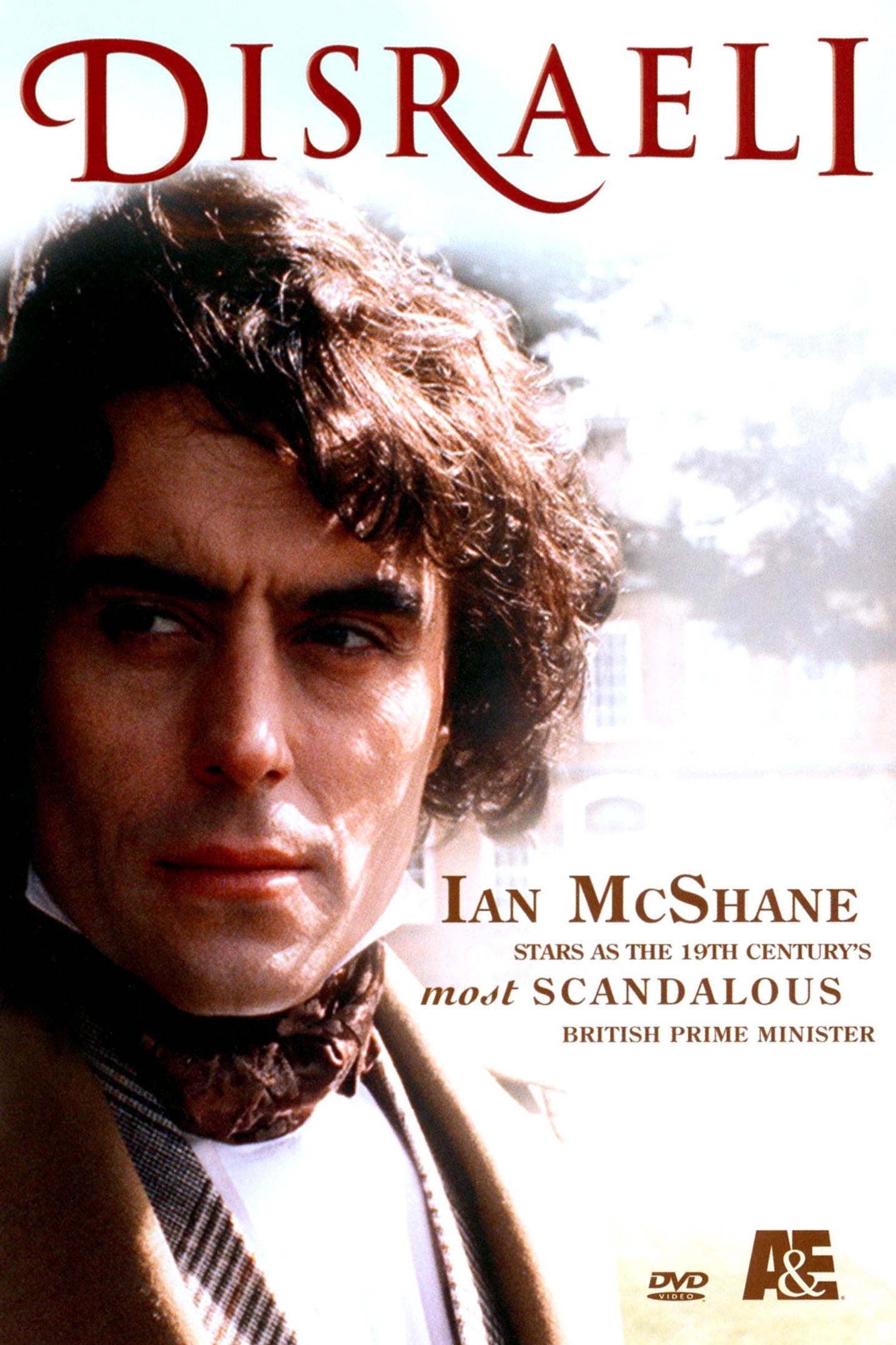
Disraeli is a British four part serial about the great statesman and Prime Minister of the United Kingdom, Benjamin Disraeli.
Disraeli
1978 · 5 votes
Movies9
 Movie8.7DramaHistory
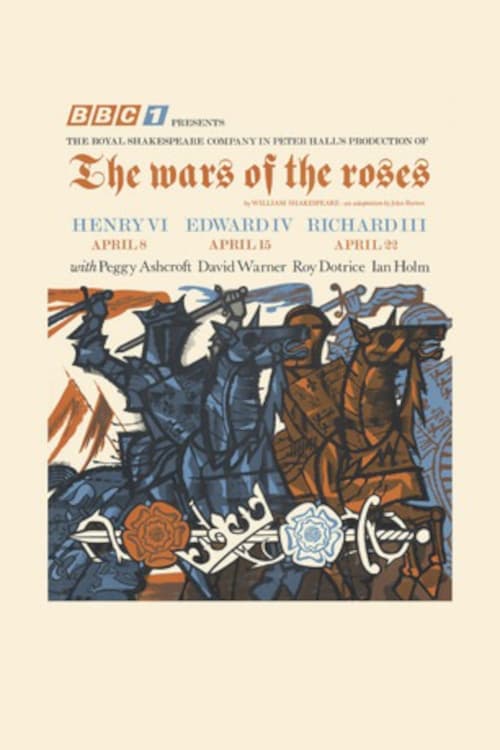
A 1965 BBC adaptation of William Shakespeare's first historical tetralogy (1 Henry VI, 2 Henry VI, 3 Henry VI and Richard III), which deals with the conflict between the House of Lancaster and the House of York over the throne of England, a conflict known as the Wars of the Roses. It was based on the 1963 theatre adaptation by John Barton, and directed by Peter Hall for the Royal Shakespeare Company.
The Wars of the Roses
1965 · 3 votes
 Movie6.9DramaHistory
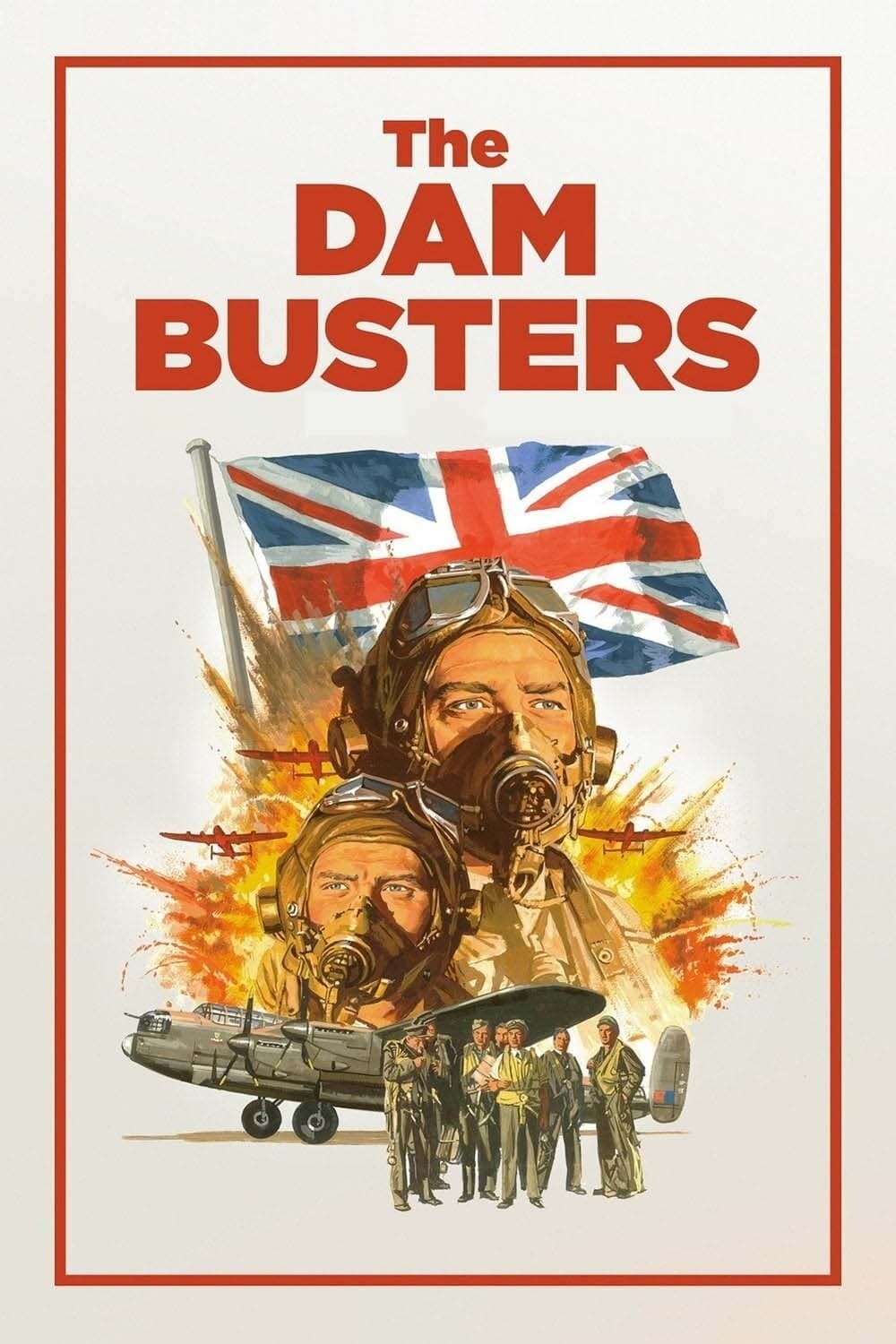
The story of the conception of a new British weapon for smashing the German dams in the Ruhr industrial complex and the execution of the raid by 617 Squadron 'The Dam Busters'.
The Dam Busters
1955 · 166 votes
- Movie10.0ComedyDrama
An adaptation directed by Claude Whatham for the BBC's Theatre 625 slot. Essentially a recording of John Barton's acclaimed Royal Shakespeare Company production starring Catherine Lacey (the Countess), Ian Richardson (Bertram), Lynn Farleigh (Helen), Clive Swift (Parolles) and Sebastian Shaw (the King), it was broadcast on 3 June 1968.
All's Well That Ends Well
1968 · 1 votes
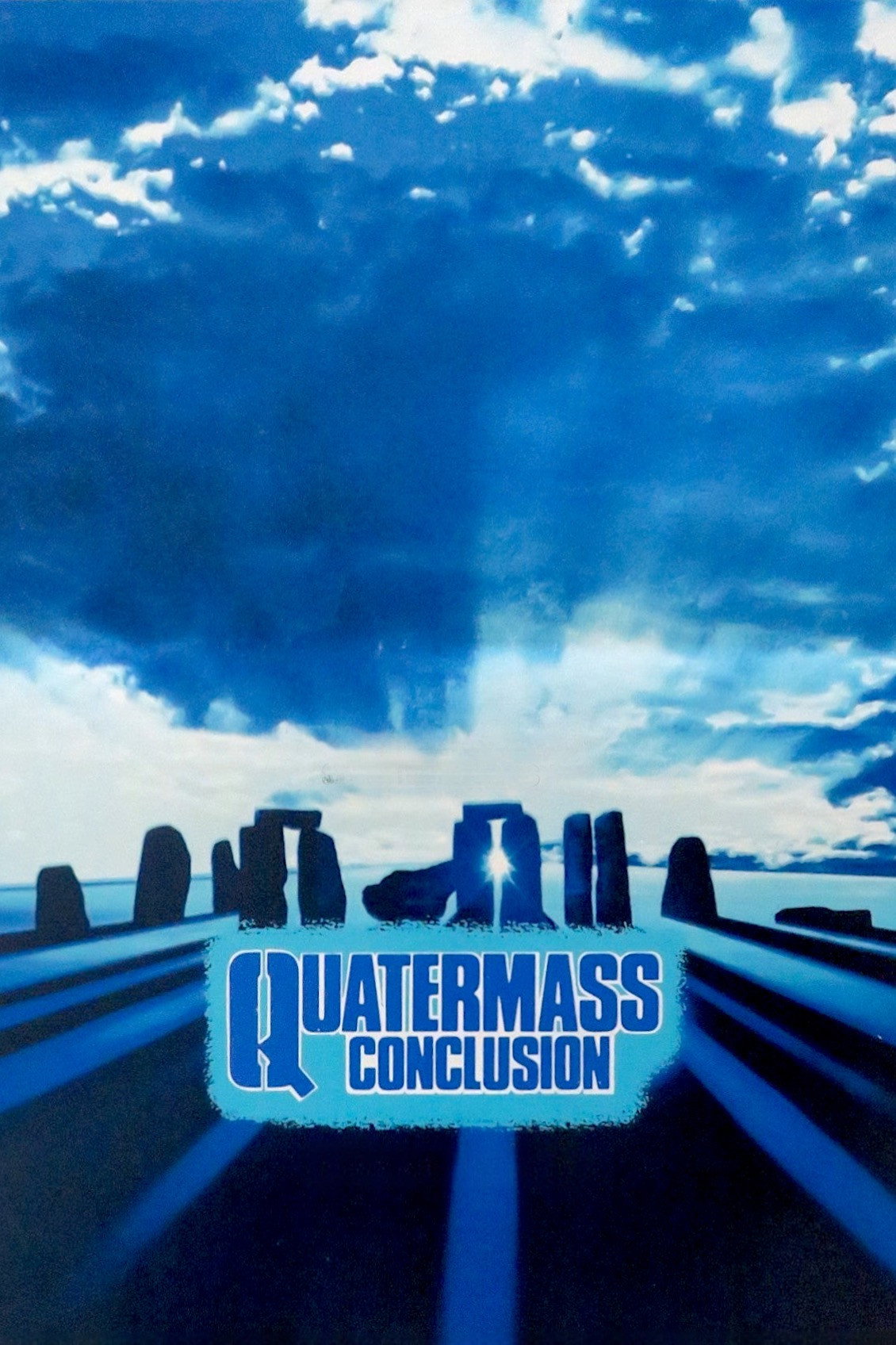 Movie4.2DramaScience Fiction
Influenced by the social and geopolitical situation of the early nineteen-seventies and the hippie youth movement of the late nineteen-sixties, Quatermass is set in a near future in which large numbers of young people are joining a cult, the “Planet People”, and gathering at ancient sites, believing they will be transported to a better life on another planet.
The Quatermass Conclusion
1979 · 9 votes
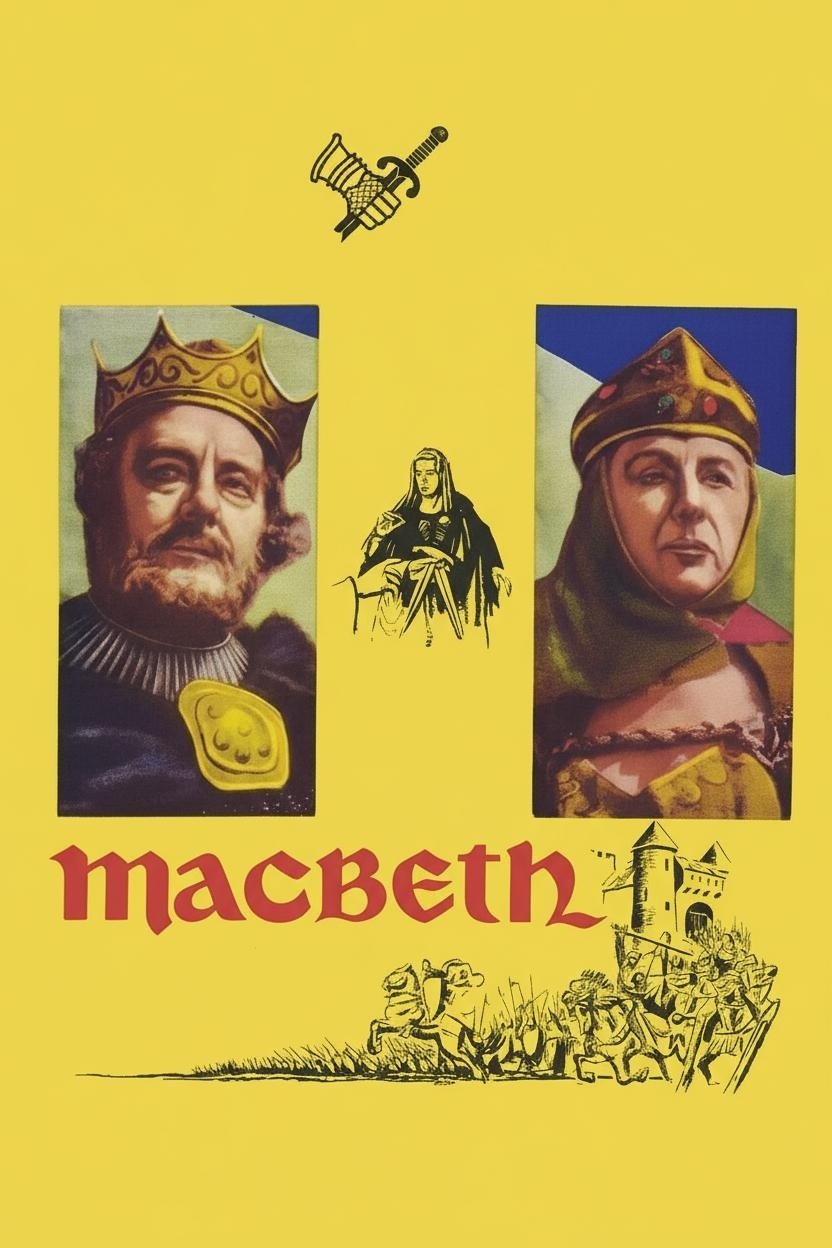 Movie7.3TV MovieDrama
Hallmark Hall of Fame's second version of Shakespeare's classic play, with the same two stars and the same director as its first version, but a different supporting cast.
Macbeth
1964 · 3 votes
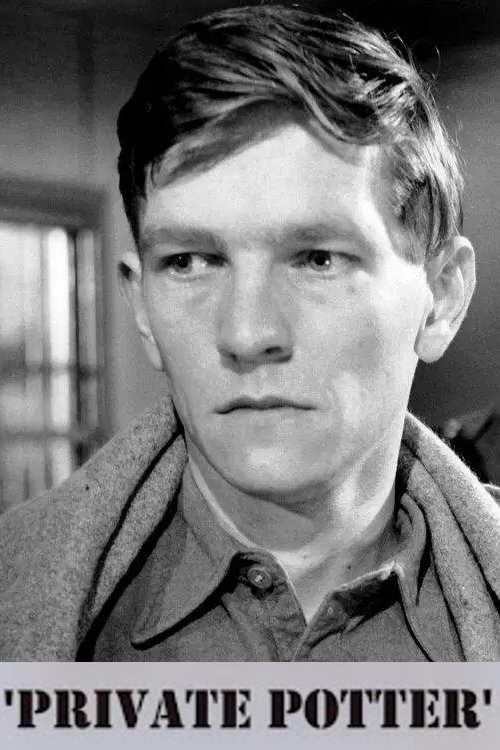 Movie5.5DramaWar
A military mission is interrupted when a British soldier claims that God had appeared to him in a transcendental vision.
Private Potter
1962 · 4 votes
 Movie7.0TV MovieDrama
An adaptation of Daphne du Maurier's 1966 short story of the same title, broadcast as part of the BBC's "BBC2 Playhouse".
The Breakthrough
1975 · 1 votes
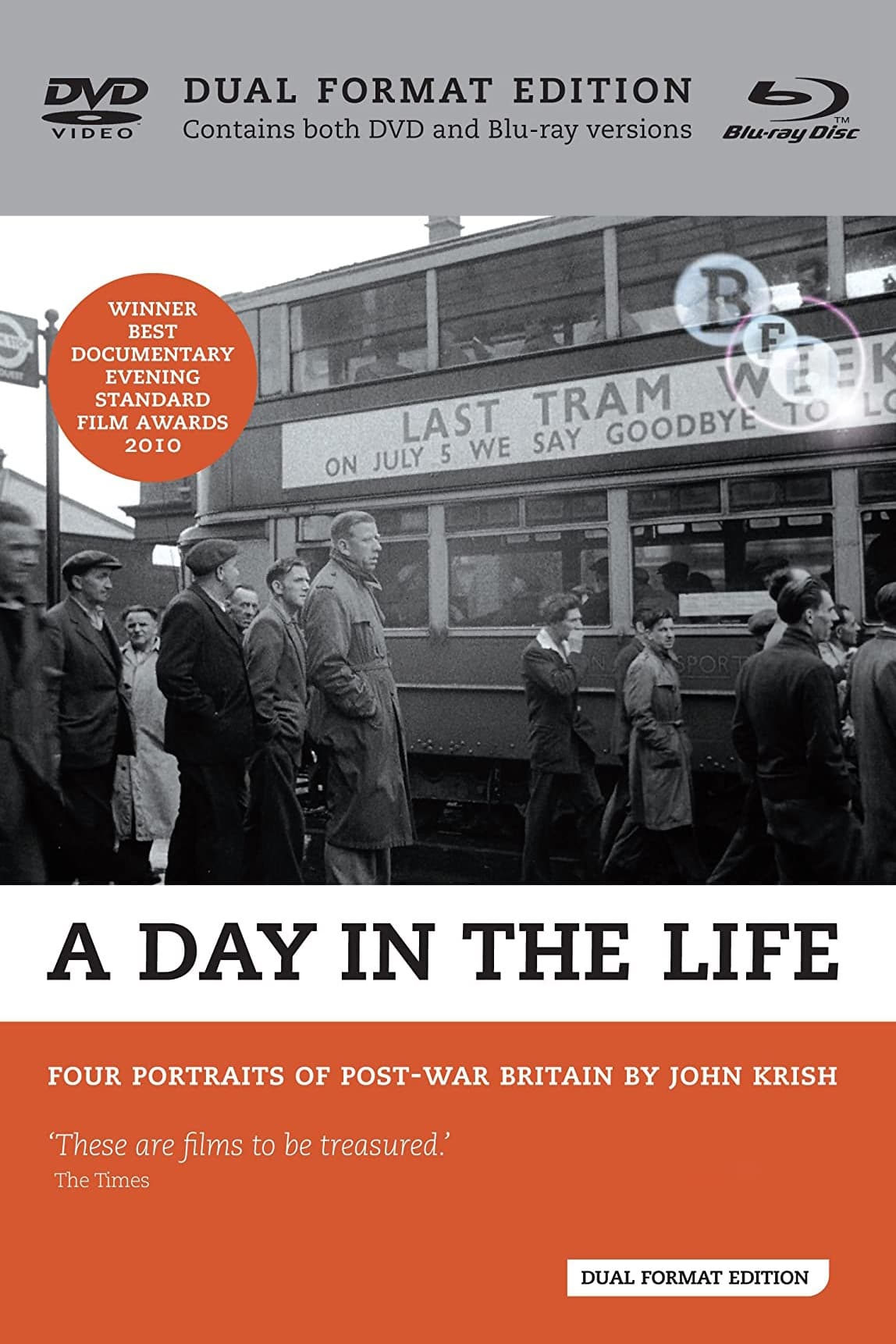 Movie5.0Documentary
A fond farewell to London's trams - whose peculiarly endearing qualities were discovered only at the threat of their disappearance.
The Elephant Will Never Forget
1953 · 2 votes
- Movie
A remote stone house nestles peacefully on the edge of the Yorkshire moors. In the garden. Faith Armstrong describes the flowers and the late afternoon skies to Jack, her blind husband. "The sun is almost setting. The sky is blue, with ... those little puffy clouds like meringues. There are still leaves on the trees. Oh . quite a few birds are gathering . " All is peaceful. As they talk, a small figure appears walking towards the cottage on the moorland road. Slowly it becomes recognisable as the Armstrong's son David. David's arrival is unexpected. He left home three years ago, and Faith and Jack have heard nothing from him until now. Things at home have changed a lot in those three years. His father has gone blind, and his brother Malcolm is now engaged 'to Heather. David's former girlfriend. The family are curious. Why has David suddenly decided to return home? How long is he staying? Is he in trouble?
Going Back
1979