Lloyd Pearson
Actor · 1897 – 1966 · Bradford, West Yorkshire, England, UK
Lloyd Pearson was born on 13 December 1897 in Bradford, West Yorkshire, England, UK. He was an actor, known for The Good Companions (1957), It Started at Midnight (1943) and Holiday Week (1952). He died on 2 June 1966 in London, England, UK.
Movies24
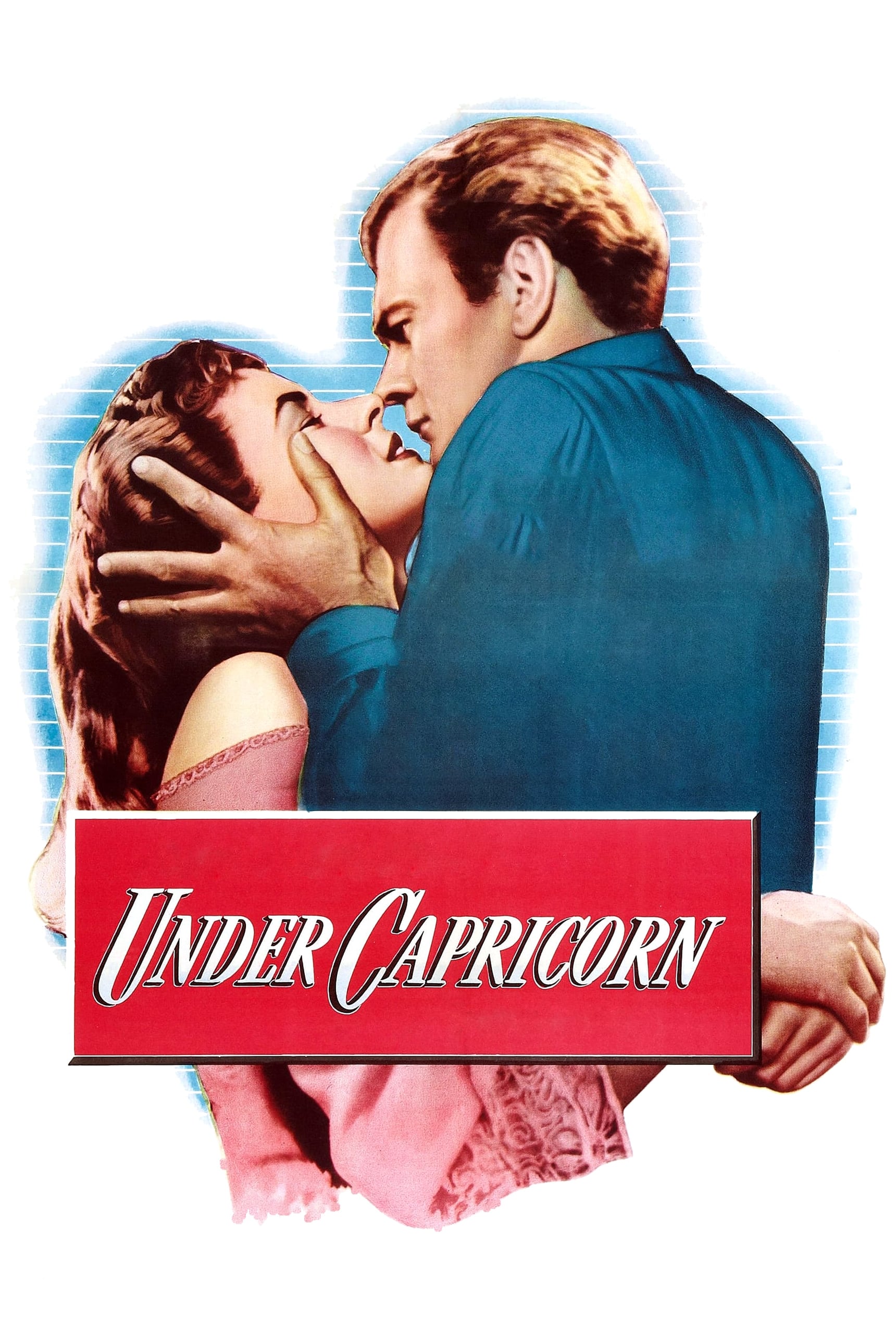 Movie6.0DramaRomance
A British ex-convict in colonial Australia and his fragile wife, haunted by the past crime that binds them, struggle to rebuild their lives when a young newcomer stirs long-buried passions and secrets.
Under Capricorn
1949 · 202 votes
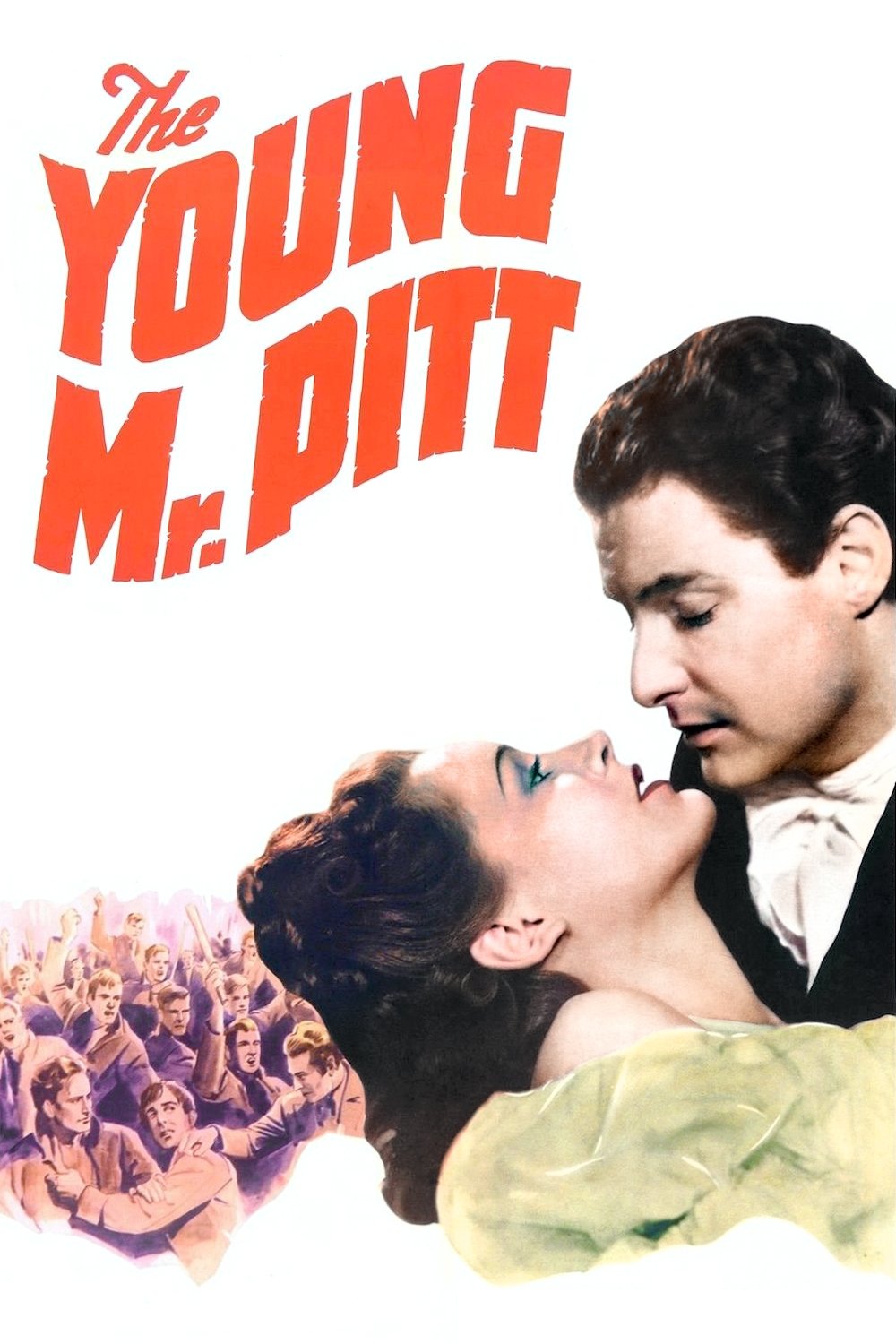 Movie6.2DramaHistory
In 1783 England, King George III appoints William Pitt only 24 years old, as PM. When members of Parliament refuse to take Pitt seriously, he calls for a general election and wins. Pitt works to reform England, focusing on rebuilding the navy while across the sea in France, Napoleon Bonaparte begins his conquest of Europe.
The Young Mr. Pitt
1942 · 9 votes
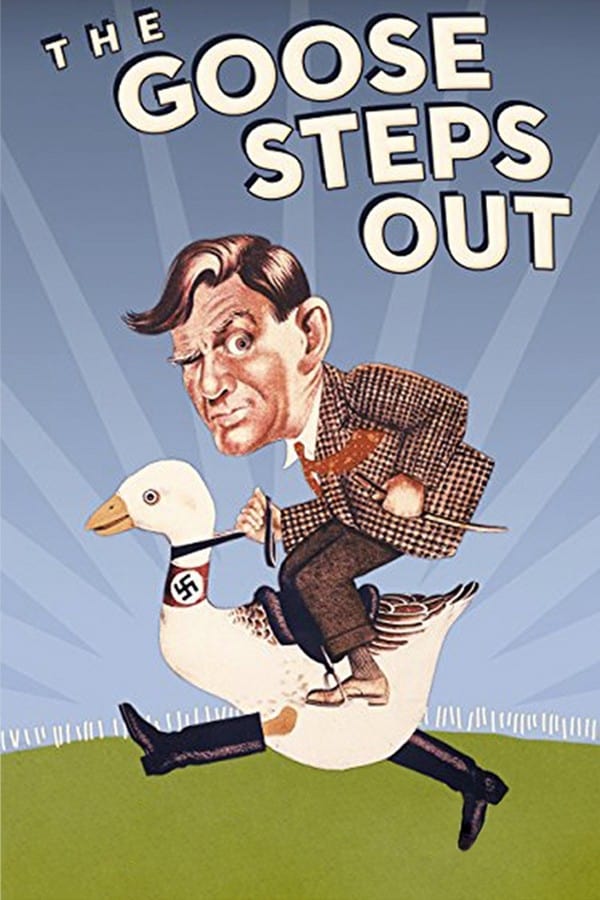 Movie6.6ComedyWar
Schoolteacher William Potts is the double of a captured German spy, so he is sent to Germany by British Intelligence to obtain the plans of a new secret weapon, causing chaos in a Hitler Youth school in the process.
The Goose Steps Out
1942 · 15 votes
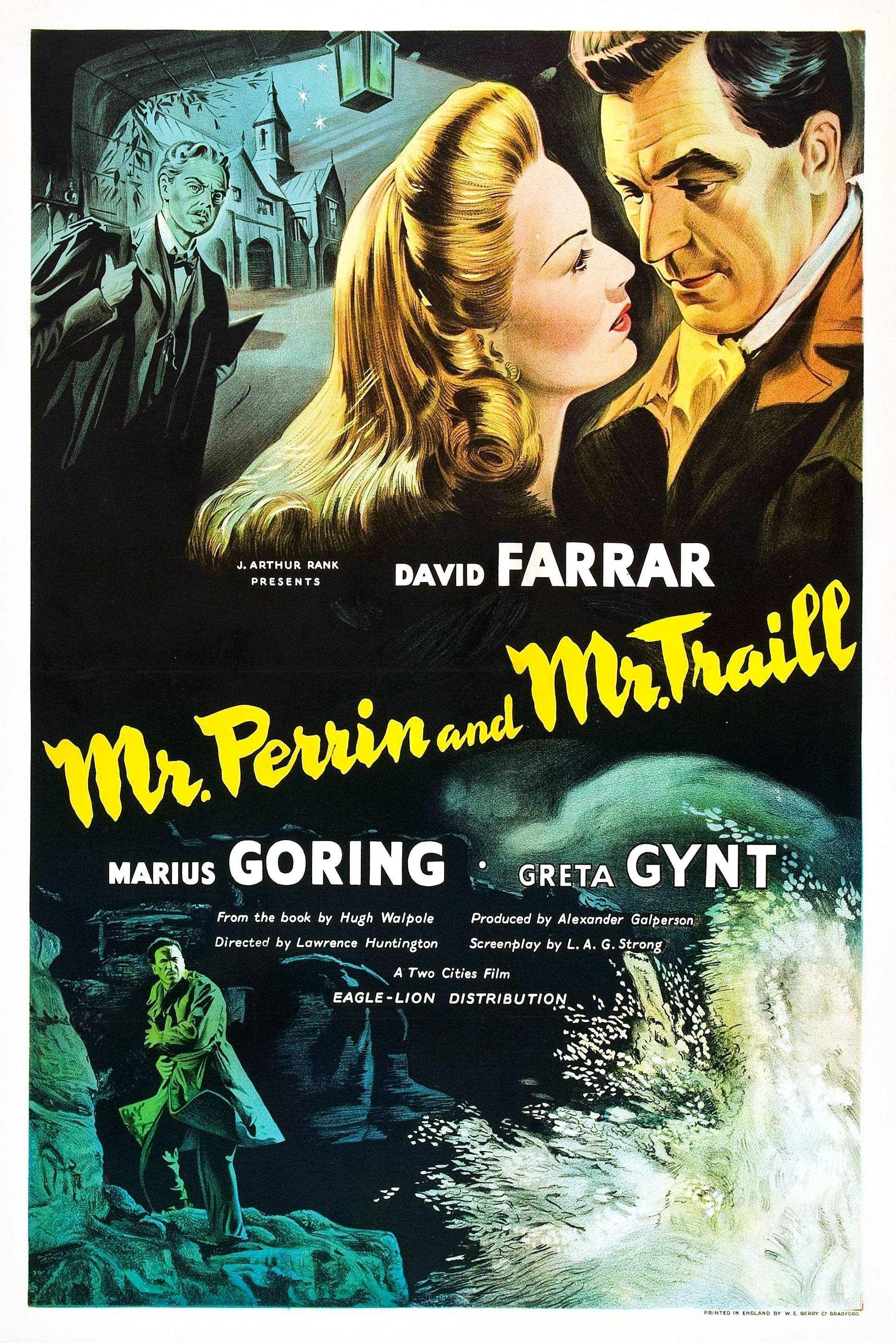 Movie7.6Drama
A handsome young master at a boys school incurs the jealousy of an embittered colleague. From the novel by Hugh Walpole.
Mr. Perrin and Mr. Traill
1948 · 9 votes
 Movie6.5DramaWar
A mismatched collection of conscripted civilians find training tough under Lieutenant Jim Perry and Sergeant Ned Fletcher when they are called up to replace an infantry battalion that had suffered casualties at Dunkirk.
The Way Ahead
1944 · 42 votes
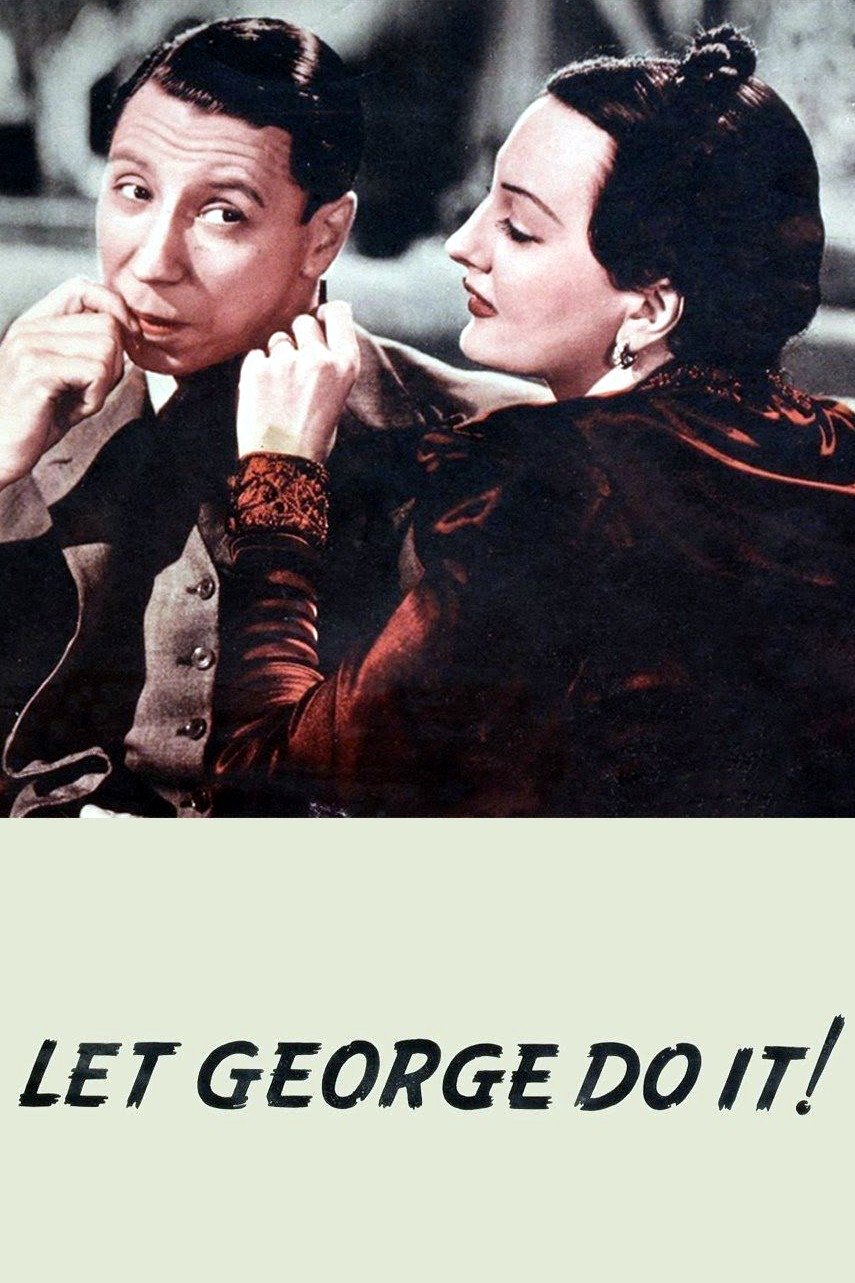 Movie6.2ComedyMusic
Shortly after the start of World War II, a ukelele player (George) takes the wrong boat and finds himself in (still uninvaded) Norway. He is mistaken for a fellow British intelligence agent by a woman (Mary), and becomes involved in trying to defeat Nazi agents.
Let George Do It!
1940 · 15 votes
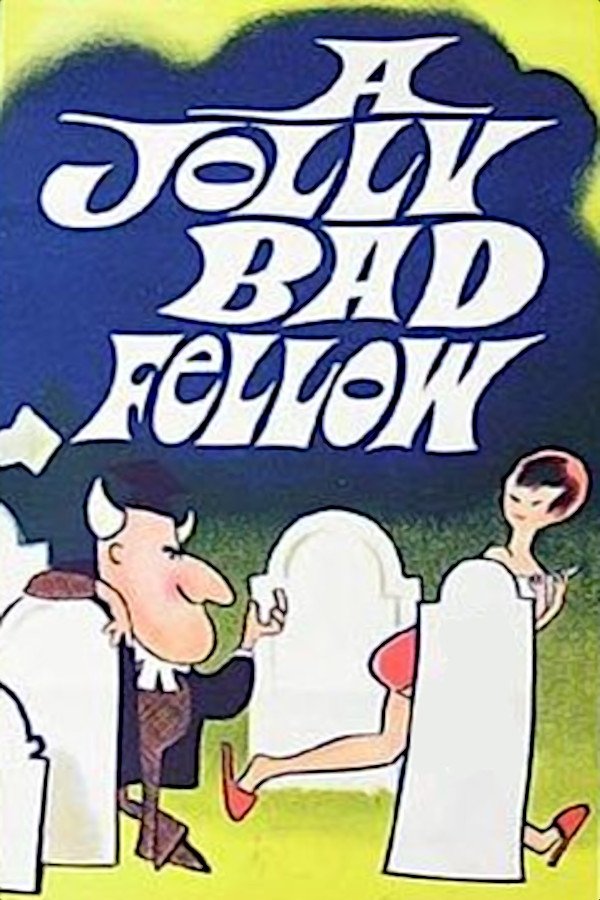 Movie5.0ComedyCrime
An English professor decides that there are too many useless people in the world and invents a gas that will kill them off. But first they'll at least have a good laugh.
A Jolly Bad Fellow
1964 · 4 votes
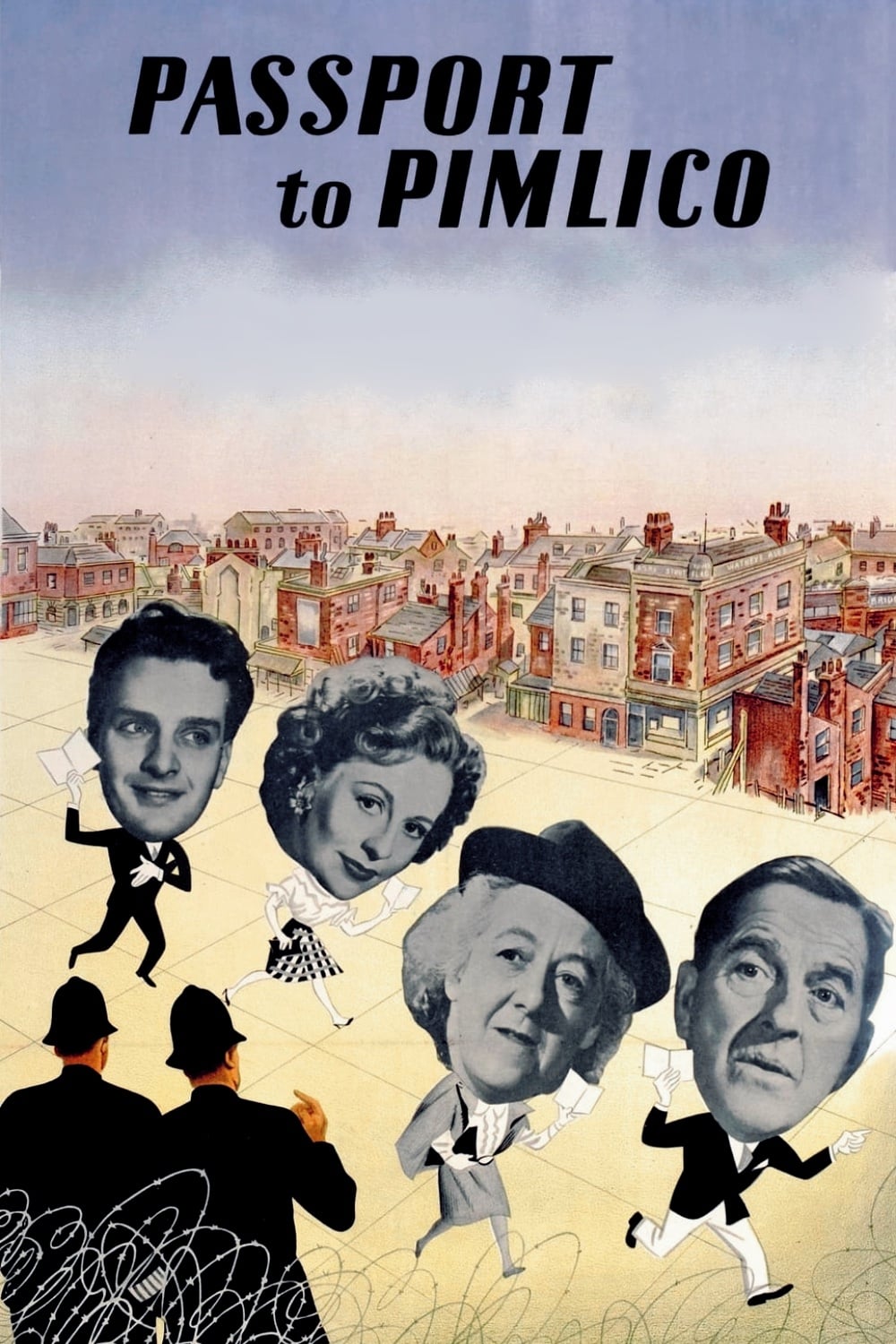 Movie6.9Comedy
When an unexploded WWII bomb is accidentally detonated in Pimlico, it reveals a treasure trove and documents proving that the region is in fact part of Burgundy, France and thus foreign territory. The British government attempts to regain control by setting up border controls and cutting off services to the area.
Passport to Pimlico
1949 · 103 votes
 Movie7.2Drama
When the union in his factory walks out on strike, a family man refuses to participate, risking the wrath — and retaliation — of his fellow workers.
The Angry Silence
1960 · 35 votes
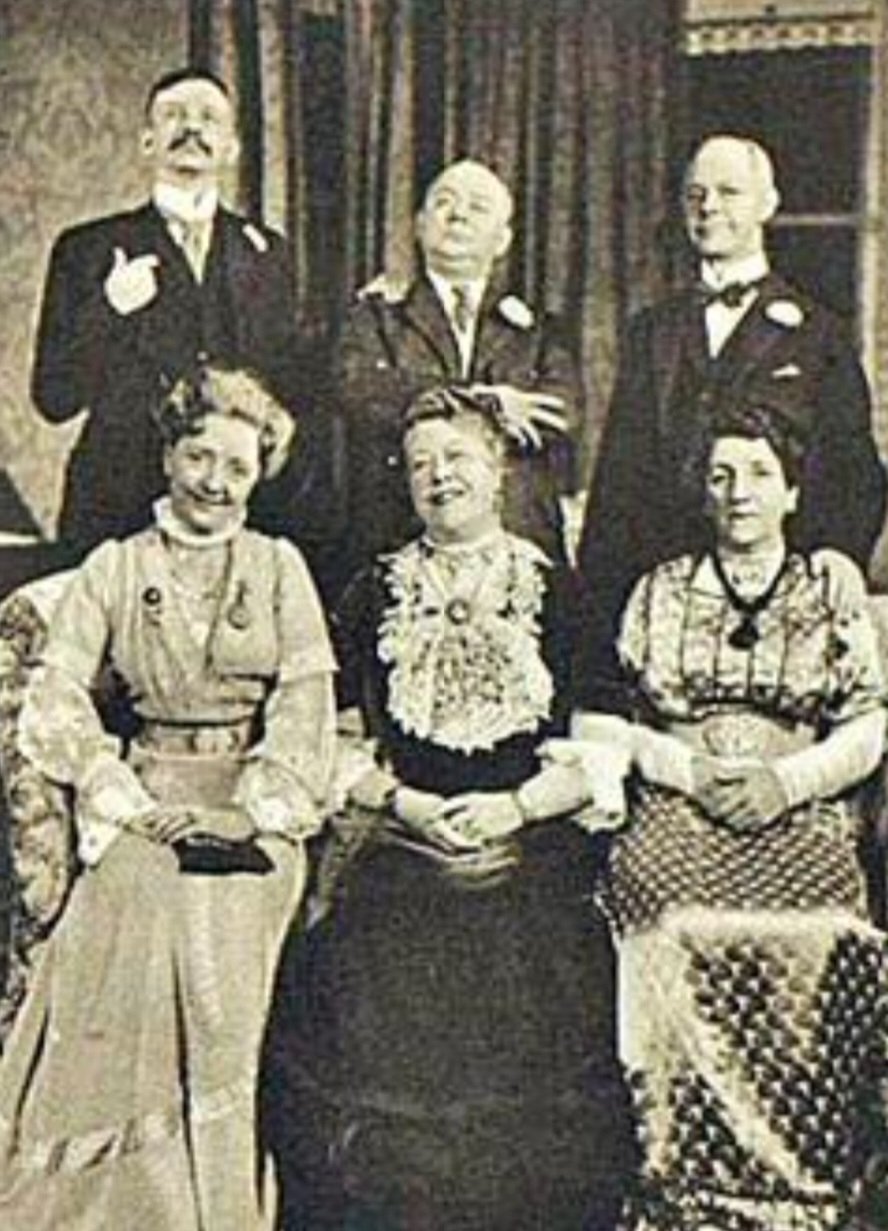 Movie7.0Comedy
The Helliwells, the Soppitts, and the Parkers, old friends gathered to celebrate their common silver anniversaries. To their dismay they learn that their marriages may not be valid. On hand are an outrageous housekeeper and a photographer.
When We Are Married
1943 · 1 votes
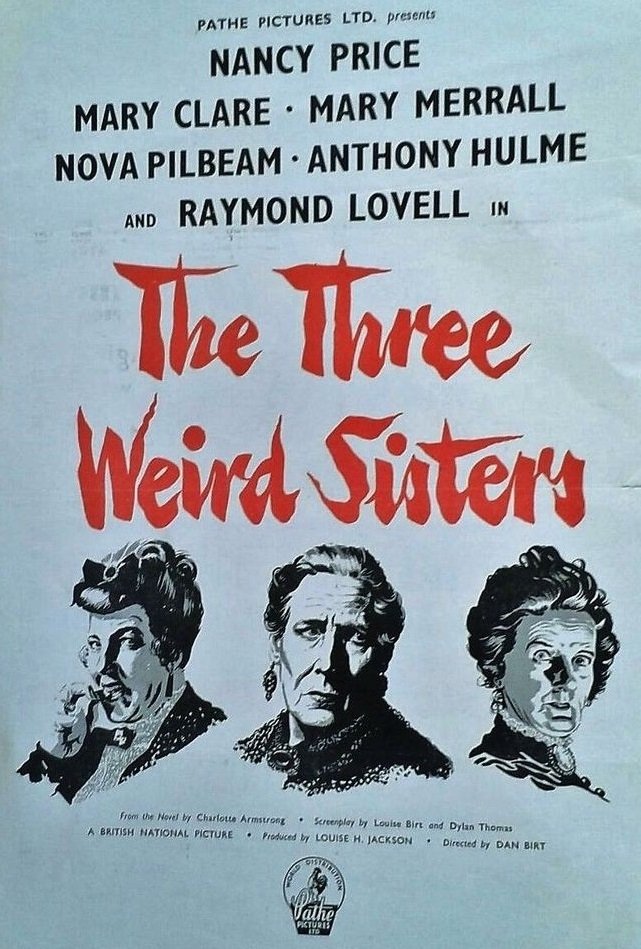 Movie7.5CrimeDrama
Three older sisters live on their family estate in Wales. This household once proudly reigned over a mining town, but the mines dried up and the estate and the town have fallen on hard times. When the land crumbles and a number of homes in the town are destroyed the sisters promise to rebuild the homes.
The Three Weird Sisters
1948 · 4 votes
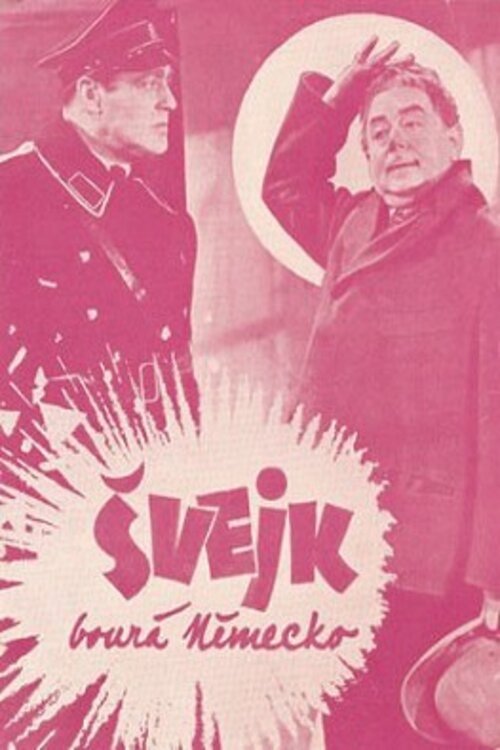 Movie8.5ComedyWar
KAREL LAMAČ (1987-1952), who worked in Germany for a long time, was forced to leave for France and then Great Britain before Hitler's fascism, where he continued to direct films. His film Švejk is Destroying Germany from 1943 was created under the influence of wartime circumstances and was intended mainly for a British audience. Perhaps this is also why the tone of the original Czech hero of Hašek's humorous original deviates from his traditional way of portraying him. He transfers him to the wartime reality of the time and, through a series of coincidences, makes him a military servant of the Gestapo commander, which gives Švejk the opportunity to save many people from deportation to concentration camps. Lamač is therefore not driven by the motive of an authorial interpretation but rather by the need for propaganda. This is also emphasized by Foreign Minister Jan Masaryk, whose opening words were added to this comedy in 1947, when it was released into Czechoslovak film distribution.
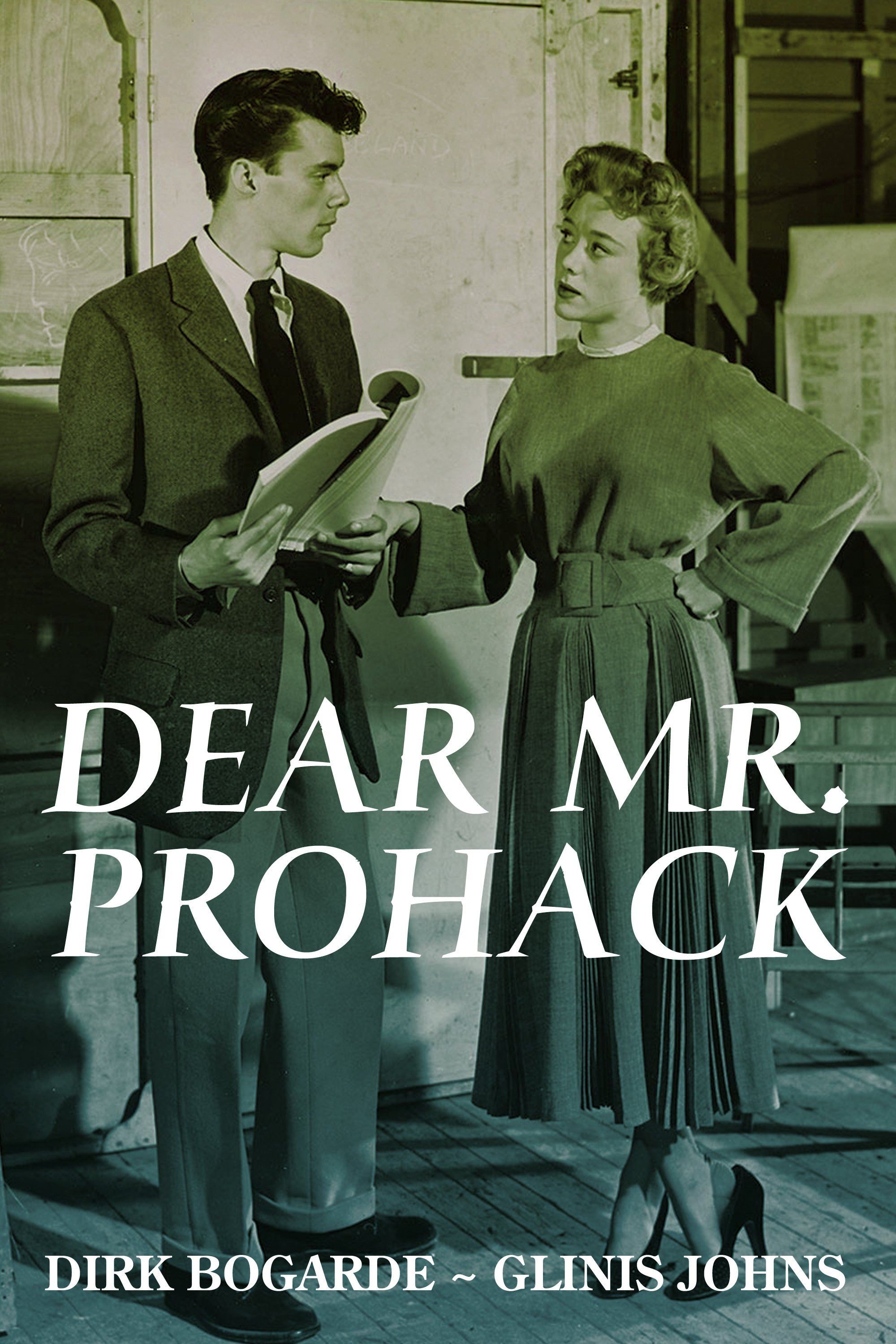 Movie6.4ComedyRomance
A modern-day retelling of Arnold Bennett's novel, in which a Treasury official with a reputation for fiscal prudence is left a great deal of money and has no idea how to cope with sudden personal wealth.
Dear Mr. Prohack
1949 · 5 votes
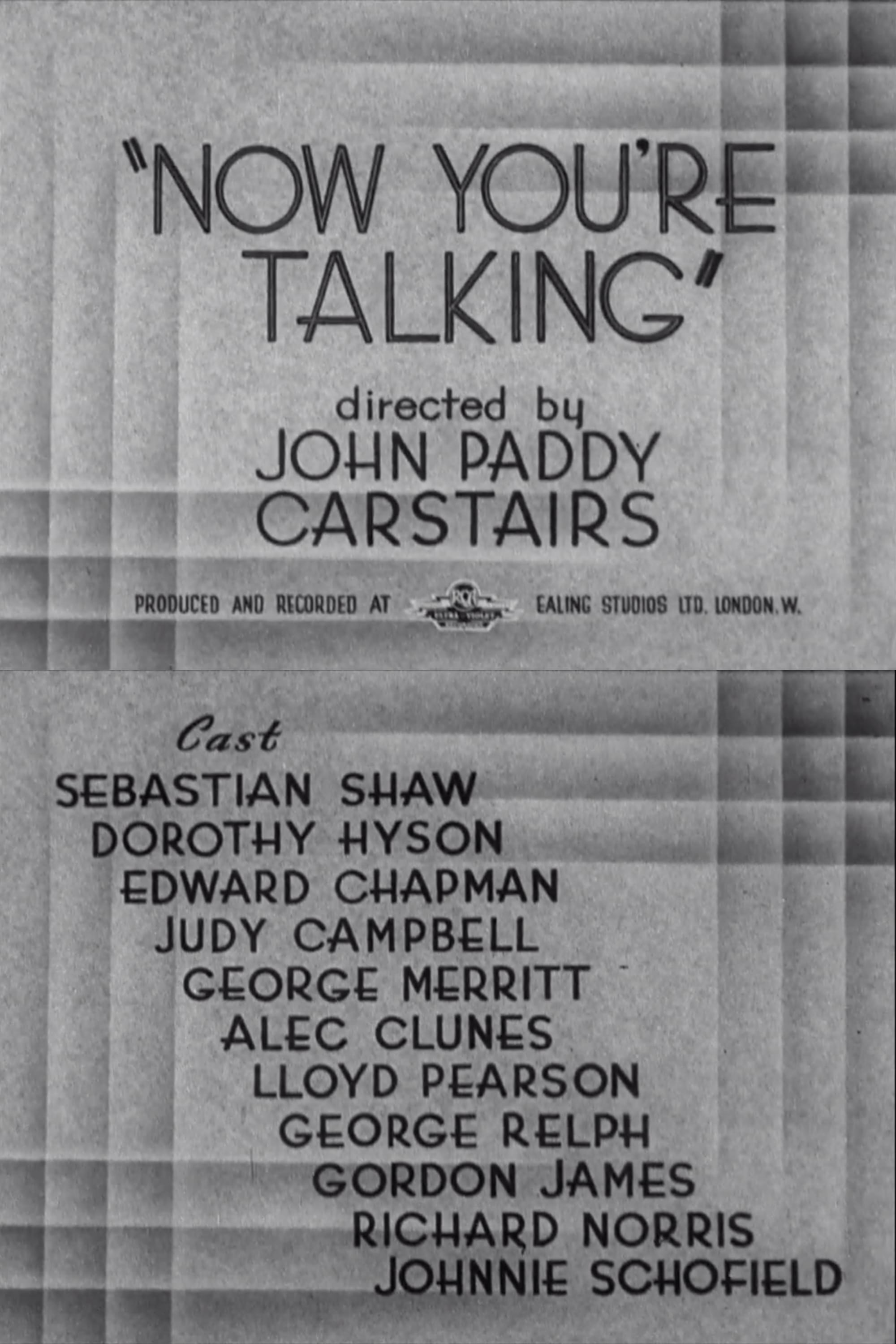 Movie8.0ComedyWar
Commissioned by the Ministry of Information and specifically target working class audiences; ‘Now you’re talking’ follows a plant worker, who lets slip vital information about some overnight research on a captured enemy aircraft. This inevitably leads to this most important of secrets falling into the lap of the enemy.
Now You're Talking
1940 · 1 votes
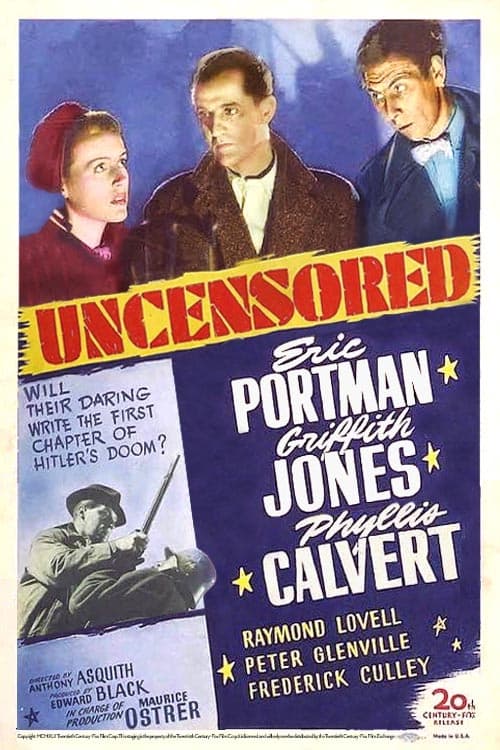 Movie9.0Drama
During the Nazi occupation of Belgium during World War II, a Belgian resistance group revives the newspaper "La Libre Belgique" to expose and counter Nazi propaganda efforts to deceive the people. They are so effective that the Nazis offer a reward for the capture of the paper's staff, although they don't know their identities. One of them is a well-known entertainer, and when his jealous partner hears of the reward, he turns him in. The paper's publishers escape capture, but their staff doesn't. The paper's founders must find not only a way to keep from getting captured by the Nazis but keep their newspaper going and get their staff released.
Uncensored
1942 · 1 votes
- MovieFamilyComedy
Comedy about a lazy mechanic who has to deliver a motor-cycle to its owner before five o'clock.
- Movie10.0Comedy
The Helliwells, the Soppitts, and the Parkers, old friends gathered to celebrate their common silver anniversaries. To their dismay they learn that their marriages may not be valid. On hand are an outrageous housekeeper and a photographer. The first play in history to ever be televised complete and unedited direct from the theatre. It is now believed to be lost. The BBC would make another television film version of this play in 1949 with several of the same actors from this film including Raymond Huntley, Ernest Butcher, Patricia Hayes, George Carney and Lloyd Pearson.
When We Are Married
1938 · 1 votes
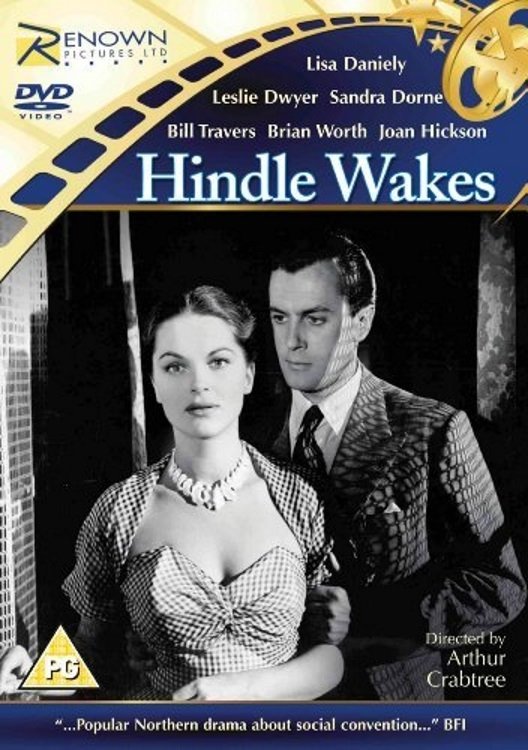 Movie5.4DramaRomance
During a holiday to the beach Jenny meets Alan and agrees to spend the week with him. Wanting to keep this a secret from her parents Jenny gets help from her friend Mary to pretend her whereabouts but disaster strikes during a boating accident. It is soon discovered Jenny was not with Mary. When the parents find out the truth they pressure the couple to get married, but Jenny thinks otherwise.
Hindle Wakes
1952 · 7 votes
 Movie6.9Drama
Charts the events occurring during a typical 24-hour period on London’s thoroughfare Bond Street. Linking the four stories together is the impending wedding of society girl Hazel Court and Robert Flemyng.
Bond Street
1948 · 4 votes
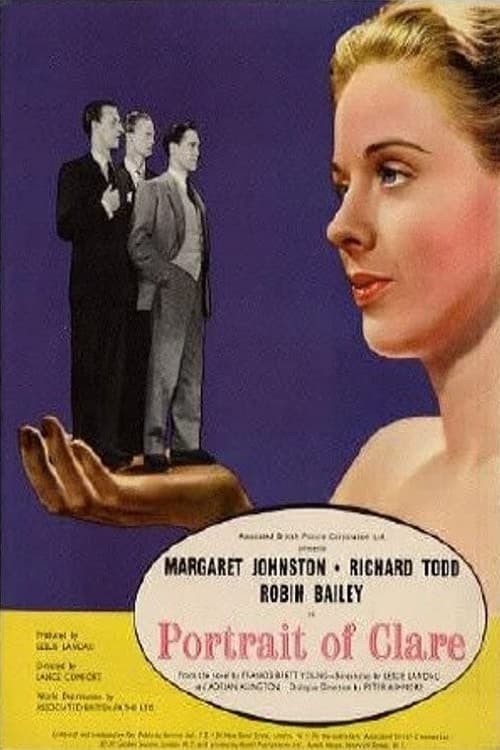 Movie6.7Drama
The three marriages of a woman: a young man who is killed, a priggish lawyer and a sympathetic barrister. From the novel by Francis Brett Young.
Portrait of Clare
1950 · 3 votes
 Movie7.0MusicComedy
The story revolves around the Dinky Doos, a provincial musical troupe living from hand to mouth.
The Good Companions
1957 · 1 votes
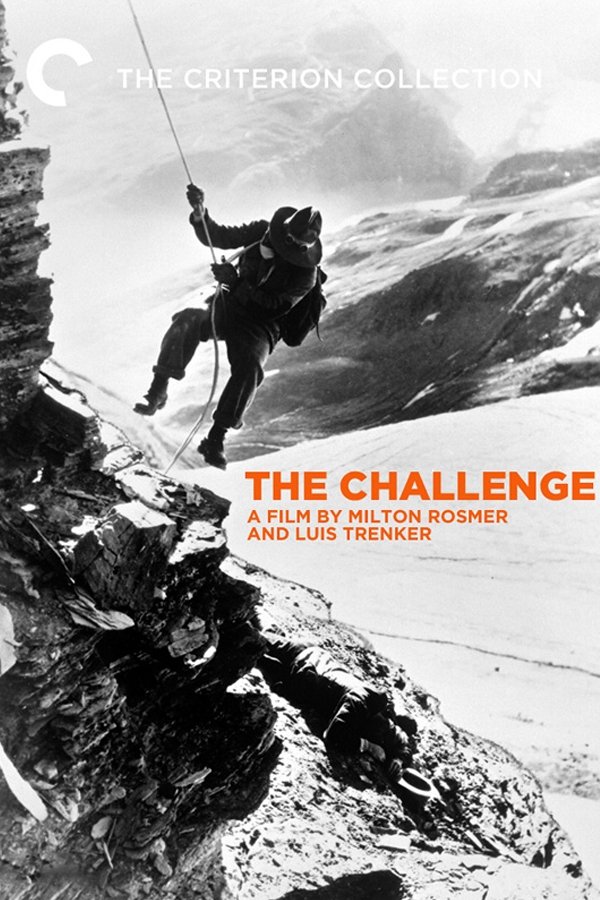 Movie6.3RomanceAdventure
During an early, unsuccessful attempt at climbing the Matterhorn, Edward Whymper finds himself rescued by an italian guide, Jean Antoine Carrel. The two men quickly build a friendship and agree to reach the peak together. However, local villagers ploto to divide the alliance of Whymper and Carrel and both men join rival teams as they set out in a race to conquer the mountain. A mountaineering drama based on the novel by Carl Haensel and inspired in the dramatic true story of Edward Whymper, who led the first successful ascent of the Matterhorn in 1865. There is another version of the film titled Der Berg Ruft, shot the same year in German.
The Challenge
1938 · 9 votes
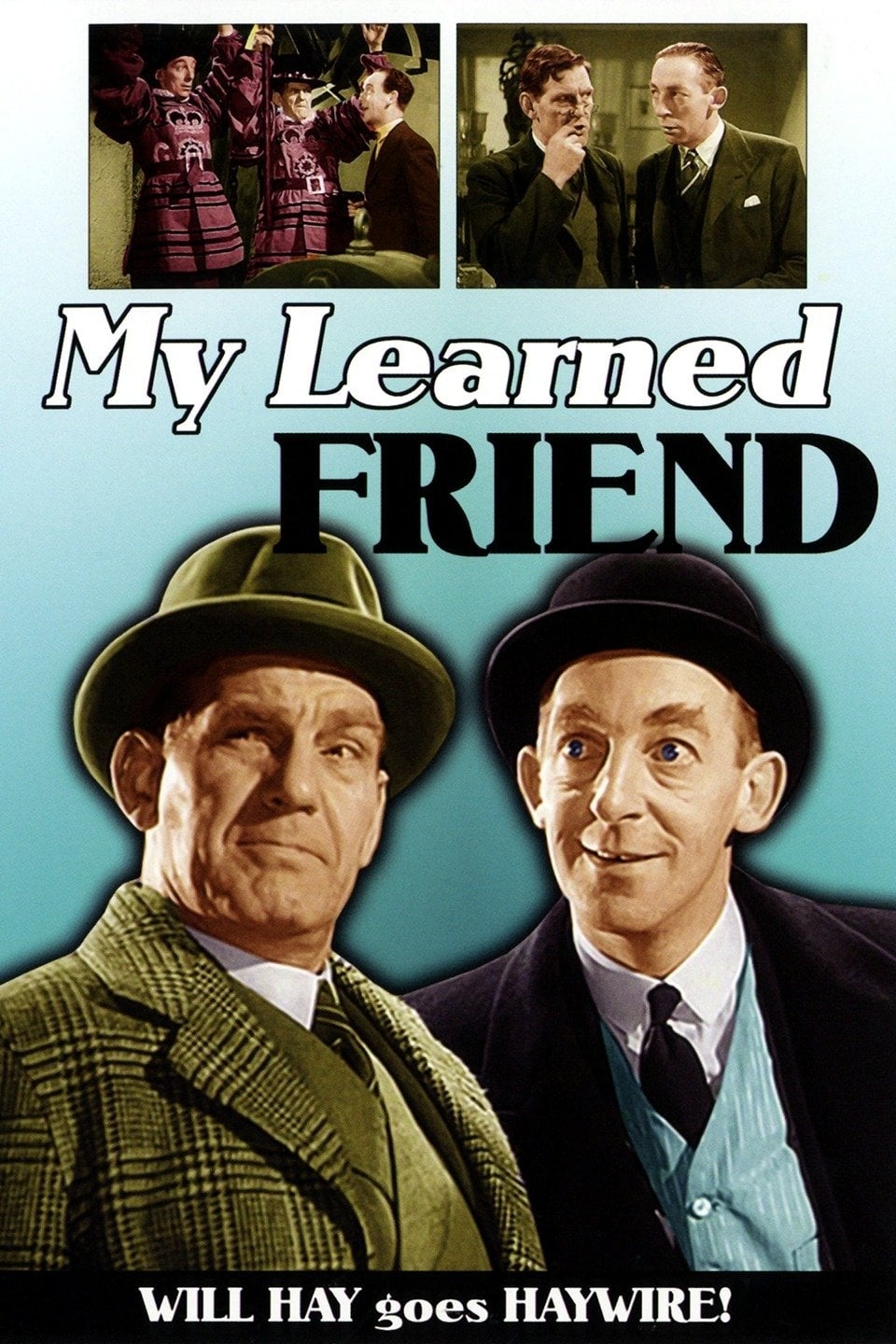 Movie6.2ComedyCrime
An insane murderer is on the loose, and gunning for the men who put him away. William Fitch is on the list, and co-opts his buddy Claude Babbington to try and prevent a grisly end.
My Learned Friend
1943 · 16 votes
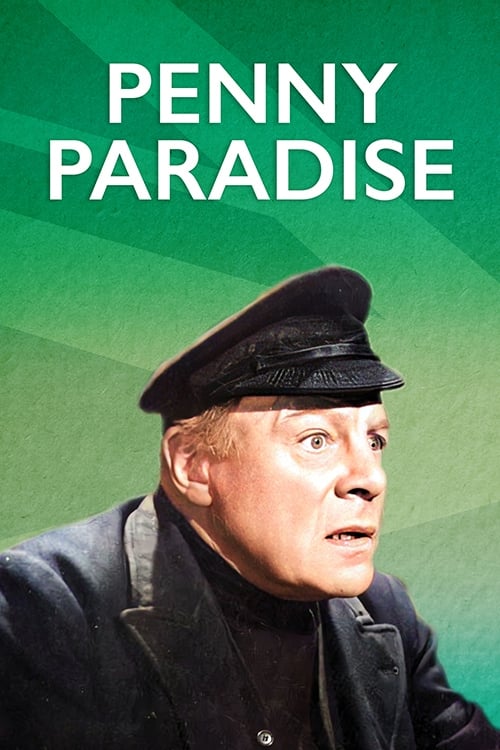 Movie6.7Comedy
A Liverpool tug boat captain finds he's won a fortune on the penny pools and it changes his life. However, after giving up his job and throwing a large expensive party, he discovers that he may not really have won after all.
Penny Paradise
1938 · 12 votes
Series4
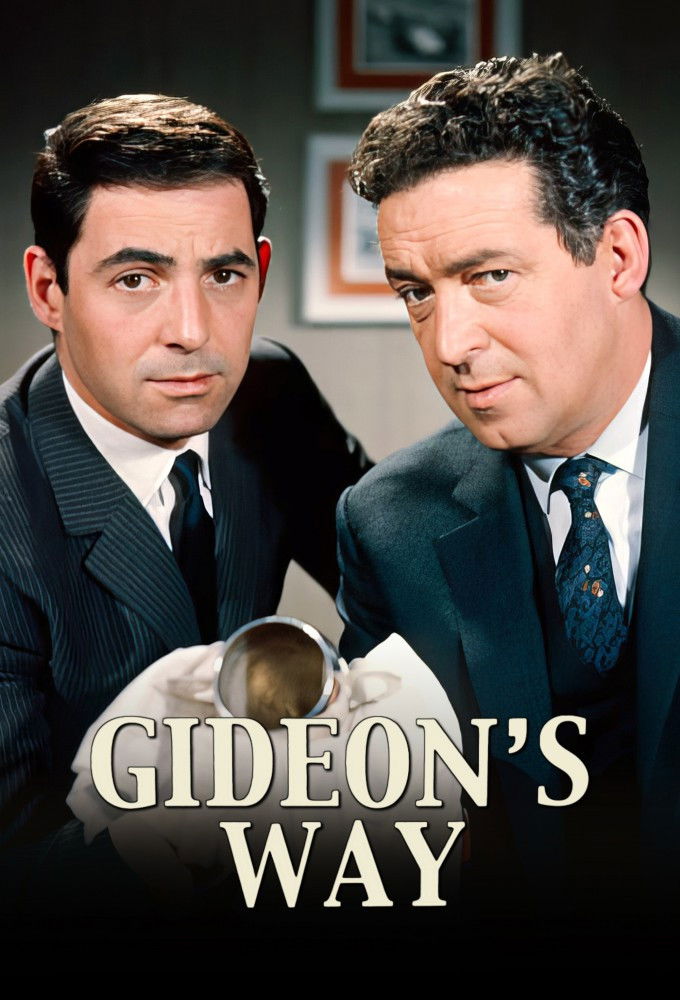 TV7.0Drama
Gideon's Way is a British television crime series made by ITC Entertainment in 1964/65, based on the novels by John Creasey. The series was made at Elstree in twin production with The Saint TV series. It starred Liverpudlian John Gregson in the title role as Commander George Gideon of Scotland Yard, with Alexander Davion as his assistant, Detective Chief Inspector David Keen, Reginald Jessup as Det. Superintendent LeMaitre, Ian Rossiter as Detective Chief Superintendent Joe Bell and Basil Dignam as Commissioner Scott-Marle. The show did not acknowledge any help from Scotland Yard, any other police force or advisor. Daphne Anderson starred as his wife, Kate with Giles Watling as young son, Malcolm, Richard James as older son, Matthew who seemed to have a lot of new girlfriends and Andrea Allan as daughter, Pru. Unusually for police stories, Gideon was shown as a family man at home though urgent phone calls from his bosses tend to disrupt family plans too often. However, he did admit in "State Visit" that his wife had walked out on him for a while years ago when he put the job first and her second. They live in an expensive detached house in Chelsea.
Gideon's Way
1965 · 5 votes
 TV7.2Drama
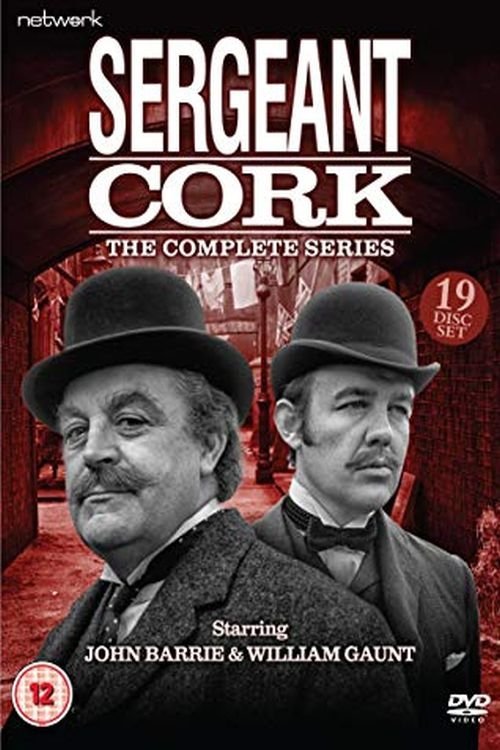
Sergeant Cork is a British detective television series which first aired between 1963 and 1968 on ITV. It was a police procedural show that followed the efforts of two police officers and their battle against crime in Victorian London. In all 66 hour-long episodes were aired during the five-year run, although the last episode was not broadcast until January 1968, 16 months after the others. Journalist Tom Sutcliffe has credited it as a first example of the use of the Victorian-era policeman in a television crime series. A 1969 review in The Age opined that rather than suspense, the strengths of the series were its "excellent period settings and wonderfully thick pea-soupers" which "add up to splendid evocative stuff", as well as the performance of star John Barrie. At no time during the whole series is Sergeant Cork's first name given.
Sergeant Cork
1963 · 5 votes
- TVDrama
This show was a series of six plays in which the hero of one was the villain in another, thus illustrating the good and bad sides of the characters.
 TV10.0Drama
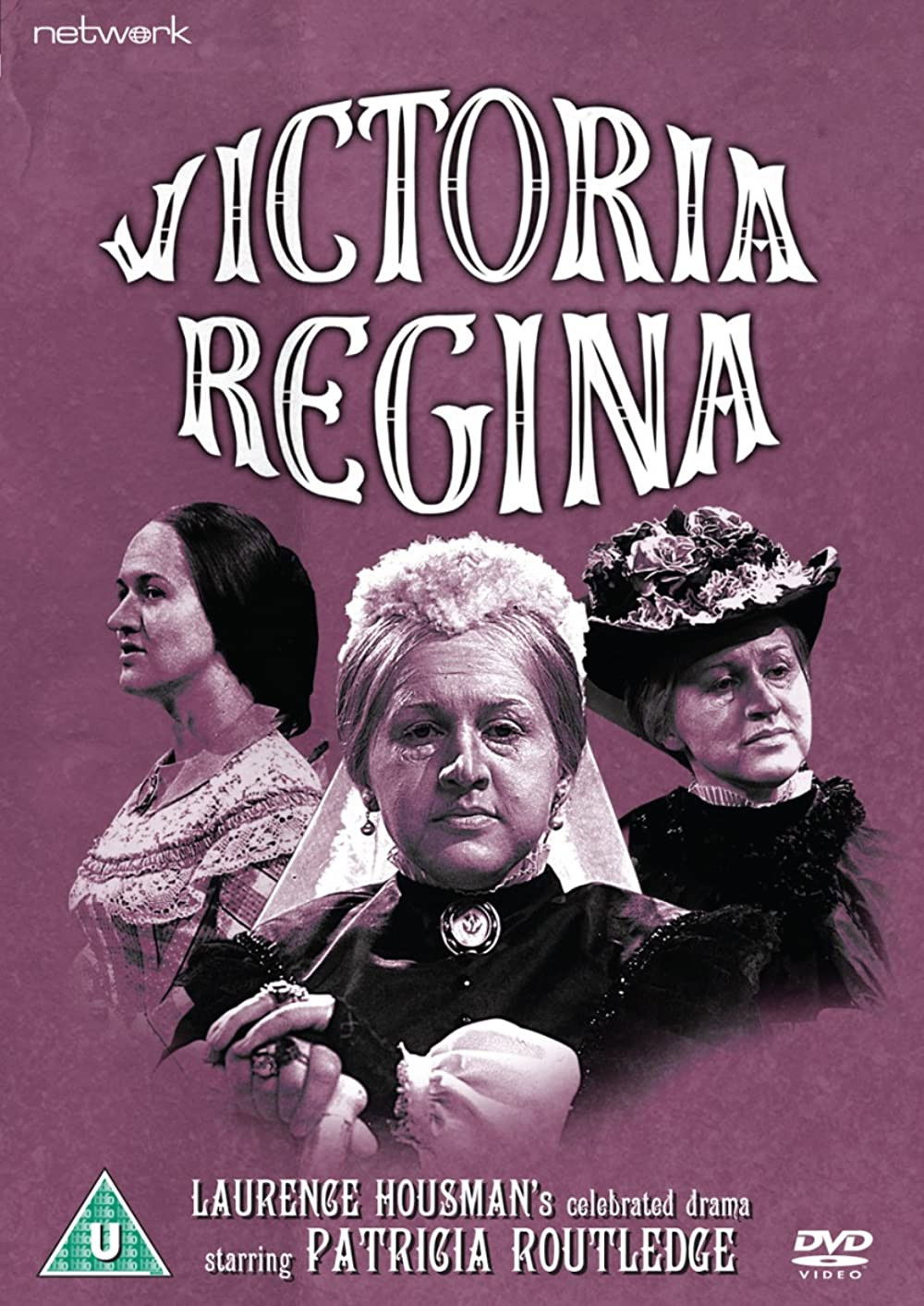
Patricia Routledge gives a career-best performance as Queen Victoria in this 1964 series of plays based on the celebrated collection of dramas by playwright Laurence Housman. Self-willed, obstinate, imperious and passionate... a now-familiar description of one of history's longest-serving female monarchs – but Housman's satirical tribute marked a decisive break with the tradition of the uncritical historical portrait. A Broadway hit deemed too disrespectful for public performance in Britain until the late 1930s, Victoria Regina is a frank portrayal of an extraordinarily complex woman, tracing her development from royal teenager to inconsolable widow at the helm of a vast empire, with all her contradictions, prejudices and unconstitutional behavior.
Victoria Regina
1964 · 1 votes