Anne Teresa De Keersmaeker
Crew · b. 1960 · Mechelen, Belgium
Anne Teresa, Baroness De Keersmaeker, born 1960 in Mechelen, Belgium, grew up in Wemmel) is a contemporary dance choreographer. The dance company constructed around her, Rosas (dance ensemble), was in residence at La Monnaie in Brussels from 1992 to 2007.
Movies6
- Movie6.2Documentary
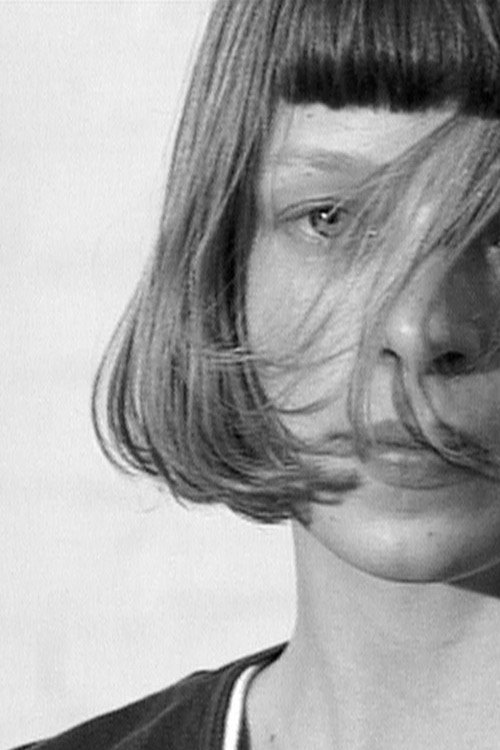
A poetic portrait of the world-renowned Ballet de l'Opéra national de Paris as they mount a new work by famed contemporary choreographer Anne Teresa De Keersmaeker, Rain is a formalist exercise in documentary filmmaking that at times resembles long lost outtakes from The Red Shoes.
Rain
2012 · 4 votes
 Movie7.0
A video essay about the rehearsal process of the dance performance Mozart / Concert Arias, un moto di gioia, a choreography by Anne Teresa De Keersmaeker and Rosas, which premiered at the Festival d’Avignon in July 1992.
Mozart Material
1993 · 1 votes
 Movie6.0Documentary
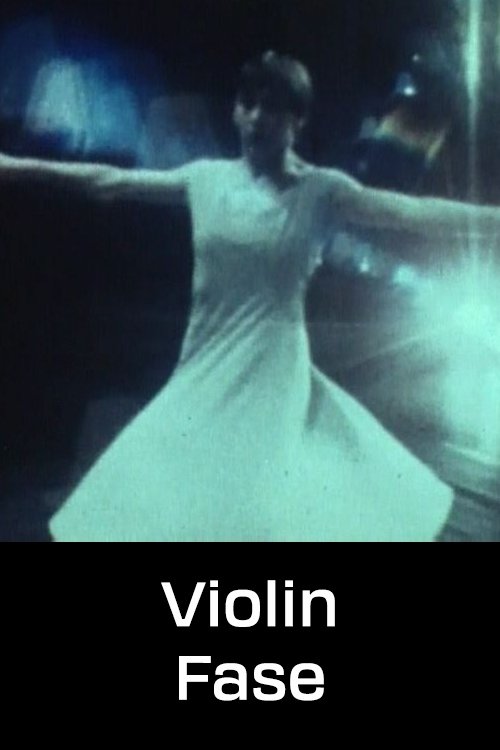
In Violin Fase, Eric Pauwels twirls the camera around the body of dancer and choreographer Anne Teresa de Keersmaeker. Through this process, Pauwels creates a new relationship between camera and dancer, but also between body and dance, dance and cinema. Consisting of a geometrical and minimalist choreographic structure filmed in four uninterrupted takes, the artist’s camera captures a woman dedicated to exploring the boundaries of physical exhaustion.
Violin Fase
1986 · 1 votes
 Movie7.0Documentary
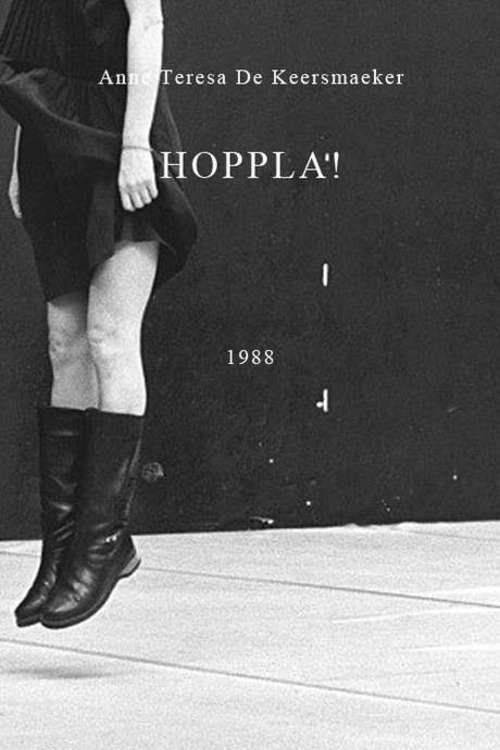
In Hoppla!, two choreographies by Anne Teresa De Keersmaeker are brought together and performed to the music of the Hungarian composer Béla Bartók: Mikrokosmos, seven short works for two pianos, and Quatuor no. 4, Bartók’s fourth string quartet. The reading room of the Ghent University library, designed by the renowned architect Henry Van de Velde, serves as location.
Hoppla!
1988 · 1 votes
 Movie7.0Documentary
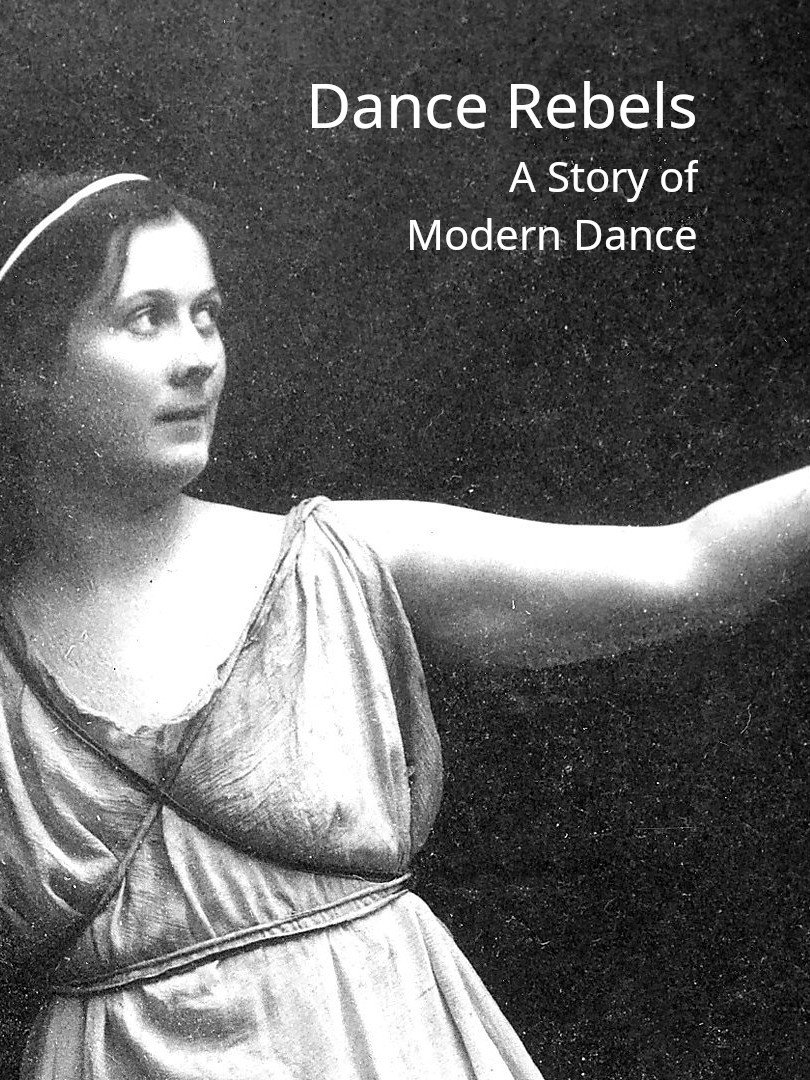
The mavericks whose radical ideas created modern dance in the 20th century.
Dance Rebels: A Story of Modern Dance
2015 · 1 votes
- Movie6.0Music
"Fase" consists of three duets and one solo dance, choreographed to four repetitive compositions by the American minimalist musician, Steve Reich: Piano Phase, Come Out, Violin Phase and Clapping Music. Reich allows his tones to gradually shift in rhythm and melody and between the instruments. The choreography applies the same phase-shifting principle. The purely abstract movements are executed so perfectly that they seem almost mechanical and yet affect us in a strange way.
Fase
2002 · 4 votes
Series1
 TVTalk Show