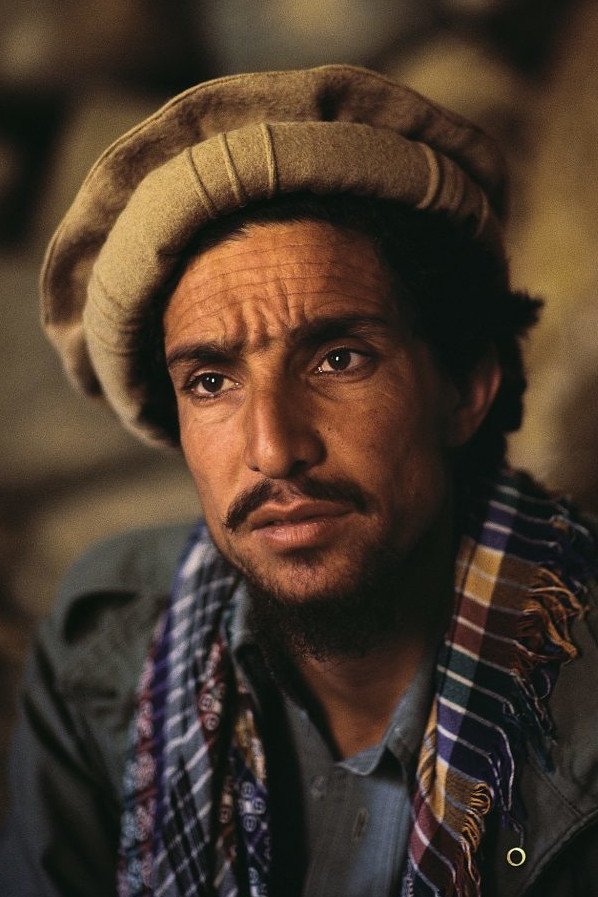
Ahmad Shah Massoud
Actor · 1953 – 2001 · Bāzārak, Afghanistan
Ahmad Shah Massoud (c. 1953 – 9 September 2001) was an Afghan military leader and politician. Known as the "Lion of Panjshir", he was the foremost commander of the Afghan mujahideen against Soviet occupation during the Soviet–Afghan War from 1979 to 1989. Later, in the 1990s, he led the government's military wing against rival militias, and actively fought against the Taliban and their allies, from the time the regime rose to power in 1996, and until his assassination in 2001. Massoud came from a Tajik Sunni Muslim background in the Panjshir Valley in northern Afghanistan. He began studying engineering at Polytechnical University of Kabul in the 1970s, where he developed Islamist and anti-communist views. He joined the Jamiat-i Islami of Burhanuddin Rabbani and, in 1975, participated in a failed uprising against President Daoud Khan's government. During the Soviet–Afghan War, he successfully resisted the Soviets from taking the Panjshir Valley. In 1992, he signed the Peshawar Accord, a peace and power-sharing agreement, in the post-communist Islamic State of Afghanistan. He was appointed the Minister of Defense as well as the government's main military commander. The accord was opposed by Gulbuddin Hekmatyar and other warlords, who attacked Kabul and initiated the Second Afghan Civil War (1992–1996). Following the rise of the Taliban in 1996, Massoud, who rejected the group's extremist interpretation of Islam, returned to armed opposition. He became the military leader of the Northern Alliance, which by 2000 controlled only 5–10% of the country. In 2001, he visited Europe and urged European Parliament leaders for humanitarian aid to combat the Afghan people's conditions under the Taliban. On September 9, 2001, Massoud was killed in a suicide bombing by two al-Qaeda assassins. Two days later, al-Qaeda operatives carried out the September 11 attacks in the United States. Within weeks, American and NATO forces invaded Afghanistan, allying with the Northern Alliance and toppling the Taliban from power. By December 2001, the coalition had secured control over the country. Regarded as one of the most influential guerrilla leaders in modern history, Massoud became an icon of several anti-imperialist movements and gained the status of a cult of personality. He was posthumously named the national hero of Afghanistan by the order of President Hamid Karzai after the Taliban were ousted from power in 2001. The date of Massoud's death, 9 September, was observed as "Martyrs' Day" under the Islamic Republic of Afghanistan. His son Ahmad Massoud is leading the National Resistance Front (NRF) against the Taliban. Description above from the Wikipedia article Ahmad Shah Massoud, licensed under CC-BY-SA, full list of contributors on Wikipedia.
Movies5
 Movie8.0DocumentaryHistory
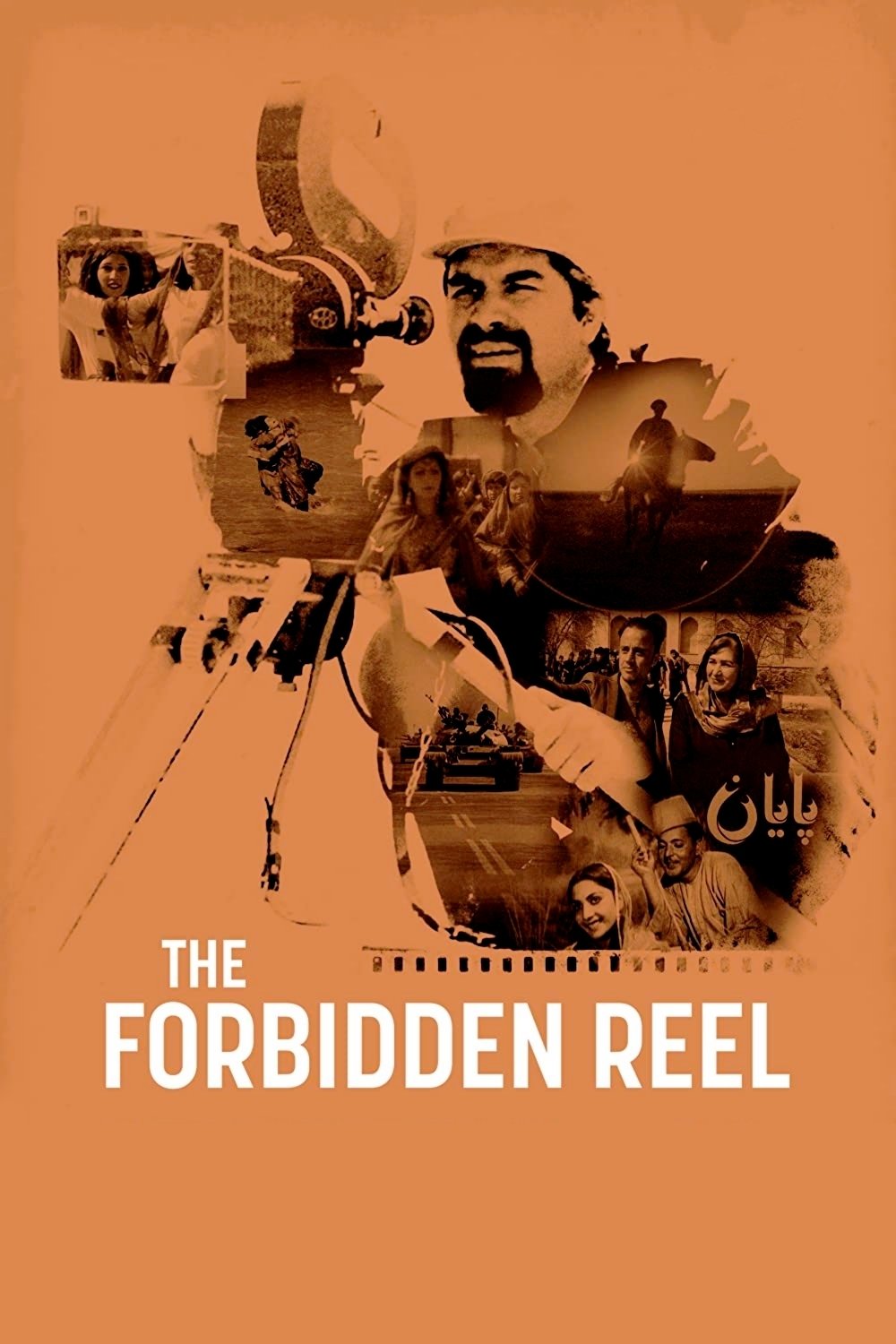
According to the official history of Afghanistan, ruthless destruction has always prevailed over art and creation; but there is another tale to be told, the forgotten account of a diverse and progressive country, seen through the lens of innovative filmmakers, a story that survives thanks to a few brave Afghans, a small but very passionate group that secretly fought to save a huge film archive that was constantly menaced by war and religious fanaticism.
The Forbidden Reel
2020 · 1 votes
 Movie9.0DocumentaryWar
Les combattants de l'insolence
1985 · 2 votes
 MovieDocumentary
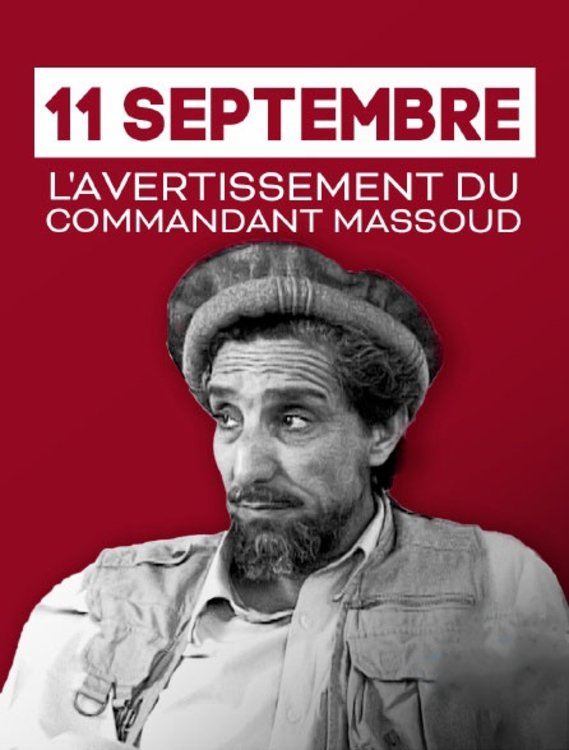
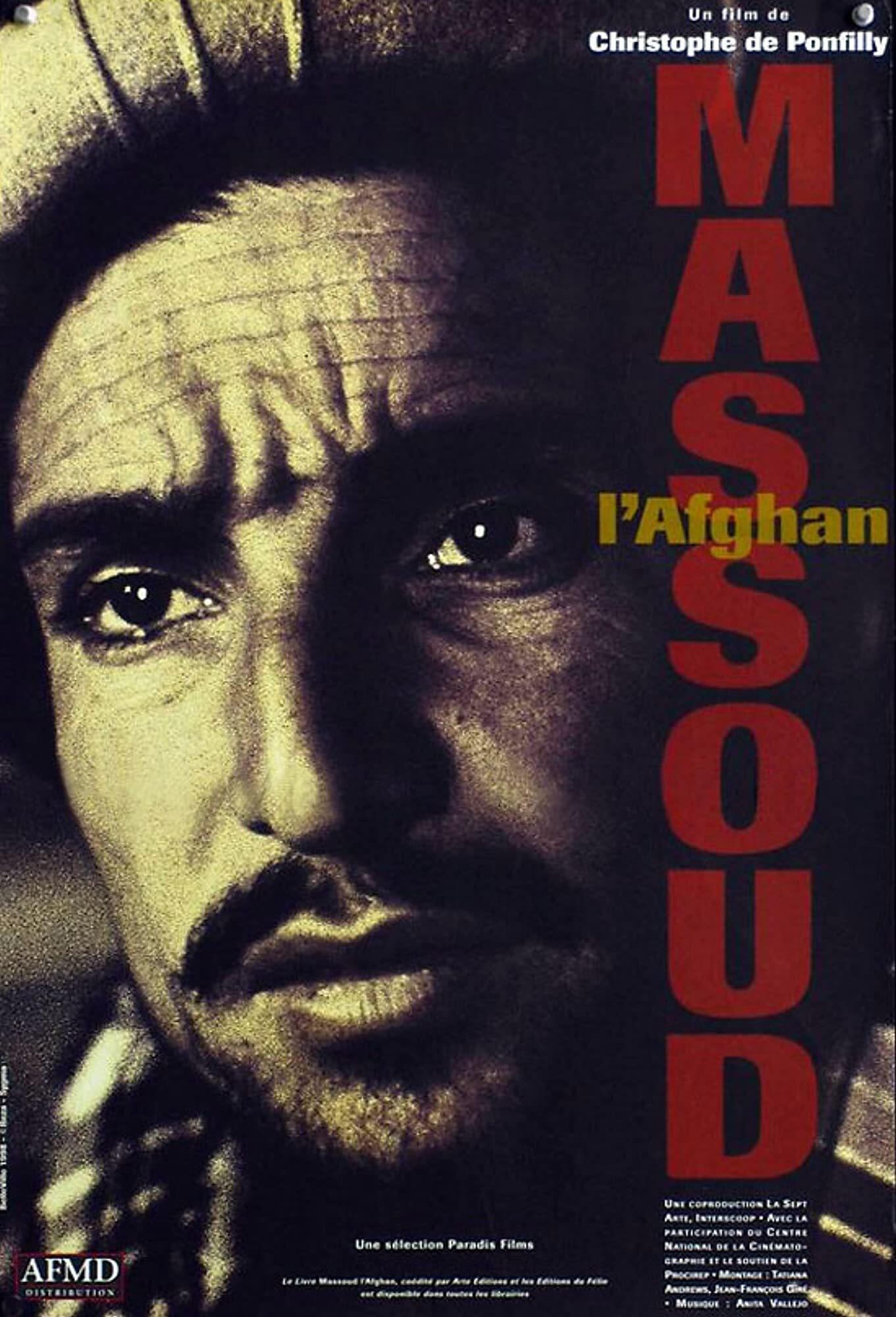
On September 9, 2001, Commander Massoud, a hero of the Afghan resistance, was assassinated by two members of al-Qaeda posing as journalists. Two days later, the terrorist organization struck the United States. However, a few months earlier, during a visit to France, Commander Massoud had come to warn the West about the disastrous plans of al-Qaeda and the rise of the Taliban. He asked the West to exert pressure on Pakistan, a country that supplied arms, supported and sheltered the Taliban, but which was also a major buyer of French arms. He was not listened to.
 Movie8.2DocumentaryHistory
The friendship between Christophe de Ponfilly and Commander Massoud, a legendary figure of the Afghan resistance against the Soviet invader, goes back to the filmmaker's first film, "A Valley Against an Empire", made in 1981. Fifteen years later, weakened, isolated, betrayed by many of his own, the "Lion of Panshir" has not surrendered to his new and implacable enemies, the Taliban. While preparing his next offensive, he evokes his commitment and his fights, and bears witness to a history in which he has been one of the main actors for twenty years. At the same time, the director questions the role and power of the media, as well as his own approach as a filmmaker. Commander Massoud was killed in an attack in September 2001.
 Movie9.0Documentary
When the Soviet troops entered Afghanistan in December 1979, Christophe de Ponfilly and Jérôme Bony made their first clandestine reportage in the Panjshir valley. "A valley against an empire" testifies to the beginning of the struggle of a young commander, Amah Shah Massoud.
Une vallée contre un empire
1981 · 1 votes
Series1
 TV7.3DocumentaryWar & Politics
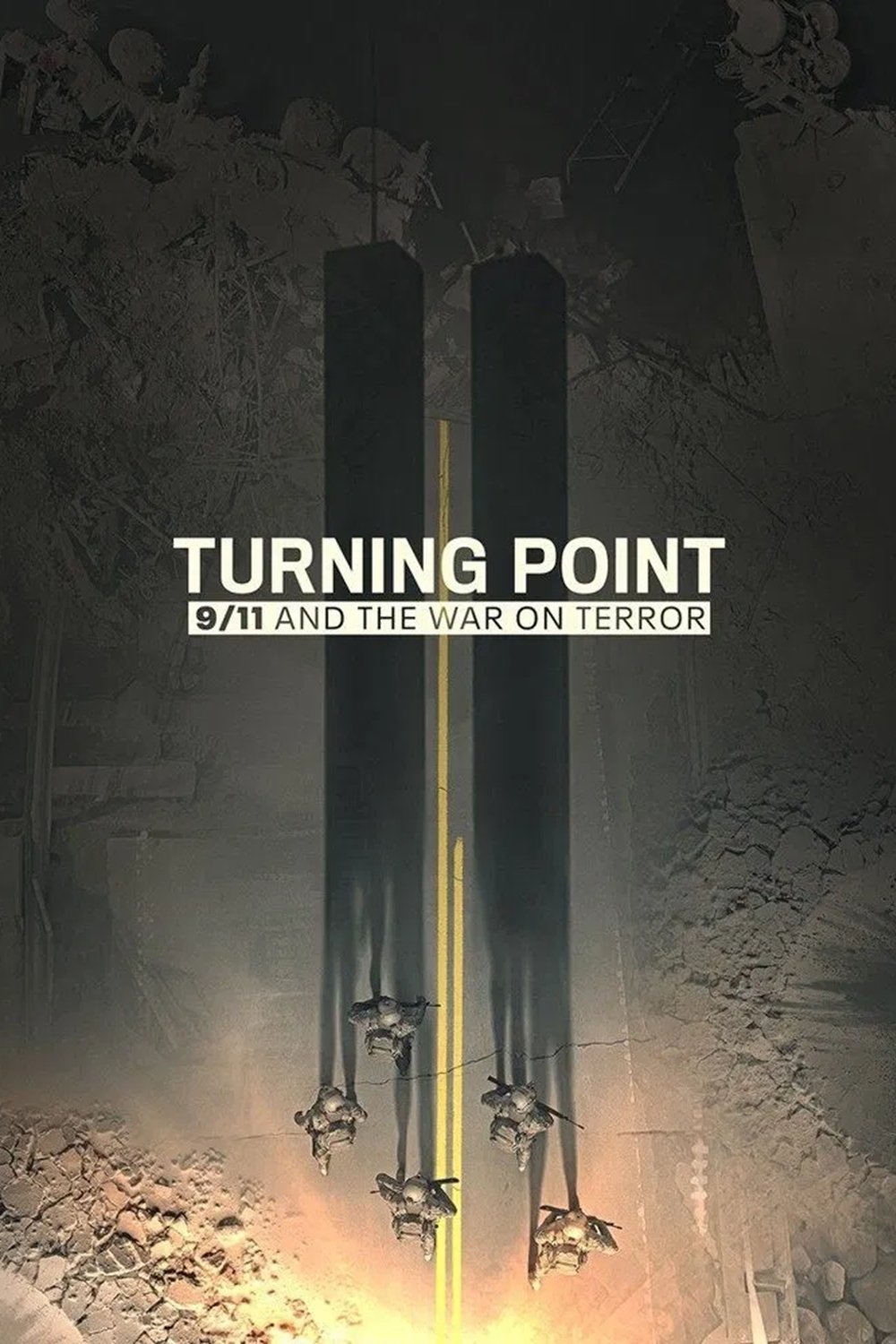
Modern history can be divided into two time frames: before 9/11 and after 9/11. This five-part docuseries is a cohesive chronicle of the September 11, 2001 attacks on the U.S., offering illuminating perspectives and personal stories of how the catastrophic events of that day changed the course of the nation.
Turning Point: 9/11 and the War on Terror
2021 · 147 votes