
Kurt von Ruffin
Actor · 1901 – 1996 · München, Germany
Movies20
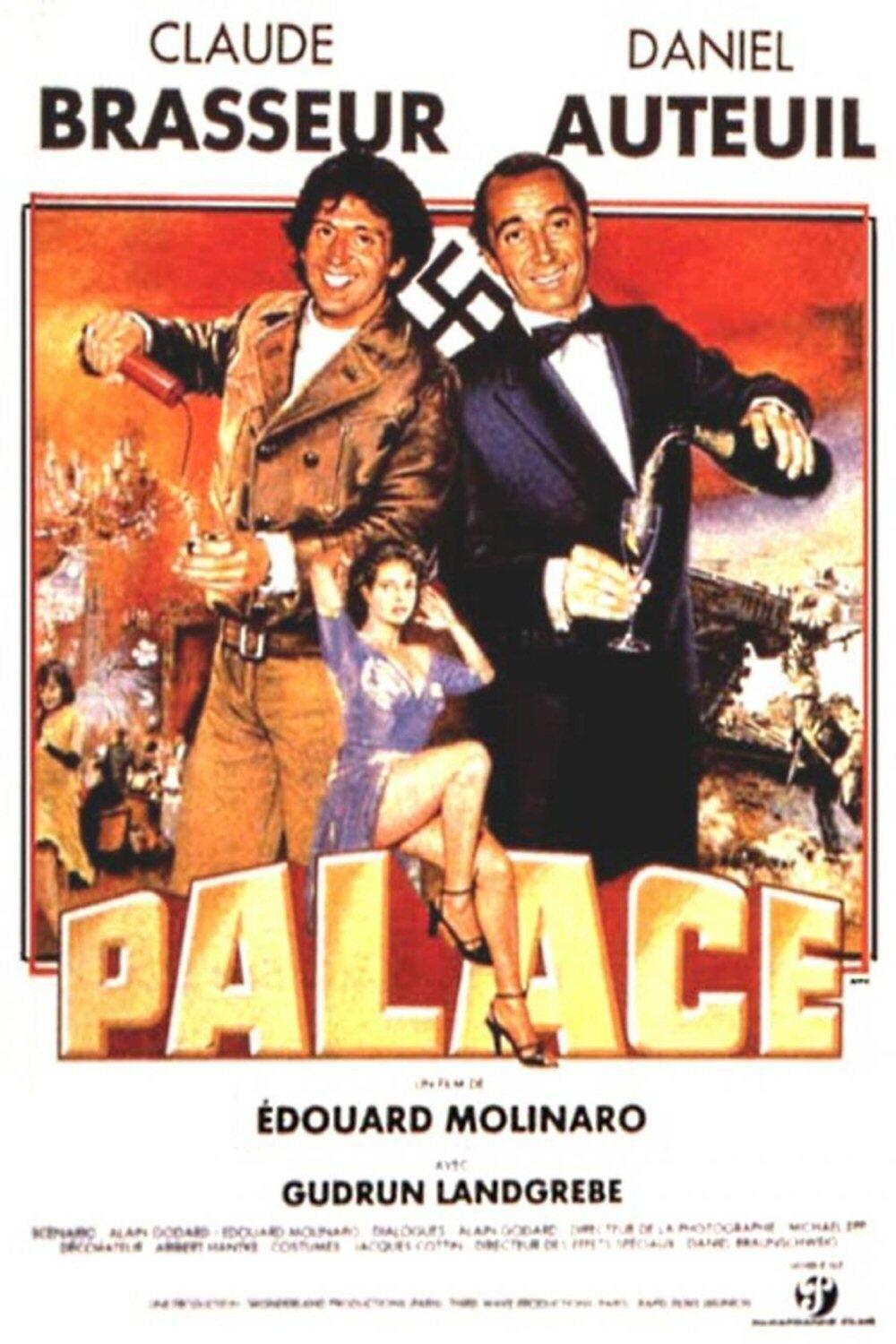 Movie4.8WarComedy
1944. Lucien, a fighter in the Free French Forces, is taken prisoner by the Germans. He is sent to a prison camp and then becomes a pianist in a palace.
Palace
1985 · 4 votes
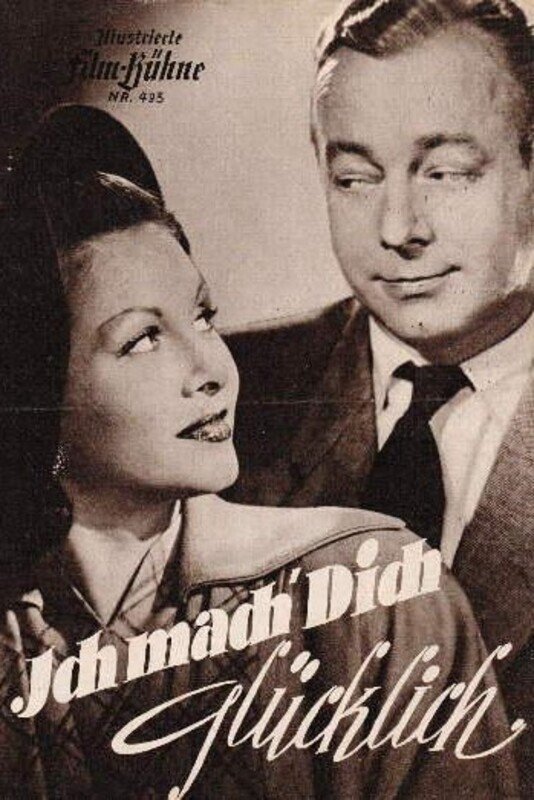 Movie8.5Comedy
Ich mach Dich glücklich
1949 · 2 votes
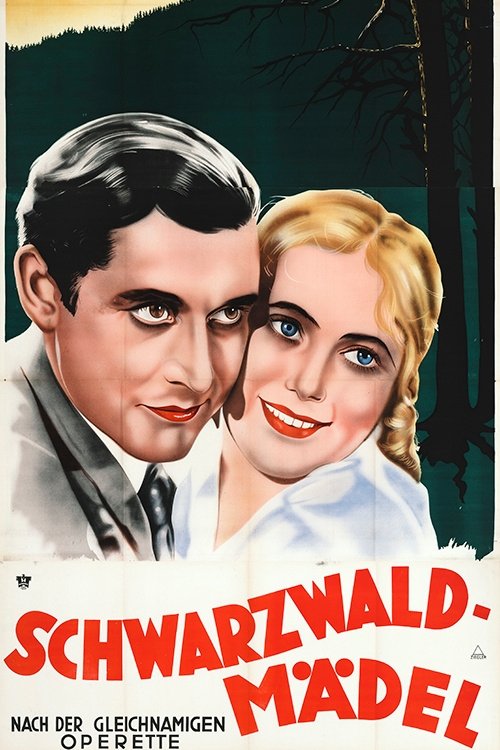 Movie6.5MusicRomance
Schwarzwaldmädel
1933 · 2 votes
 Movie7.9ComedyCrime
Bruno Stiegler, a boxing promoter with a disreputable past, returns from America to Berlin to make some big things again with his friends. Fatally, he is always preceded by some gentlemen from better circles who are developing amazing criminal activity in their old days. They are led by Oberlandesgerichtsrat a. D. Herbert Zänker, whom it still hisses, that he could bring in his term Bruno never behind bars.
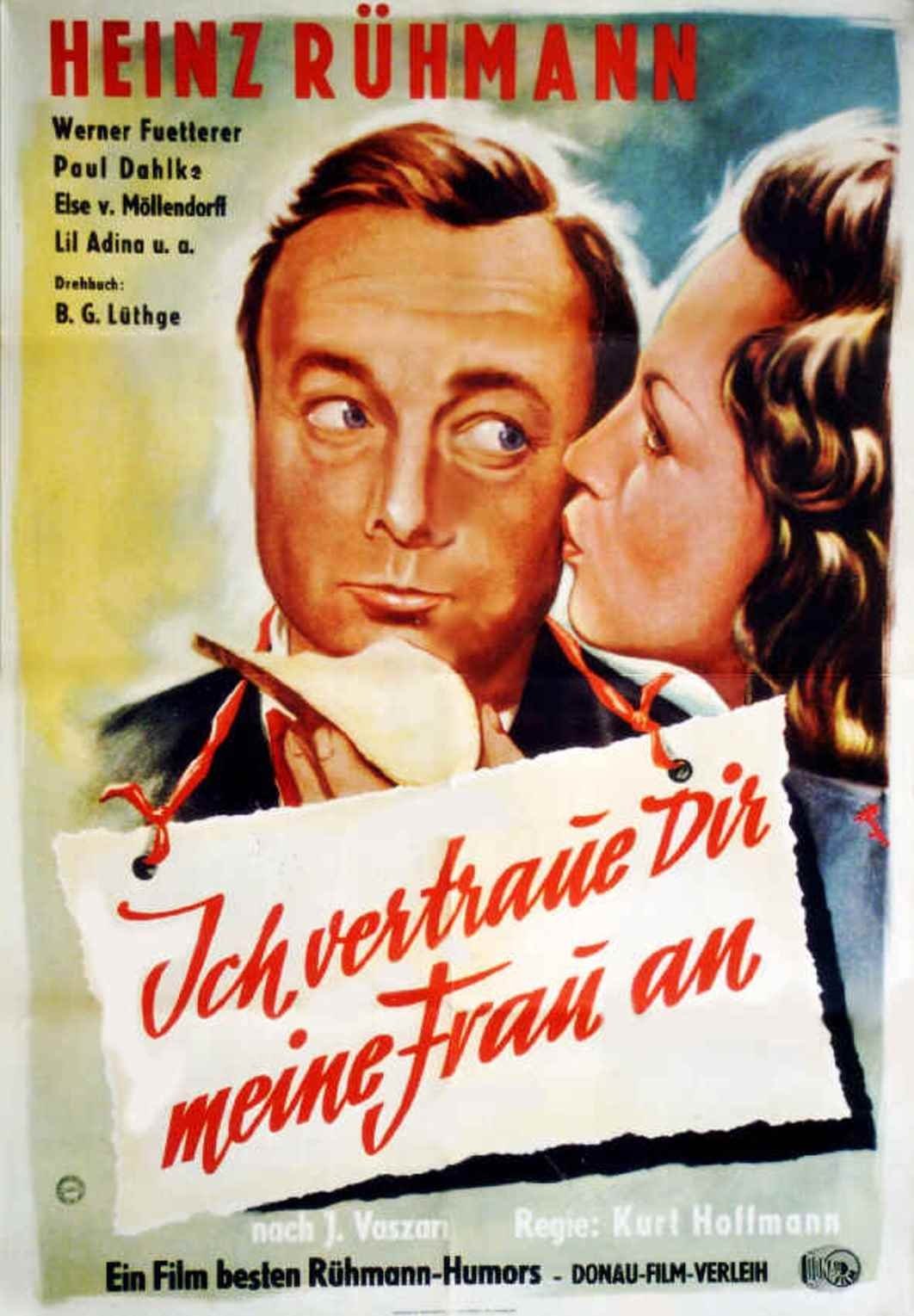 Movie5.2Comedy
Ich vertraue Dir meine Frau an
1943 · 10 votes
 Movie6.7Music
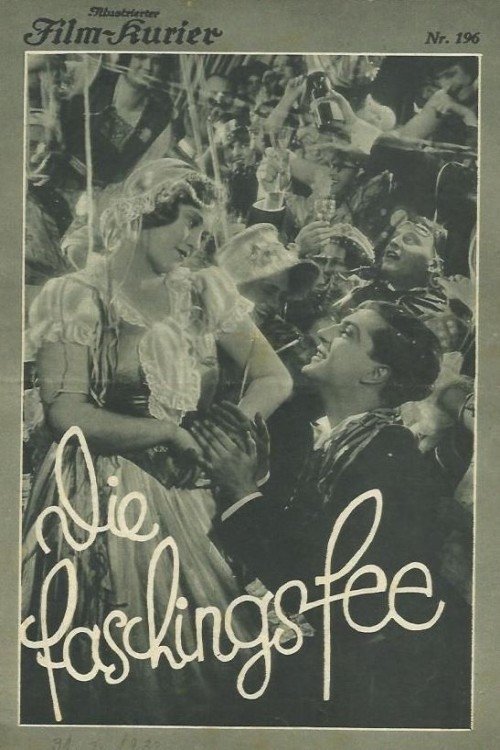
Film version of the operetta by Emmerich Kalman. Victor has won 10 000 Mark with his ceiling painting. In the local pub, he celebrates his triumph. Countess Alexandra happens to drop into the pub too, and is thought to be a model by the sponsor of the prize, Count Meredith. Victor soon has to save her from an embarassing misunderstanding. The two men insult each other and Victor loses his prize.
 Movie10.0DramaMystery
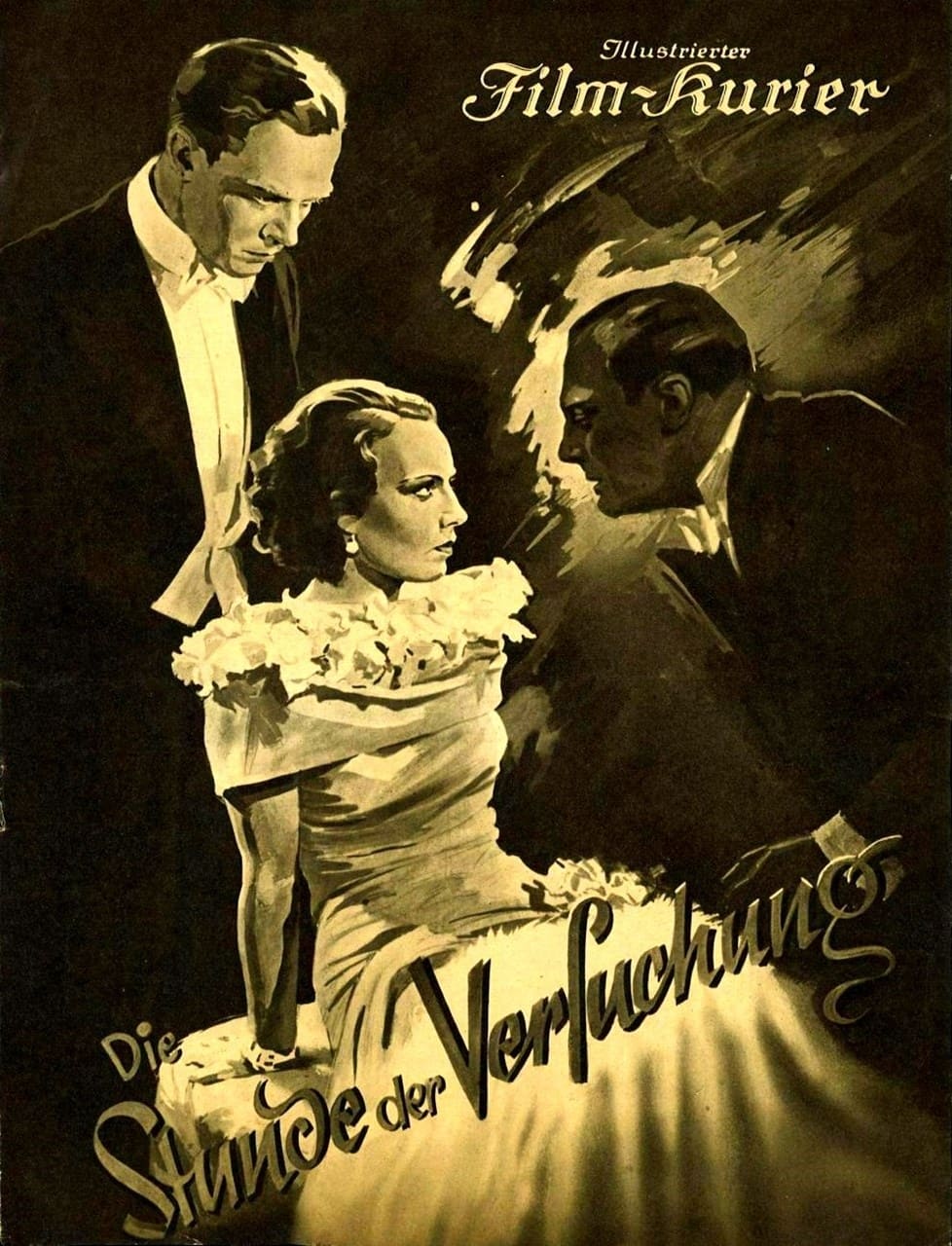
Irene is unhappy because her lawyer husband Dr. Leuttern never has time for her. Womanizer Mac Norris slyly benefits from her depression and lures her to his apartment. As she struggles to fend him off a shot is fired and Mac collapses.
- Movie10.0Drama
Hámos' fascination with the cultural mythology of the hero culminates in this witty, elaborately crafted drama, which was produced for European television. Hámos intercuts two parallel narratives to tell his story: a cartoonish, campy science fiction adventure, shot on video; and an elegant, cinematic political thriller, shot on film. Hámos blends the two genres into a tragicomic tale of the role of heroes, their immortality, and the catharsis of a heroic death. The science fiction melodrama features a comic book superhero, Hurry Cane, who saves the earth from the evil Emperor Argon; in the film noir, hired killers have a contract out on the hero Cane. Hámos' analysis of the myth of the hero is articulated in his collusion of the two stylized dramas and their contrasting representational modes..
Der Unbesiegbare
1985 · 1 votes
- Movie10.0Comedy
 Movie10.0Comedy
 Movie6.5CrimeMystery
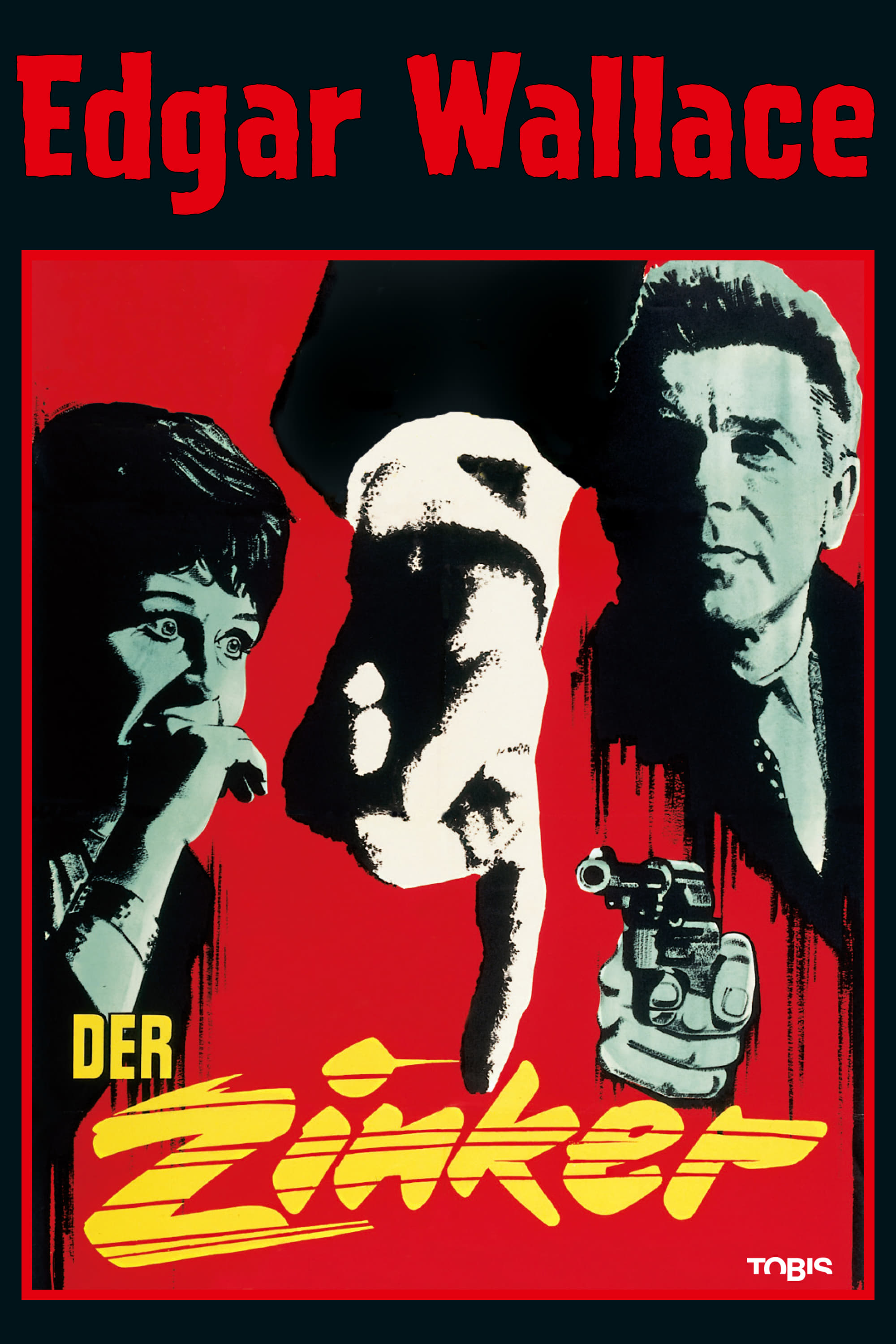
Scotland Yard investigates a series of murders where the victims have died by snake venom poisoning.
 Movie7.5Comedy
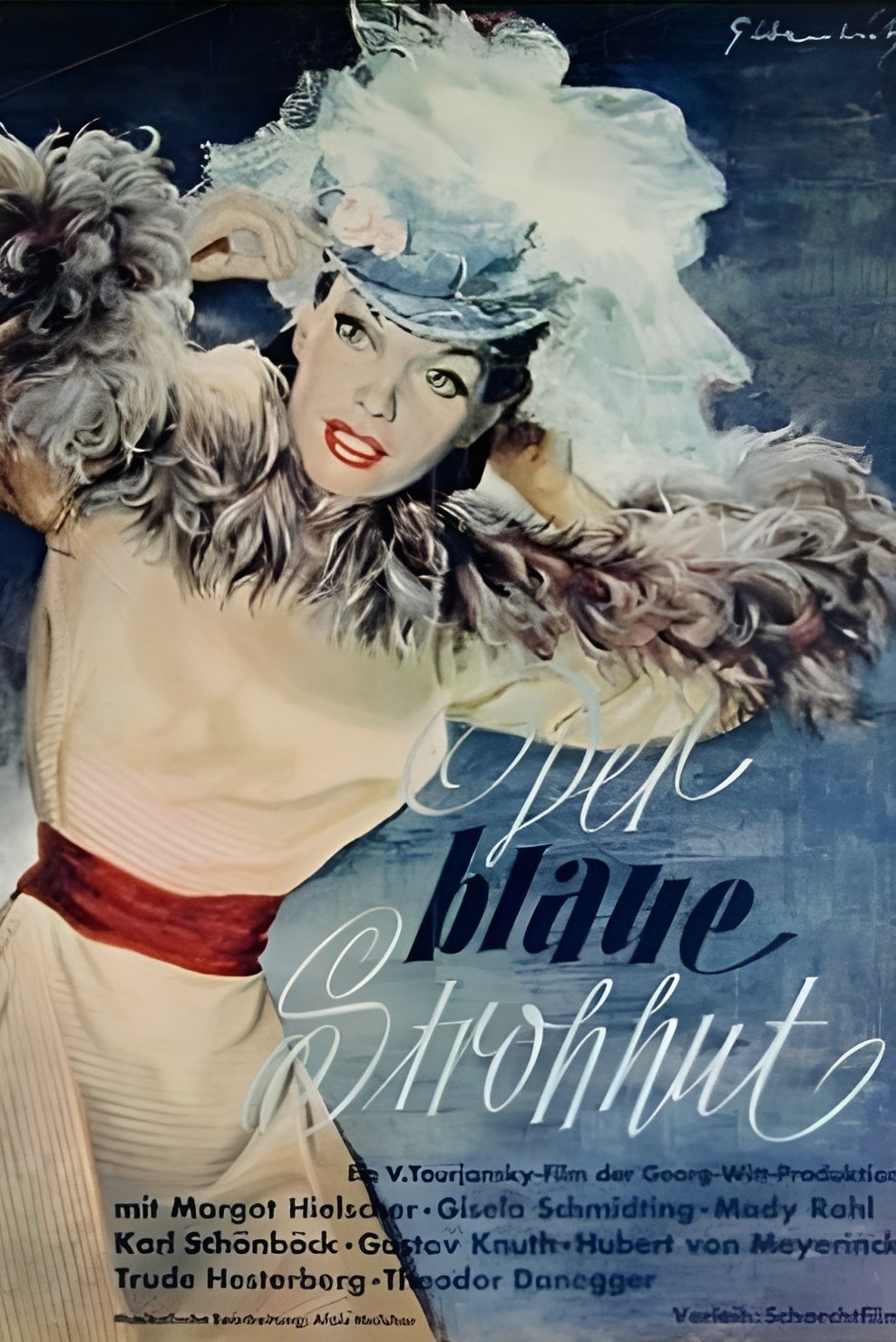
Pretty hat-saleswoman Lola wants nothing more than to become an operetta singer. Unfortunately, it isn't so easy to make it in the music business. Operetta diva Isabella, on the other hand, is sick and tired of performing and leaves the stage, despite the fact that her partner begs her to stay, because without her he can't premiere his latest work on the stage.
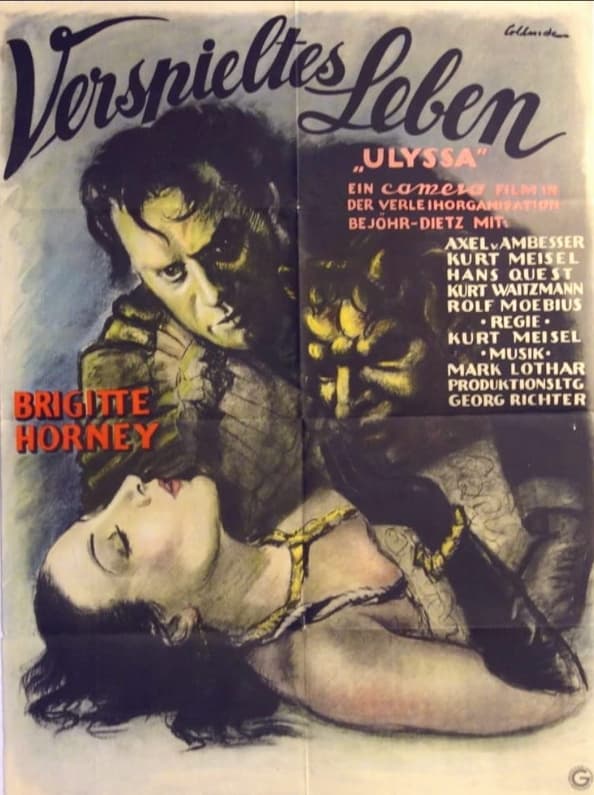 Movie7.5WarRomance
Germany, 1914: The bourgeois austerity of the small, northern German town in which Ulyssa lives conflicts sharply with her desire to flirt with and be ensnared by charming, young men. That she's married is irrelevant; it's a marriage which exists only on paper. Among all the men Ulyssa flirts with, there is one for which she has genuine affection: Stefen Marbach, an upright and sincere man, far superior to her other men. And, indeed, the two are honest with one another about their feelings, but the outbreak of the First World War separates them. Sometime later, Ulyssa finds out that not only her husband, but Stefan, too, has fallen in battle. The news of this disaster leads her to reconsider and eventually give in to the constant urgings of the Viennese merchant Reindl. Ulyssa joins Reindl in Vienna and lives a life of wealth and comfort, until one day, Stefan shows up.
Verspieltes Leben
1949 · 2 votes
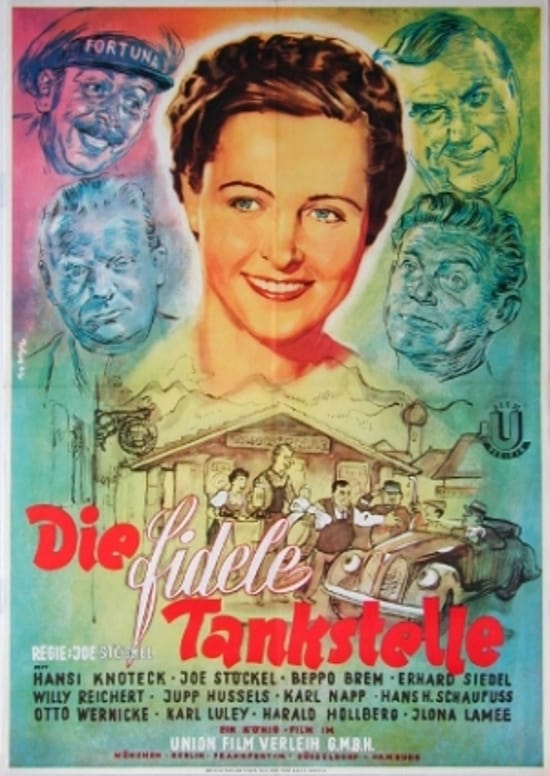 Movie10.0Comedy
Die fidele Tankstelle
1950 · 1 votes
- Movie8.0RomanceMusic
A love story based in Munich in 1852: An Austrian officer belonging to the nobility has the mission of ensuring the young Kaiser Franz Joseph doesn’t endanger his future marriage to Princess Elisabeth by his acquaintanceship with the daughters of a coffee-house owner.
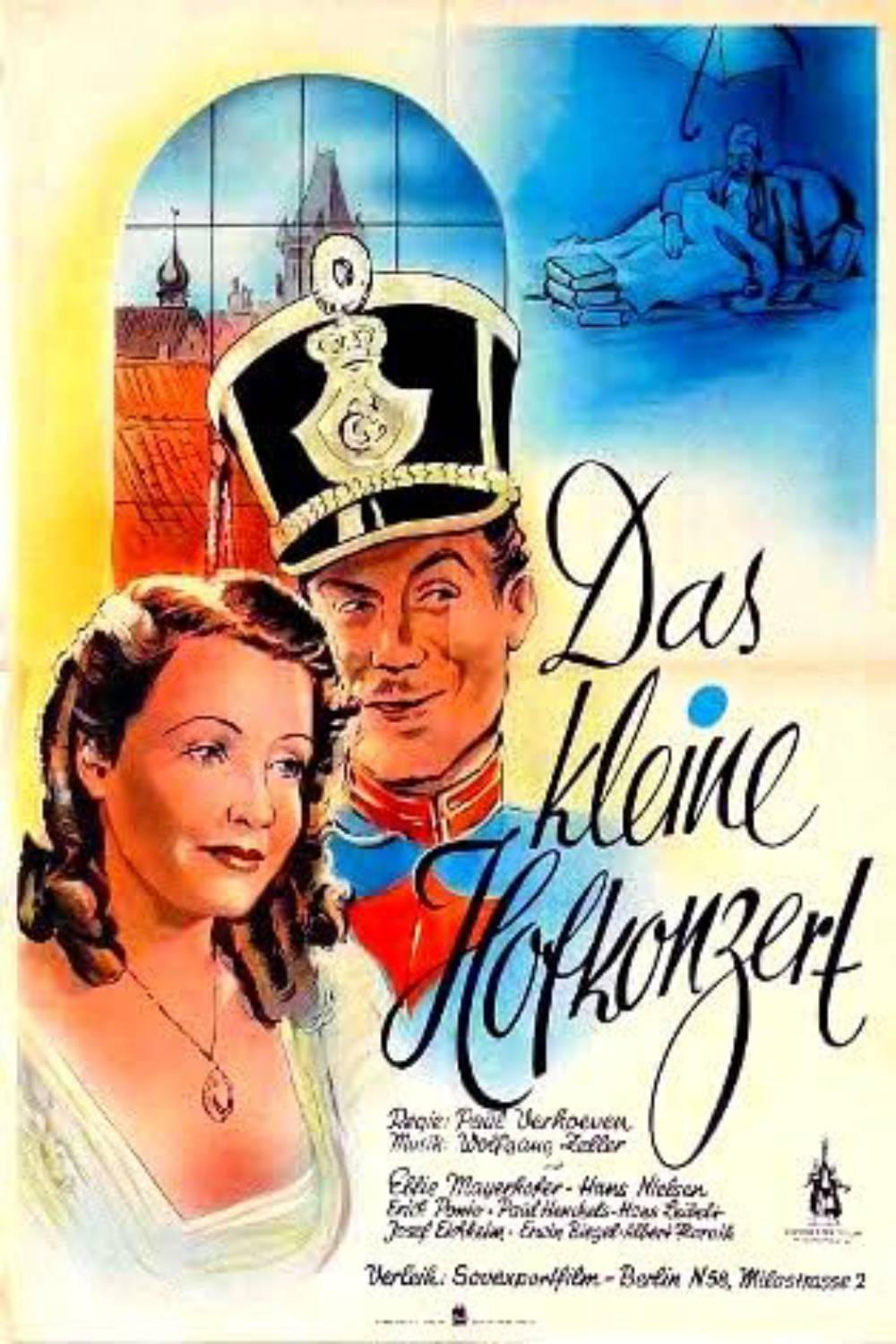 Movie7.0Comedy
During the Biedermeier era, a young singer searches for her missing father. Remake of "Das Hofkonzert", 1936.
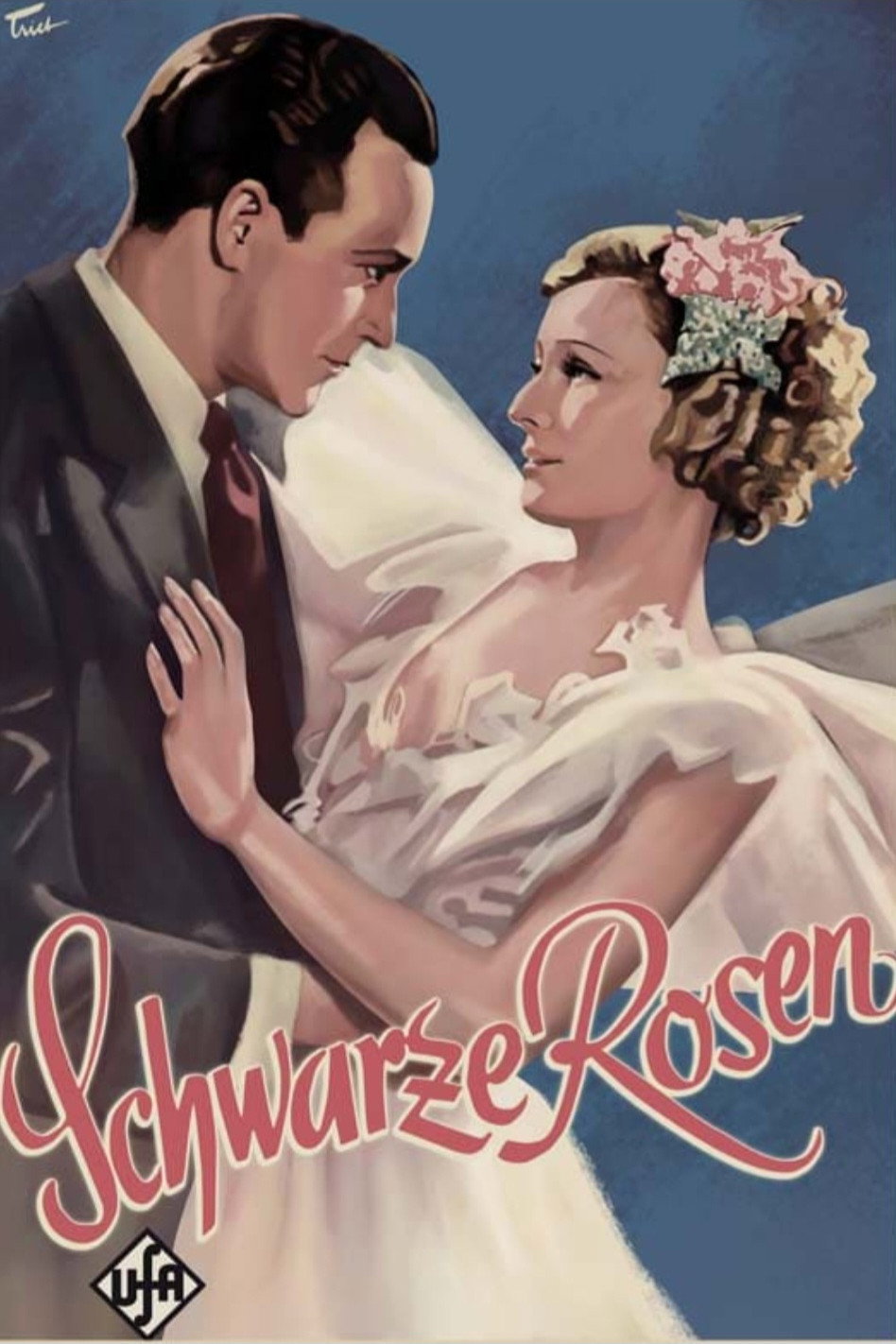 Movie6.8Drama
Erkki Collin is a hunted man. The Czar’s soldiers have been close on the heels of the leader of the rebellious Finns, who have been fighting the Russian occupiers since the end of the 18th Century. His flight leads him to the chambers of the dancer Marina Feodorowna, in whose house a party is taking place at that very moment. Marina discovers the intruder, hides him from his pursuers and soon falls in love with him. But hiding Erkki forever is not an option; so she presents him as her music teacher. The swindle fails and Prince Governor Abarow, who’s long had a thing for Marina, discovers the real identity of the man, but doesn’t have him arrested.
 Movie1.0DocumentaryHistory
This deeply moving film reminds the world of the forgotten history of gay survivors of Nazi Germany. As many as 15,000 gay men were sent to concentration camps, targeted by the Nazis as subversives. In this powerful documentary, three gay survivors share their stories. The "A" (which stood for "Arschficker"/"Assfucker") refers to a symbol (which pre-dated the pink triangle) that gay prisoners were forced to wear.
We Were Marked with a Big A
1991 · 2 votes
- MovieDrama
Liebelei
1983
- Movie8.0Documentary
A documentary portrait of gay life, activism, and history in Germany. Through interviews and observational footage, Rosa von Praunheim explores themes of visibility, pride, discrimination, and political engagement within the LGBTQ+ community. The film features conversations with gay actor Kurt von Ruffin, Berlin-based promoter Harry Toste, and activist Andreas Meyer-Hanno, whose perspectives reflect different facets of gay cultural and political life. A central element of the film is the portrait of three older homosexual men, whose personal histories collectively trace a broader arc of 20th-century gay experience in Germany. One recounts life in the relatively liberal 1920s, another describes persecution and imprisonment in a Nazi concentration camp, and the third reflects on the continued hostility faced by homosexuals in the repressive climate of the 1950s. Together, these testimonies highlight shifting yet persistent forms of oppression and resilience across decades.