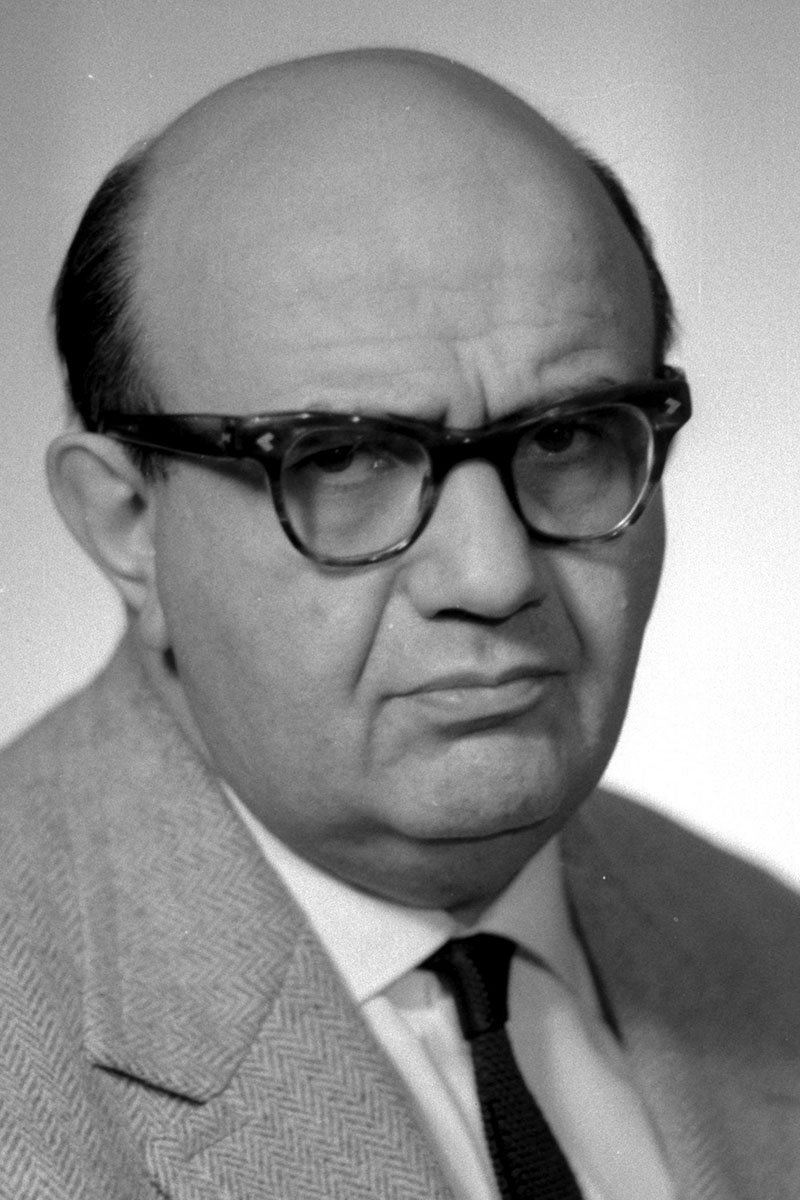
Aleksander Bardini
Actor · 1913 – 1995 · Łódź, Russia [present Poland]
Aleksander Bardini (17 November 1913 – 30 July 1995) was a Polish actor, theatre director, artistic director, and educator.Born in Łódź to a Jewish family, after finishing high school in 1932 he studied violin and performed in the string quartet of the Jewish Music Association as well as in a Jewish cabaret. In 1935 he graduated from the Acting Department of PIST in Warsaw.He worked as an actor at the Municipal Theatre in Wilno (Vilnius) (1935–1936) and at the Polish Theatre in Warsaw (1938). In 1939 he joined the COP Travelling Theatre. For the 1939/40 season he was engaged by the Municipal Theatres in Lwów (Lviv), where he remained until 1941, working as both actor and director.During the German occupation he was initially in the Lviv ghetto, then hid in a private apartment. He returned to the Polish Dramatic Theatre in Lviv in 1944, where he served as a member of the artistic council, director, actor, and head of the acting studio until the company’s evacuation in August 1945.In the 1945/46 season he moved with the Lviv ensemble to the Municipal Theatre in Katowice. He had planned to join the Polish Army Theatre in Łódź for the 1946/47 season, but after the Kielce pogrom in July 1946 he decided to emigrate. Between 1946 and 1950 he lived in the USA, Canada, and West Germany, working manual labour and collaborating with the Jewish theatre in Munich.He returned to Poland in 1950. Until 1957 he worked as a director at the Polish Theatre in Warsaw. His greatest achievement of that period was the first postwar staging of Adam Mickiewicz’s Dziady (Forefathers’ Eve). He also occasionally appeared as an actor.In the 1957/58 season he was artistic consultant and director at the Stefan Jaracz Theatre in Łódź. From 1958 to 1960 he served as director and artistic manager of the Ateneum Theatre in Warsaw. Between 1960 and 1964 he was an actor and director at the Contemporary Theatre (Teatr Współczesny) in Warsaw, before returning to the Polish Theatre for the 1964/65 season. Afterwards he worked as a freelance director, staging productions in Poland and abroad.He also directed opera productions (he was a great lover and connoisseur of music). He frequently collaborated with Polish Television, hosting highly popular music programmes featuring amateurs.A talented and very popular educator, from 1950 to 1982 he taught at the Acting, Variety, and Directing Departments of the Warsaw State Theatre School (later also in Łódź). He became associate professor in 1950 and full professor in 1966. He also taught at the Warsaw Academy of Music, co-directed and lectured at summer music courses in Austria and the Netherlands, at the drama department of the University of Georgia (USA), and at the music-drama school in Stockholm.He held many positions in ZASP (Polish Actors’ Association), ZAiKS (authors’ society), and the Jewish Historical Institute (member of the scientific council).He was the father of Maria Bardini, editor and producer of Television Theatre productions.He died in Warsaw and was buried in the catacombs at the Old Powązki Cemetery.
Movies24
 Movie7.4ComedyDrama
Polish immigrant Karol Karol finds himself out of a marriage, a job and a country when his French wife, Dominique, divorces him after six months due to his impotence. Forced to leave France after losing the business they jointly owned, Karol enlists fellow Polish expatriate Mikołaj to smuggle him back to their homeland.
 Movie7.5DramaFantasy
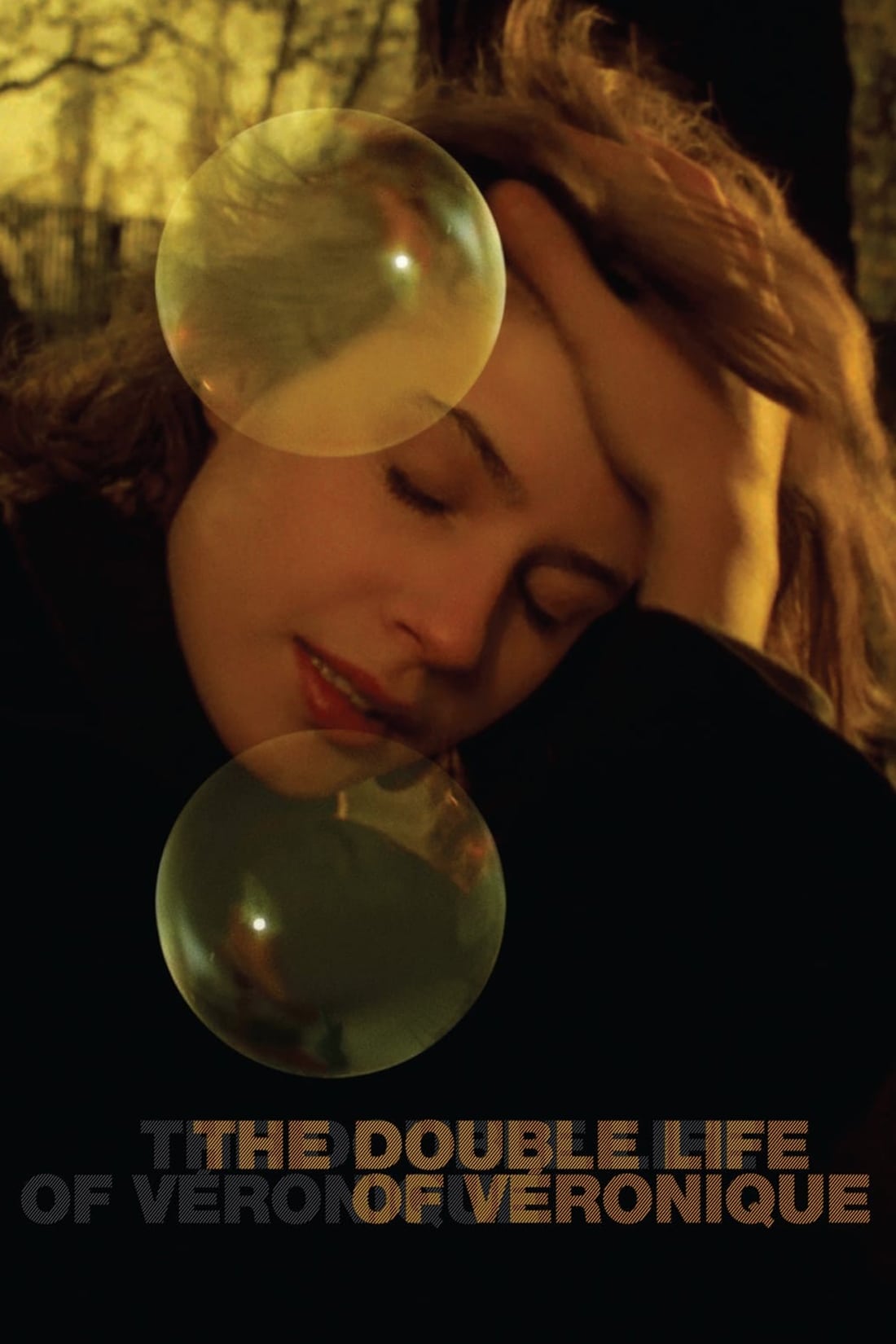
Véronique is a beautiful young French woman who aspires to be a renowned singer; Weronika lives in Poland, has a similar career goal and looks identical to Véronique, though the two are not related. The film follows both women as they contend with the ups and downs of their individual lives, with Véronique embarking on an unusual romance with Alexandre Fabbri, a puppeteer who may be able to help her with her existential issues.
 Movie7.0Drama
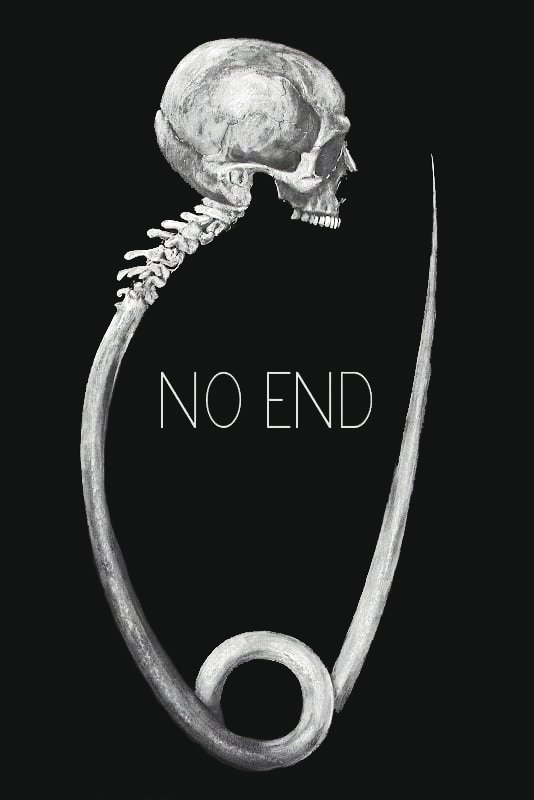
1982, Poland. A translator loses her husband and becomes a victim of her own sorrow. She looks to sex, to her son, to law, and to hypnotism when she has nothing else in this time of martial law when Solidarity was banned.
 Movie7.8DramaTV Movie
A father and daughter, Michał and Anka, have a unique intimacy, which the college-aged Anka is beginning to feel conflicted about. When she finds an unopened letter from her deceased mother, it seems to justify her attraction to Michał, who may not in fact be her father.
 Movie5.2ThrillerCrime
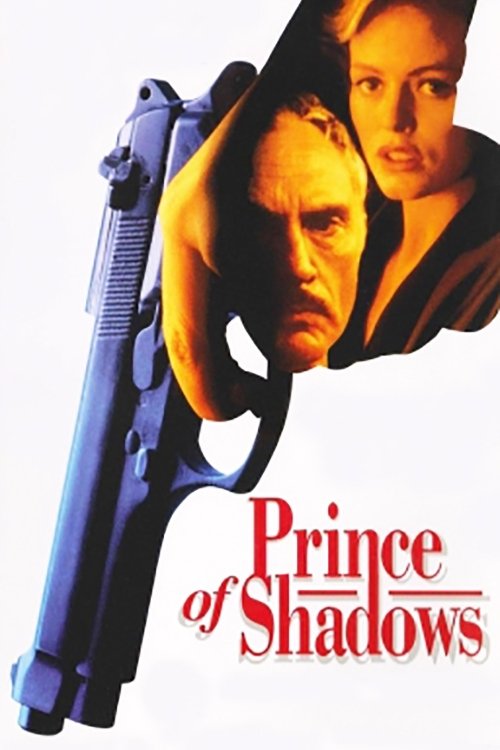
Madrid, 1962. More than twenty years after the civil war has finished, a communist comes back to Spain to kill a traitor.
 Movie7.5DramaTV Movie
A student who missed his final exam because of illness arrives at his professor's house to beg to be allowed to take it.
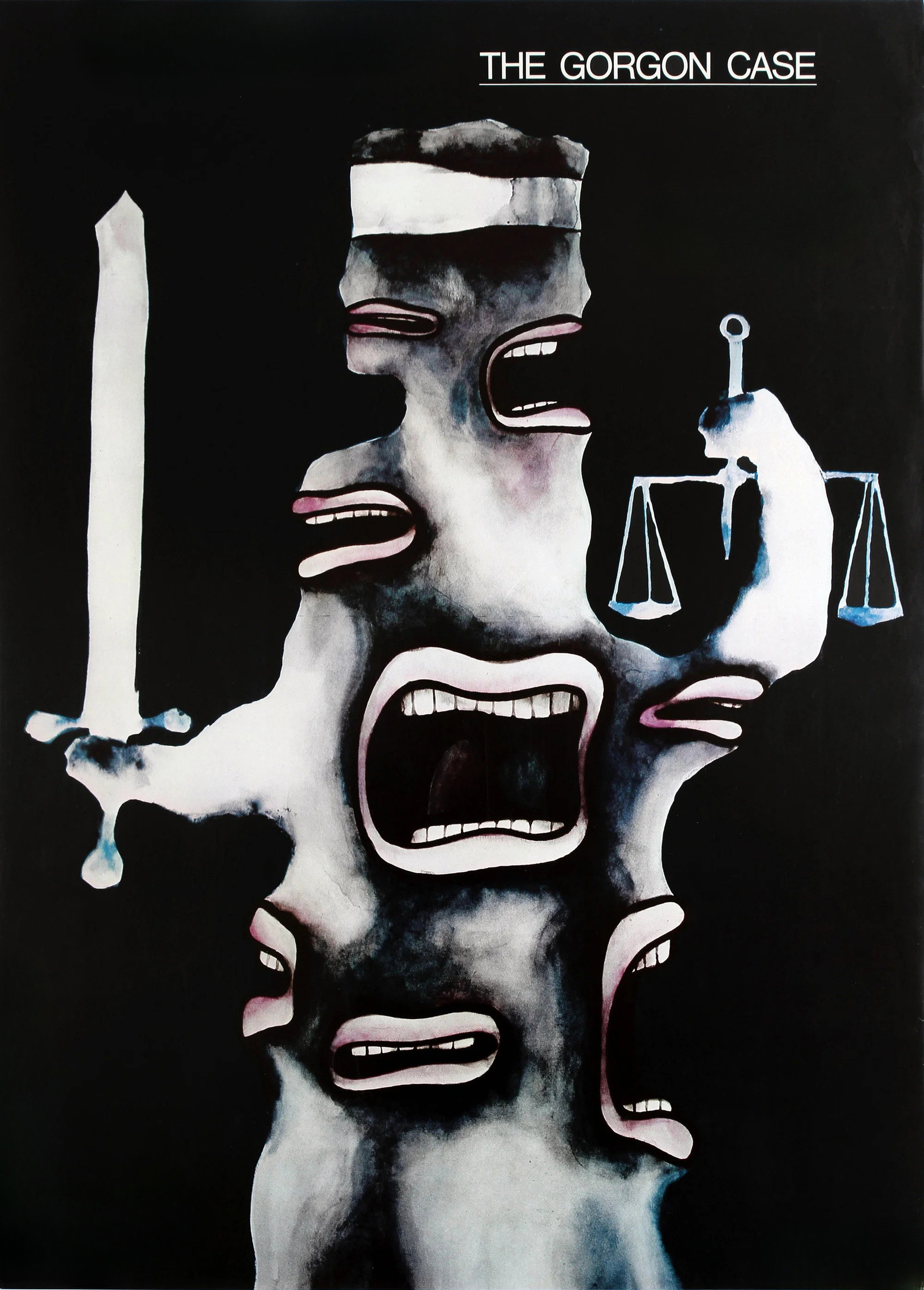 Movie5.5DramaCrime
In 1931, just before the New Year, in a house of architect Henryk Zaremba scream rips the night. The daughter of Zaremba is found killed in her bedroom, obviously killed with a pickaxe. The police arrives and starts the investigation. Rita Gorgonova, the governess of the girl and also lover of Zaremba becomes the main suspect.
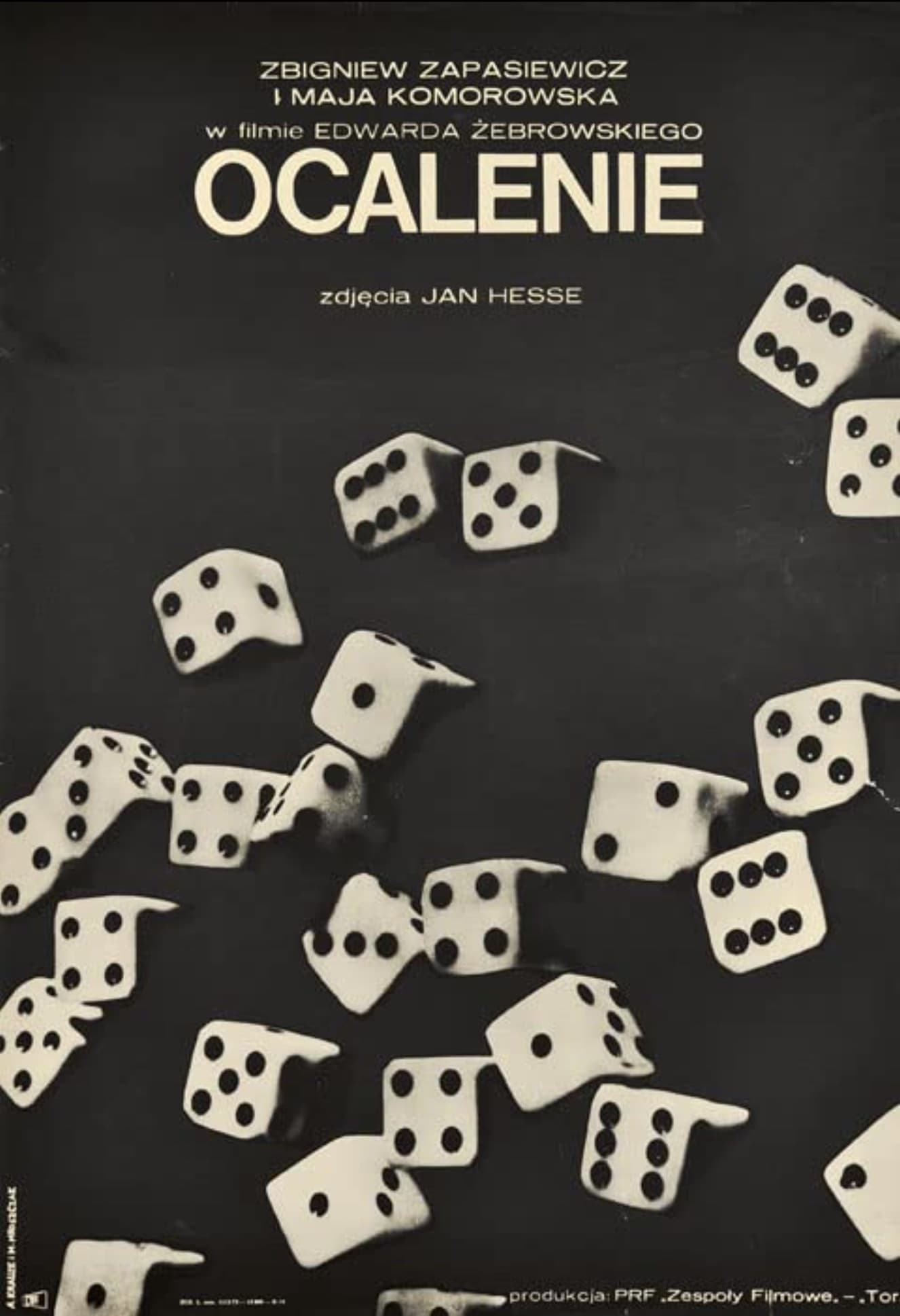 Movie6.2Drama
A biology professor, Adam enters a hospital for observation. He is a loner and a serious-minded man, who dislikes any display of emotions. He spends three months in the hospital while being tested. After observing patients and hospital routines around him from a distance, he learns that he will need a kidney transplant. Meanwhile his personal and professional life is falling apart: he refuses his wife's offer to donate the kidney for him; the scientific problem he was working on has been solved elsewhere. In the end Adam cracks under the prolonged pressure, waiting for the sound of an ambulance bringing a moribund patient whose kidney may be used for the transplant.
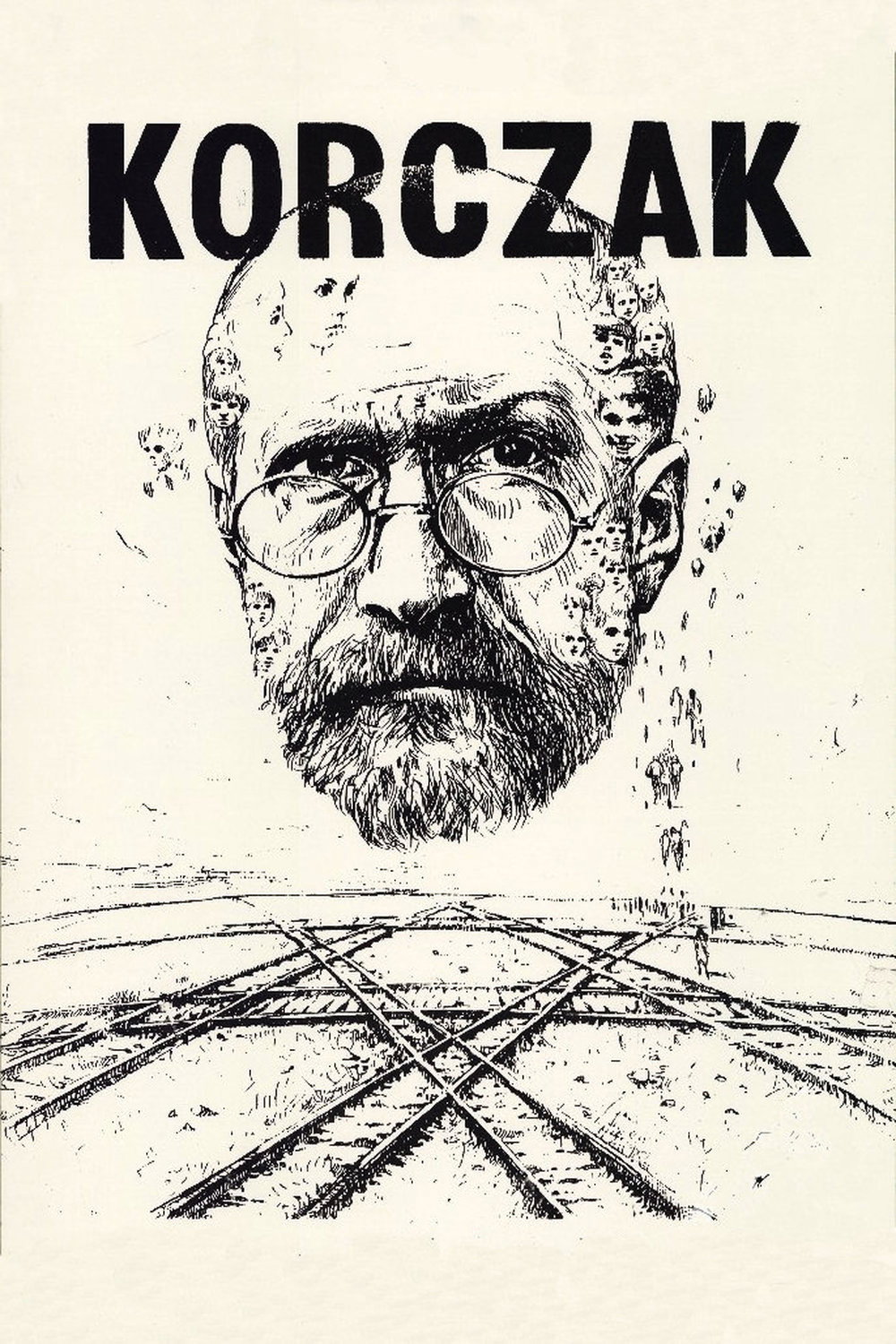 Movie7.1DramaHistory
The story of Polish pedagogue Janusz Korczak and his dedication to protecting Jewish orphans during the war.
Korczak
1990 · 33 votes
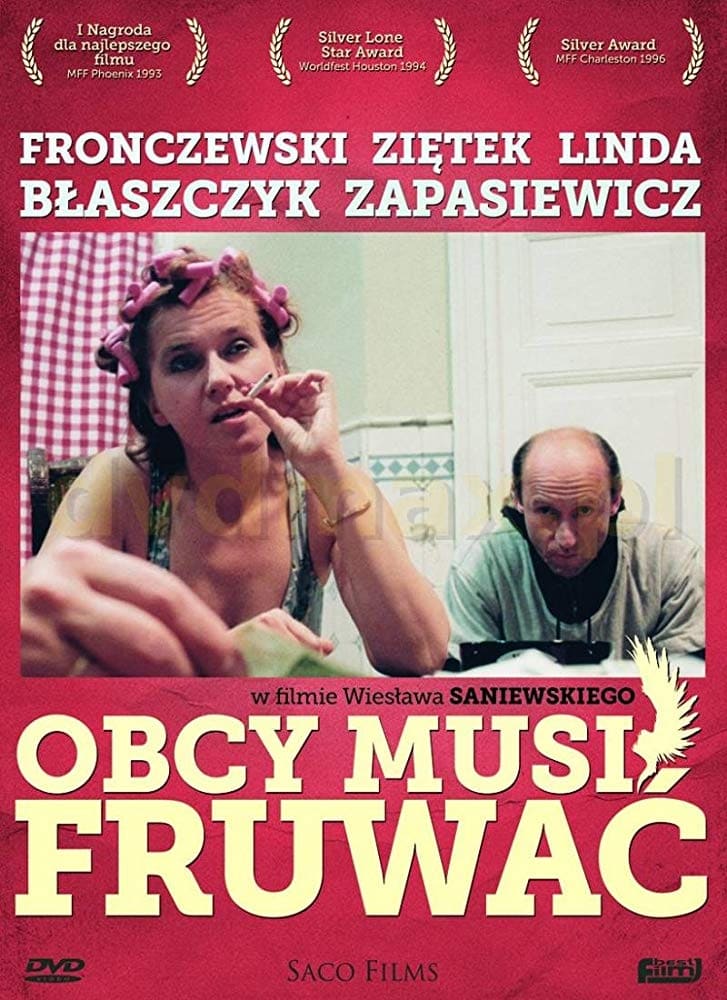 Movie8.0ComedyDrama
Berlin, 1990. At the invitation of his actor friends, who have already lived abroad for many years, Max, a Polish theater director, comes to Berlin. They begin to work together. They try to realize their dream: to stage a play, the staging of which was prevented by the imposition of martial law ten years earlier. The way they raise funds (selling pieces of the "historic" wall) and struggle against the heartless machinery of bureaucracy forms the axis of the film. In their efforts, the four protagonists are assisted by Regina, a translator familiar with local customs and practices. The film deals with the problems of artists in the new, commercializing reality.
Obcy musi fruwać
1993 · 1 votes
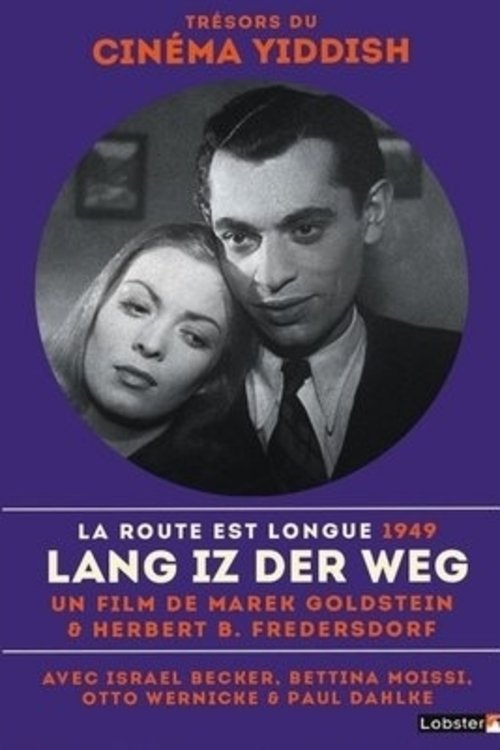 Movie7.0HistoryDrama
The first feature film to represent the Holocaust from a Jewish perspective. Shot on location at Landsberg, the largest DP camp in U.S.-occupied Germany, and mixing neorealist and expressionist styles, the film follows a Polish Jew and his family from pre-war Warsaw through Auschwitz and the DP camps.
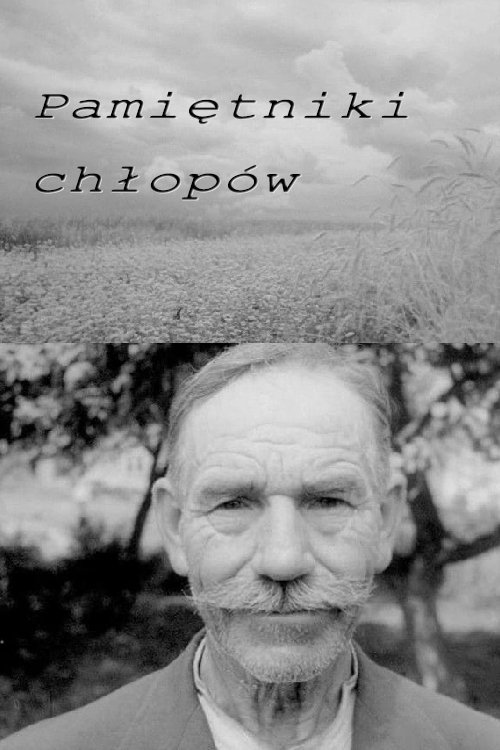 Movie10.0Documentary
A film meant to show what people were told to believe about the wonderful lives that Polish peasants led in post-war Poland.
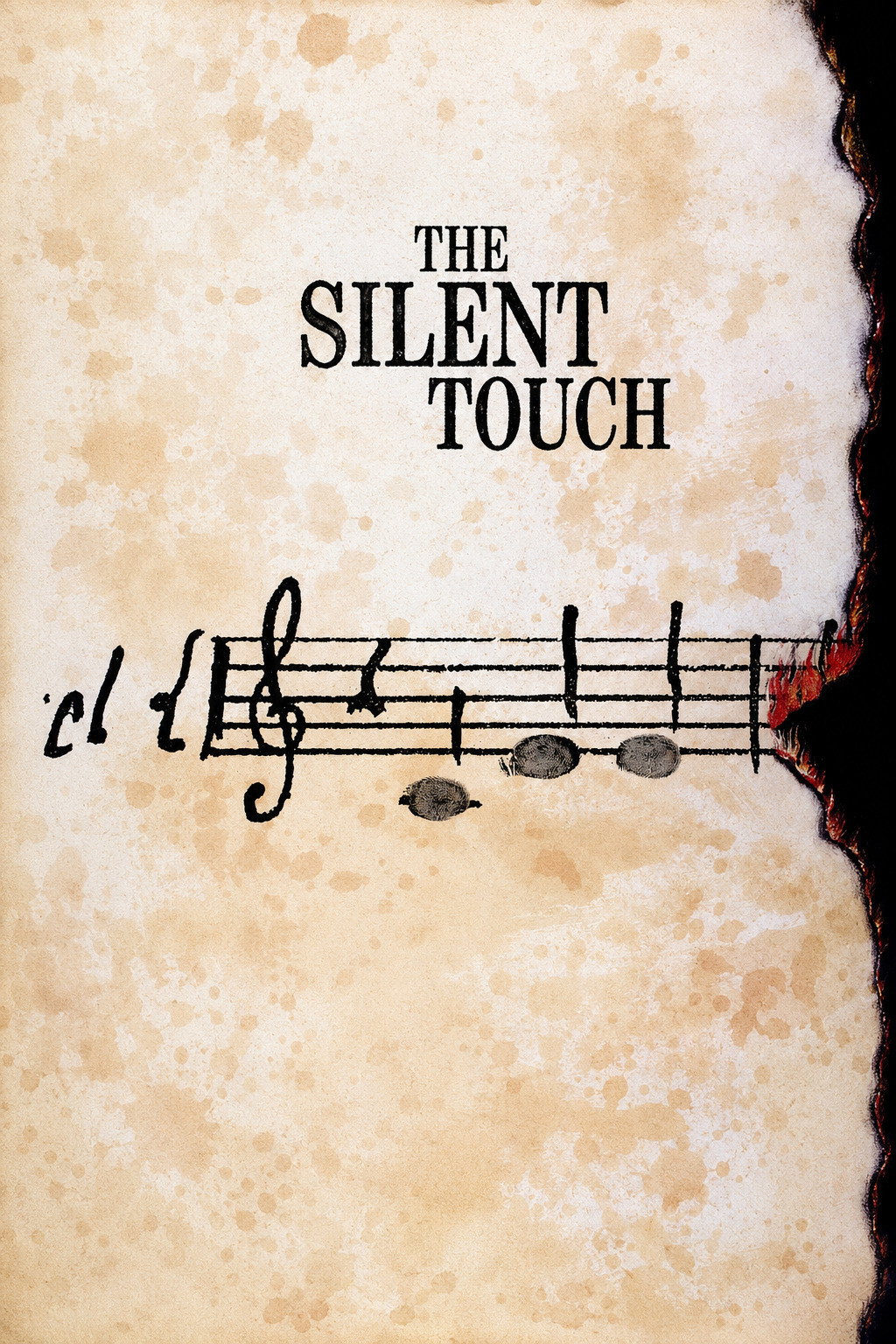 Movie5.0Drama
Henry Kesdi is a silenced classical composer and a survivor of the Holocaust. He is coaxed out from retirement by an inspired musicologist, Stefan, who convinces him to compose a complex symphony on his neglected piano. As a help Kesdi gets his new musical secretary. His loyal wife reluctantly accepts her as his young lover.
The Silent Touch
1992 · 12 votes
 Movie8.0Drama
A famous opera singer comes to his hometown in Poland, where he loses his voice.
Baryton
1985 · 1 votes
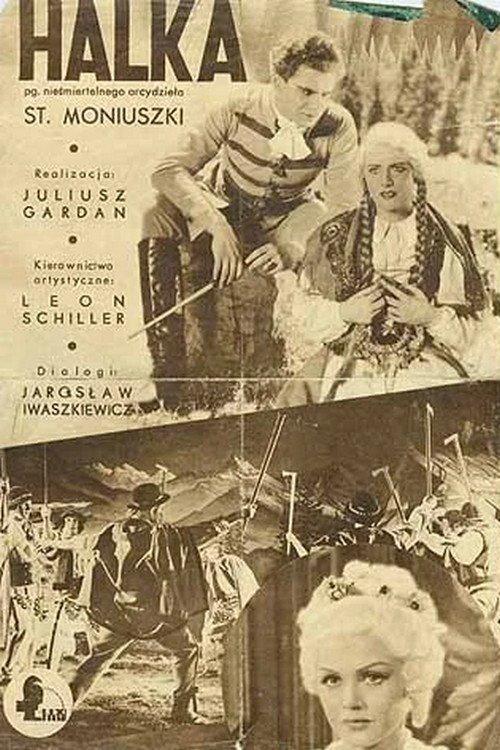 Movie6.5Music
Halka lives with her godmother in a modest cottage in a small highland village. One day, young Janusz arrives in the village to take possession of his ancestral estate. Halka falls madly in love with Janusz, who promises her eternal love and marriage. Soon, Janusz's mother arrives at the estate to inform him that they are ruined. The only salvation is to marry the daughter of a wealthy steward. Janusz leaves with his mother, promising Halka that he will return. Halka, who is pregnant, eagerly awaits the return of her beloved. The whole village turns its back on her, and she is supported only by Jontek, whose feelings she once rejected. Unable to wait for Janusz's return, she decides to go to the city, accompanied by her faithful Jontek. There she learns of Janusz's engagement to the steward's daughter, Zofia. Heartbroken, she returns to the village. There, she suffers another blow...
Halka
1937 · 4 votes
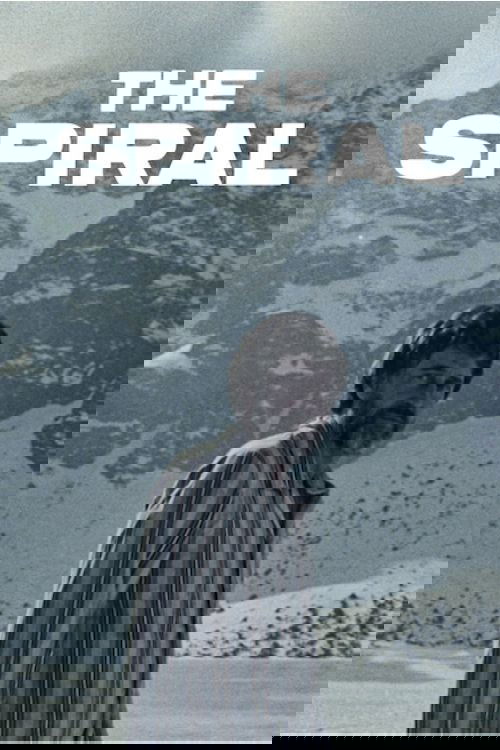 Movie6.7Drama
In what appears to be an inexplicable incident, a man drives up to a resort hotel in midwinter, throws away his car keys, enters, and proceeds to agitate everyone he meets with his urgency -- a message he is somehow unable to communicate. Then he leaves, disappearing in the snow. Later, the people he appeared to have upset have gathered to search for him and find him frostbitten, but alive. Visiting him at the sanatorium to which he has been taken, they gradually discover what was really happening.
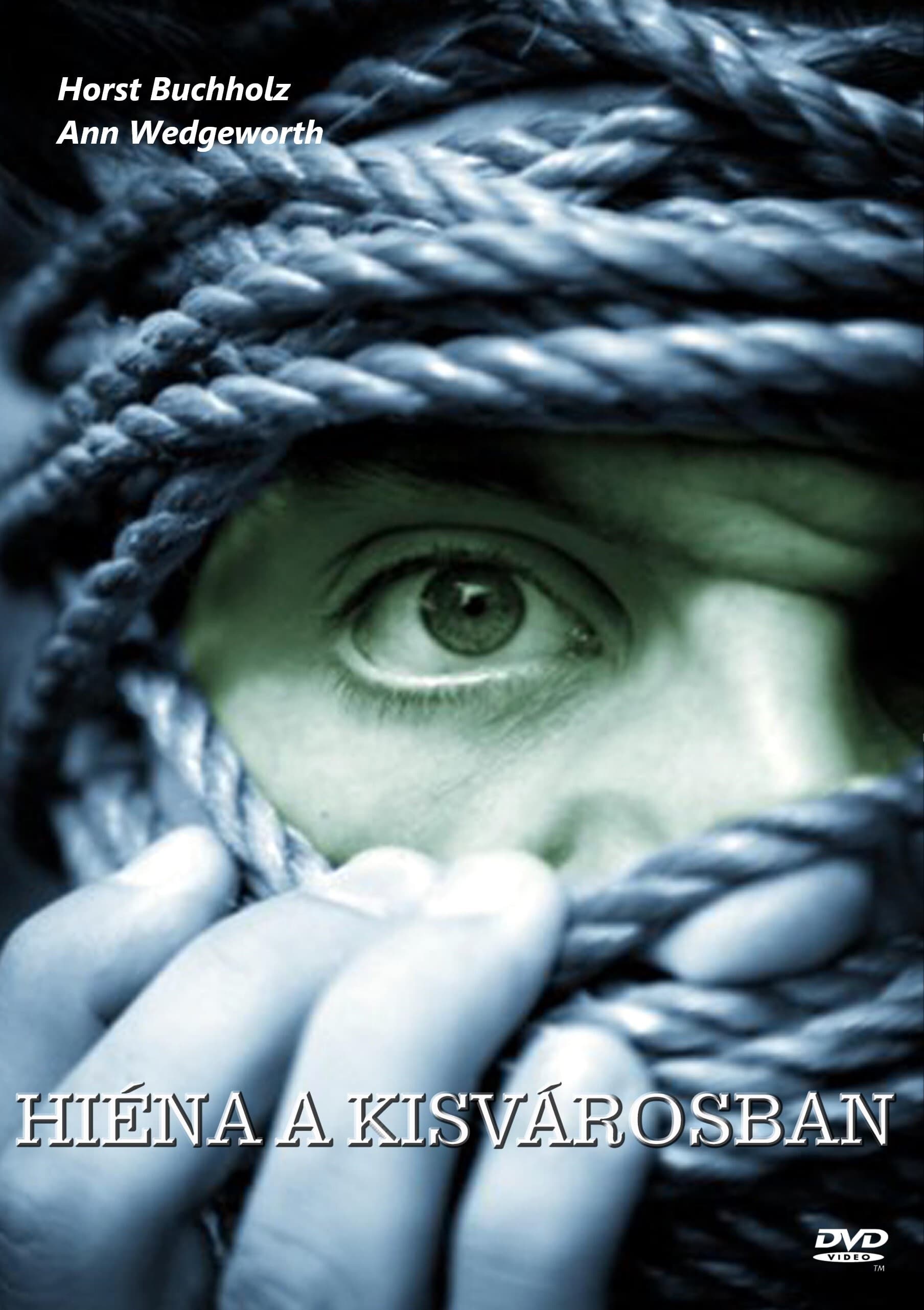 Movie6.9MysteryDrama
A banker troubled by both business and personal problems is transferred to a small town. There he meets and seduces an older woman. Together, they decide to pull off a payroll holdup together.
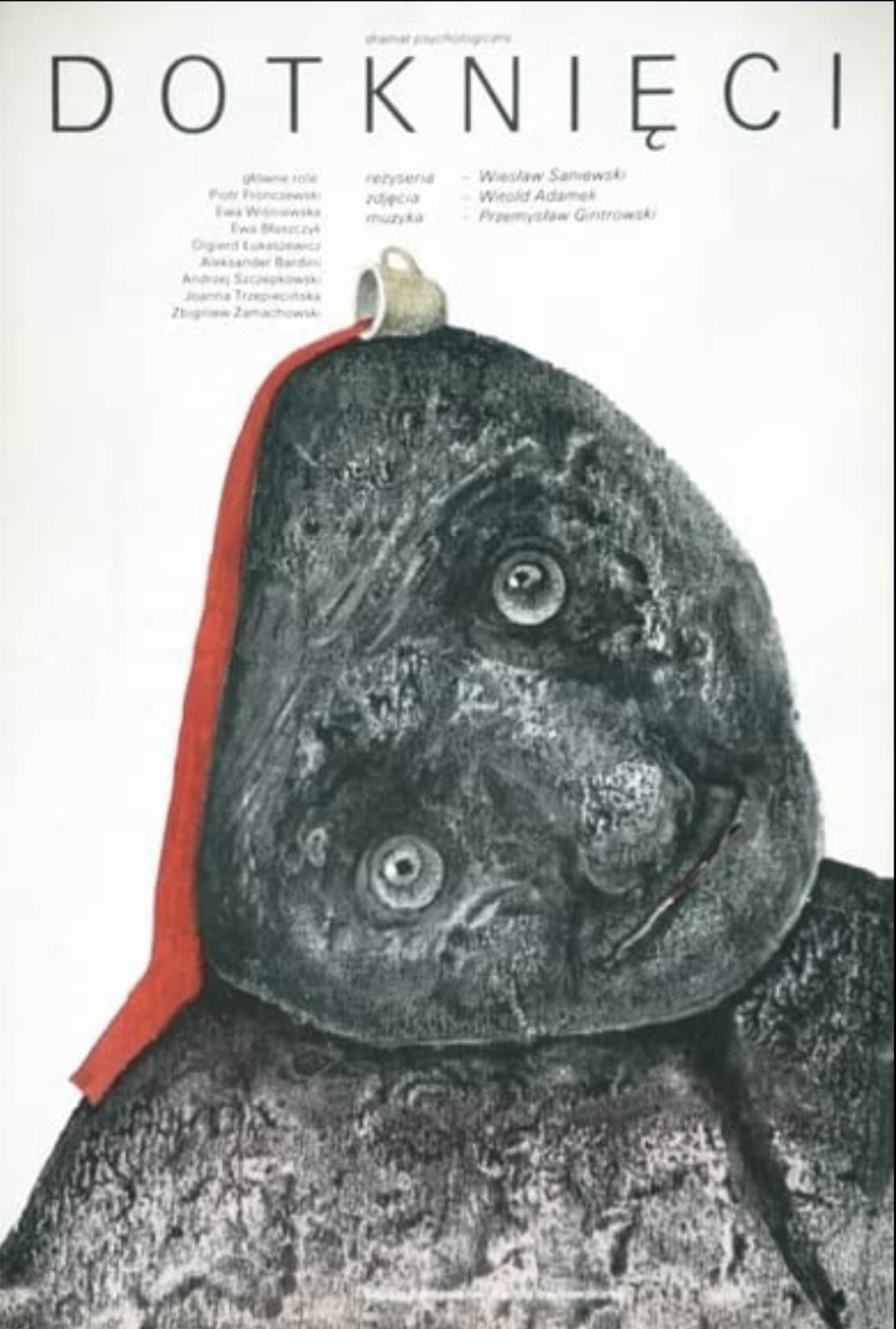 Movie7.0Drama
Jan weds his mentally ill wife Joanna at her insistence, but her increasing dependence on sedatives, and the clandestine extra pills supplied by Jan, their son Piotr and Jan’s friend Maria, leads to Joanna’s fatal overdose. Accused of murder, Jan endures a trial, psychiatric evaluation and deep depression before the case is dropped; only after reconciling with his children does he finally leave the clinic to return home.
Dotknięci
1989 · 1 votes
 MovieDocumentary
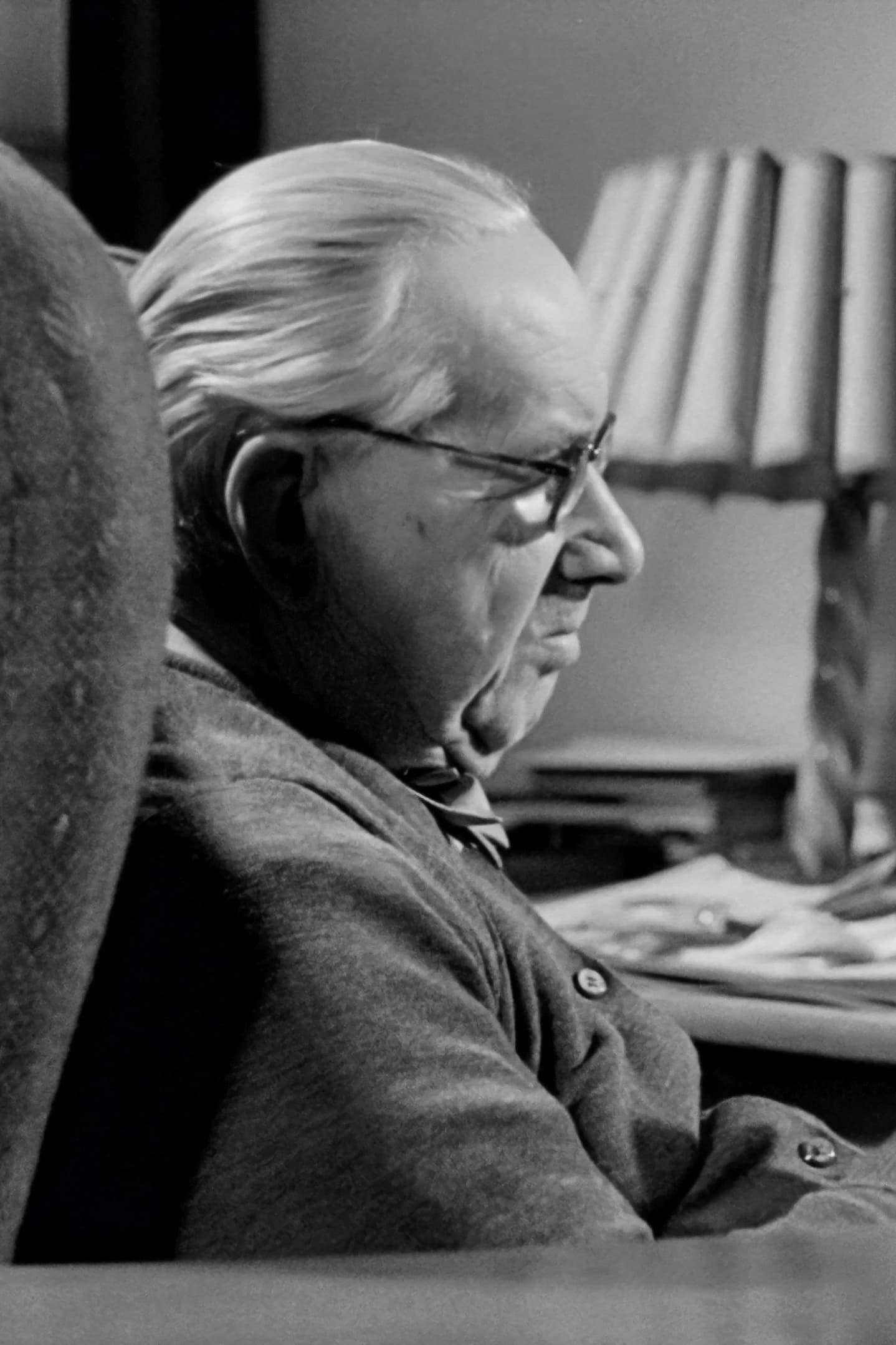
A documentary portrait of Aleksander Zelwerowicz, the master of the Polish scene, created on the occasion of the 60th anniversary of his artistic career. He played over 800 roles, the directors of the film chose his three masterpieces: a theater one, a film one, and a radio one.
 Movie7.3DramaTV Movie
Dorota Geller, a married woman, faces a dilemma involving her sick husband's prognosis. Her husband's doctor, who believes in God, sweared about it in vain.
 Movie7.5WarDrama
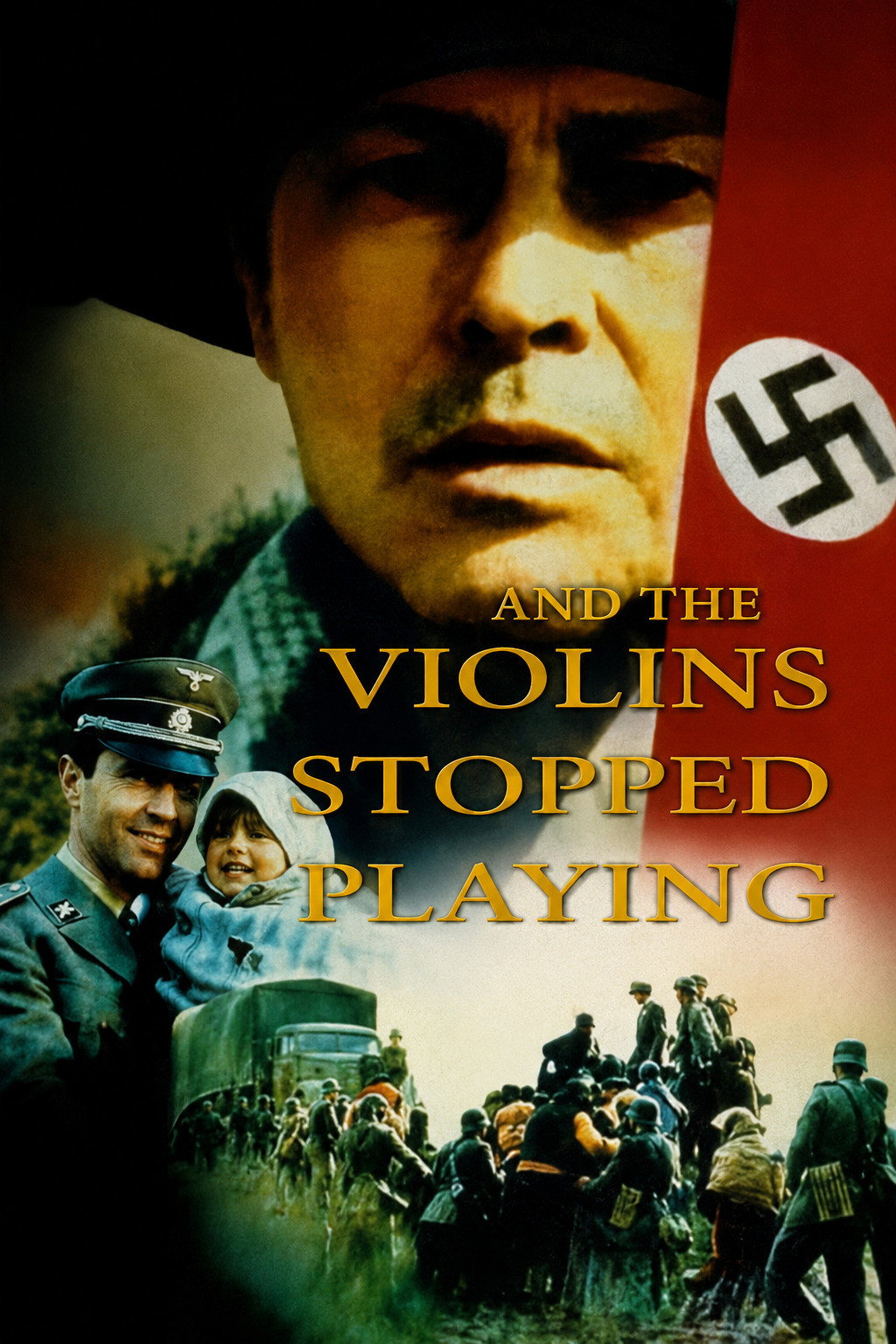
This is the true story about a group of Romani's (gypsy) in occupied Poland during World War II as they confront the atrocities and tragedies of a forgotten holocaust.
And the Violins Stopped Playing
1988 · 8 votes
 Movie5.5DramaRomance
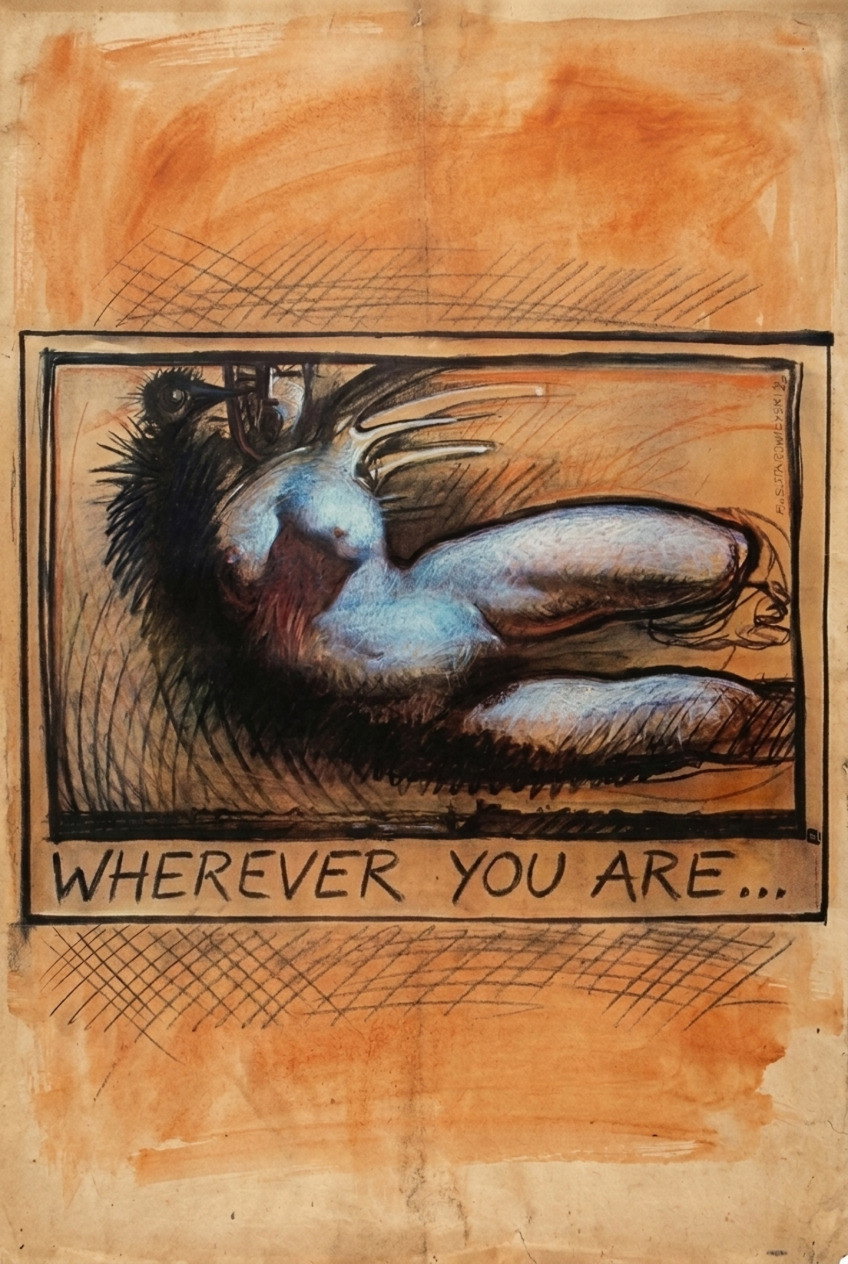
An Uruguayan diplomat brings his new wife with him on a business trip to Poland in the summer immediately preceding the outbreak of World War II.
Wherever You Are...
1988 · 5 votes
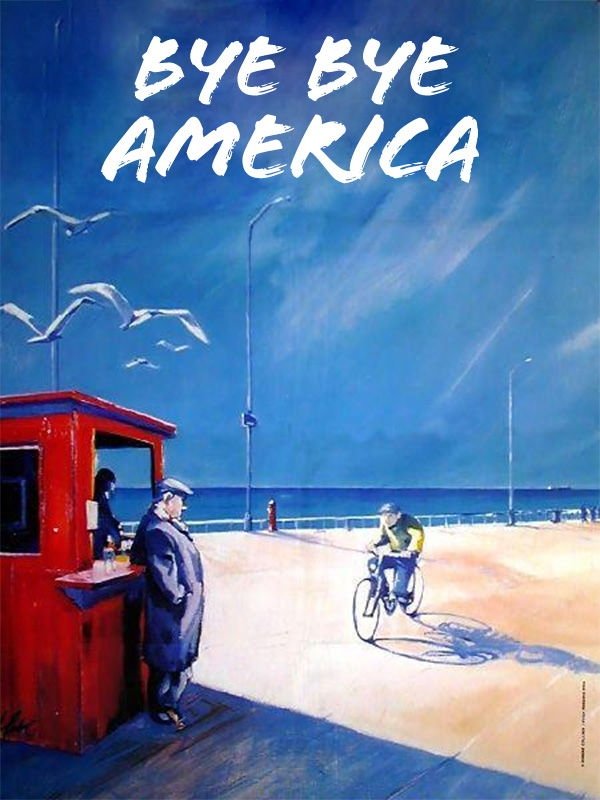
 Movie7.7Comedy
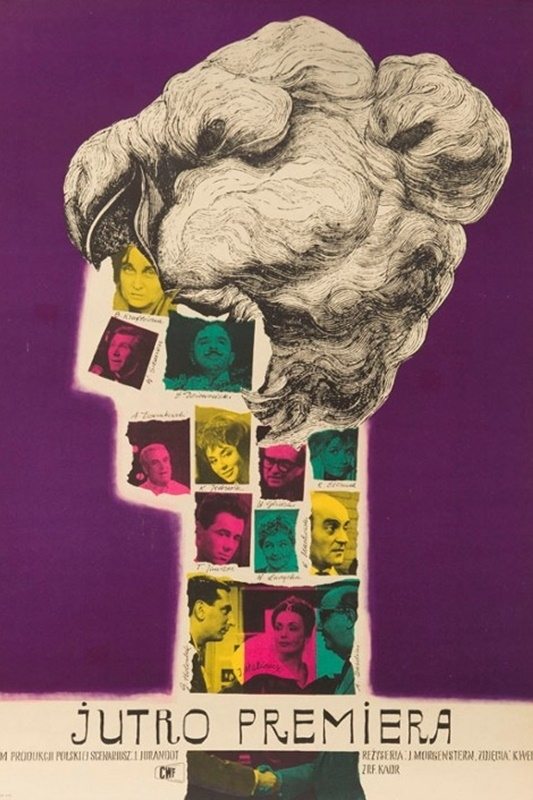
A budding playwright is thrilled to find out that his play will be performed at a prestigious theater, but a series of problems pile up, along with the general feeling that opening night will be disastrous.
 Movie3.8Comedy
The mis-adventures of three Polish-Jews on the road to Gdansk is the basis for this German comedy that was filmed in New York, Germany, and Poland. Genovefa and Moshe have been married and living in New York for 30 years. Physically the couple resembles Mr. and Mrs. Jack Sprat. The two have decided to return to Poland for a visit. They intend to have Moshe's best friend Isaac, an unlucky, depressive German, take care of their house while they are gone. Unfortunately, Isaac loses his job before they go and ends up accompanying them on a Polish freighter. When the ship dies in a German port, the threesome must go overland to Gdansk. They encounter many mishaps along the way.
Series5
 TV7.2CrimeMystery
After his handler is killed, police dog Rex teams up with recently-divorced inspector Richard Moser to investigate crimes and solve mysteries on the streets of Vienna. And they sometimes get help from their two-legged friend, Inspector Stockinger.
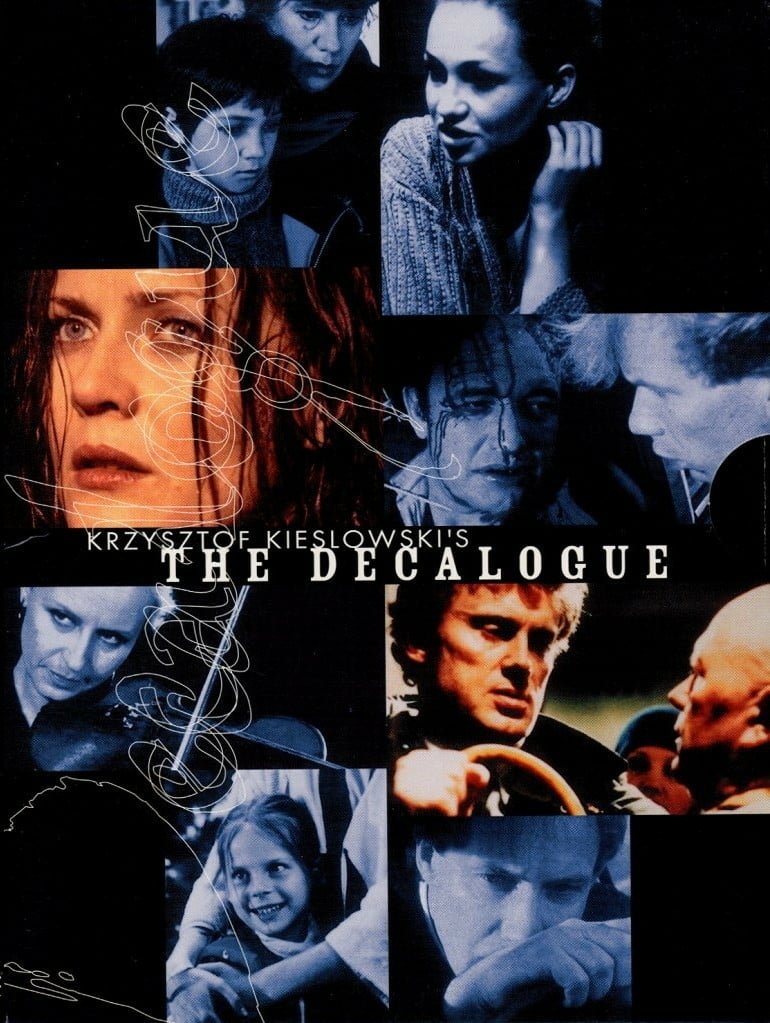 TV8.4Drama
The Ten Commandments, exact and uncompromising, literally cast in stone, continues to provide a source of moral conflict in contemporary society. In the ten part collection of films, The Decalogue, Krzysztof Kieślowski examines the dilemma of fundamental sin in the lives of ordinary Warsaw citizens.
Dekalog
1989 · 111 votes
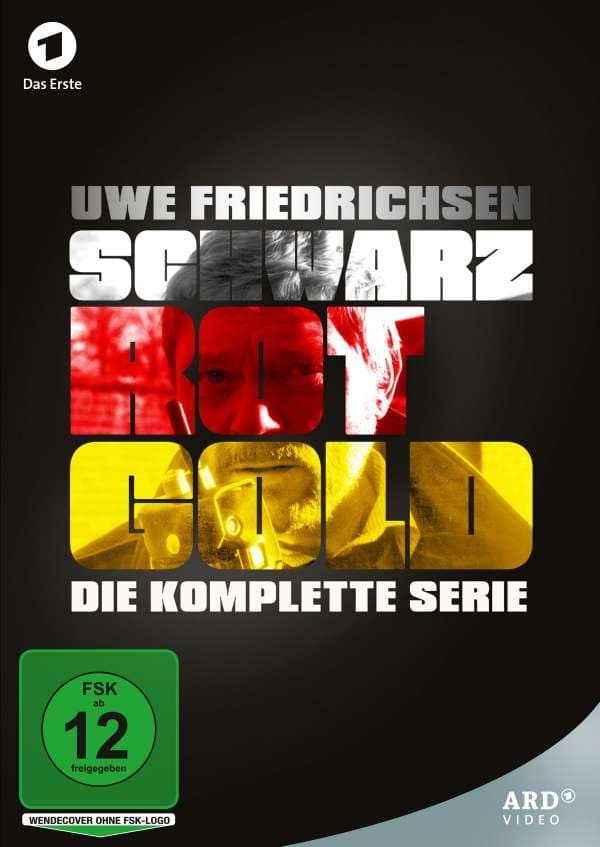 TV9.4CrimeDrama
Crime series about Hamburg customs investigator Hans Zaluskowski, who joins forces with his colleagues to take on smugglers and fraudsters. In doing so, he not only has to contend with opaque EU customs regulations, but also solve tricky cases with international implications.
Schwarz Rot Gold
1982 · 7 votes
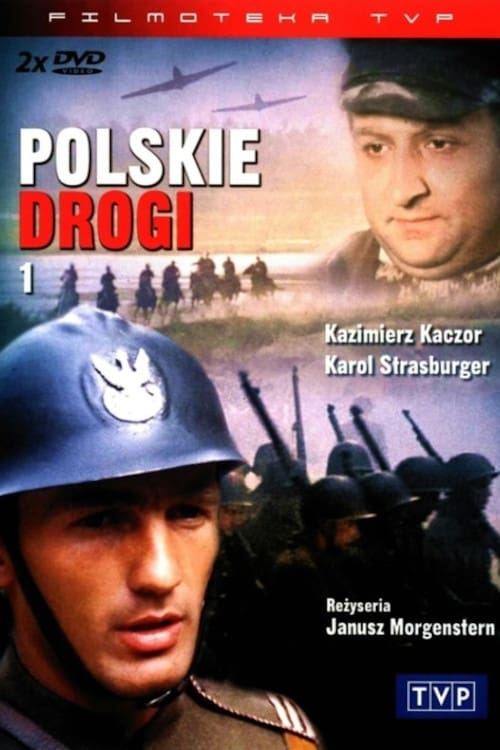 TV7.2War & PoliticsDrama
An epic, multi-threaded story about the fate of Poles during World War II. "Czas pogardy" was shown primarily from the perspective of two main characters - Lieutenant Władysław Niwiński and Leon Kuraś - a petty crook, but not without heroic traits. The authors of the series sought to show, in particular, everyday life under Nazi occupation in Poland.
Polskie drogi
1977 · 6 votes
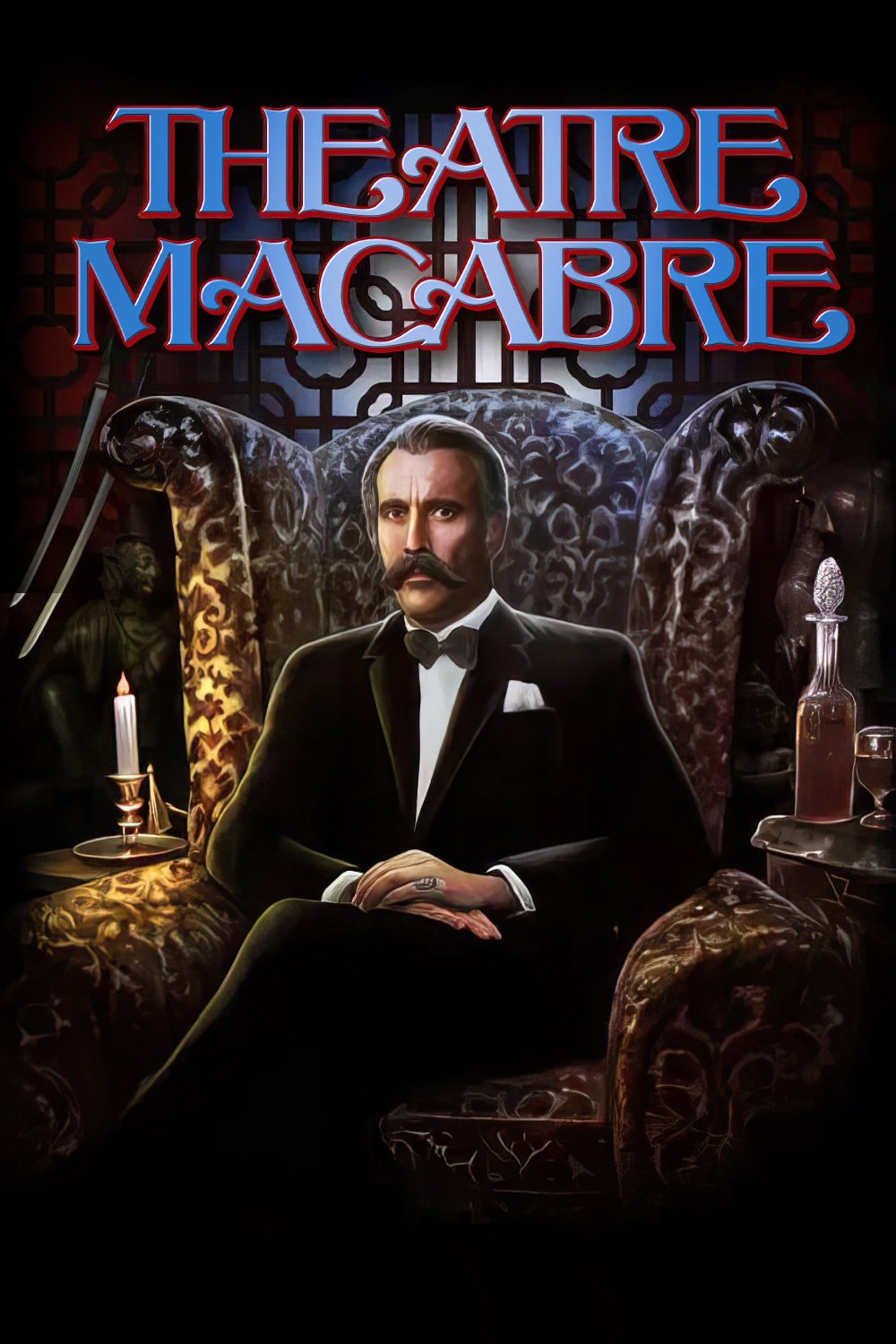 TV3.0Sci-Fi & FantasyMystery
Horror legend Christopher Lee hosts this anthology in the tradition of Alfred Hitchcock Presents, each half-hour episode adapting a story from a classic author, with tales by Edgar Allen Poe, Fyodor Dostoevsky, Ambrose Bierce, Robert Louis Stevenson, and Oscar Wilde.
Theatre Macabre
1971 · 3 votes