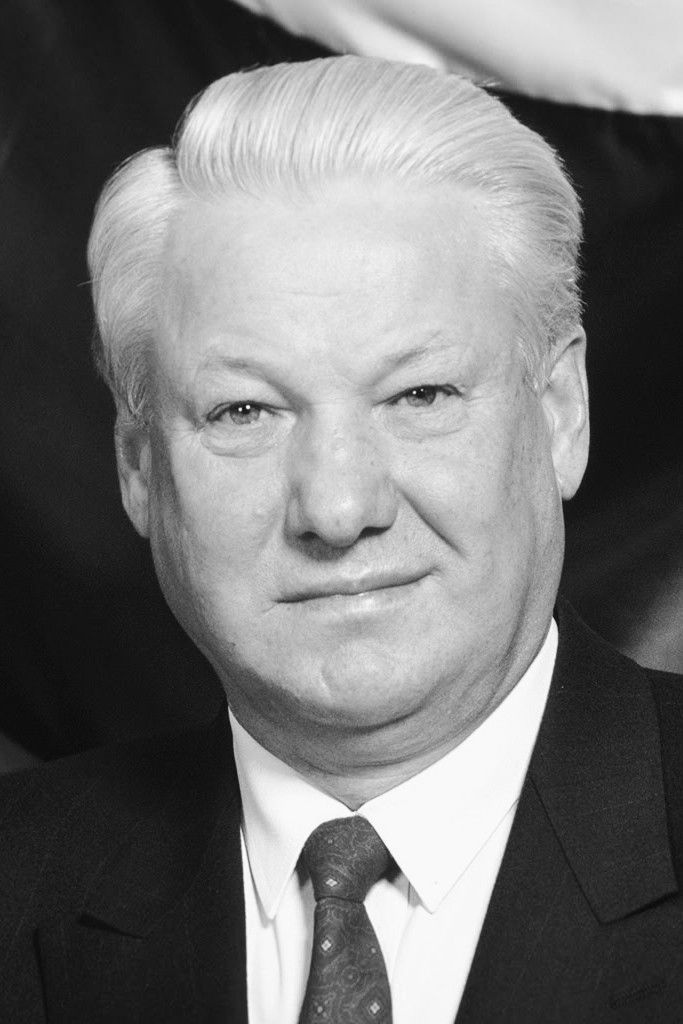
Boris Yeltsin
Actor · 1931 – 2007 · Butka, Russian SFSR, USSR [now Russia]
Boris Nikolayevich Yeltsin (Russian: Борис Николаевич Ельцин; 1 February 1931 – 23 April 2007) was a Soviet and Russian politician who served as the first president of Russia from 1991 to 1999. He was a member of the Communist Party of the Soviet Union from 1961 to 1990. He later stood as a political independent, during which time he was viewed as being ideologically aligned with liberalism and Russian nationalism. Yeltsin was born in Butka, Ural Oblast. He grew up in Kazan and Berezniki. After studying at the Ural State Technical University, he worked in construction. After joining the Communist Party, he rose through its ranks, and in 1976 he became First Secretary of the party's Sverdlovsk Oblast committee. Yeltsin was initially a supporter of the perestroika reforms of Soviet leader Mikhail Gorbachev. He later criticized the reforms as being too moderate, and called for a transition to a multi-party representative democracy. In 1987 he was the first person to resign from the Politburo of the Communist Party of the Soviet Union, which established his popularity as an anti-establishment figure. In 1990, he was elected chair of the Russian Supreme Soviet and in 1991 was elected president of the Russian Soviet Federative Socialist Republic (RSFSR), becoming the first popularly-elected head of state in Russian history. Yeltsin allied with various non-Russian nationalist leaders, and was instrumental in the formal dissolution of the Soviet Union in December of that year. With the dissolution of the Soviet Union, the RSFSR became the Russian Federation, an independent state. Through that transition, Yeltsin remained in office as president. He was later reelected in the 1996 election, which was claimed by critics to be pervasively corrupt. Yeltsin transformed Russia's command economy into a capitalist market economy by implementing economic shock therapy, market exchange rate of the ruble, nationwide privatization, and lifting of price controls. Economic downturn, volatility and inflation ensued. Amid the economic shift, a small number of oligarchs obtained a majority of the national property and wealth, while international monopolies came to dominate the market. A constitutional crisis emerged in 1993 after Yeltsin ordered the unconstitutional dissolution of the Russian parliament, leading parliament to impeach him. The crisis ended after troops loyal to Yeltsin stormed the parliament building and stopped an armed uprising; he then introduced a new constitution which significantly expanded the powers of the president. Secessionist sentiment in the Russian Caucasus led to the First Chechen War, War of Dagestan, and Second Chechen War between 1994 and 1999. Internationally, Yeltsin promoted renewed collaboration with Europe and signed arms control agreements with the United States. Amid growing internal pressure, he resigned by the end of 1999 and was succeeded as president by his chosen successor, Vladimir Putin, whom he had appointed prime minister a few months earlier. He kept a low profile after leaving office and was accorded a state funeral upon his death in 2007. ... Source: Article "Boris Yeltsin" from Wikipedia in English, licensed under CC-BY-SA 3.0.
Movies18
 Movie6.7DocumentaryHistory
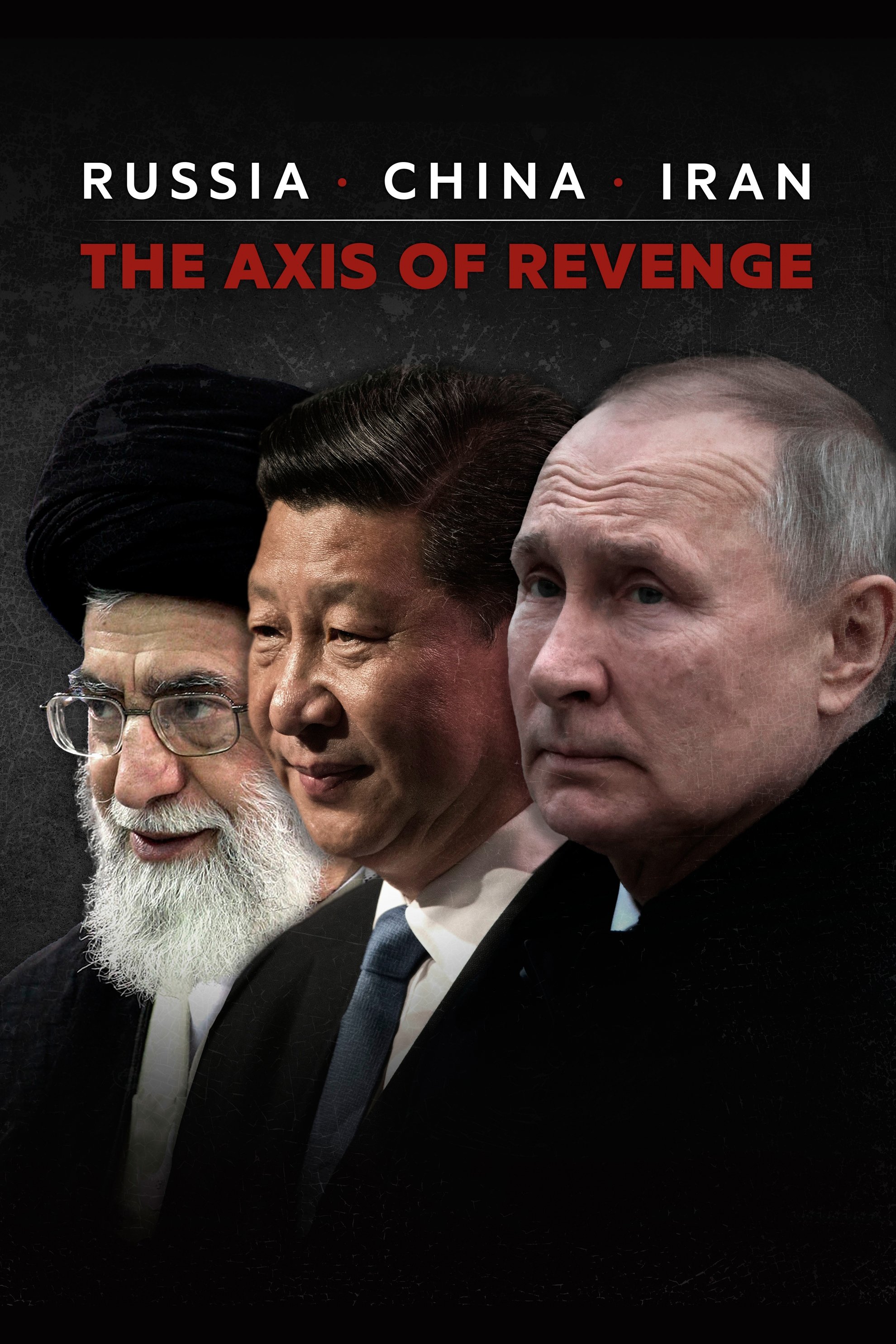
Russia, China and Iran: three former empires are determined to take their revenge and reassert their power after centuries of humiliation. Since the start of the war in Ukraine, they have never been so aligned on the international stage. Their common goal: to put an end to Western hegemony, restore their zone of influence and propose a new model of society. To achieve this, they are waging a hybrid war against the democracies: military, technological, economic, informational and ideological. Are they on the verge of joining forces to create a new world order?
 Movie7.1Documentary
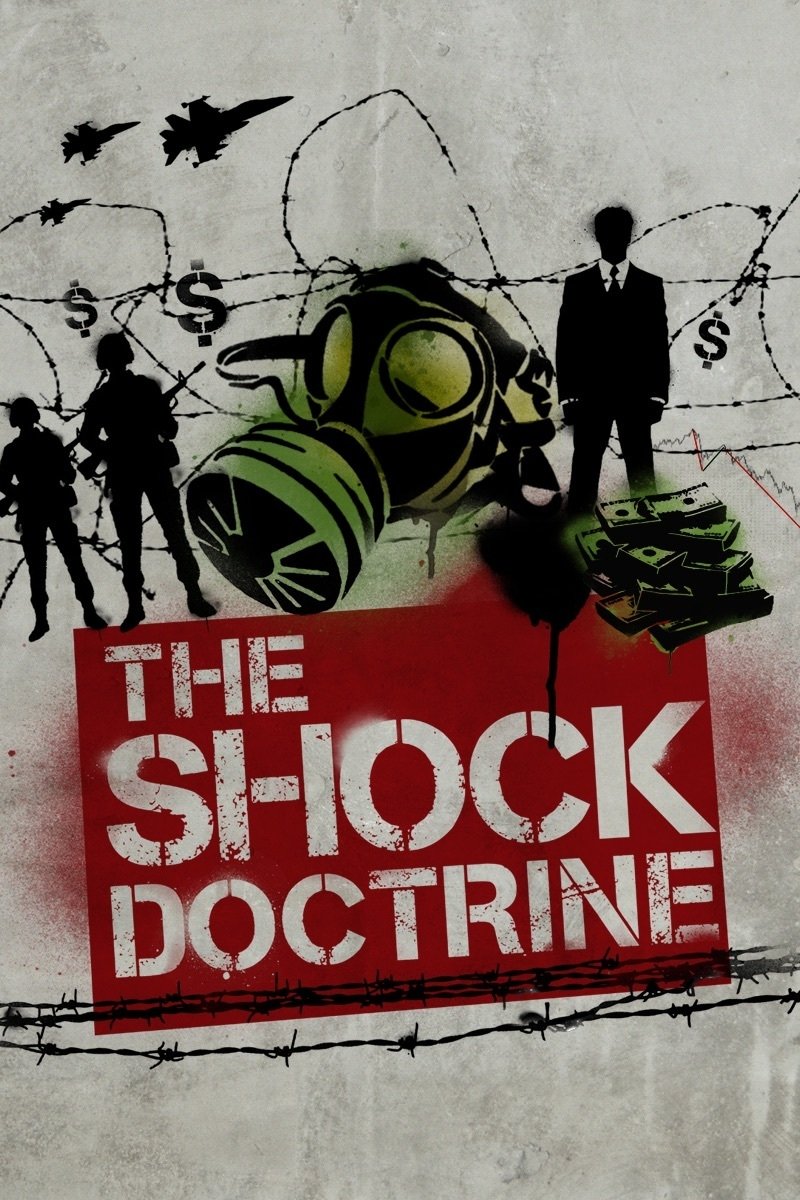
An investigation of "disaster capitalism", based on Naomi Klein's proposition that neo-liberal capitalism feeds on natural disasters, war and terror to establish its dominance.
The Shock Doctrine
2009 · 61 votes
 Movie8.3DocumentaryHistory
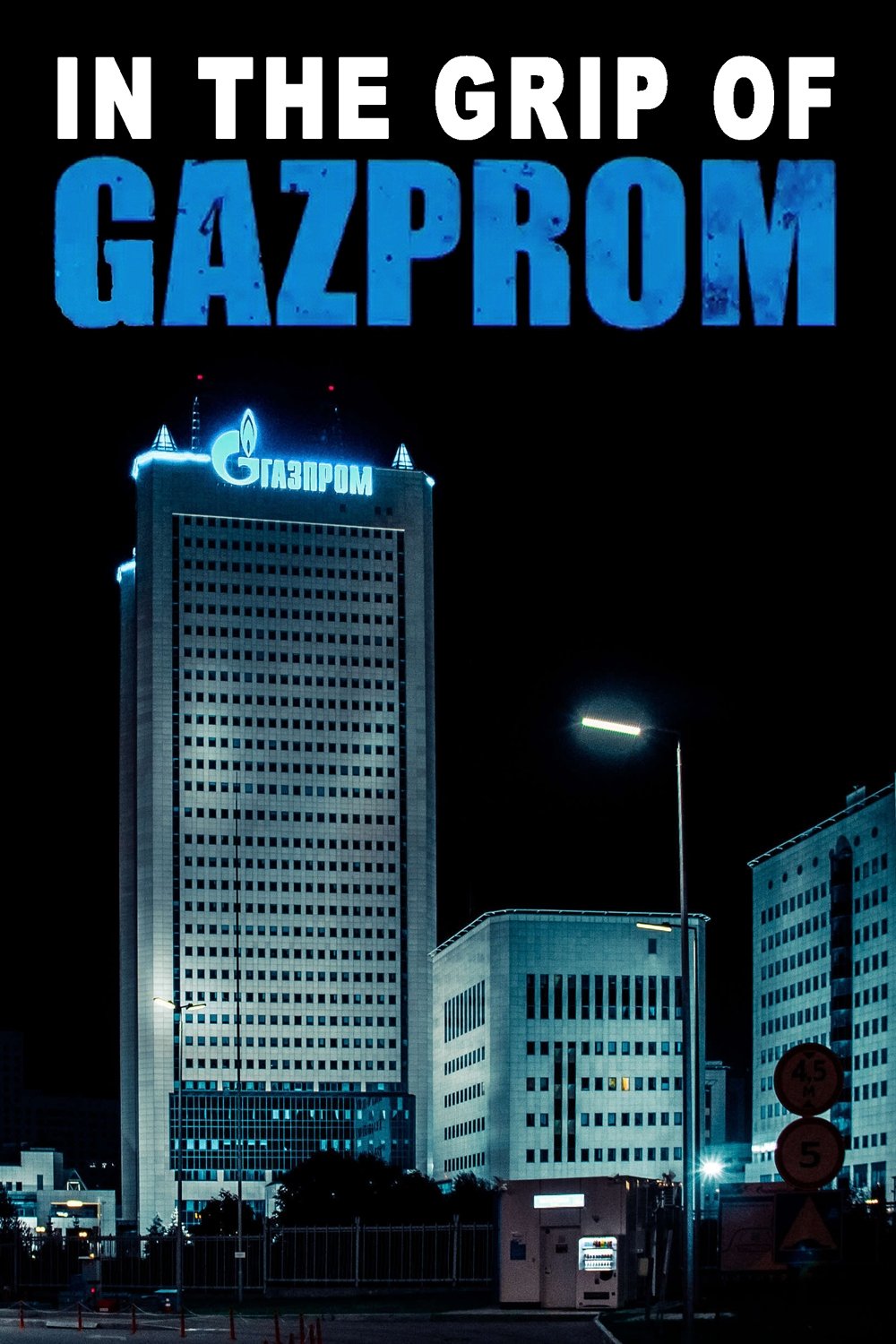
The war in the Ukraine has changed the way many European countries view Russian politics. Suddenly it became clear how dependent countries had become on Russian gas imports for decades and what Vladimir Putin was up to. However, no country needs more gas than Germany. It was only after Russia's invasion of the Ukraine that the German government realized that Russia had long used gas as a weapon to impose its will on states. The instrument created for this purpose is the natural gas production company GAZPROM. So how did Germany become so dependent on Russian gas? The documentary shows how, over several decades and several changes of government, a broad alliance of politicians and business representatives did everything possible to secure Germany's energy supply with cheap Russian gas, while the Kremlin's foreign policy became increasingly aggressive and the warnings of experts went unheeded.
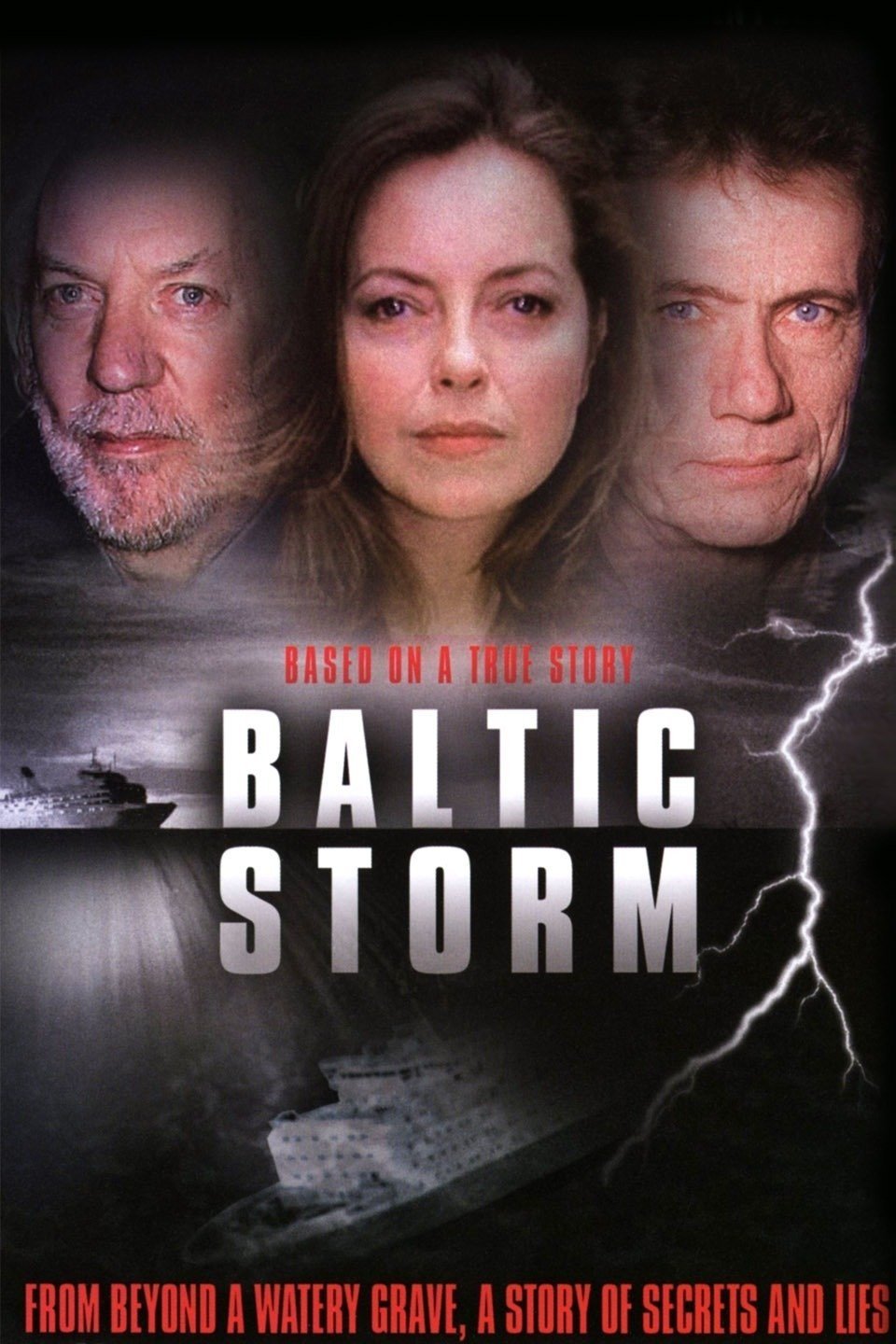 Movie5.1DramaMystery
A journalist from Berlin, Germany, and a Swedish lawyer discover the truth behind the sinking of the "MS Estonia" in 1994, where more than 850 people drowned.
Baltic Storm
2003 · 17 votes
 Movie6.8Documentary
The strange case of Mikhail Khodorkovsky — once believed to be the wealthiest man in Russia — who rocketed to prosperity and prominence in the 1990s, served a decade in prison, and became an unlikely martyr for the anti-Putin movement.
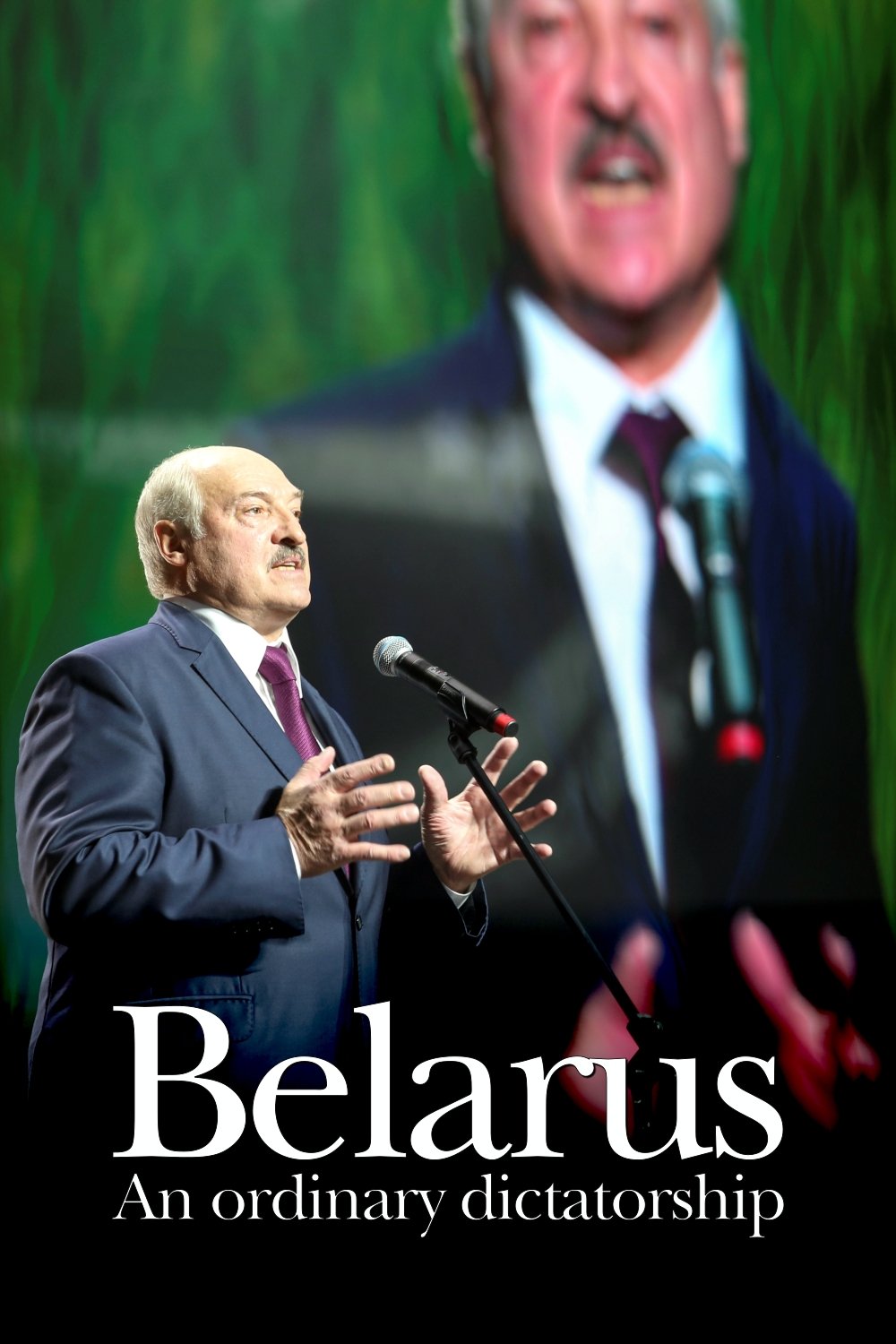 Movie6.8Documentary
It’s the last dictatorship of Europe, caught in a Soviet time-warp, where the secret police is still called the KGB and the president rules by fear. Disappearances, political assassinations, waves of repression and mass arrests are all regular occurances. But while half of Belarus moves closer to Russia, the other half is trying to resist…
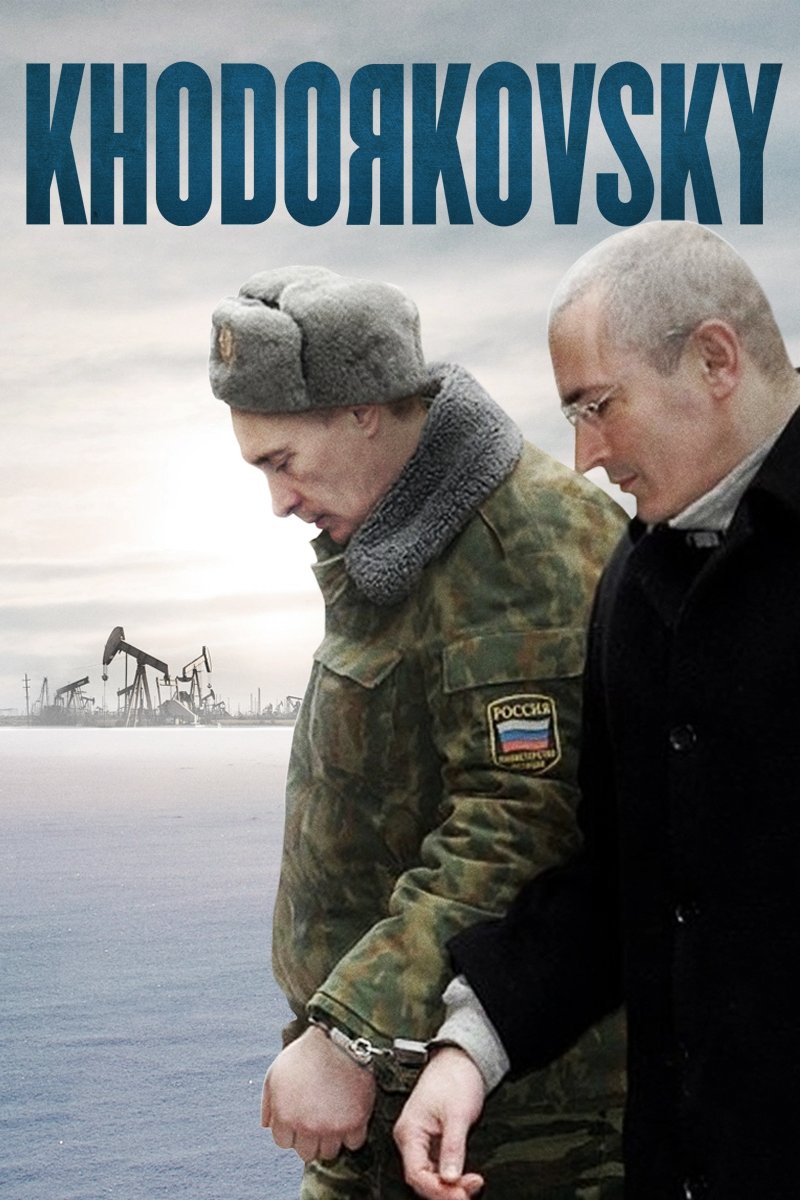 Movie5.1DramaDocumentary
Khodorkovsky, the richest Russian, challenges President Putin. A fight of the titans begins. Putin warns him. But Khodorkovsky comes back to Russia knowing that he will be imprisoned, once he returns. When I heard about it, I asked myself: why didn't he stay in exile with a couple of billions? Why did he do that? A personal journey to Khodorkovsky.
Khodorkovsky
2011 · 15 votes
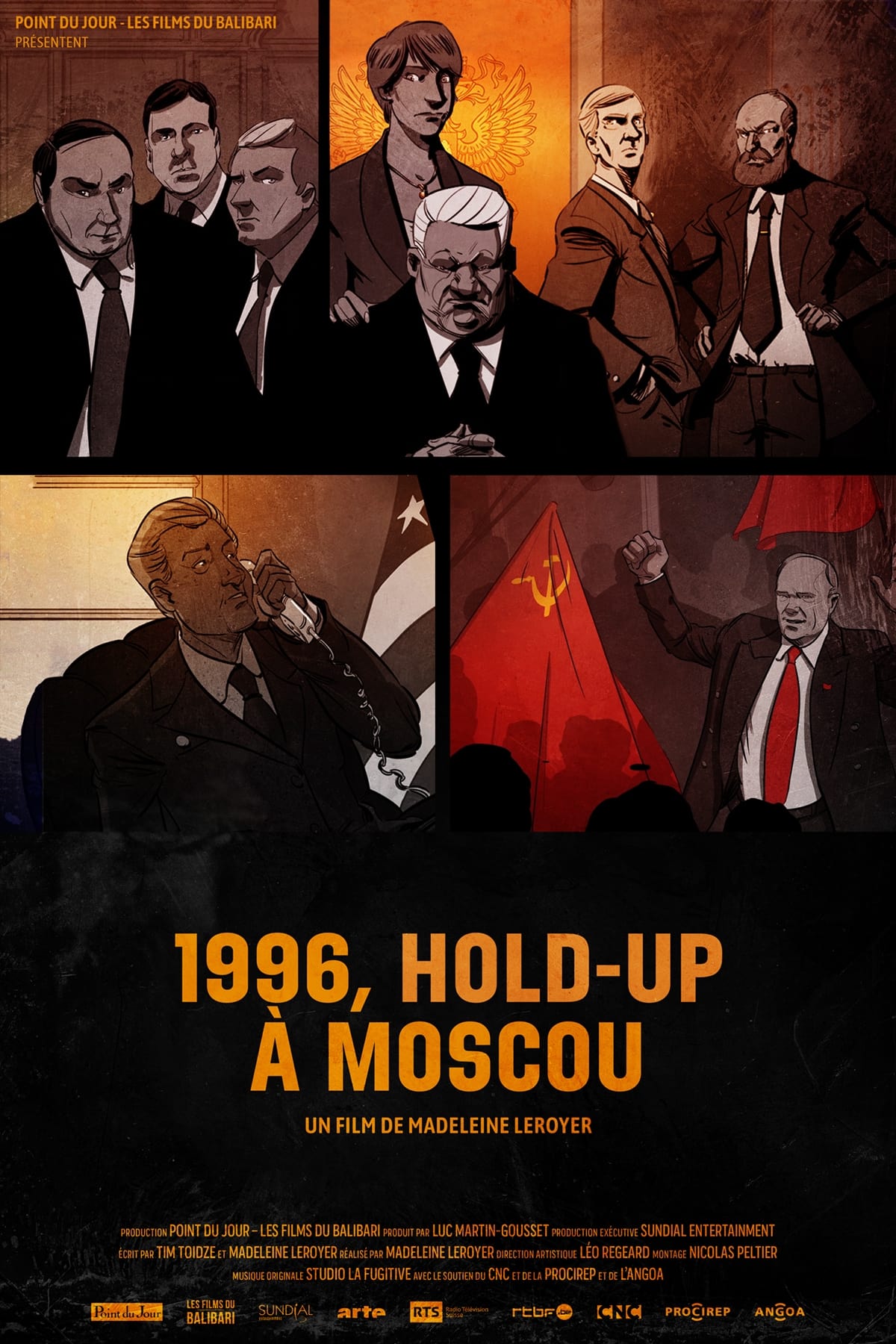 Movie7.6DocumentaryHistory
Moscow, January 1996. Boris Yeltsin gets ready to run for a second mandate of the presidency of the young Russian Federation. Polls are in the single digits. A painful economic transition, war in Chechnya, and the rise of criminal groups have left the majority of Russians dissatisfied with Yeltsin… and willing to vote for the communist leader Gennady Zyuganov. Yet six months later, Yeltsin won the election with nearly 54% of the vote. How did that happen?
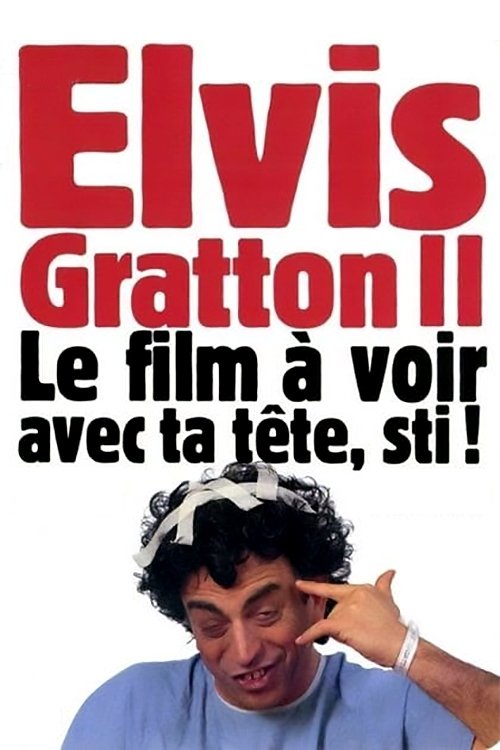 Movie5.8Comedy
Elvis Gratton, dead for three days, comes back to life.
Elvis Gratton 2: Miracle à Memphis
1999 · 12 votes
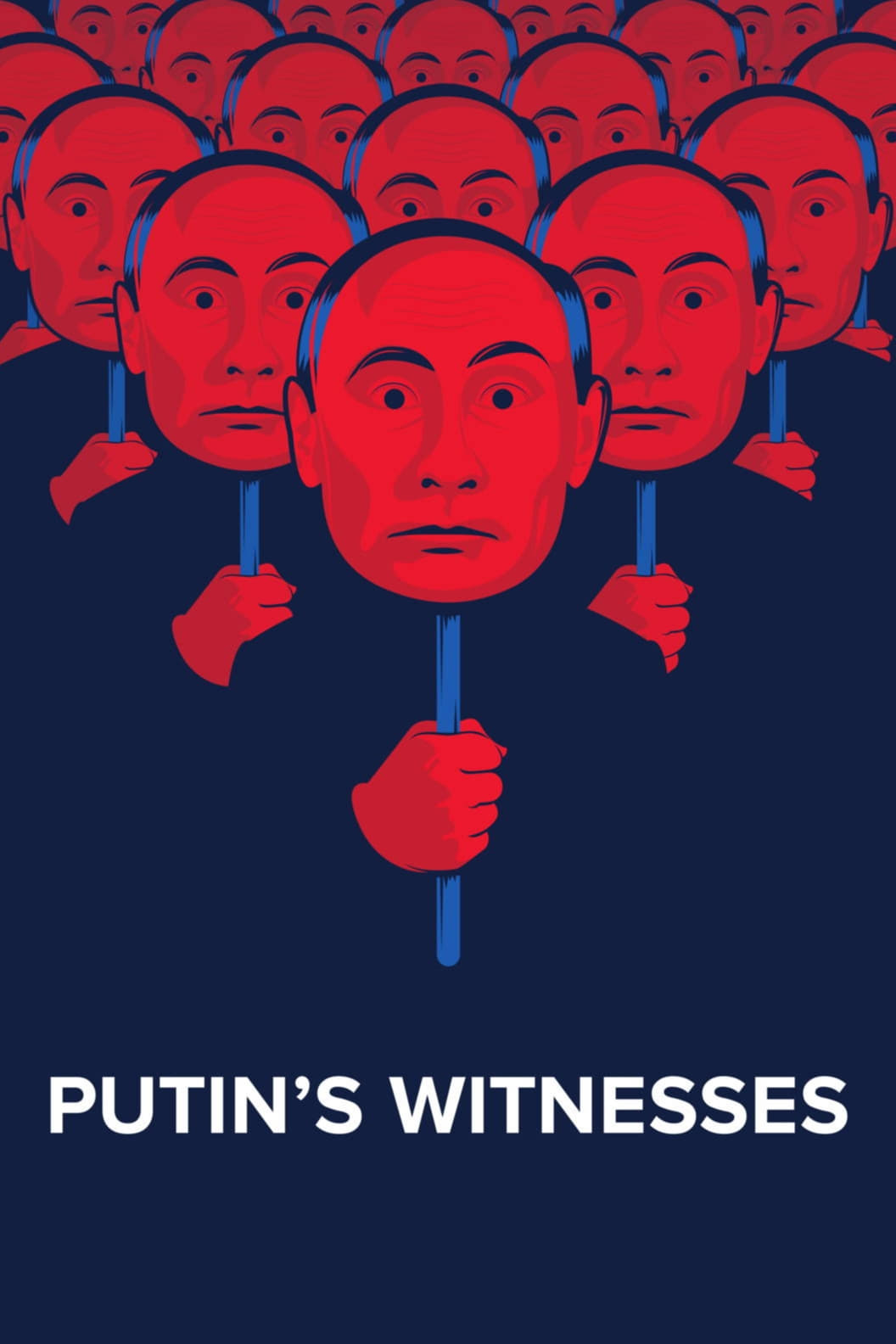 Movie6.3DocumentaryHistory
Russian Federation, December 31, 1999. After President Boris Yeltsin's unexpected resignation, Prime Minister Vladimir Putin becomes acting president of the country. From that day and for a year, Vitaly Mansky's camera documented Putin's rise to power. The story of a privileged witness. The harsh explanation of the reason why politics is the art of possibility of achieving the best with the support of many, but also of giving the worst in return.
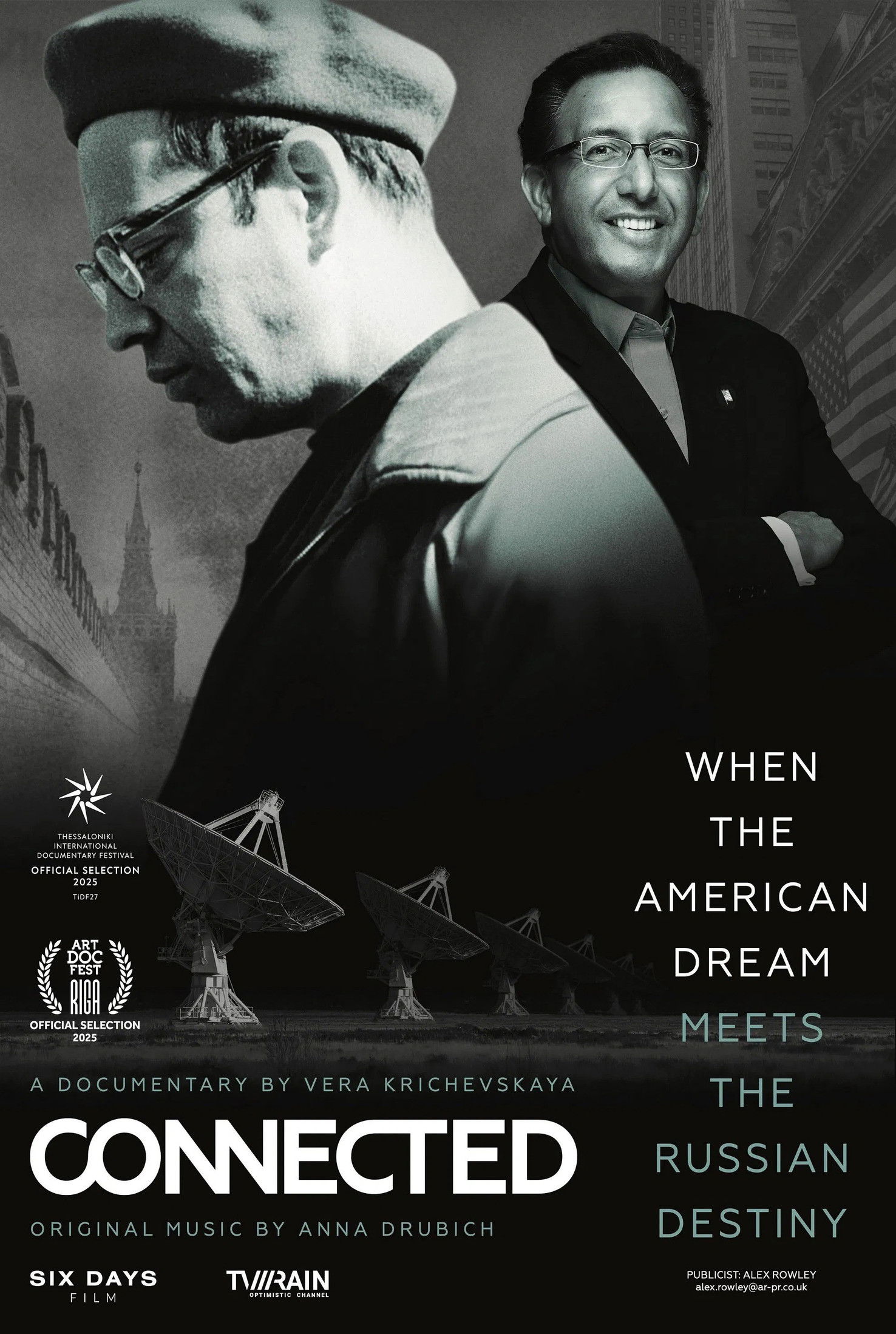 Movie7.2Documentary
The film chronicles the final journey of 88-year-old Russian former top-secret scientist and philanthropist Dmitriy Zimin, alongside his longtime American friend Augie Fabela, acting US police officer, before Zimin’s scheduled euthanasia. Against the backdrop of geopolitical tensions between Putin’s Russia and the USA and the outbreak of war in Ukraine, the film captures the closing scenes of a life and a time of peace. Zimin’s story is an embodiment of the harsh historical cycles that have defined Russia over the past century.
 MovieDocumentary
15 years ago, the Swedish defense took time out to become more modern and sharper. Today, the outside world and politicians are amazed at how little was left. What actually happened?
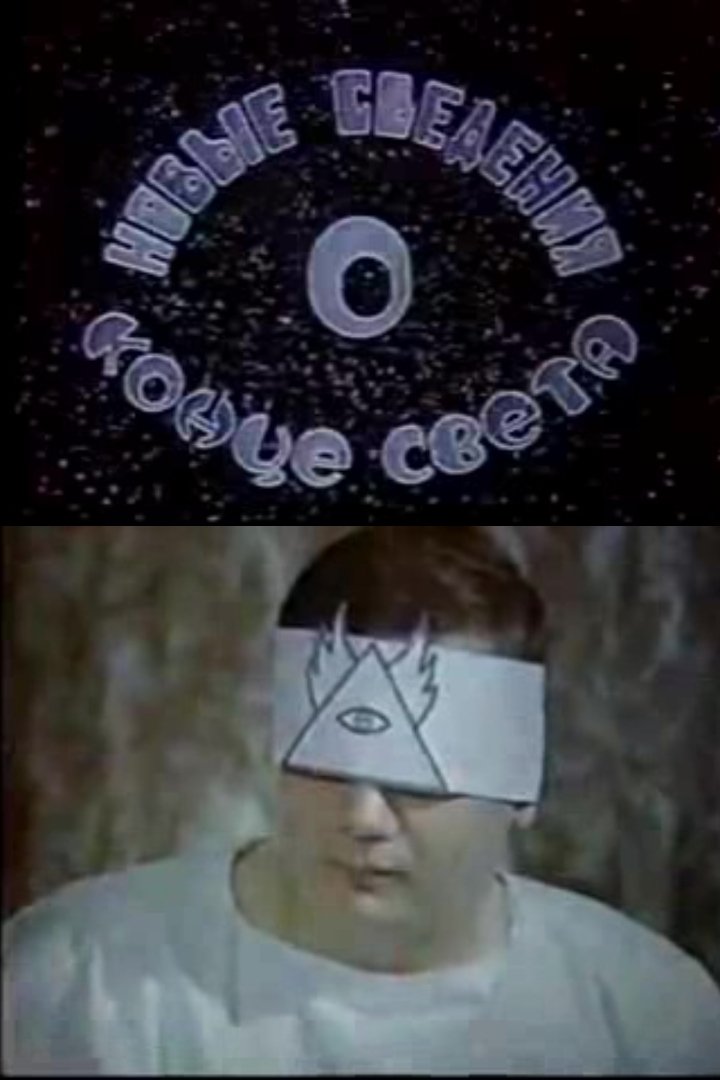 Movie10.0Documentary
A crazy documentary about the dawn of occult movements related to the expectation of the end of the world, after the collapse of the USSR!
 Movie10.0HistoryDocumentary
A story told by those who knew Boris Nemtsov at different times: when he was a young scientist and took his first steps in politics; when he held high government offices and was considered Boris Yeltsin's heir apparent; when he led Russia's democratic opposition to Vladimir Putin.
 Movie6.5Documentary
A documentary about Boris Nemtsov, a prominent figure of Russian political opposition and an outspoken critic of Vladimir Putin. Nemtsov was murdered in Moscow in February of 2015.
- Movie6.0Documentary
Documentary montage film by Alexander Vartanov, a subjective look at the beginning of the 21st century in Russia
 Movie5.2Documentary
In "The Soviet Elegy" the long train of photos of the Soviet leaders, dead or alive, stops at the portrait of Yeltsin. At the time of shooting Yeltsin had fallen down from the assembly of the Communist Party deities, and participated in the earthly life through connections of different kinds.
- Movie8.0Documentary
The second film by Sokurov featuring Boris Yeltsin as the principal character. Now he is the President of Russia, invested with power, bearing the full responsibility for the destinies of his distant compatriots as well as his closest kin and friends.
Series11
 TV6.5DocumentaryNews
Since it began in 1983, Frontline has been airing public-affairs documentaries that explore a wide scope of the complex human experience. Frontline's goal is to extend the impact of the documentary beyond its initial broadcast by serving as a catalyst for change.
Frontline
1983 · 58 votes
 TV8.5Talk Show
Apostrophes was a live, weekly, literary, prime-time, talk show on French television created and hosted by Bernard Pivot. It ran for fifteen years (724 episodes) from January 10, 1975, to June 22, 1990, and was one of the most watched shows on French television (around 6 million regular viewers). It was broadcast on Friday nights on the channel France 2 (which was called "Antenne 2" from 1975 to 1992). The hourlong show was devoted to books, authors and literature. The format varied between one-on-one interviews with a single author and open discussions between four or five authors.
Apostrophes
1975 · 4 votes
 TV7.9Documentary
With firsthand accounts and access to prominent figures around the world, this comprehensive docuseries explores the Cold War and its aftermath.
Turning Point: The Bomb and the Cold War
2024 · 48 votes
 TV8.2Comedy
A spoof of the British news — including ridiculous stories, patronising vox pops, offensively hard-hitting research and a sports presenter clearly struggling for metaphors. Adapted from Radio 4 series 'On the Hour'.
The Day Today
1994 · 64 votes
 TV8.6DocumentaryWar & Politics
What it felt like to live through the collapse of communism and democracy. A series of films by Adam Curtis.
Russia 1985-1999: TraumaZone
2022 · 19 votes
 TV8.0Documentary
Individual freedom is the dream of our age. It's what our leaders promise to give us, it defines how we think of ourselves and, repeatedly, we have gone to war to impose freedom around the world. But if you step back and look at what freedom actually means for us today, it's a strange and limited kind of freedom.
The Trap: What Happened to Our Dream of Freedom
2007 · 38 votes
 TV8.5DocumentaryWar & Politics
Communism spread to all of the continents of the word, lasting through four generations and over seven decades. Hundreds of millions of men and women were affected by this political system, one of the most unjust and bloodiest in history. Using newly discovered propaganda films and archival photos, these four episodes explore the mysteries of this totalitarian political machine that lured its share of important followers into the fold. Known as the red church, communism seduced its ardent followers like some earthly religion.
 TV9.8Action & AdventureMystery
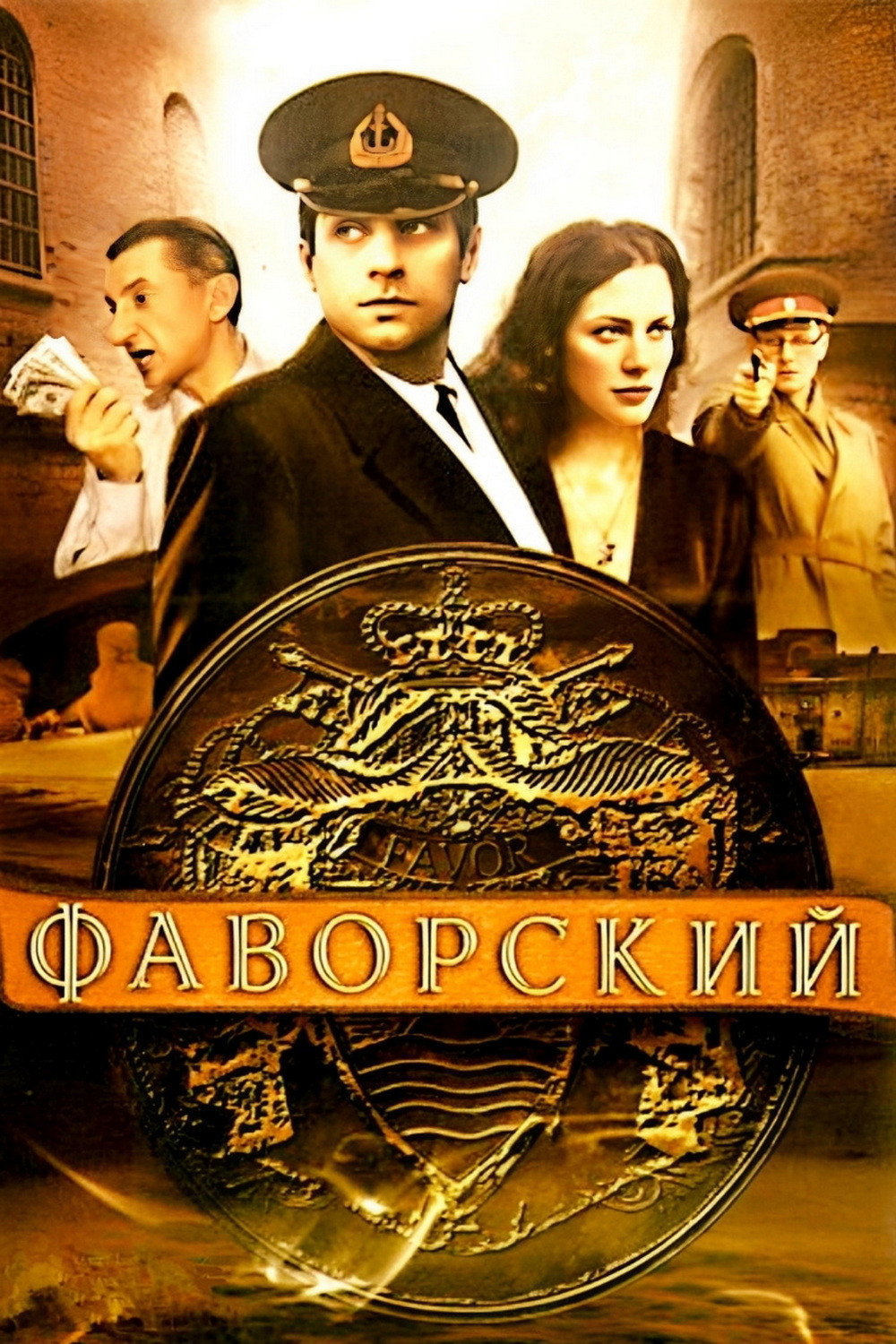
Фаворский
2005 · 4 votes
 TVDocumentary
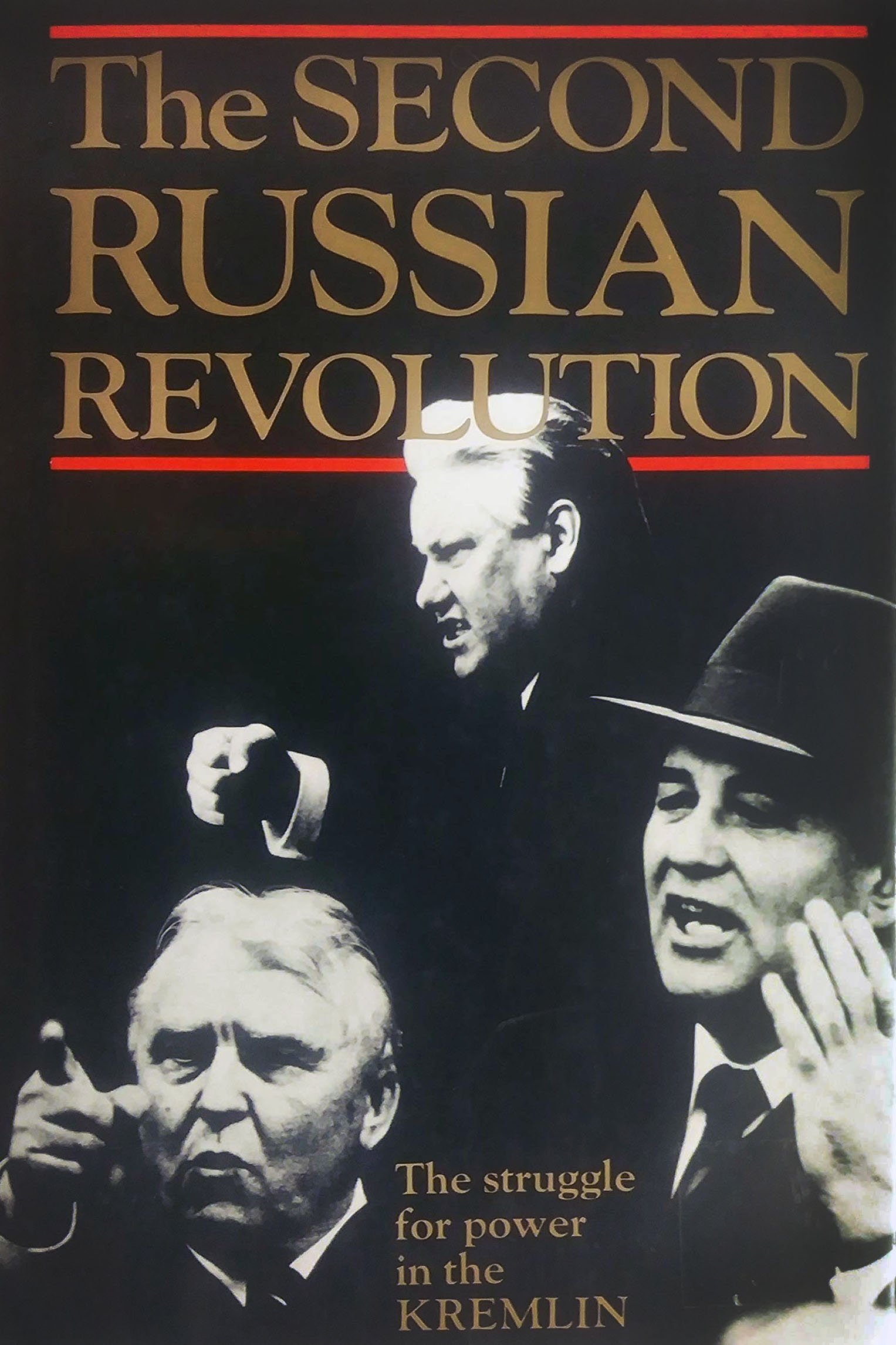
The acclaimed documentary series from 1991 that examined political in-fighting in the Soviet Union and the battle for perestroika.
 TVDocumentary
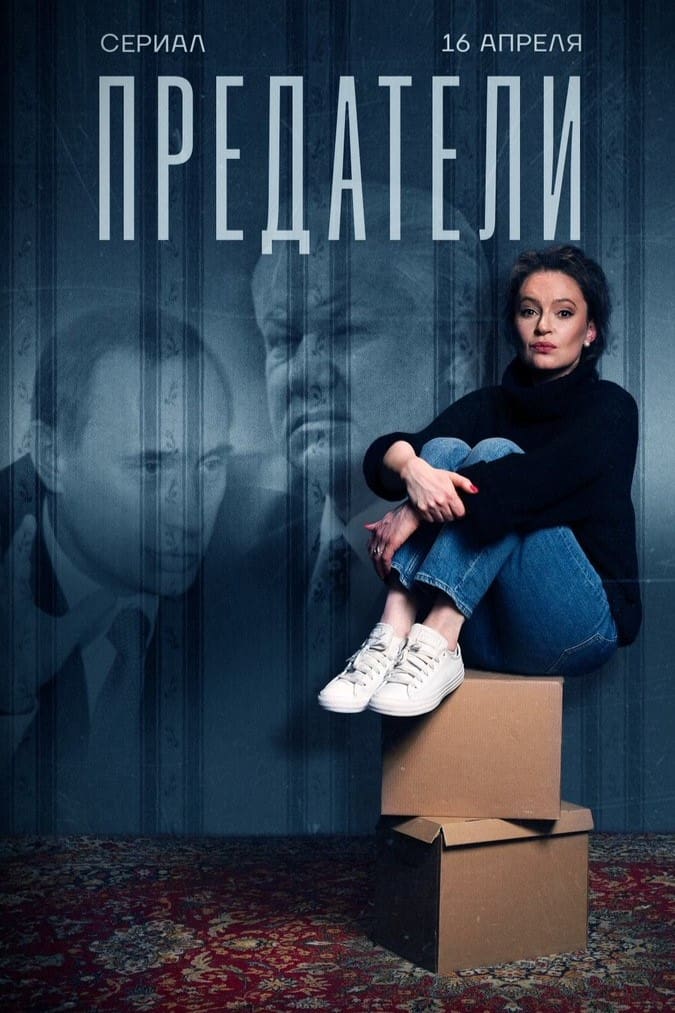
A documentary series that explores who brought Vladimir Putin to power, and why. It meticulously reconstructs the sequence of events that have led us to the present day.
 TV7.0Documentary
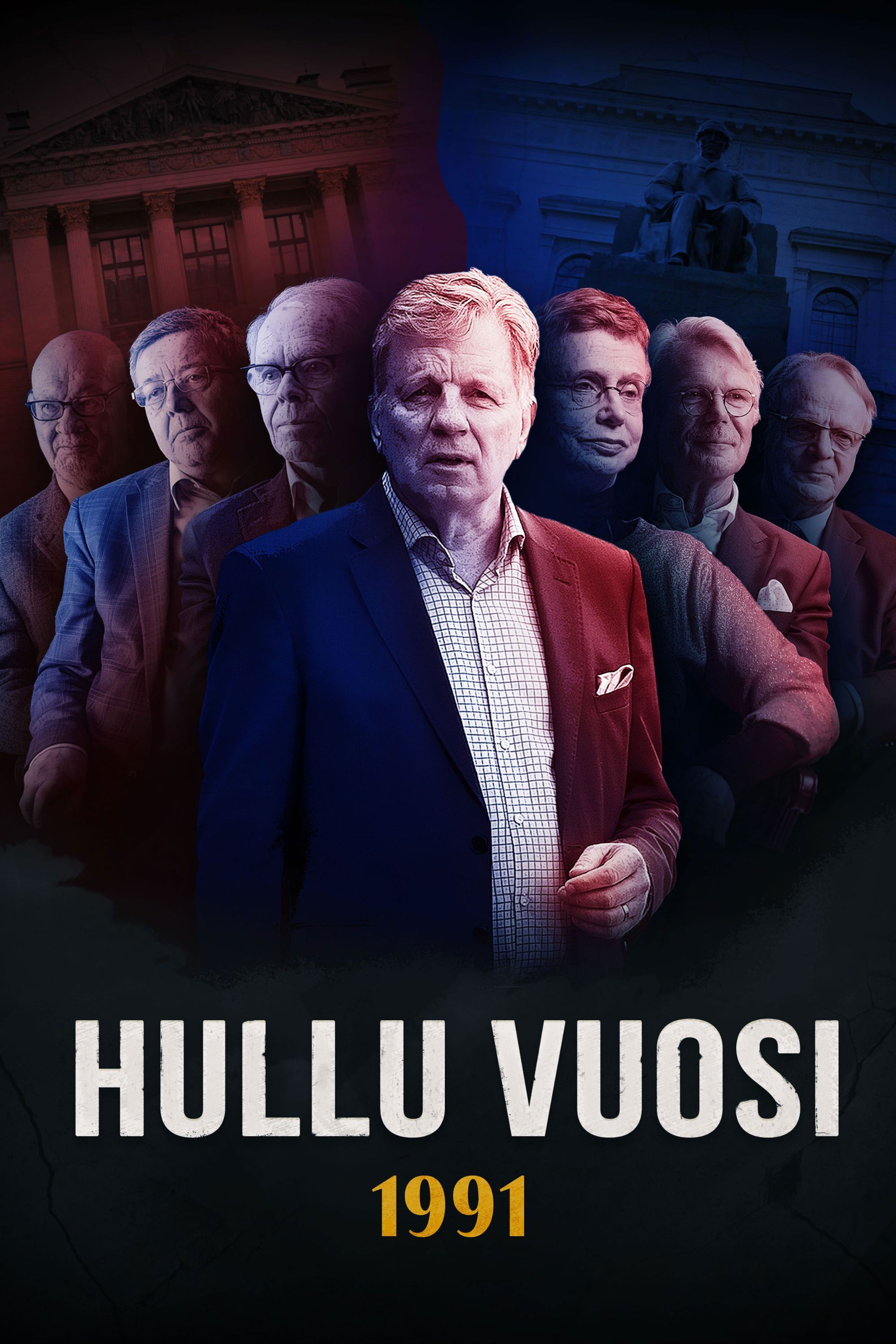
In 1991, the great power the Soviet Union split and ceased to exist. In the same year, Finland's economy plummeted into a historic recession. In the documentaries, Esko Aho, who became prime minister in 1991 and his contemporaries, talk about the storm that our small country experienced during that year. Editor Tapio Nurminen leads discussions about the dramatic year's consequences for today's Finland and international relations.
Hullu vuosi 1991
2021 · 1 votes