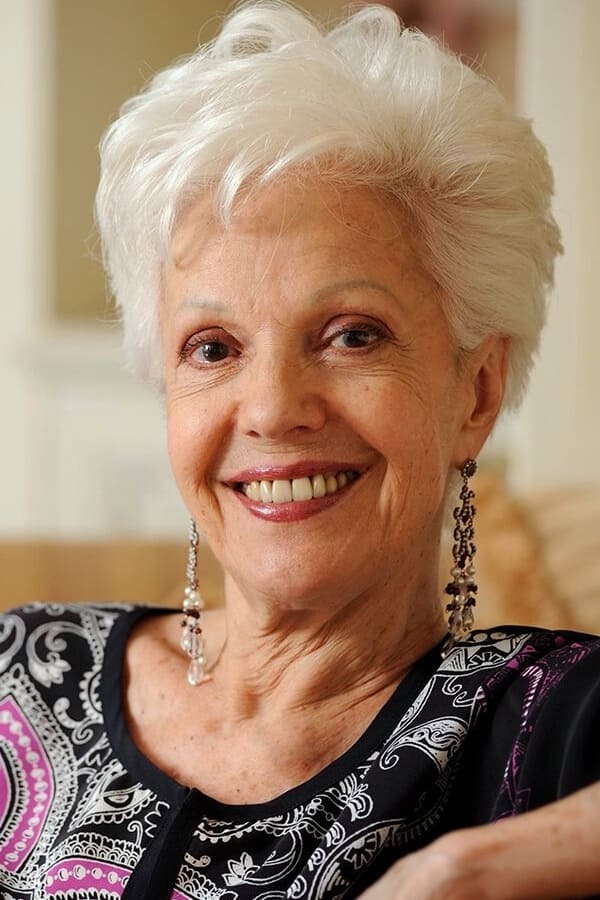
Raina Kabaivanska
Actor · b. 1934 · Burgas, Bulgaria
Raina Kabaivanska (Bulgarian: Райна Кабаиванска; born Raina Yakimova (Bulgarian: Якимова); born 15 December 1934) is a Bulgarian opera singer, one of the leading lirico-spinto sopranos of her generation, particularly associated with Verdi and Puccini, although she sang a wide range of roles. Born in Burgas, Bulgaria, she studied in Sofia with Prokopova and Yosifov, and made her debut at the Bulgarian National Opera in Sofia as Tatjana in Tchaikovsky's Eugene Onegin in 1957. The following year, she left for Italy for further studies with Zina Fumagalli-Riva in Milan and with Giulia Tess in Vercelli. Two years later she made a breakthrough in Fano, Italy, as Nedda in Leoncavallo's Pagliacci. In 1961, she gave her first performance at La Scala in Milan, as Agnese in Bellini's Beatrice di Tenda, opposite Dame Joan Sutherland. She sang widely in Italy, Genoa, Venice, Parma and notably in Turin in 1973, as Elena in I vespri siciliani, in the only production ever directed by Maria Callas. In 1962, she made her debuts at both the Royal Opera House in London, as Desdemona in Verdi's Otello, and the Metropolitan Opera in New York, as Nedda. She went on performing at the Bolshoi Theatre in Moscow, the Teatro Colón in Buenos Aires, the Paris Opéra, the Vienna State Opera, the Budapest Opera, the Lyric Opera of Chicago, the San Francisco Opera, the Dallas Opera, the Teatro dell'Opera di Roma, etc. She also appeared in a few opera films, notably Pagliacci, opposite Jon Vickers in 1968, Il trovatore, opposite Franco Bonisolli, in 1975, and Tosca, opposite Plácido Domingo, in 1976. A versatile singer with a beautiful voice and fine musicianship, she is also a singing-actress of considerable ability. Kabaivanska has received the following international opera awards: Bellini (1965), Viotti d'Oro (1970), Puccini (1978), Illica (1979), Monteverdi (1980), the Award of Accademia 'Medici' – Lorenzo il Magnifico, Florence (1990), the Grand Prix 'A Life, Dedicated to the Music', Venice (2000). Kabaivanska delivered an emotional performance of the "Ave Maria" from the opera Otello by Giuseppe Verdi to open the funeral mass for Luciano Pavarotti in Modena, Italy on 8 September 2007. Kabaivanska has added another role to her considerable repertoire: the Comtesse in Tchaikowsky's Queen of Spades, in a series of five performances (31 January – 19 February 2008) at the Capitole de Toulouse. She is a professor in Italy at the Accademia Musicale Chigiana in Siena, at the Vecchi-Tonelli Music Institute in Modena, and at New Bulgarian University in Sofia. She is also a jury member for many prestigious competitions all over the world. Source: Article "Raina Kabaivanska" from Wikipedia in English, licensed under CC-BY-SA 3.0.
Movies4
 Movie6.3DramaMusic
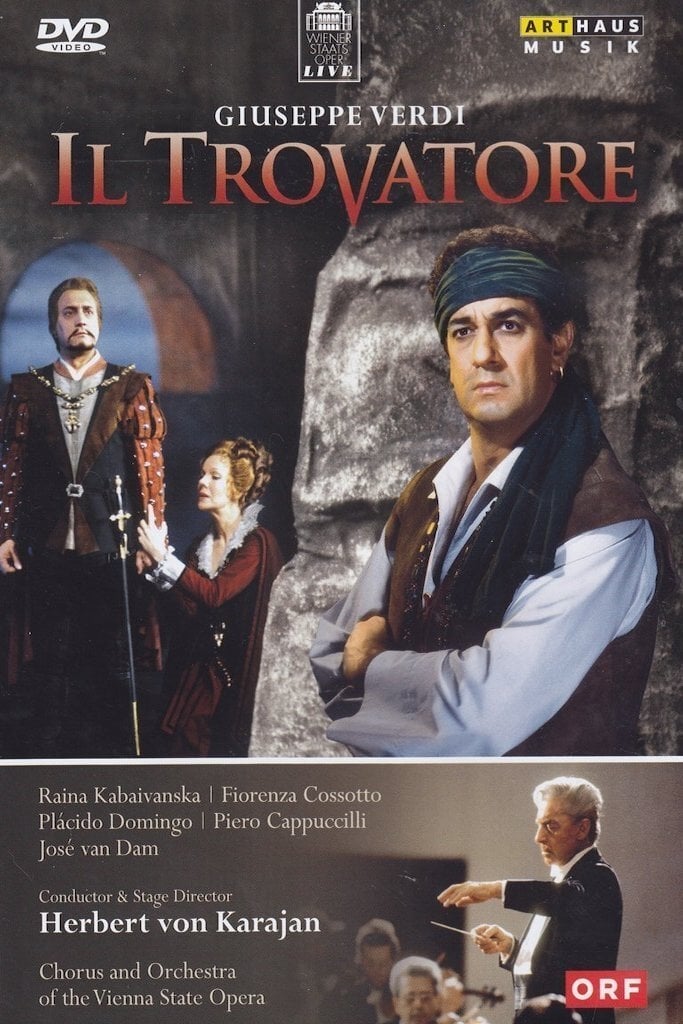
The gypsy Azucena (Fiorenza Cossotto) takes revenge for her mother who was accused of putting a curse on one of the old Count di Luna's two sons: she decides to abduct the younger child and throw it in the flames. But when she is about to carry out this fatal act, the gypsy sacrifices her own child and keeps the old Count’s son, whom she names Manrico (IL TROVATORE, Plácido Domingo). Later, as adults, the troubadour Manrico and the Count di Luna’s elder son (Piero Cappucilli) do not know each other, but become rivals for the beautiful Leonora (Raina Kabaivanska). Manrico succeeds in winning the young woman’s heart, and she sacrifices herself for him, deceiving the Count’s son. Mad with jealousy, the latter orders the execution of the troubadour in front of his mother. Azucena reveals to him that Manrico was his brother. This legendary performance of Giuseppe Verdi's most successful opera was recorded at the Vienna State Opera under the baton of Herbert von Karajan.
Il Trovatore - Verdi
1978 · 6 votes
 Movie5.8DramaRomance
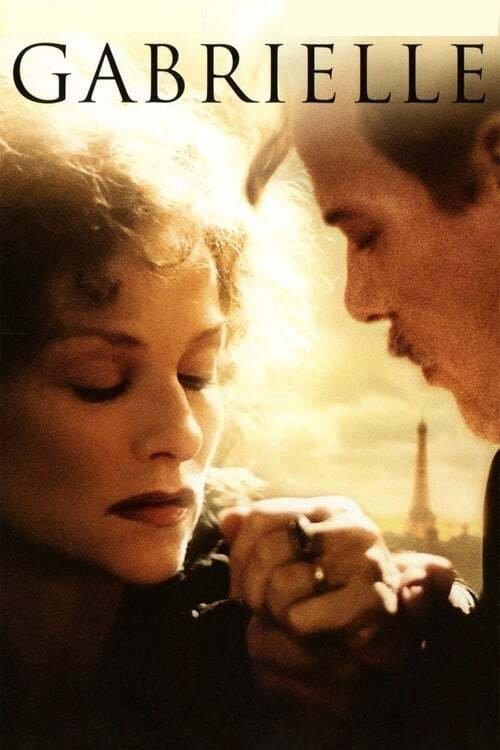
Wealthy but arrogant writer Jean Hervey comes home one day to find that his wife, Gabrielle, has left him for another man. Realizing her mistake, Gabrielle returns, and the pair begin a merciless analysis of their marriage as the relationship comes undone.
Gabrielle
2005 · 32 votes
 Movie7.5Music
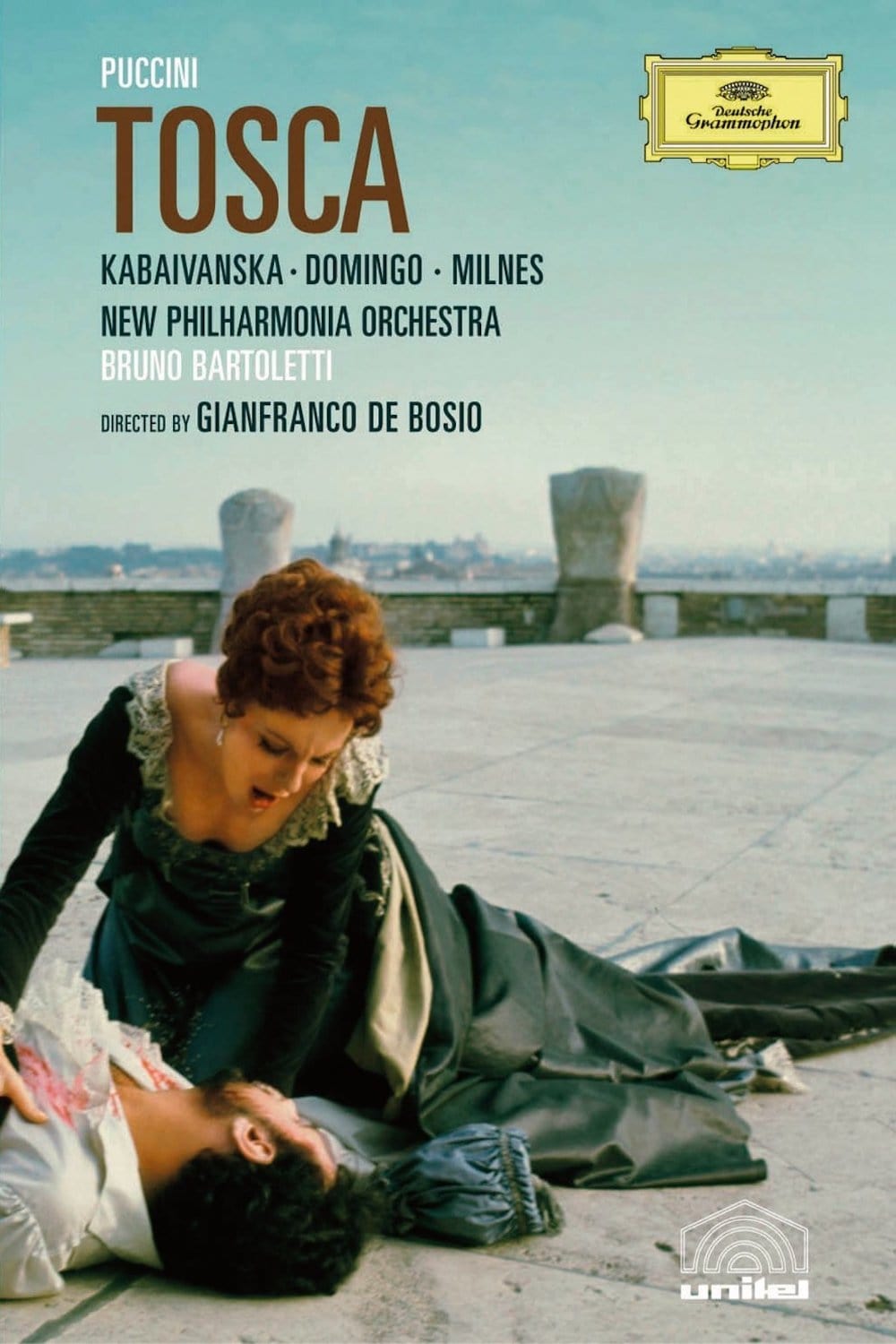
Opera is an inherently theatrical medium that does not lend itself readily to the realism of film treatment. The shining exception is Puccini's Tosca, an action-packed melodrama that unfolds in three taut and gripping acts like the meatiest of Hollywood films noir. And unlike most operas, these three acts are set in three very specific Roman locales. Thus this 1976 film takes place in the church of Sant'Andrea della Valle (Act 1), the Palazzo Farnese (Act 2), and the Castel Sant'Angelo (Act 3).
Tosca
1976 · 2 votes
- Movie10.0Music
Raina Kabaivanska, though hardly passible as a teenager, shines in the title role. Her voice and acting are stunning. Nazzareno Antinori is also a solid Pinkerton with a pleasing voice, and Eleonora Jacovic is a wonderful Suzuki. To top things off the scenery is quite well done, and the staging is effective. I can't imagine any other filmed "Butterfly" being better than this one.
Madama Butterfly
1983 · 1 votes
Series1
 TV8.0Talk ShowNews
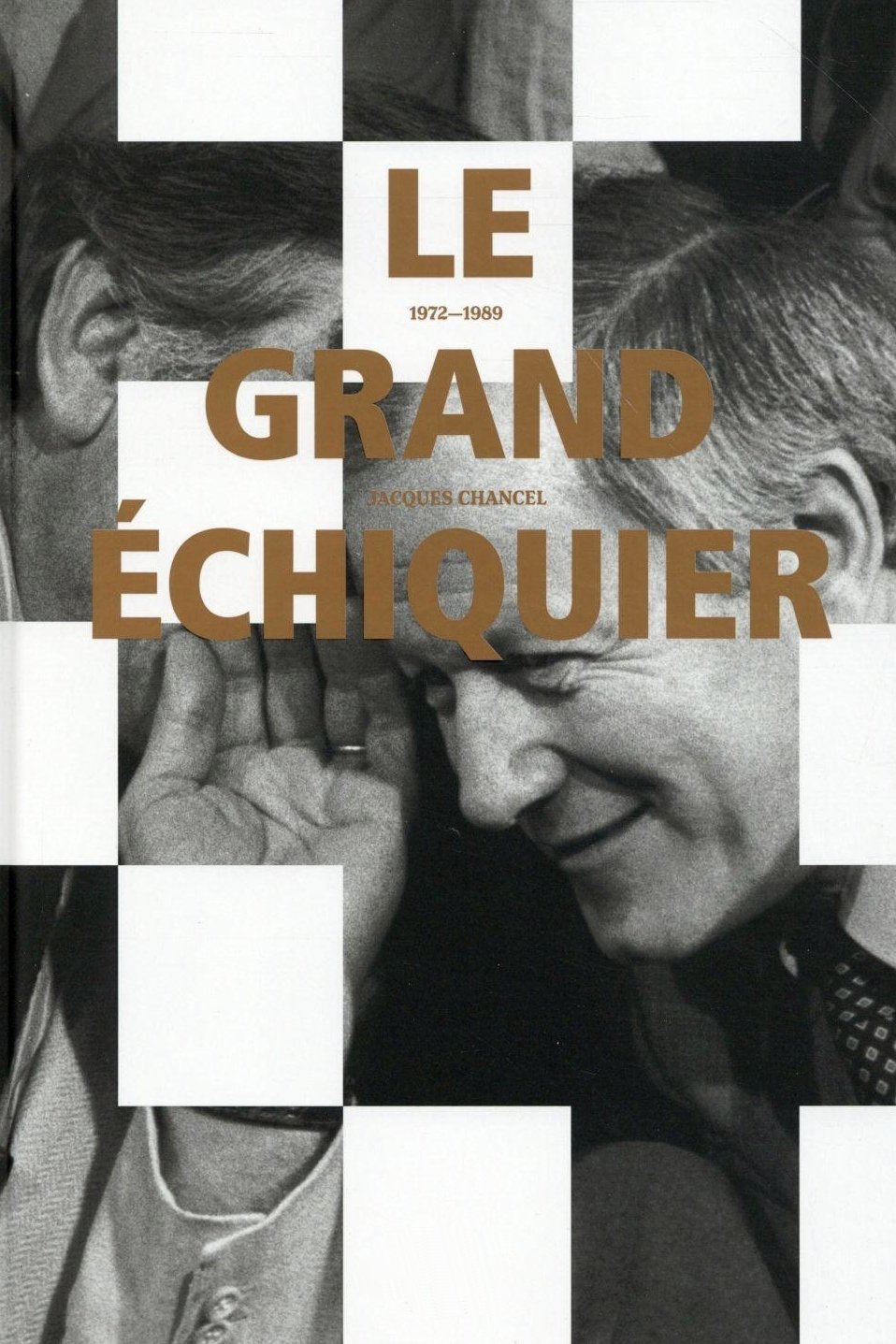
Le Grand Échiquier is a French variety television program created and presented by Jacques Chancel. It aired at 8:30 pm on the first channel of the ORTF from January 12, 1972 to July 12, 1972, then on the second color channel of the ORTF from September 1972 to December 1974, and finally on Antenne 2 from January 1975 to December 21, 1989. The program returned to France 2 on December 20, 2018 and is hosted by Anne-Sophie Lapix.
Le Grand Échiquier
1972 · 3 votes