
Marceline Loridan-Ivens
Director · 1928 – 2018 · Épinal, France
Marceline Loridan-Ivens (née Rozenberg; 19 March 1928 – 18 September 2018) was a French writer and film director. Her memoir But You Did Not Come Back details her time in Auschwitz-Birkenau. She was married to Joris Ivens. Marceline Rozenberg was born to Polish Jewish parents who emigrated to France in 1919. At the beginning of World War II, her family settled in Vaucluse, where she joined the French Resistance. She and her father, Szlama, were captured by the Gestapo and deported to Auschwitz-Birkenau by Convoy 71 on 13 April 1944, along with Simone Veil and Anne-Lise Stern, then to Bergen-Belsen, and eventually to Theresienstadt. The camp was liberated on 10 May 1945 by the Red Army. She married Francis Loridan, an engineer. Years later they divorced, but she was allowed to keep his surname. She joined the French Communist Party in 1955 and left it a year later. She then encountered "deviationists", such as Henri Lefebvre and Edgar Morin, wrote manuscripts for intellectuals, worked in the reprographic service of a polling institute, was bag carrier for the Algerian National Liberation Front and frequented Saint-Germain-des-Prés. In 1961, Edgar Morin cast her in the film Chronique d'un été, thus making her film debut. In 1963, she met and married the documentary director Joris Ivens. She assisted him in his work and co-directed some of his films, including 17th Parallel: Vietnam in War (1968). They left together for Vietnam, where they met Ho Chi Minh. From 1972 to 1976, during the Cultural Revolution, Joris Ivens and Marceline Loridan worked in China and directed How Yukong Moved the Mountains, a series of 12 films. Criticized by Jiang Qing, they had to quickly leave China. Loridan-Ivens gave lectures and testimonies in colleges and high schools on the Holocaust.
Movies10
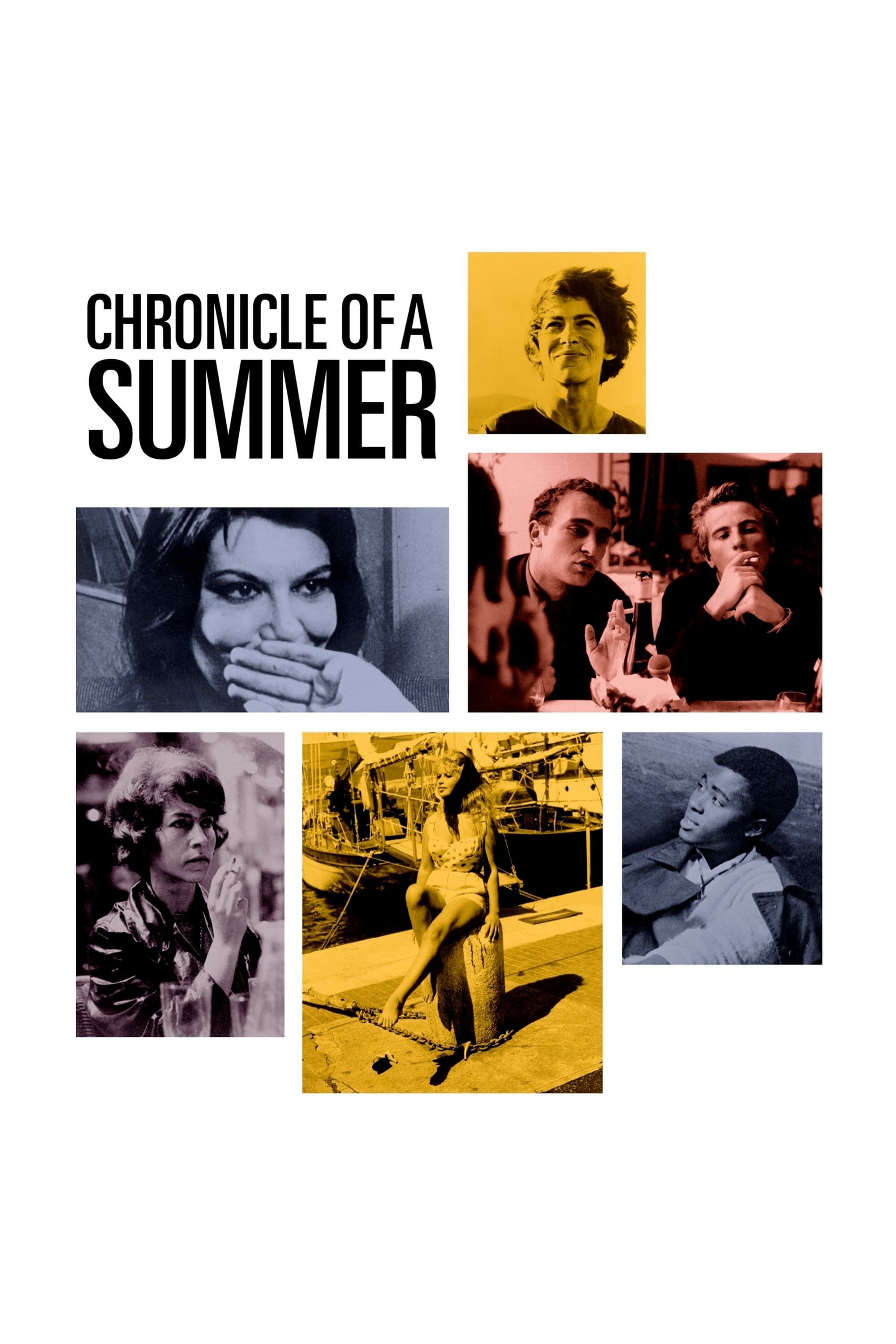 Movie7.2Documentary
Paris, summer 1960. Anthropologist and filmmaker Jean Rouch and sociologist and film critic Edgar Morin wander through the crowded streets asking passersby how they cope with life's misfortunes.
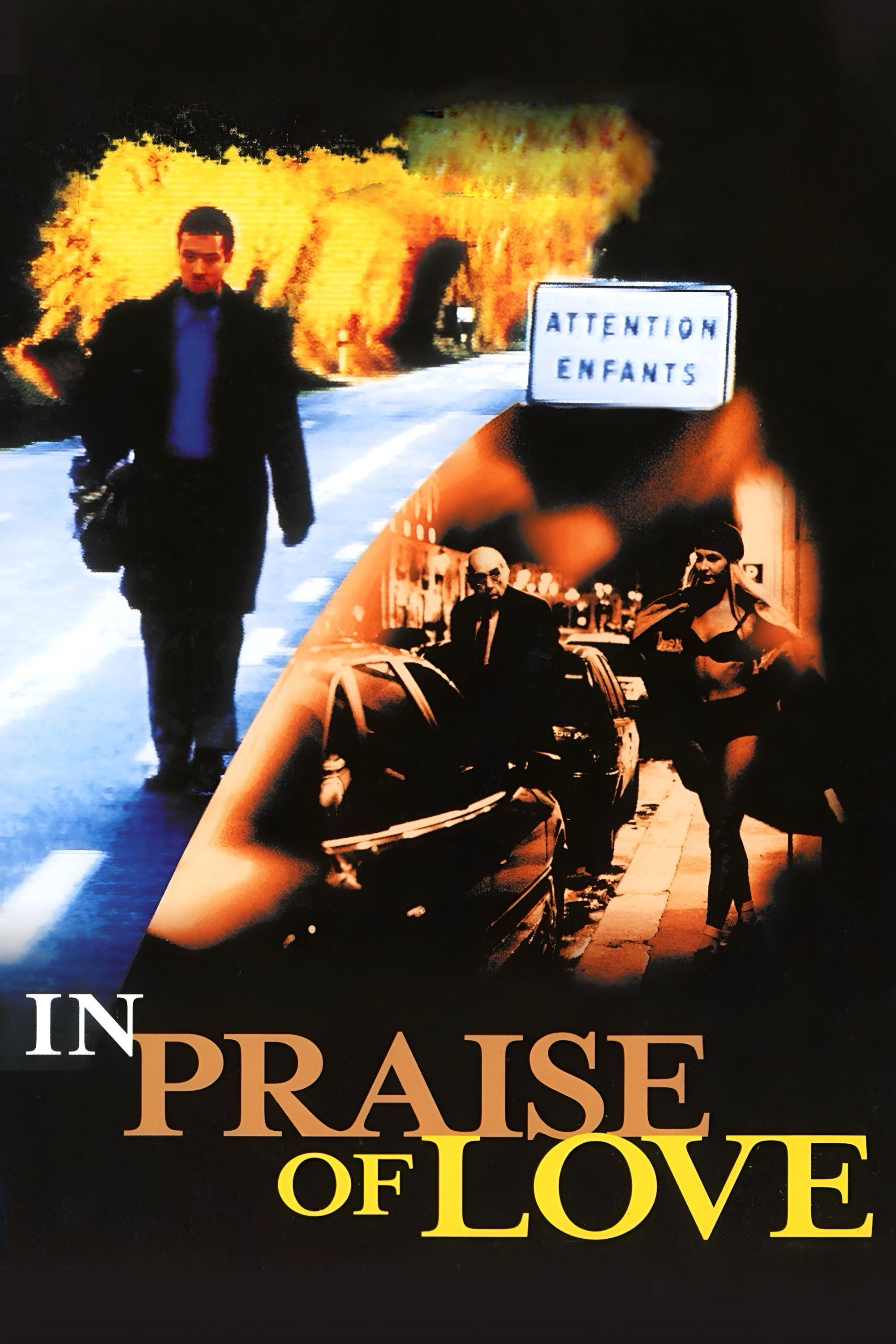 Movie6.5Drama
Someone we hear talking - but whom we do not see - speaks of a project which describes the four key moments of love: meeting, physical passion, arguments/separation and making up. This project is to be told through three couples: young, adult and old. We do not know if the project is for a play, a film, a novel or an opera. The author of the project is always accompanied by a kind of servant. Meanwhile, two years earlier, an American civil servant meets with an elderly French couple who had fought in the Resistance during World War II, brokering a deal with a Hollywood director to buy the rights to tell their story. The members of the old couple's family discuss heatedly questions of nation, memory and history.
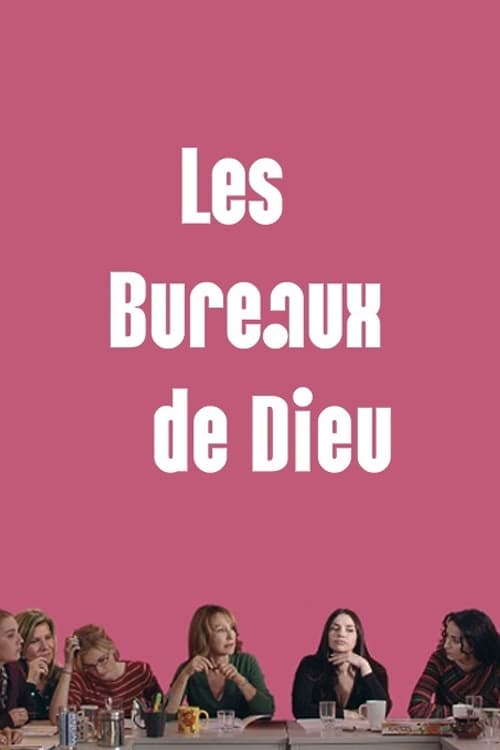 Movie6.5ComedyDrama
A realist dramedy about dedicated social workers who devote their long shifts to helping pregnant women.
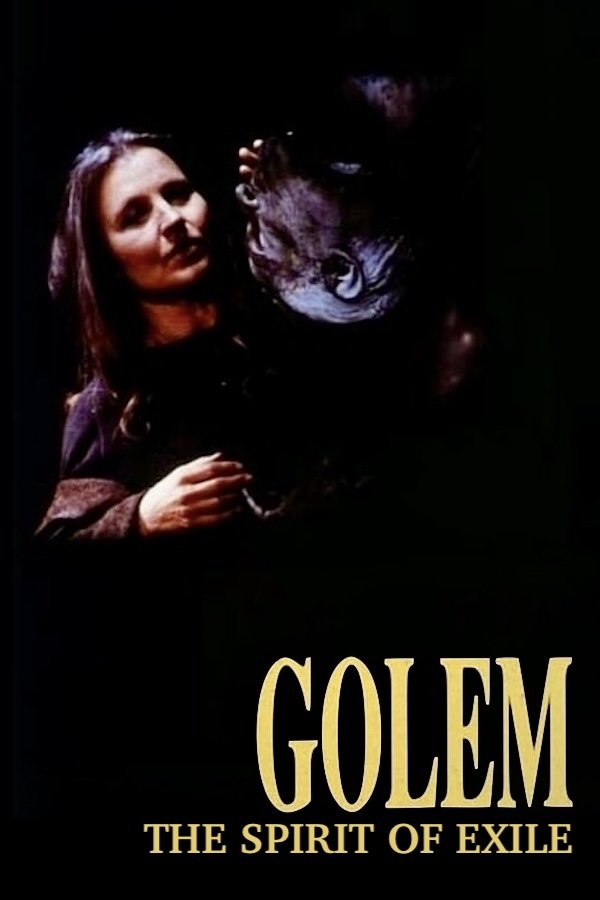 Movie5.0Drama
An allegory of the Golem, a Jewish mythical creature personifying displacement and exile, this film tells the story of a woman (similar to the biblical Ruth) and her sisters, who are forced into exile after the death of their husbands. It is set in 1990s Paris, where the director was living in self-imposed exile following the ban on his 1982 documentary in Israel. The recurring theme of the film is migrations and unrooting, like the legendary Golem.
 Movie6.5Documentary
It is an autobiographical fiction starring Ivens as an old man who has spent his life trying to "tame the wind and harness the sea" by capturing them on film.
- MovieDocumentaryWar
The untold story of a world-renowned place of remembrance of the Holocaust in France, the internment camp of Drancy, which was the central transit for the near totality of the 76 000 deported Jews of France during World War II.
 MovieDocumentary
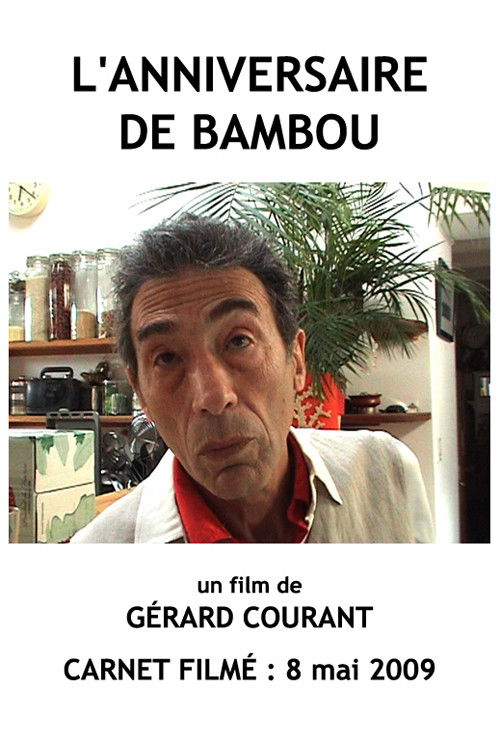
Patrick Deval, known as Bambou, the author of the cult film Acéphale, is celebrating his birthday.
 Movie9.0Documentary
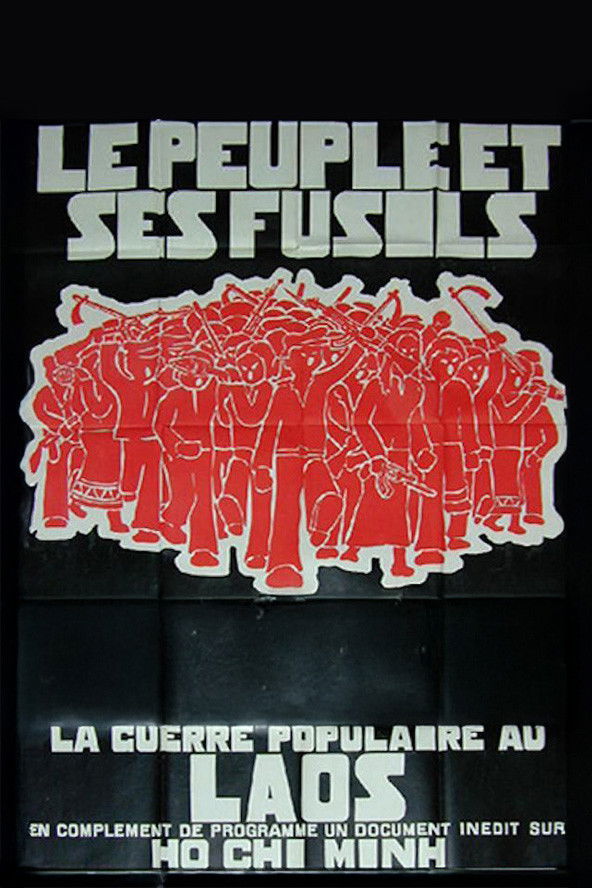
Filmed in Laos in 1968, this four-part documentary examines the armed struggle against foreign intervention during the Indochina conflicts. The film focuses on the relationship between the population and guerrilla forces engaged in the war.
- MovieDocumentary
In 1998, a German documentary filmmaker named Daniela Schulz made a film about Joris Ivens’s dynamic partner, Bride of the Wind (Windsbraut), as a tribute to their decades of work together. Calling her friend Marceline “the second part of this legend [of Joris Ivens]”, she pays tribute to her as one who, after losing her “beloved and symbiotic partner, has kept her dynamism and liveliness as a person and a filmmaker”. The cinematic portrait illustrates how Loridan was in fact much more than a shadow at Ivens’s side.
 Movie7.0Documentary
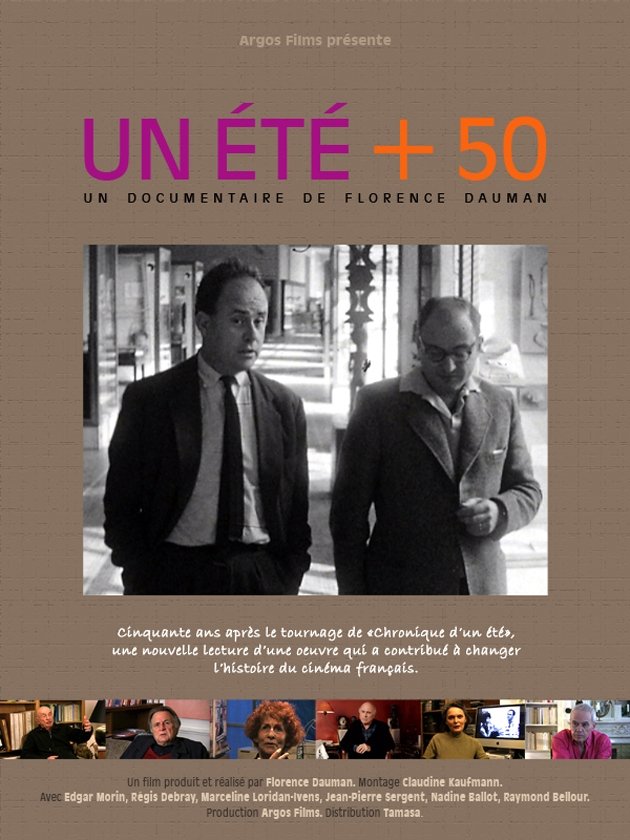
A seventy-five-minute documentary featuring outtakes from "Chronicle of a Summer" (1961), along with new interviews with co-director Edgar Morin and some of the film’s participants.
Un été + 50
2011 · 1 votes
Series2
 TV5.0Documentary
Reflets de Cannes
1954 · 2 votes
 TVDocumentary