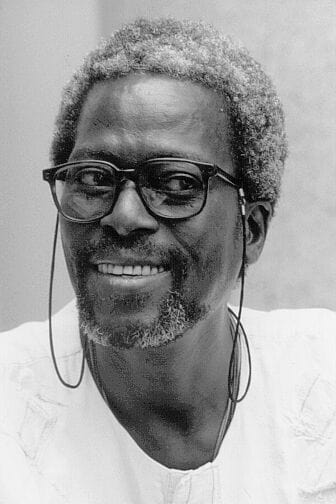
Djibril Diop Mambéty
Writer · 1945 – 1998 · Dakar, Senegal
Djibril Diop Mambéty (January 1945 – July 23, 1998) was a Senegalese film director, actor, orator, composer and poet. Though he made only two feature films and five short films, they received international acclaim for their original and experimental cinematic technique and non-linear, unconventional narrative style. Born to a Muslim family near Dakar, Senegal's capital city, Mambéty was Wolof. He died in 1998 while being treated for lung cancer in a Paris hospital.
Movies6
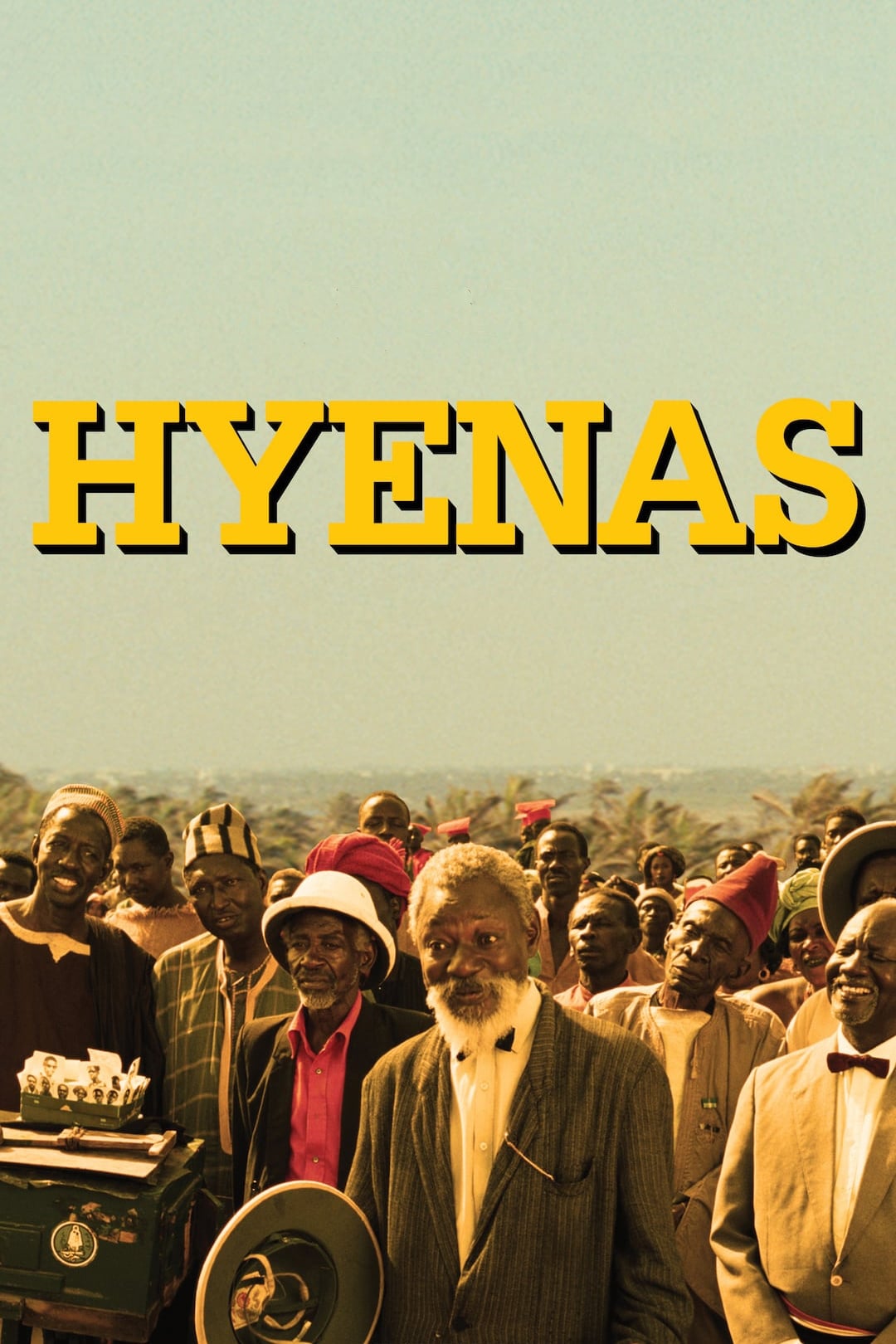 Movie7.2DramaComedy
A now-rich woman returns to her poor desert hometown to propose a deal to the populace: her fortune, in exchange for the death of the man who years earlier abandoned her and left her with his child.
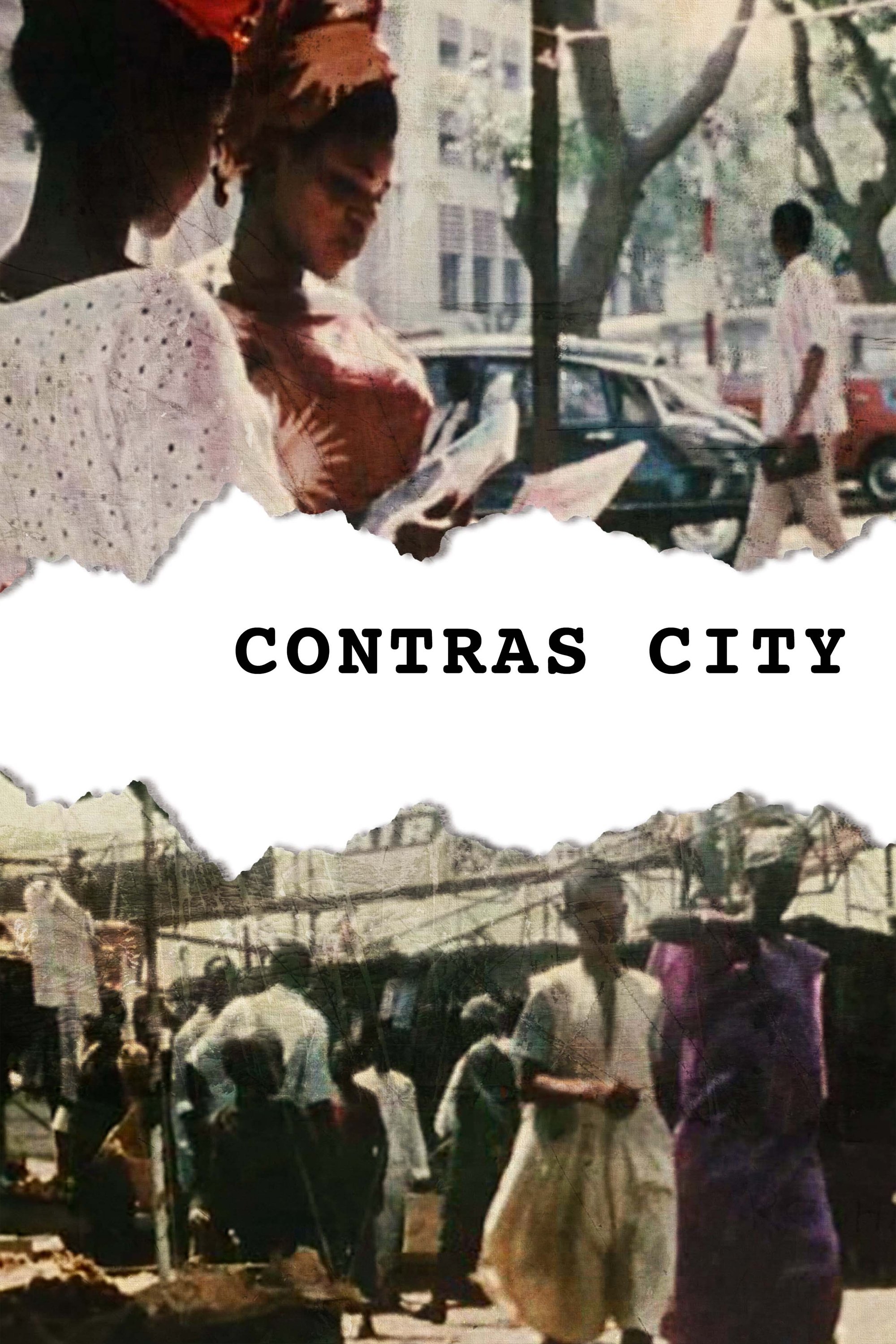 Movie6.3Documentary
A fictional documentary that portrays the city of Dakar, Senegal, as we hear the conversation between a Senegalese man (the director, Djibril Diop Mambéty) and a French woman, Inge Hirschnitz. As we travel through the city in a picturesque horse drawn wagon, we chaotically rush into this and that popular neighborhood of the capital, discovering contrast after contrast: A small African community waiting at the Church's door, Muslims praying on the sidewalk, the Rococo architecture of the Government buildings, the modest stores of the craftsmen near the main market.
Contras' City
1969 · 7 votes
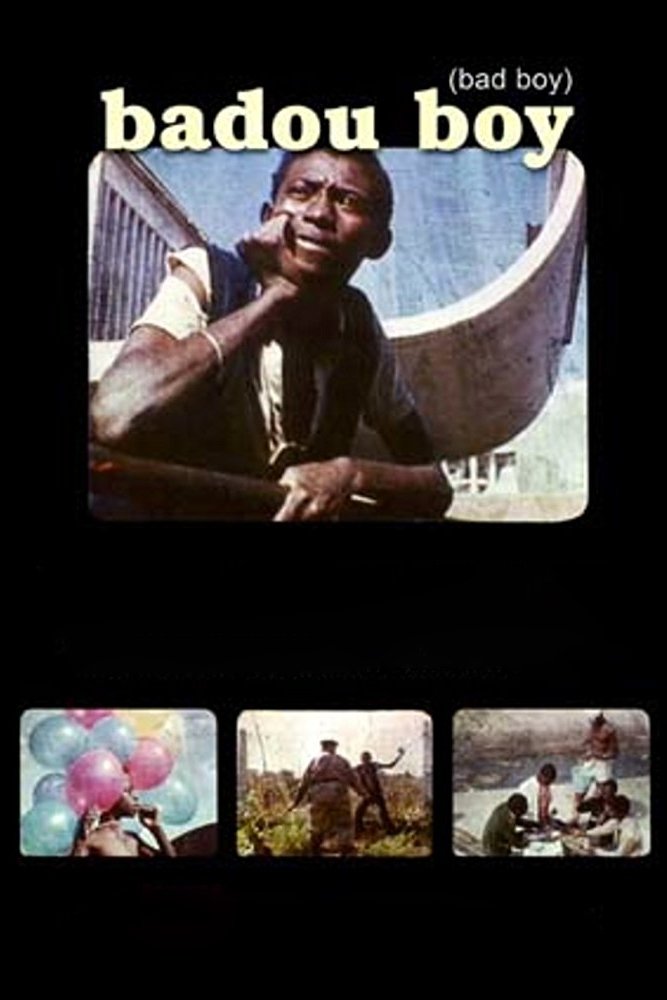 Movie6.0ComedyDrama
Badou Boy, a cheeky young man, travels through the streets of Dakar on the city buses and experiences adventures.
Badou Boy
1970 · 9 votes
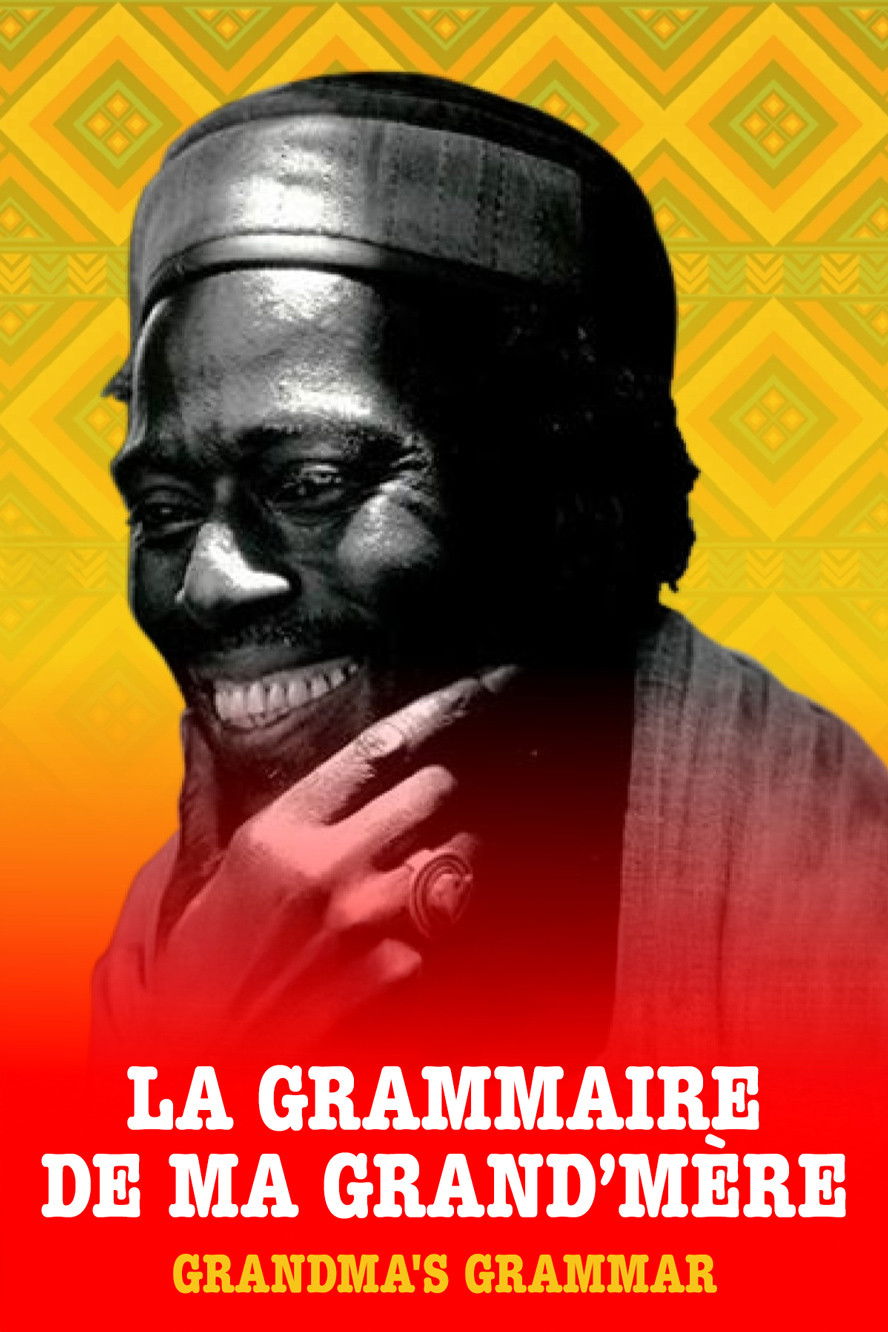 MovieDocumentary
Documentary about Djibril Diop Mambety.
 MovieDocumentary
This documentary offers the reflections of filmmakers shot at FESPACO 1991. Djibril Diop Mambéty, David Achkar, Moussa Sene Absa, Mambaye Coulibaly, Idrissa Ouedraogo, Mansour Sora Wade... express their faith in the eternity of African cinema.
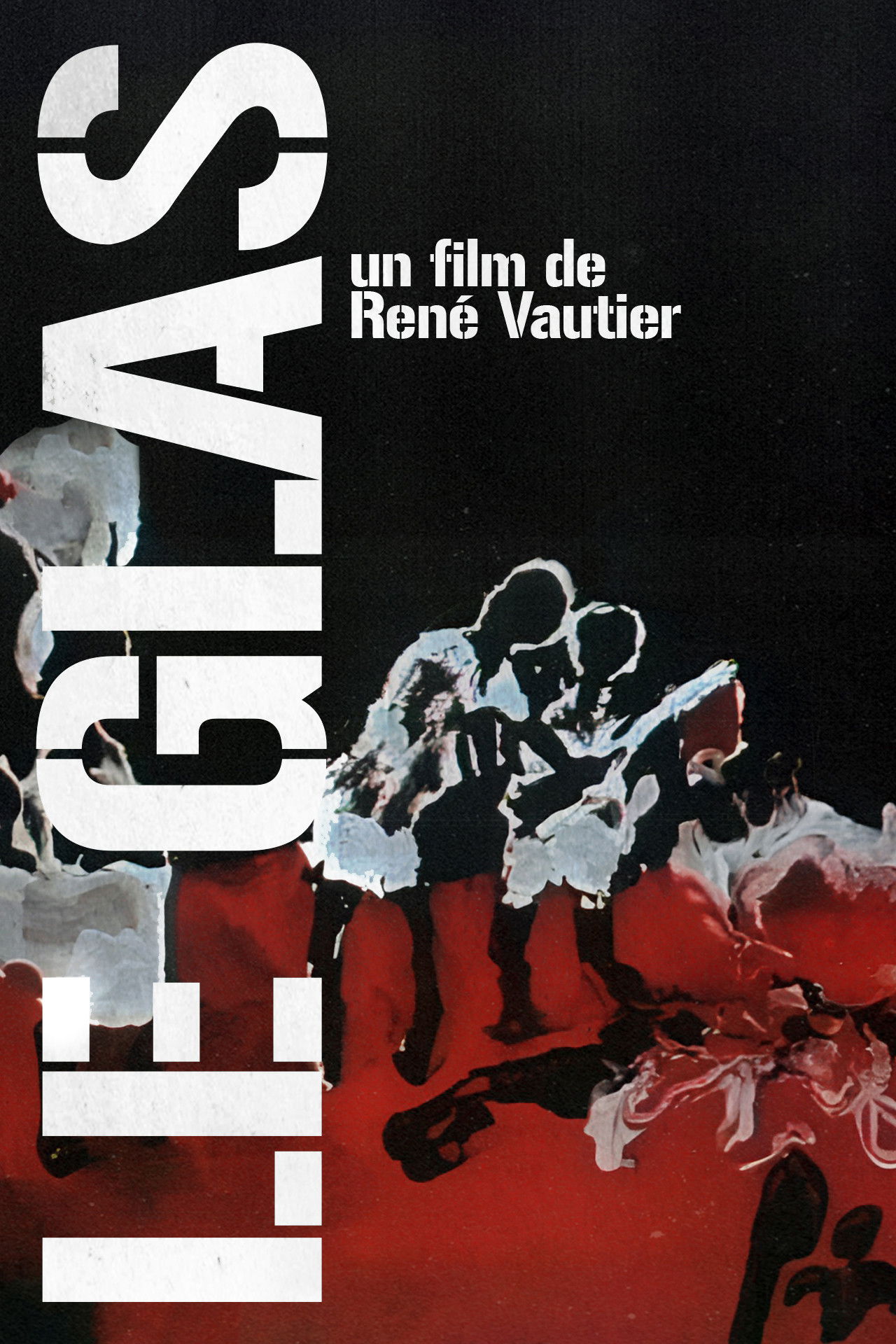 Movie10.0Documentary
At the beginning of the 1960s, in Salisbury (now Harare), in Southern Rhodesia (now Zimbabwe), the government of Ian Smith hanged three black revolutionaries who had nevertheless been pardoned by the Queen of England. René Vautier, with ZAPU (Zimbabwe African Party for Unity), denounces this killing. Expelled by the Rhodesian police (informed by the French secret services), the filmmaker shoots a film in Algeria in the form of an indictment against colonial savagery. The film was first banned in France, then authorized in 1965.