
Jane Wodening
Actor · Chicago, Illinois
Jane Wodening (born Mary Jane Collom, and formerly known as Jane Brakhage) is an American writer and the first wife of filmmaker Stan Brakhage. The birth of their first child is the subject of the 1959 experimental short film Window Water Baby Moving. Wodening married Stan Brakhage in 1957 and is credited with creating scrapbooks for the Brakhage family during what is recognized as the filmmaker's most significant period of creation from the late 1950s to the mid 1960s. The couple separated in 1987. Description above from the Wikipedia article Jane Wodening, licensed under CC-BY-SA, full list of contributors on Wikipedia.
Movies21
 Movie7.3Documentary
Also known as Walden, Jonas Mekas’s first diary film is a six-reel chronicle of his life in 1960s New York, interweaving moments with family, friends, lovers, and artistic idols. Blending everyday encounters with portraits of the avant-garde art scene, it forms an epic, personal meditation on community, creativity, and the passage of time.
Diaries, Notes, and Sketches
1968 · 32 votes
 Movie7.8Documentary
A compilation of over 30 years of private home movie footage shot by Lithuanian-American avant-garde director Jonas Mekas, assembled by Mekas "purely by chance", without concern for chronological order.
 Movie7.0Documentary
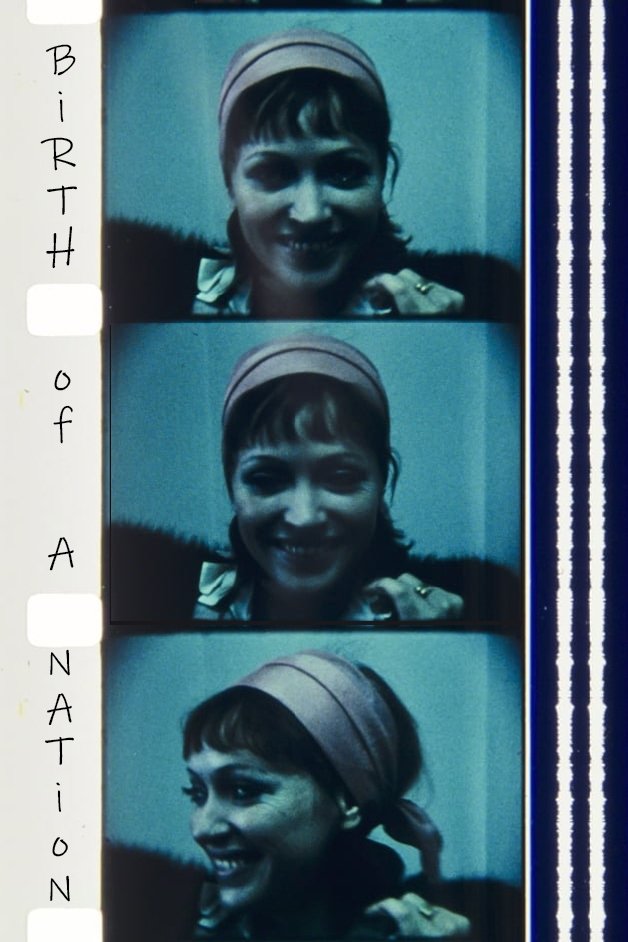
Jonas Mekas assembles 160 portraits, appearances, and fleeting sketches of underground and independent filmmakers captured between 1955 and 1996. Fast-paced and archival in spirit, the film celebrates the avant-garde as its own “nation of cinema,” a vital community existing outside the dominance of commercial film.
Birth of a Nation
1997 · 4 votes
 Movie6.9Documentary
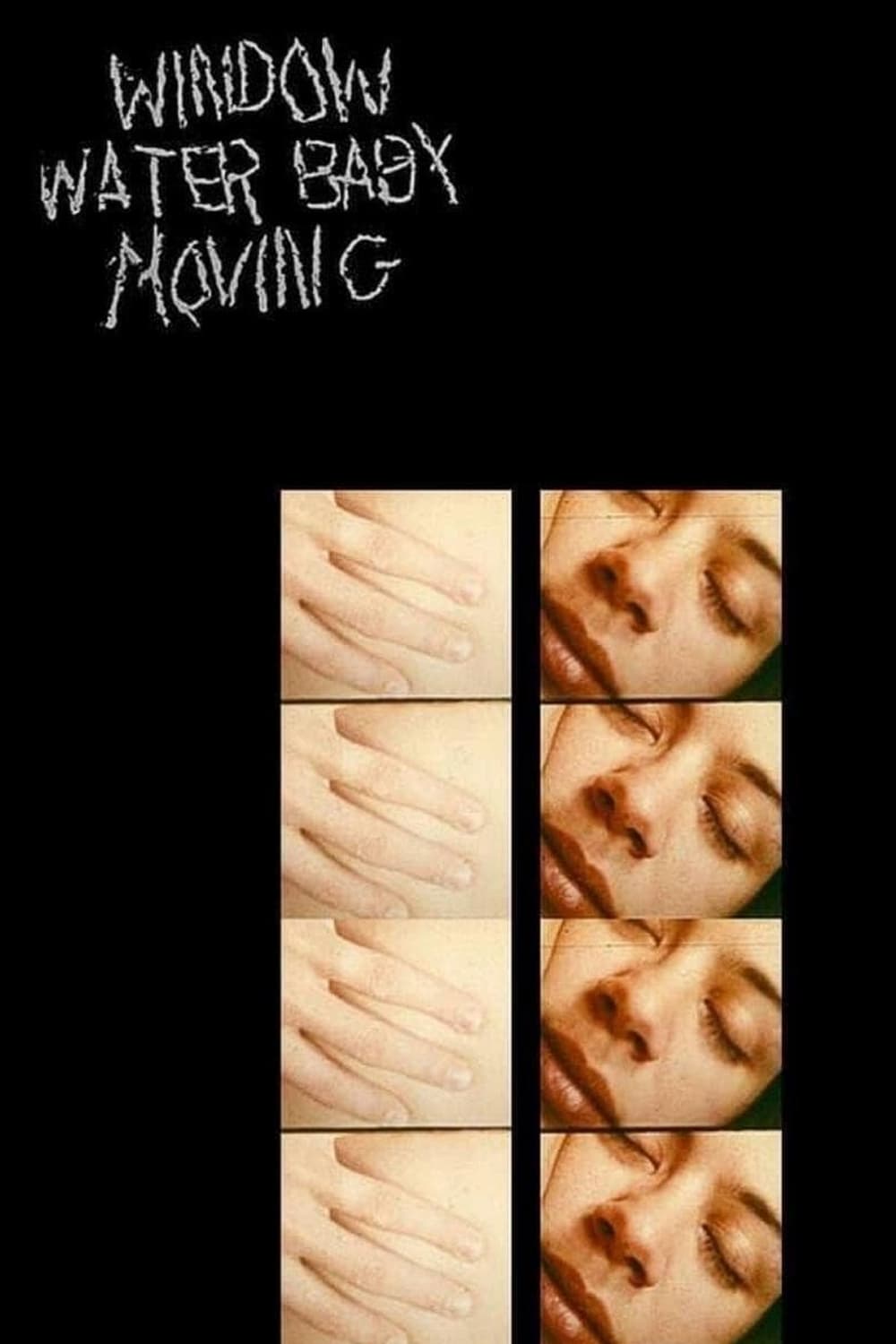
On a winter's day, a woman stretches near a window then sits in a bathtub of water. She's happy. Her lover is nearby; there are close ups of her face, her pregnant belly, and his hands caressing her. She gives birth: we see the crowning of the baby's head, then the birth itself; we watch a pair of hands tie off and cut the umbilical cord. With the help of the attending hands, the mother expels the placenta. The infant, a baby girl, nurses. We return from time to time to the bath scene. By the end, dad's excited; mother and daughter rest.
Window Water Baby Moving
1959 · 74 votes
 Movie6.1DramaFantasy
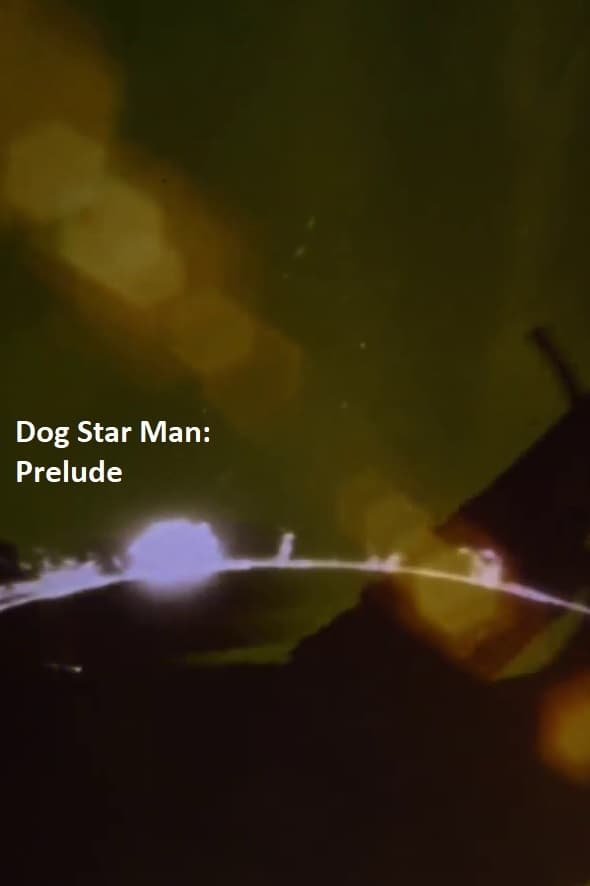
A creation myth realized in light, patterns, images superimposed, rapid cutting, and silence. A black screen, then streaks of light, then an explosion of color and squiggles and happenstance. Next, images of small circles emerge then of the Sun. Images of our Earth appear, woods, a part of a body, a nude woman perhaps giving birth. Imagery evokes movement across time. Part of the Dog Star Man series of experimental films.
Prelude: Dog Star Man
1962 · 54 votes
 Movie5.7Documentary
This film describes a psychological state "kin to moonstruck, its images emblems (not quite symbols) of suspension-of-self within consciousness and then that feeling of falling away from conscious thought. The film can only be said to describe or be emblematic of this state because I cannot imagine symbolizing or otherwise representing an equivalent of thoughtlessness itself. Thus the actors in the film, Jane Brakhage, Tom and Gloria Bartek, Williams Burroughs, Allen Ginsberg, Peter Olovsky and Phillip Whalen are figments of this 'Thought-Fallen Process', as are their images in the film to find themselves being photographed."
Thot-Fal'N
1978 · 6 votes
 Movie6.4Fantasy
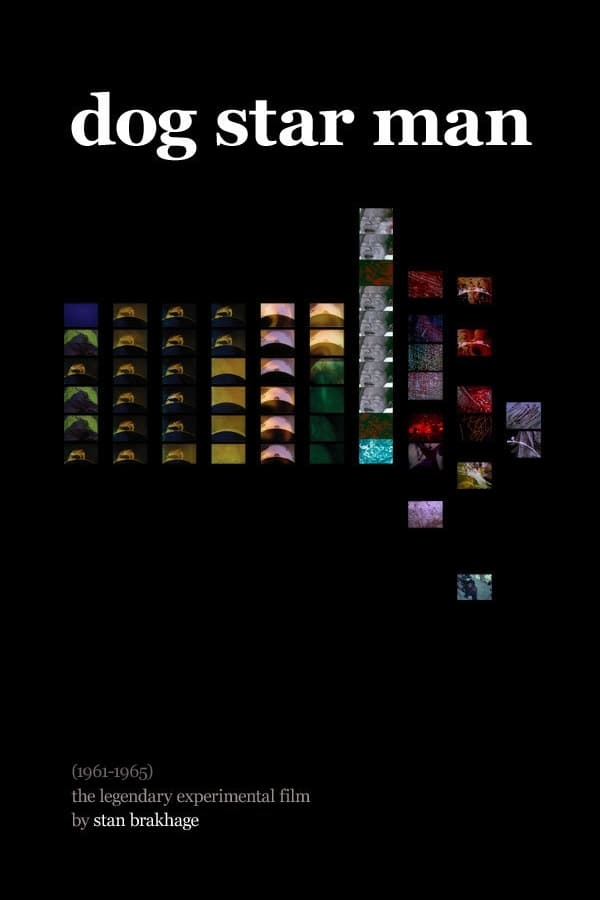
Experimental film following a cycle of seasons as well as the stretch of a single day as a man and his dog slowly ascend a mountain.
Dog Star Man
1965 · 46 votes
 Movie5.9Documentary
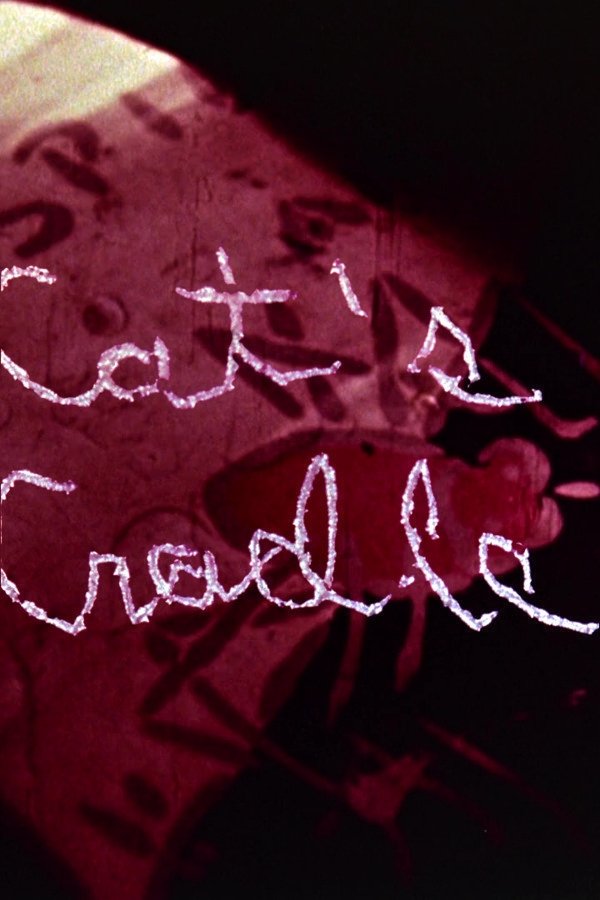
Images of two women, two men, and a gray cat form a montage of rapid bits of movement. A woman is in a bedroom, another wears an apron: they work with their hands, occasionally looking up. A man enters a room, a woman smiles. He sits, another man sits and smokes. The cat stretches. There are close-ups of each. The light is dim; a filter accentuates red. A bare foot stands on a satin sheet. A woman disrobes. She pets the cat. Preserved by the Academy Film Archive in 2006.
Cat's Cradle
1959 · 40 votes
 Movie7.0
A dedication to Jane Wodening and an ode to the winter sun.
Apricity
2019 · 1 votes
 Movie4.6
This, the third of the Sexual Meditation Series, might also be seen as a triangular portrait of Julia and P. Adams Sitney and Jane Brakhage.
Sexual Meditation: Faun's Room, Yale
1972 · 5 votes
 Movie5.1Documentary
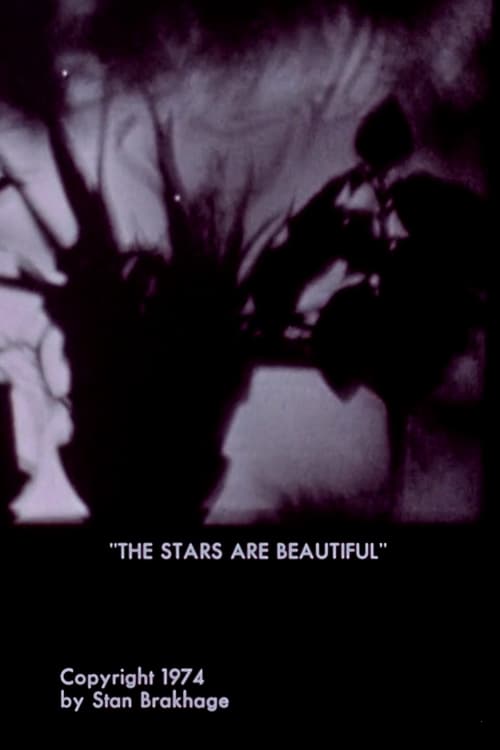
We move back and forth between scenes of a family at home and thoughts about the stars and creation. Children hold chickens while an adult clips their wings; we see a forest; a narrator talks about stars and light and eternity. A dog joins the hens and the family, while the narrator explains the heavens. We see a bee up close. The narrator suggests metaphors for heavenly bodies. Scenes fade into a black screen or dim purple; close-ups of family life may be blurry. The words about the heavens, such as "The stars are a flock of hummingbirds," contrast with images and sounds of real children.
The Stars Are Beautiful
1974 · 23 votes
 Movie7.1Documentary
BRAKHAGE explores the depth and breadth of the filmmaker’s genius, the exquisite splendor of his films, his magic personal charm, his aesthetic fellow travelers, and the influence his work has had on generations of other creators. While touching on significant moments in Brakhage’s biography, the film celebrates Brakhage’s visionary genius, and explores the extraordinary artistic possibilities of cinema, a medium mostly known only for its commercial applications in the form of narratives, cartoons, documentaries, and advertising. BRAKHAGE combines excerpts from Brakhage’s films and films of other avant-garde filmmakers (eg, George Kuchar, Jonas Mekas, Willie Varela, Bruce Elder, and others); interviews with Brakhage, his friends, family, colleagues, and critics; archival footage of Brakhage spanning the past thirty-five years; and location shooting in Boulder, Colorado and New York.
Brakhage
1998 · 7 votes
 Movie7.0DocumentaryAnimation
In Criterion’s first volume of the anthology By Brakhage, we brought twenty-six astonishing works by the avant-garde film pioneer Stan Brakhage to home video for the first time. Now, in this second installment, we are proud to present thirty more of Brakhage’s visionary creations, from 1950s films to his final work, from 2003, curated by his wife, Marilyn Brakhage. Highlights of this collection include the war meditation 23rd Psalm Branch; hand-painted films from Persian Series; The Wonder Ring, made for a commission by Joseph Cornell; the autobiographical Scenes from Under Childhood, Section One; and the found-footage film Murder Psalm.
By Brakhage: An Anthology, Volume Two
2010 · 1 votes
 Movie6.2Horror
From a murky landscape, a wooded mountain emerges. We watch the sun. We see a bearded man climbing up the mountain through the snow. He carries an ax, and he's accompanied by a dog. His labors continue. There is no soundtrack. Images rush past - water, trees, and surfaces too close up to distinguish. He struggles. A fire burns. Nature, in long shots and magnified, is formidable and silent. It's tough going; he carries on. In a capillary, blood flows.
Dog Star Man: Part I
1963 · 50 votes
 Movie5.5Romance
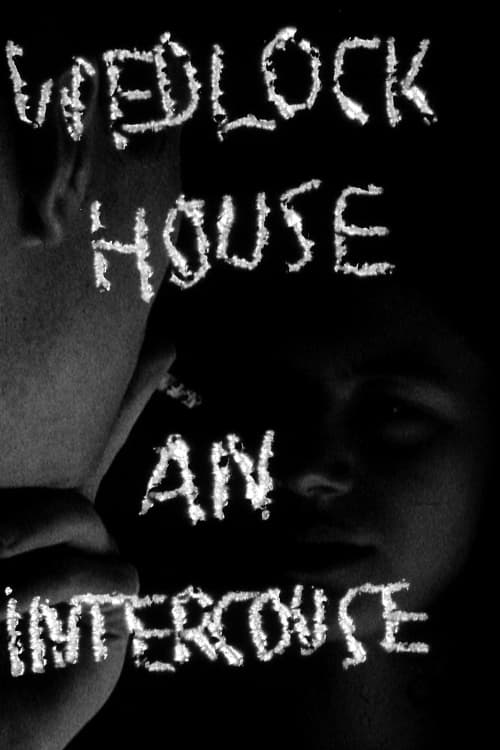
We see a film negative of a nude couple embracing in bed. Then, back in regular black and white images, we see them alone and together, clothed, at home. It's night, she sees his reflection in the window, she closes the drapes. After sex, again in a black and white negative, they sit, smoke, have coffee. They kiss, she smiles. They light candles. The images are often quick, the camera angles occasionally are off kilter; the room is sometimes dark and sometimes lit, as if lit by the rotating of a searchlight. The images again appear in negative when they return to bed.
Wedlock House: An Intercourse
1959 · 27 votes
 Movie5.4Documentary
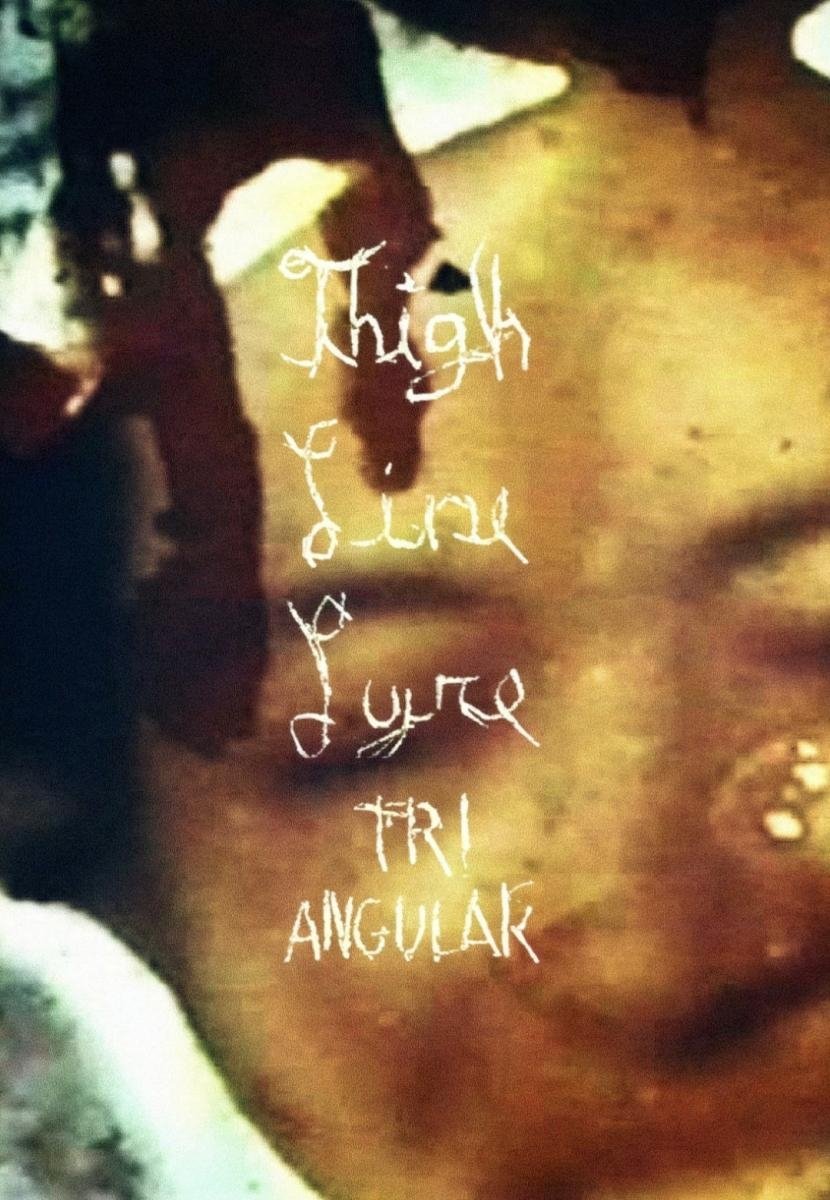
Only at a crisis do I see both the scene as I've been trained to see it ( that is, with Renaissance perspective, three-dimensional logic–colors as we've been trained to call a color a color, as so forth) and patterns that move straight out from the inside of the mind through the optic nerves... spots before my eyes, so to speak... and it's very intensive, disturbing, but joyful experience. I've seen that every time a child was born... Now none of that was in WINDOW WATER BABY MOVING; and I wanted a childbirth film which expressed all of my seeing at such a time.
Thigh Line Lyre Triangular
1961 · 21 votes
 Movie7.4Documentary
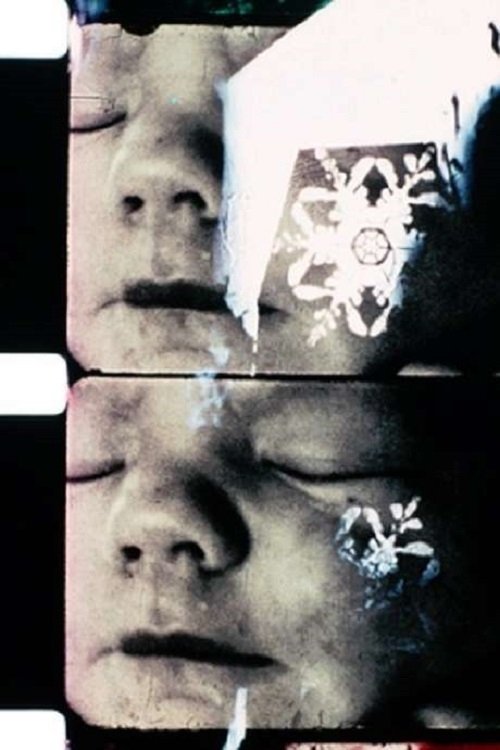
A deconstruction of Dog Star Man that takes the four rolls and shows them first combined, then each combination of three rolls, then each combination of two rolls, then each individual roll. The plot is of a man who goes up a mountain with a dog to chop down a tree but has some unspecified transcendental experience while he is there.
The Art of Vision
1965 · 7 votes
 Movie7.0
The culmination of a series of autobiographical films that Brakhage made about his family (collectively known as The Book of Family), Tortured Dust was shot as the filmmaker's children from his first marriage were beginning to leave the house, and edited during Brakhage and his first wife Jane's impending separation. The first half concentrates on Brakhage's teenage sons as they move around the cabin that has been their home for almost 20 years, and the second half turns towards the filmmaker's three daughters.
Tortured Dust
1984 · 2 votes
 Movie6.1Drama
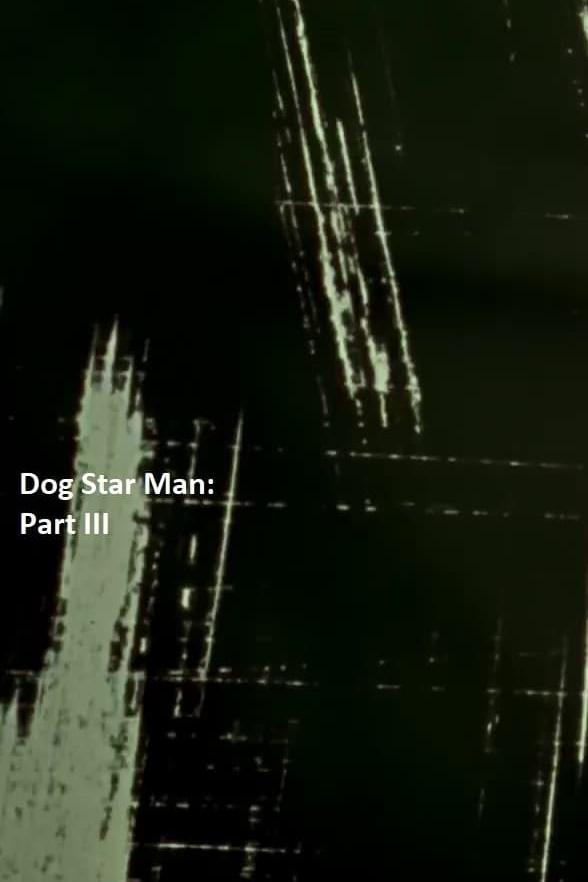
Sexual intimacy. Three kinds of images race past, superimposed on each other sometimes: two bodies, a man and a woman's, close up, nude - patches of skin, wisps of hair, glimpses of a face and genitalia; strips of celluloid with lines and squiggles scratched on them; and, close-up shots of what appear to be the insides of living bodies - a heart beating, muscle and sinew and tissue wet with fluids. The exterior and interior of desire.
Dog Star Man: Part III
1964 · 43 votes
 Movie4.6
SONG 1: Portrait of a lady (the Songs are a cycle of silent color 8mm films by the American experimental filmmaker Stan Brakhage produced from 1964 to 1969).
Song 1
1964 · 16 votes
 Movie7.0Documentary
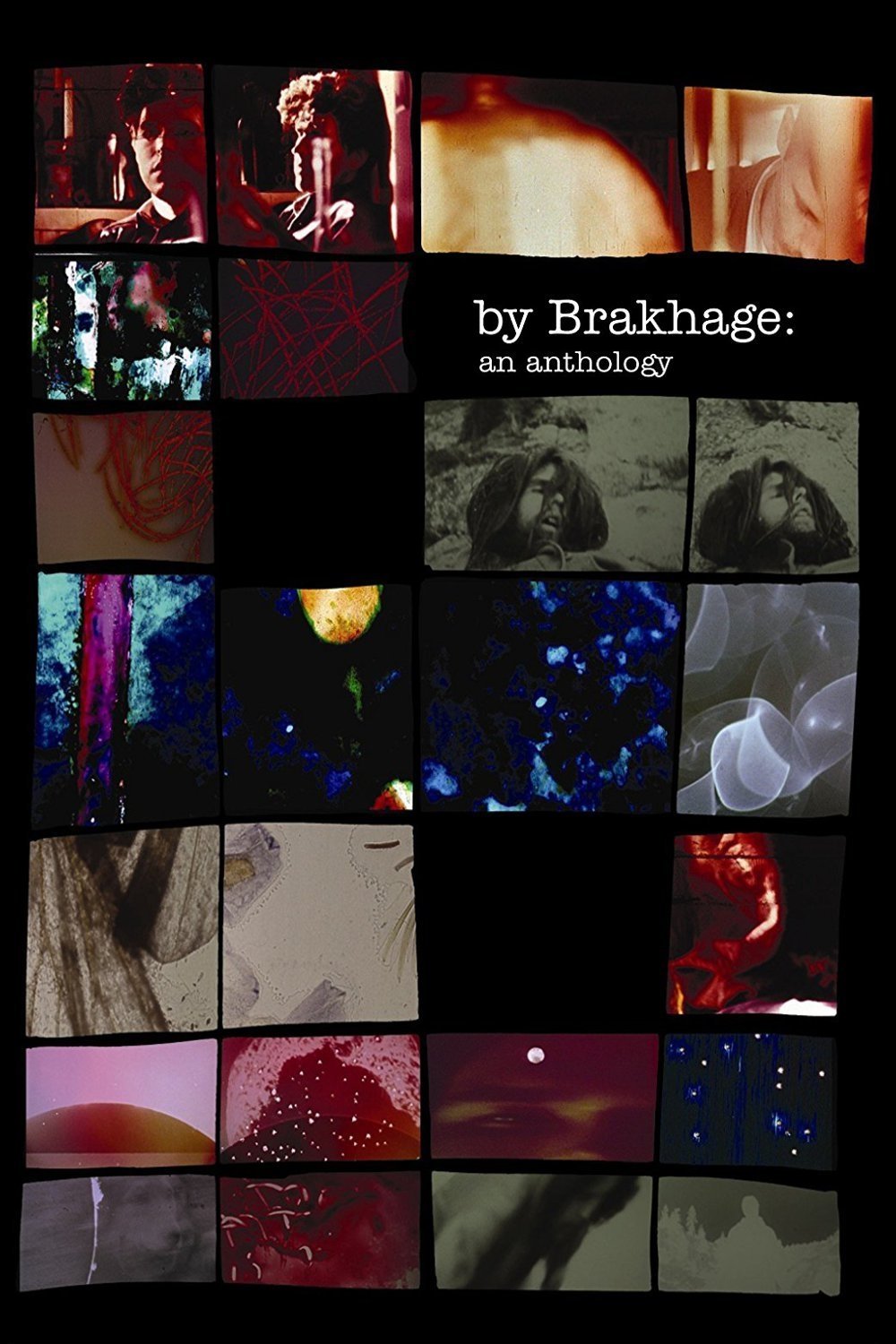
Working completely outside the mainstream, the wildly prolific, visionary Stan Brakhage made more than 350 films over a half century. Challenging all taboos in his exploration of “birth, sex, death, and the search for God,” he has turned his camera on explicit lovemaking, childbirth, even autopsy. Many of his most famous works pursue the nature of vision itself and transcend the act of filming. Some, including the legendary Mothlight, were made without using a camera at all, as he pioneered the art of making images directly on film, by drawing, painting, and scratching.
By Brakhage: An Anthology, Volume One
2003 · 1 votes