
Xie Jin
Director · 1923 – 2008 · Shaoxing,Zhejiang Province,China
Xie Jin (Chinese: 謝晉; pinyin: Xiè Jìn; 21 November 1923 – 18 October 2008) was a Chinese film director. He rose to prominence in 1957, directing the film Woman Basketball Player No. 5, and is considered one of the Third Generation directors of China. Most recently he was known for the direction of The Opium War. Xie was a popular director amongst the older generations of Chinese, with six of his films being voted Best Picture in the Hundred Flowers Awards. He was the only Chinese director to date to be a member of both the Academy of Motion Picture Arts and Sciences as well as the Directors Guild of America.
Movies3
 Movie7.6DramaRomance
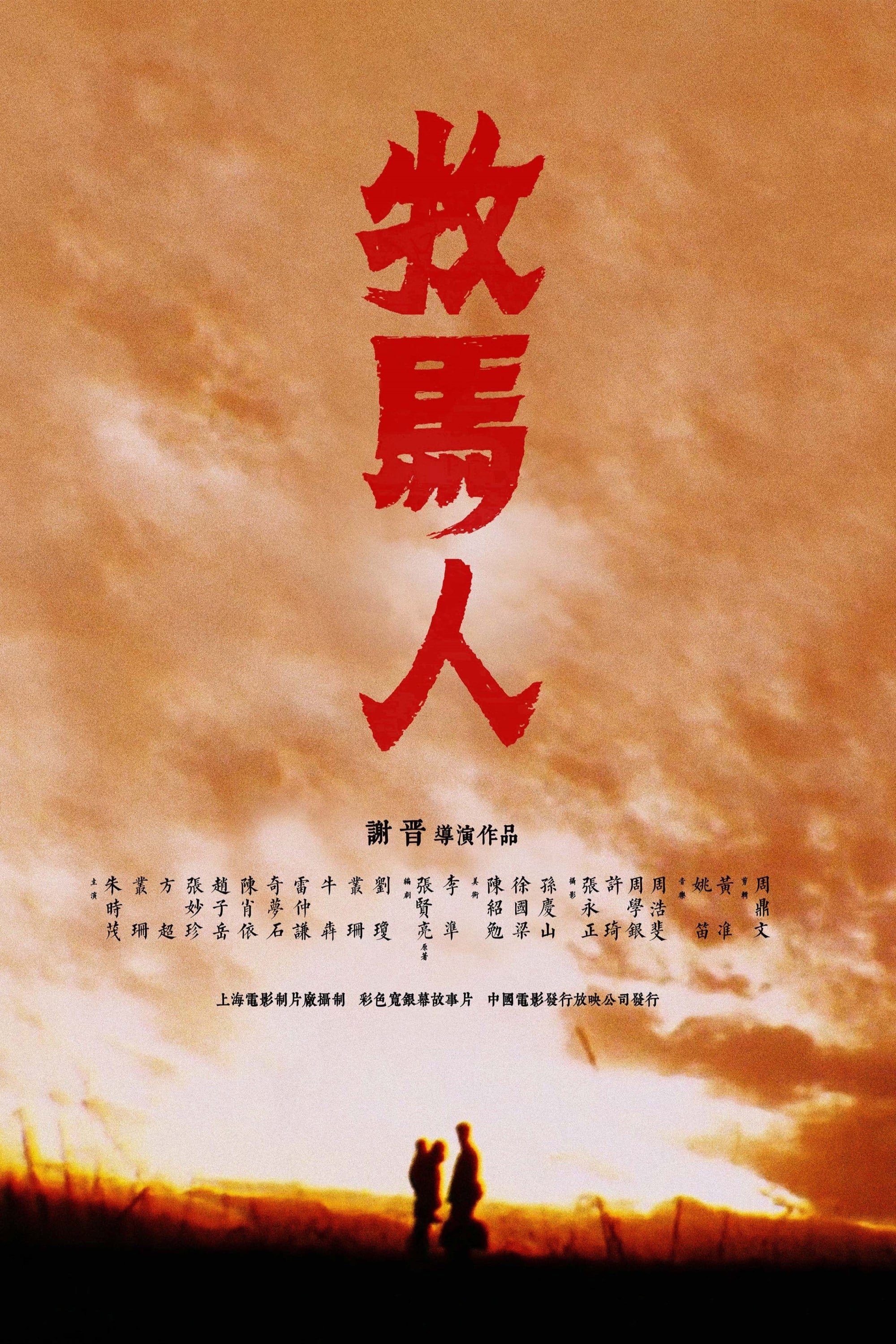
In 1980, Xu Jingshan, a wealthy Chinese-American businessman returns to China to find his son, Xu Lingjun, whom he had abandoned over 30 years earlier. Labeled a rightist because of his capitalist father, Lingjun has been forced to live as a humble herdsman on the grasslands. His bitter life has been transformed by a happy marriage to the wise and beautiful Xiuzhi, and more recently by his rehabilitation by the Party. When he goes to Beijing for their reunion, he discovers his father wants him to work for his chemical company in San Francisco. Lingjun tells the story of his life to his father, as he ponders his future.
 Movie5.5Documentary
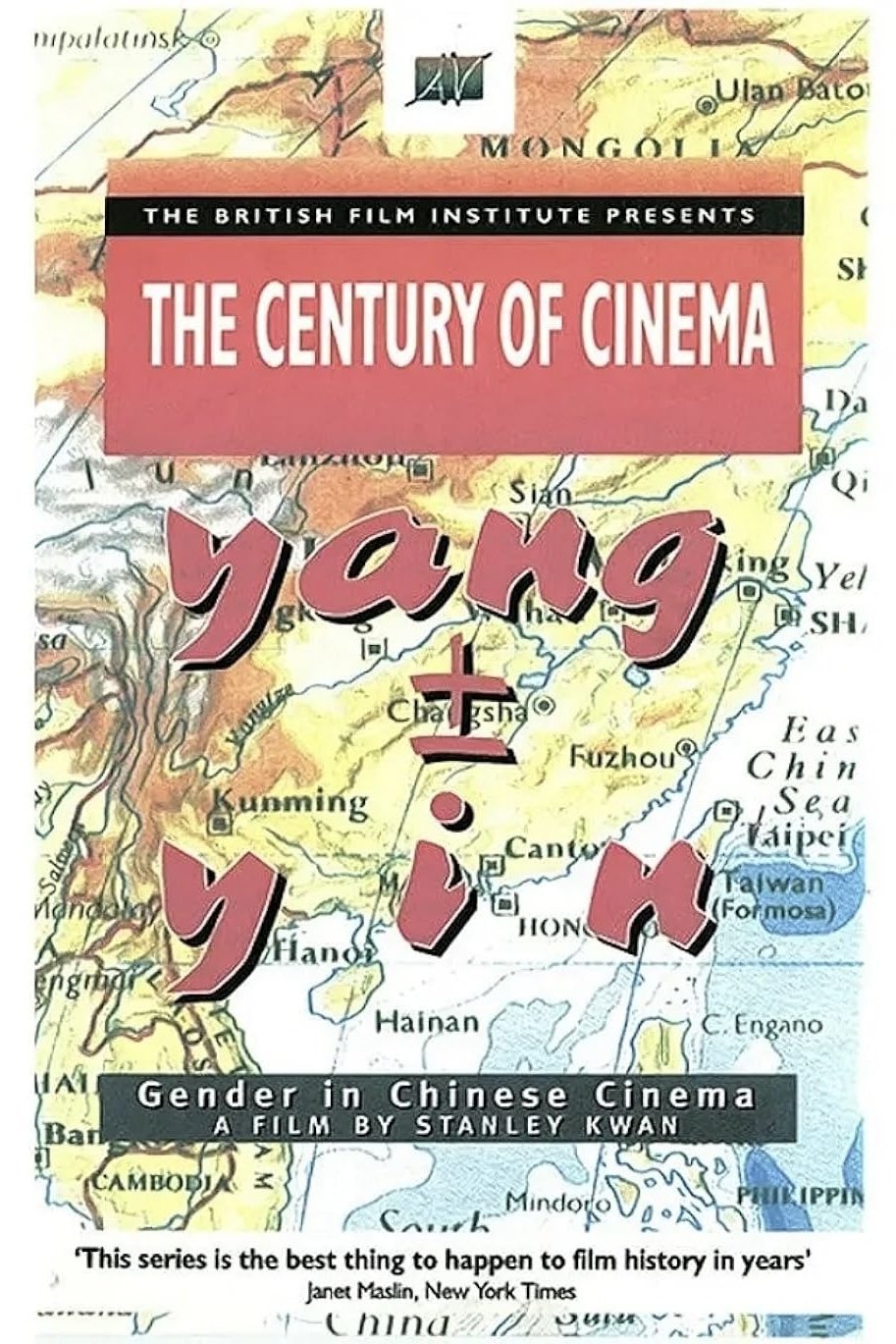
An exploration of Chinese cinema and its relationships with gender and sexuality, which the film argues has been more frankly and provocatively explored than in any other national cinema. Utilizing both film excerpts and interviews with many leading directors and academics, the film examines topics such as male bonding in kung fu movies, depictions of same-sex bonding and physical intimacy, the emphasis on women's grievances in melodramas, and the career of Yam Kim-Fai, a Hong Kong actress who spent her life portraying men on and off the screen.
 MovieDocumentary
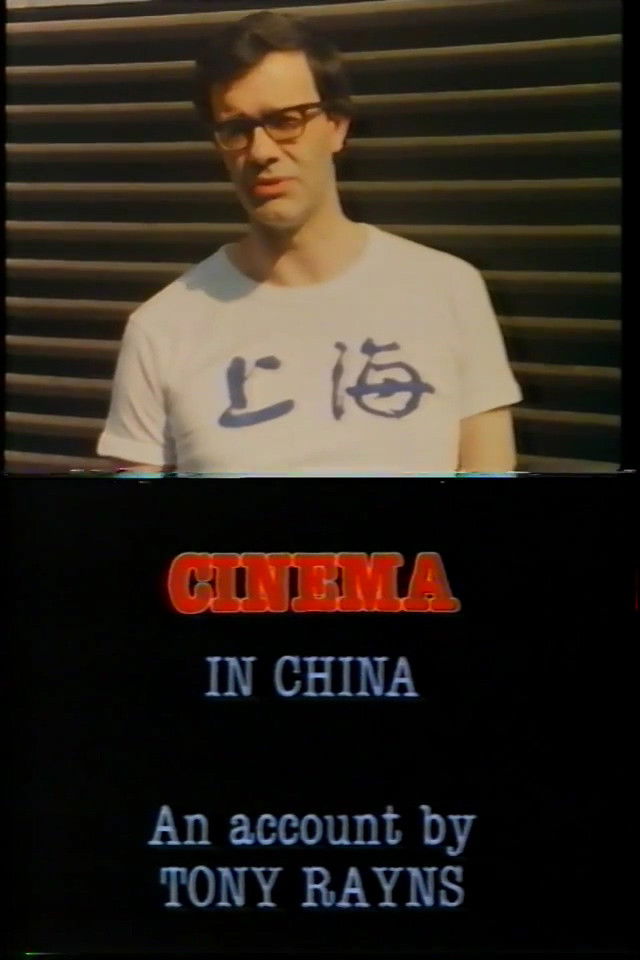
History of filmmaking in China from its beginnings in the 1920s to 1982, featuring Shanghai cinema of 1930s; the progressive filmmakers; the organisation of filmmaking under the post-war communist government; the impact of the Cultural Revolution; the work of Xie Jin.