 MovieMovieMovie
Who is in it. Open anyone to see what else they are in.
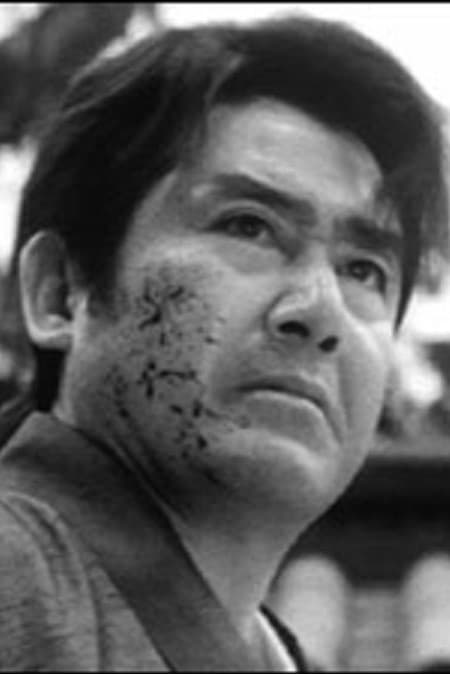
Jūshirō Konoe
Yagyu Jubei
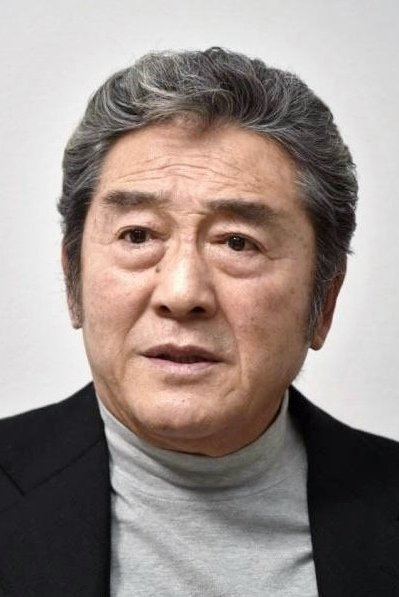
Hiroki Matsukata
Shimazu Mitsuhisa

Hiroko Sakuramachi
Michiko Nishizaki
Ryuji Kita
Yasushi Nagata
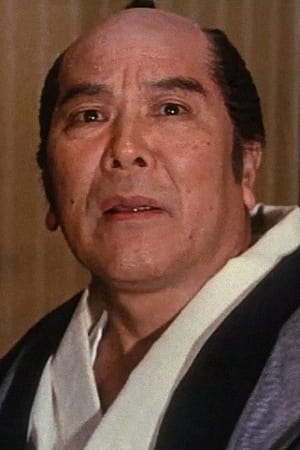
Ryōsuke Kagawa

Kei Satō
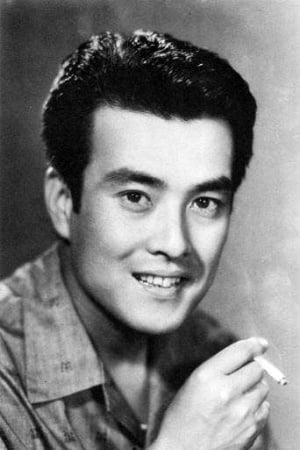
Minoru Ōki
Lord Hayatonosho
Ryuichi Nagashima
Shunya Wazaki
Kenji Kusumoto
Reiji Tsumura
Yūzaburō Sakaguchi
Eijirō Sekine
Kunijirō Yanagi
Masao Hori
Koji Arima
Eijirō Kataoka

Daisuke Awaji
Shinnosuke Ogata
Picked from what people who watched this went on to watch.
 Movie7.3
Ogami Itto is hired to kill a tattooed female assassin and battles Retsudo, head of the Yagyu clan, and his son Gunbei.
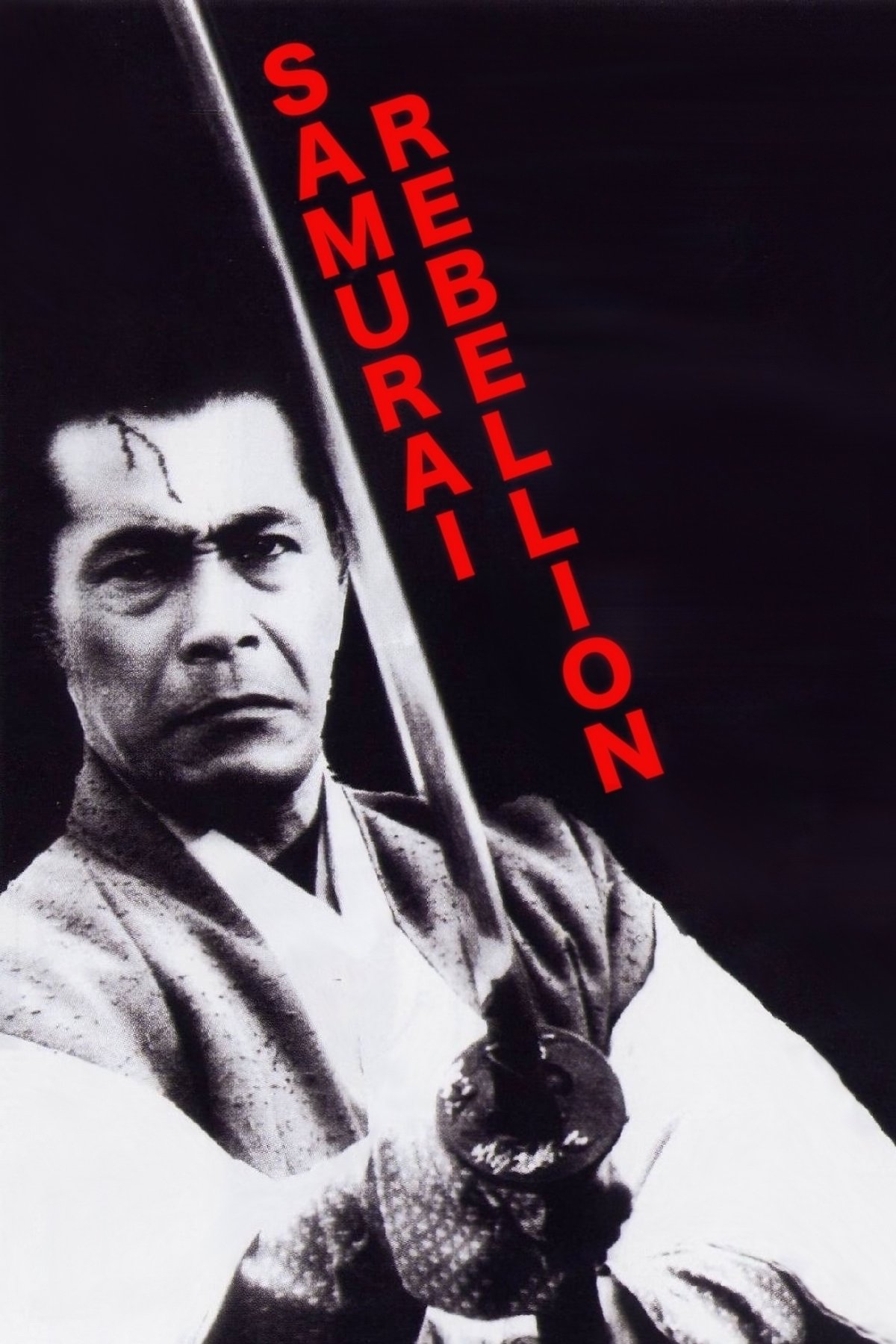 Movie8.3
The mother of a feudal lord's only heir is kidnapped by the lord. Her husband and his samurai father must decide whether to accept the unjust decision, or risk death to rescue her.
 Movie7.5
A sadistic Daimyo (feudal lord) rapes a woman and murders both her and her husband, but even when one of his own vassals commits suicide to bring attention to the crime, the matter is quickly hushed up. Not only will there be no punishment, but because the Daimyo is the Shogun's younger brother, he will soon be appointed to a high political position from which he could wreak even more havoc. Convinced that the fate of the Shogunate hangs in the balance, a plot is hatched to assassinate the Daimyo. The two most brilliant strategic minds of their generation find themselves pitted against each other; one is tasked to defend a man he despises, and has a small army at his disposal. The other is given a suicide mission, and has 12 brave men. They are the 13 Assassins.
 Movie7.1
After their lord is tricked into committing ritual suicide, forty-seven samurai warriors await the chance to avenge their master and reclaim their honor.
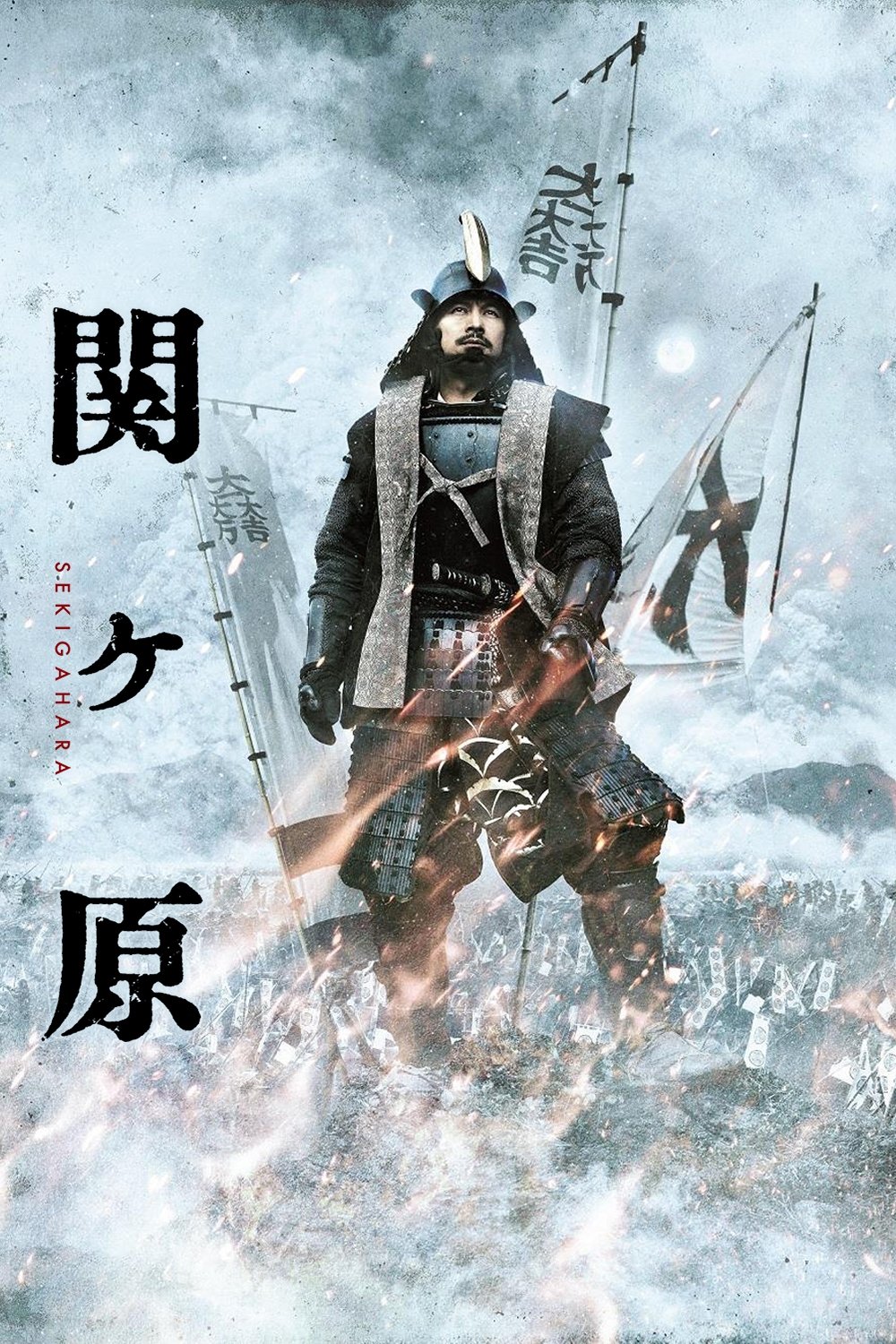 Movie7.0
The background to and depiction of a watershed battle in Japanese history, at Sekigahara in 1600, when Tokugawa Ieyasu's Army of the East defeated the Army of the West of Ishida Mitsunari. The story includes the intrigues and shifting loyalties of the various retainers, family members, and samurai.
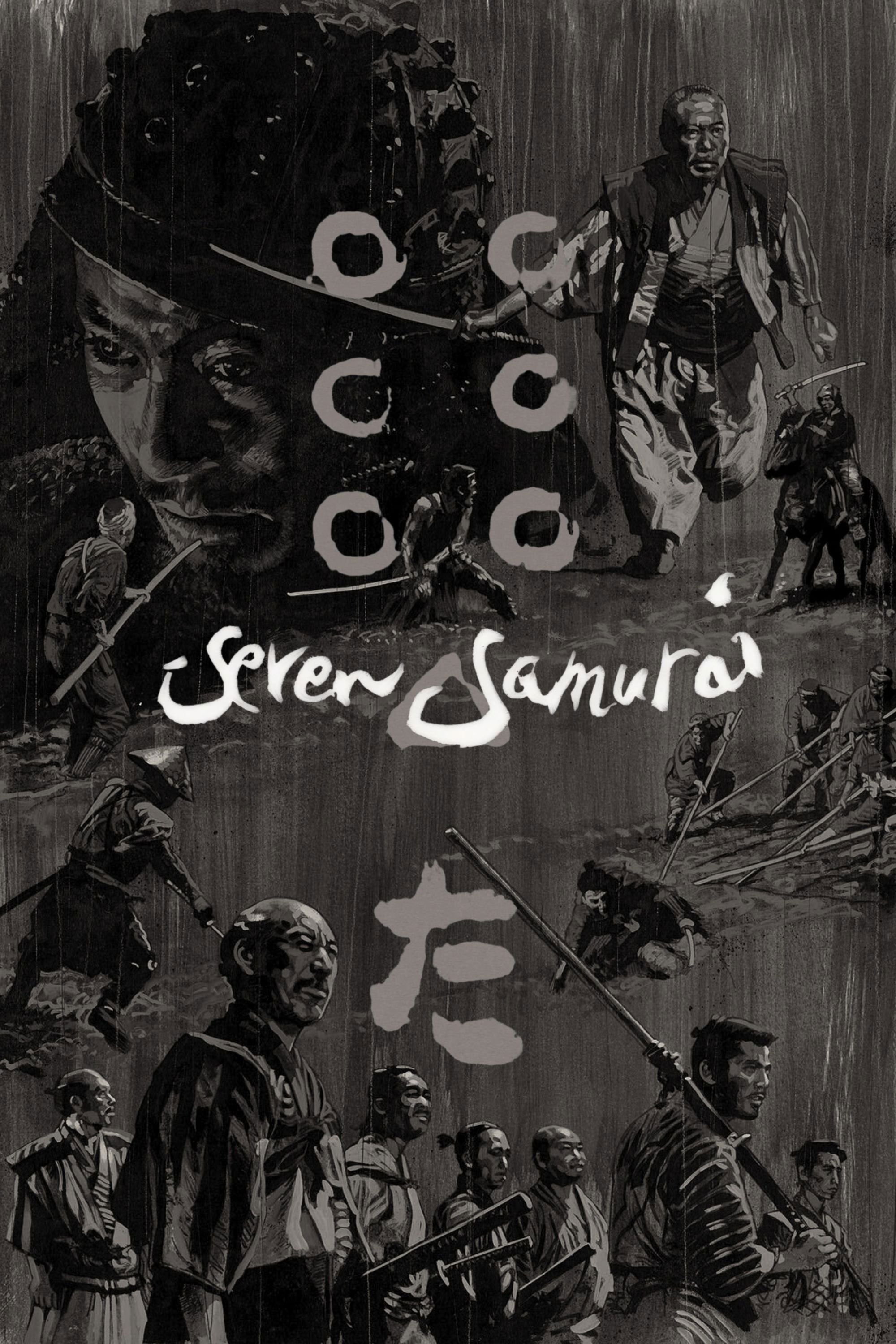 Movie8.5
A samurai answers a village's request for protection after he falls on hard times. The town needs protection from bandits, so the samurai gathers six others to help him teach the people how to defend themselves, and the villagers provide the soldiers with food.