Movie
You might also like
Picked from what people who watched this went on to watch.
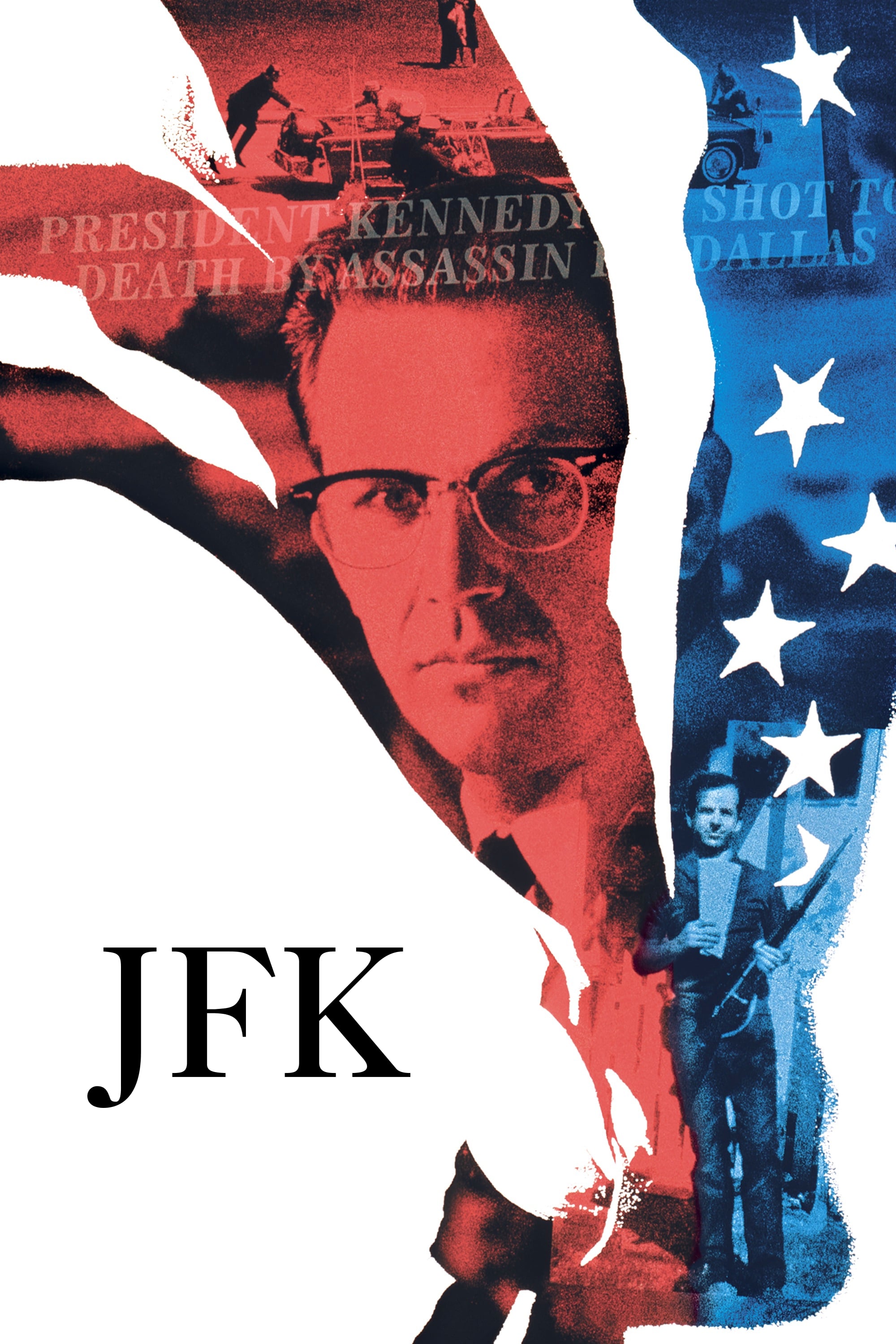 Movie7.6DramaThriller
Follows the investigation into the assassination of President John F. Kennedy led by New Orleans district attorney Jim Garrison.
JFK
1991 · 2.5K votes
 Movie6.2HistoryDrama
November 22nd, 1963 was a day that changed the world forever — when young American President John F. Kennedy was assassinated in Dallas, Texas. This film follows, almost in real time, a handful of individuals forced to make split-second decisions after an event that would change their lives and forever alter the world’s landscape.
Parkland
2013 · 399 votes
 Movie6.4DramaHistory
The story of U.S. President Lyndon Baines Johnson from his young days in West Texas to the White House.
LBJ
2017 · 184 votes
 Movie7.0DramaHistory
A cover-up that spanned four U.S. Presidents pushed the country's first female newspaper publisher and a hard-driving editor to join an unprecedented battle between journalist and government. Inspired by true events.
The Post
2017 · 5K votes
 Movie6.5Drama
An account of the days of First Lady, Jacqueline Kennedy, in the immediate aftermath of John F. Kennedy's assassination in 1963.
Jackie
2016 · 2.5K votes
 Movie6.5DramaHistory
Yale University, 1961. Stanley Milgram designs a psychology experiment that still resonates to this day, in which people think they’re delivering painful electric shocks to an affable stranger strapped into a chair in another room. Despite his pleads for mercy, the majority of subjects don’t stop the experiment, administering what they think is a near-fatal electric shock, simply because they’ve been told to do so. With Nazi Adolf Eichmann’s trial airing in living rooms across America, Milgram strikes a nerve in popular culture and the scientific community with his exploration into people’s tendency to comply with authority. Celebrated in some circles, he is also accused of being a deceptive, manipulative monster, but his wife Sasha stands by him through it all.
Experimenter
2015 · 498 votes