You might also like
Picked from what people who watched this went on to watch.
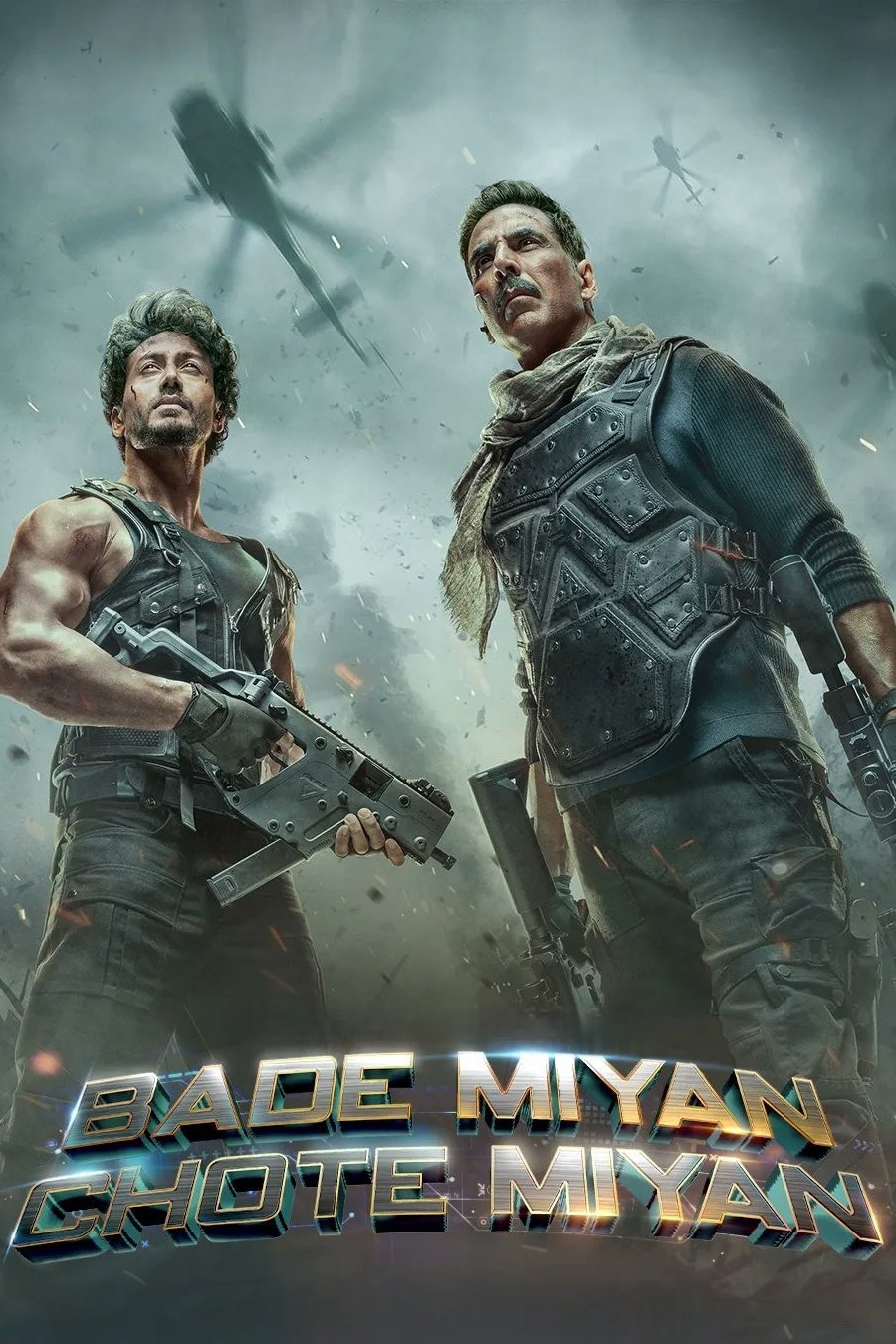 Movie6.1ActionScience Fiction
Two elite soldiers with troubled pasts are enlisted for a daring mission when a deadly masked madman threatens India's defenses.
 Movie7.2DramaRomance
Director Jean Renoir’s entrancing first color feature—shot entirely on location in India—is a visual tour de force. Based on the novel by Rumer Godden, the film eloquently contrasts the growing pains of three young women with the immutability of the Bengal river around which their daily lives unfold. Enriched by Renoir’s subtle understanding and appreciation for India and its people, The River gracefully explores the fragile connections between transitory emotions and everlasting creation.
The River
1951 · 133 votes
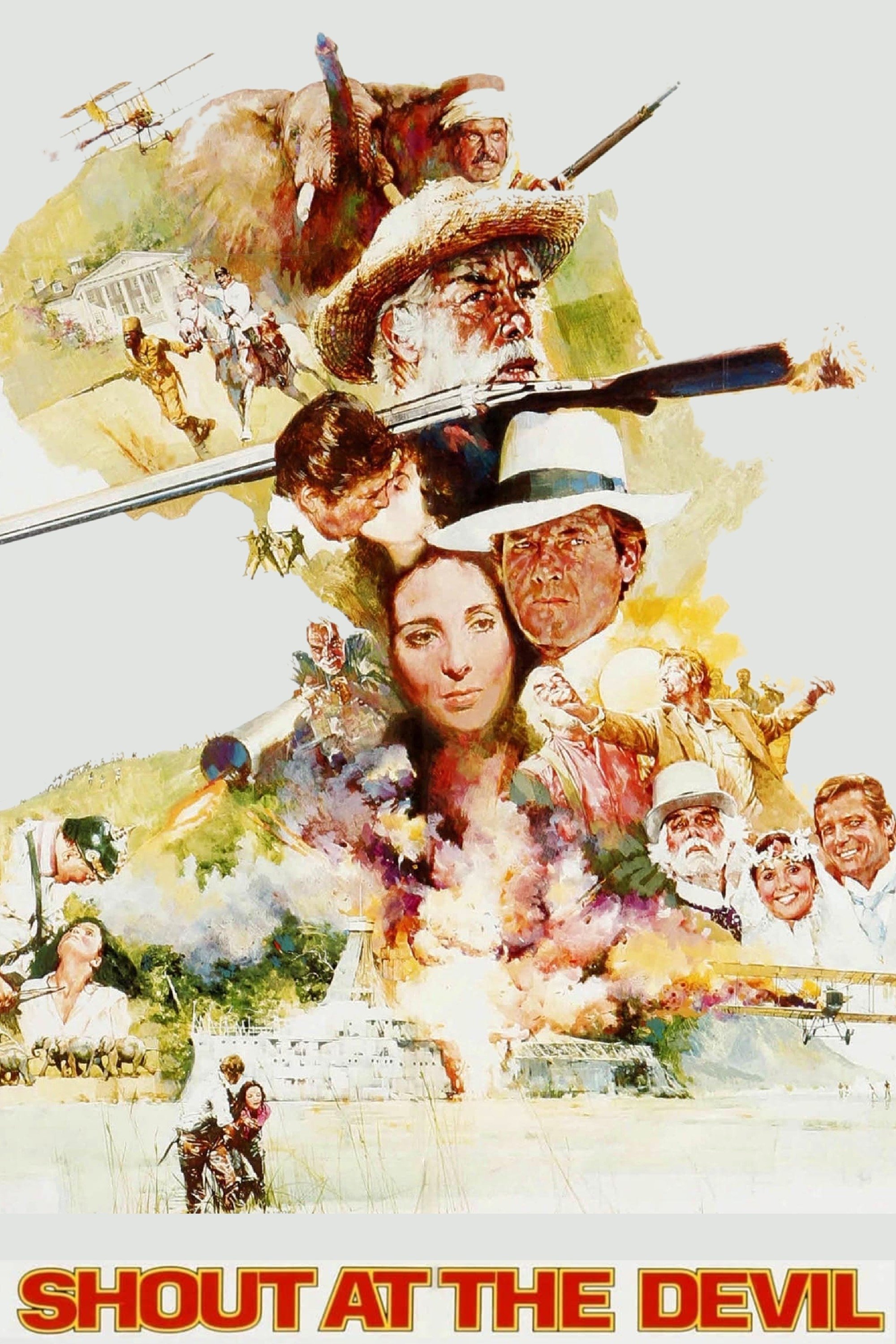 Movie6.0AdventureWar
During World War One an English adventurer, an American elephant poacher and the latter's attractive young daughter, set out to destroy a German battle-cruiser which is awaiting repairs in an inlet just off Zanzibar. The story is based on a novel by Wilbur Smith, which in turn is very loosely based on events involving the light cruiser SMS Königsberg, which was sunk after taking refuge in Rufigi delta in 1915.
Shout at the Devil
1976 · 56 votes
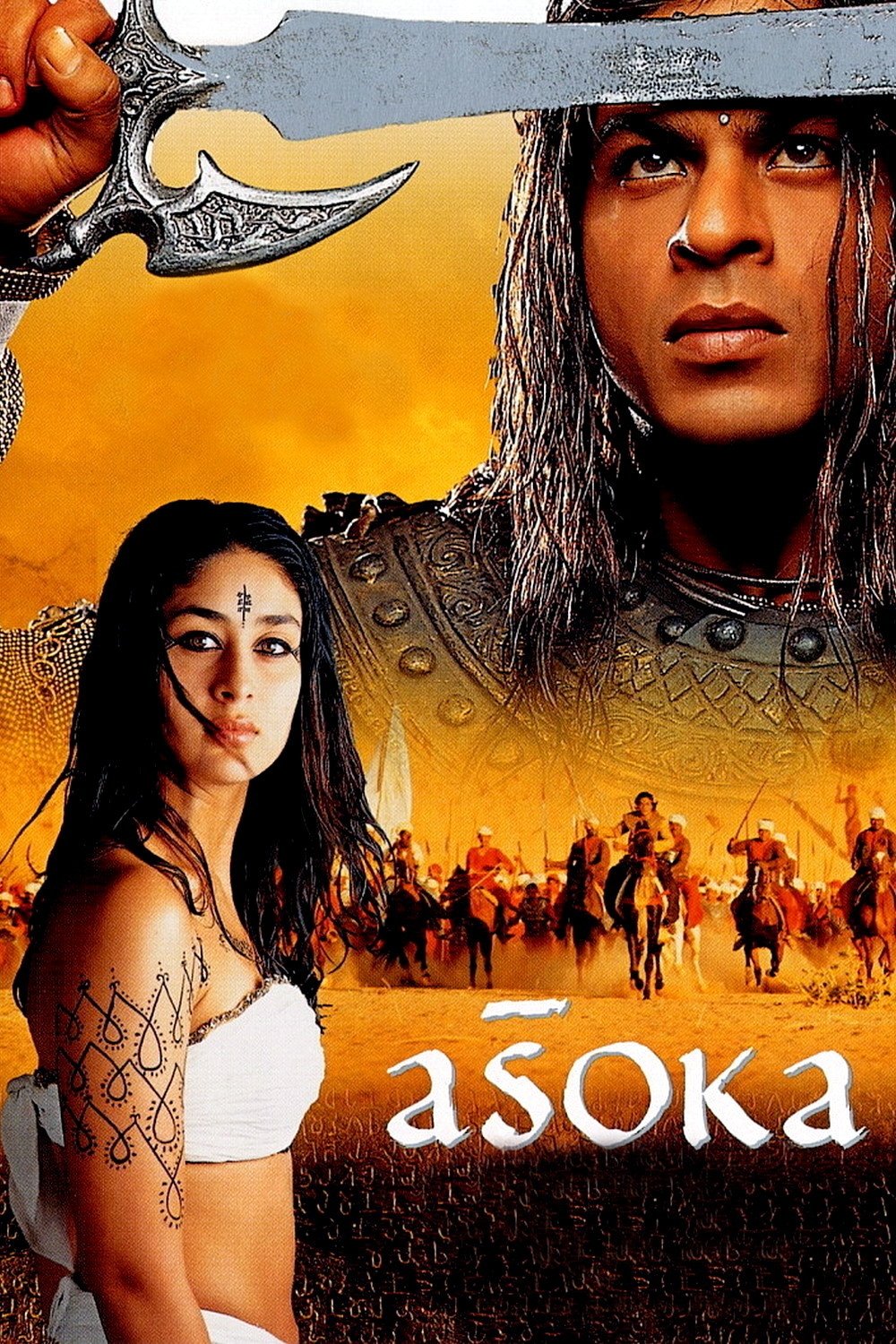 Movie6.5ActionAdventure
A young Prince Asoka works to perfect his skills in battle and also deals with family conflict. During a struggle with one of his step-brothers, his mother urges Asoka to escape to stay alive. While away, Asoka meets Kaurwaki and falls in love, but must use his skills as a warrior to protect her. A dangerous and heartbreaking web of conspiracy follows, which leads Asoka to embrace a Buddhist path.
 Movie6.3DramaRomance
One hundred years of Hindi cinema is celebrated in four short stories showcasing the power of film.
Bombay Talkies
2013 · 61 votes
 Movie6.7ActionAdventure
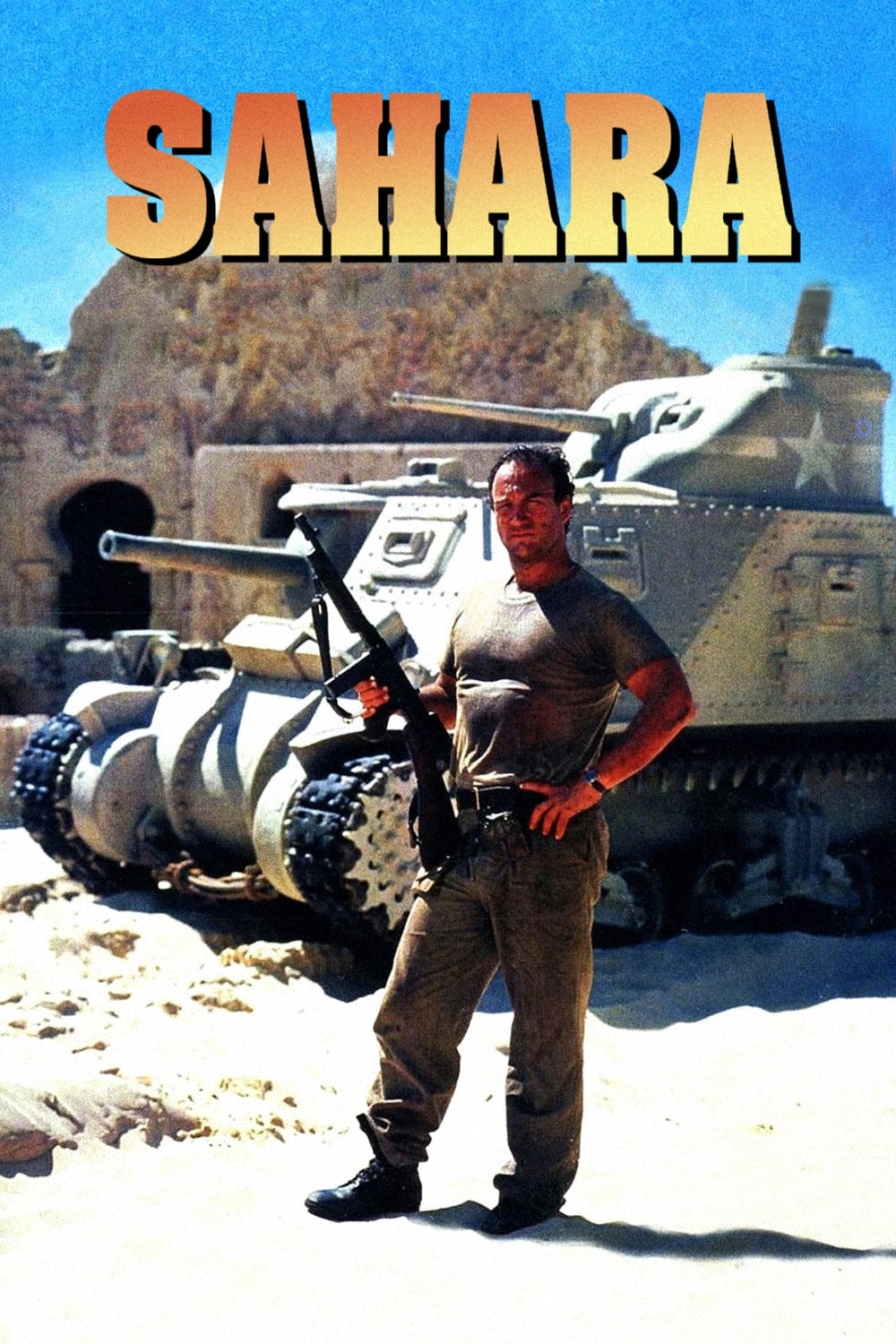
After the fall of Tobruk in June 1942, U.S. Army sergeant Joe Gunn leads his tank into the Sahara desert, in order to evade advancing Rommel's forces and reach Allied lines. Along the way he picks up few Allied soldiers, but soon they are running out of water. They find water at the ancient well, but the well is a goal of an entire German battalion. Despite the impossible odds, Sergeant Gunn decides to defend the well.
Sahara
1995 · 82 votes