Movie
You might also like
Picked from what people who watched this went on to watch.
 Movie7.9Drama
The De La Mora siblings concoct a mischievous plan to break into their old family home to retrieve a hidden treasure of significant importance.
 Movie6.7Drama
A painter from the big city goes to a remote canyon to commit suicide. To reach some calmness he stays at the farmstead of Ascen, an old religious woman. Although only a few words are spoken, love grows.
Japón
2003 · 76 votes
 Movie8.5Drama
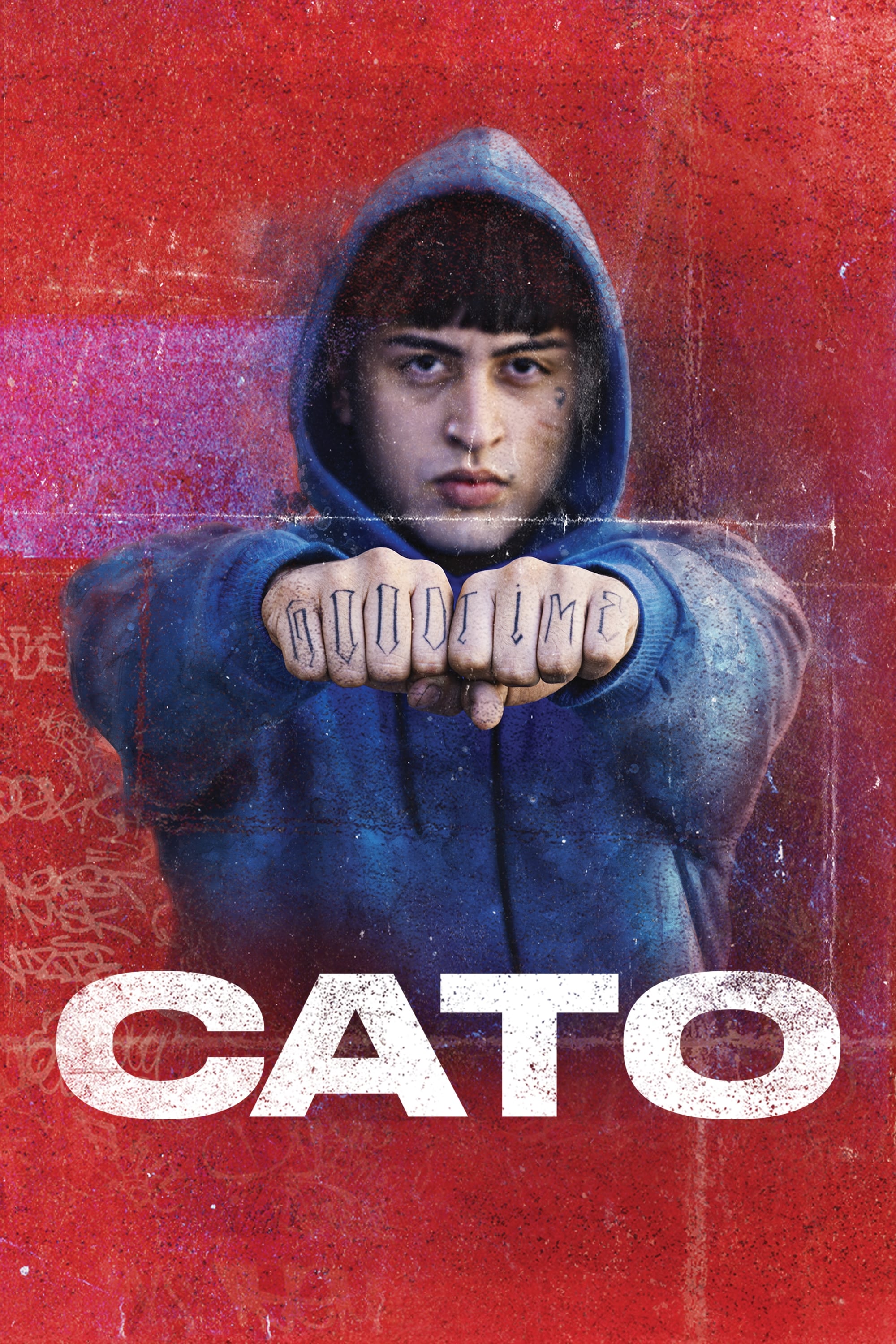
Cato, a hip-hop artist whose career is about to take off, runs into trouble with the law and a violently organized network of Argentine soccer hooligans.
CATO
2021 · 47 votes
 Movie6.1Drama
Juan and his urban family live in the Mexican countryside, where they enjoy and suffer a world apart. And nobody knows if these two worlds are complimentary or if they strive to eliminate one another.
Post Tenebras Lux
2012 · 138 votes
 Movie8.0Drama
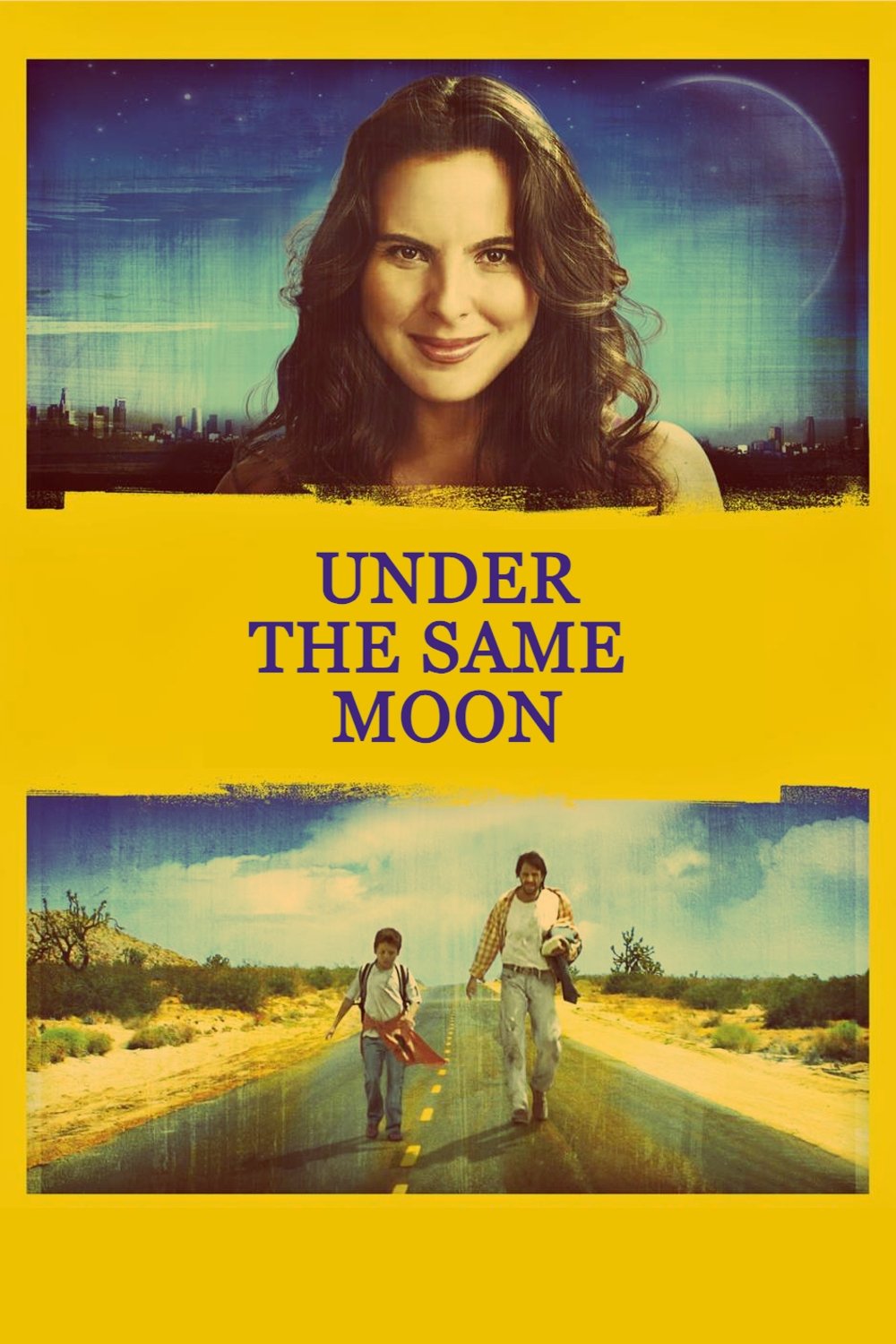
Tells the parallel stories of nine-year-old Carlitos and his mother, Rosario. In the hopes of providing a better life for her son, Rosario works illegally in the U.S. while her mother cares for Carlitos back in Mexico.
 Movie6.8Drama
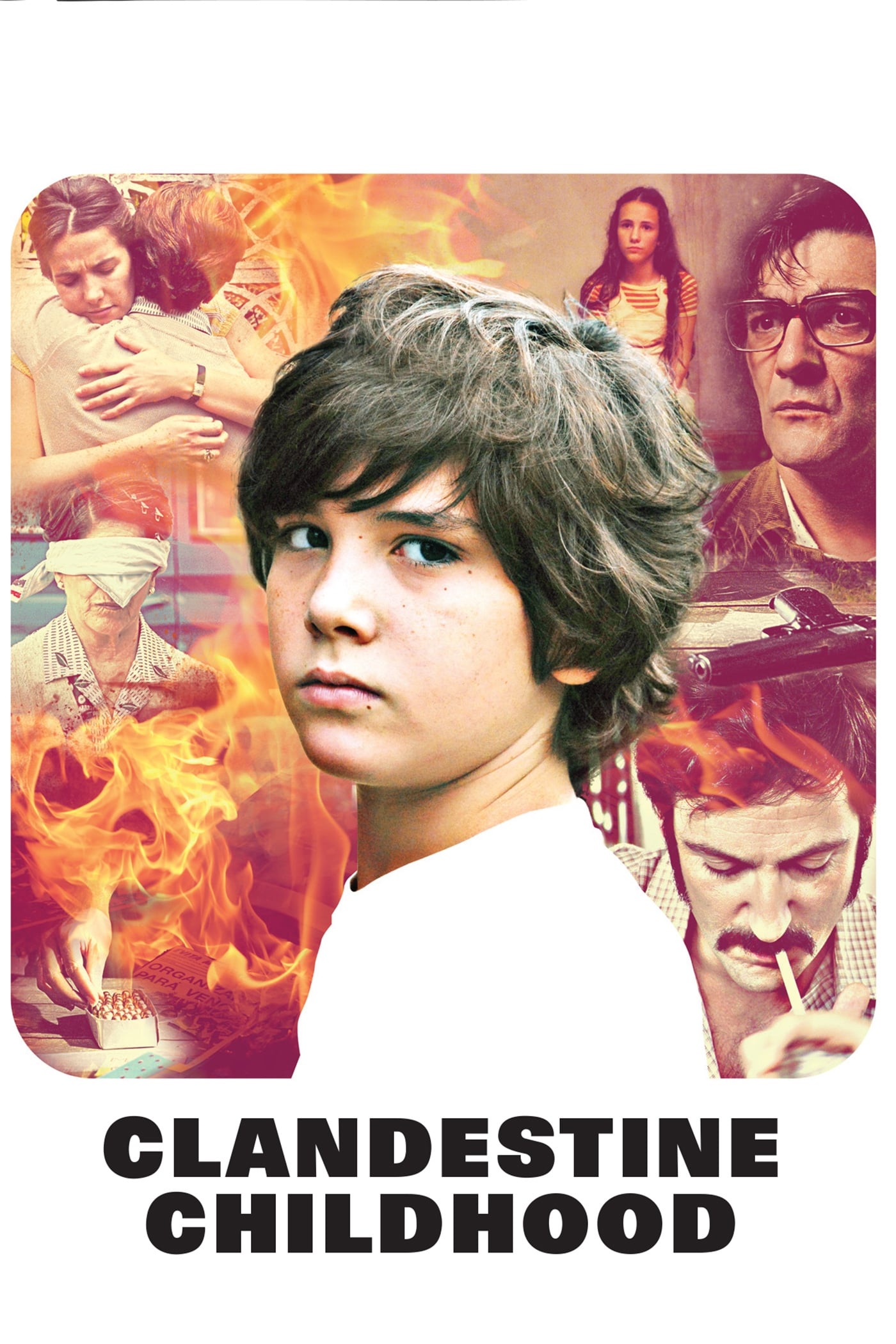
Juan lives in clandestinity. Just like his mum, his dad and his adored uncle Beto, outside his home he has another name. At school, Juan is known as Ernesto. And he meets María, who only has one name. Based on true events, set in the Argentina of 1979, this film is one about love.