 MovieMovieMovie
Who is in it. Open anyone to see what else they are in.

Toshirō Mifune
Isami Kondo
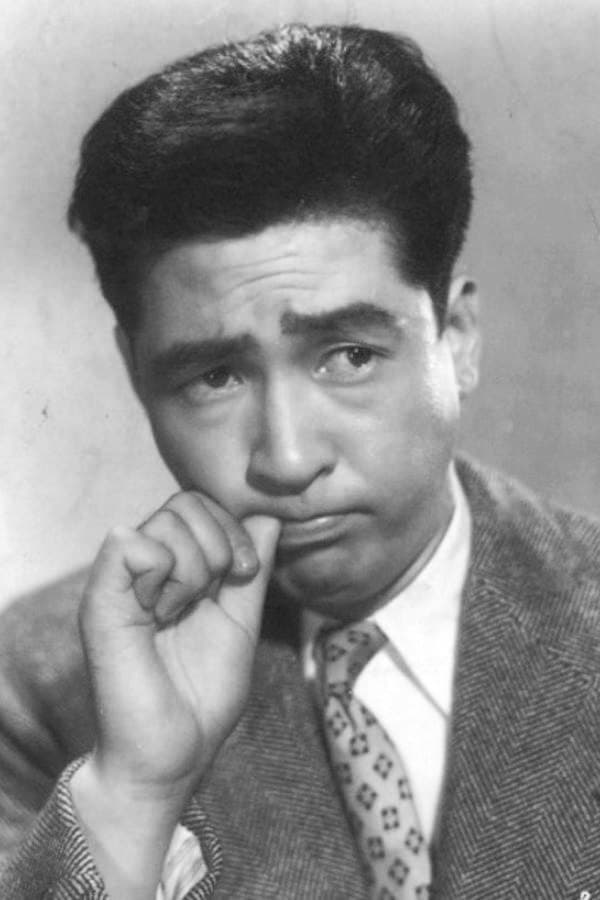
Keiju Kobayashi
Toshizo Hijikata
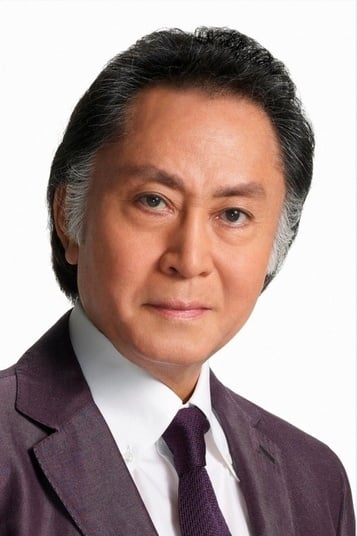
Kinya Kitaoji
Soji Okita

Yōko Tsukasa
Tsune

Yuriko Hoshi
Otaka
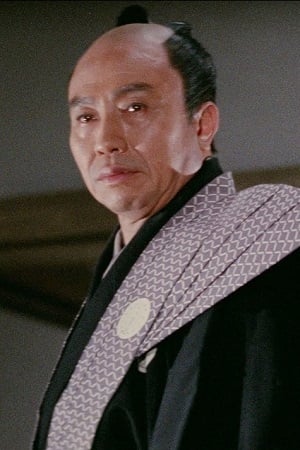
Kan'emon Nakamura
Yasubo Katsu
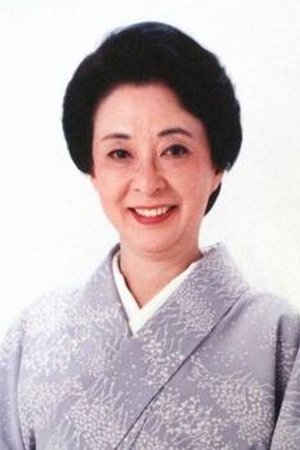
Junko Ikeuchi
Oyuki
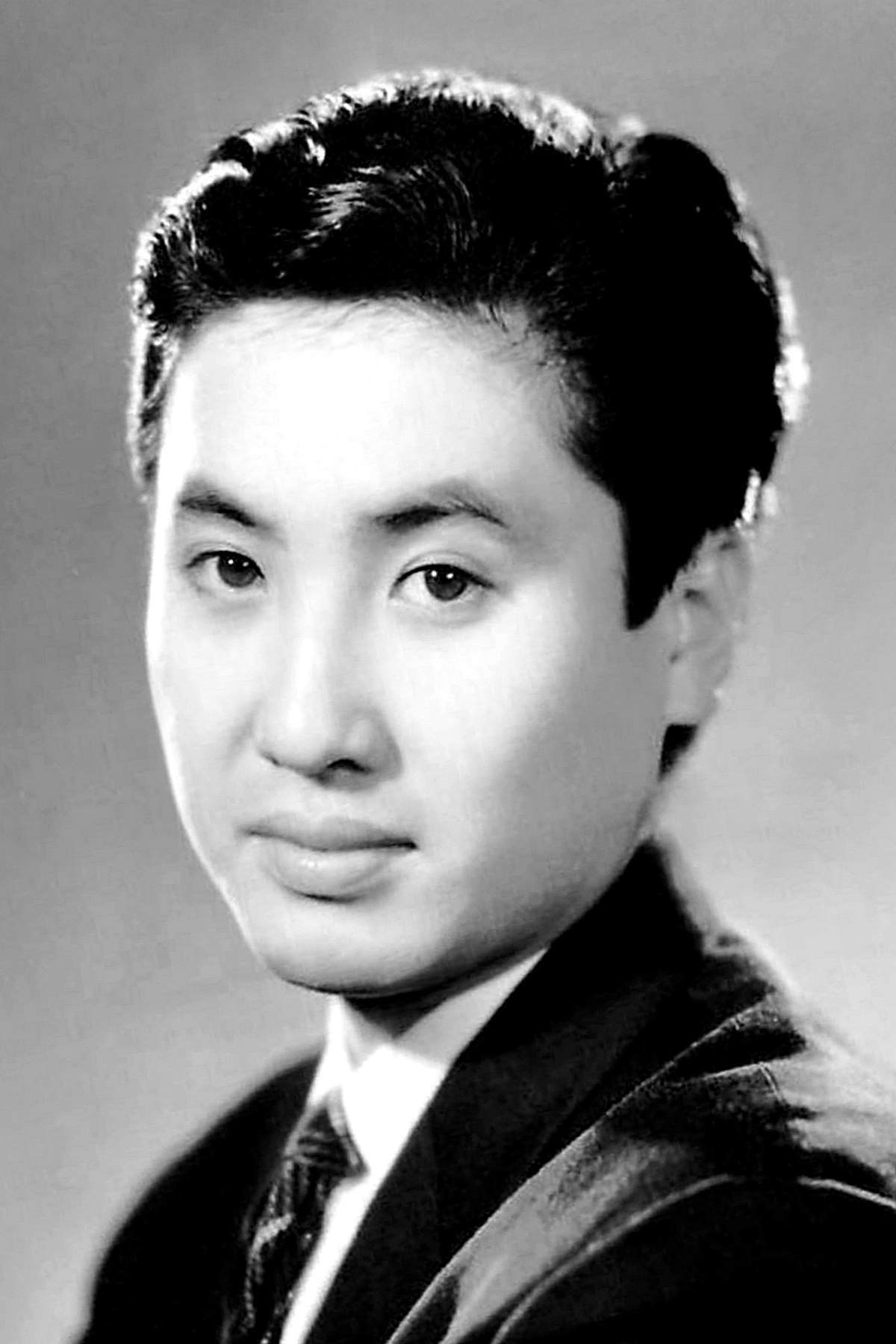
Kinnosuke Nakamura
Fujita Arima

Umenosuke Nakamura
Keisuke Yamana

Yumiko Nogawa
Oume
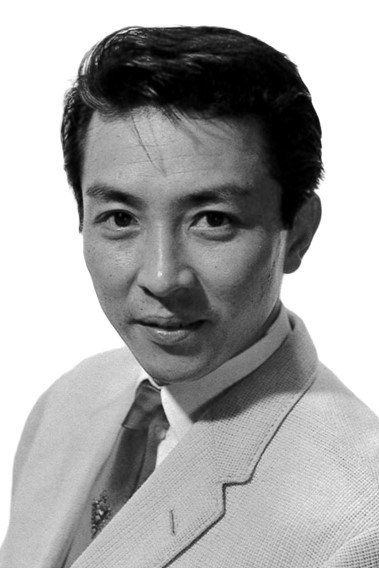
Takahiro Tamura
Koshitaro Ito
Katsuo Nakamura
Kisaburo Kawai
Mita Kitagawa
Kaori
Shinsuke Okimoto
Hachiro Shoga
Ichirō Nakatani
Moribe Tani
Ryunosuke Yamazaki
Sanosuke Harada
Kazuya Oguri
Naouemon Teshiro
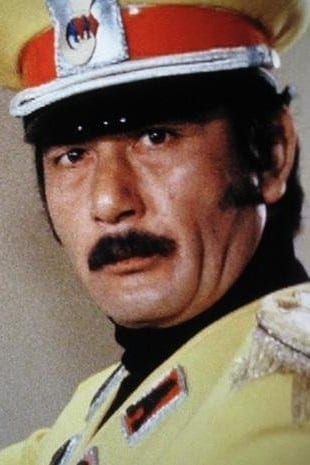
Hiroshi Tanaka
Shinpachi Nagakura
Shinnosuke Ogata
Heisuke Todo
Seishirō Kuno
Gennosuke Inoue
Kiyoshi Taiki
Goro Hirayama
Hiroto Kimura
Shigesuke Hirama
Kyosuke Ugami
Jo Yamazaki
Jotaro Togami
Teizo Miyabe
Eijiro Soma
Ninmaro Yoshida
Yoshijiro Murata
Shuzo Ishikawa
Shin Tsuda
Executive
Rentaro Mikuni
Kamo Serizawa
Kinzō Shin
Honmeido
Ryōhei Uchida
Nishiki Shinmi
Picked from what people who watched this went on to watch.
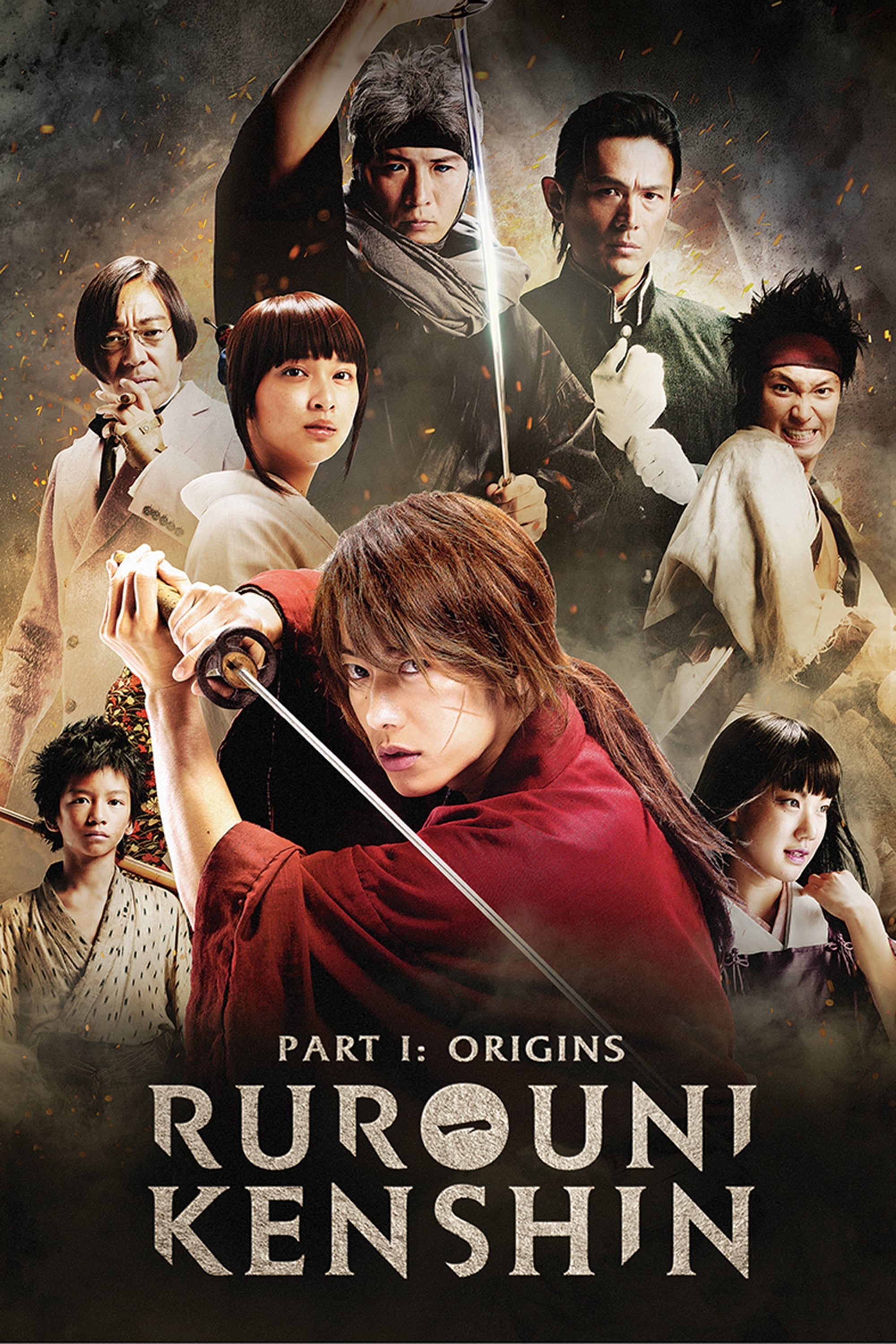 Movie7.5
In 1868, after the Bakumatsu war ends, the ex-assassin Kenshin Himura traverses Japan with an inverted sword, to defend the needy without killing.
 Movie7.7
Ryunosuke, a gifted swordsman plying his trade during the turbulent final days of Shogunate rule, has no moral code and kills without remorse. It’s a way of life that leads to madness.
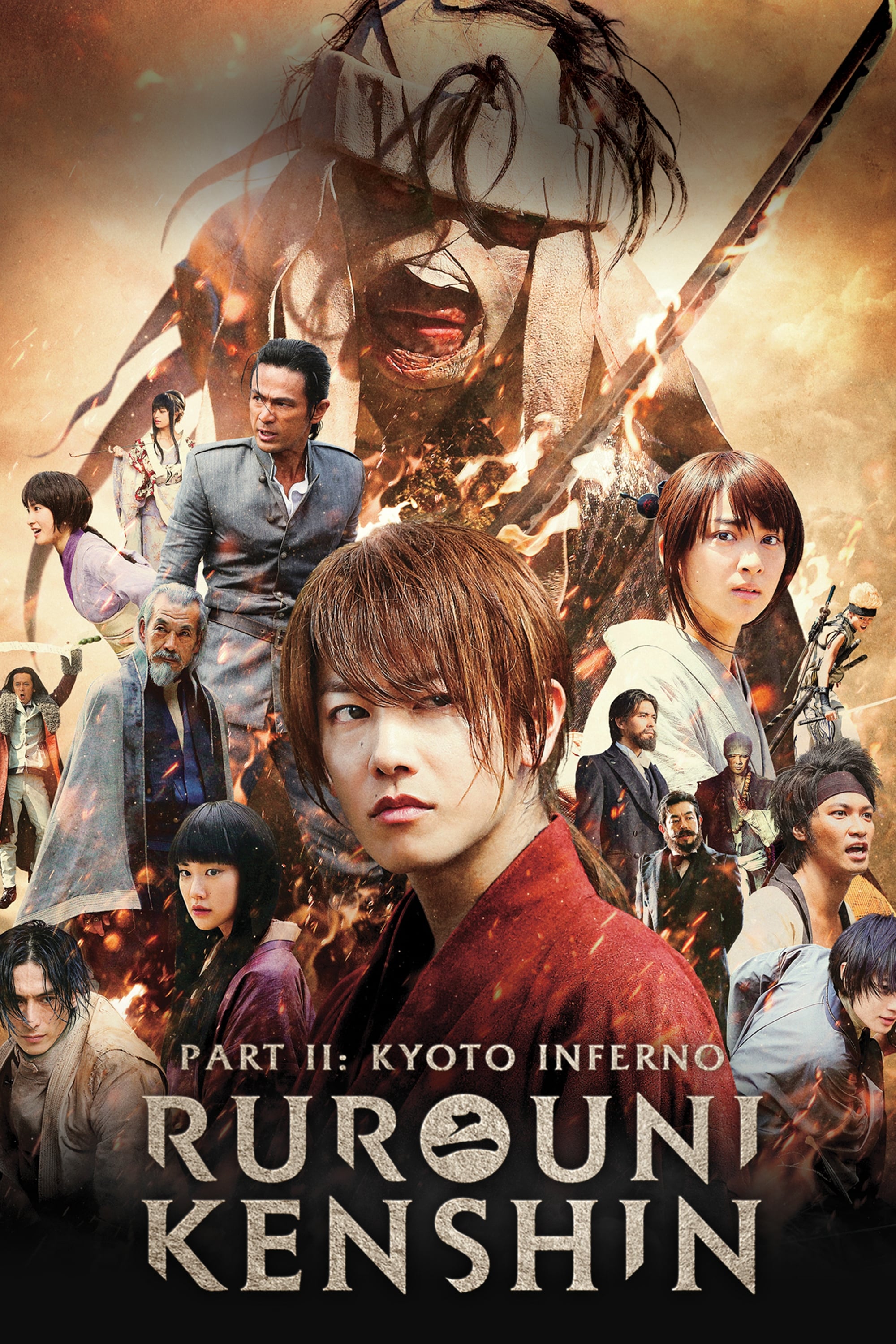 Movie7.6
Kenshin has settled into his new life with Kaoru and his other friends when he is approached with a request from the Meiji government. Makoto Shishio, a former assassin like Kenshin, was betrayed, set on fire and left for dead. He survived, and is now in Kyoto, plotting with his gathered warriors to overthrow the new government. Against Kaoru's wishes, Kenshin reluctantly agrees to go to Kyoto and help keep his country from falling back into civil war.
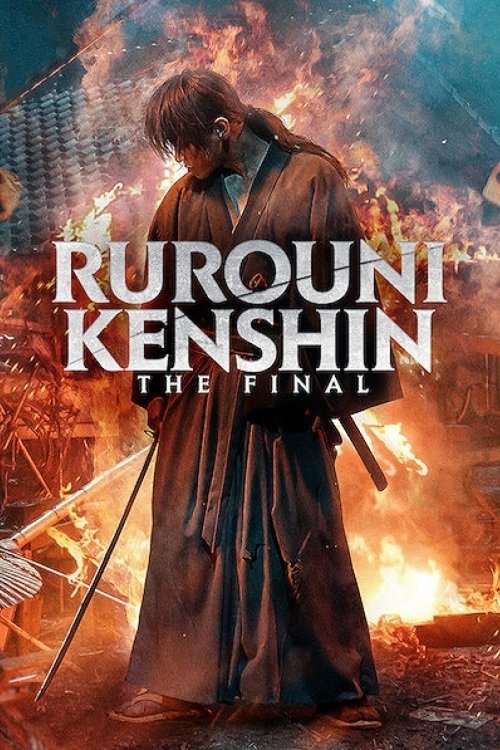 Movie7.7
In 1879, Kenshin and his allies face their strongest enemy yet: his former brother-in-law Enishi Yukishiro and his minions, who've vowed their revenge.
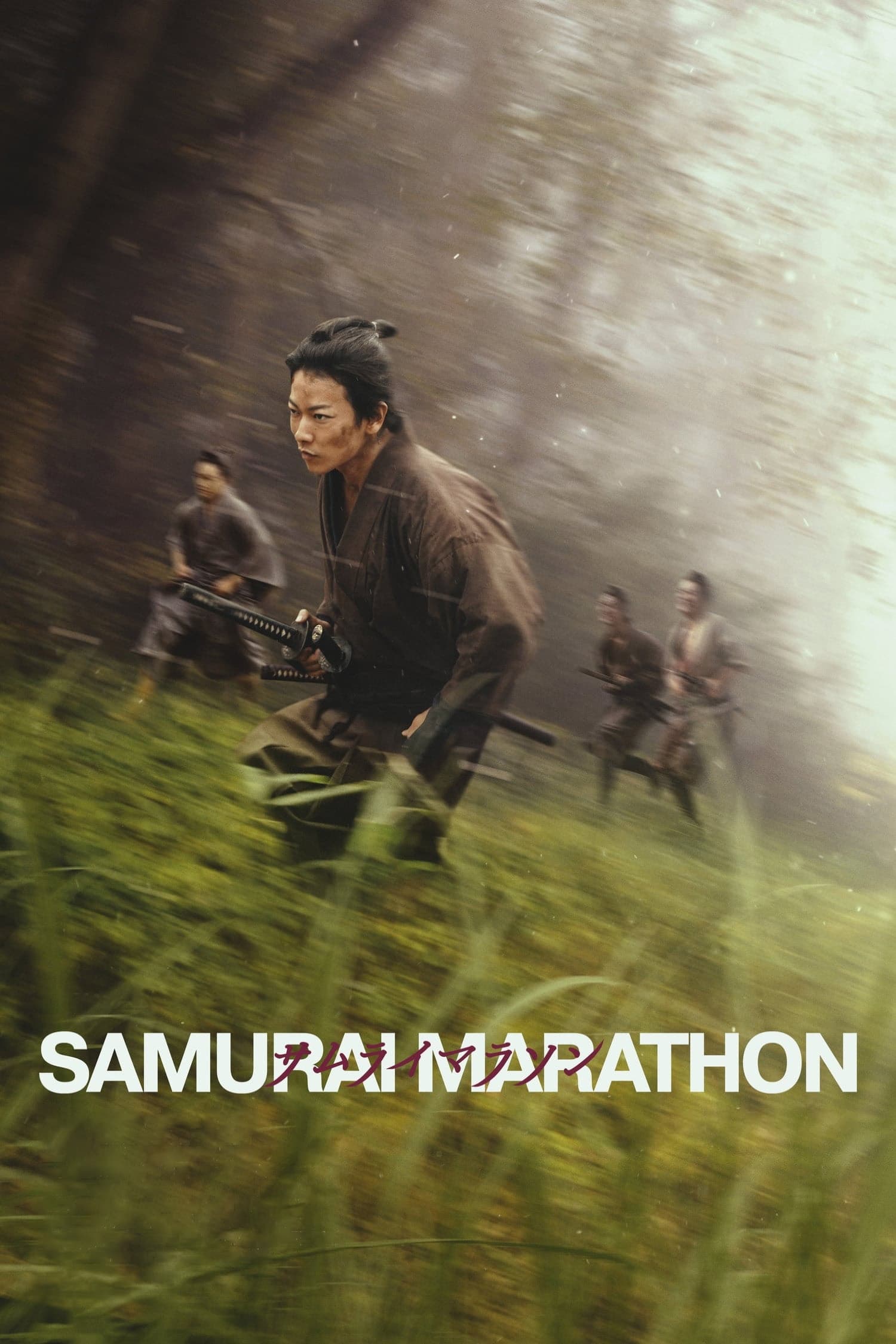 Movie6.0
When feudal lord Itakura Katsuakira decides to prepare his samurai troops for the onslaught of modernization by having them compete in a marathon, his independent-minded daughter Yuki secretly joins the race.
 Movie7.5
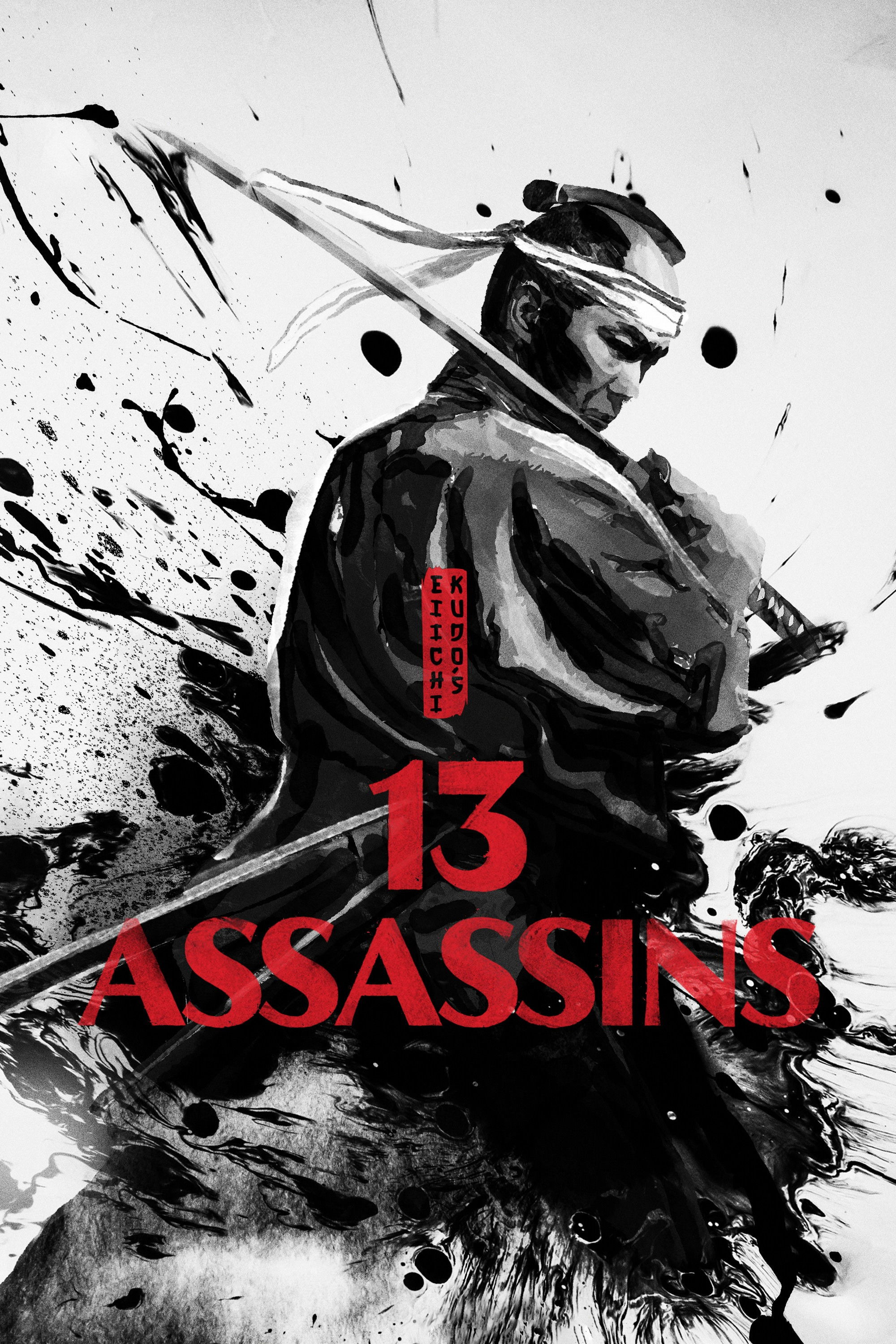
A sadistic Daimyo (feudal lord) rapes a woman and murders both her and her husband, but even when one of his own vassals commits suicide to bring attention to the crime, the matter is quickly hushed up. Not only will there be no punishment, but because the Daimyo is the Shogun's younger brother, he will soon be appointed to a high political position from which he could wreak even more havoc. Convinced that the fate of the Shogunate hangs in the balance, a plot is hatched to assassinate the Daimyo. The two most brilliant strategic minds of their generation find themselves pitted against each other; one is tasked to defend a man he despises, and has a small army at his disposal. The other is given a suicide mission, and has 12 brave men. They are the 13 Assassins.