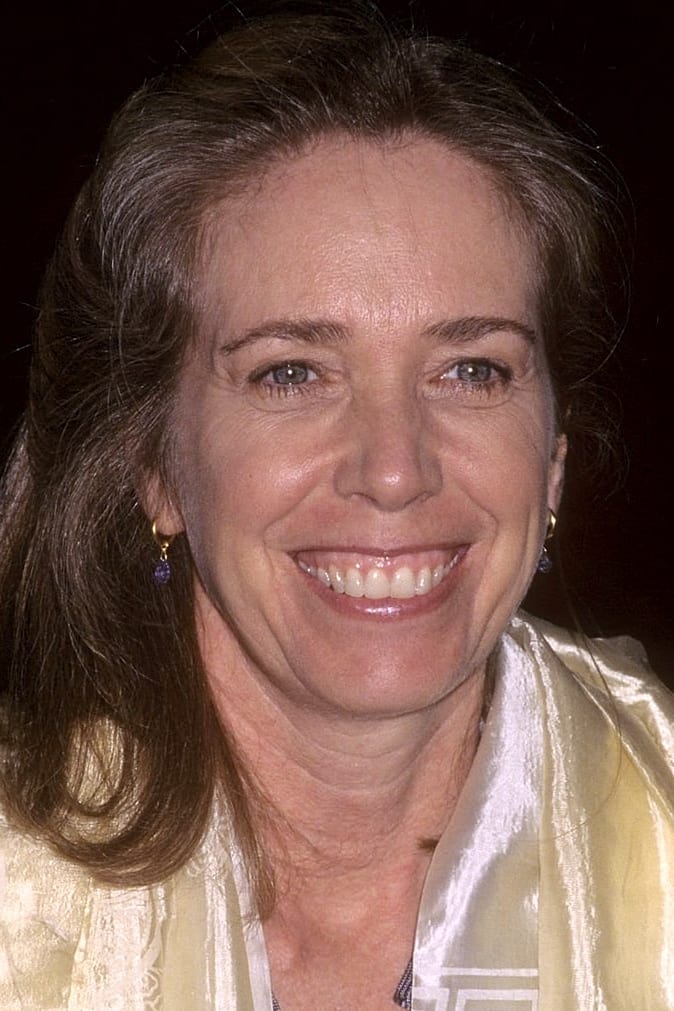
Melissa Mathison
Writer · 1950 – 2015 · Los Angeles, California, USA
Melissa Marie Mathison (June 3, 1950 – November 4, 2015) was an American film and television screenwriter and an activist for the Tibetan independence movement. She was best known for writing the screenplays for the films The Black Stallion (1979) and E.T. the Extra-Terrestrial (1982), the latter of which earned her the Saturn Award for Best Writing and a nomination for the Academy Award for Best Original Screenplay. Mathison later wrote The Indian in the Cupboard (1995), based on Lynne Reid Banks's 1980 children's novel of the same name, and Kundun (1997), a biographical-drama film about the Dalai Lama. Her final film credit was The BFG (2016), which marked her third collaboration with film director Steven Spielberg. Description above from the Wikipedia article Melissa Mathison, licensed under CC-BY-SA, full list of contributors on Wikipedia.
Movies6
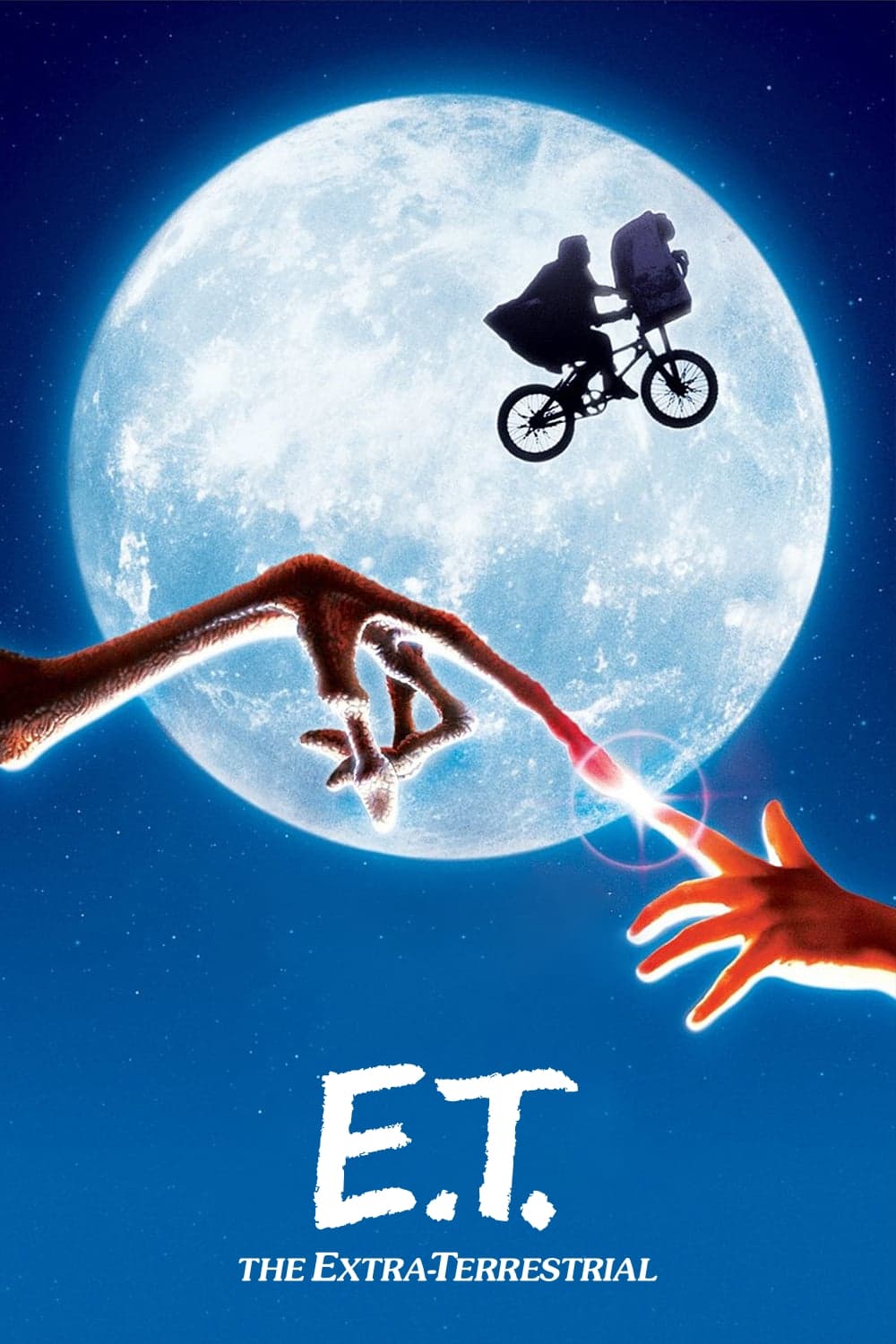 Movie7.5AdventureScience Fiction
An alien is left behind on Earth and saved by the 10-year-old Elliott who decides to keep him hidden in his home. While a task force hunts for the extra-terrestrial, Elliott, his brother, and his little sister Gertie form an emotional bond with their new friend, and try to help him find his way home.
E.T. the Extra-Terrestrial
1982 · 12K votes
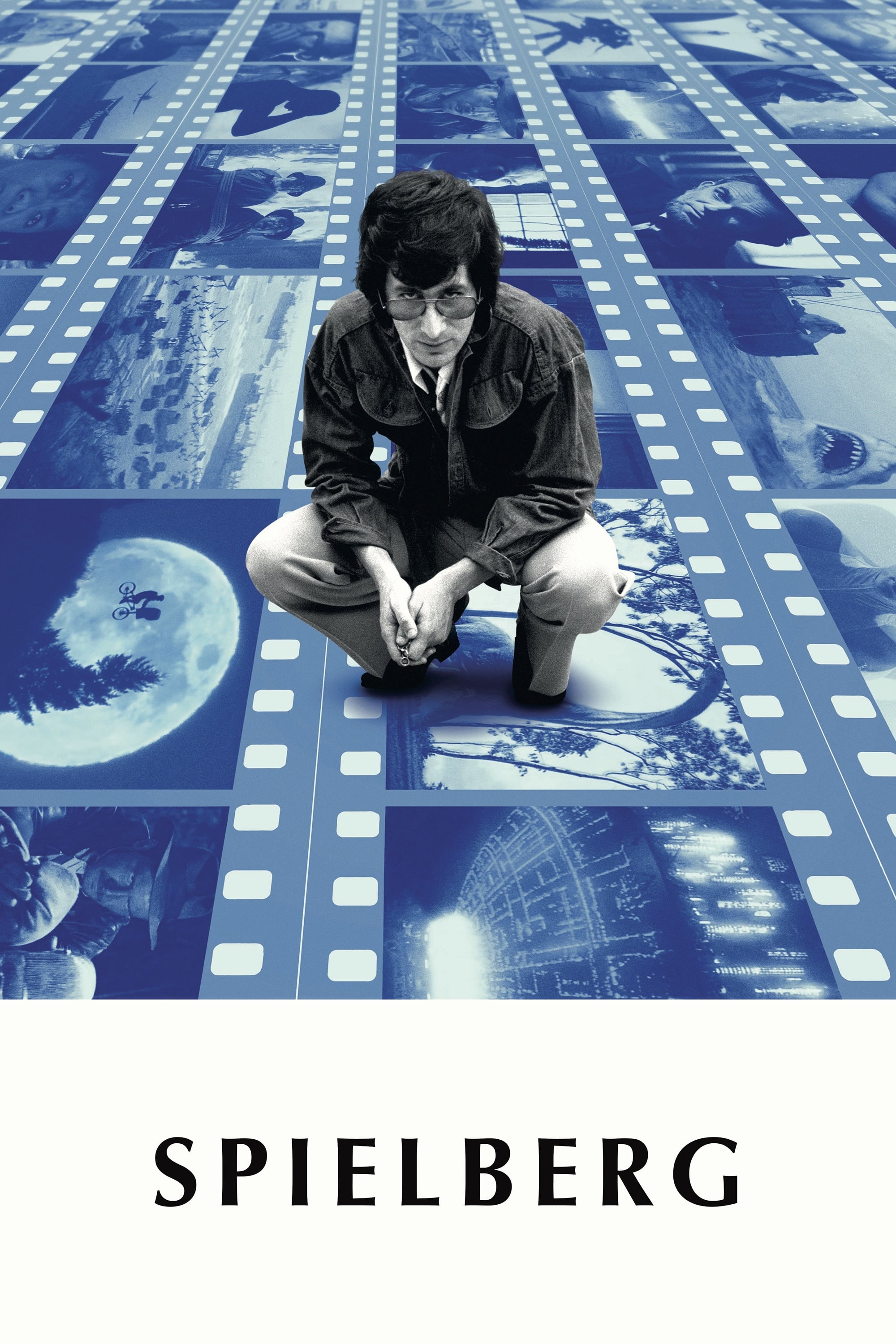 Movie7.5Documentary
A documentary on the life and career of one of the most influential film directors of all time, Steven Spielberg.
Spielberg
2017 · 314 votes
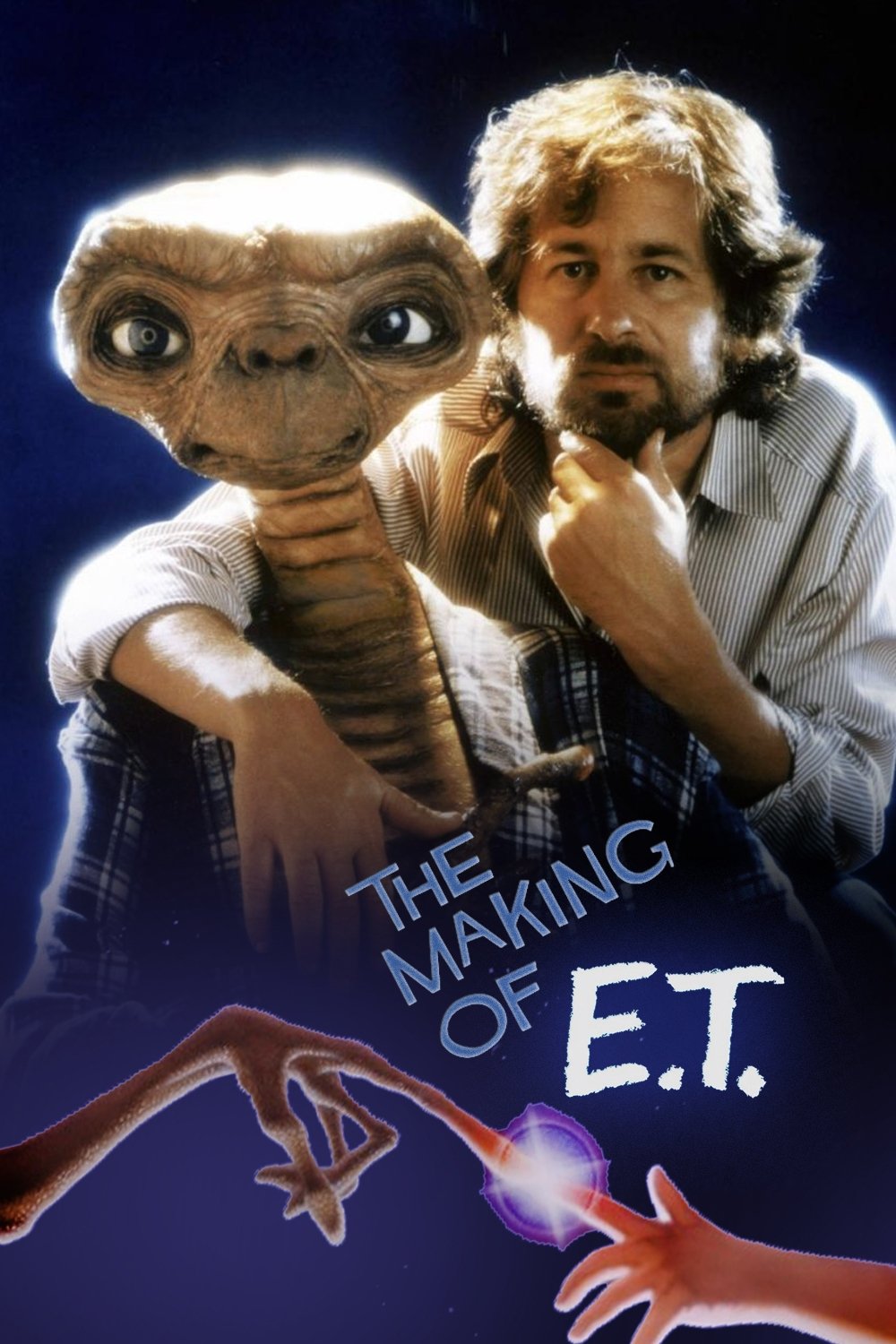 Movie7.4DocumentaryFamily
A behind-the-scenes documentary about the making of Steven Spielberg's 1982 film "E.T. the Extra-Terrestrial."
The Making of 'E.T. the Extra-Terrestrial'
1996 · 17 votes
- MovieDocumentary
Refuge
2006
 Movie7.3DocumentaryScience Fiction
A retrospective of "E.T.," featuring a cast reunion and a look at the making of the 20th anniversary edition of the film.
E.T. the Extra-Terrestrial 20th Anniversary Special
2002 · 3 votes
 Movie7.3Documentary
In Search of Kundun, a “making-of” documentary that is so much more, follows Scorsese as he plans his epic film and shoots in Morocco, and continues on to an audience with the Dalai Lama himself in the foothills of the Himalayas. Edited from over a hundred hours of footage, the documentary captures Scorsese’s fervor as a filmmaker and a man, the modest yet charismatic Dalai Lama, and the plight of the exiled Tibetans. -Denver Film Society
In Search of 'Kundun' with Martin Scorsese
1998 · 3 votes