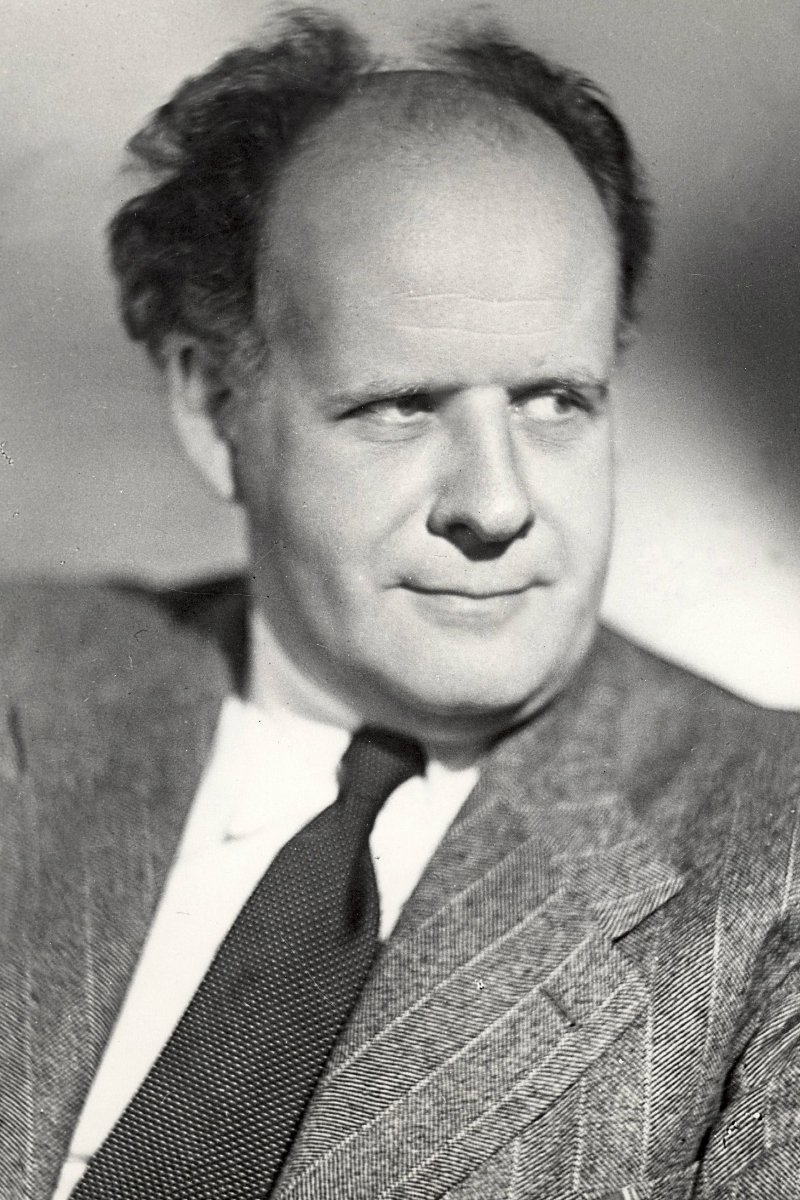
Sergei Eisenstein
Director · 1898 – 1948 · Riga, Russian Empire
Sergei Mikhailovich Eisenstein (23 January 1898 — 11 February 1948) was a pioneering Soviet film director and film theorist, often considered to be the 'Father of Montage'. Noted in particular for his silent films Strike (1924), Battleship Potemkin (1925) and October (1927), as well as the historical epics Alexander Nevsky (1938) and Ivan the Terrible (1944, 1958), his work profoundly influenced early filmmakers owing to his innovative use of and writings about montage.
Movies18
 Movie7.6DramaHistory
A dramatized account of a great Russian naval mutiny and a resultant public demonstration, showing support, which brought on a police massacre.
 Movie6.8
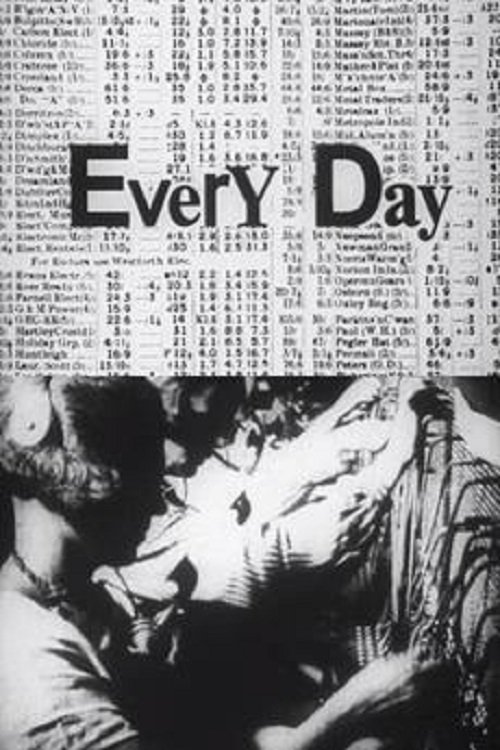
Experimental documentary focusing on a day in the life of city workers, featuring montage sequences and repetition to emphasise the monotony of routine office work.
Every Day
1929 · 10 votes
 Movie5.2Comedy
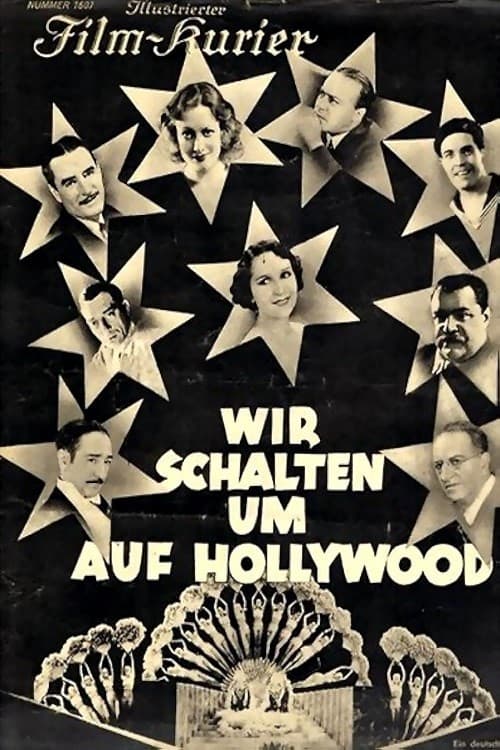
A German reporter visits Hollywood and is escorted through the MGM Studio by a German nobleman, who is working there as an extra. They meet and speak to several actors, primarily Buster Keaton, John Gilbert, Joan Crawford and Heinrich George. Then they meet Adolphe Menjou, who rehearses a long scene in German. A final scene shows stars arriving at a film premiere, including Jean Harlow, Norma Shearer and Wallace Beery.
 Movie7.0Documentary
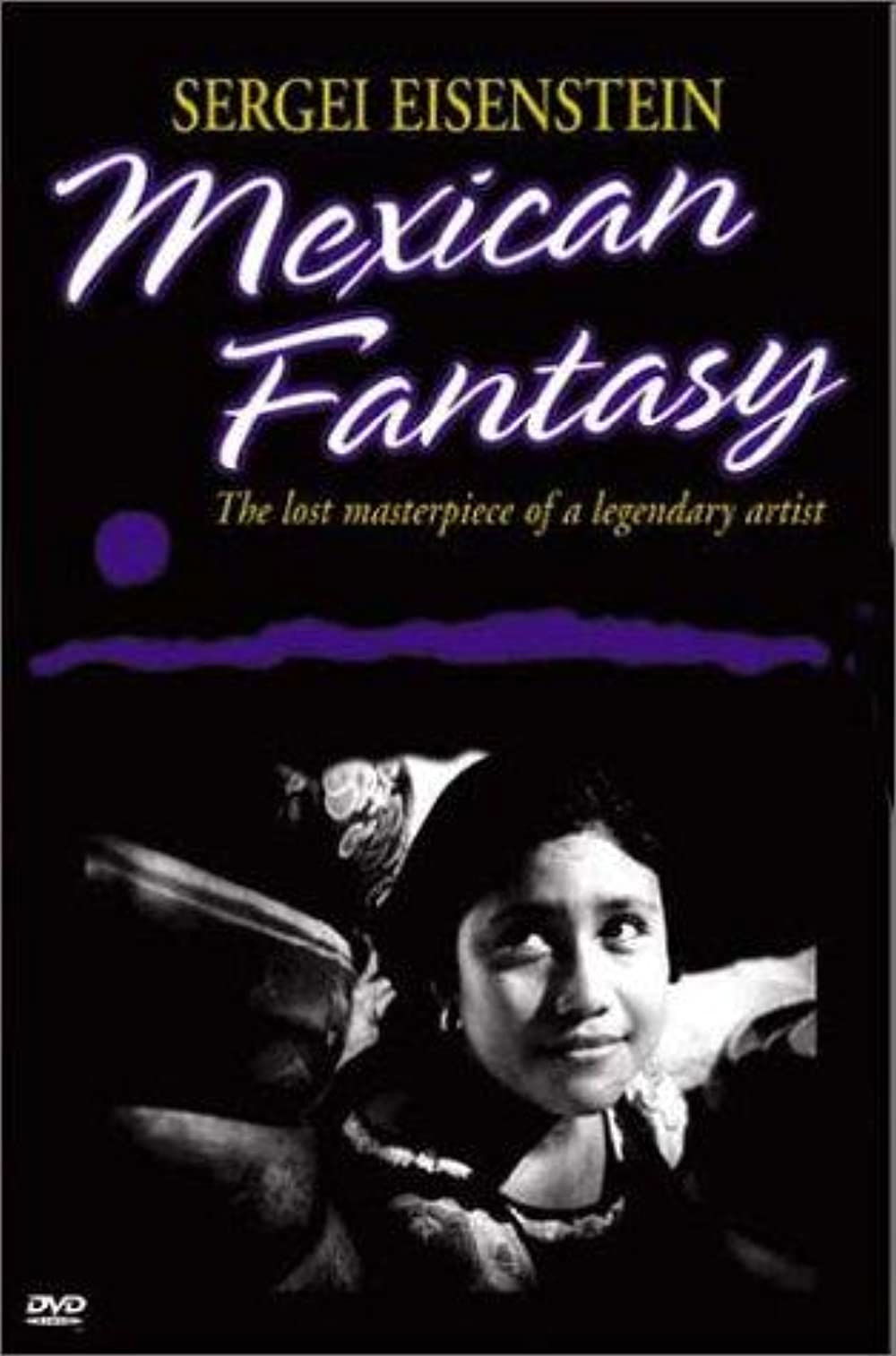
Eisenstein shot 50 hours of footage on location in Mexico in 1931 and 32 for what would have become ¡Que viva México!, but was not able to finish the film. Following two wildly different reconstruction attempts in 1939 (Marie Seton's 'Time in the Sun') and 1979 (Grigori Alexandrov's '¡Que viva México!') Kovalov has here compiled another hypothetical version of what Eisenstein's film might have been.
 MovieDocumentary
The true story of Mei Lanfang, China's greatest opera star; a husband and father whose world-wide fame came from the portrayal of women. His fascinating life was the basis for the feature film Farewell My Concubine.
The Worlds of Mei Lanfang
2000 · 1 votes
- Movie6.7Drama
The Island of the Dead is a film about the demise of the Russian Epocha Modern. The symbol of this culture was the legendary Russian film star Vera Kholodnaya, who evoked a poetic image of the young urban woman on the silver screen. Her death in 1919, shrouded in tragedy and mystery, put a symbolic end to the pre-Revolutionary period. The Island of the Dead is composed of fragments from numerous films from this period, juxtaposed with other contemporary artistic expressions such as music and painting. Kovalov shows convincingly how the fragile beauty of the Russian Epocha Modern had to make way for the pressure of Futurism, Constructivism and other 'progressive trends', and how these '-isms' were then also relegated to the melting pot to be remoulded by totalitarian norms.
 Movie5.5Documentary
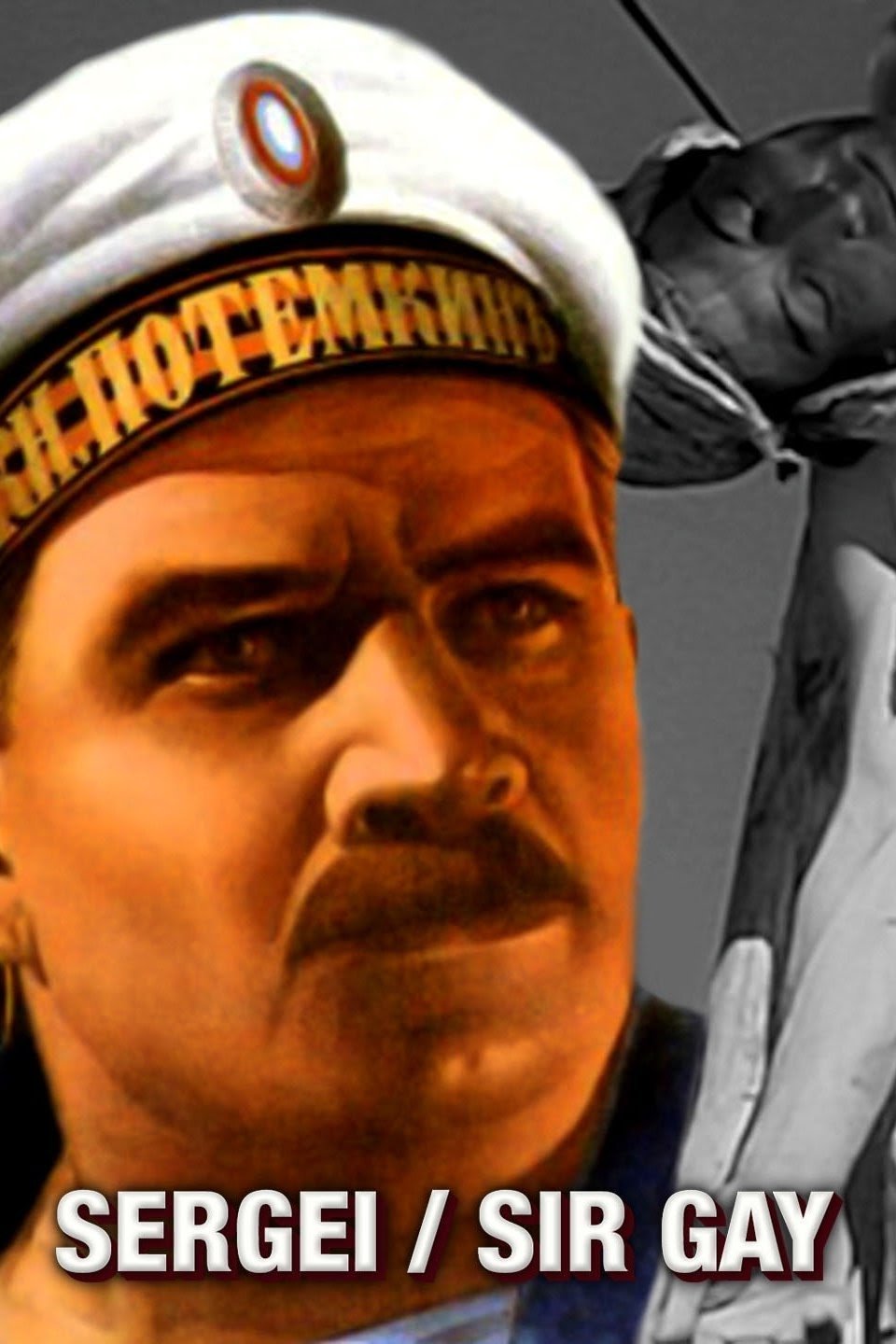
As a teenager, Sergei Eisenstein signed his drawings with "Sir Gay". Mark Rappaport sees clear signs of his sexual preferences throughout the Russian’s film oeuvre. Numerous asides illustrate how Hollywood productions likewise frequently played with nods and winks and typical motifs from gay culture.
Sergei/Sir Gay
2017 · 4 votes
 Movie8.7Documentary
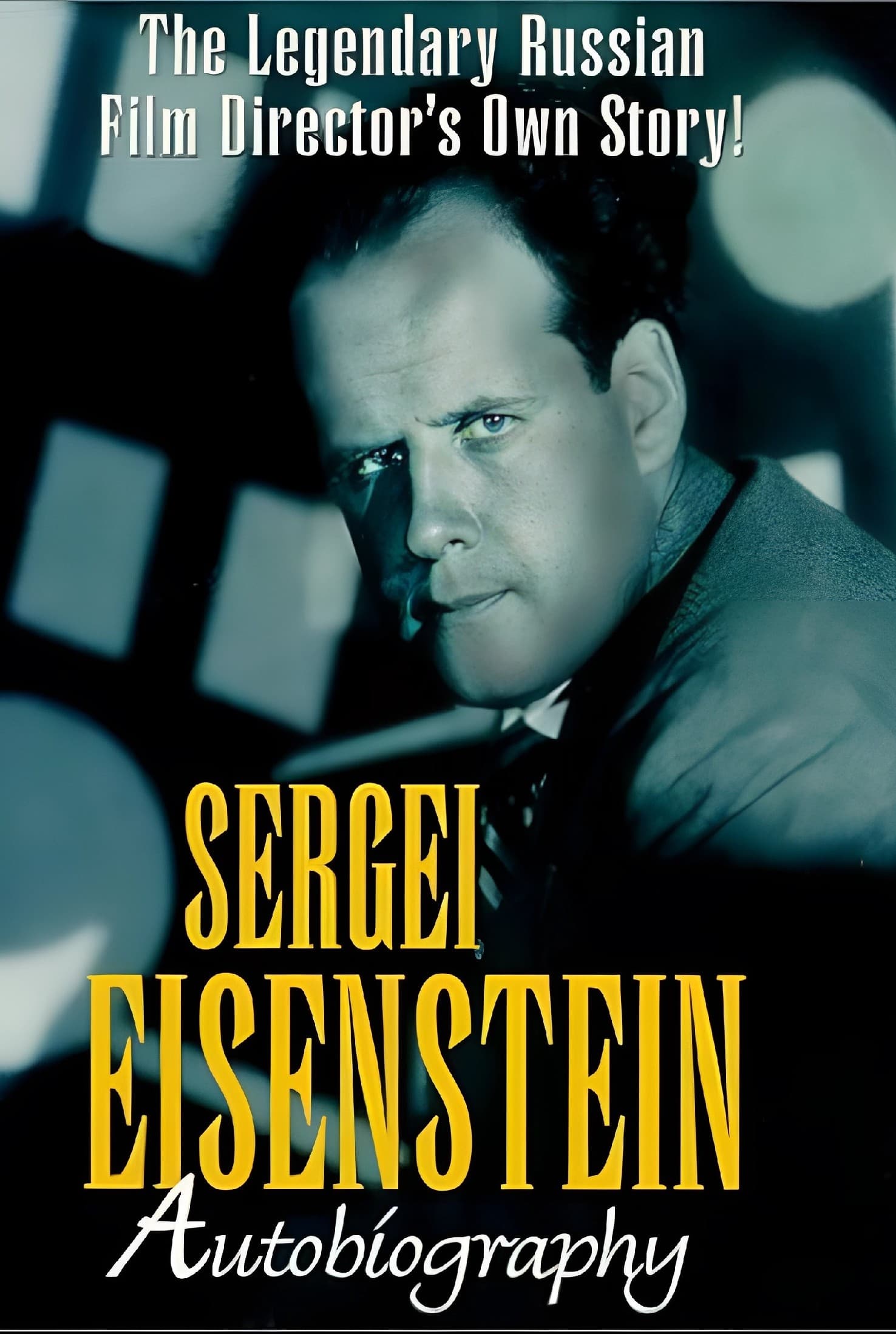
A free film adaptation of the director's memoirs. In form, this is the "stream of consciousness" that attracted Sergei Eisenstein after getting acquainted with the experiments of James Joyce. The outer outline of the film is a long foreign trip of the director, which began in 1929, during which he recalls his past life and considers creative ideas. The film is constructed as a free alternation of reality, dreams, and fantasies. The material for it is fragments from the films of Sergei Eisenstein and his fellow contemporaries, documentary footage depicting the director and his time. The wide coverage of the faces and events reflected in the film shows the special role of Sergei Eisenstein in the culture of the twentieth century…
 MovieDocumentary
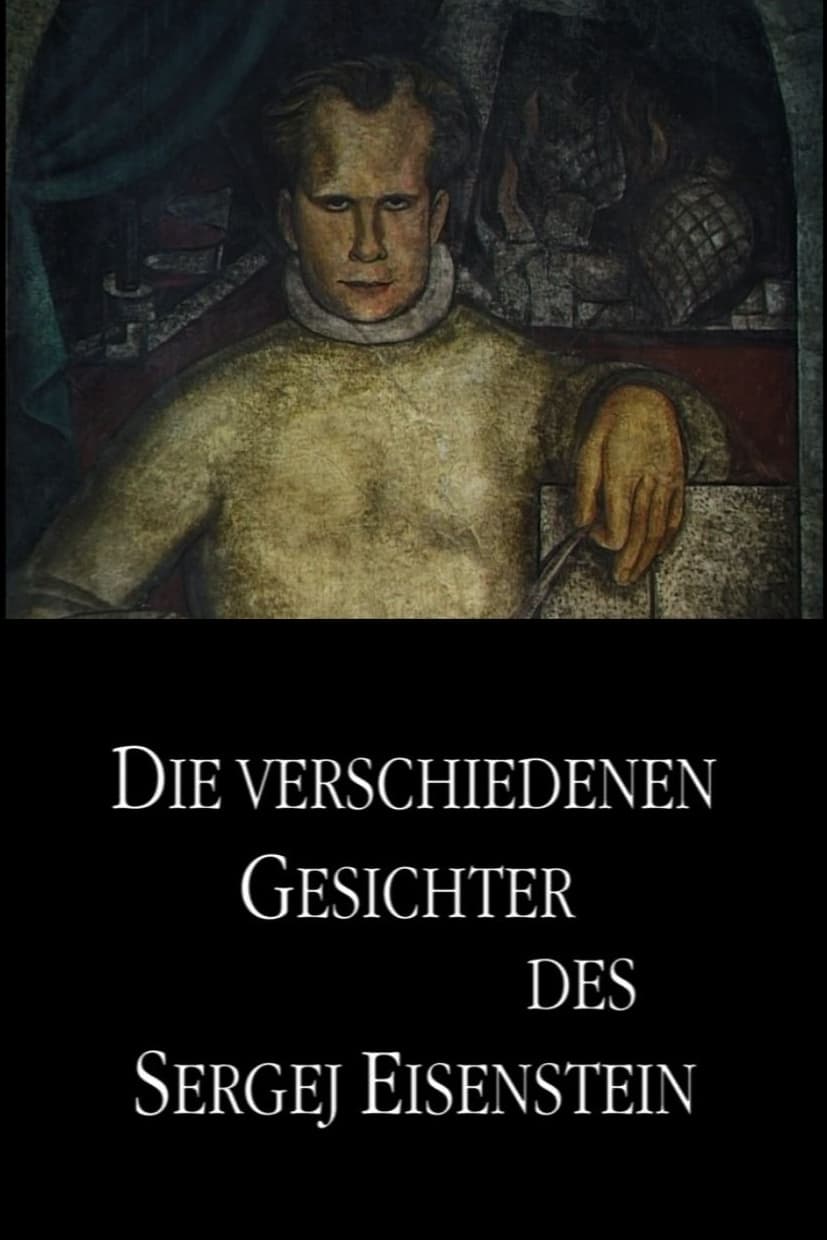
Eisenstein is celebrated either as the last Leonardo da Vinci of modernity or attacked as Faustus, Faustus who made a pact with the devil. Whichever is the case, neither friends nor foes are able to resist the powerful draw of Eisenstein's work. He was a person of complexity who was understood in very different ways, as a generous cosmopolitan and a stingy hermit, a cynic and yet a highly sensitive, vulnerable being. The film deals with a number of phases in Eisenstein's life, and tries to get away from the orthodox image of him by using new material to shed a different light on his biography.
 Movie5.1FantasyComedy
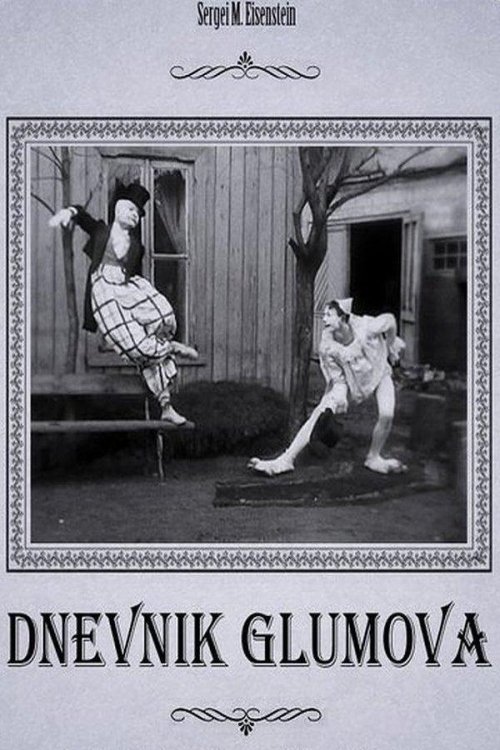
Filmic insert to Eisenstein's modernized, free adaptation of Ostrovskiy's 19th-century Russian stage play, "The Wise Man" ("Na vsyakogo mudretsa dovolno prostoty"). The anti-hero Glumov tries to escape exposure in the midst of acrobatics, derring-do, and farcical clowning. Several members of Eisenstein's troupe at the legendary "Proletkult" stage theatre in Moscow briefly appear in this little film.
 Movie5.3Documentary
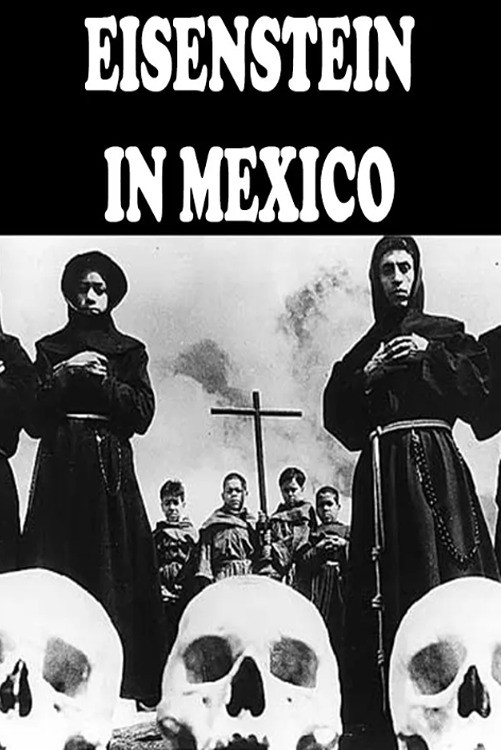
The story of Russian director Sergei M. Eisenstein in Mexico trying to film his unfinished ¡Que Viva Mexico! - Da zdravstvuyet Meksika! (1979).
Eisenstein in Mexico
1933 · 3 votes
 Movie10.0History
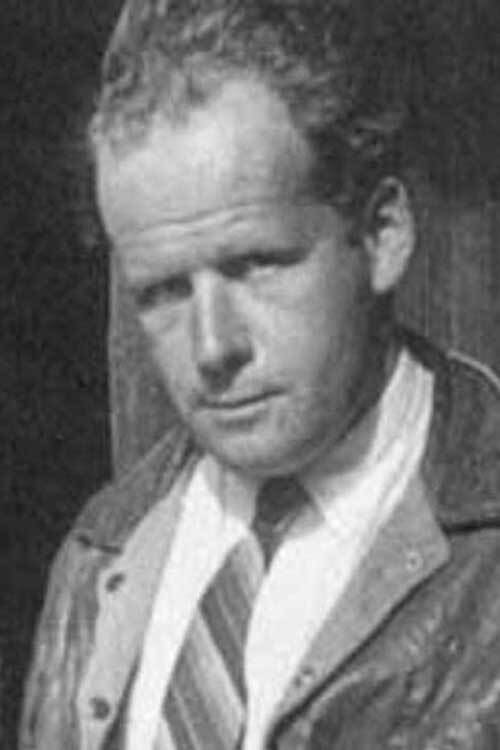
Inspired by the social changes that the Revolution brought to our country and the admiration he felt for Mexican art, the Russian filmmaker Sergei M. Eisenstein traveled to Mexico with the intention of filming a film mosaic that culminated in the most beautiful non-existent film. The details of this odyssey are exposed in this episode of the classic television series Those Who Made Our Cinema.
Eisenstein en México
1984 · 1 votes
 MovieDocumentary
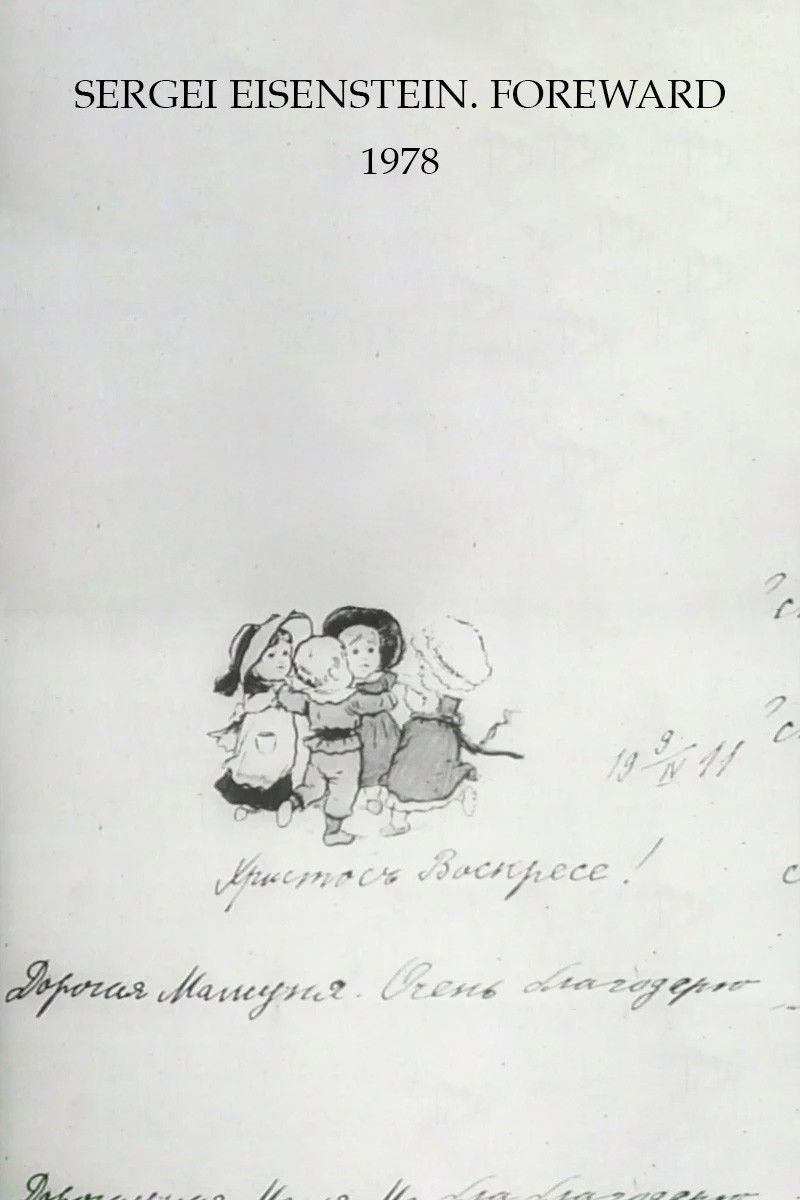
A documentary exploring the childhood of filmmaker Sergei Eisenstein in Riga, examining how the multicultural city and his early encounters with art shaped the future pioneer of Soviet cinema.
 Movie9.0Documentary
 MovieDocumentary
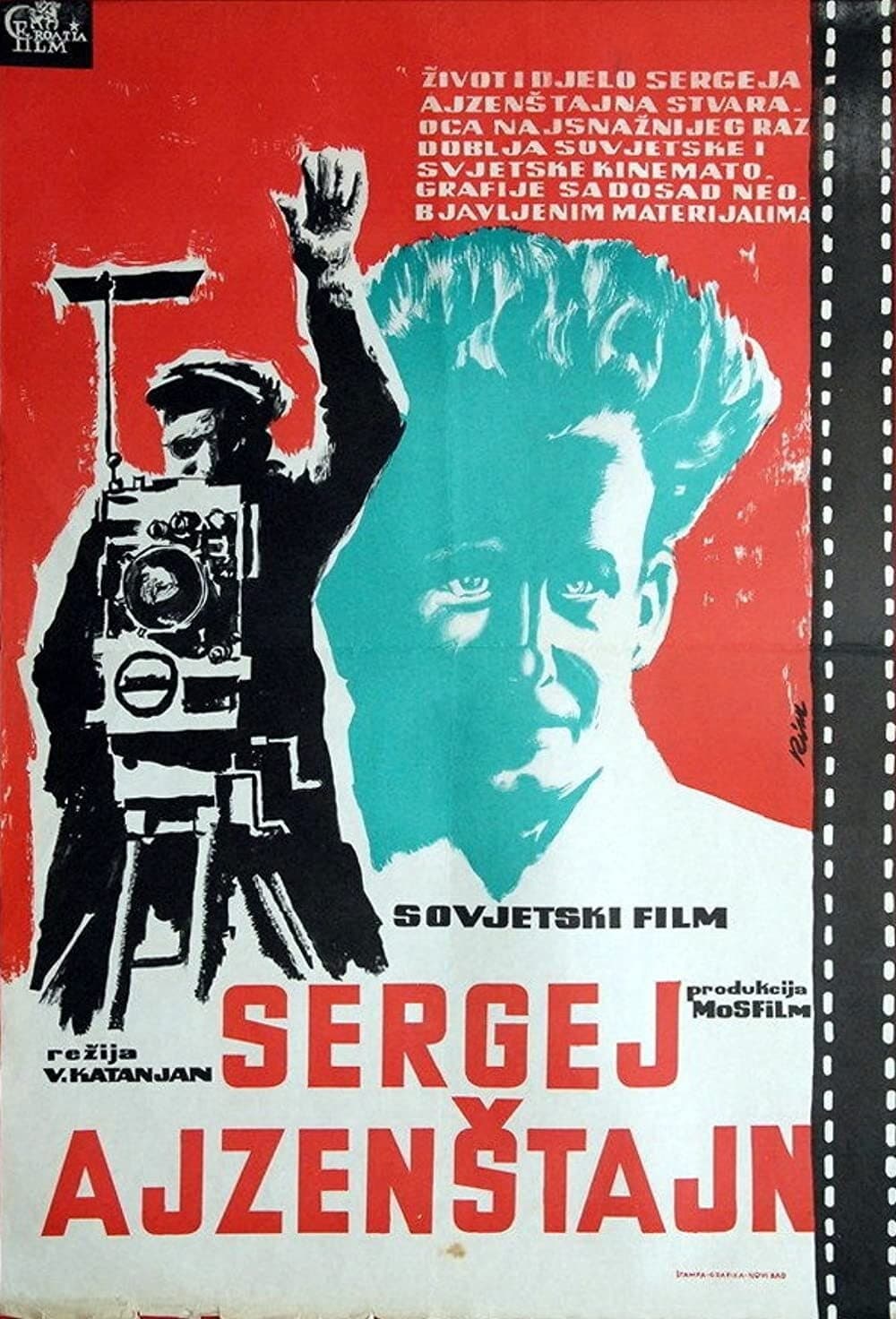
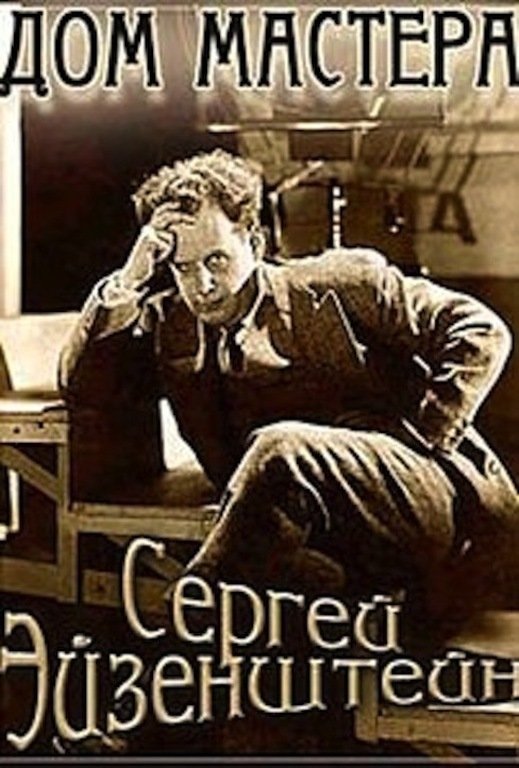
Documentary made for the 60th anniversary of Soviet director Sergei Eisenstein.
 Movie10.0Documentary
A documentary biography of Russia's greatest filmmaker.
- Movie7.0
Never completed by famed Russian director Sergei Eisenstein, the footage for his proposed feature QUÉ VIVA MÉXICO! was financed and preserved by husband-and-wife team Mary and Upton Sinclair. A series of Filmosound travelogues were constructed later by film editors William Kruse and Egon Mauthner.
The Conquering Cross
1 votes
- Movie10.0
Never completed by famed Russian director Sergei Eisenstein, the footage for his proposed feature QUÉ VIVA MÉXICO! was financed and preserved by husband-and-wife team Mary and Upton Sinclair. A series of Filmosound travelogues were constructed later by film editors William Kruse and Egon Mauthner.
Mexico Marches
1 votes