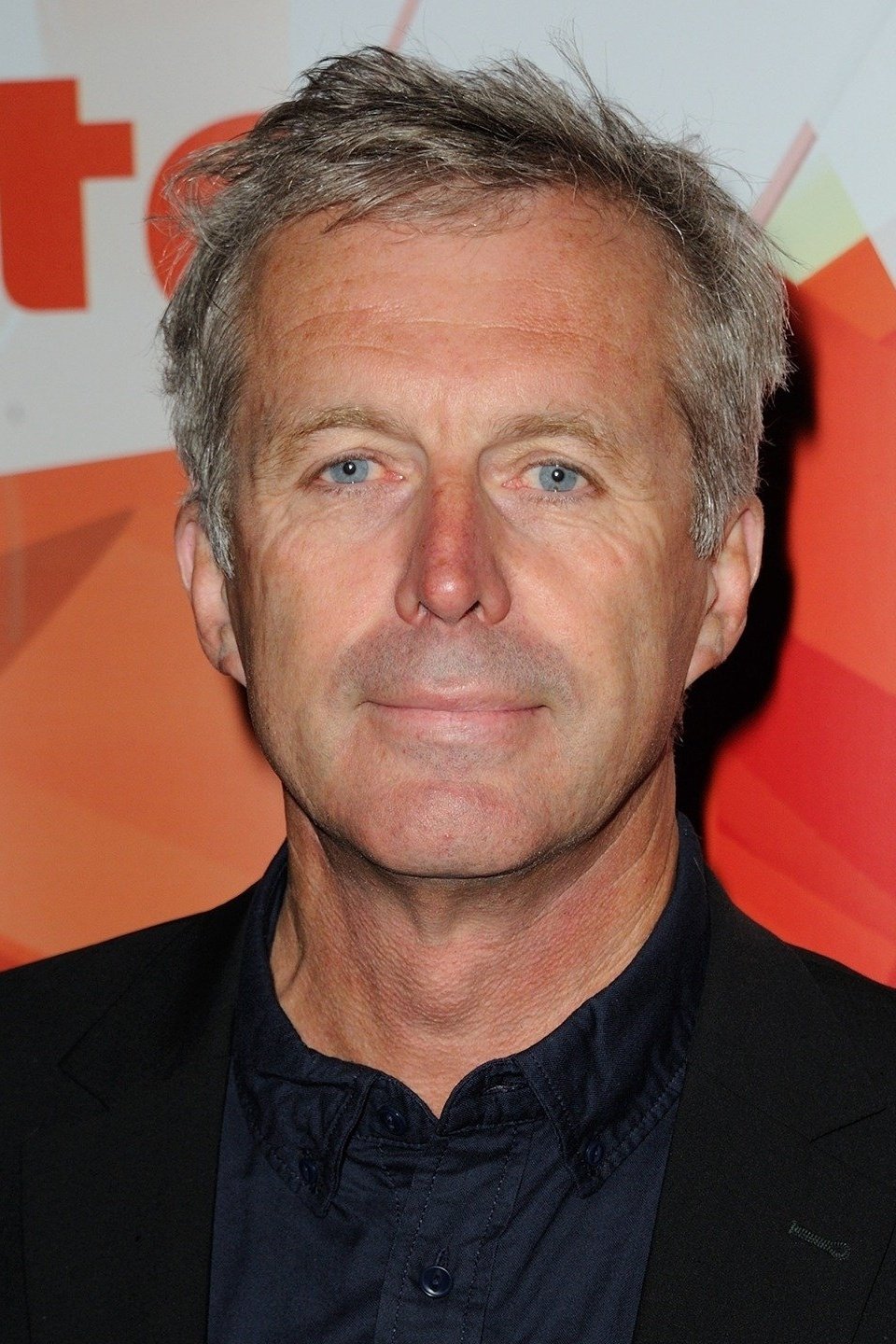
Bruno Dumont
Director · b. 1958 · Bailleul, France
From Wikipedia, the free encyclopedia. Bruno Dumont (born 1958, Bailleul, France) is a French film director. To date, he has directed ten feature films, all of which border somewhere between realistic drama and the avant-garde. His films have won several awards at the Cannes Film Festival. Two of Dumont's films have won the Grand Prix award: both L'Humanité (1999) and Flandres (2006). Dumont's Hadewijch won the 2009 Prize of the International Critics (FIPRESCI Prize) for Special Presentation at the Toronto Film Festival, and will be distributed in France in 2009, and by IFC in the U.S. in 2010. Dumont has a background of Greek and German (Western) philosophy, and of corporate video. His films often show the ugliness of extreme violence and provocative sexual behavior, and are usually classified as art films. Dumont has himself likened his films to visual arts, and he typically uses long takes, close-ups of people's bodies, and story lines involving extreme emotions. Dumont does not write traditional scripts for his films. Instead, he writes complete novels which are then the basis for his filmmaking. He says that some of his favorite filmmakers are Stanley Kubrick, Ingmar Bergman, Pier Paolo Pasolini, Roberto Rossellini, and Abbas Kiarostami. He is frequently considered an artistic heir to Robert Bresson. His work has been associated with the New French Extremity. His film Outside Satan premiered in the Un Certain Regard section at the 2011 Cannes Film Festival. Description above from the Wikipedia article Bruno Dumont, licensed under CC-BY-SA, full list of contributors on Wikipedia.
Movies5
 Movie7.0DocumentaryTV Movie
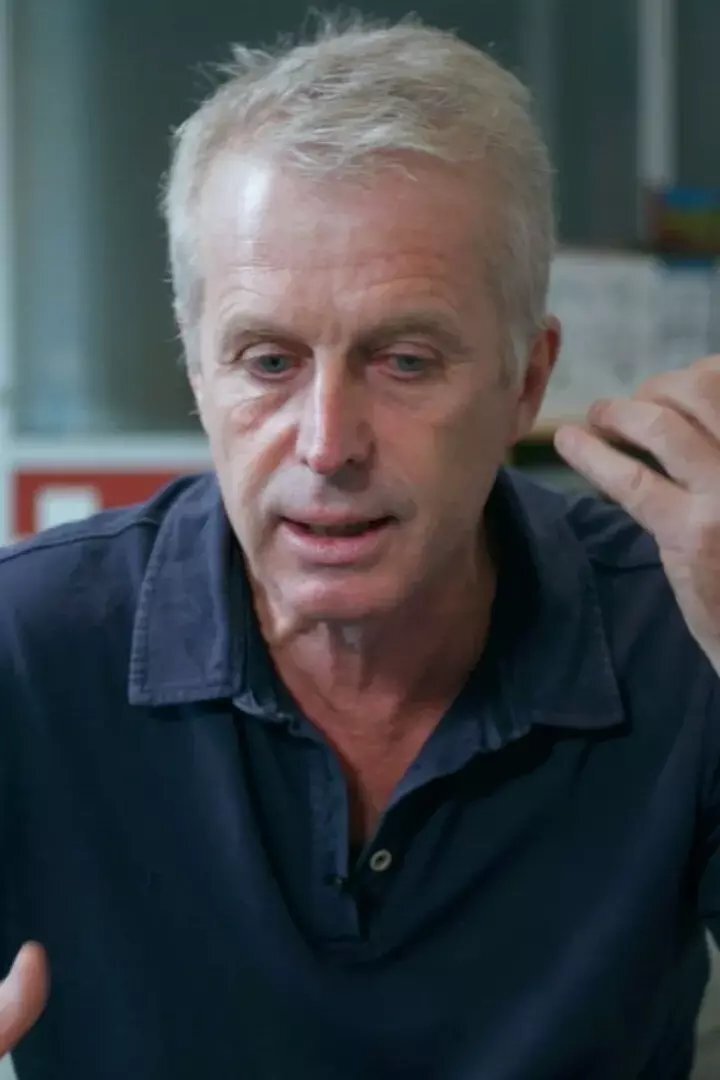
With his new film "France" now in theaters, we look back at Bruno Dumont's early films "La vie de Jésus," "Flandres," "L'humanité," "Hadewijch," and "Twentynine Palms," all available online. What does it mean to film the sacred? What are his influences? Why is the question of evil central to his cinema?
Conversation avec Bruno Dumont
2021 · 1 votes
 MovieDocumentary
 Movie4.5Documentary
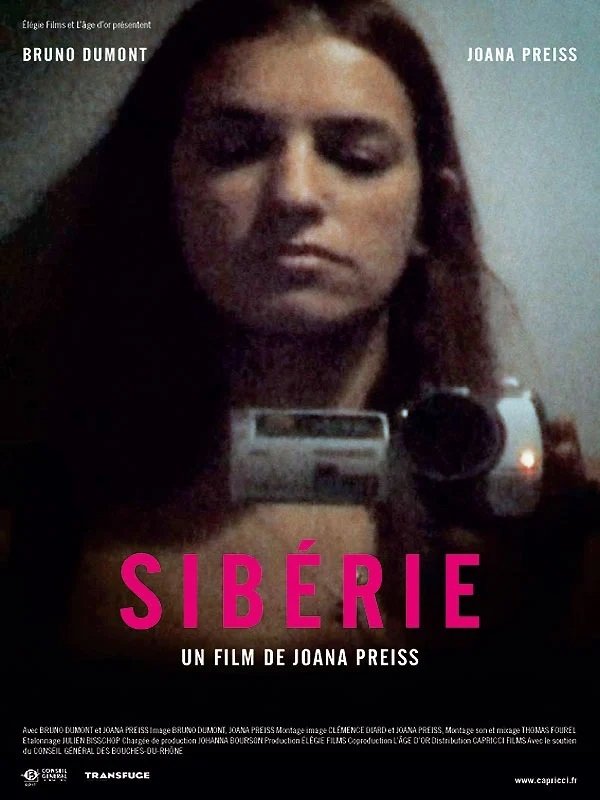
Filmed entirely by Preiss and her then lover, Dumont, mostly in the claustrophobia of a train car on the Trans-Siberian Railway, Siberia is an intense and raw observation of a relationship’s denouement. With unflinching honesty and a Direct Cinema approach, Preiss’s documentary is a fascinating psychological exploration of love, dependency, and the bounds of romantic privacy.
Sibérie
2012 · 2 votes
 Movie6.0Documentary
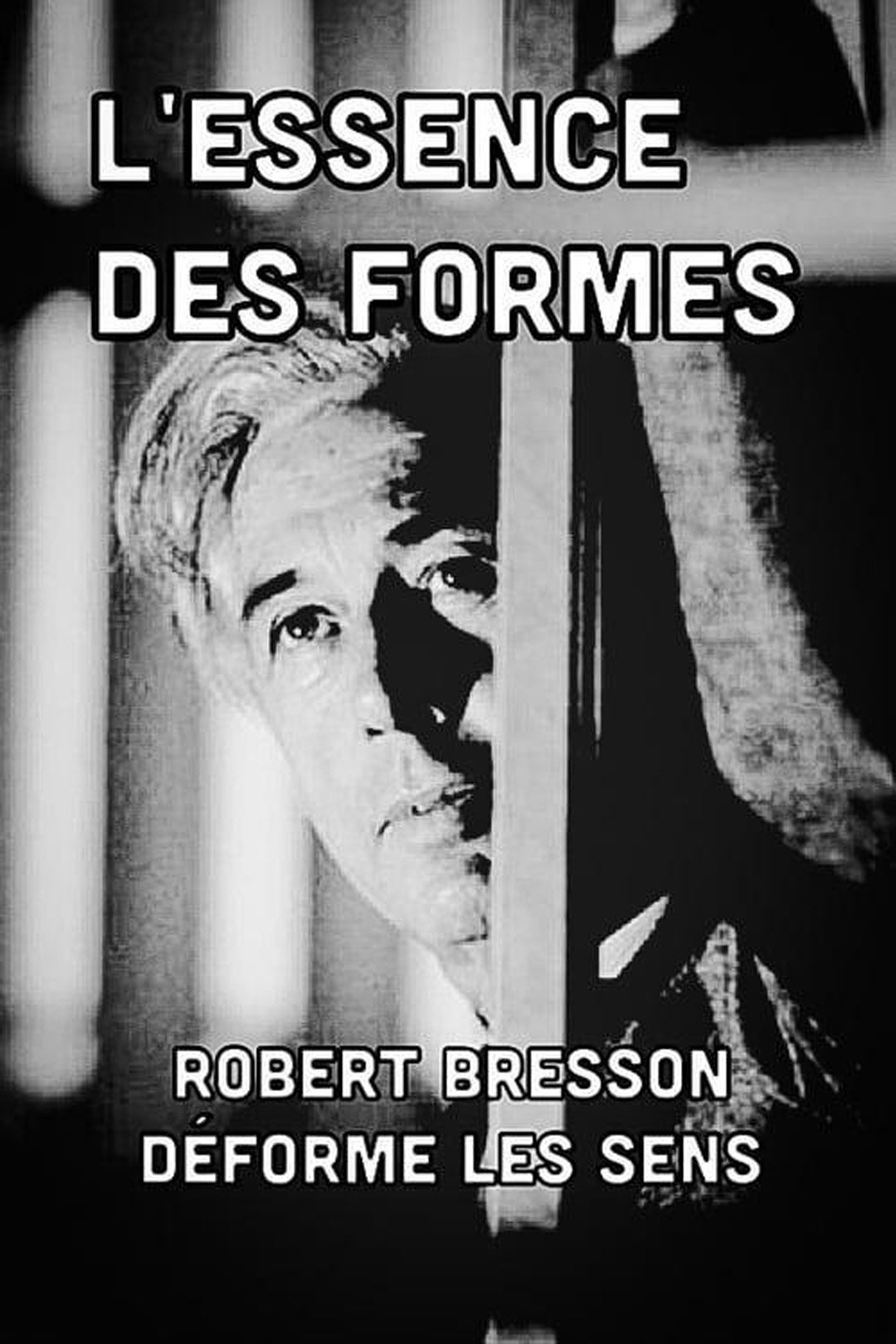
L'essence des formes (The Essence of Forms), a documentary from 2010 in which collaborators and admirers of Bresson’s, including actor François Leterrier and director Bruno Dumont, share their thoughts about the director and his work.
 MovieDocumentary
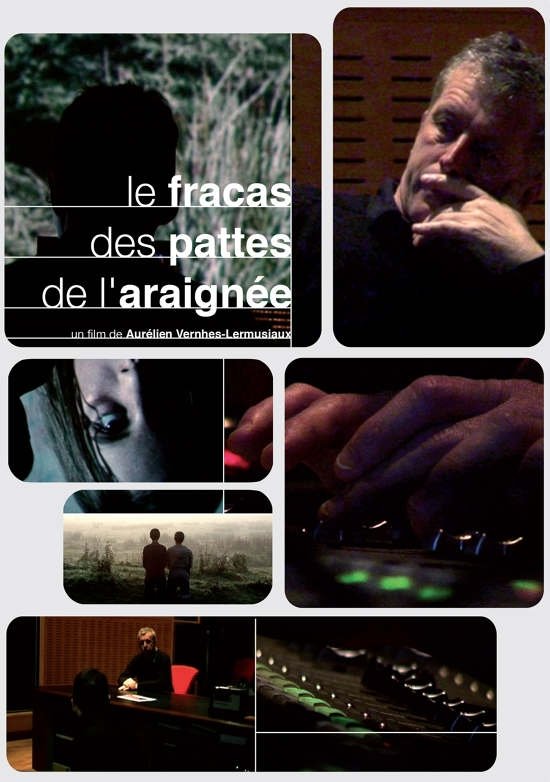
Emmanuel Croset is working by Bruno Dumont side mixing "Outside Satan". Throughout this crucial step of finalizing the movie, ideas and points of views are exchanged, confronted and mixed together. As a witness to this act of artistic creation beside this couple at work, "The Crash of the Legs of the Spider" seeks to uncover the stakes of Bruno Dumont's cinema.
Series1
 TVTalk Show
As long as there is cinema, LE CERCLE will be there. It is the only television program of critical debates 100% devoted to cinema. Each week, it offers fiery, joyful and non-condescending jousts on the films on the bill; and invites with "Le questionnaire du CERCLE" directors to come and share their passion for cinema.
Le Cercle
2005