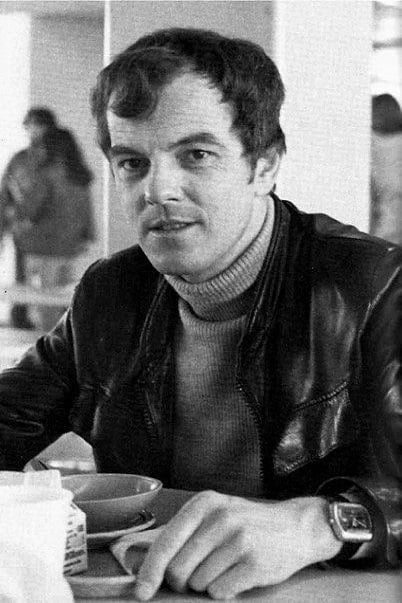
Peter Watkins
Director · 1935 – 2025 · Norbiton, Surrey, England, UK
Peter Watkins (29 October 1935 – 30 October 2025) was an English filmmaker, documentarian, writer and film theorist. He is known as a pioneer of the docudrama and the mockumentary genres, typically with heavy political content. His films present pacifist and radical ideas in a nontraditional style. He mainly concentrated his works and ideas around the mass media and viewers' relation/participation to a movie or television documentary. Nearly all of Watkins' films have used a combination of dramatic and documentary elements to dissect historical occurrences or possible near future events. The first of these, Culloden, portrayed the Jacobite uprising of 1745 in a documentary style, as if television reporters were interviewing the participants and accompanying them into battle; a similar device was used in his biographical film Edvard Munch. La Commune (Paris, 1871) reenacts the Paris Commune days using a large cast of French non-actors. In 2004 he also wrote a book, Media Crisis, an engaged essay about the media crisis, the monoform and, foremost, the lack of debate around the construction of new forms of audiovisual media. Description above from the Wikipedia article Peter Watkins, licensed under CC-BY-SA,full list of contributors on Wikipedia.
Movies9
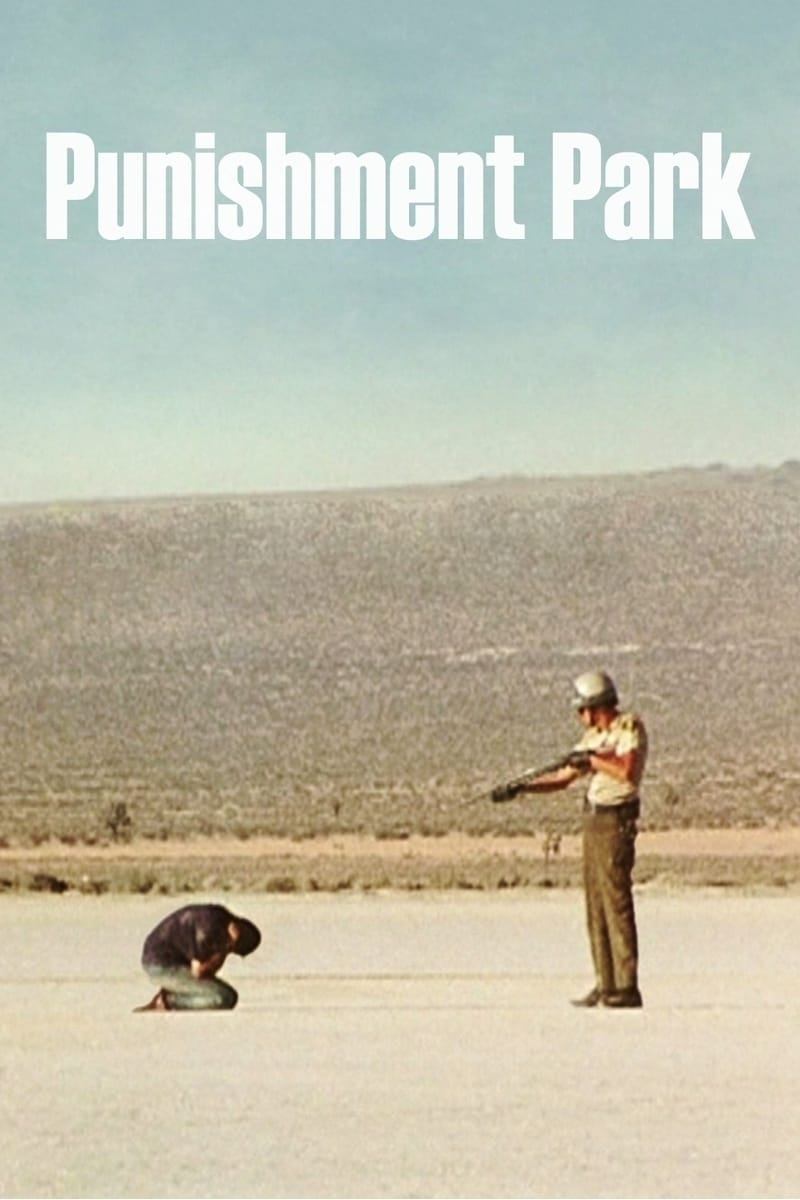 Movie7.3DramaThriller
In this fictional documentary, U.S. prisons are at capacity, and President Nixon declares a state of emergency. All new prisoners, most of whom are connected to the antiwar movement, are now given the choice of jail time or spending three days in Punishment Park, where they will be hunted for sport by federal authorities. The prisoners invariably choose the latter option, but learn that, between the desert heat and the brutal police officers, their chances of survival are slim.
Punishment Park
1971 · 219 votes
 Movie7.3TV MovieHistory
Edvard Munch's childhood is overshadowed by death: he suffers the loss of his sister and mother, while enduring serious illness himself, almost dying. At university, Munch discovers his talent as a painter. As he immerses himself in the art world, he becomes part of a cultural revolution led by the likes of nihilist Hans Jæger.
Edvard Munch
1974 · 80 votes
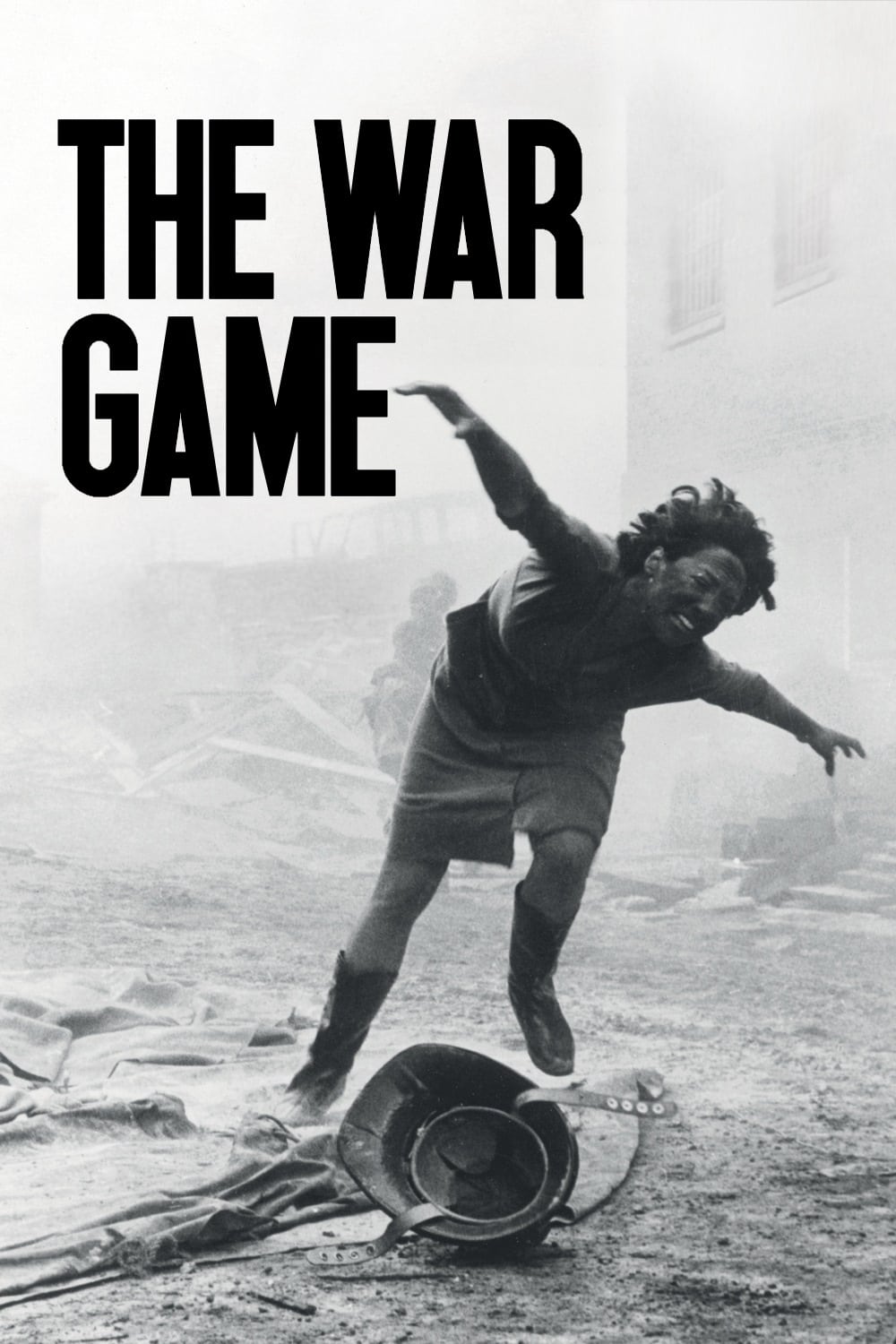 Movie7.7WarTV Movie
A hypothetical Chinese invasion of South Vietnam triggers a new world war between East and West. In Rochester, Kent, the anticipation of a nuclear attack leads to mass evacuations. When a stray missile explodes, the ensuing firestorm blinds all those who see it. It's not long before the fabric of society is ripped apart from radiation poisoning, a lack of infrastructure and rioting for food and other necessities.
The War Game
1966 · 195 votes
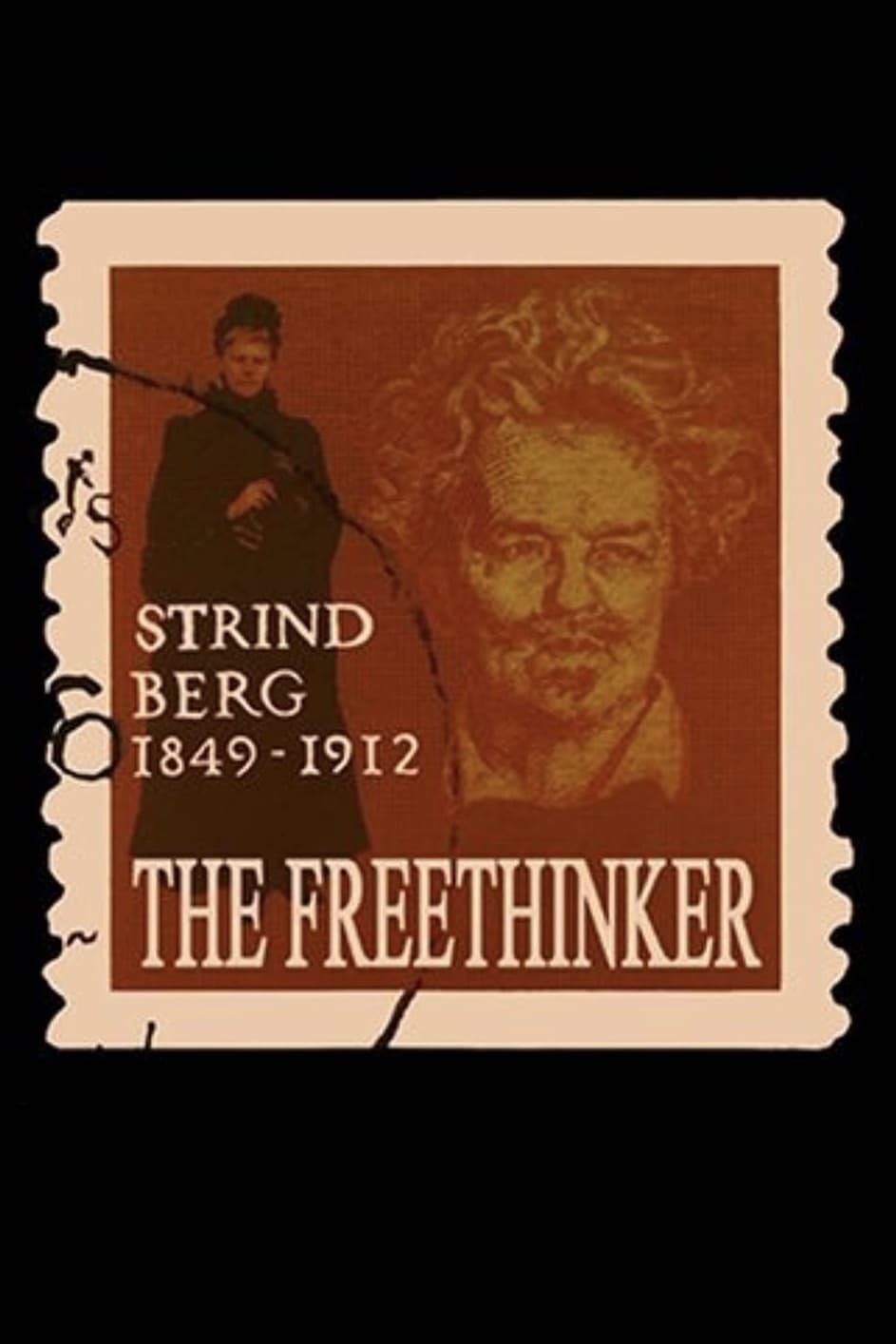 Movie7.1HistoryDrama
The film portrays the Swedish playwright, novelist, poet, essayist and painter August Strindberg's life 1849-1912. Through his extensive correspondence and literary production, from the supposed first work, the drama "The Free Thinker" (1869), to the posthumously published "The Occult Diary" (published 1977 ). But also his three wives, Siri von Essen, Frida Uhl and Harriet Bosse, and the children Karin, Greta and Hans are given space in the film. The unpublished first drama "The Free Thinker", depicts a young man forced to break with family and tradition to follow his conscience and ideals, becomes a prophecy about the author's own life.
- Movie8.0Documentary
Peter Watkins recounts the short-lived, happy period making his classic documentary Culloden and discusses, as he sees it, the tragic decline television has taken since it was made.
Making Reel History
2006 · 1 votes
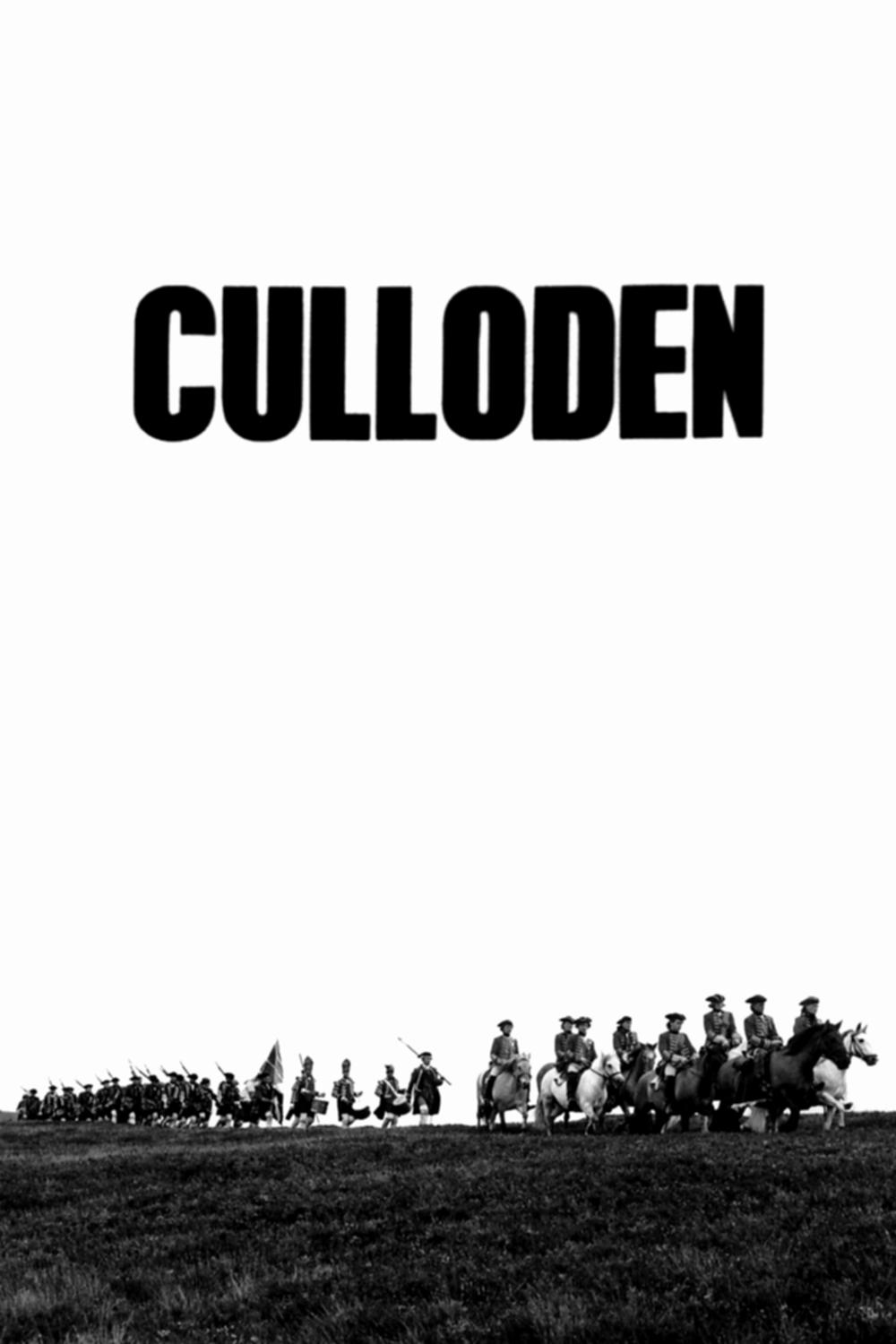 Movie7.4TV MovieWar
Culloden, Scottish Highlands, April 16th, 1746. It was one of the most mishandled and brutal battles ever fought in Great Britain. Its aftermath was tragic. The men responsible for such a disaster must be exposed. The men, women and children who suffered because of it must be remembered.
Culloden
1964 · 58 votes
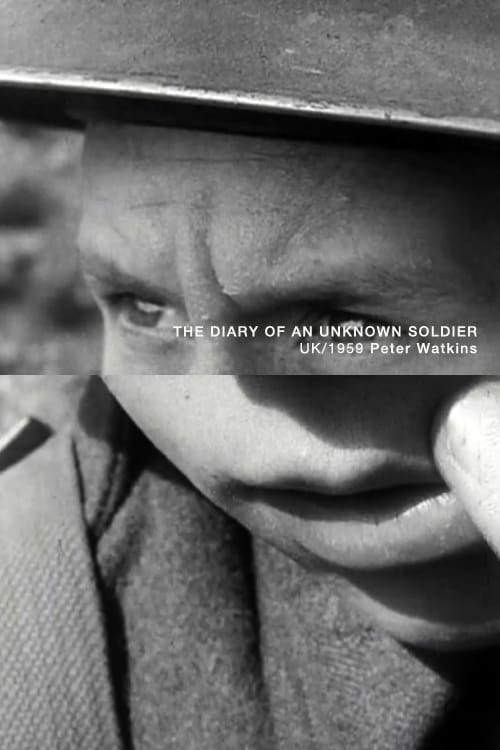 Movie6.5DocumentaryDrama
A short story narrated by an unknown British soldier who reveals his hopes, fears, and disillusionment while heading into battle against the German army.
The Diary of an Unknown Soldier
1959 · 20 votes
 Movie4.6Documentary
Peter Watkins' global look at the impact of military use of nuclear technology and people's perception of it, as well as a meditation on the inherent bias of the media, and documentaries themselves.
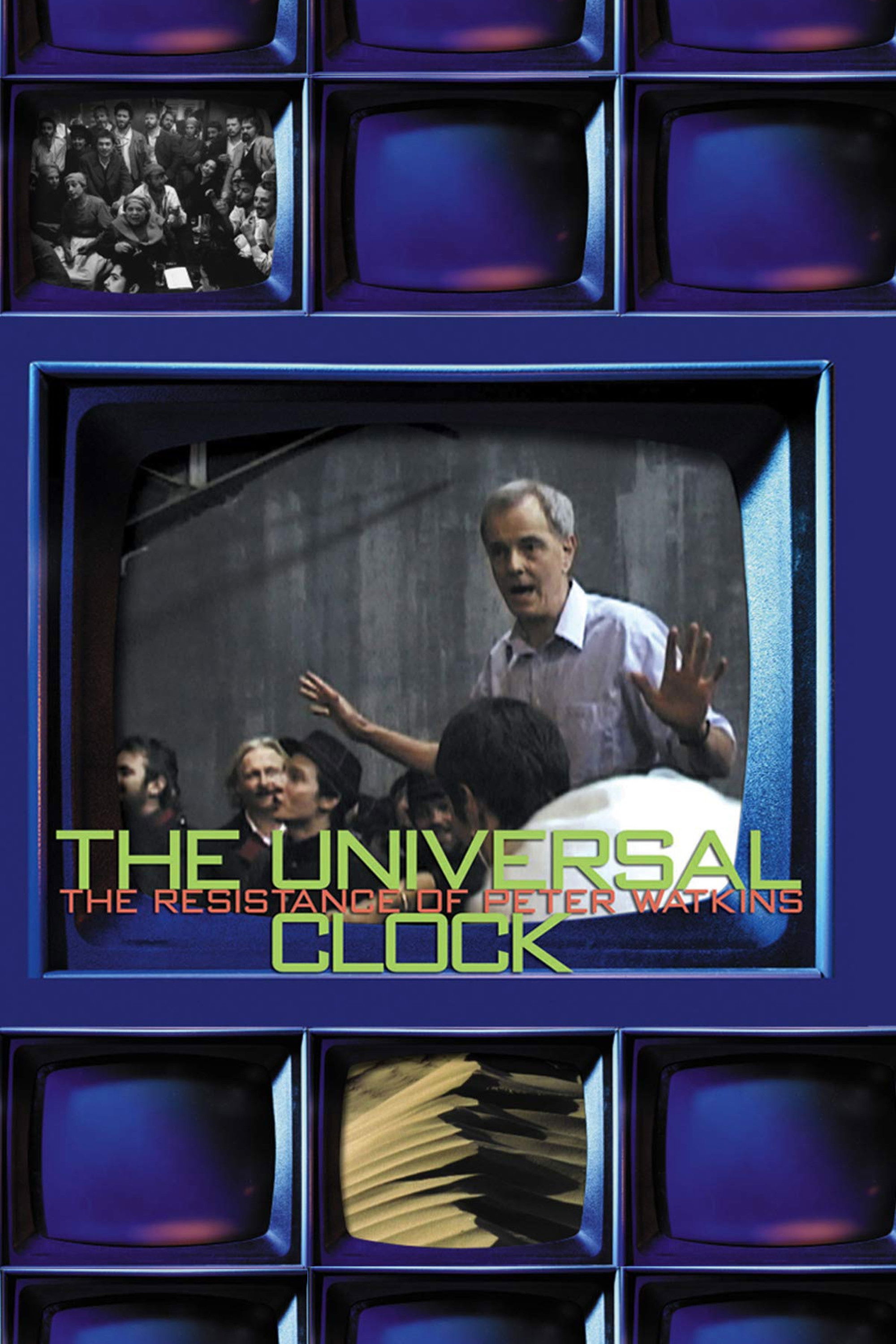 Movie6.4DocumentaryHistory
This feature documentary is a portrait of Peter Watkins, an Oscar®-winning British filmmaker who, for the past 4 decades, has proved that films can be made without compromise. With the proliferation of TV channels, documentaries are enjoying an unprecedented boom fuelled by audiences seeking an alternative to infotainment. But now documentary filmmaking, too, finds itself constrained by the imperatives of television. However, there is a rebel resisting this uniformity of the spirit. Pre-eminent among today's documentary filmmakers concerned about this mind-numbing standardization, Peter Watkins has never strayed from either his principles or the cause.
The Universal Clock: The Resistance of Peter Watkins
2001 · 7 votes
Series1
 TV5.0Documentary
Reflets de Cannes
1954 · 2 votes