
Virginia Bruce
Actor · 1910 – 1982 · Minneapolis, Minnesota, USA
From Wikipedia, the free encyclopedia Virginia Bruce (September 29, 1910 – February 24, 1982) was an American actress and singer. Born Helen Virginia Briggs in Minneapolis, Minnesota. In 1928, she moved with her family to Los Angeles intending to enroll in the University of California, Los Angeles when a friendly wager sent her seeking film work. She got it as an extra in Why Bring That Up?. In 1930 she appeared on Broadway in the musical Smiles, followed by America's Sweetheart in 1931. She returned to Hollywood in 1932, where on August 10, 1932, she married John Gilbert, her co-star in the film Downstairs. She retired briefly after the birth of their daughter Susan Ann Gilbert. The couple divorced in 1934, and Virginia returned to a hectic schedule of film appearances. Gilbert died two years later in 1936. Bruce introduced the Cole Porter standard "I've Got You Under My Skin" in the film Born to Dance and co-starred in the Metro-Goldwyn-Mayer musical The Great Ziegfeld. One of her final film appearances was in Strangers When We Meet. In 1949, Bruce starred in a daily 30-minute radio drama. Make Believe Town was an afternoon program on CBS. Bruce married her second husband, film director J. Walter Ruben, in 1937, making the Wallace Beery western The Bad Man of Brimstone with him that year. Together they had a son named Christopher (b. 1941), before Ruben's death in 1942. In 1946, Bruce married Ali Ipar. They divorced in 1951 in order for him to receive a commission in the Turkish Military (which forbade promotions of men married to foreigners), but remarried in 1952 before divorcing again in 1964. Bruce died of cancer on February 24, 1982, at the Motion Picture & Television Country House and Hospital in Woodland Hills, California. She was 71.
Movies24
 Movie6.3MusicDrama
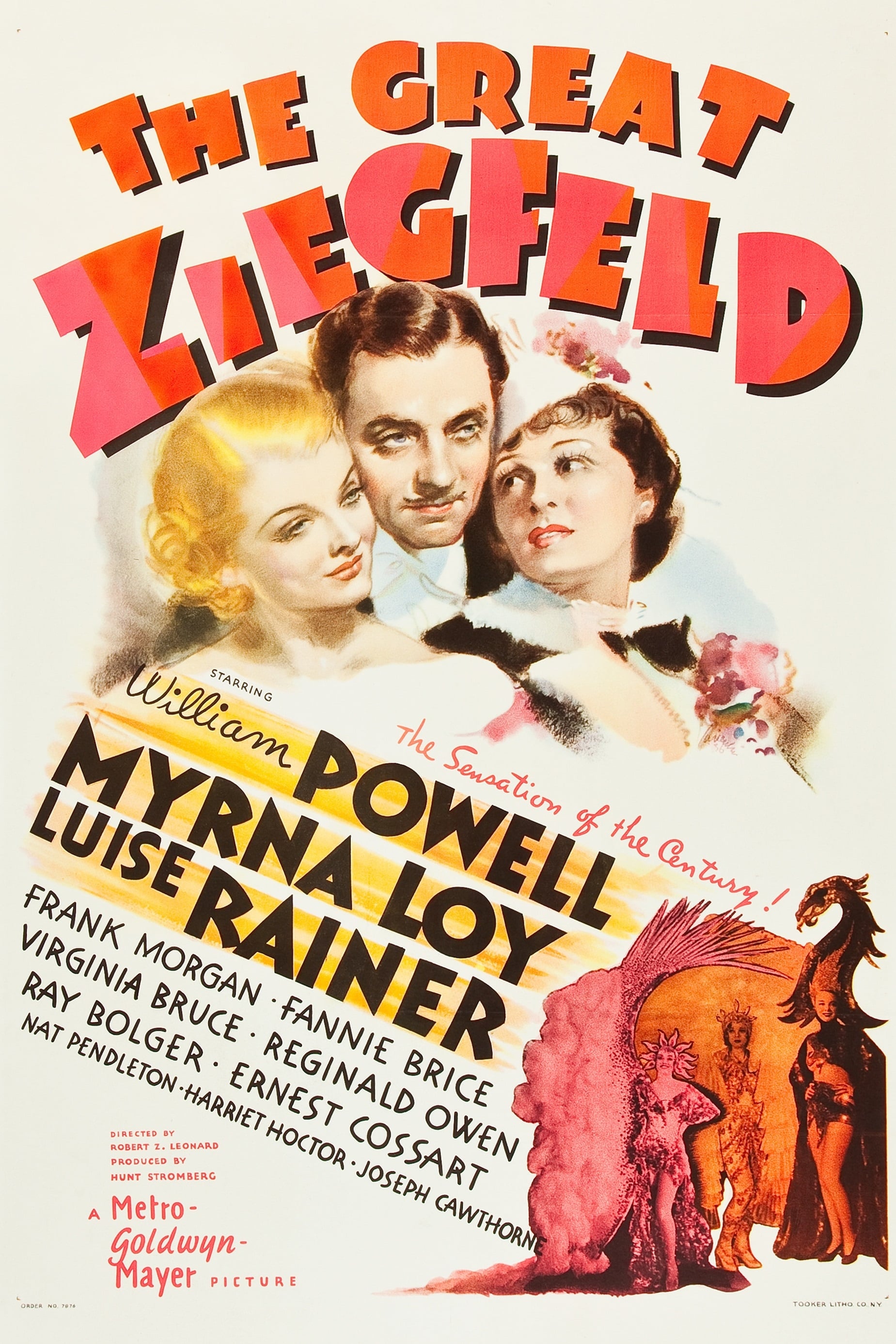
At the 1893 Chicago World's Fair, sideshow barker Florenz Ziegfeld turns the tables on his more-successful neighbor Billings, and also steals his girlfriend. This pattern repeats throughout their lives, as Ziegfeld makes and loses many fortunes putting on ever-bigger, more spectacular shows
The Great Ziegfeld
1936 · 148 votes
 Movie7.4DocumentaryFamily
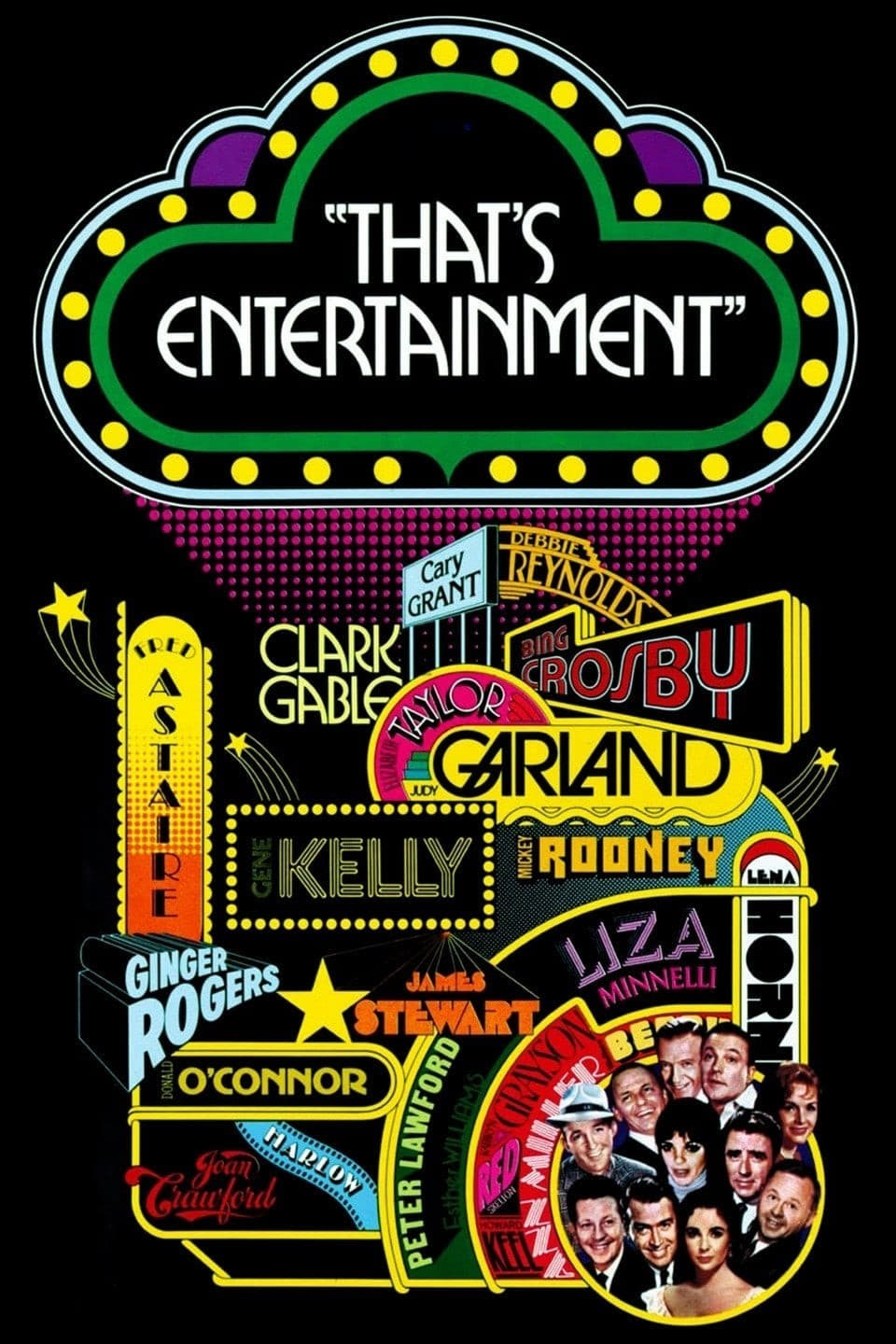
Various MGM stars from yesterday present their favorite musical moments from the studio's 50 year history.
That's Entertainment!
1974 · 72 votes
 Movie6.4RomanceDrama
A suburban architect loves his wife but is bored with his marriage and with his work, so he takes up with the neglected, married beauty who lives down the street.
Strangers When We Meet
1960 · 45 votes
 Movie6.9ThrillerMystery
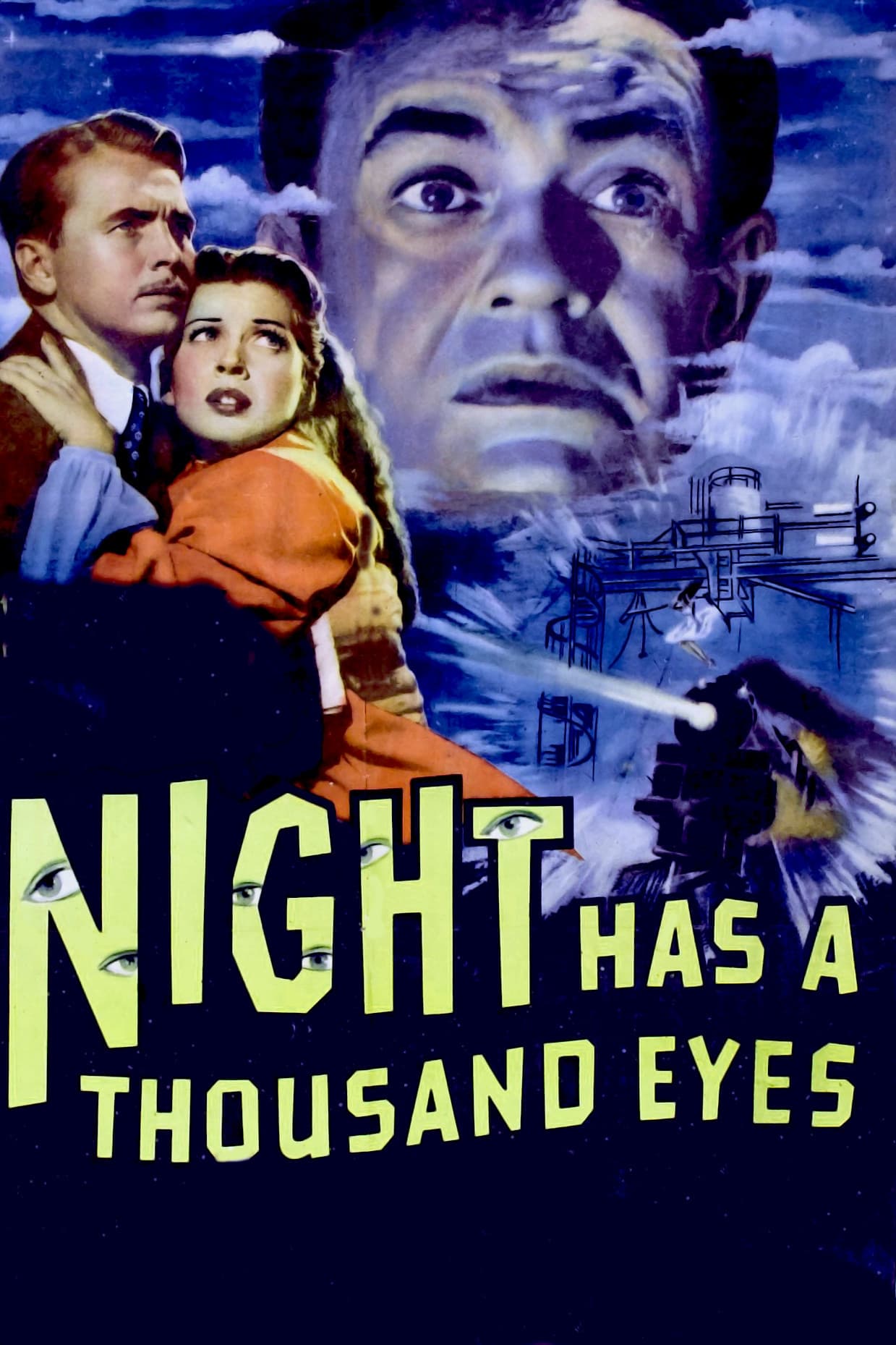
When heiress Jean Courtland attempts suicide, her fiancée Elliott Carson probes her relationship with John Triton. In flashback, we see how stage mentalist Triton starts having terrifying flashes of true precognition. Now years later, he desperately tries to prevent tragedies in the Courtland family.
Night Has a Thousand Eyes
1948 · 48 votes
 Movie5.7ComedyHorror
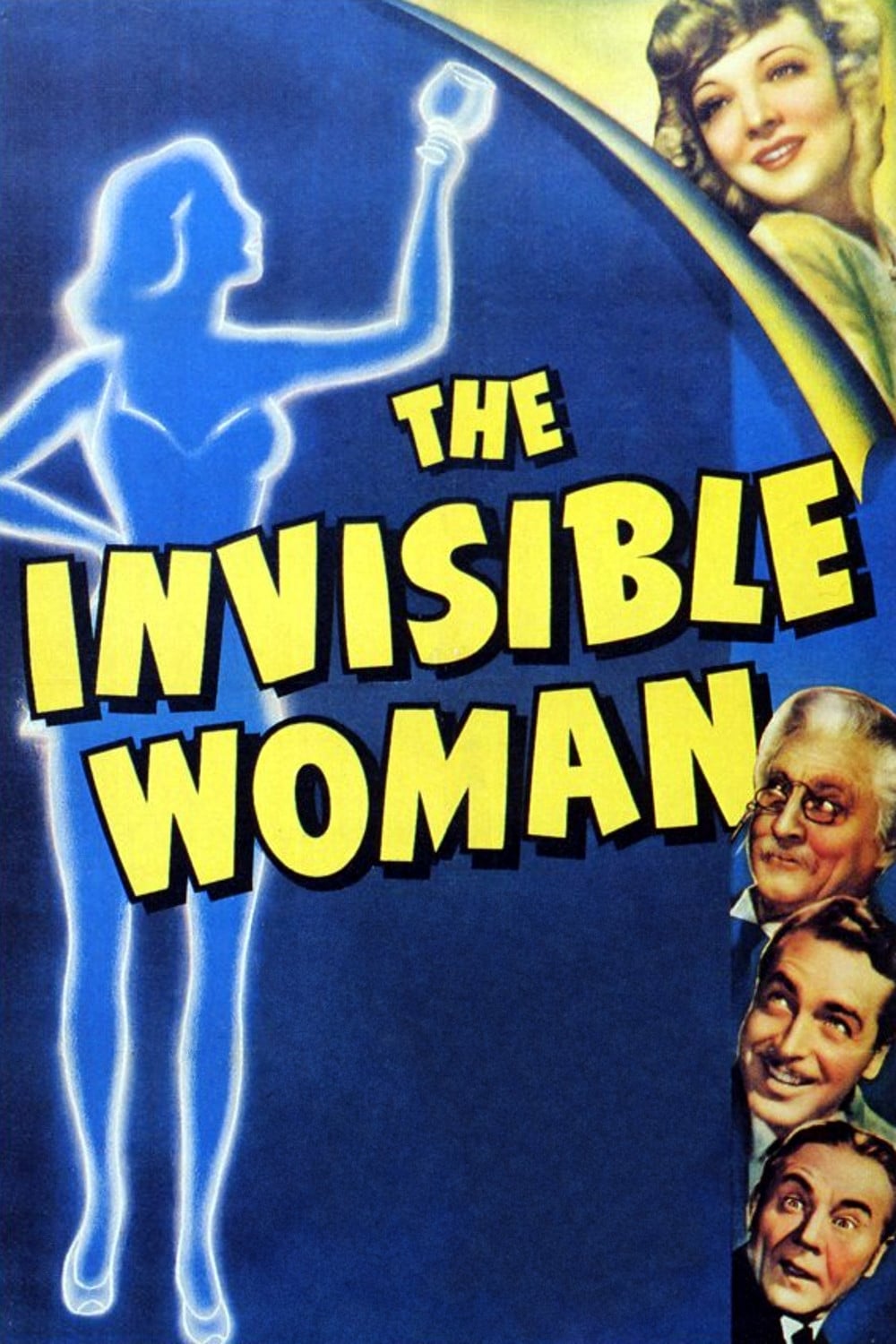
Kitty Carroll, an attractive store model, volunteers to become a test subject for a machine that will make her invisible so that she can use her invisibility to exact revenge on her ex-boss.
The Invisible Woman
1940 · 89 votes
 Movie6.3Documentary
This 1940 presentation features highlights of earlier (1928 onward) Oscar ceremonies including Shirley Temple and Walt Disney, plus acceptance speeches for films released in 1939 with recipients and presenters including Vivien Leigh, Judy Garland, Hattie McDaniel and more, with host Bob Hope.
Cavalcade of the Academy Awards
1940 · 3 votes
 Movie6.5Documentary
Documentary about James Stewart's long career as an actor and positive personal life.
James Stewart: A Wonderful Life
1987 · 2 votes
 Movie6.1ComedyMusic
On leave, a sailor falls in love with a young lady aspiring to become a Broadway dancer, but their relationship is jeopardized by an established Broadway star, who is also enamored by him.
Born to Dance
1936 · 31 votes
 Movie7.3Drama
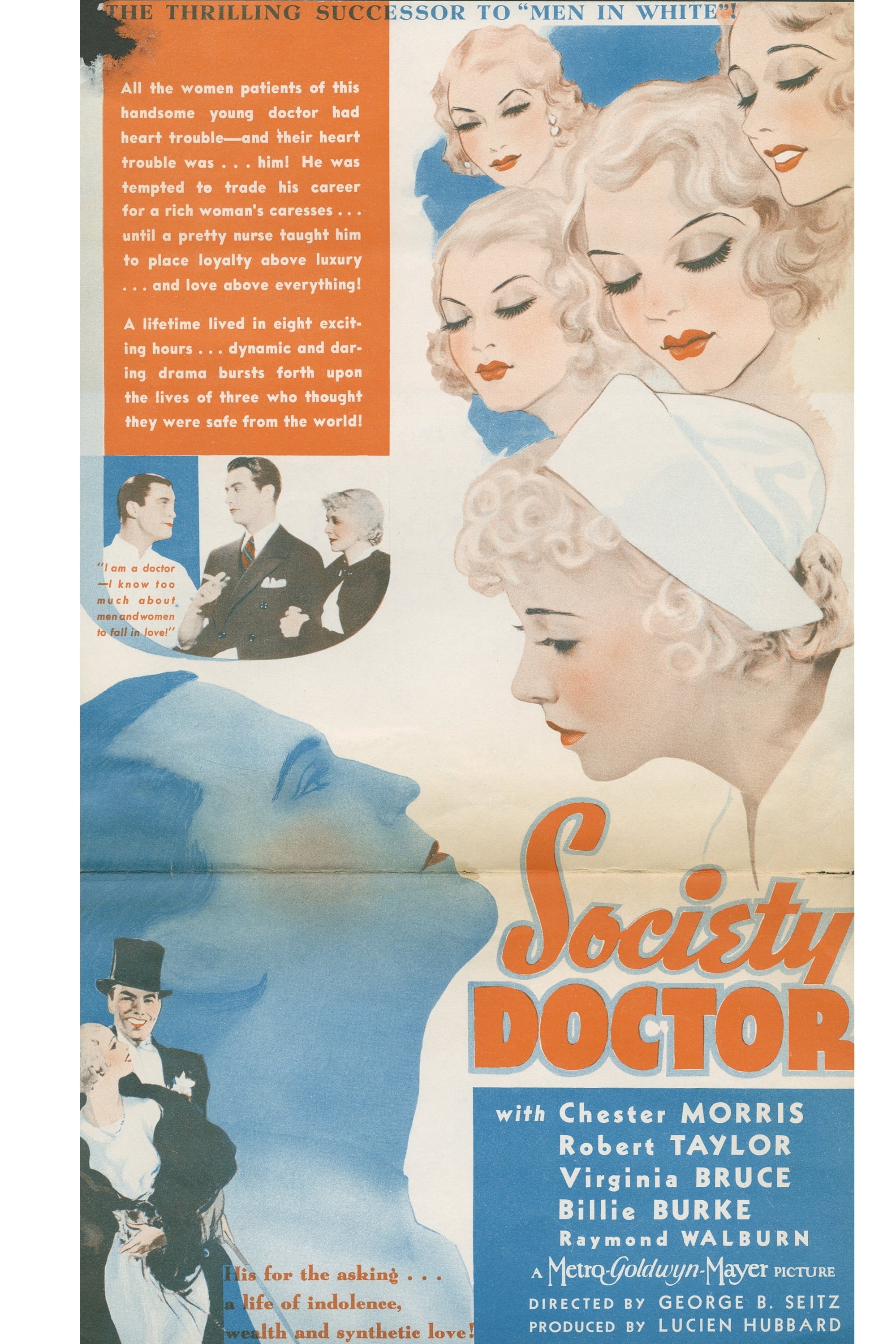
Two surgeons in love with a nurse end their rivalry in the operating room.
Society Doctor
1935 · 4 votes
 Movie7.0Documentary
This short shows how Hollywood gets ready for the world premiere of an "important" movie. The film celebrated here is Marie Antoinette (1938), which had its premiere at the Carthay Circle Theatre. We see the street leading to the theatre transformed to suggest a garden that might be seen in a French palace. This includes the placement of trees and other foliage, as well as large statues along the route. Grandstands are set up so fans can see their favorite stars as they arrive for the premiere. Finally, the proverbial "galaxy of stars" arrives in their limousines. Fanny Brice and Pete Smith make remarks at the microphone set up on the carpet outside the theatre.
Hollywood Goes to Town
1938 · 4 votes
 Movie6.2MusicComedy
Fay Wray plays a beautiful showgirl who falls for a rich Park Avenue guy played by Phillips Holmes. William Powell is a producer in love with Miss Wray, but he won't use his influence to take any advantage... as usual, he's a perfect gentleman.
Pointed Heels
1929 · 7 votes
 Movie7.3ComedyRomance
An heiress takes a job as a department store clerk.
There Goes My Heart
1938 · 15 votes
 Movie6.5Comedy
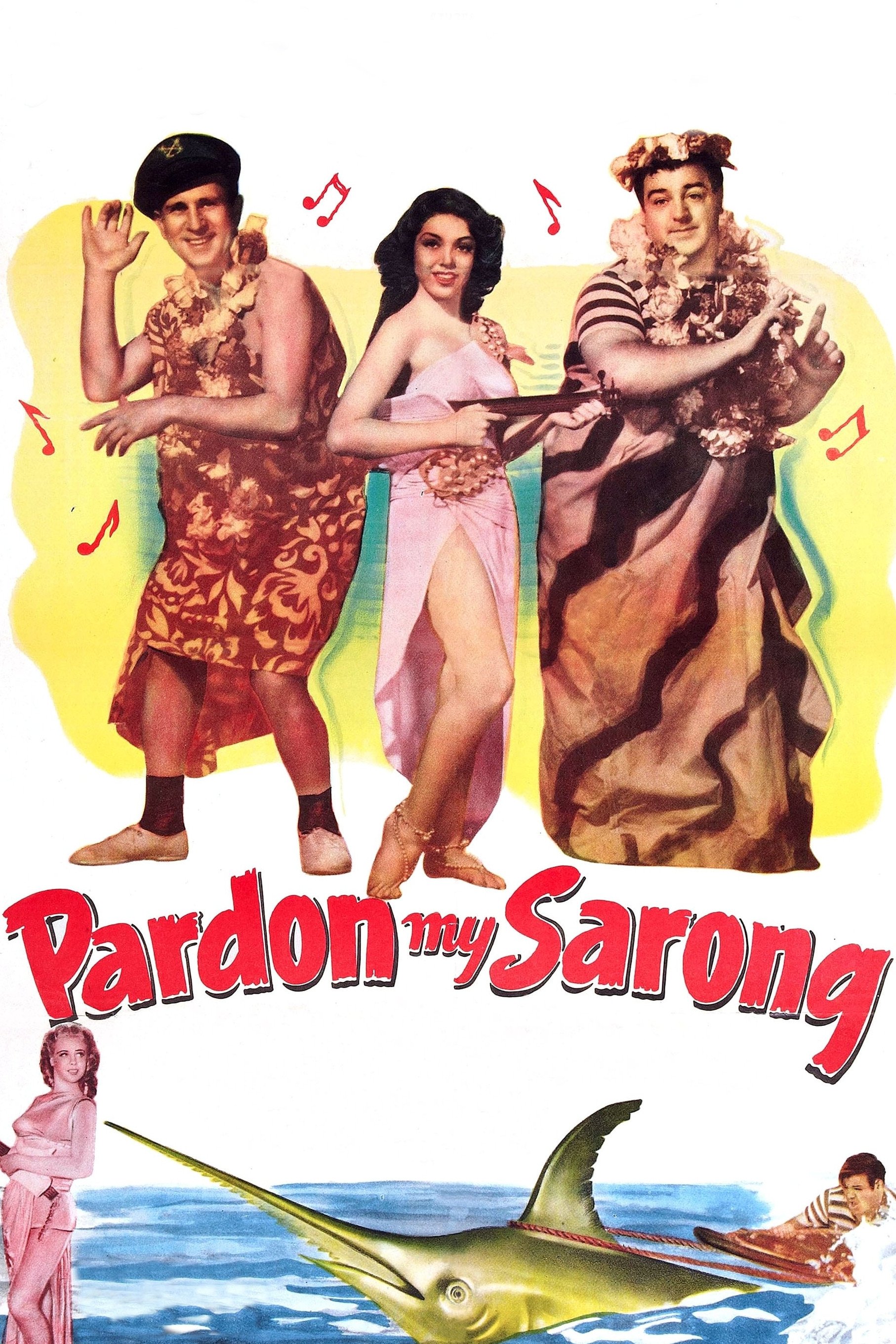
A pair of bus drivers accidentally steal their own bus. With the company issuing a warrant for their arrest, they tag along with a playboy on a boat trip that finds them on a tropical island, where a jewel thief has sinister plans for them.
Pardon My Sarong
1942 · 30 votes
 Movie6.3Documentary
A promotional short to hype the production of A Midsummer Night's Dream (1935).
A Dream Comes True
1935 · 4 votes
 Movie6.6ComedyRomance
The queen of mythical Sylvania marries a courtier, who finds his new life unsatisfying.
The Love Parade
1929 · 51 votes
 Movie7.1CrimeDrama
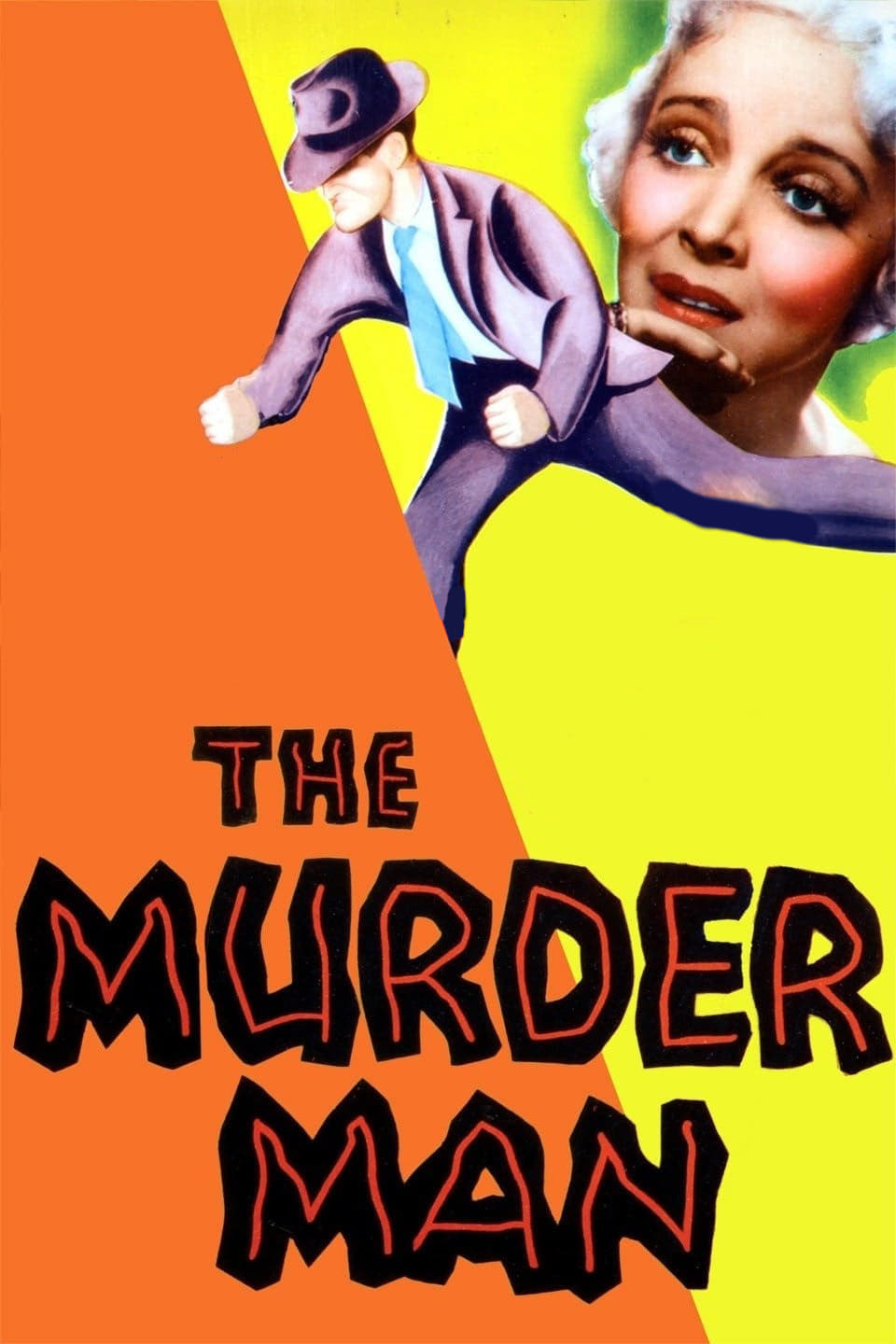
Steve Grey, reporter for the Daily Star, has a habit of scooping all the other papers in town. When Henry Mander is investigated for the murder of his shady business partner, Grey is one step ahead of the police to the extent that he often dictates his story in advance of its actual occurrence. He leads the police through an 'open and shut' case resulting in Mander being tried, convicted and sentenced to death. Columnist Mary Shannon is in love with Steve but she sees him struggle greatly with his last story before Mander's execution. When she starts typing out the story from his recorded dictation, she realizes why.
The Murder Man
1935 · 16 votes
 Movie5.7RomanceDrama
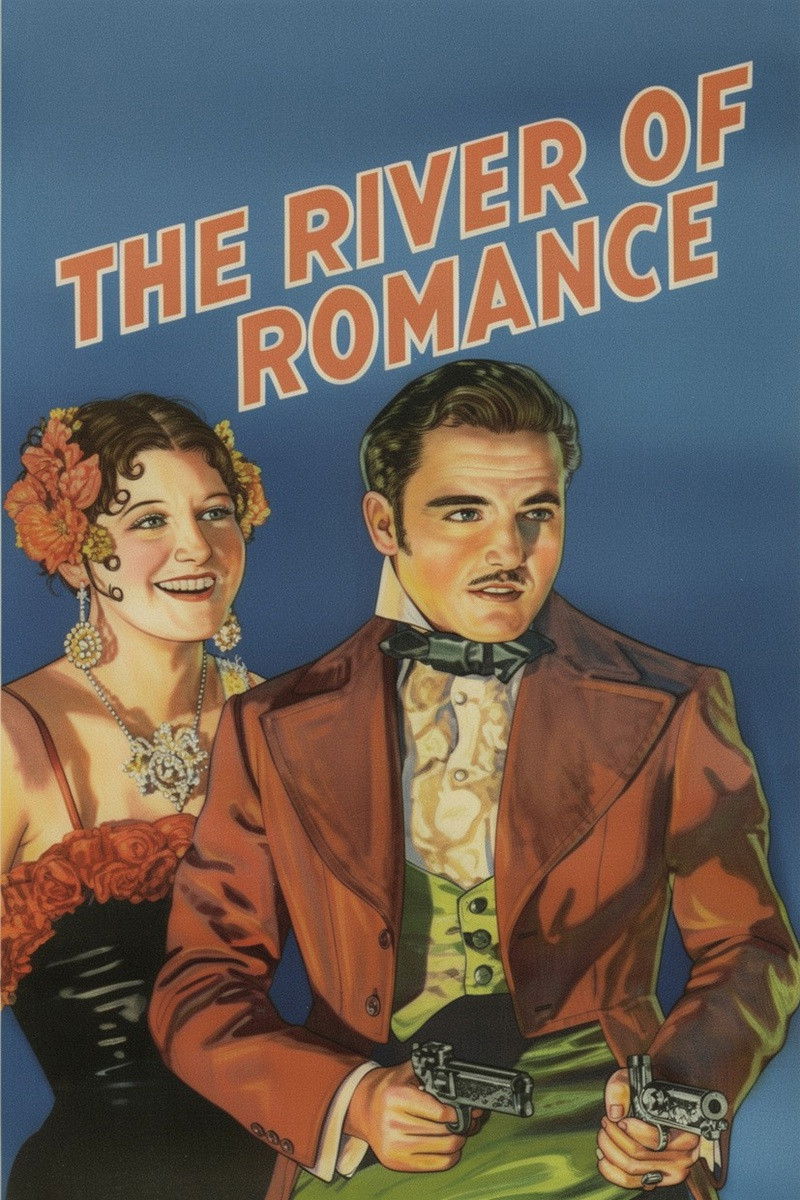
Mississippi, 1830's. Tom Rumsford comes back to Magnolia Landing, his parents'estate. Having been brought up in the North by Quaker relatives, he just hates violence and accordingly refuses a duel. As this is the only way in the South to settle a dispute between gentlemen, Tom's father is so infuriated by his behavior that Tom has no other choice but leave. Away from Magnolia Landing, Tom learns bravery and returns seven years later as "the notorious Colonel Blake", the terror of the Lower Mississippi.
The River of Romance
1929 · 3 votes
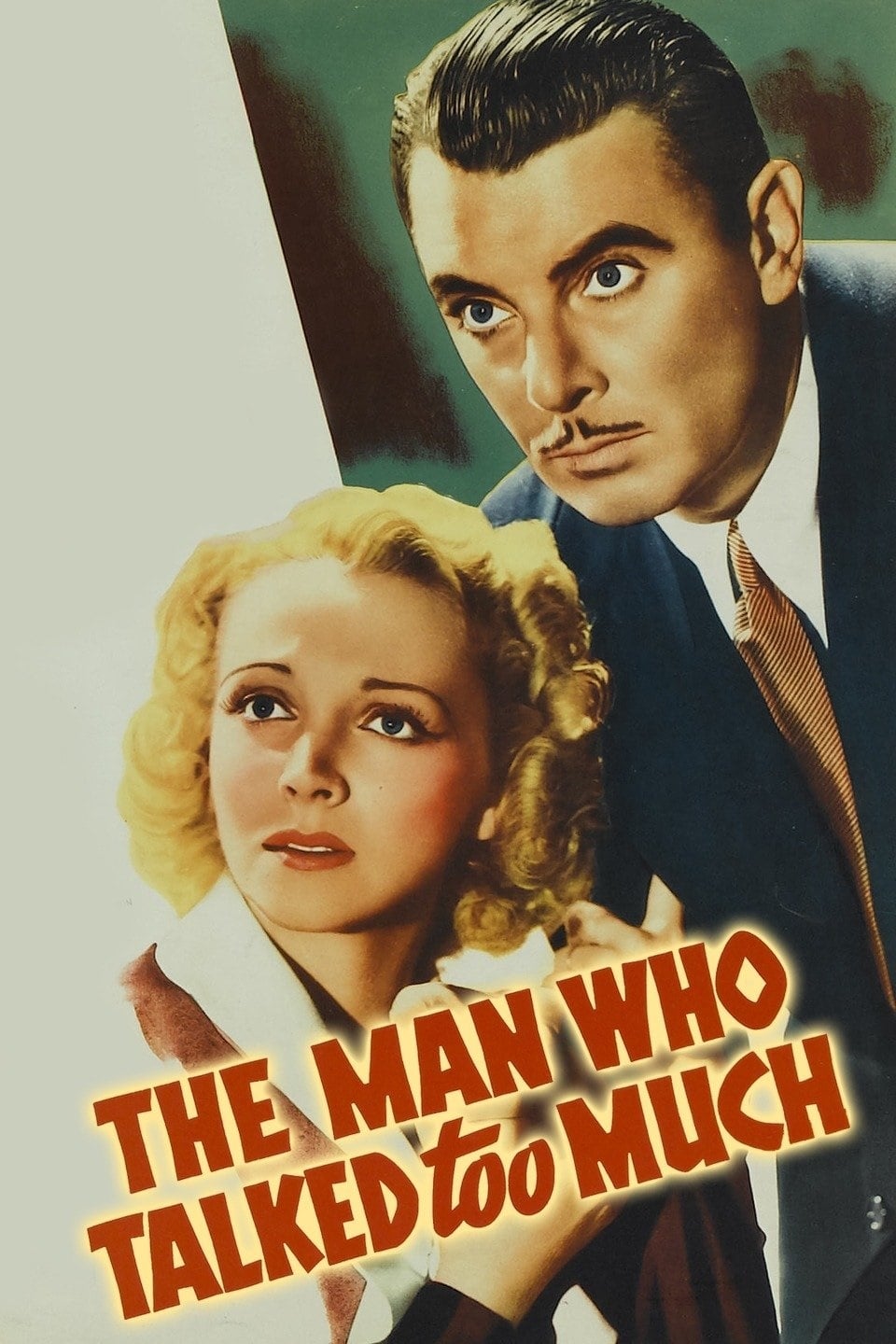 Movie6.4Drama
A young law graduate joins his older brother's legal practice, only to discover the firm's clients are mostly mobsters.
The Man Who Talked Too Much
1940 · 5 votes
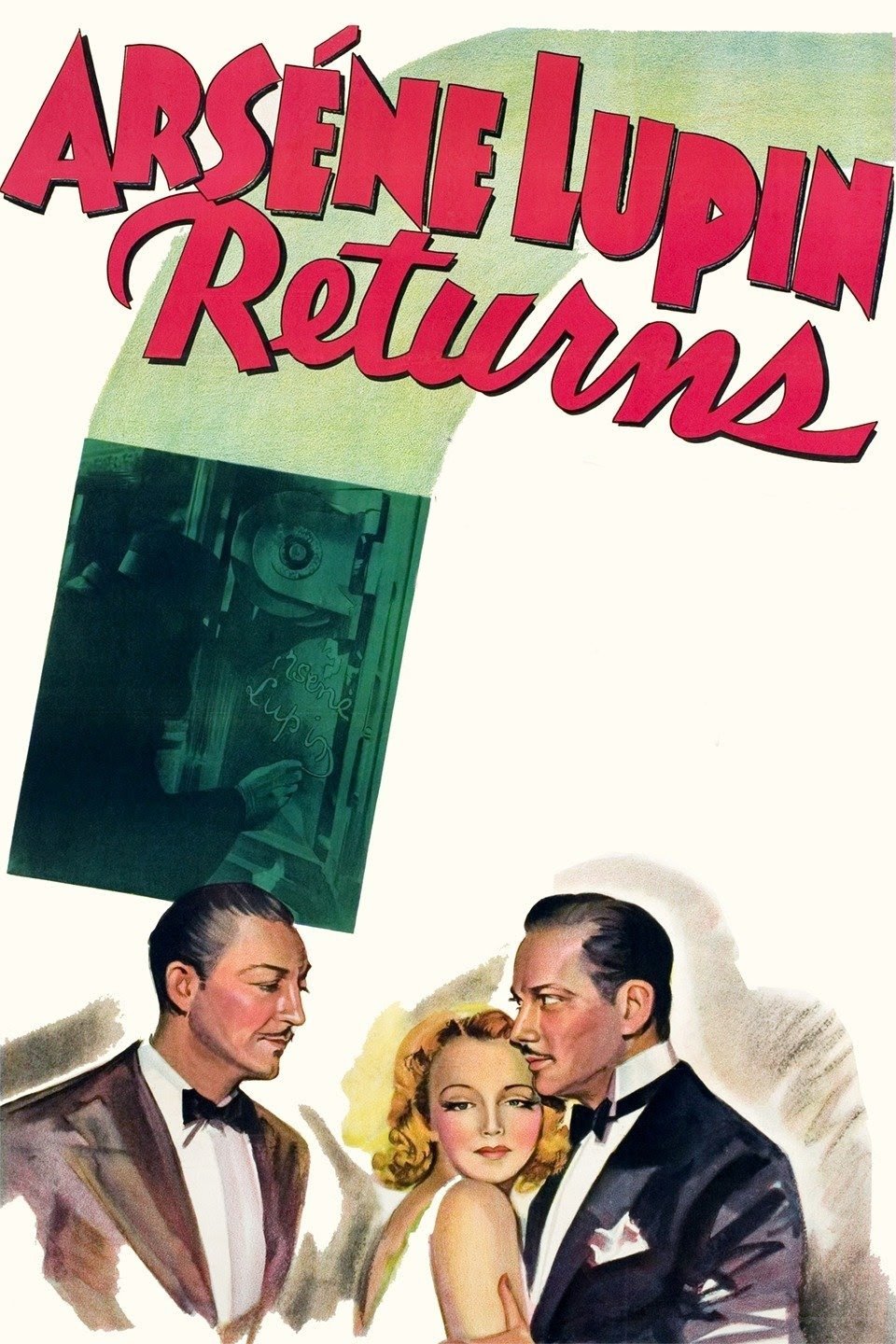 Movie6.3Mystery
A woman and a man vying for a woman's affection: the usual love trio? Not quite so since the belle in question is Lorraine de Grissac, a very wealthy and alluring society woman, while one of the two rivals is none other than Arsène Lupin, the notorious jewel thief everybody thought dead, now living under the assumed name of René Farrand. As for the other suitor he is an American, a former F.B.I. sleuth turned private eye by the name of Steve Emerson. Steve not only suspects Farrand of being Lupin but when someone attempts to steal a precious emerald necklace from Lorraine's uncle, Count de Brissac, he is persuaded Lupin is the culprit. Is Emerson right or wrong? Which of the two men will win over Lorraine's heart?
Arsène Lupin Returns
1938 · 8 votes
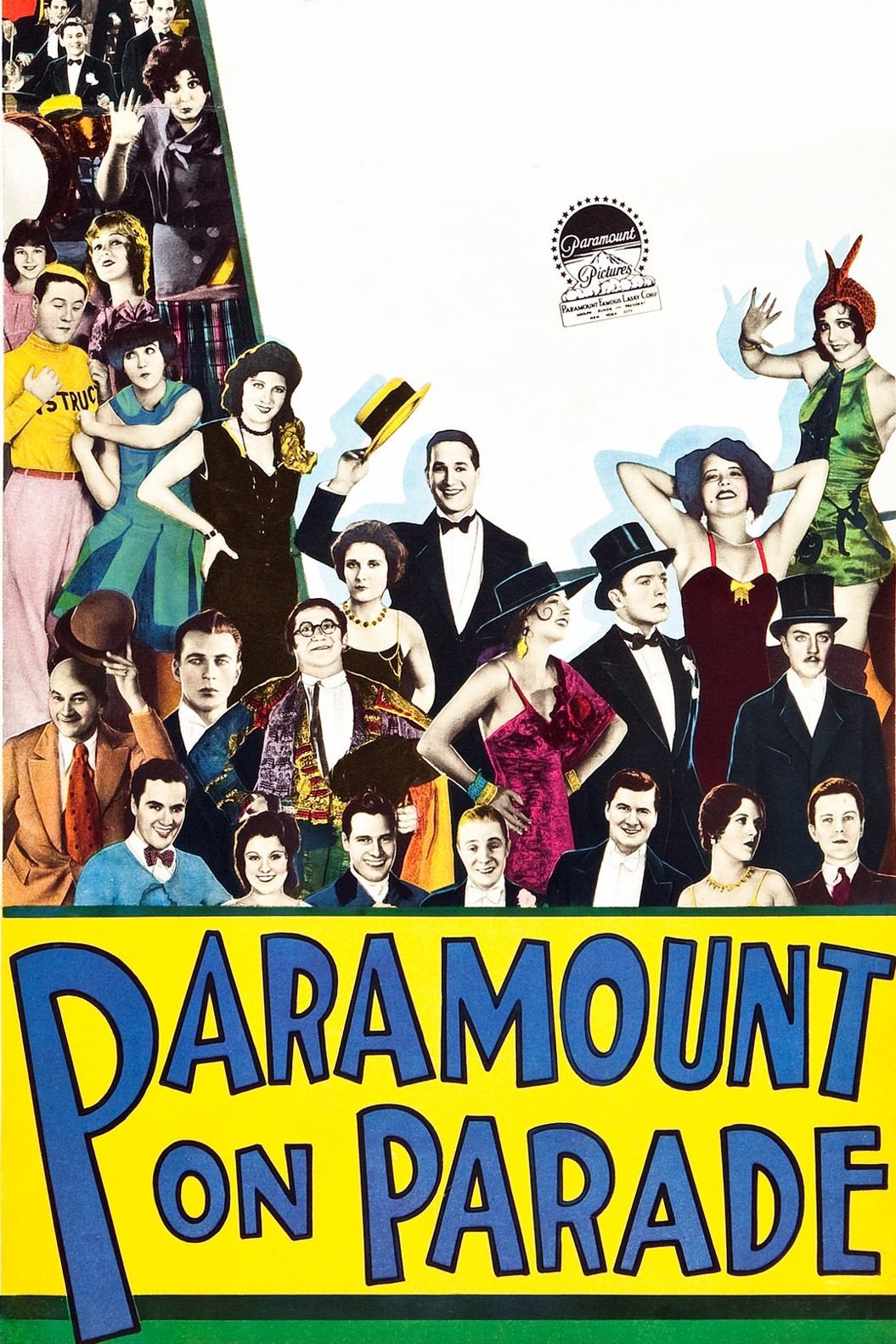 Movie5.9MusicComedy
This 1930 film, a collection of songs and sketches showcasing Paramount Studios' contract stars, credits 11 directors
Paramount on Parade
1930 · 10 votes
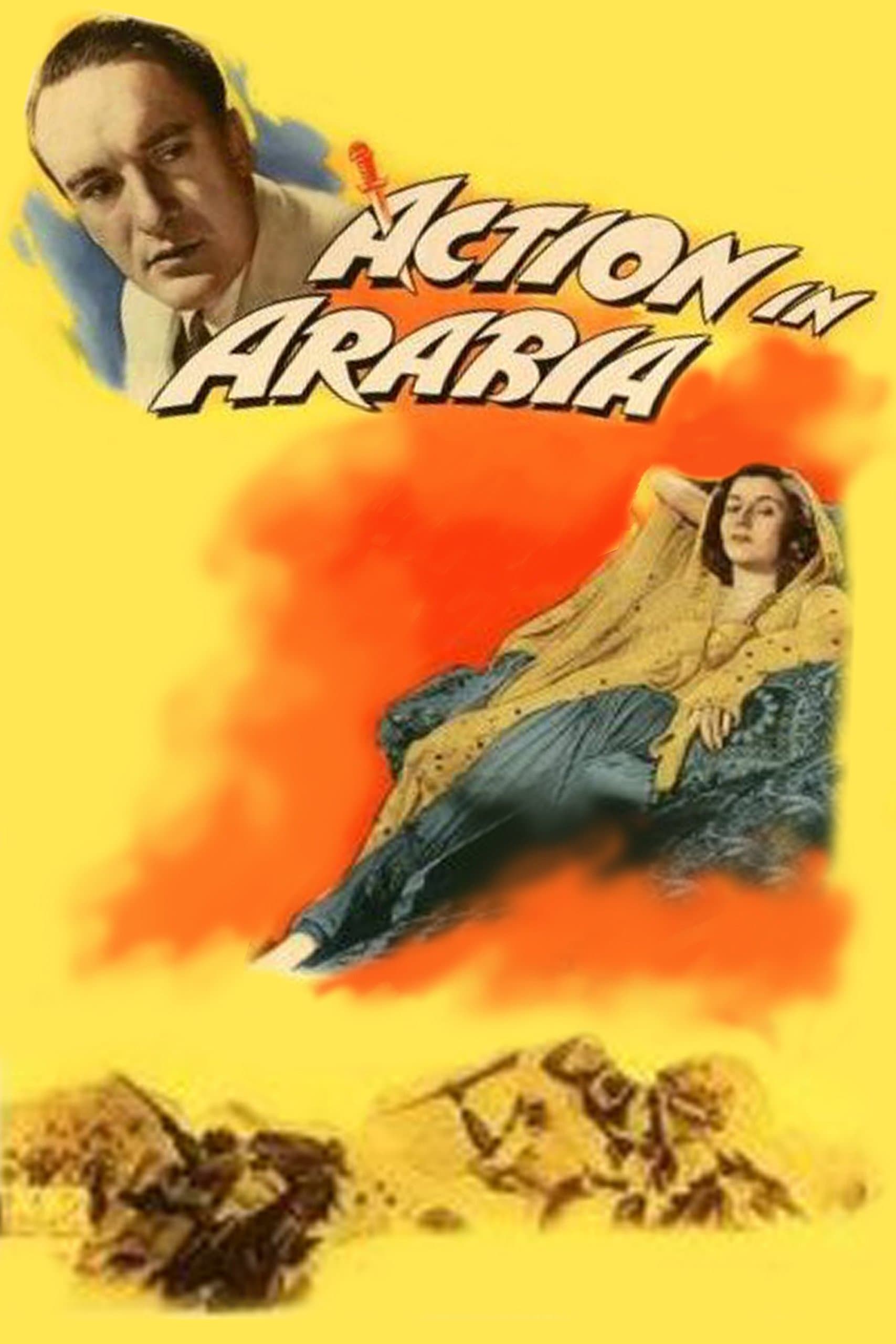 Movie6.0DramaThriller
Reporter Michael Gordon uncovers intrigue in Damascus, where the Allies and Nazis struggle for control of Arab sympathies.
Action in Arabia
1944 · 12 votes
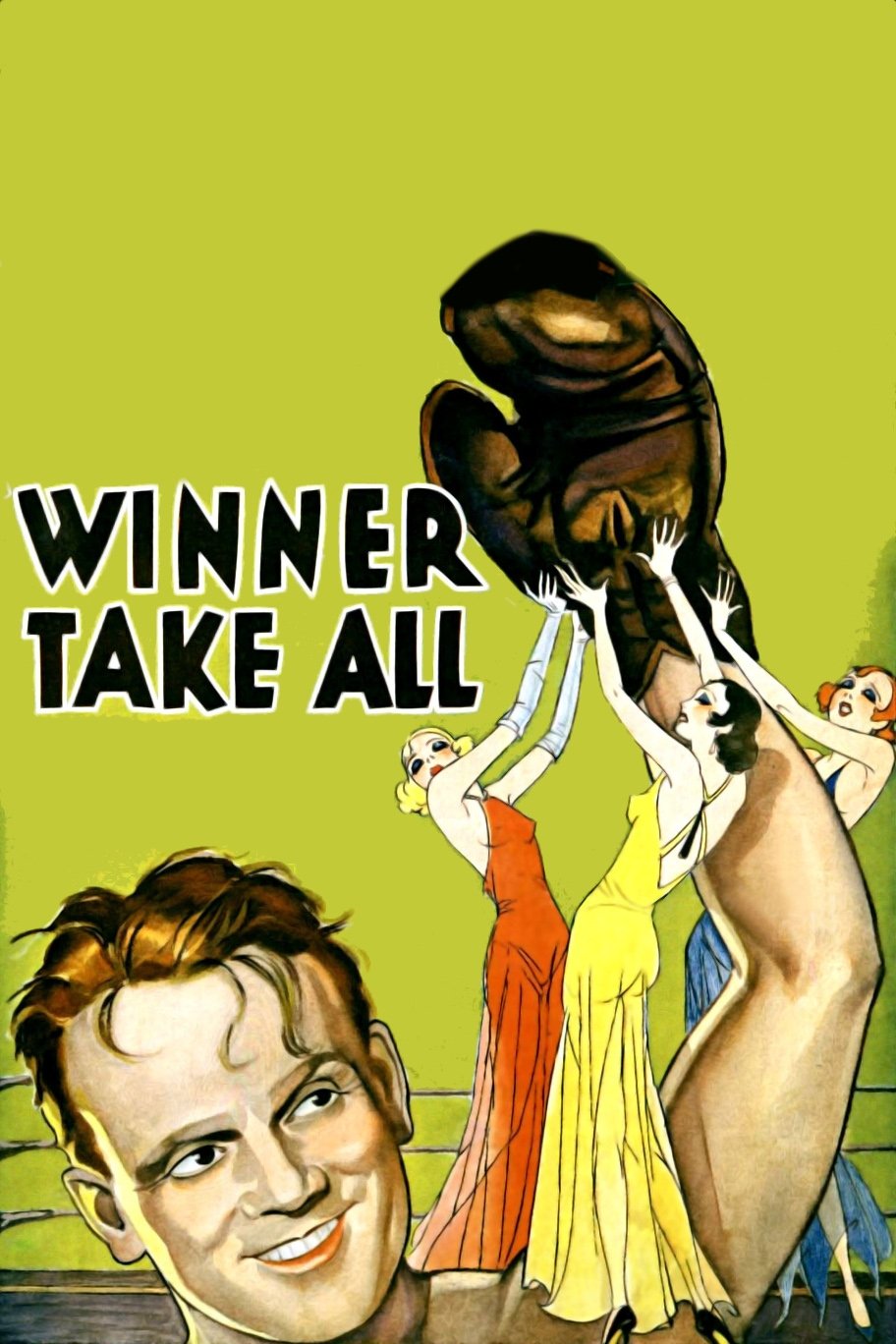 Movie5.4Drama
Overworked boxer Jim goes to a health ranch in New Mexico to recover where he falls in love with Peggy and her sickly son. Once recovered, Jim leaves to return to the ring. Can their romance survive the distance?
Winner Take All
1932 · 8 votes
 Movie7.0RomanceComedy
In this musical, a songwriter goes to court to claim the rights to his song that was stolen by an unscrupulous music publisher. He brings his girlfriend with him. Also going to court are the Jubilee singers, hillbillies, and some cowboys and Indians who demonstrate that the composer wrote his song by rearranging four folk tunes. He wins his song back and $50,000 in damages. Songs include: "Heading Home," "Roll Along Prairie Moon," "Tender Is the Night," "You're My Thrill," "I'm Bound for Heaven," and "The Army Band."
Here Comes the Band
1935 · 2 votes
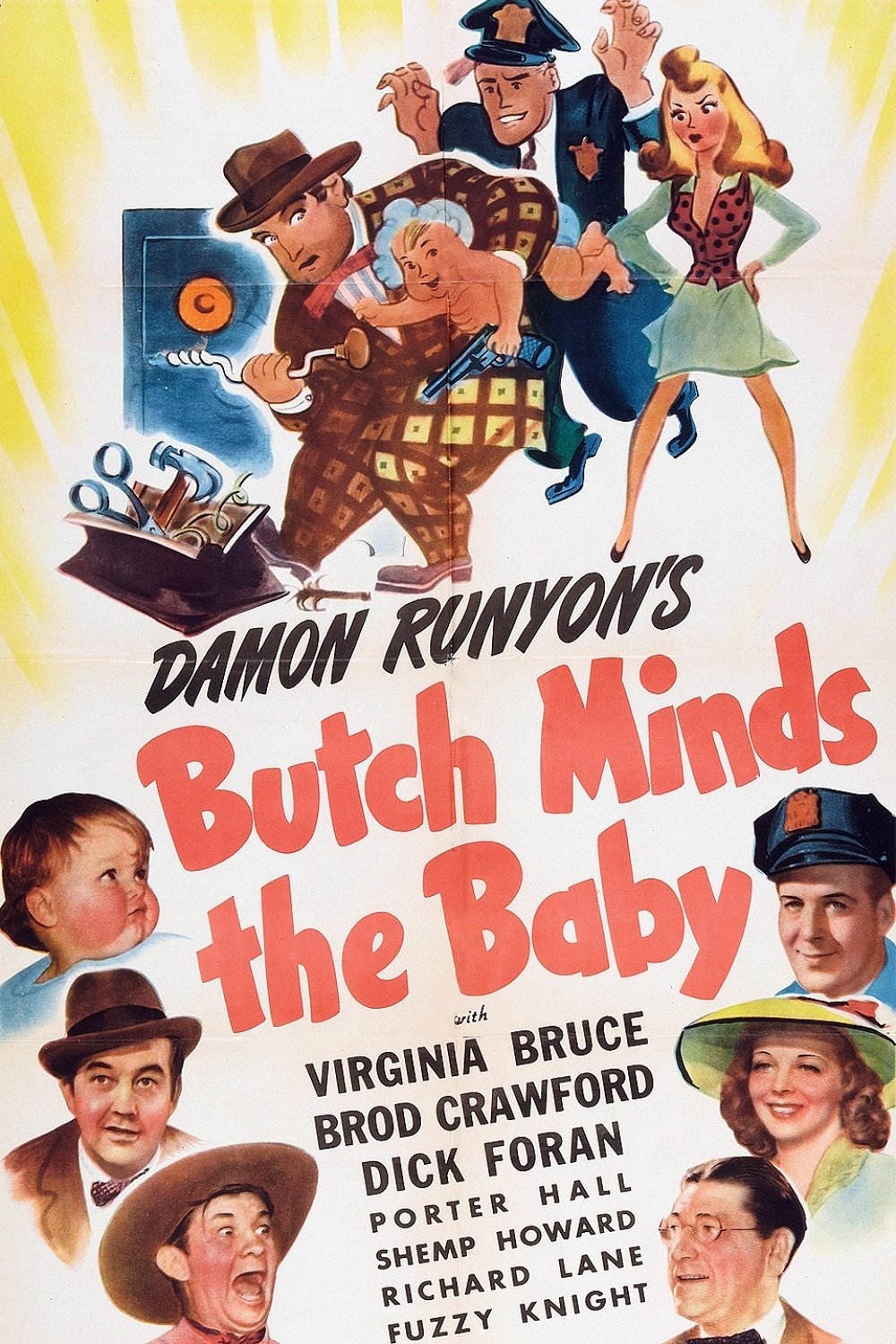 Movie8.0Comedy
Aloysius 'Butch' Grogan leads a life of criminal activities motivated to provide for a widow and her child. He's on lookout for a gang of safe crackers when he has to also look after the baby of one of the criminals.
Butch Minds the Baby
1942 · 1 votes
Series4
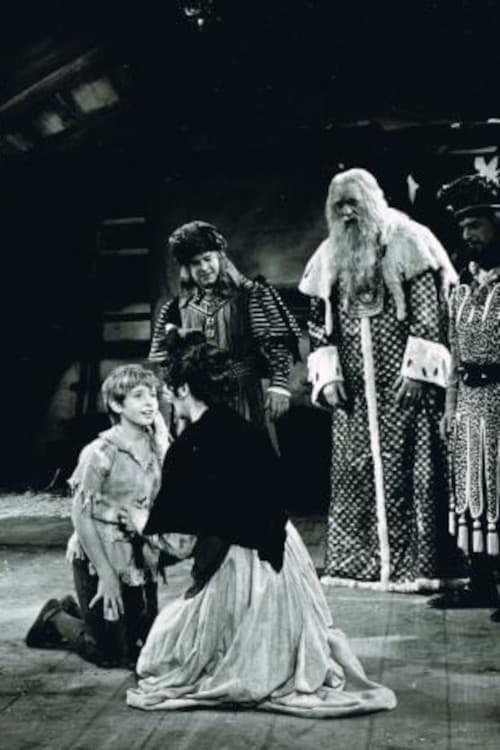 TV5.3Drama
Matinee Theater is an American anthology series that aired on NBC during the Golden Age of Television, from 1955 to 1958. The series, which ran daily in the afternoon, was frequently live. It was produced by Albert McCleery, Darrell Ross, George Cahan and Frank Price with executive producer George Lowther. McCleery had previously produced the live series Cameo Theatre which introduced to television the concept of theater-in-the-round, TV plays staged with minimal sets. Jim Buckley of the Pewter Plough Playhouse recalled: When Al McCleery got back to the States, he originated a most ambitious theatrical TV series for NBC called Matinee Theater: to televise five different stage plays per week live, airing around noon in order to promote color TV to the American housewife as she labored over her ironing. Al was the producer. He hired five directors and five art directors. Richard Bennett, one of our first early presidents of the Pewter Plough Corporation, was one of the directors and I was one of the art directors and, as soon as we were through televising one play, we had lunch and then met to plan next week’s show. That was over 50 years ago, and I’m trying to think; I believe the TV art director is his own set decorator —yes, of course! It had to be, since one of McCleery’s chief claims to favor with the producers was his elimination of the setting per se and simply decorating the scene with a minimum of props. It took a bit of ingenuity.
Matinee Theater
1955 · 7 votes
- TV6.7DramaComedy
Lux Video Theatre is an American anthology series that was produced from 1950 until 1959. The series presented both comedy and drama in original teleplays, as well as abridged adaptations of films and plays.
Lux Video Theatre
1950 · 7 votes
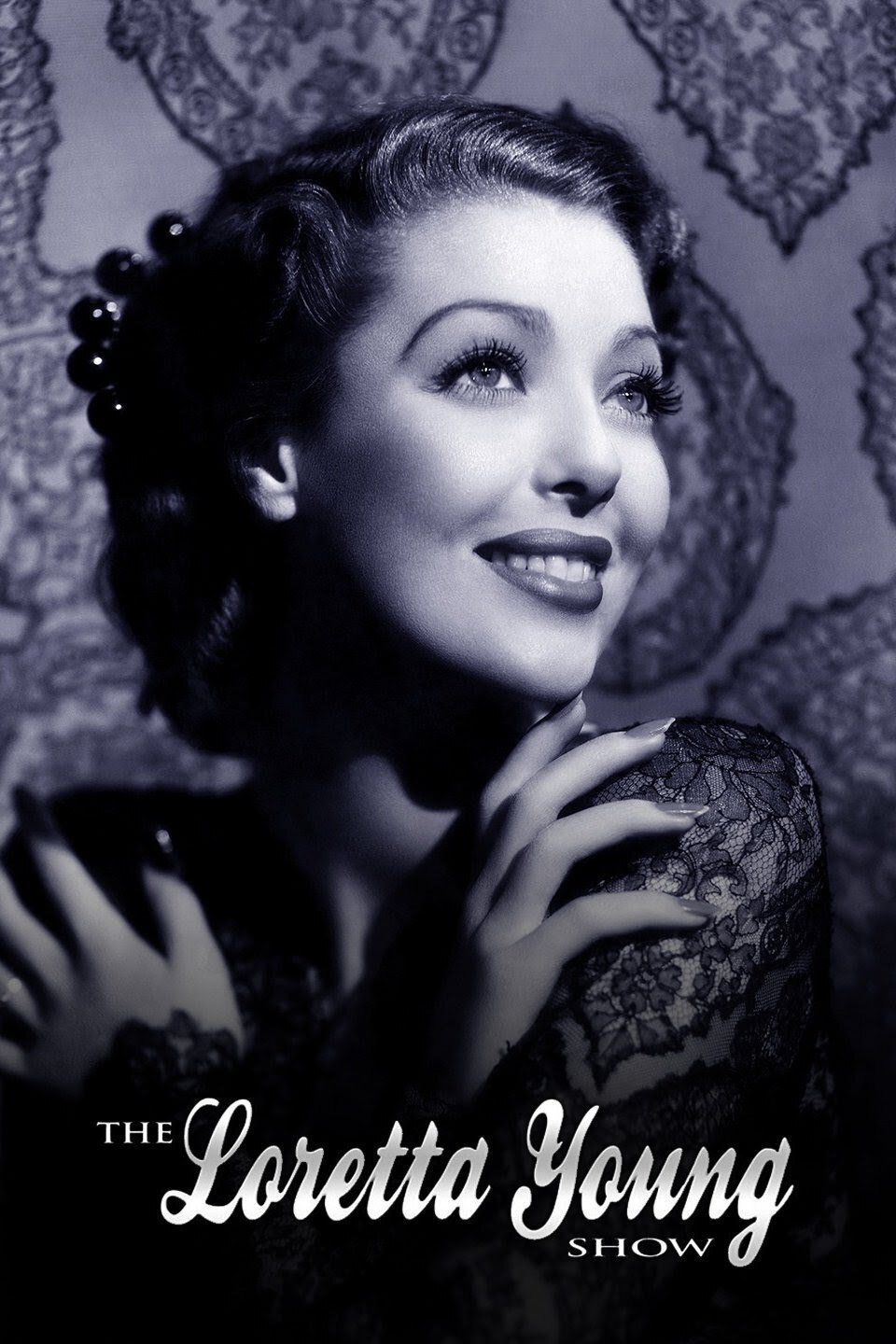 TV6.6Drama
Letter to Loretta is an American anthology drama series telecast on NBC from September 1953 to June 1961 for a total of 165 episodes. The filmed show was hosted by Loretta Young who also played the lead in various episodes. Letter to Loretta was sponsored by Procter & Gamble from 1953 through 1960. The final season's sponsor was Warner-Lambert's Listerine.
Letter to Loretta
1953 · 7 votes
 TV6.8ComedyDrama
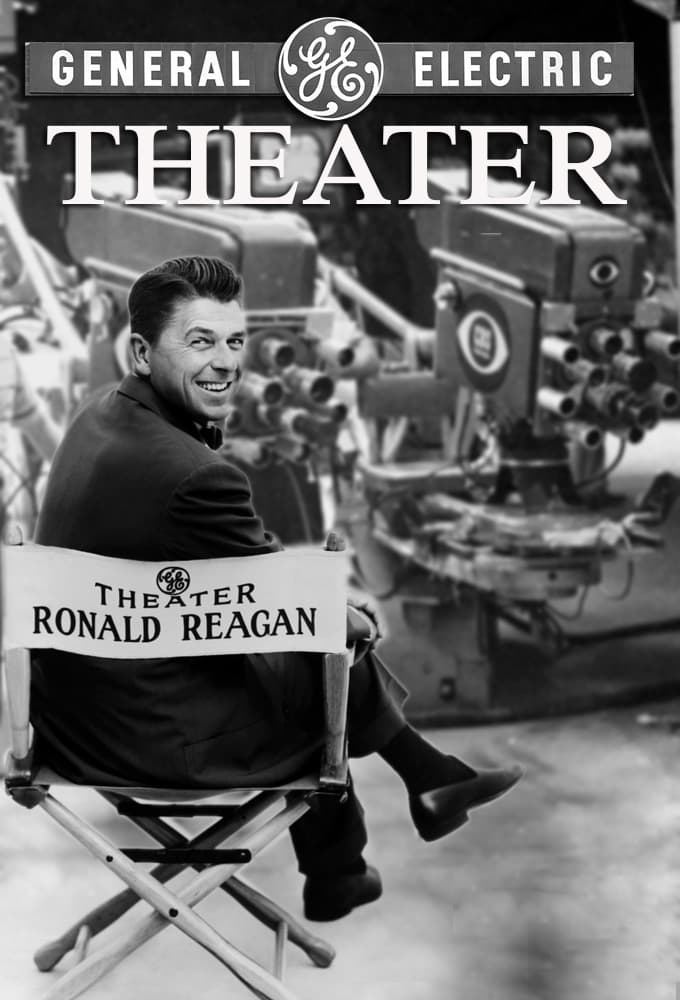
General Electric Theater is an American anthology series hosted by Ronald Reagan that was broadcast on CBS radio and television. The series was sponsored by General Electric's Department of Public Relations.
General Electric Theater
1953 · 6 votes