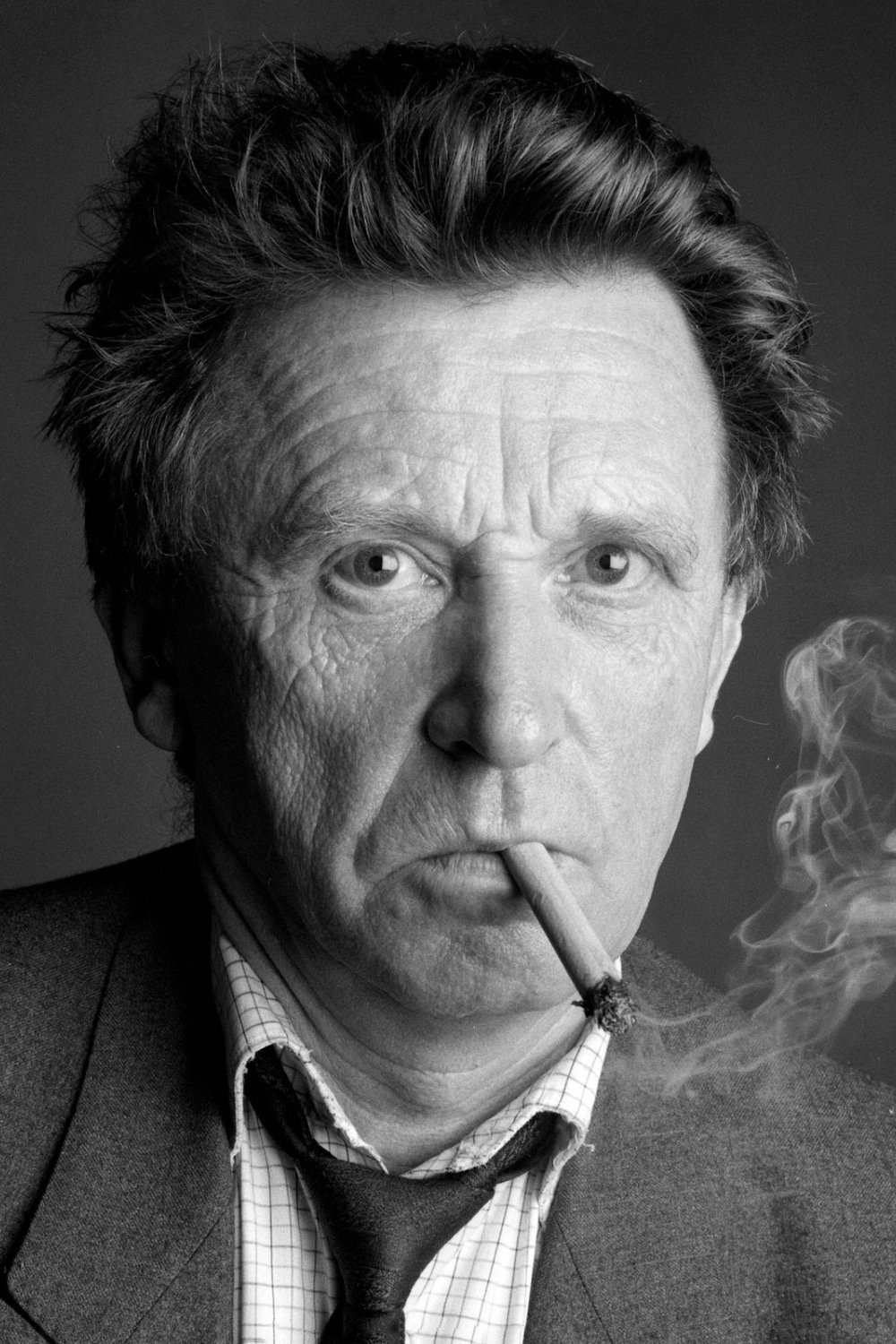
Jean-Marie Straub
Director · 1933 – 2022 · Metz, Moselle, Lorraine, France
Jean-Marie Straub (8 January 1933, Metz – 20 November 2022) and Danièle Huillet (1 May 1936, Paris – 9 October 2006, Cholet) were a duo of filmmakers who made two dozen films between 1963 and 2006. Their films are noted for their rigorous, intellectually stimulating style and radical, communist politics. Though both were French, they worked mostly in Germany and Italy. From the Clouds to the Resistance (1979) and Sicilia! (1999) are among the duo’s best regarded works. Description above from the Wikipedia article Straub–Huillet, licensed under CC-BY-SA, full list of contributors on Wikipedia.
Movies16
 Movie6.5Drama
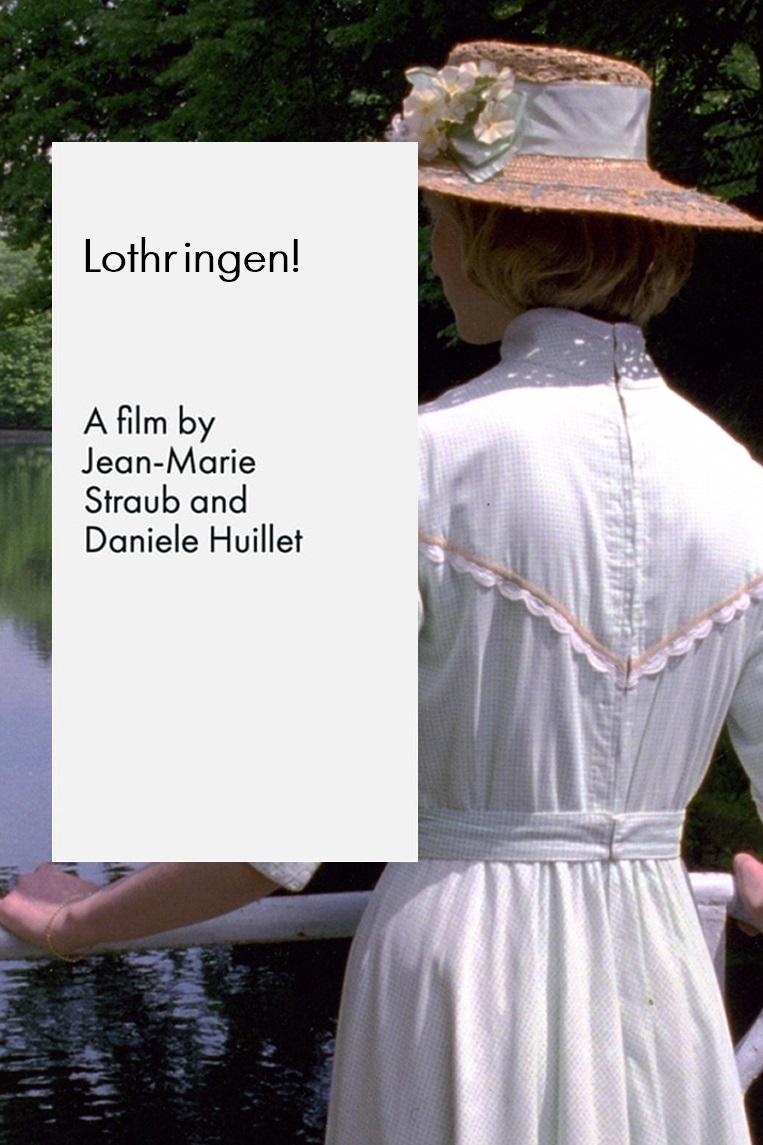
About the history of the French region of Lorraine, called Lothringen in German.
Lothringen!
1994 · 8 votes
 Movie5.0
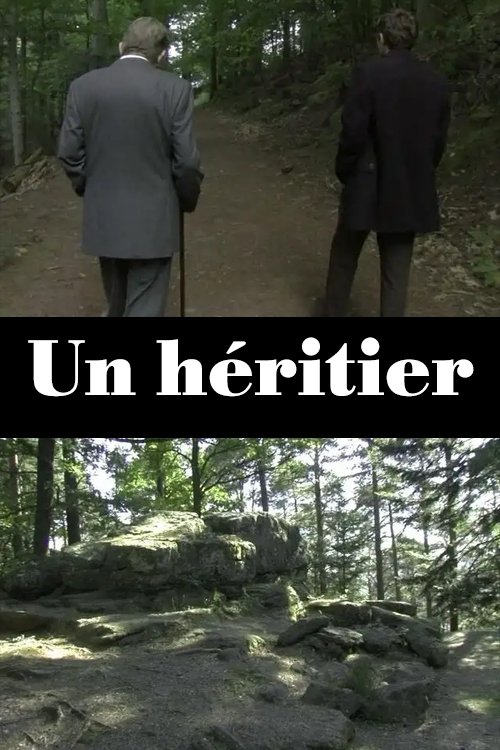
In 1994, Jean-Marie Straub and Danièle Huillet adapted the novel Colette Baudoche – Story of a Young Girl of Metz by Maurice Barrès as a film they titled Lothringren!. In 2010, Jean-Marie Straub returned to the eastern provinces of France, this time to Alsace, to film the second half of a diptych based on Barrès’s work. The text is derived from In the Service of Germany, a book about the mountain of Saint-Odile, which Barrès wrote in 1903. With Joseph Rottner in the principal role, Straub traces the path of a young country doctor as he tours Mont Saint-Odile, following the routes that Barrès himself took to the chateau of Ratsamhausen and around the ruins of the ancient fortification known as the "Pagan Wall,” which are unique in the area. Straub, himself born in Metz, plays the role of a resident of Lorraine whom the young Alsatian engages in conversation.
Un héritier
2012 · 3 votes
 Movie6.3Documentary
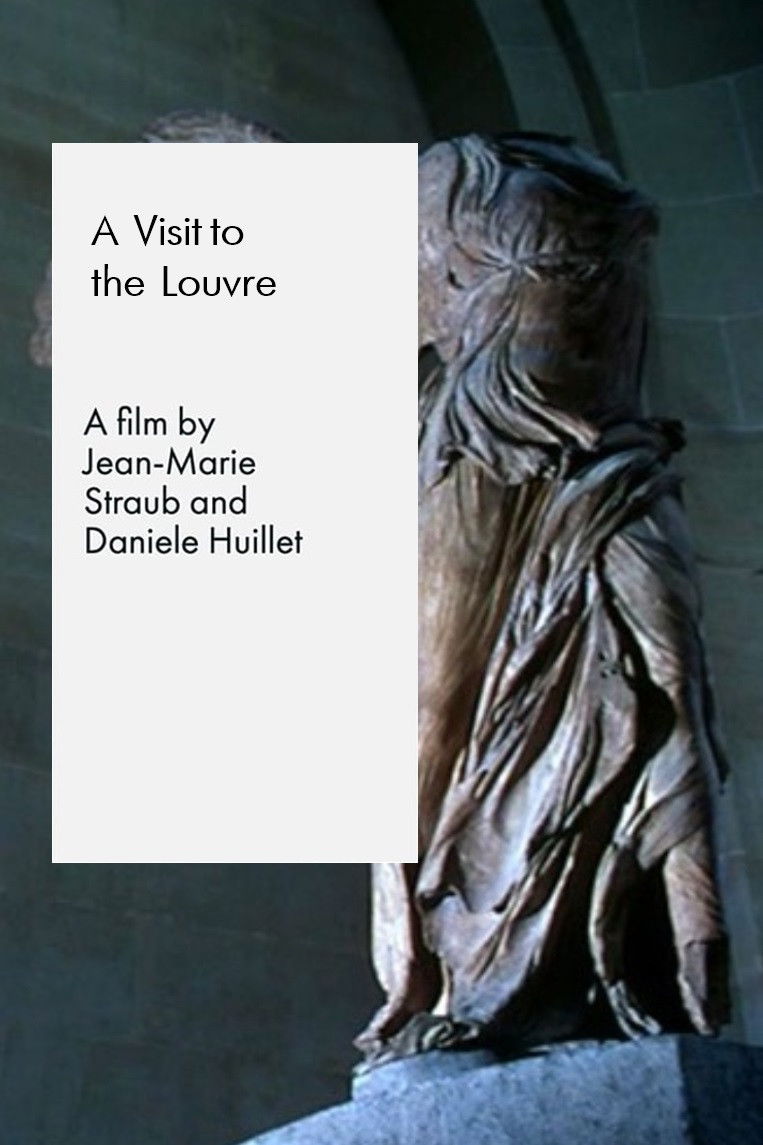
A visit to the Louvre in Paris commentated by an actor reading Cézanne.
 Movie4.9Documentary
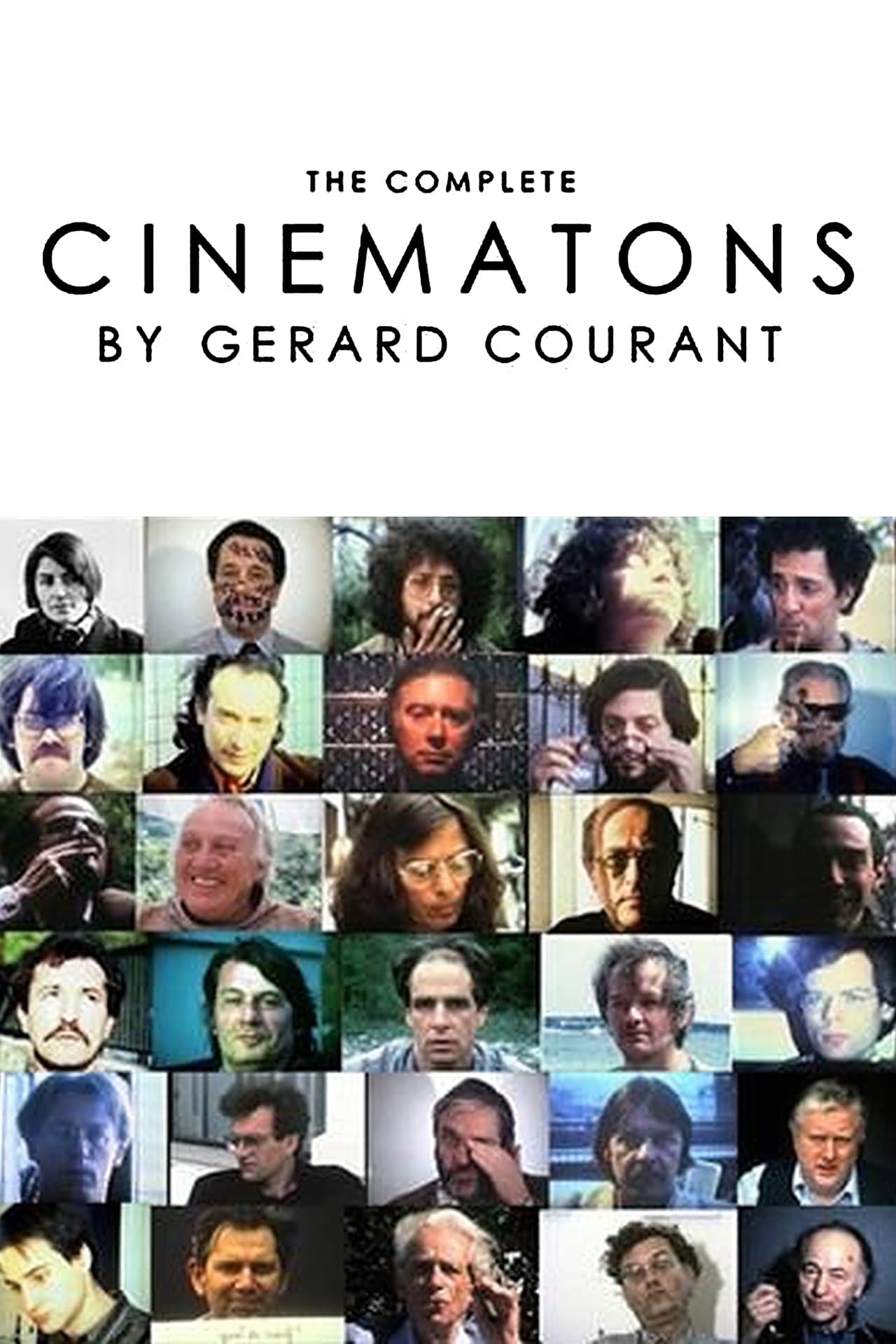
Cinématon is a 156-hour long experimental film by French director Gérard Courant. It was the longest film ever released until 2011. Composed over 36 years from 1978 until 2006, it consists of a series of over 2,821 silent vignettes (cinématons), each 3 minutes and 25 seconds long, of various celebrities, artists, journalists and friends of the director, each doing whatever they want for the allotted time. Subjects of the film include directors Barbet Schroeder, Nagisa Oshima, Volker Schlöndorff, Ken Loach, Benjamin Cuq, Youssef Chahine, Wim Wenders, Joseph Losey, Jean-Luc Godard, Samuel Fuller and Terry Gilliam, chess grandmaster Joël Lautier, and actors Roberto Benigni, Stéphane Audran, Julie Delpy and Lesley Chatterley. Gilliam is featured eating a 100-franc note, while Fuller smokes a cigar. Courant's favourite subject was a 7-month-old baby. The film was screened in its then-entirety in Avignon in November 2009 and was screened in Redondo Beach, CA on April 9, 2010.
Cinématon
1978 · 7 votes
 Movie7.5Documentary
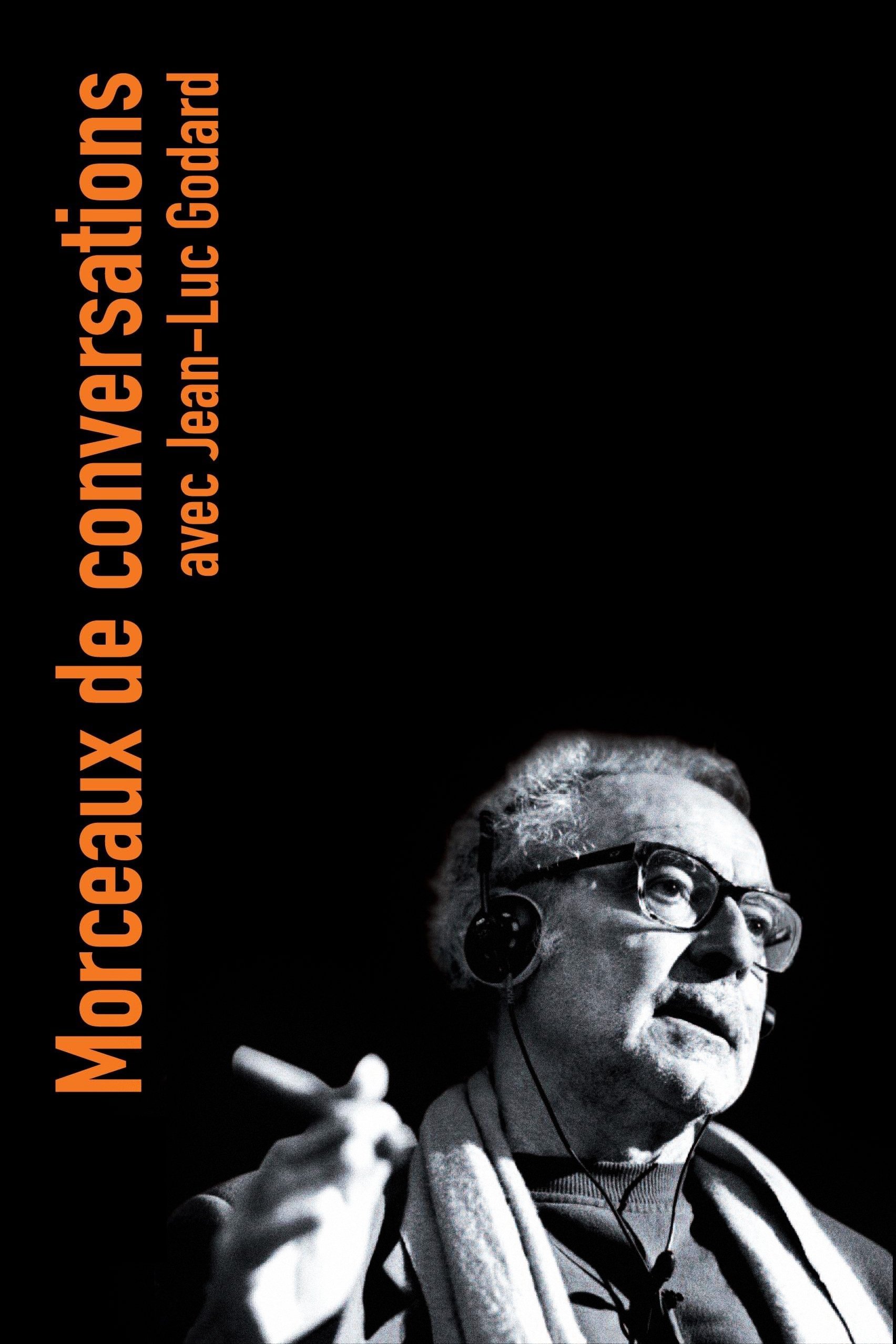
In his meetings with various different people, Jean-Luc Godard develops his thinking about history, politics, the cinema, images and time, and this will lead to his exhibition as an artist at the Pompidou Centre. Jean-Luc Godard’s conversations with Dominique Païni, Jean Narboni, André S. Labarthe, Jean-Marie Straub, Danielle Huillet and Christophe Kantcheff were filmed at his home in Rolle, in his study, at the Fresnoy National Studio for the Contemporary Arts (in front of students) and in the exhibition rooms of the Pompidou Centre.
Morceaux de conversations avec Jean-Luc Godard
Fragments of Conversations with Jean-Luc Godard
2009 · 2 votes
 Movie7.4Documentary
Undaunted by a commission to make a film about his mentors and aesthetic exemplars, the filmmaking team of Jean-Marie Straub and Danièle Huillet, Costa records with great sensitivity and insight the exacting process by which the two re-edit their film Sicilia!, discussing and arguing over each cut and its effect. Incorporating comments about the influence of figures as diverse as Chaplin and Eisenstein, about the ethical and aesthetic implications of film technique and such matters as rhythm, sound mixing, and acting. The film becomes a tour de force, immersing us in the mysteries of cinema as practiced by some of its greatest creators. Costa calls the film both his first comedy and his first love story.
 Movie5.7Drama
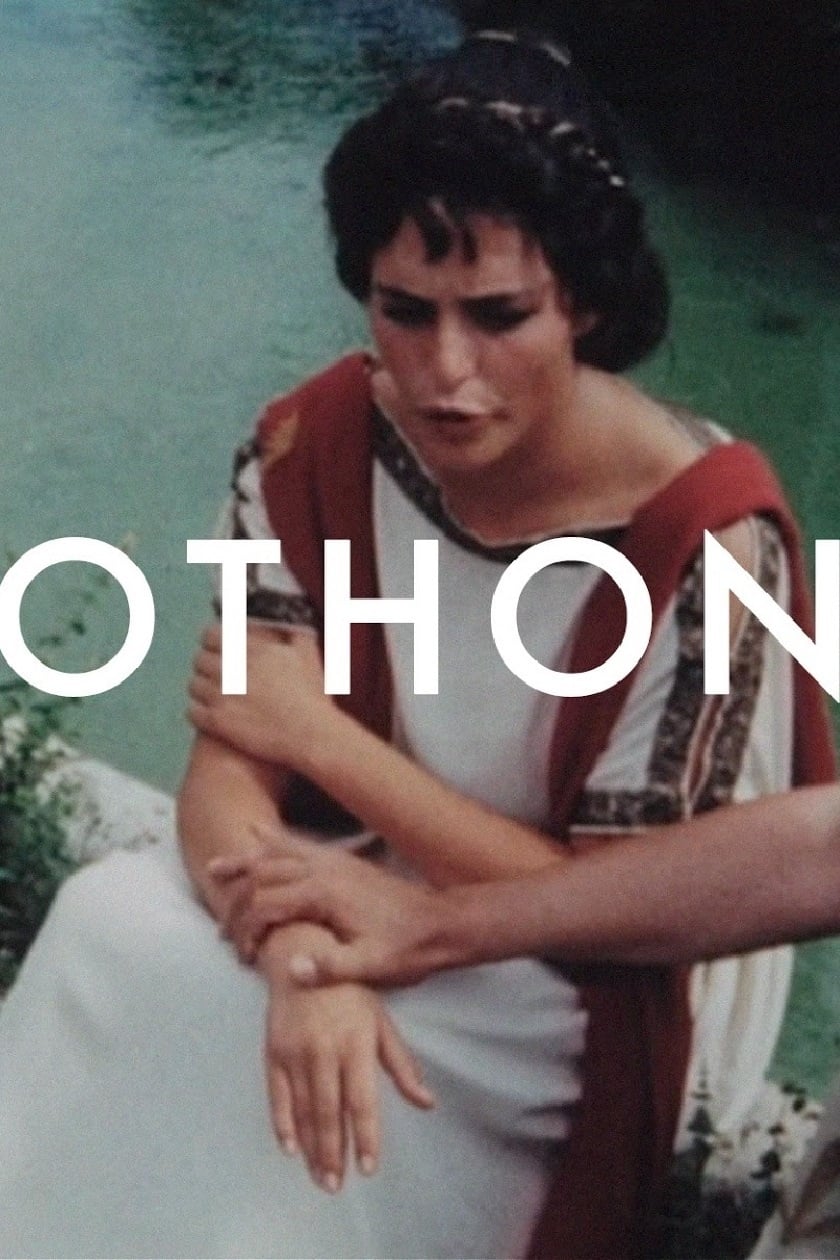
Straub-Huillet’s first color film, adapts a lesser-known Corneille tragedy from 1664, which in turn was based on an episode of imperial court intrigue chronicled in Tacitus’s Histories. The costuming is classical, and the toga-clad, nonprofessional cast performs the drama’s original French text amid the ruins of Rome’s Palatine Hill while the noise of contemporary urban life hums in the background. Their lines are executed with a terrific flatness and frequently through heavy accents; the language in Othon becomes not merely an expression but a thing itself, an element whose plainness here alerts us to qualities of the work that might otherwise be subordinated.
 Movie6.5Documentary
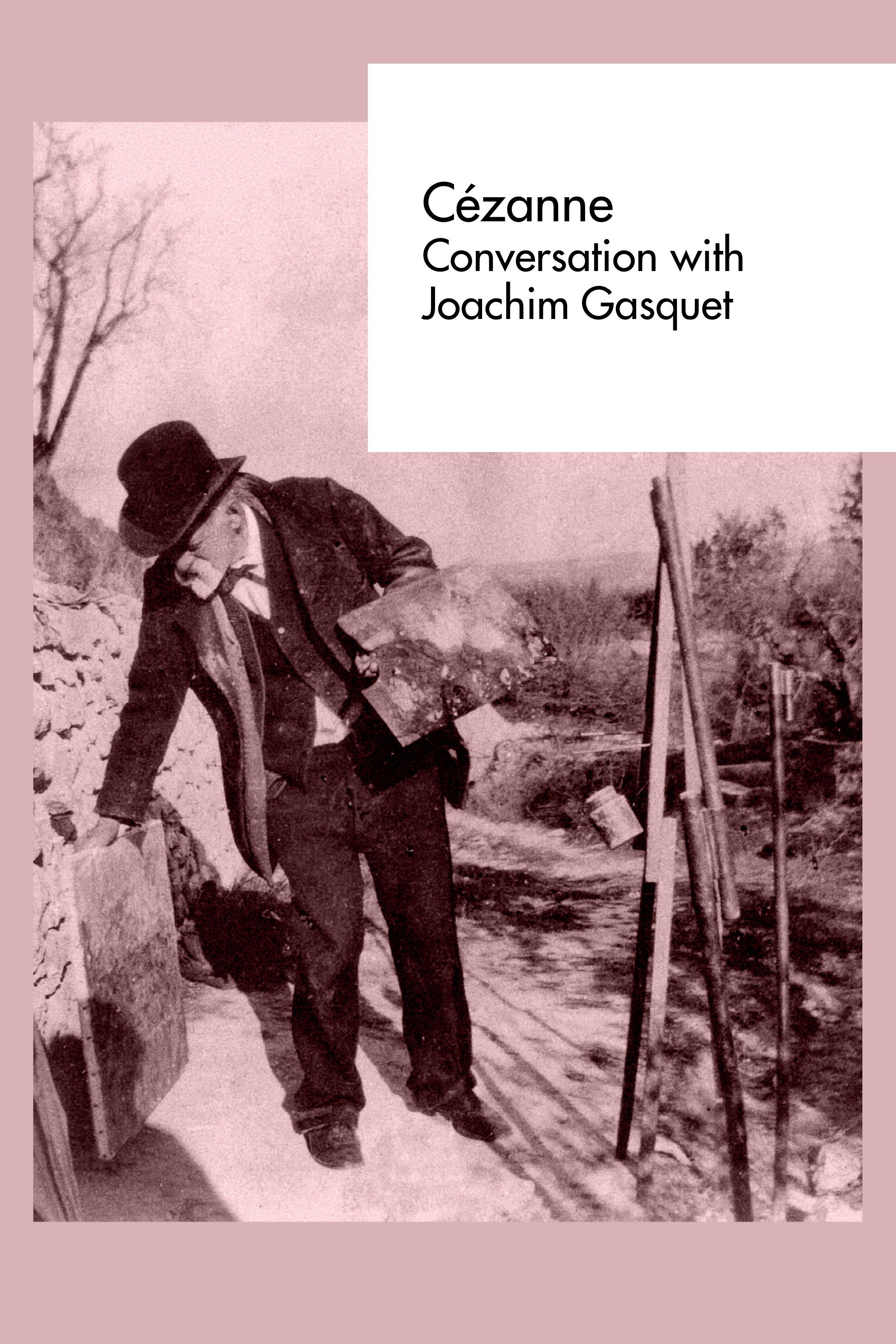
A landmark work of symbolistic imagery. The words that the filmmakers speak offscreen are imaginary conversation with Cézanne quoted from a critique by Joachim Gasquet. An exchange of memories spanning over 250 years interweaves everything from the philosophy of Empedocles to excerpts from the film Madame Bovary, to extant paintings by Cézanne, to the buildings of the artists’ village at Mont Sainte-Victoire. —ntticc.or.jp
- MovieDocumentary
In the summer of 1986, Danièle Huillet and Jean-Marie Straub were working in the park of an old Sicilian mansion and in a clearing at the foot of Mount Etna shooting Der Tod des Empedokles. Assistant cameraman Jean-Paul Toraille toyed around, so to speak, with his first video camera, filming the daily work on the set. Now, 24 years later, he was joined by Jean-Marie Straub in editing the material into a film. Anyone who expected the shooting of Les Avatars de la mort d’Empédocle to be an austere affair, an exercise entirely devoid of humour or a Straubian tour de force is proven wrong: so much lightness, joy, concentration, spells of waiting for the sun to come out – and even proper slapstick in between – is hard to find.
- MovieDocumentary
Joachim Gatti, is the grand-son of the director and filmmaker Armand Gatti. During a demonstration in Montreuil, he lost an eye, hit by a “flashball” fired from a policegun.
- Movie9.0
Documentary about the shooting of Straub's Antigone.
Play Antigone
1992 · 1 votes
 MovieComedyDrama
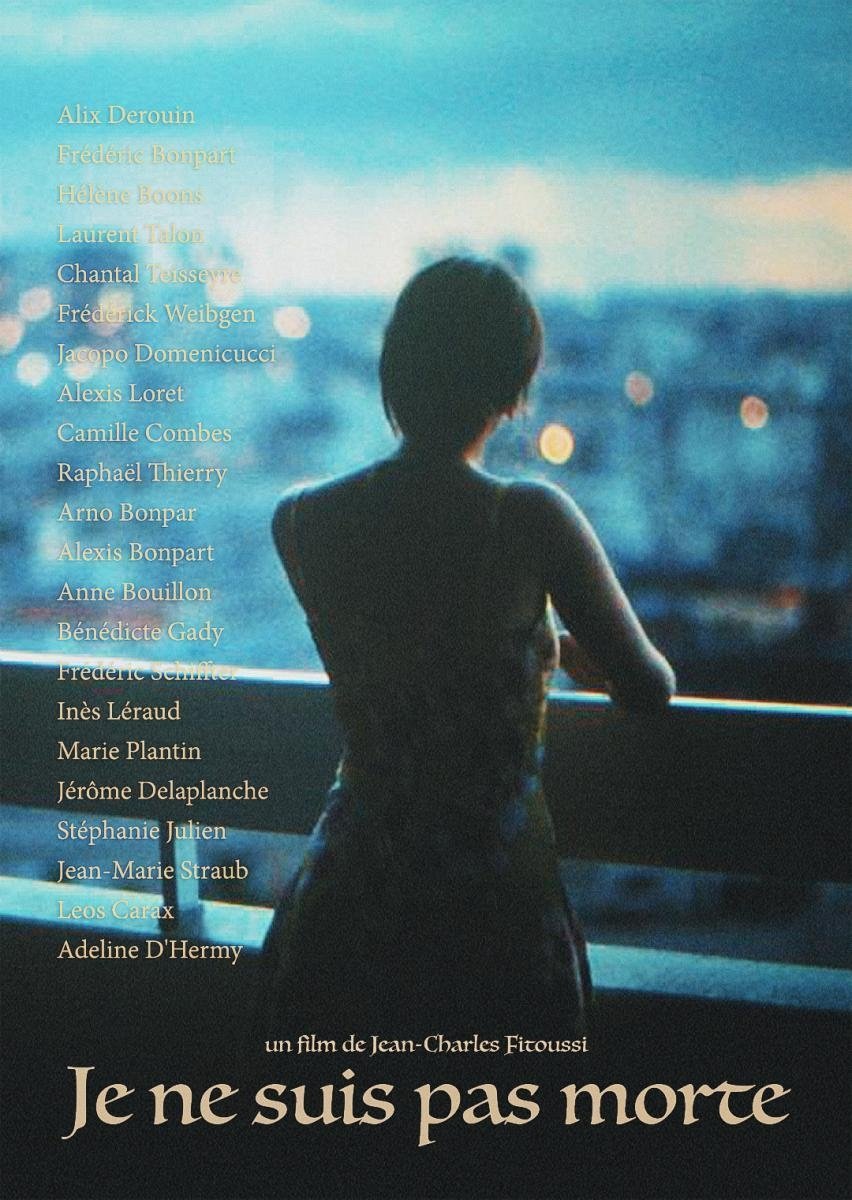
Alix is a woman of 27 looking for the only thing she is incapable of: love.
 MovieDocumentary
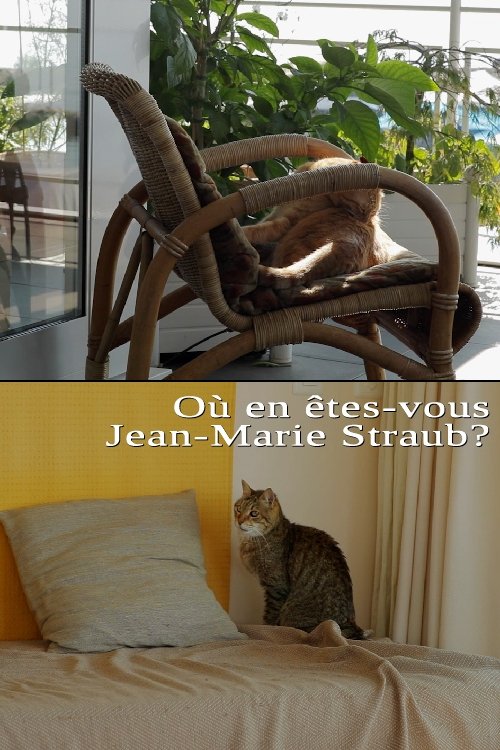
An initiative from Pompidou Center, filmed by Jean Marie Straub.
 Movie10.0Documentary
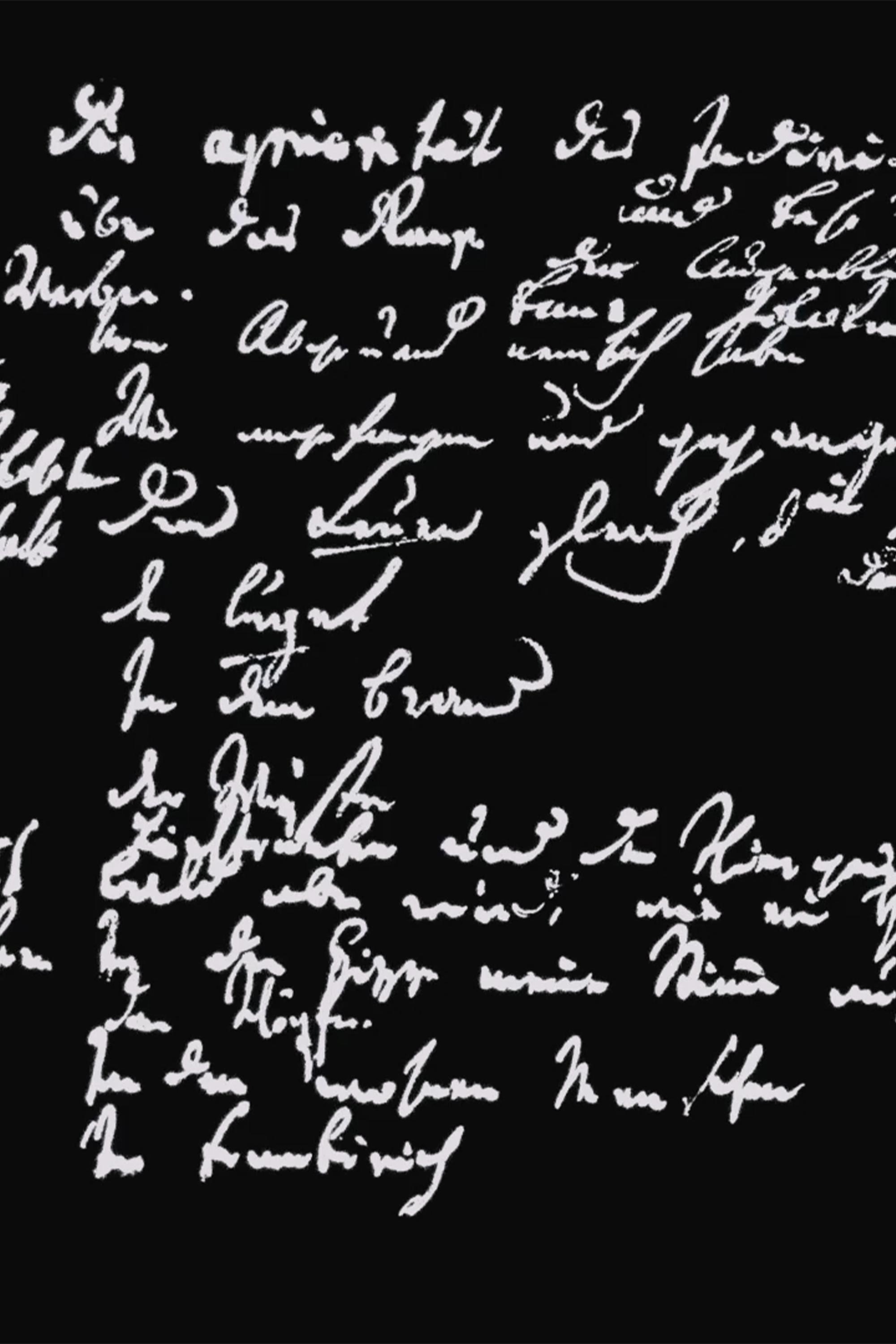
An experimental documentary film about Friedrich Hölderlin. In the middle of the film, there is a short excerpt from a Nazi propaganda film: O. E. Hasse reads "Der Tod fürs Vaterland" (Death for the Fatherland), the poem that was given to German soldiers on the front lines during World War II. This is contrasted with texts from Hölderlin's late work, which have only recently been edited. This creates a completely different picture of Hölderlin's poetry.
Lyrische Suite. Das untergehende Vaterland
1992 · 1 votes
 Movie7.0
Former Straub/Huillet assistant Jean-Charles Fitoussi films them at work during the shooting of 1999's Sicilia!.
Sicilia! Si gira
2001 · 1 votes
 Movie6.8
Six unused scenes from Where Does Your Hidden Smile Lie? One of the more priceless of the “bagatelles” in this collection features a lounging Jean-Marie Straub who gives a non-stop disquisition on liberty and filmmaking while Danièle Huillet busies herself with laundry, and their dog Melchior frisks in and out of frame. —Cinematheque Ontario
6 Bagatelas
2001 · 6 votes