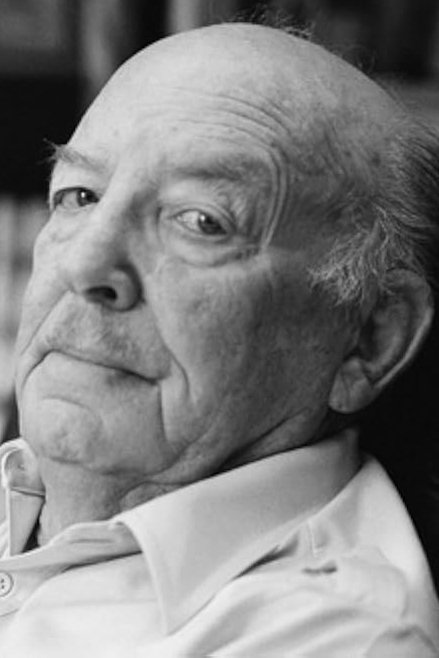
Friz Freleng
Director · 1906 – 1995 · Kansas City, Missouri, USA
Isadore "Friz" Freleng (1906–1995), sometimes credited as I. Freleng, was an American animator, cartoonist, director, and producer best known for his work on the Looney Tunes and Merrie Melodies series of cartoons from Warner Bros. He introduced and/or developed several of the studio's biggest stars, including Bugs Bunny, Porky Pig, Tweety Bird, Sylvester the cat, Yosemite Sam (to whom he was said to bear more than a passing resemblance) and Speedy Gonzales. The senior director at Warners' Termite Terrace studio, Freleng directed more cartoons than any other director in the studio (a total of 266), and is also the most honored of the Warner directors, having won four Academy Awards. After Warners shut down the animation studio in 1963, Freleng and business partner David H. DePatie founded DePatie-Freleng Enterprises, which produced cartoons (notably The Pink Panther Show), feature film title sequences, and Saturday morning cartoons through the early 1980s. The nickname "Friz" came from his friend Hugh Harman, who initially nicknamed him "Congressman Frizby" after a fictional senator that was in articles in the Los Angeles Examiner. Over time this shortened to "Friz".
Movies11
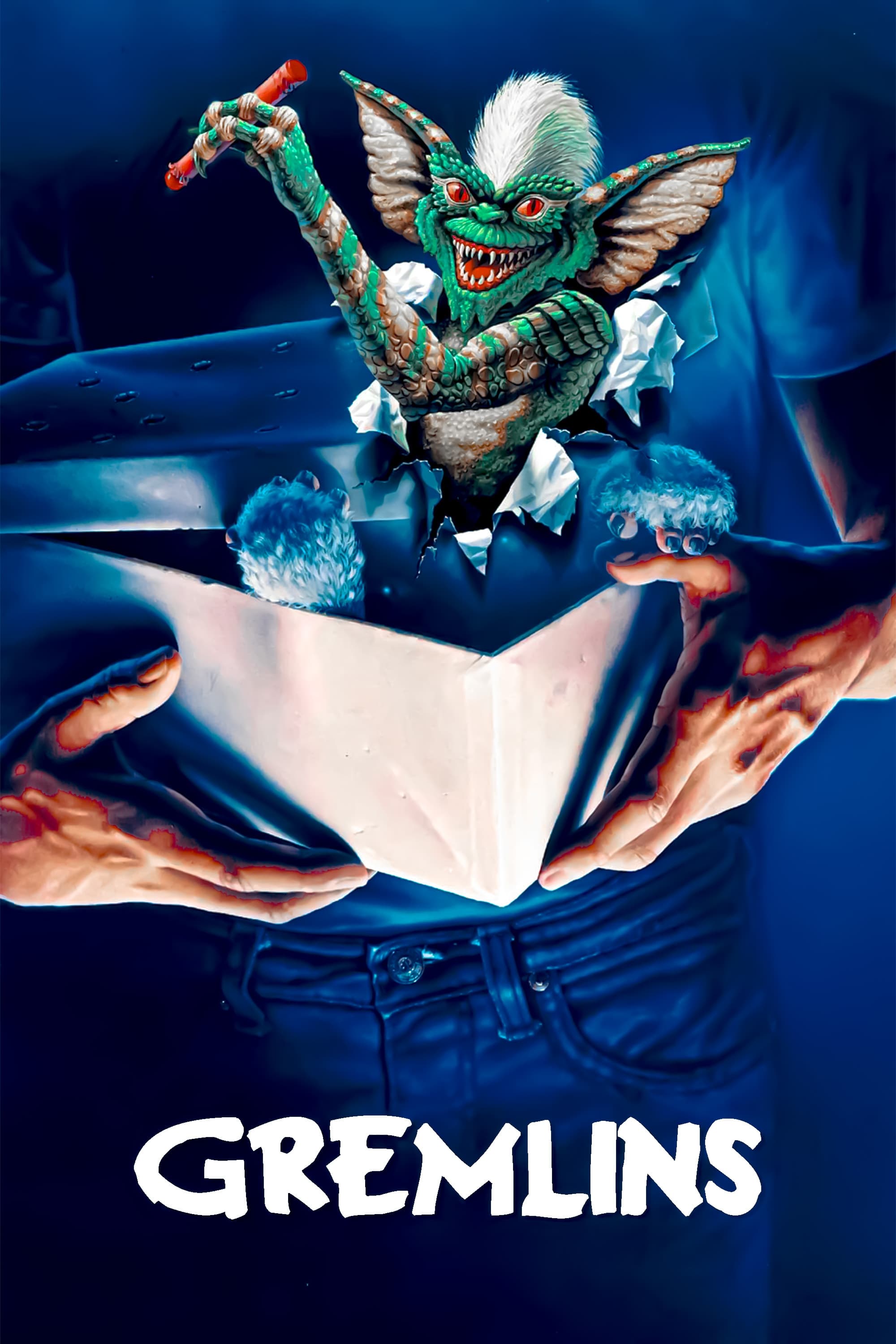 Movie7.1FantasyHorror
After receiving an exotic small animal as a Christmas gift, a young man inadvertently breaks three important rules concerning his new pet, which unleashes a horde of malevolently mischievous creatures on a small town.
Gremlins
1984 · 7.2K votes
 Movie7.3DocumentaryAnimation
Some of the biggest stars in show business pay a fun tribute to Bugs Bunny and the rest of the Looney Tunes to mark their 50th anniversary.
Looney Tunes 50th Anniversary
1986 · 20 votes
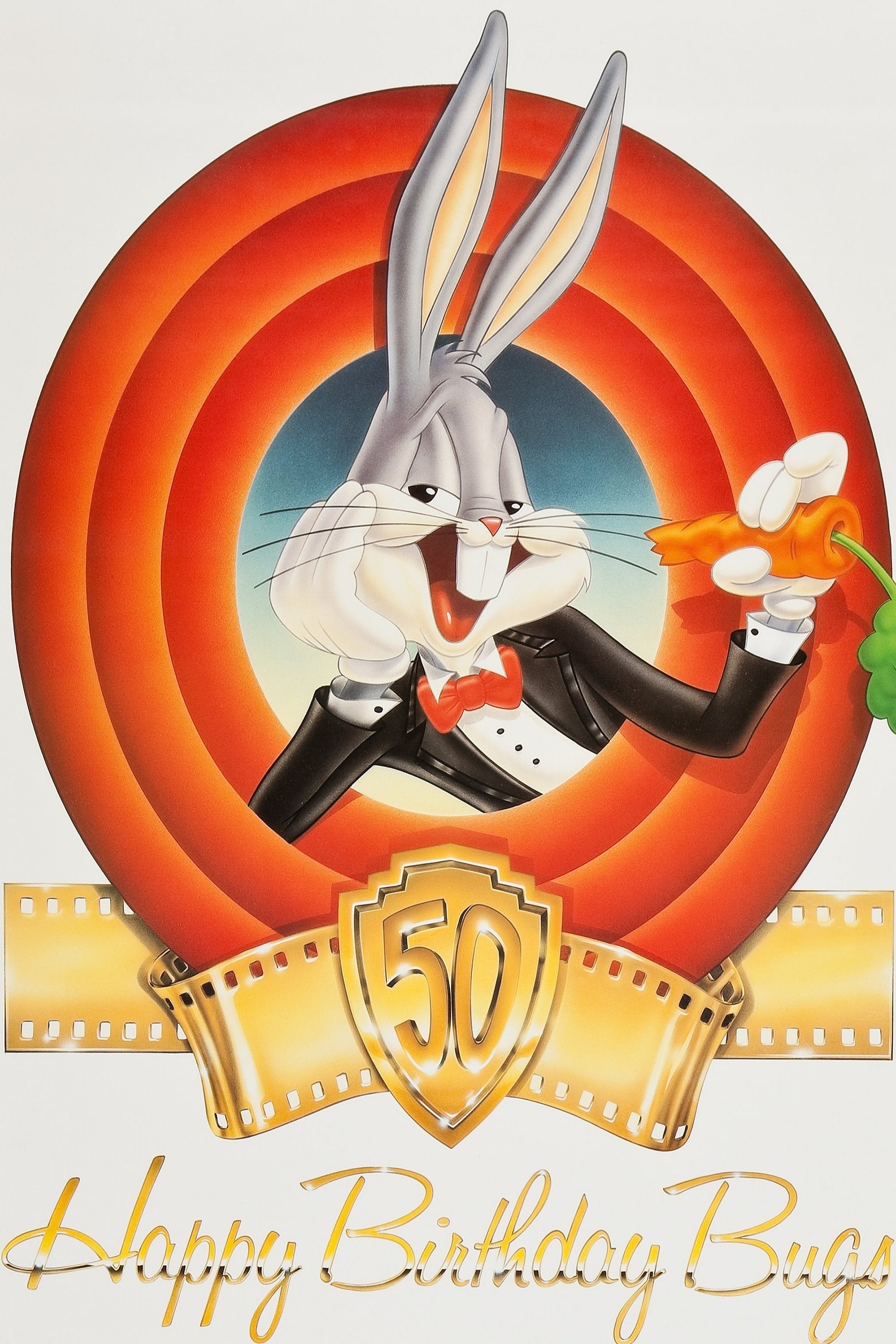 Movie7.2ComedyTV Movie
A 50th anniversary tribute to Bugs Bunny
Happy Birthday, Bugs! 50 Looney Years
1990 · 6 votes
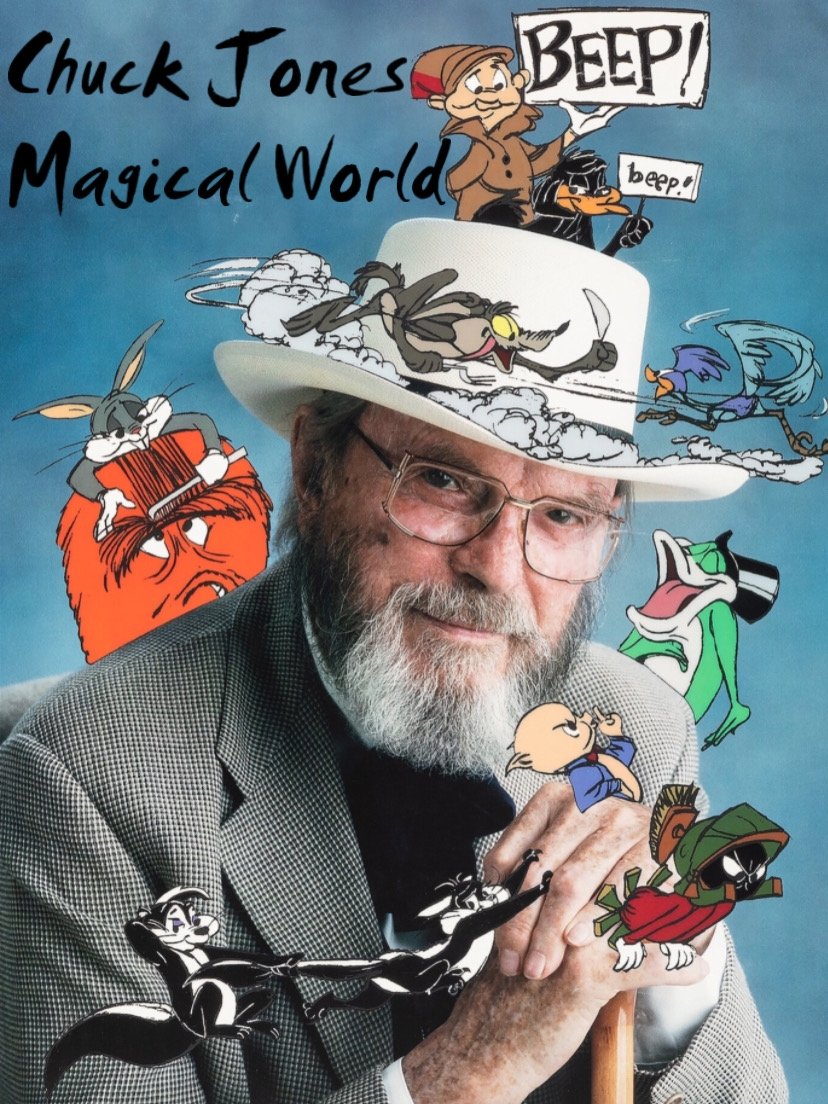 Movie8.0Documentary
Documentary on animator Chuck Jones.
The Magical World of Chuck Jones
1992 · 3 votes
 Movie8.0Documentary
A documentary on the Looney Tunes. Including interviews from people who worked on it, and their family.
 Movie7.3DocumentaryAnimation
Animator Robert Clampett presents a history of "Termite Terrace," the little shack on the Warner Brothers studio lot which in the 1930's and 1940's housed the animation unit which gave birth to Porky Pig, Daffy Duck and Bugs Bunny. Includes color and black-and-white home-movie-type footage shot at the time showing such animation greats as Clampett, Tex Avery and Chuck Jones. Also featured are nine complete Warner cartoons.
Bugs Bunny Superstar
1976 · 39 votes
 Movie5.7DocumentaryAnimation
A behind-the-scenes documentary hosted by Joanna Cassidy on the making of Who Framed Roger Rabbit.
Roger Rabbit and the Secrets of Toon Town
1988 · 12 votes
- Movie5.0
Documentary short
Goodbye, Warner Bros., Hello DePatie-Freleng
2016 · 1 votes
 Movie3.5Documentary
Meet the creators of the Looney Tunes, animation's zaniest and most beloved characters! Join Chuck Jones, Friz Freling and Mel Blanc as they share rare and personal memories about Bugs Bunny and Daffy Duck, and some of the wildest stories behind your favorite cartoons!
That's All Folks! Tales from Termite Terrace
2014 · 1 votes
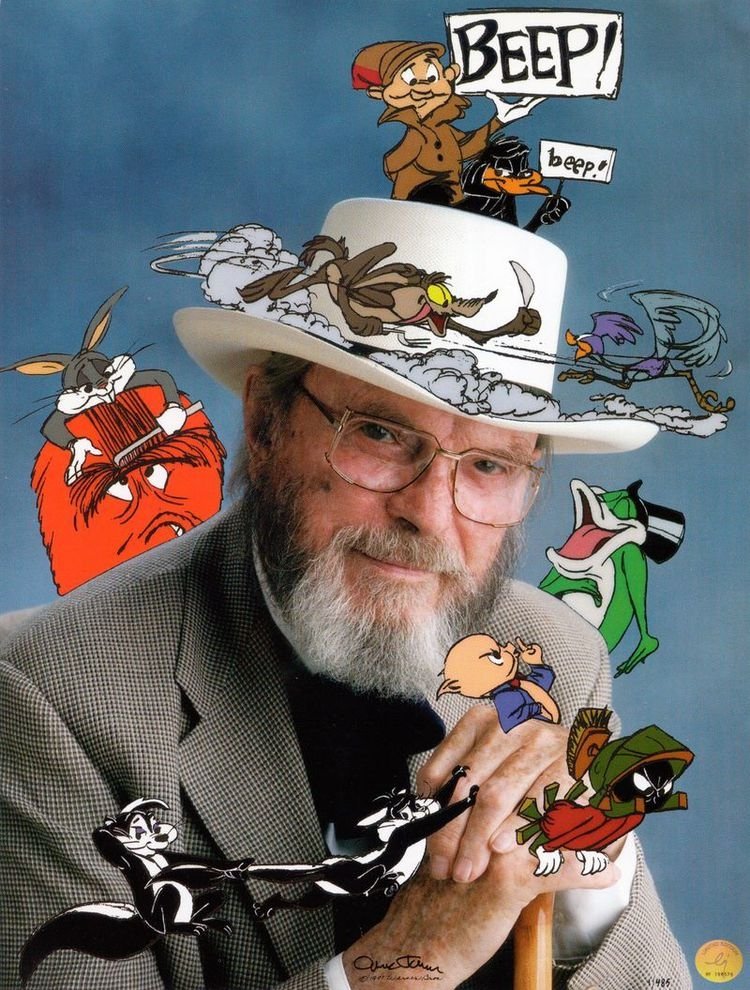 MovieDocumentary
Focuses on how the legend of animation, Tex Avery, revolutionized cartoons.
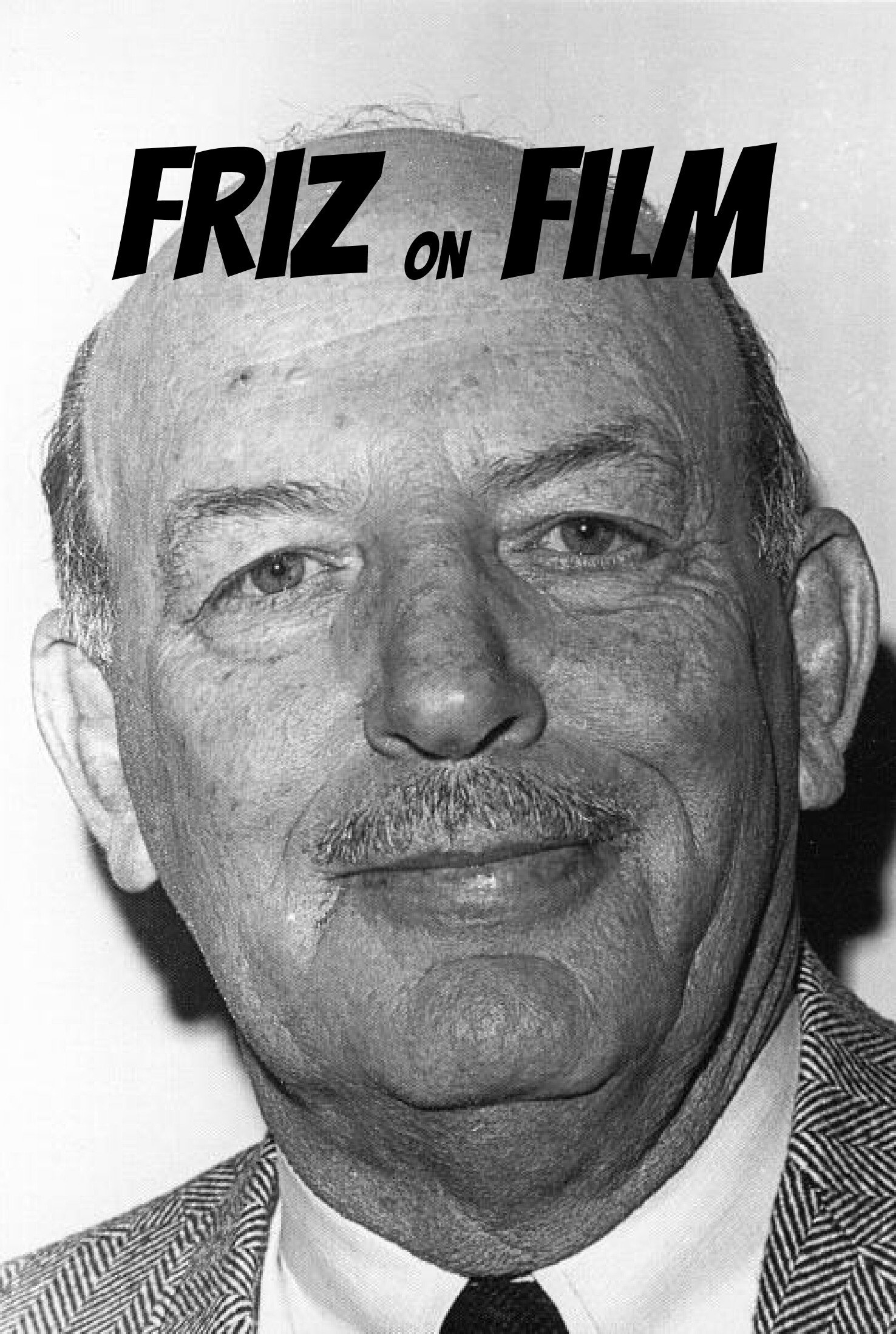 Movie8.0Documentary
Looney Tunes Friz Freleng appears in interview segments in this excellent documentary, which spends nearly an hour examining Freleng's history, career, talent, comic timing and classic shorts.
Friz on Film
2006
Series1
 TV7.7
TV7.7Camera Three is an American variety show devoted to the arts. It ran on CBS from January 22, 1956 to January 21, 1979, and moved to PBS in its final year to make way for the then-new CBS News Sunday Morning. The PBS version ran from October 4, 1979 to July 10, 1980. Camera Three featured programs showcasing drama, ballet, art, music, anything involving fine arts. One of its most notable presentations was a condensation of Marc Blitzstein's leftist opera The Cradle Will Rock. Presented on November 29, 1964, it was a dramatic demonstration of how far television had come since its early days, in its willingness to present a work that surely would have been banned from the airwaves during the era of Joseph McCarthy.
Camera Three
6 votes