
Mervyn LeRoy
Director · 1900 – 1987 · San Francisco, California, USA
Mervyn LeRoy was an American film director, producer, and sometime actor. LeRoy worked in costumes, processing labs and as a camera assistant until he became a gag writer and actor in silent films, including The Ten Commandments in 1923. LeRoy credits Ten Commandments director, Cecil B. DeMille, for inspiring him to become a director: "As the top director of the era, DeMille had been the magnet that had drawn me to his set as often as I could go." LeRoy also credits DeMille for teaching him the directing techniques required to make his own films. His first directing job was with First National Pictures on 1927's No Place to Go. LeRoy ended up working at Warner Bros. after they took control of First National. When his movies made lots of money without costing too much, he became well received in the movie business. He directed two key films which launched Edward G. Robinson into major stardom, the Oscar-nominated critique of tabloid journalism Five Star Final, and the classic gangster film Little Caesar, which made his mark. From that point forward, LeRoy would be responsible for a diverse variety of films as a director and producer. The following year's I Am a Fugitive from a Chain Gang was also nominated for the Academy Award for Outstanding Production as was his Anthony Adverse. In 1938 he was chosen as head of production at MGM, where he was responsible for the decision to make The Wizard of Oz. He was responsible for discovering Clark Gable, Loretta Young, Robert Mitchum, and Lana Turner. His 1941 film Blossoms in the Dust was nominated for the Academy Award for Outstanding Motion Picture. His first big hit as a director with MGM was 1942's Random Harvest which was their biggest of the season earning worldwide rentals of $8 million and for which he was nominated for the Academy Award for Directing. The film was also nominated for the Academy Award for Outstanding Motion Picture. He hit big again two years later with Thirty Seconds Over Tokyo with rentals of $6 million. In 1951, he scored his biggest hit with Quo Vadis earning worldwide rentals of $21 million as well as a nomination for the Academy Award for Best Motion Picture. In the early 1950s, LeRoy directed such musicals as Lovely to Look At, Million Dollar Mermaid, Latin Lovers and Rose Marie. He returned to Warner Brothers in 1955, where he took over from John Ford as director on Mister Roberts, another big hit, which was also nominated for the Academy Award for Best Motion Picture. He also directed films for Warners such as The Bad Seed, No Time for Sergeants, The FBI Story, and Gypsy. He received an honorary Oscar in 1946 for The House I Live In, "for tolerance short subject", and the Irving G. Thalberg Memorial Award in 1976. A total of eight movies Mervyn LeRoy directed or co-directed were nominated for Best Picture at the Oscars, one of the highest numbers among all directors.
Movies19
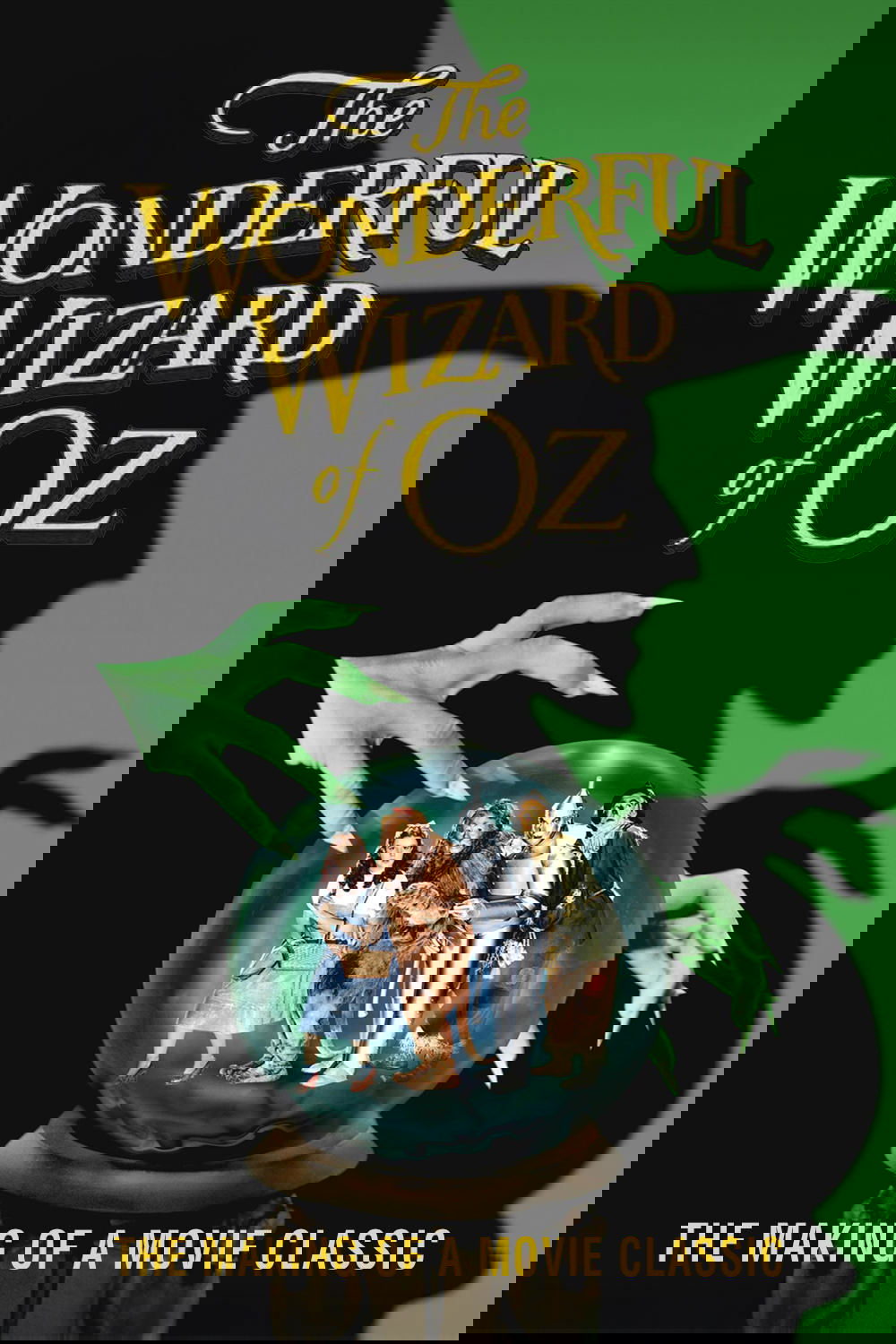 Movie8.3DocumentaryTV Movie
Angela Lansbury hosts a celebration and anniversary tribute to the Wizard of Oz which includes the premiere of the restored, uncut print of the classic.
The Wonderful Wizard of Oz: 50 Years of Magic
1990 · 11 votes
 Movie6.3Documentary
This 1940 presentation features highlights of earlier (1928 onward) Oscar ceremonies including Shirley Temple and Walt Disney, plus acceptance speeches for films released in 1939 with recipients and presenters including Vivien Leigh, Judy Garland, Hattie McDaniel and more, with host Bob Hope.
Cavalcade of the Academy Awards
1940 · 3 votes
 Movie7.0DocumentaryComedy
Out-takes (mostly from Warner Bros.), promotional shorts, movie premieres, public service pleas, wardrobe tests, documentary material, and archival footage make up this star-studded voyeuristic look at the Golden age of Hollywood during the 30s, 40, and 50.
Hollywood Out-takes and Rare Footage
1983 · 3 votes
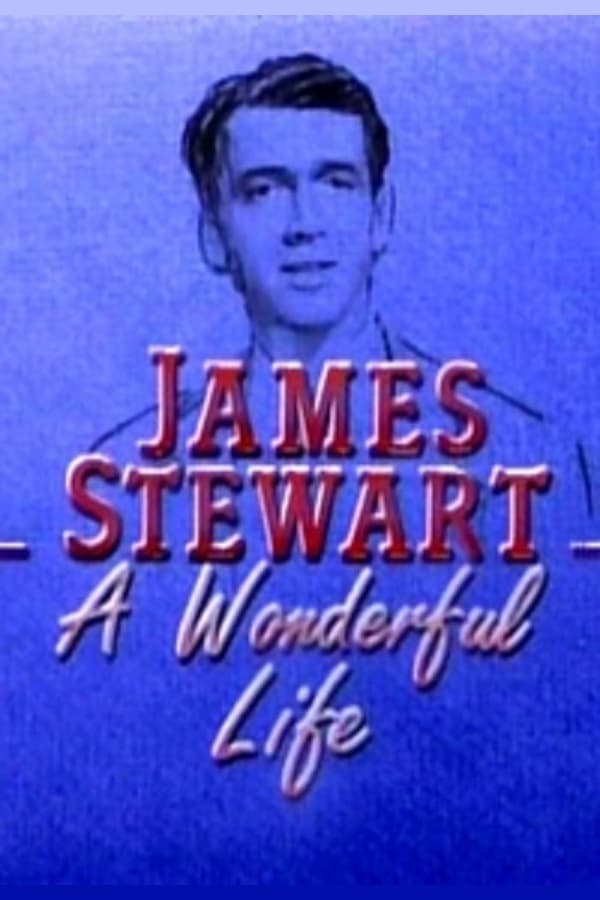 Movie6.5Documentary
Documentary about James Stewart's long career as an actor and positive personal life.
James Stewart: A Wonderful Life
1987 · 2 votes
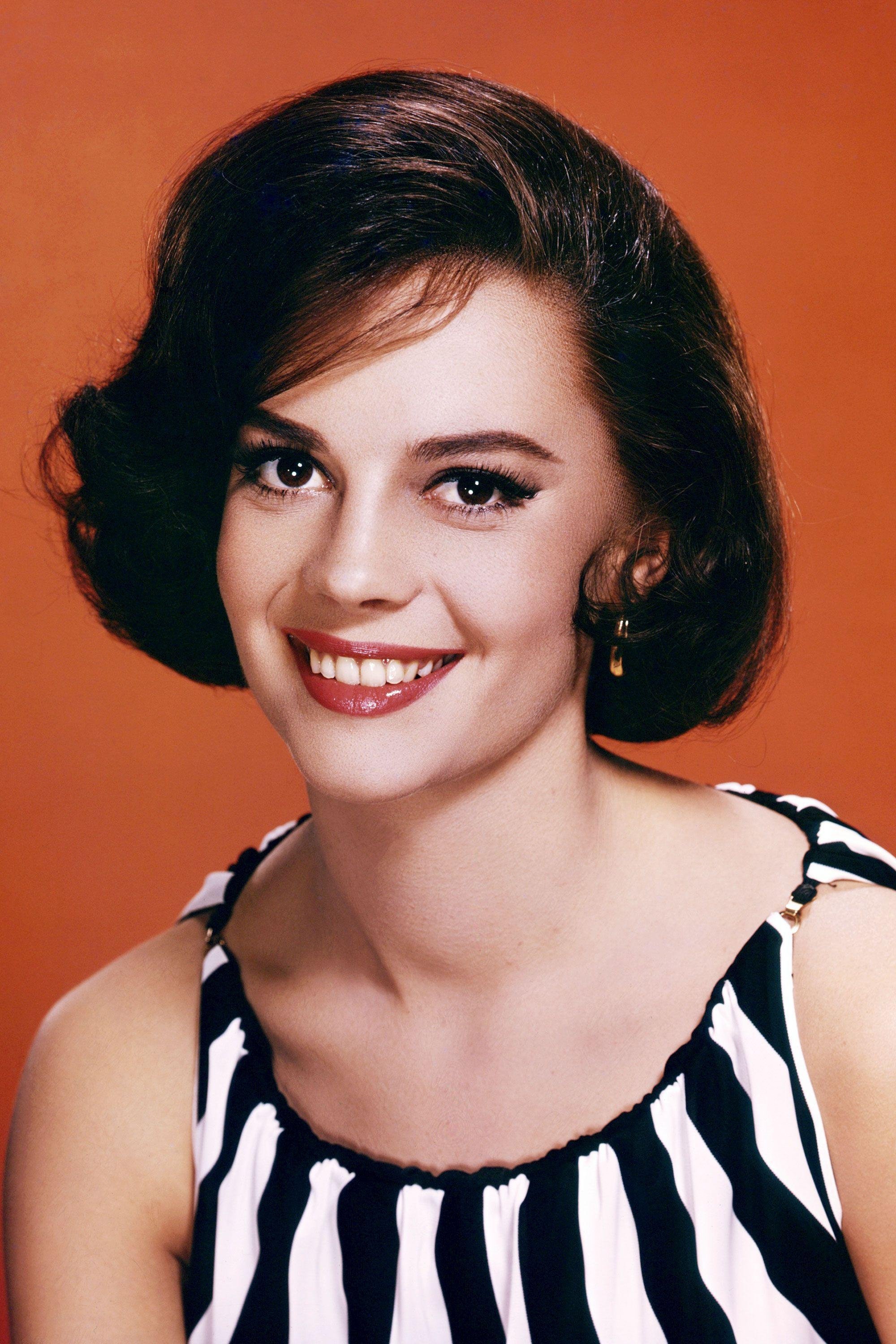 Movie6.0Documentary
An all-star tribute to Natalie Wood by some of her friends and co-workers.
Natalie - A Tribute to a Very Special Lady
1982 · 1 votes
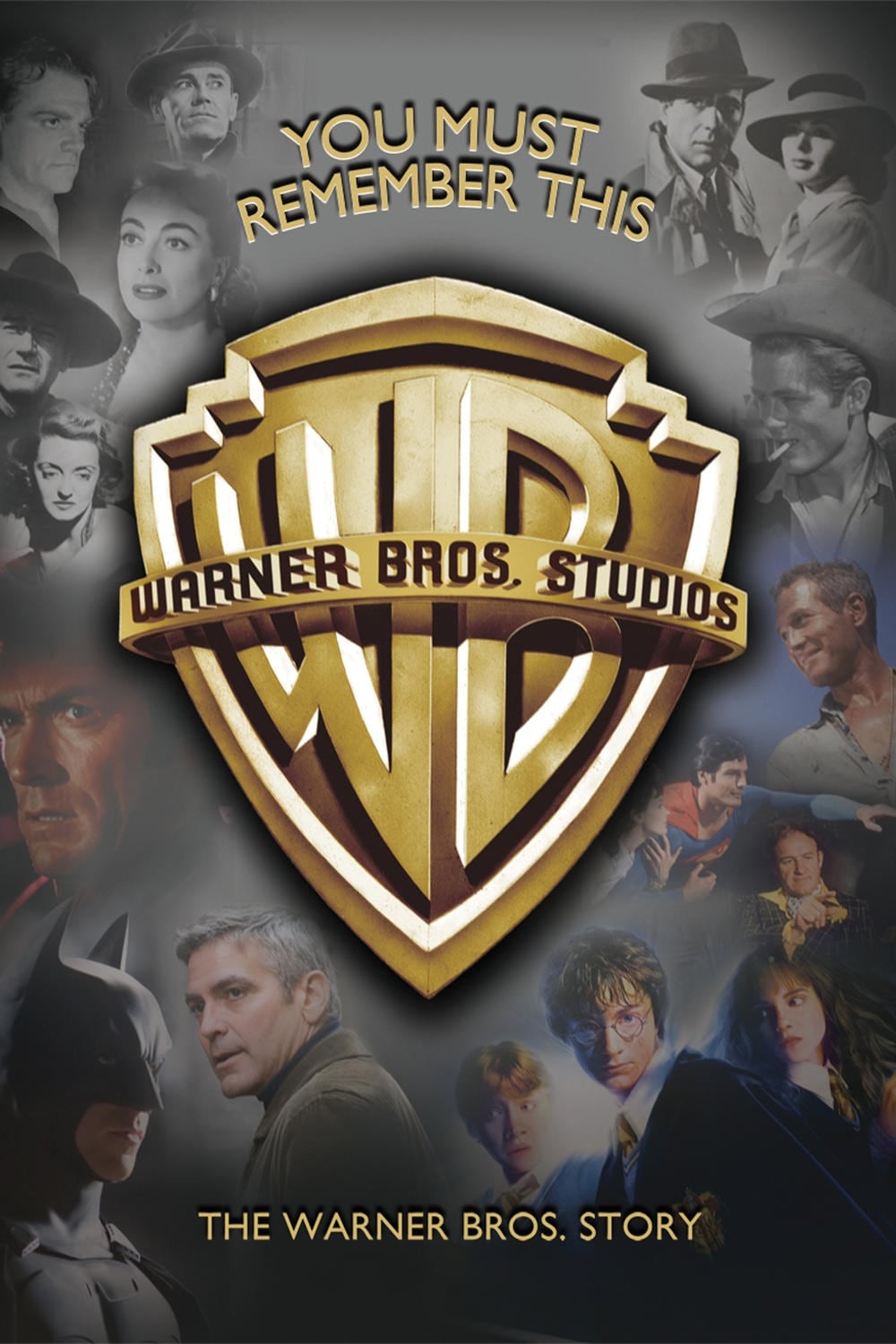 Movie8.5Documentary
Jack L. Warner, Harry Warner, Albert Warner and Sam Warner were siblings who were born in Poland and emigrated to Canada near the turn of the century. In 1903, the brothers entered the budding motion picture business. In time, the Warner Brothers moved into film production and would open their own studio in 1923.
You Must Remember This: The Warner Bros. Story
2008 · 12 votes
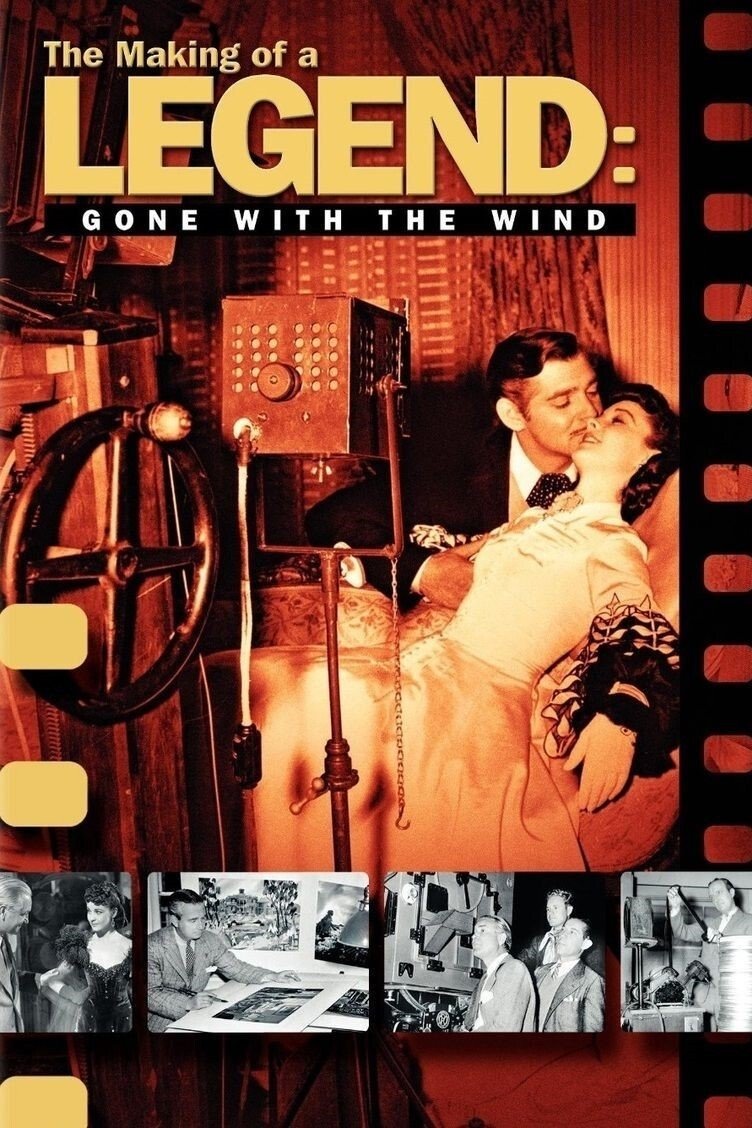 Movie8.2Documentary
This documentary revisits the making of Gone with the Wind via archival footage, screen tests, insightful interviews and rare film footage.
The Making of a Legend: Gone with the Wind
1988 · 5 votes
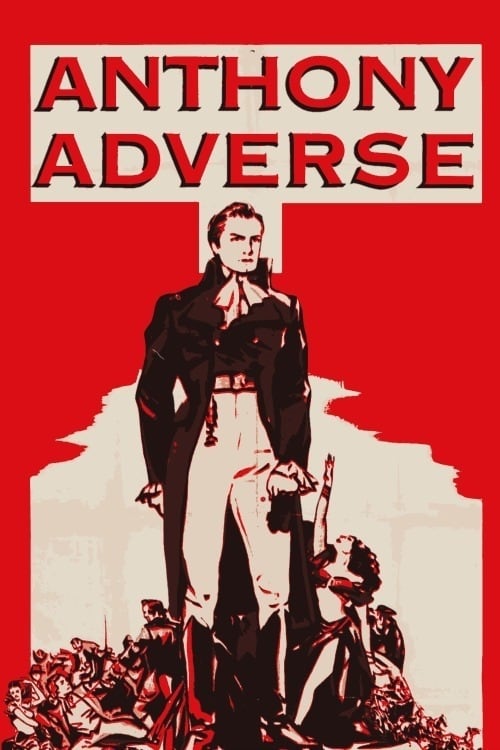 Movie6.7Documentary
Narrated documentary of the making of Anthony Adverse (1936), featuring many clips from the actual film.
The Making of a Great Motion Picture
1936 · 3 votes
 Movie6.0Documentary
Making-of documentary about the 1933 musical, 42nd Street.
42nd Street: From Book to Screen to Stage
2006 · 2 votes
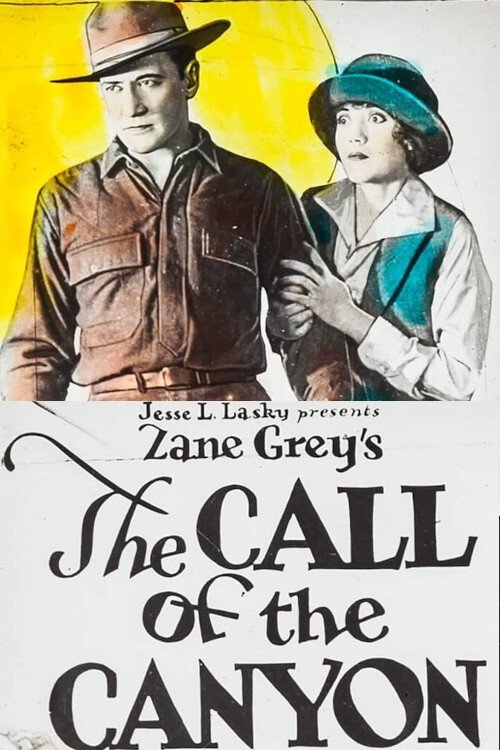 Movie7.0Western
Returning from World War I, Glenn Kilbourne travels to Arizona to regain his health. He meets a local girl, Flo Hutler, who helps him recover. His fiancee, Carley Burch, follows him to Arizona but soon decides she'd rather go back to New York. When Flo is badly hurt in an accident, Glenn decides to repay her for her help in bringing him back to health by proposing marriage.
The Call of the Canyon
1923 · 1 votes
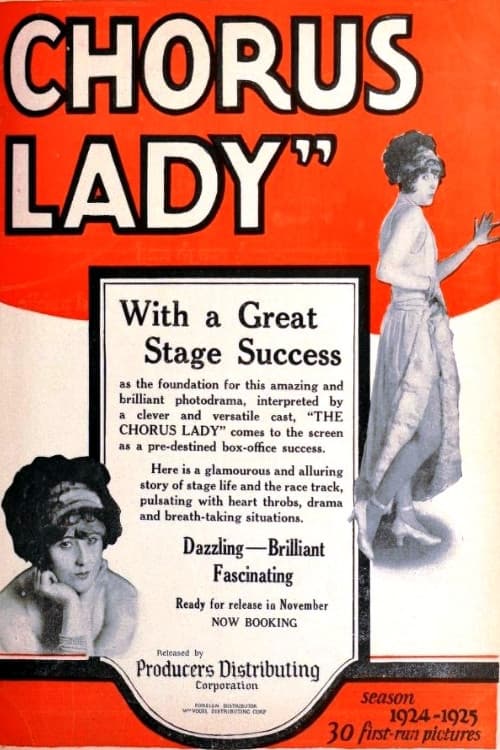 Movie7.0Drama
When her latest show closes, Pat O'Brien returns home. The stable owned by her fiancé, Dan Mallory, catches fire, and Pat helps save his prize horse, Lady Belle, who is blinded. Because of the fire, Pat and Dan have to put their wedding plans on hold, and Pat returns to the stage.
The Chorus Lady
1924 · 1 votes
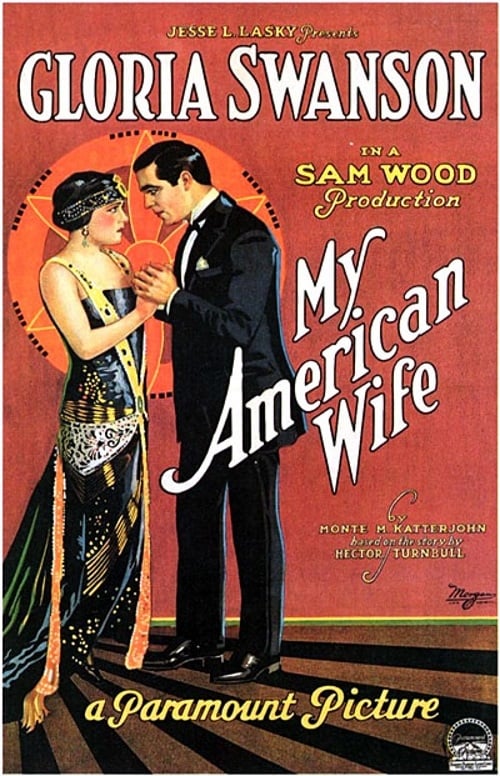 Movie10.0Drama
Manuel La Tessa, son of a wealthy South American family, meets Natalie Chester, a young Kentucky woman whose horse has won a race at a South American track. Manuel gives a party in her honor, where she is insulted by one of the guests. Manuel knocks down the offender. The offender, whose father is a powerful figure in the country's politics, challenges Manuel to a duel, but also hires a man to hide in ambush and kill his opponent. Manuel is only wounded and Natalie nurses him back to health. Natalie loves Manuel and seeks to uncover the mystery of the bullet fired at him during the duel. A lost film.
My American Wife
1922 · 1 votes
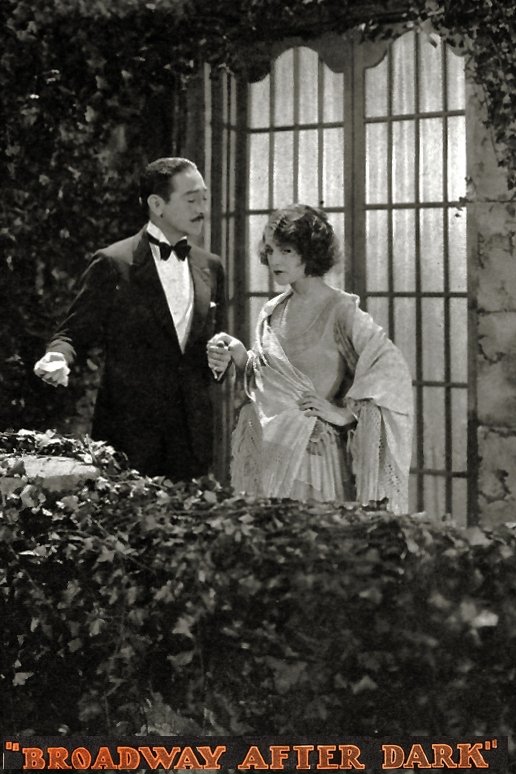 Movie10.0Comedy
Ralph Norton, man-about-town and wealthy favorite in Broadway society circles, is attracted to Helen Tremaine, but her flirtatious behavior causes him to reject the superficial life of his set.
Broadway After Dark
1924 · 1 votes
 Movie7.5Documentary
The time was 1938. The place, Hollywood. This is the story of one of the 456 films made that year, how it was made, and why it has endured.
The Making of the Wizard of Oz
1979 · 2 votes
 Movie3.3Drama
Elinor "Swifty" Forbes and her younger sister Marjory are the carefree daughters of wealthy J. D. Forbes. Their mother shows no restraint over her daughters, so they live among the flapper set. Lester Hodges, a songwriter, is enamored of Marjory, while Garside, who runs a card room, is interested in Swifty. While gambling at Garside's place, Swifty meets Roger Corbin, who works as an engineer at her father's business. Corbin falls in love with Swifty. When Mr. Forbes protests against both his daughters' behavior, they move out. Marjory marries Hodges, but eventually leaves him and returns to her parents. Swifty, who has gambled herself into debt, agrees to marry Garside. But when the couple are together in a café, prohibition agents raid the place.
Prodigal Daughters
1923 · 3 votes
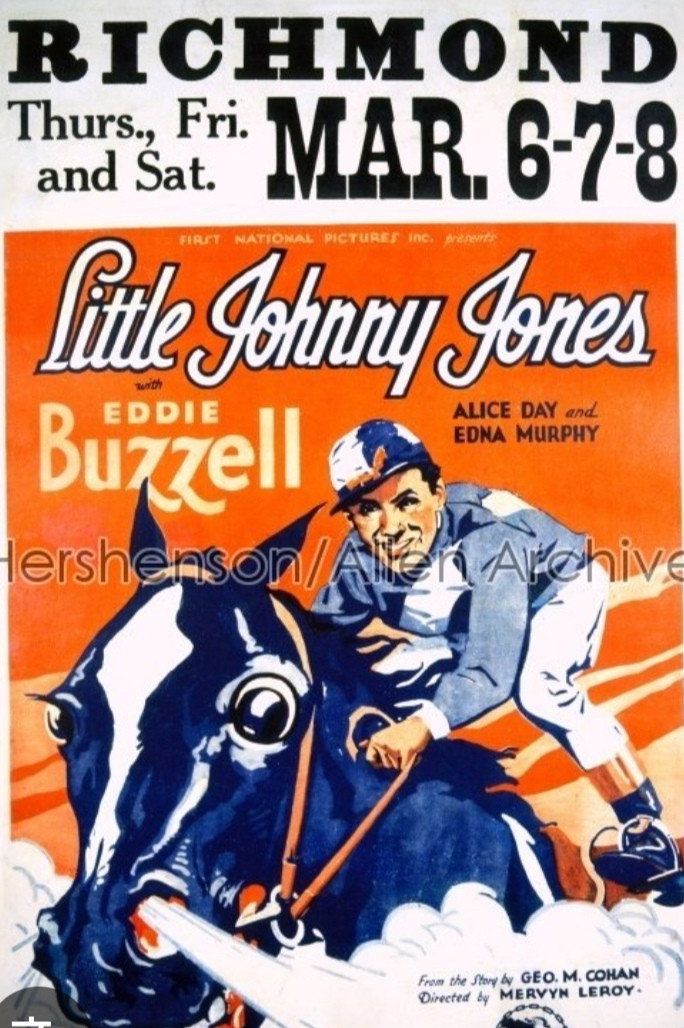 Movie8.0ComedyDrama
Jockey Johnny Jones is hired to ride The Earl of Bloomsburg's horse at the English Derby. Crooked gambler Robert Anstead frames Johnny as a thief and kidnaps his sweetheart in order to make Johnny throw the race. Will he succeed?
Little Johnny Jones
1923 · 1 votes
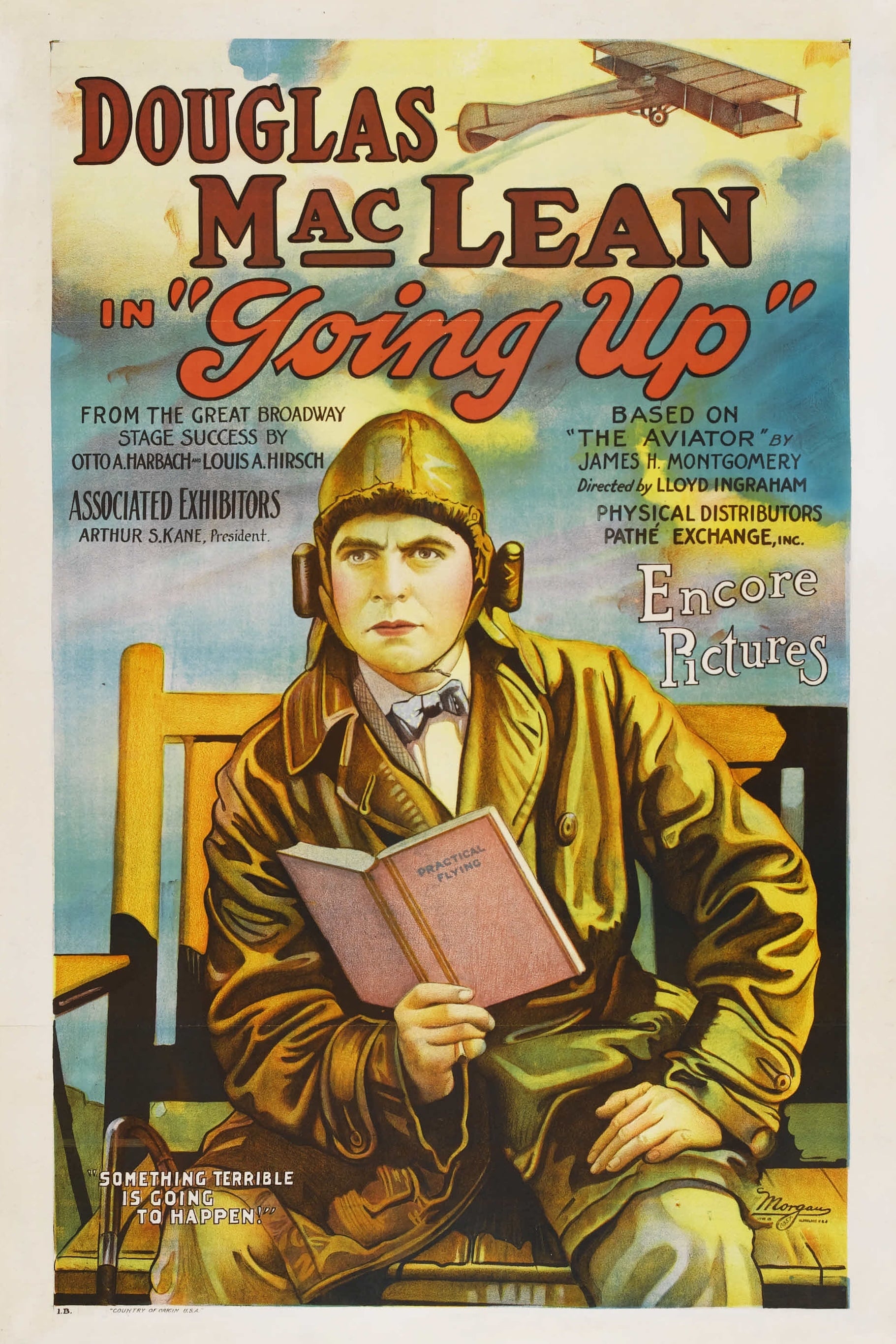 Movie9.0Comedy
Going Up (1923)
Going Up
1923 · 1 votes
- Movie6.0Documentary
This short starts out as a documentary. In a dramatization, Eadward Muybridge's photographic experiments prove that when a horse gallops, there are times when all four of the animal's feet are off the ground. We are then brought to the present, where MGM directors and their cinematographers are shown working on current productions. The film closes with closeups of the studio's major stars and a tribute to the studio's actors who have joined the armed forces.
You Can't Fool a Camera
1941 · 5 votes
 MovieDocumentary
A Traveltalk style documentary look at Rome.
Series3
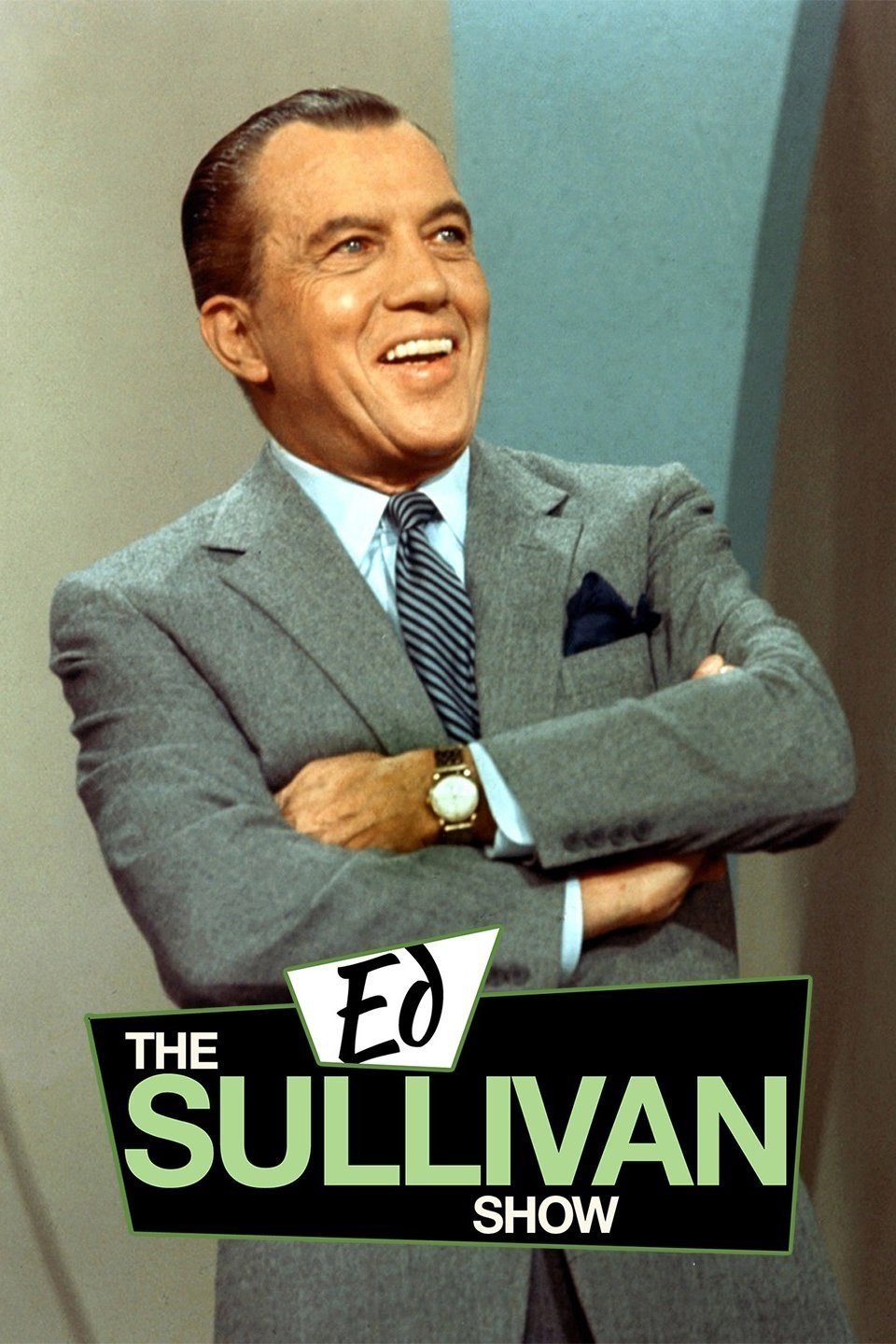 TV6.8ComedyTalk Show
The Ed Sullivan Show is an American TV variety show that originally ran on CBS from Sunday June 20, 1948 to Sunday June 6, 1971, and was hosted by New York entertainment columnist Ed Sullivan. It was replaced in September 1971 by the CBS Sunday Night Movie, which ran only one season and was eventually replaced by other shows. In 2002, The Ed Sullivan Show was ranked #15 on TV Guide's 50 Greatest TV Shows of All Time.
The Ed Sullivan Show
1948 · 23 votes
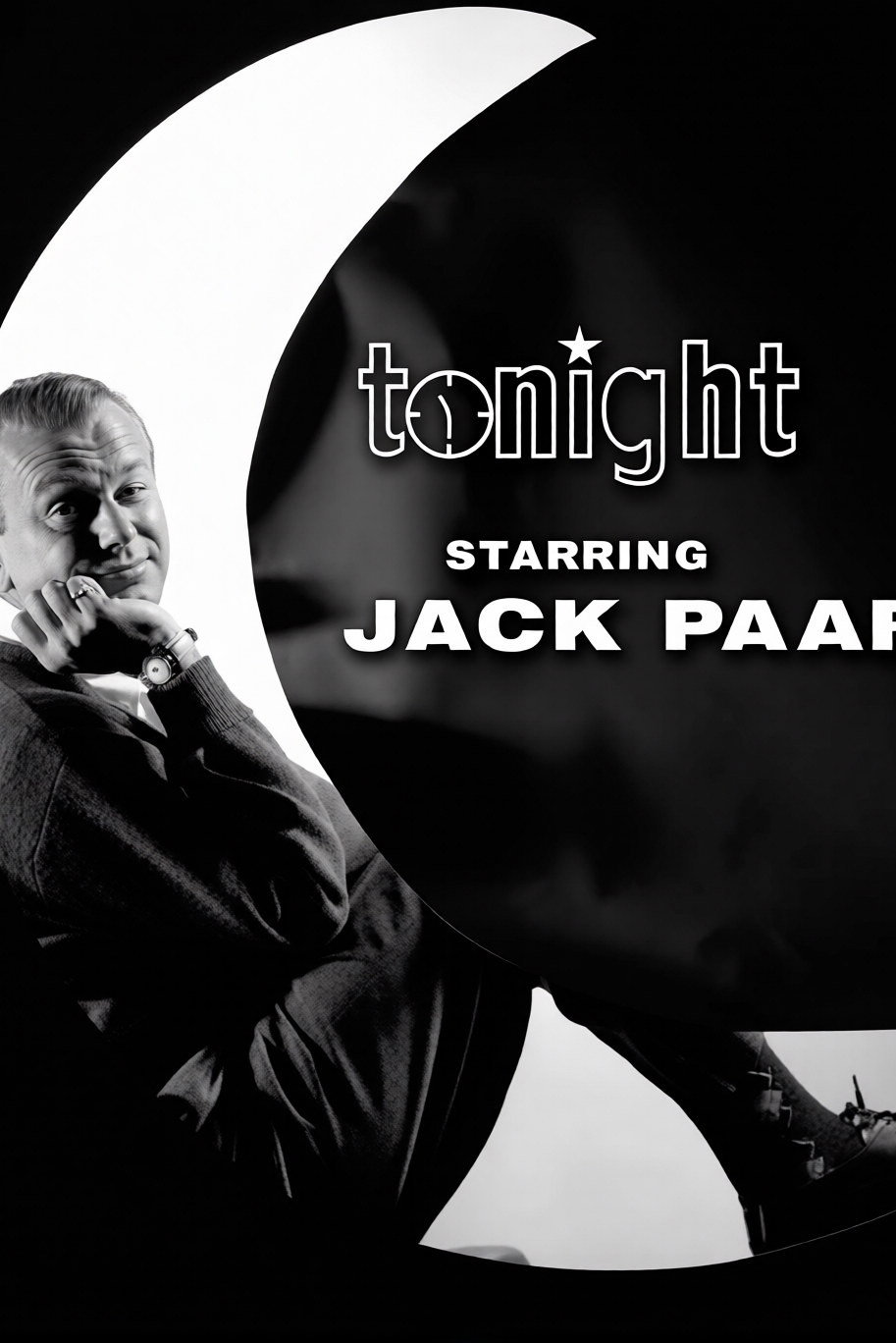 TV7.5Talk Show
Tonight Starring Jack Paar is an American talk show hosted by Jack Paar under The Tonight Show franchise from 1957 to 1962. It originally aired during late-night. During most of its run it was broadcast from Studio 6B inside the RCA Building. The same studio would also host early episodes of The Tonight Show Starring Johnny Carson, and Late Night with Jimmy Fallon. Its theme song was an instrumental version of "Everything's Coming Up Roses", and the closing theme was "So Until I See You" by Al Lerner.
Tonight Starring Jack Paar
1957 · 6 votes
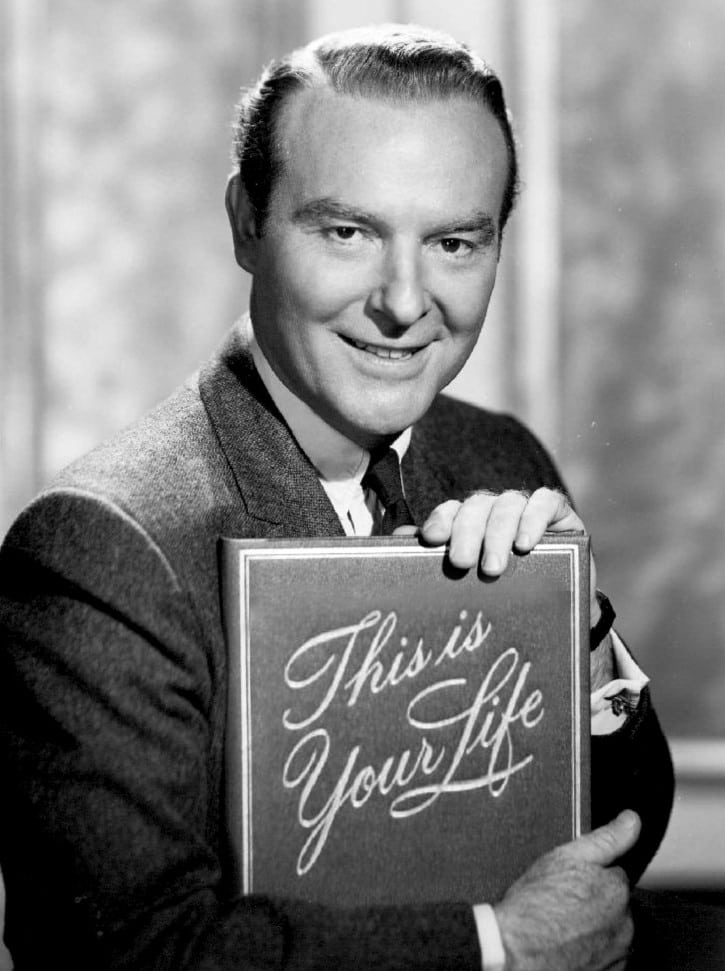 TV6.5Documentary
This Is Your Life is an American television documentary series broadcast on NBC, originally hosted by its producer, Ralph Edwards from 1952 to 1961. In the show, the host surprises a guest, and proceeds to take them through their life in front of an audience, including special guest appearances by colleagues, friends and family. Edwards revived the show in 1971-72, while Joseph Campanella hosted a version in 1983. Edwards returned for some specials in the late 1980s, before his death in 2005. The show originated as a radio show on NBC Radio airing from 1948 to 1952.
This Is Your Life
1952 · 13 votes