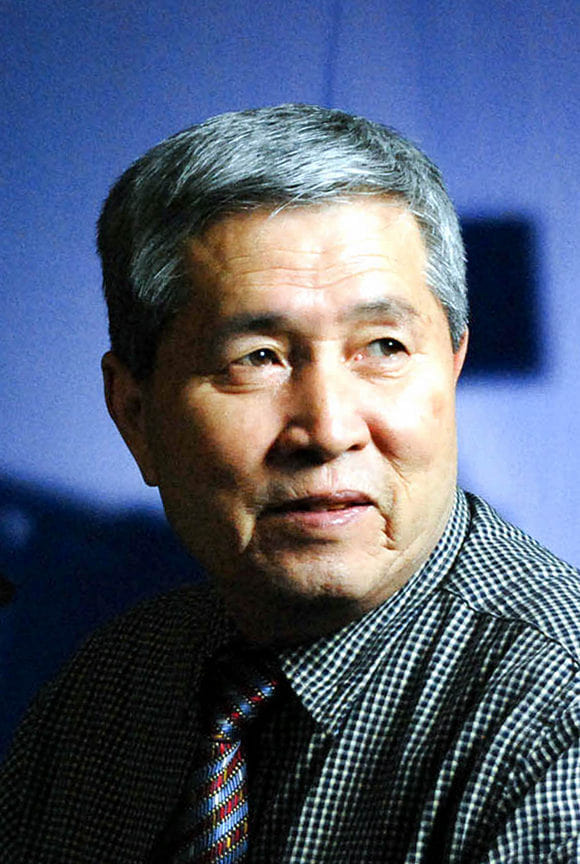
Im Kwon-taek
Director · b. 1936 · Jangseong, South Jeolla, South Korea
Im Kwon-taek (born May 2, 1936) is one of South Korea's most renowned film directors. In an active and prolific career, his films have won many domestic and international film festival awards as well as considerable box-office success, and helped bring international attention to the Korean film industry. As of spring 2015, he has directed 102 films.
Movies8
- Movie6.0Documentary
South Korean cinema is in the throes of a creative explosion where mavericks are encouraged and masters are venerated. But from where has this phenomenon emerged? What is the culture that has yielded this range of filmmakers? With The Nine Lives of Korean Cinema, French critic, writer and documentarian Hubert Niogret provides a broad overview but, nevertheless, an excellent entry point into this unique type of national cinema that still remains a mystery for many people. The product of a troubled social and political history, Korean cinema sports an identity that is unique in much modern film. Niogret's documentary tells of the country's cinematic history - the ups along with the downs - and gives further voice to the artists striving to express their concerns, fears and aspirations.
 Movie6.9Drama
Young is a nameless actor who dreams of becoming a big movie star. Then one day, he makes his breakthrough with a film and becomes a star overnight.
 Movie7.5Documentary
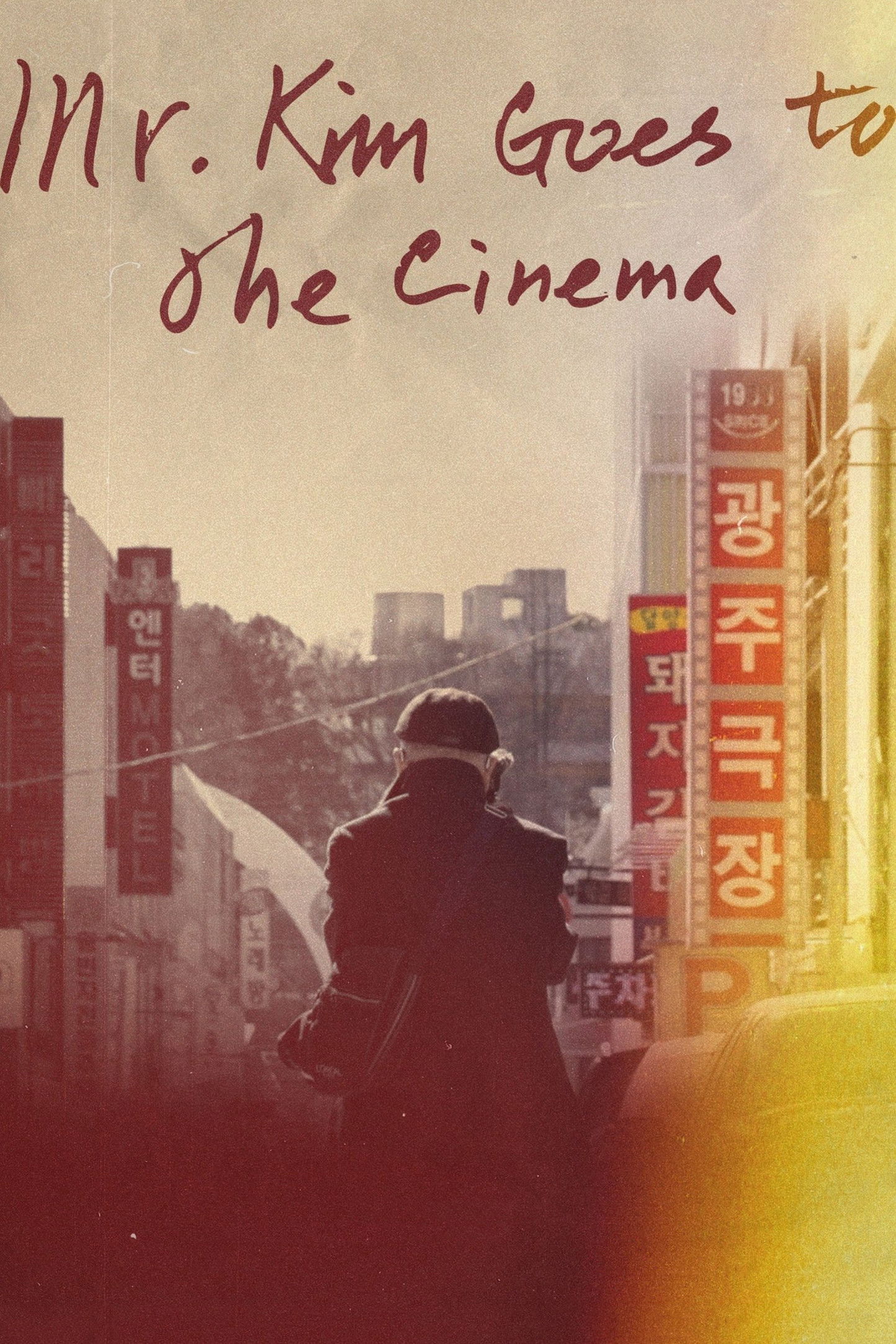
After the COVID-19 pandemic, Busan International Film Festival founder Kim Dong-ho, at eighty-five, picks up a camcorder for the first time and decides to make a documentary. His lens turns toward cinemas struggling through the crisis, as beloved theaters vanish amid dwindling audiences. Seeking to reconnect with old friends, "Mr. Kim" — now nearing ninety — travels the world to talk with filmmakers and cinephiles. Through these encounters, he reflects on cinema’s past and future, finding wisdom and resilience in a time of transformation. His journey becomes a meditation on change, memory, and the enduring spirit of film.
 Movie5.5Documentary
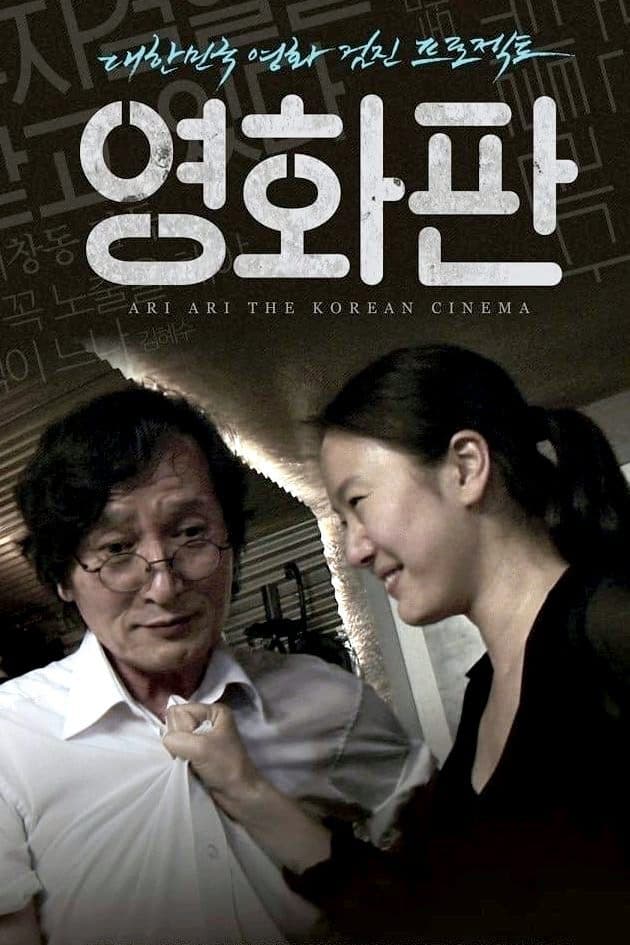
Director Chung Ji-Young criticizes the thought that older directors have difficulties in making certain movies. Actress Yoon Jin-Seo agonizes over her identity as an actress. In 2009, before the movie "Unbowed" was made, they met and planned a documentary about Korean movies, including the processes a Korean movie goes through and difficulites. "Ari Ari the Korean Cinema" is a documentary with interviews of Korean directors, actors and actresses.
 MovieDocumentary
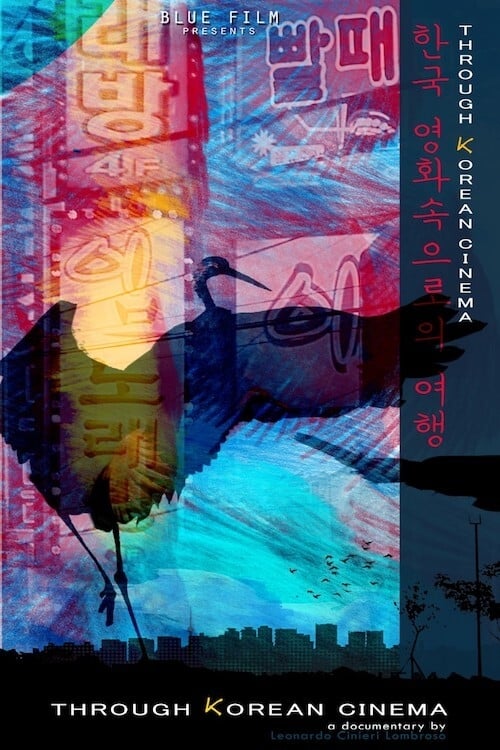
Discover the roots of Korean cinema. A cinema who surprised by the success recorded in the major international festivals. Interviews to five famous Korean directors, to get to know closely the evolution of Korean cinema. Through their words, their pictures and their stories. The Korean cinema has tendency to describe both the society, the past and the modern. The world of west cinema knows these directors through the journey of some of their movies. What do we know about their thoughts, their life, their culture and their way of working? The documentary focus on it.
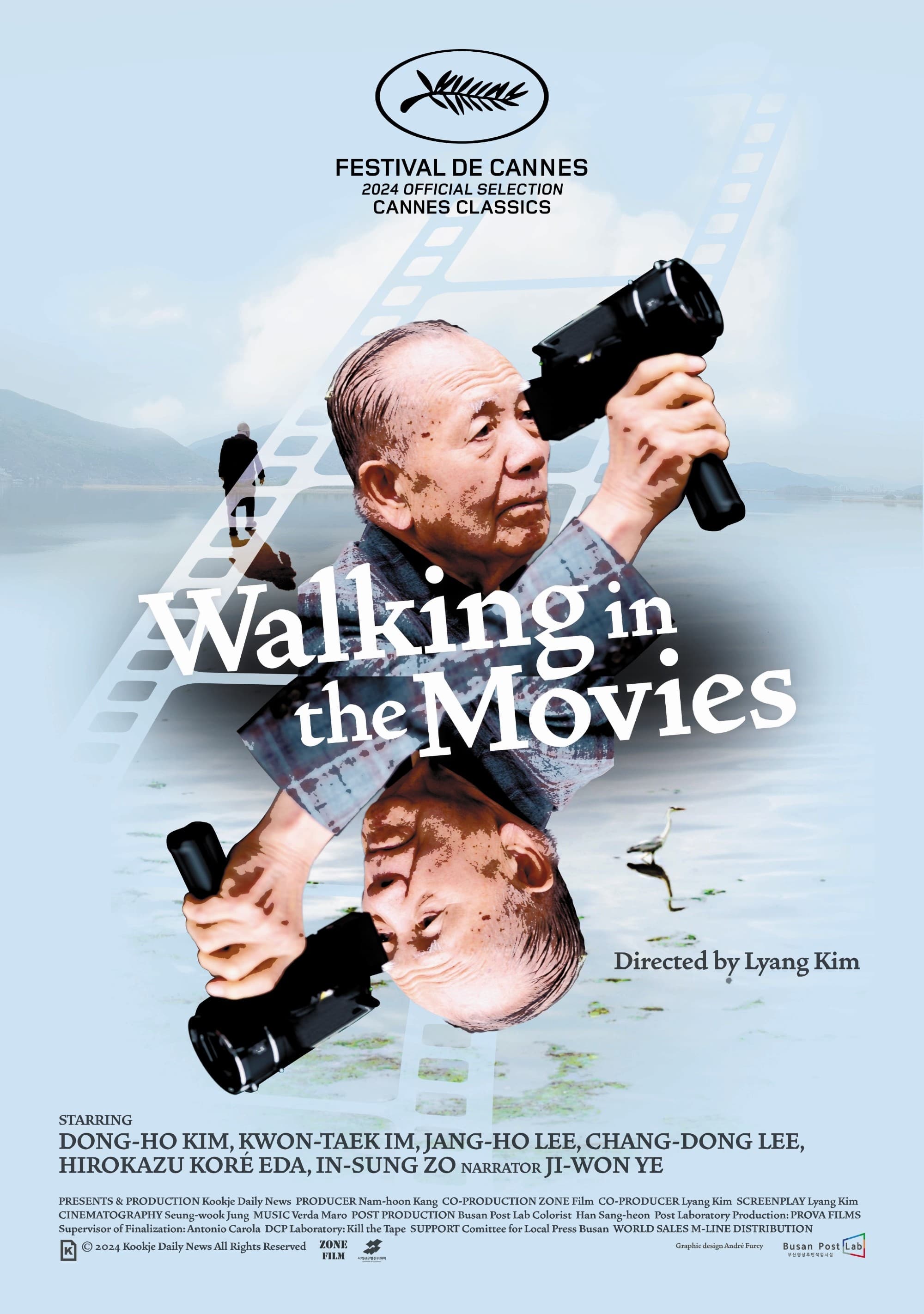 Movie10.0Documentary
KIM Dong-ho is the founder of the Busan International Film Festival and one of the key figures in the rise of Korean cinema. Starting his career as a civil servant, he dedicated his whole life to the sheer passion for films. With his deep commitment and instinctive creativity, he will keep “walking in the movies.”
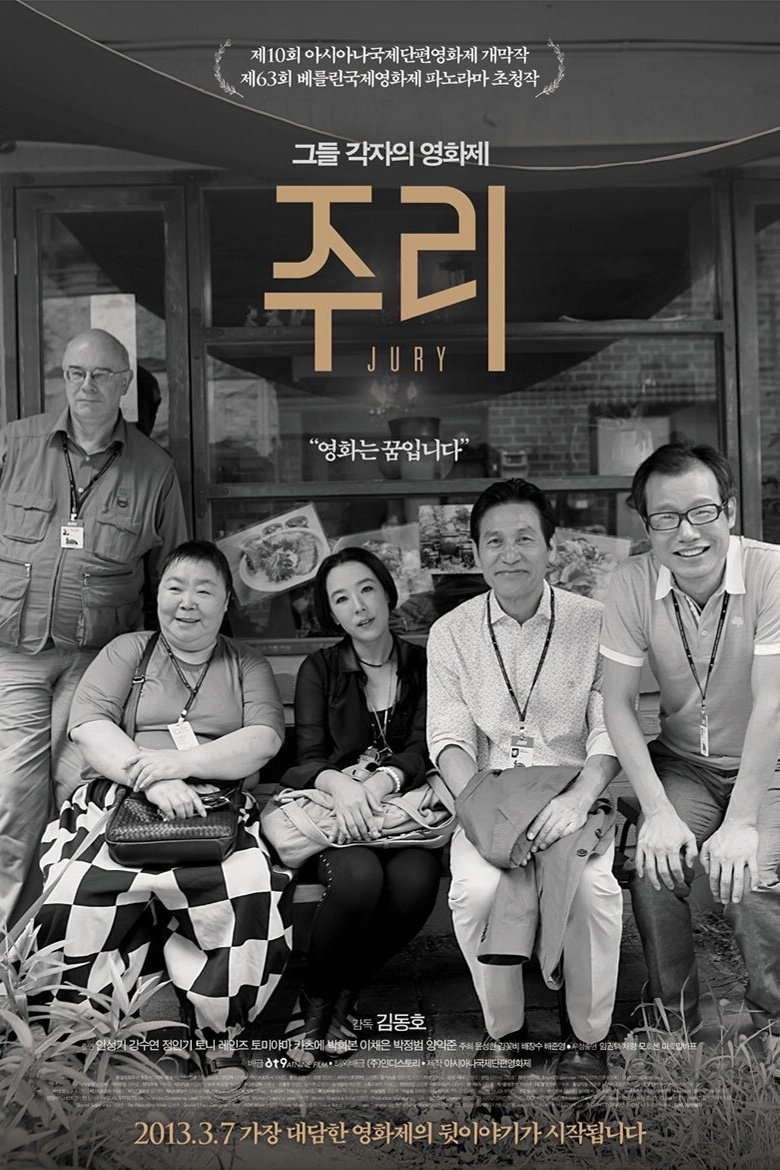 Movie6.3Comedy
After the film screening, five people hold a meeting. Director Jeong asserts that a film should move the heart. Actress Soo-yeon emphasizes on the message of the film, Film critic Tony just discusses about the current trend of Korean cinema. Tomiyama cannot fully express her thoughts because of the language barrier. And, the head of jury, Sung-ki can’t control the situation. Will this jury reach an agreement against all odds? A satire for those who make, watch, and criticize films is about to begin.
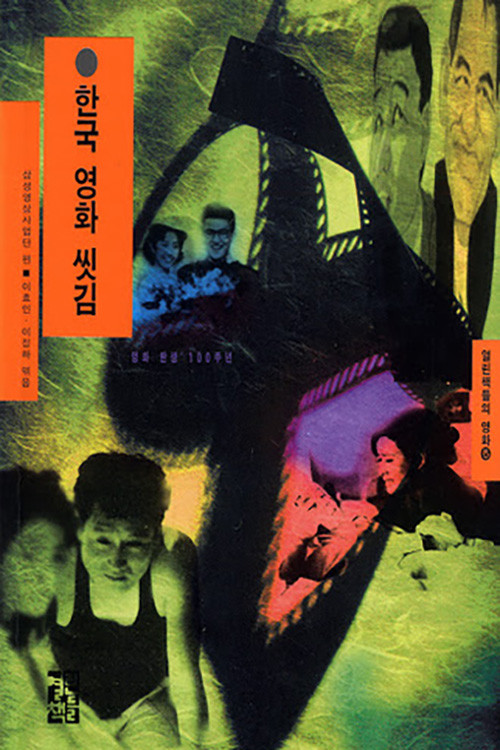 Movie5.6Documentary
A personal consideration of the Korean cinema by director Jang Sun-Woo, looking at it’s history of outside influence and censorship.