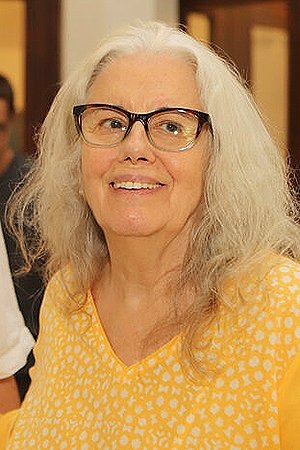
Rosa Dias
Writer
Movies9
 Movie5.2Drama
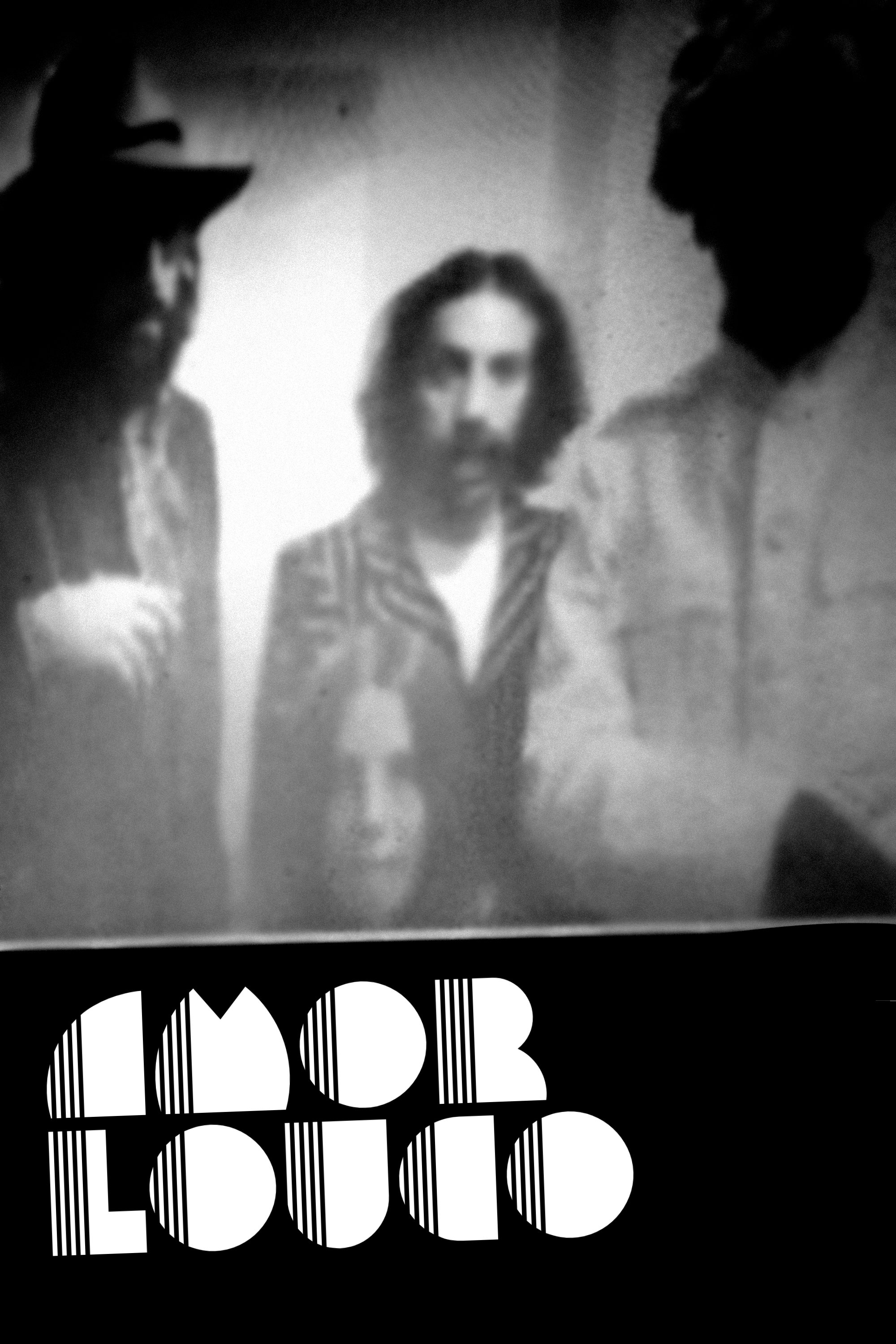
Bressane's second London film, shot in six days in his apartment. "I had seen the French avant-garde films of the 1920's and naturally the title cites Breton. But underneath it can also be read in many ways. It is a cinema that is invented on the spur of the moment, like you invent an instrument to play music and then abandon it. This film came out like an improvisation, a total risk. It is a deconstruction of meaning but not in the analytical, intellectual sense. I have always tried to lose myself with my films. There is no trace of American or French underground cinema. If anything, it is the idea of home movies, there were many ideas for digital films long before digital film existed. This film made itself, it was like a jazz improvisation. Amor Louco is a lost object, it doesn't speak any language, it has no signs, no letters, no captions. And in the scene where the cataract is cut with the razor blade, it was the adventure of the film itself that was put to the test".
 Movie9.0Documentary
For this behemoth, Bressane took his opera omnia and edited it in an order that first adheres to historical chronology but soon starts to move backwards and forward. The various pasts – the 60s, the 80s, the 2000s – comment on each other in a way that sheds light on Bressane’s themes and obsessions, which become increasingly apparent and finally, a whole idea of cinema reveals itself to the curious and patient viewer. Will Bressane, from now on, rework The Long Voyage of the Yellow Bus when he makes another film? Is this his latest beginning? Why not, for the eternally young master maverick seems to embark on a maiden voyage with each and every new film!
 MovieHorror
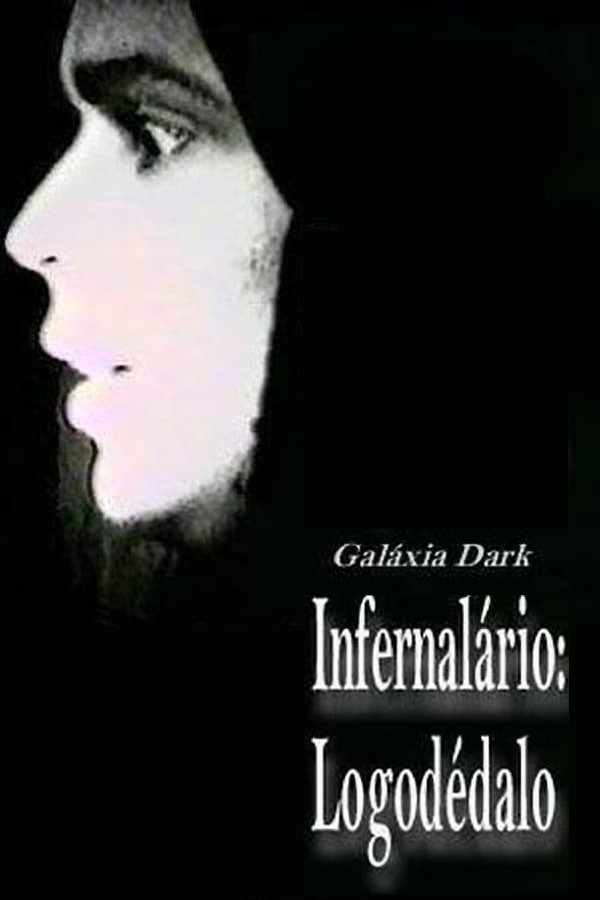
"They are combinations of fragments. There are no stories, it is possible to mount these fragments in many ways. »Cine-eye or cine-voice-eye. The text of the Galaxies goes straight to the image. »A text rewritten for the eye» (H. de Campos). A short film that is more than experimental and that is based on a dark aesthetic that takes from the work of poet Haroldo de Campos its "dark matter" to combine it with the filmmaker's rarefied images and the puppet-like markings of actresses Bete Coelho and Mariana de Moraes.
 Movie4.7Drama
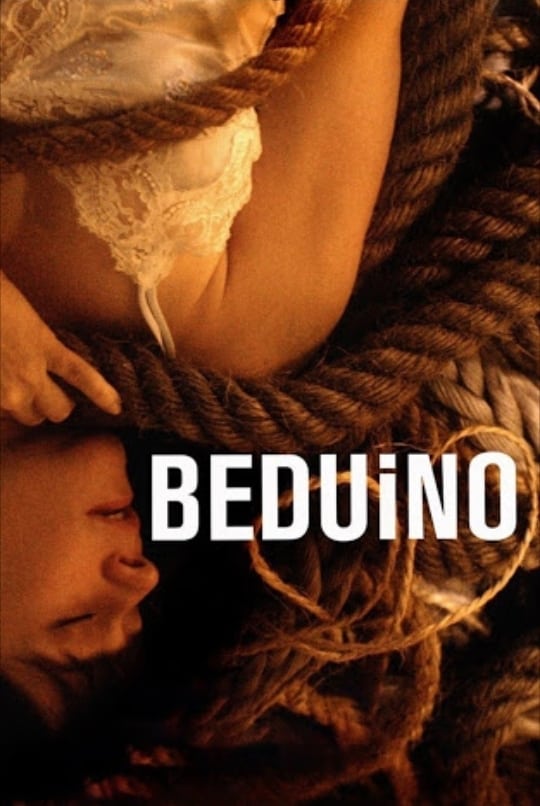
A curious couple, whose existence takes place where art arises along a singular metaphysical desire. They search for it through repeated and varied representations, in a setting of light where hope and desperation blend together.
Beduíno
2016 · 9 votes
 Movie5.5Drama
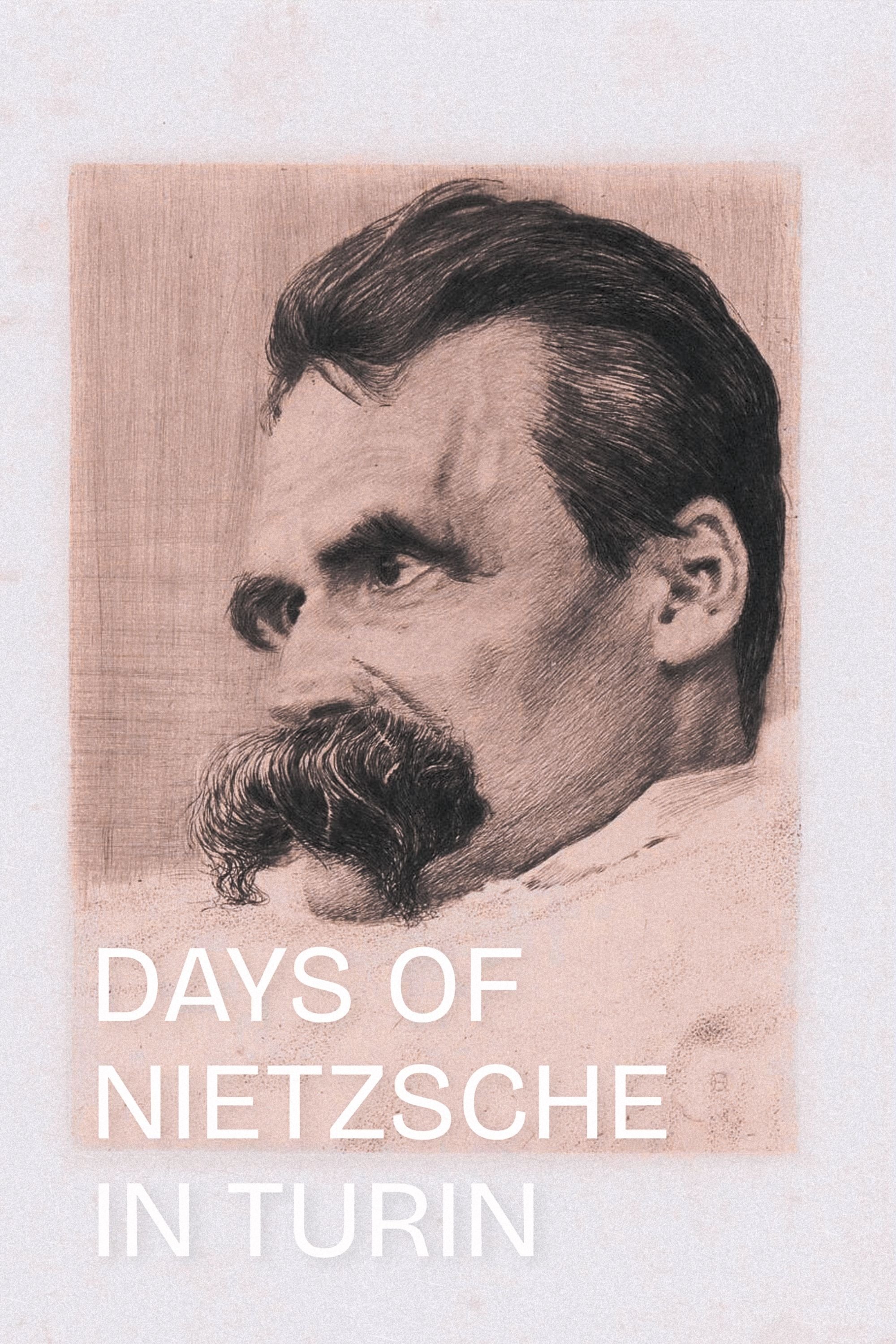
A cinematographic essay, without dialogues, about the months Nietszche spent in Turin, Italy, with narration quoted by his original writings.
 Movie5.5Drama
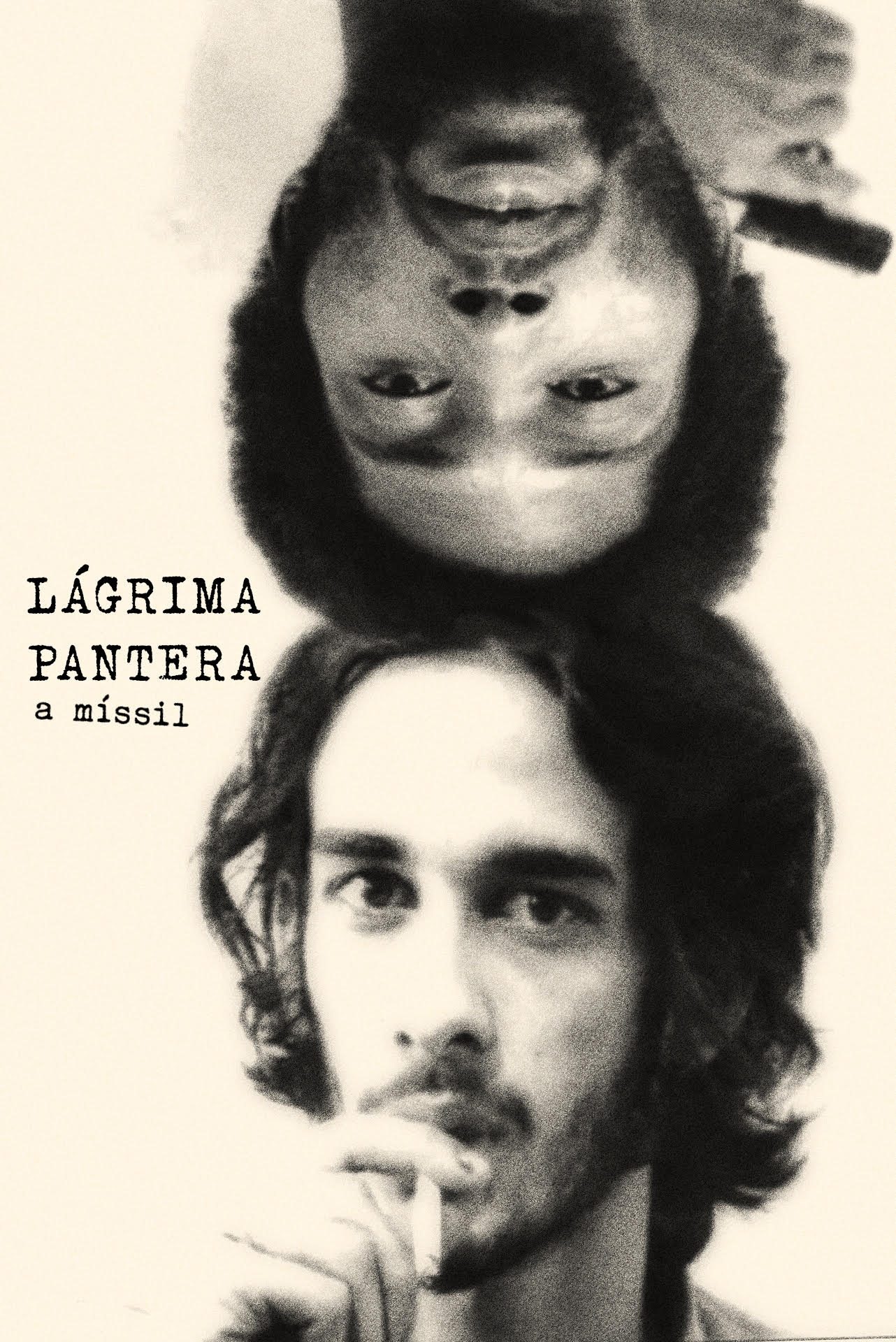
A silent film shot in New York in 1972, including scenes in Hélio Oiticica’s apartment. Last film made in exile by Bressane, it mimics the experimental concept of "quasi-cinema" by Hélio Oiticica. It consists of a fragmentary experience of freedom, in super-8 and 16mm, in a code out of time, out of the square, while recreating (with different cameras) the wild and sensitive look that Oiticica dedicated to cinema. Its definitive 71-minute restored version was completed in the early 2000s.
Lágrima Pantera: A Míssil
1972 · 10 votes
 Movie8.0
A 1972 Portuguese language drama/adventure film written and directed by Júlio Bressane, starring Rosa Dias and Elyseu Visconti.
A Fada do Oriente
1972 · 1 votes
 Movie5.5Documentary
In September 2007 Júlio Bressane goes to Ferrara. In the cemetery of the Italian city he ends up making two movies.
Ver Viver Reviver
2007 · 2 votes
 MovieDocumentary
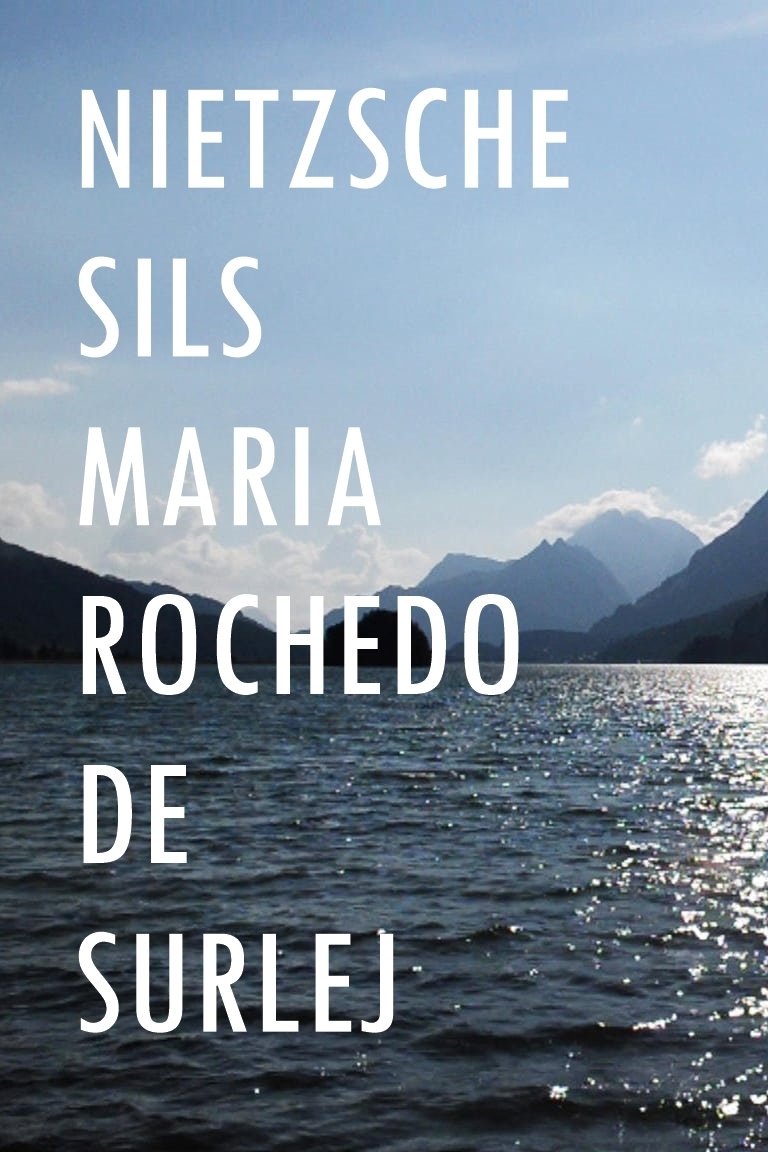
Bressane (together with his partner Rosa Dias and young filmmaker Rodrigo Lima) guide us through the beautiful Swiss Sils Maria, where Nietzsche spent no less than eight summers. In his letters, Nietzsche indicates which spots brought him to a different understanding of philosophy. He discovered, beyond the philosophical text, a source for ideas in the pure air, in the mountain landscapes, in the water of the lakes, and in the age-old forests.