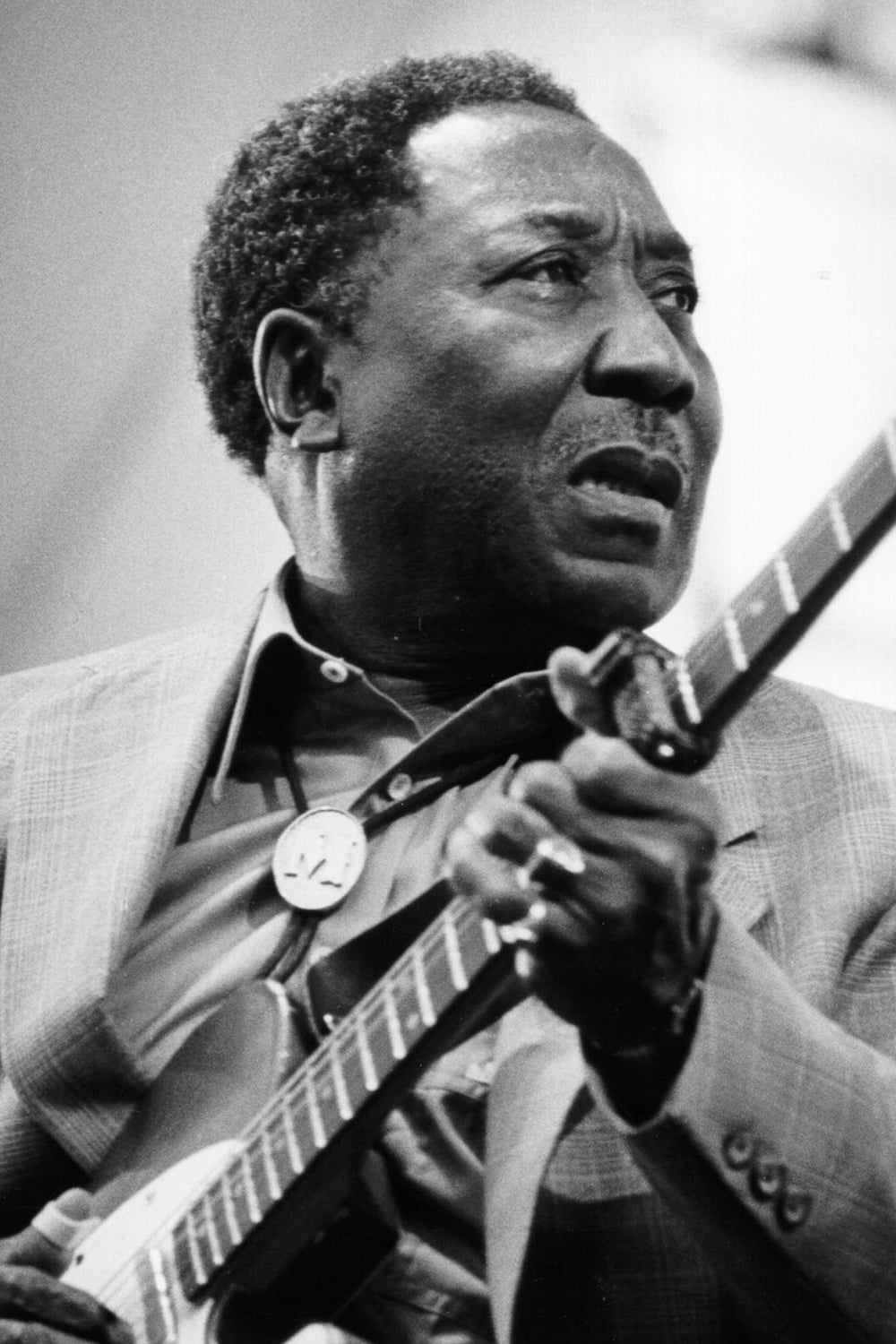
Muddy Waters
Actor · 1915 – 1983 · Issaquena, Mississippi, USA
McKinley Morganfield, known professionally as Muddy Waters, (April 4, 1915 – April 30, 1983) was an American blues singer-songwriter and musician who was an important figure in the post-war blues scene, and is often cited as the "father of modern Chicago blues." His style of playing has been described as "raining down Delta beatitude."
Movies20
 Movie7.5DocumentaryMusic
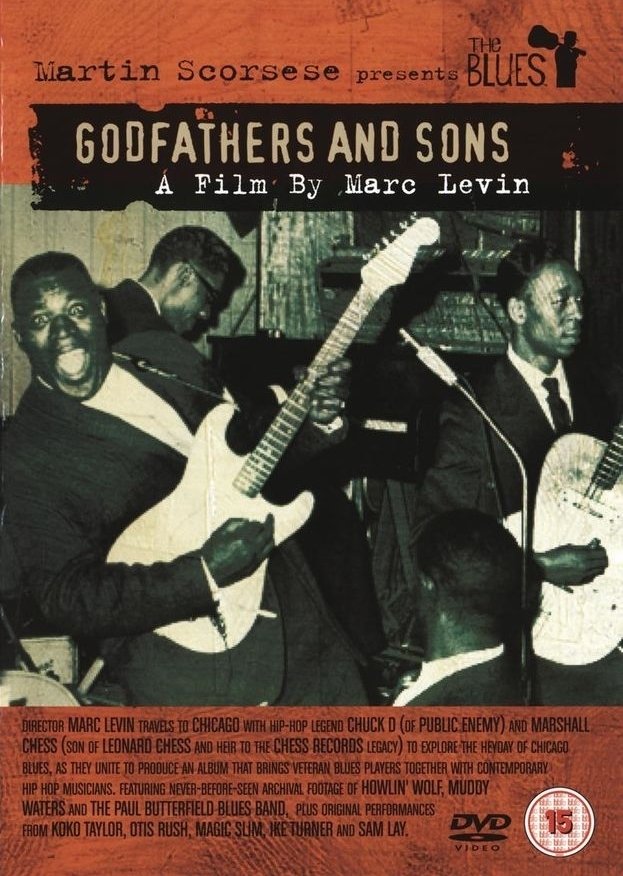
Director Marc Levin travels to Chicago with hip-hop legend Chuck D (from Public Enemy) and Marshall Chess (son of Leonard Chess and heir to the legacy of Chess Records) to explore the heyday of the Chicago blues and how they come together to produce an album that seeks to bring veteran blues players along with contemporary hip hop musicians. Along with never before seen footage from Howlin 'Wolf, Muddy Waters and Paul Butterfield Blues Band, they are original performances by Koko Taylor, Otis Rush, Magic Slim, Ike Turner and Sam Lay.
Godfathers and Sons
2003 · 1 votes
 Movie7.7DocumentaryMusic
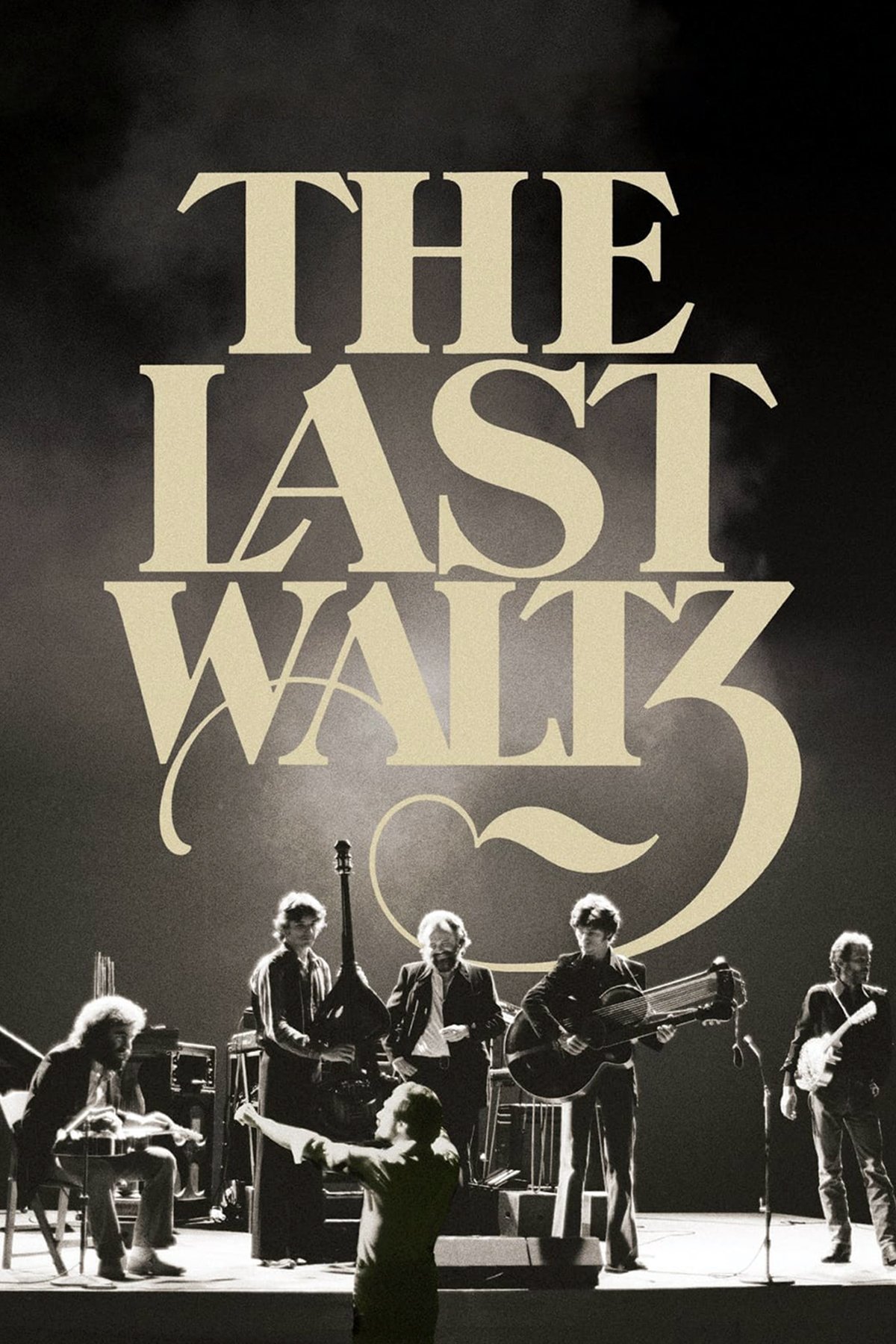
Martin Scorsese's documentary intertwines footage from The Band's incredible farewell tour with probing backstage interviews and featured performances by Eric Clapton, Bob Dylan, Joni Mitchell, Van Morrison, and other rock legends.
The Last Waltz
1978 · 320 votes
 Movie6.5MusicDocumentary
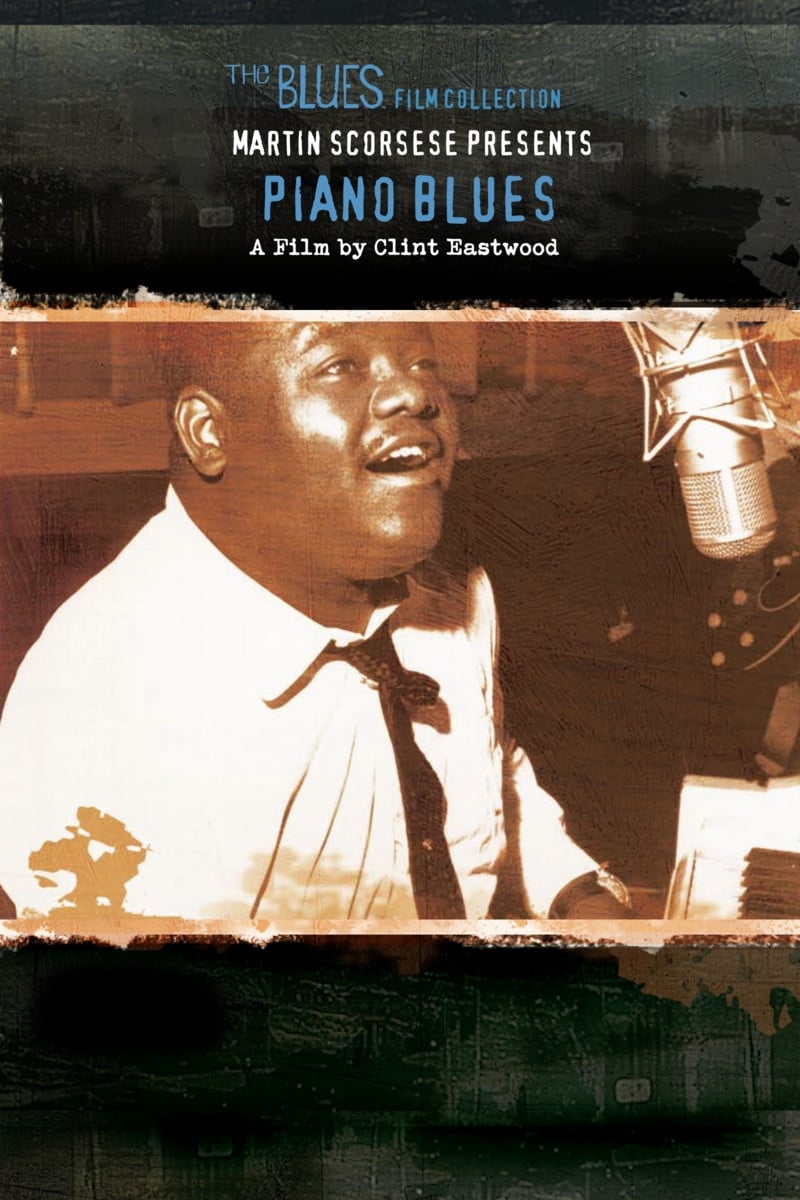
Director — and piano player — Clint Eastwood explores his life-long passion for piano blues, using a treasure trove of rare historical footage in addition to interviews and performances by such living legends as Pinetop Perkins and Jay McShann, as well as Dave Brubeck and Marcia Ball.
Piano Blues
2003 · 10 votes
 Movie6.8DocumentaryMusic
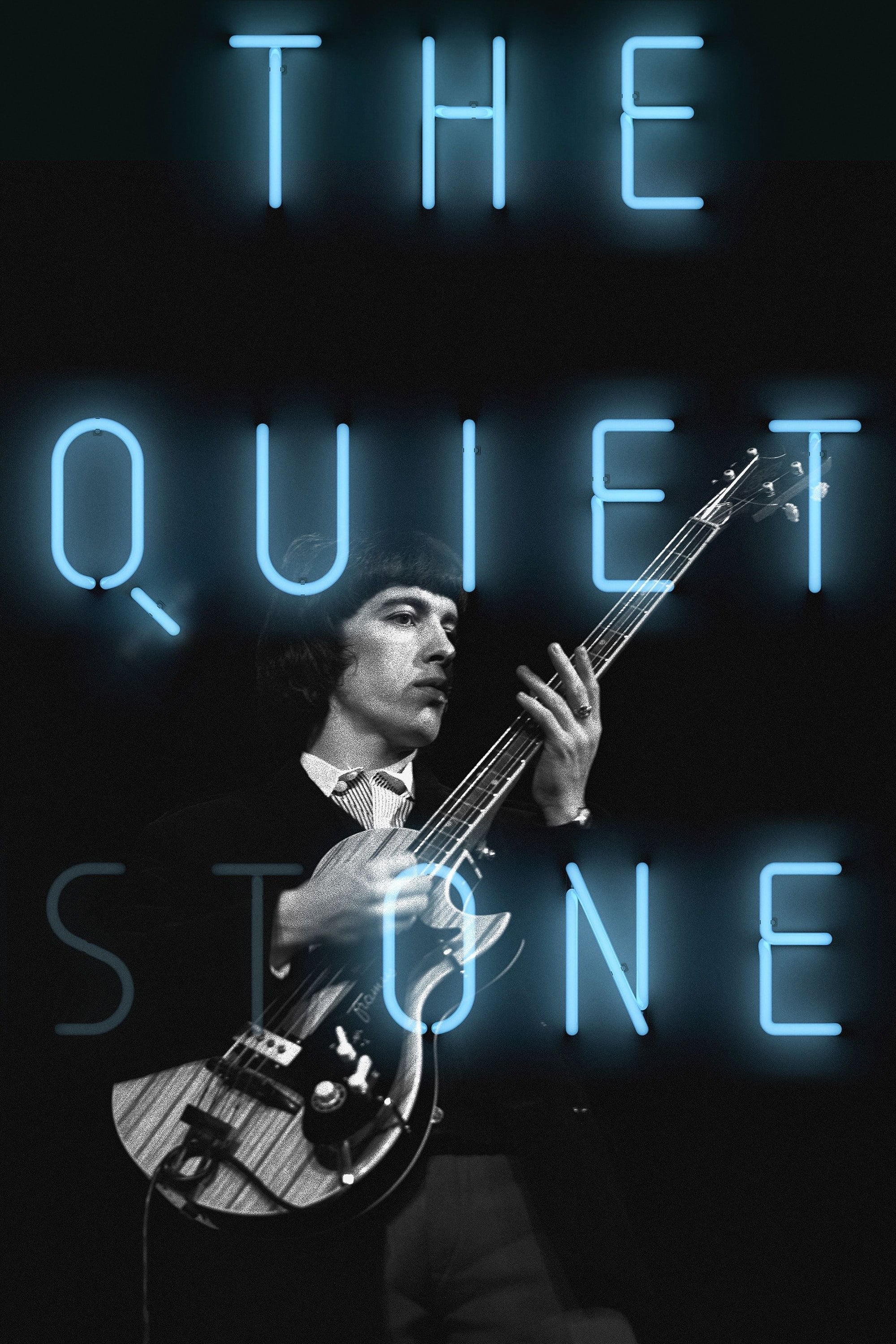
Featuring never-before-seen home movies and photographs, musician Bill Wyman opens up his vast personal archives to share stories and memories of his three-decade stint as bassist of the Rolling Stones.
The Quiet One
2019 · 14 votes
 Movie
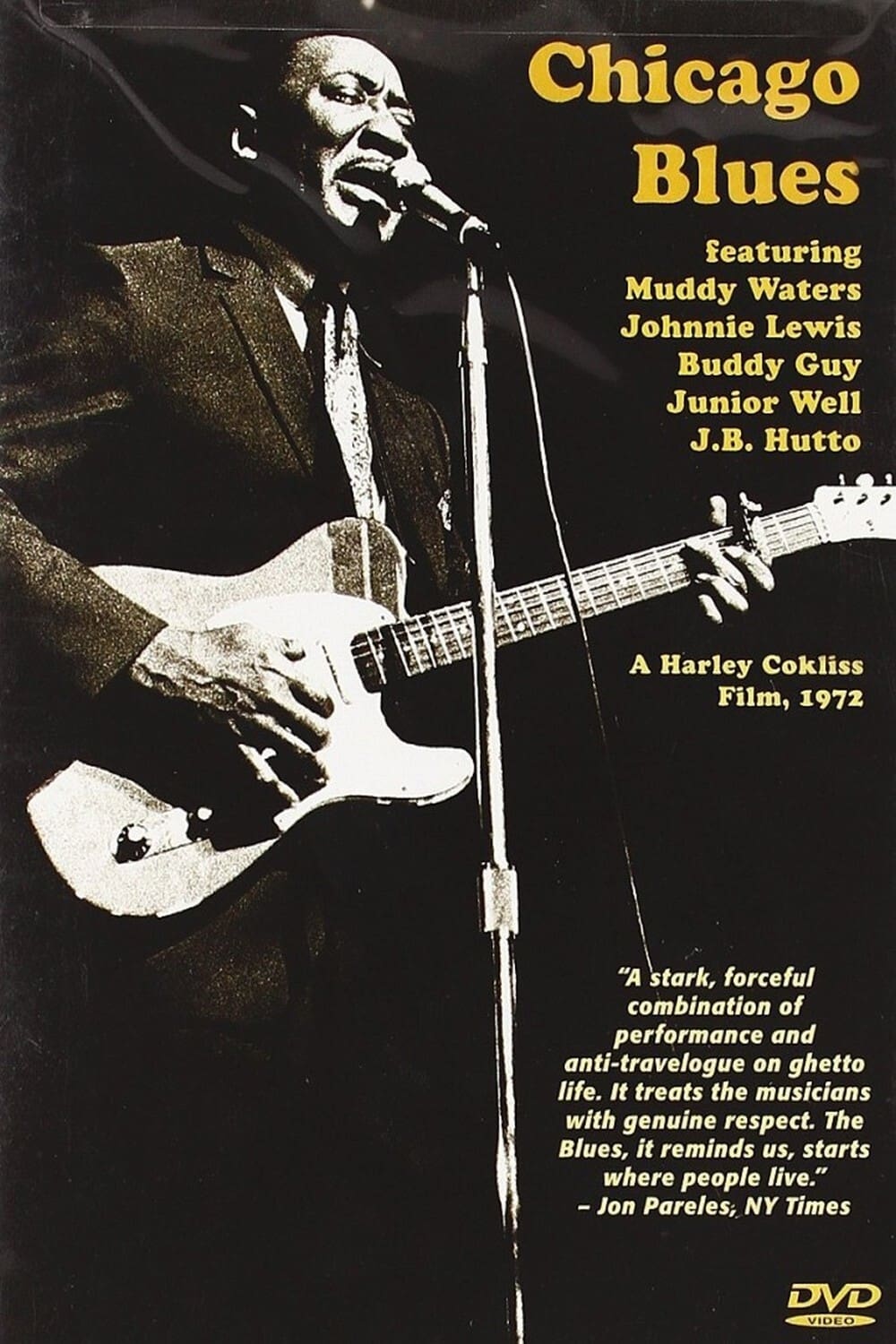
MovieHarley Cokeliss's Chicago Blues filmed in 1972 was a remarkable film; remarkable in that it was not just a competent documentary but a film crafted with care by professionals with a love and understanding of music and a respect for its history and artists. The music and its artists of Chicago Blues reflect faithfully the structure of the city's Blues activity of the late '60s from unknown amateur to world famous stars, from house to small bar, from traditional down home to modern city style. Thus Johnny Lewis, a housepainter who played for his own amusement at home and was almost a discovery of the film team, to Muddy Waters, Chicago Blues' most famous figure.
Chicago Blues
1972
 Movie8.5DocumentaryMusic
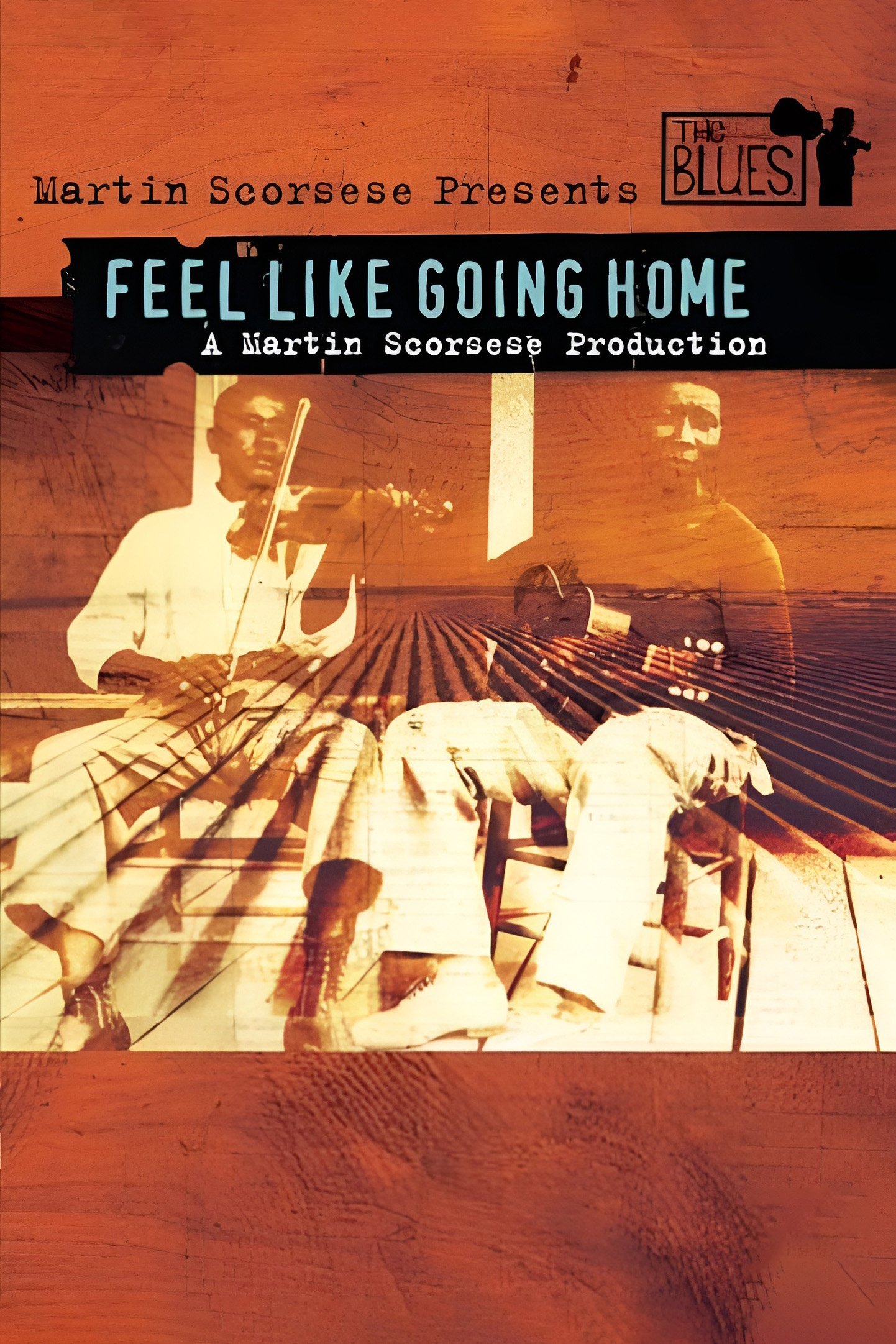
Martin Scorsese traces the roots of the blues from the Mississippi Delta back to West Africa, journeying from the juke joints of Mississippi to the banks of the Niger River in Mali. Featuring performances by Corey Harris, Taj Mahal, Keb’ Mo’, and Ali Farka Touré, along with rare archival footage of blues legends like Son House and Muddy Waters, the film offers a lyrical portrait of the music’s deep African origins.
Feel Like Going Home
2003 · 4 votes
 Movie7.4DocumentaryMusic
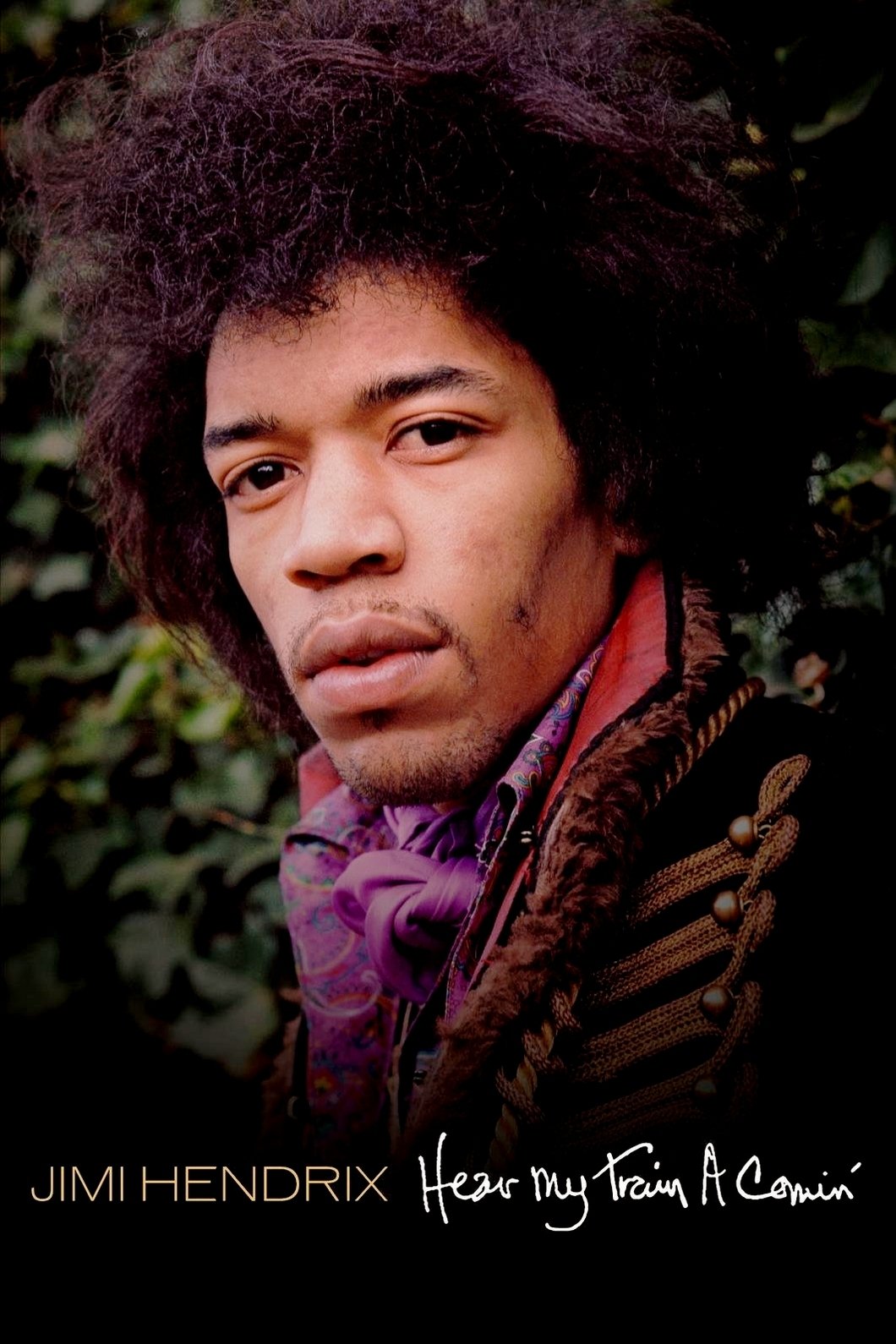
An account of the short life of genius musician Jimi Hendrix (1942-70), probably the most talented and influential guitarist of the twentieth century: his humble beginnings in Seattle, his time in New York, his rise to fame in swinging London… Live fast, love hard, die young.
Jimi Hendrix: Hear My Train a Comin'
2013 · 33 votes
 Movie7.5DocumentaryMusic
Blues as a genre shaped the sound of jazz in the early 20th century and directly led to the creation of rock 'n' roll in the '50s. The scales, chords, and progressions of blues as a musical form can be found in styles from jazz to rock to contemporary R&B.
Bluesland: A Portrait in American Music
1993 · 2 votes
- Movie7.0DocumentaryMusic
Utilizing a wealth of archival footage featuring Prince, Aretha Franklin, Miles Davis and more, They All Came Out to Montreux is an affectionate story about how Claude Nobs turned his Swiss town into the home for one of the world’s biggest jazz festivals.
They All Came Out to Montreux
2023 · 3 votes
 Movie6.5DocumentaryMusic
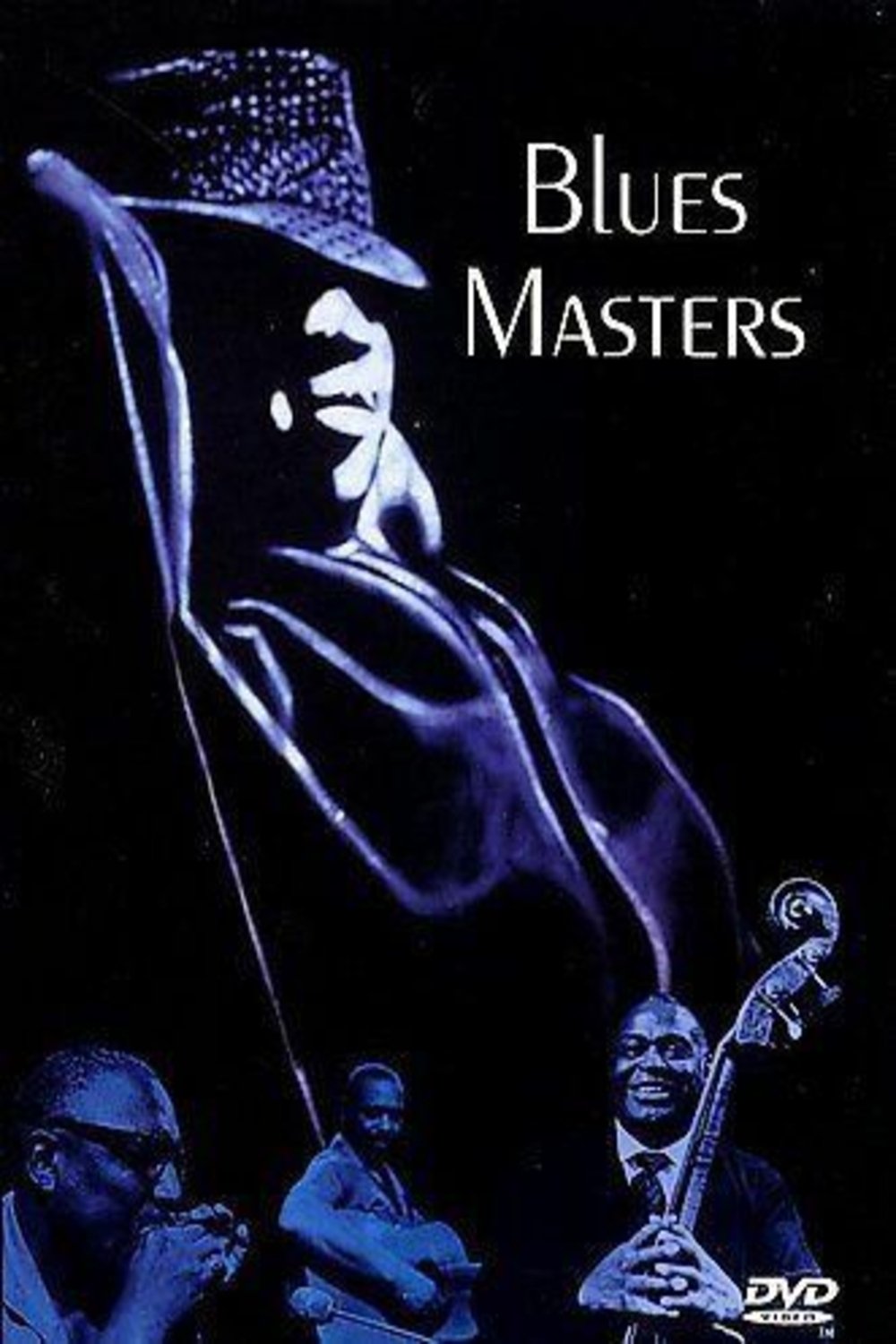
In 1966, CBC Television invited some of North America's greatest blues performers to gather in a studio in Toronto, recording together and individually in sessions that lasted three days. The result was originally televised as part of the CBC "Festival" series, and now the session video tapes have been found, restored and re-edited. The great Muddy Waters and his band perform "You Can't Lose What You Never Had" and "Got My Mojo Workin'," the latter with James Cotton on harmonica. Willie Dixon goes solo on "Bassology" and (helped by a little '90s technology) performs "Crazy for My Baby" with host Colin James. Plus rare appearances by Sonny Terry and Brownie McGhee, Mable Hillery singing "How Long This Train Been Gone," and delta blues piano player Sunnyland Slim, introducing a whole new generation to this inspiring, soulful music.
Blues Masters
1999 · 2 votes
 MovieMusicDocumentary
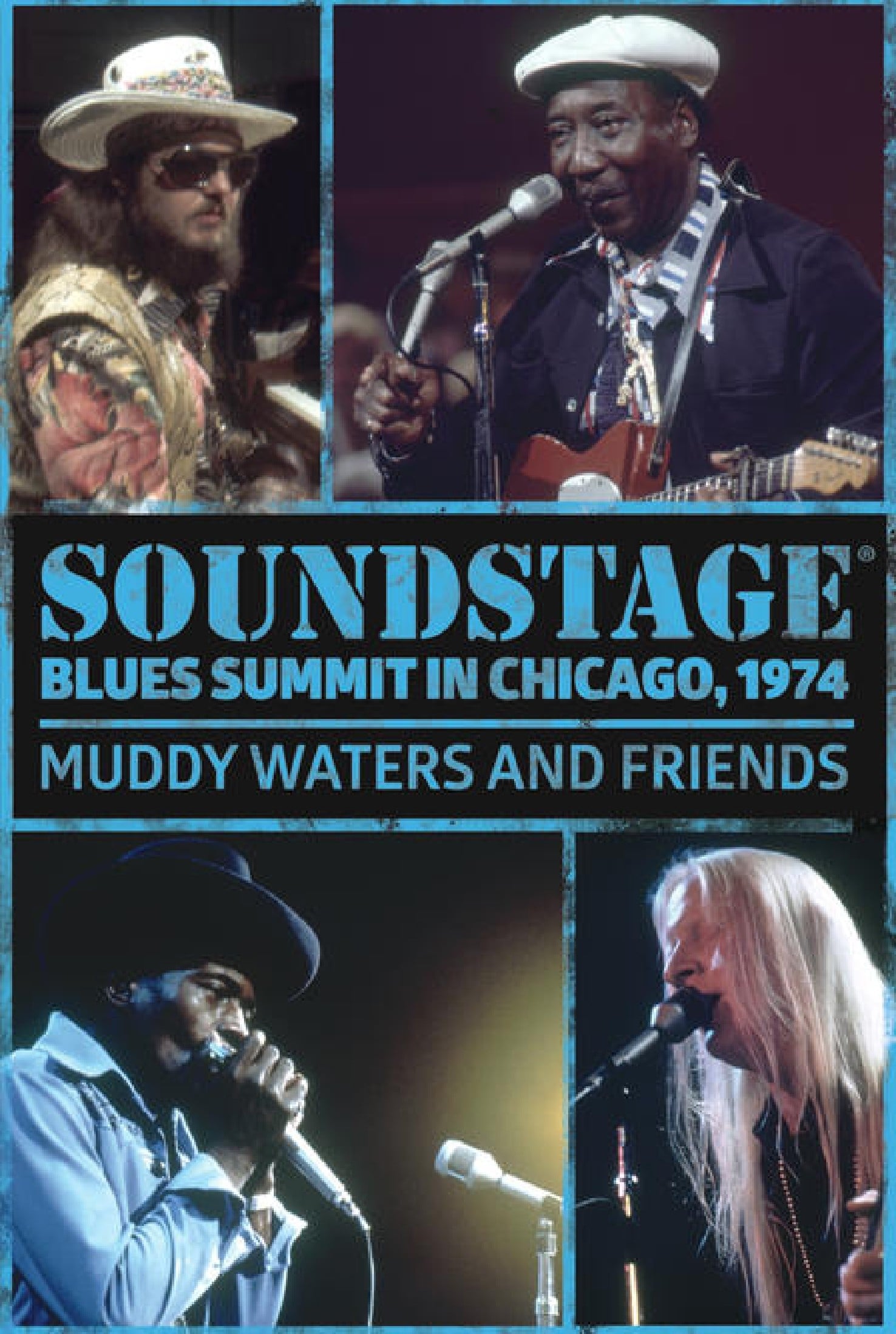
In July 1974, a group of Chicago based blues artists who had already achieved legendary status gathered together with some of their younger "blues brethren" from all over the country to pay tribute to the man most responsible for bringing blues from the Mississippi Delta upriver to Chicago, Muddy Waters. Appearing with Muddy that night were his contemporaries Willie Dixon, Koko Taylor, Junior Wells and Pinetop Perkins, and from the next generation of blues lovers and performers, Mike Bloomfield, Buddy Miles, Johnny Winter, Dr. John, and Nick Gravenites -- all artists who were on their way to becoming legends themselves. What resulted from that joyous teaming was a truly historic session that not only presented some of the greatest blues classics ever written, but a never-to-be-forgotten hour that truly demonstrates the love of music by one generation for another.
 Movie5.7DocumentaryMusic
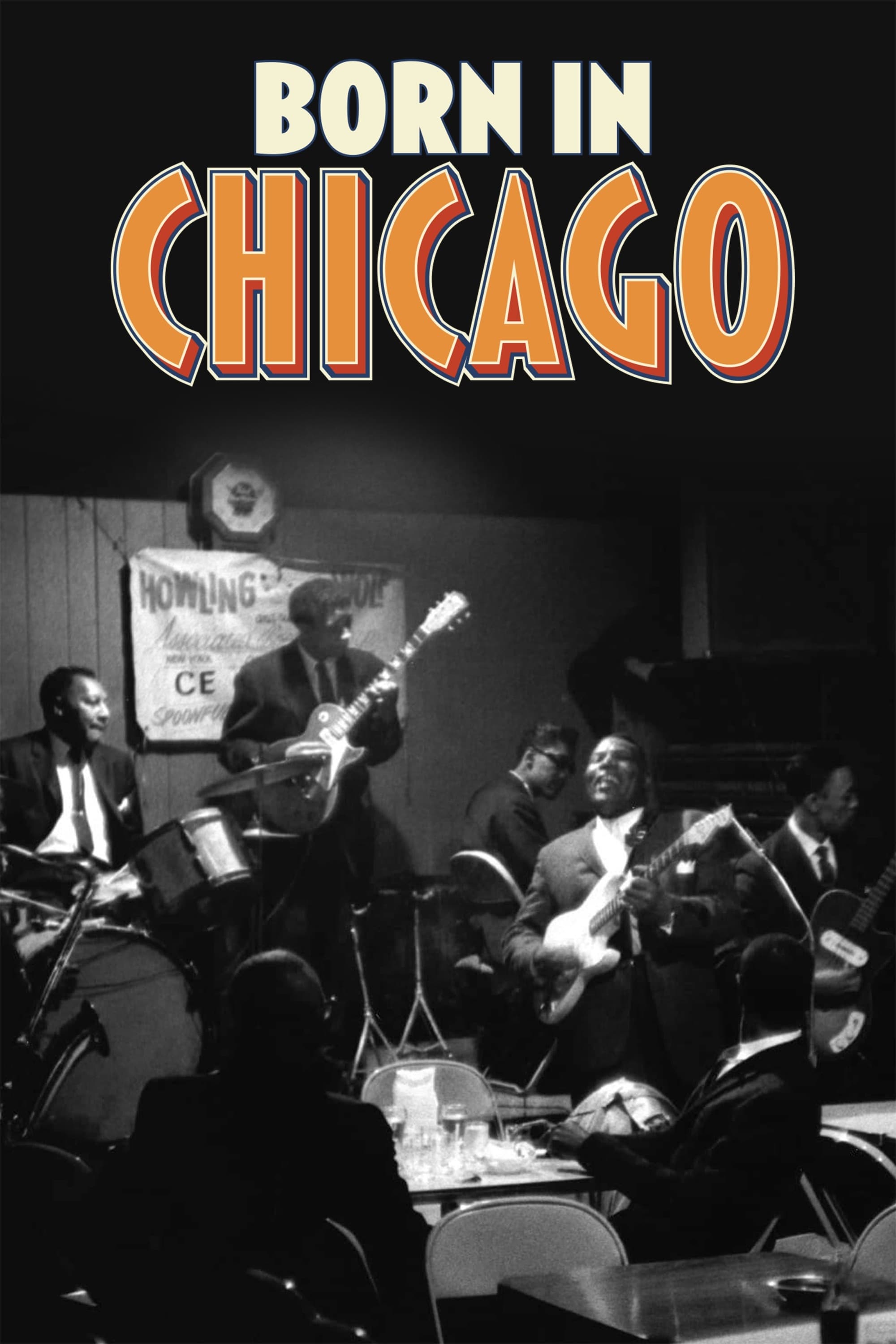
"Born In Chicago" is a soulful documentary film that chronicles a uniquely musical passing of the torch. It’s the story of first generation blues performers who had made their way to Chicago from the Mississippi Delta and their ardent and unexpected followers – young white, middle class kids who followed this evocative music to smoky clubs deep in Chicago’s ghettos. There, against all odds, they were encouraged by the greats who had became their musical mentors and learned the art of the blues at the feet the masters, going on to make the music their own.
Born In Chicago
2013 · 3 votes
 Movie8.0Documentary
Quebec, on the cusp of the 1960s. The province is on the brink of momentous change. Deftly selecting clips from nearly 200 films from the National Film Board of Canada archives, director Luc Bourdon reinterprets the historical record, offering us a new and distinctive perspective on the Quiet Revolution.
 Movie6.0Music
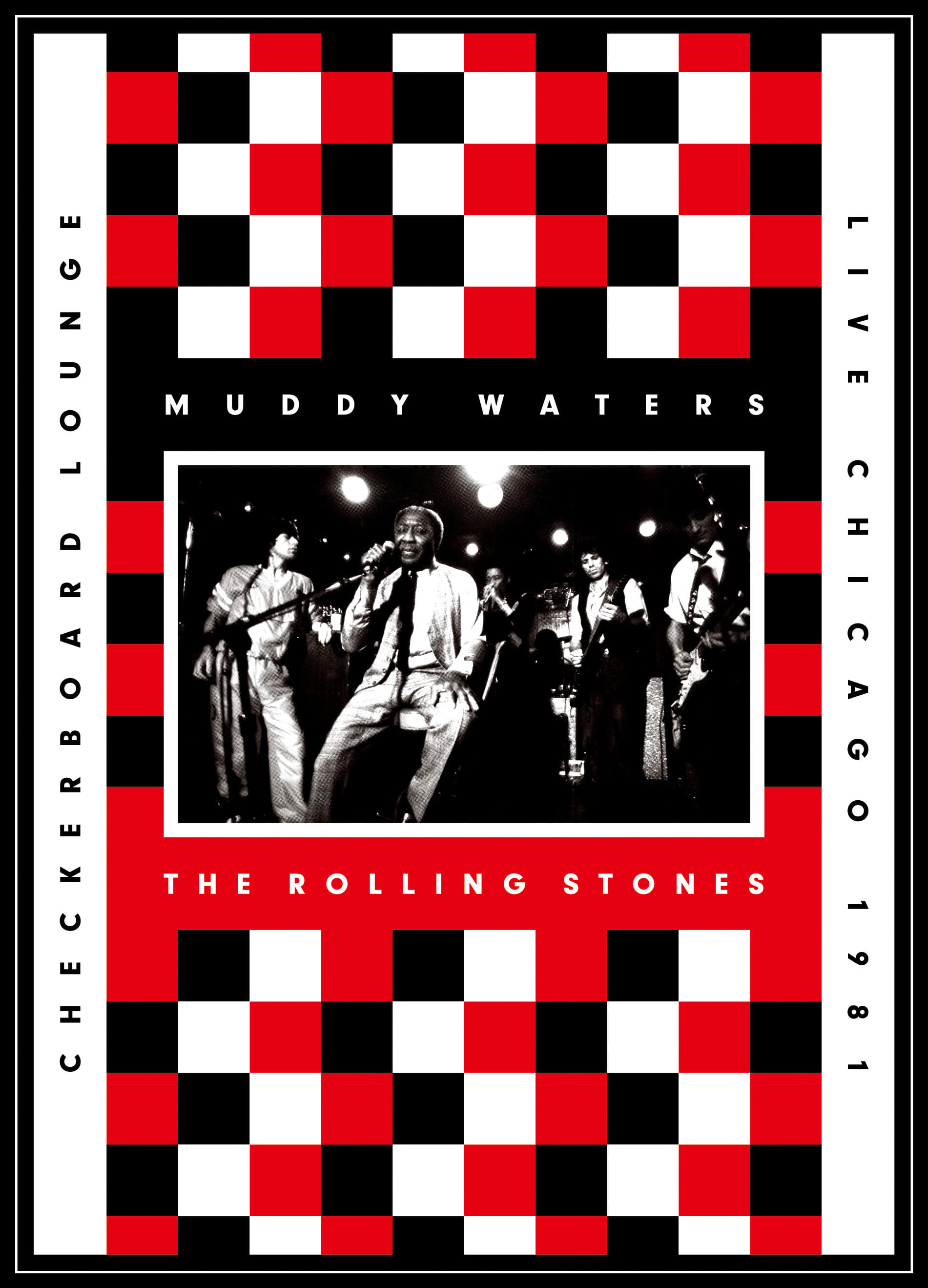
On November 22, 1981, in the middle of their mammoth American tour, the Rolling Stones arrived in Chicago prior to playing 3 nights at the Rosemont Horizon. Long influenced by the Chicago blues, the band paid a visit to Muddy Waters' club the Checkerboard Lounge to see the legendary bluesman perform. It didn't take long before Mick Jagger, Keith Richards, Ronnie Wood, and Ian Stewart were joining in on stage and later Buddy Guy and Lefty Dizz also played their part. It was a unique occasion that was fortunately captured on camera. Now restored from the original footage and with sound mixed and mastered by Bob Clearmountain, this amazing blues night is being made available in an official release for the first time.
 Movie7.0MusicDocumentary
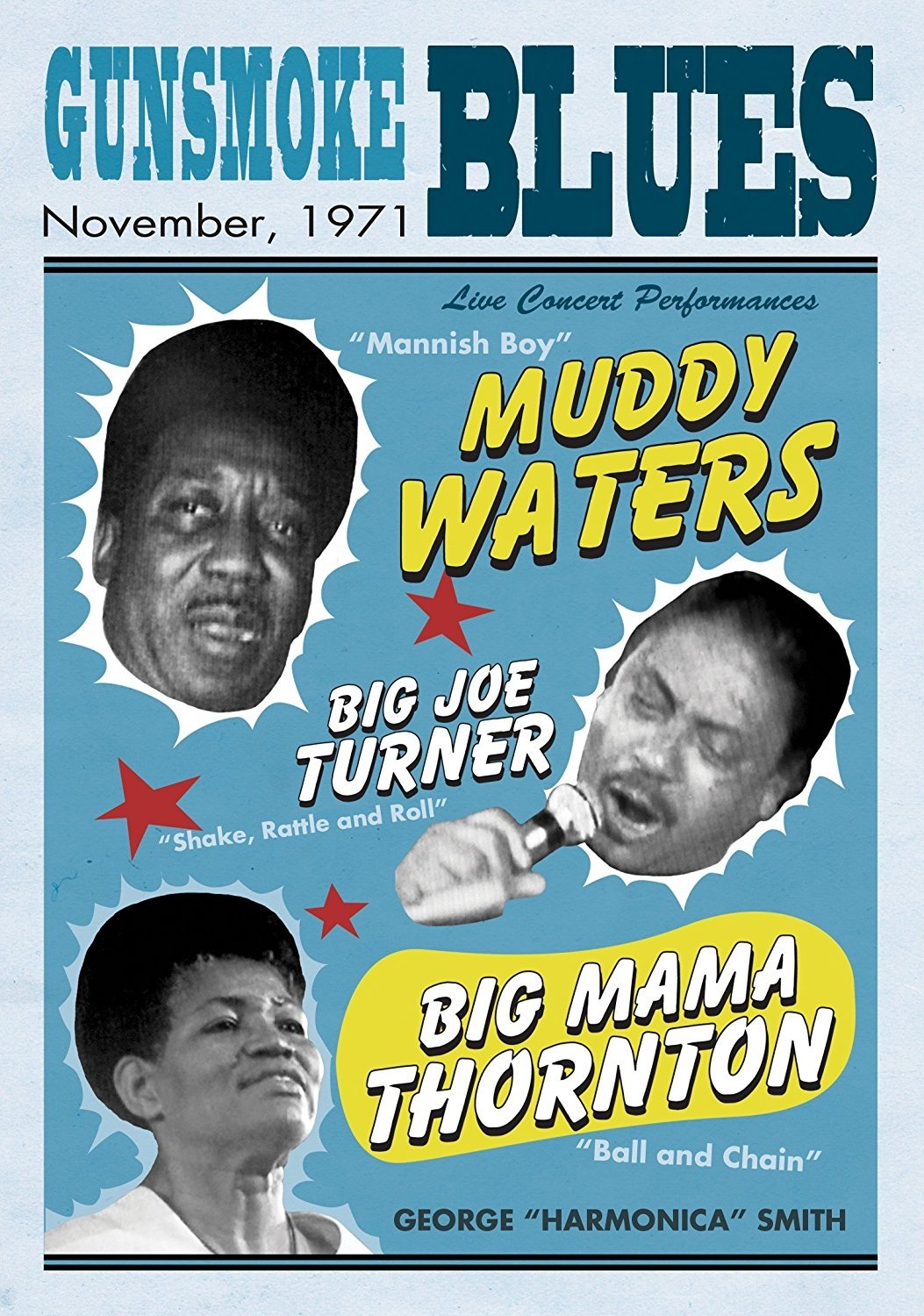
One weekend in November, 1971, bluesfreak, Link Wyler and his buddies from the Gunsmoke TV crew, gave in to temptation. On production hiatus, they bolted Hollywood to go and film Muddy Waters, Big Mama Thornton, Big Joe Turner and George "Harmonica" Smith, who were then barnstorming the U.S. Pacific Northwest with their bands.
Gunsmoke Blues
2004 · 3 votes
 Movie4.3DocumentaryMusic
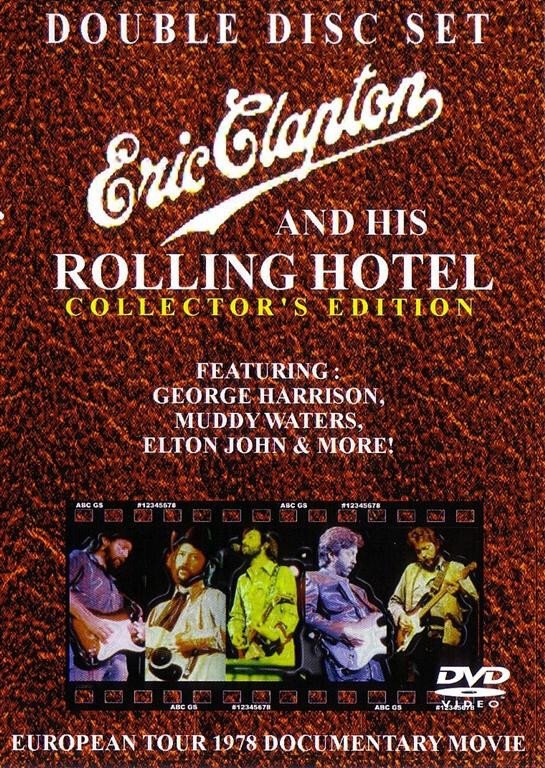
Eric Clapton and his band toured Europe by train in 1978, and a documentary called "Eric Clapton and his Rolling Hotel" was filmed, but never released. Clapton put his band in a three-carriage train, originally at the disposal of Hermann Goering during the Nazi years in Germany, and traveled from town to town on the continent, from one concert to the next. It was an easy way to transport and house the band and equipment, and it offered ample opportunity for interviews, groups interactions, and filming. Clapton talks about his music and his works and peaks the viewers interest with stories about musicians like Hendrix and George Harrison. The interviews are supplemented with performances by Muddy waters, Elton John and George Harrison, as well as Clapton and his band. Tracks featured are Cocaine, Further On Up The Road, Lay Down Sally, Tulsa Time, Worried Life Blues, Early in the Morning, Badge, Wonderful Tonight, Key to the Highway, Double Trouble, Crossroads and Layla.
Eric Clapton and His Rolling Hotel
1978 · 3 votes
 Movie7.0Documentary
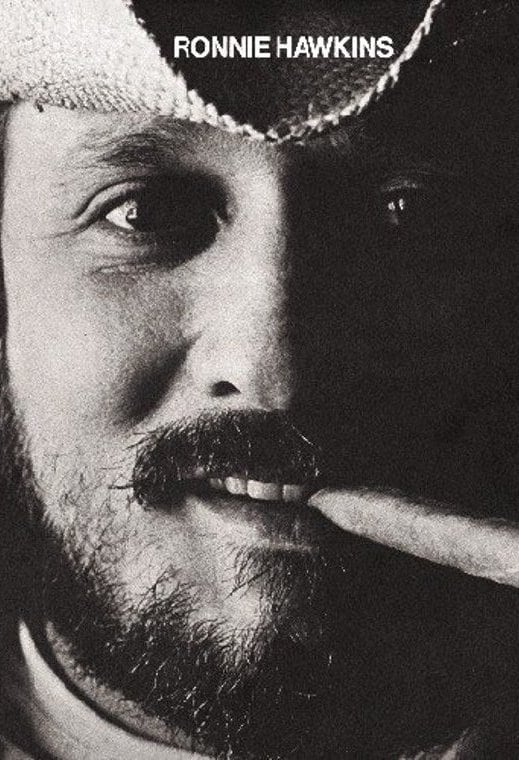
The rock music scene of the early 1970s--the Rolling Stones, the Stampeders, Whiskey Howl, Alice Cooper--they're all here! Along with classic footage from concerts and recording sessions, Rock-A-Bye looks behind the scenes at record companies and radio studios. The stars also have their say. Ronnie Hawkins chats from the back seat of a Rolls, and Zal Yanovsky of The Lovin' Spoonful tells hilarious anecdotes of his rise to fame, which lasted only 18 months. The camera also goes into a small New York club where Muddy Waters sings and plays guitar, the bluesman who inspired so many great rock musicians. The film ends with Alice Cooper, the first shock rocker, singing "Dead Babies" with a doll and a hatchet. This classic, entertaining rockumentary captures an era!
Rock-a-Bye
1973 · 2 votes
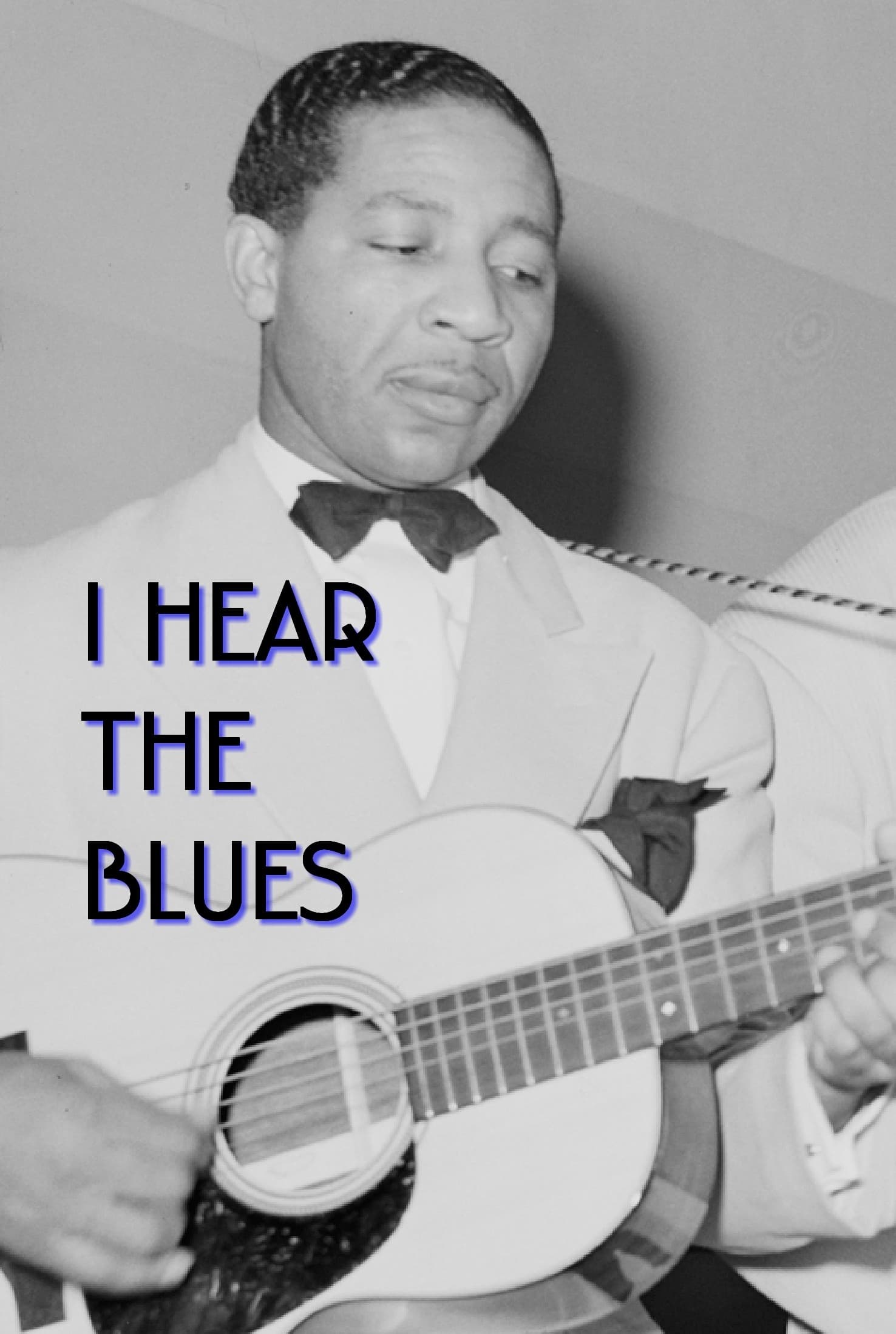 MovieMusic
UK TV Movie of blues performances from many of the greats.
I Hear The Blues
1963
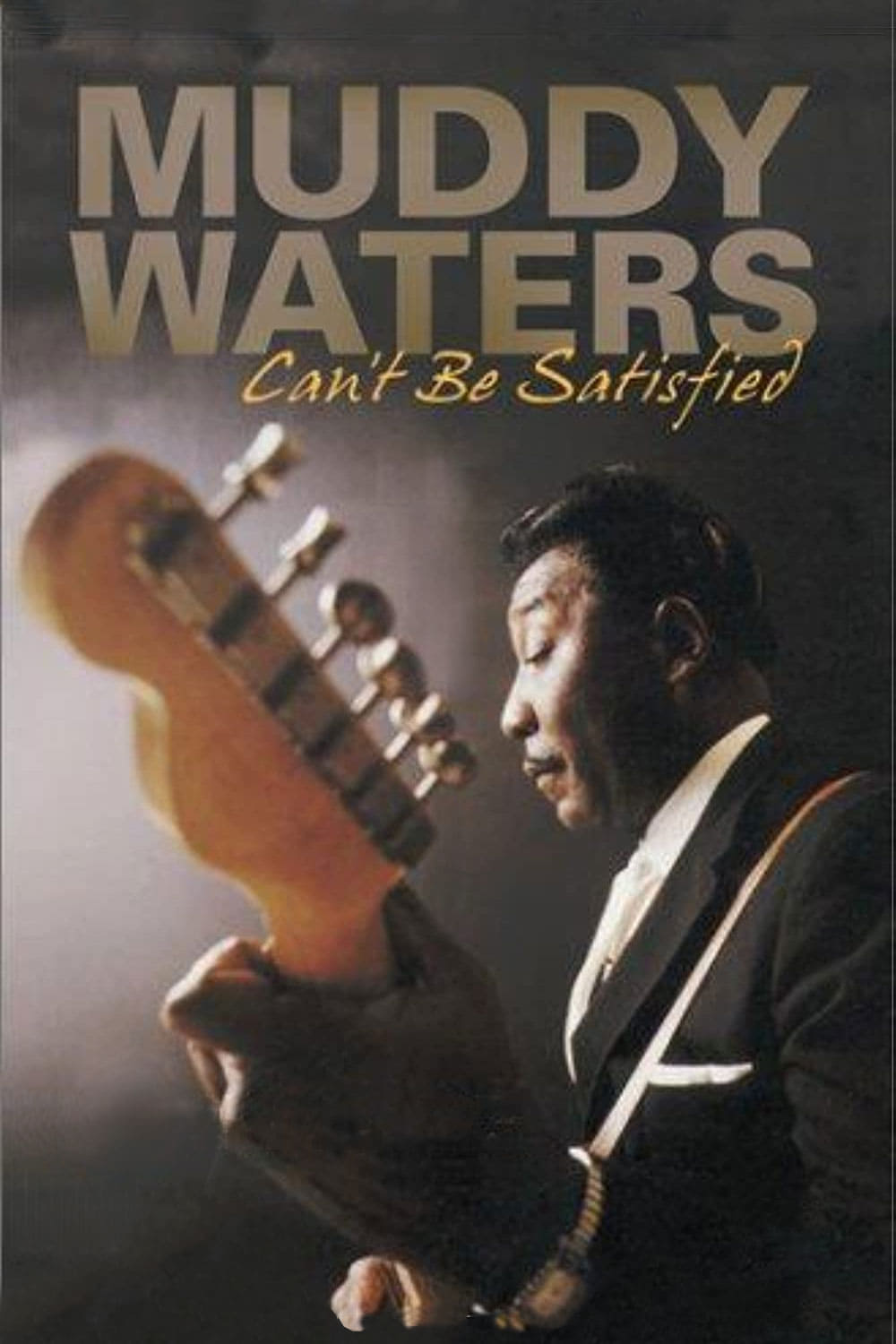 Movie10.0DocumentaryMusic
Filmmaker Robert Gordon captures the life of fascinating blues artist Muddy Waters. Credited with inventing the electric blues, Waters left an indelible mark on both his contemporaries and the generations of musicians that followed him. This documentary includes numerous film clips and interviews with big-name musicians, such as Bonnie Raitt, the Rolling Stones's Keith Richards and blues man Buddy Guy.
Muddy Waters: Can't Be Satisfied
2003 · 1 votes
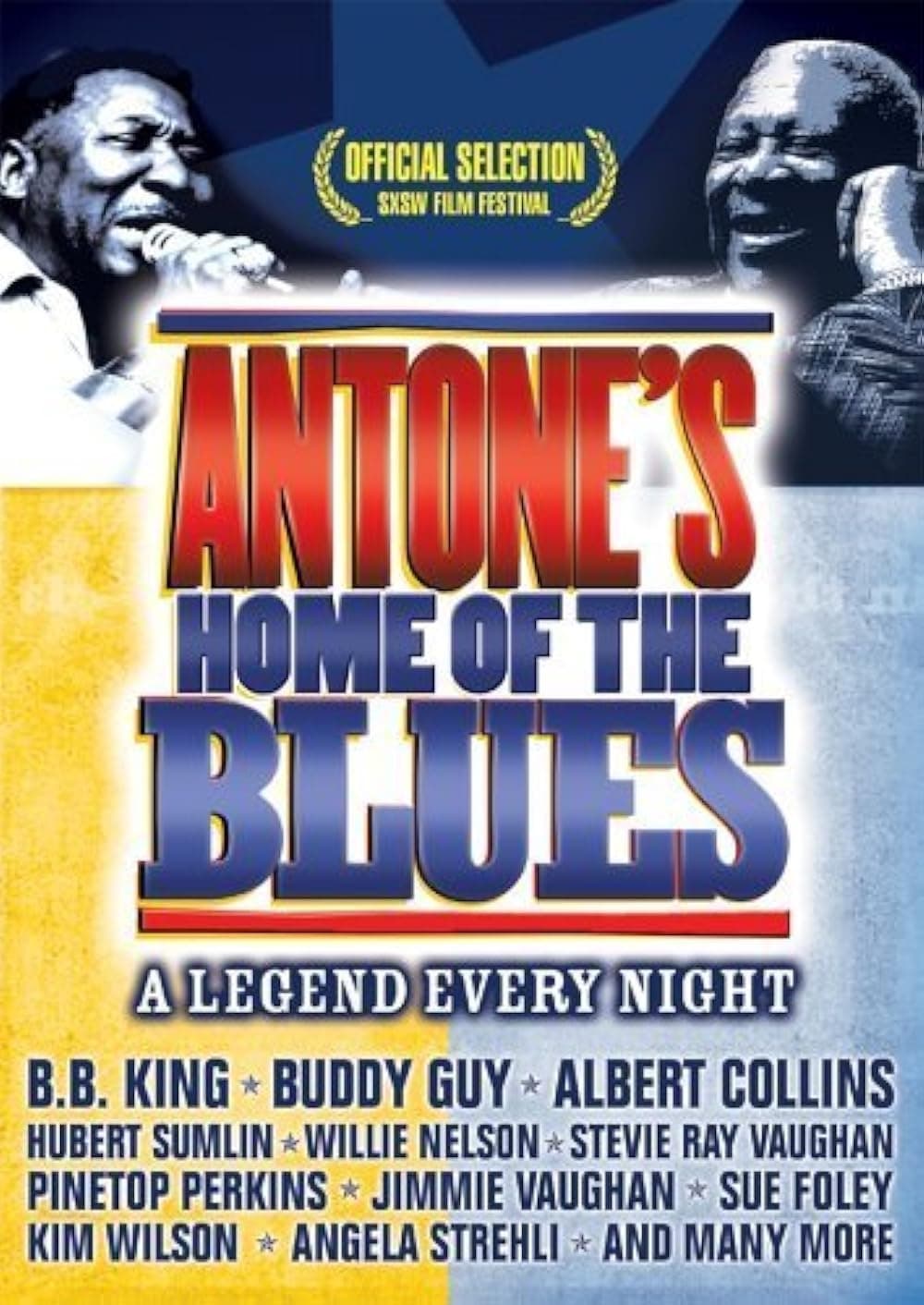 Movie10.0MusicDocumentary
Documentary film about the legendary blues club in Austin, Texas. The film is filled with historical and dynamic blues performances from the earliest days of the club in the 1970s. Stars David Adelson, Clifford Antone.
Antone's: Home of the Blues
2004 · 2 votes
Series5
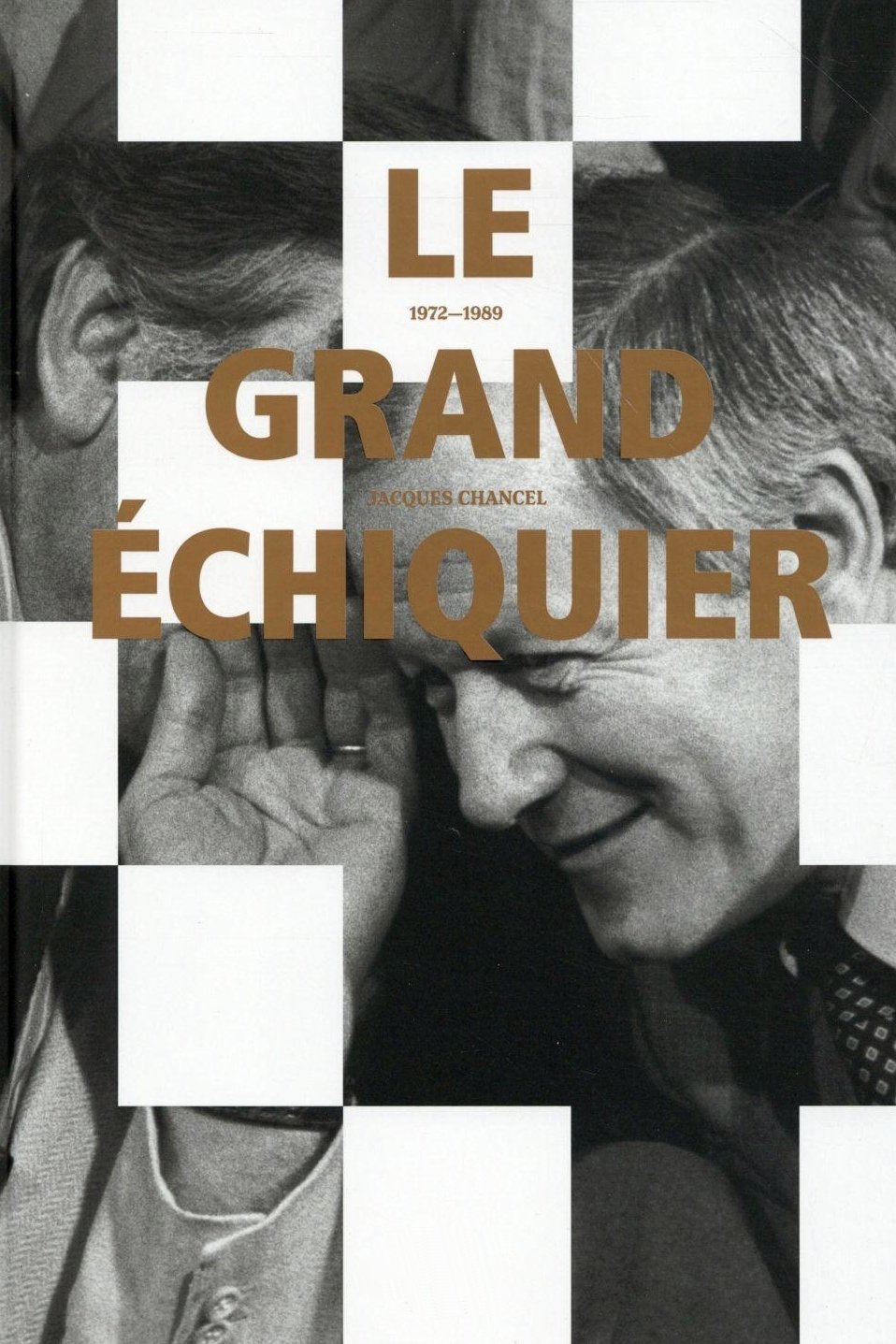 TV8.0Talk ShowNews
Le Grand Échiquier is a French variety television program created and presented by Jacques Chancel. It aired at 8:30 pm on the first channel of the ORTF from January 12, 1972 to July 12, 1972, then on the second color channel of the ORTF from September 1972 to December 1974, and finally on Antenne 2 from January 1975 to December 21, 1989. The program returned to France 2 on December 20, 2018 and is hosted by Anne-Sophie Lapix.
Le Grand Échiquier
1972 · 3 votes
 TV8.1
TV8.1The Midnight Special is an American late-night musical variety series that aired on NBC during the 1970s and early 1980s, created and produced by Burt Sugarman. It premiered as a special on August 19, 1972, then began its run as a regular series on February 2, 1973; its last episode was on May 1, 1981. The ninety-minute program followed the Friday night edition of The Tonight Show Starring Johnny Carson. The show typically featured guest hosts, except for a period from July 1975 through March 1976 when singer Helen Reddy served as the regular host. Wolfman Jack served as the announcer and frequent guest host. The series also occasionally aired vintage footage of older acts. As the program neared the end of its run in the early 1980s, it began to frequently use lip-synched performances rather than live. The program also featured occasional comedic performances such as Richard Pryor and Andy Kaufman.
The Midnight Special
1972 · 7 votes
 TV7.5Documentary
The Blues (2003) is a seven-part documentary series produced by Martin Scorsese that explores the history and influence of blues music. Each episode, directed by a different filmmaker, traces a unique aspect of the genre’s evolution—from its African roots to its global impact. Originally airing on PBS, the series includes Scorsese’s Feel Like Going Home, Wim Wenders’ The Soul of a Man, Richard Pearce’s The Road to Memphis, Charles Burnett’s Warming by the Devil’s Fire, Marc Levin’s Godfathers and Sons, Mike Figgis’ Red, White and Blues, and Clint Eastwood’s Piano Blues.
The Blues
2003 · 21 votes
 TV
TVJon Brewer examines the history of blues music in America, marrying startling imagery and expert interviews with archival performances to fill in the gaps about the music itself, its origins and the impact it had and continues to have on popular music today.
- TV10.0
The story of how the blues crossed borders from black to white and from weak to powerful.
Blues America
2013 · 1 votes