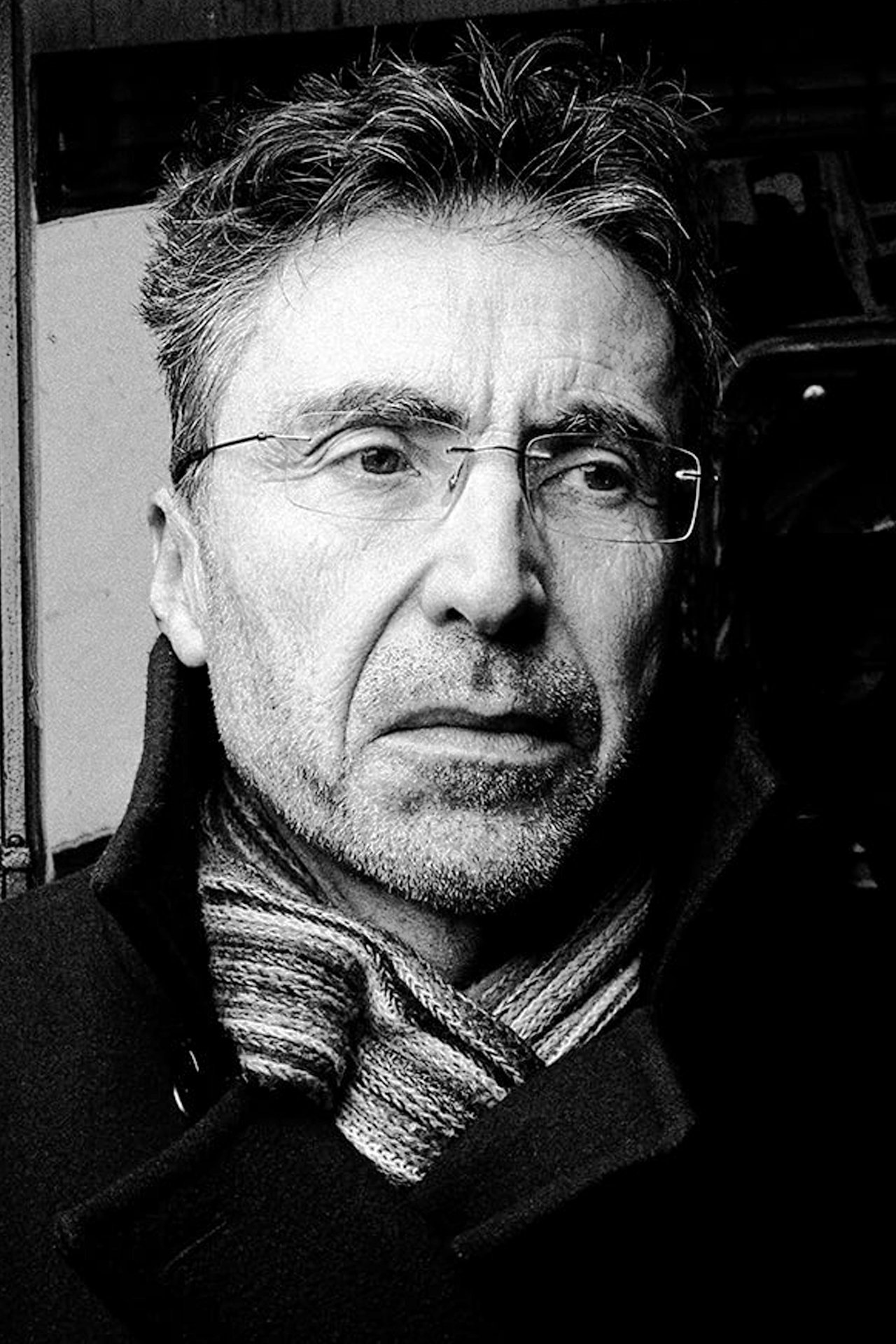
Pierre Carles
Director · b. 1962 · Talence, Gironde, France
Pierre Carles was born in 1962 in Gironde. He spent part of his childhood and adolescence in Chile and Colombia with his mother, a teacher in French schools. He returned to France in the late 1970s and studied socio-cultural animation, then journalism. He worked in television from 1988, first as a news cameraman for France 3 Régions, then as a columnist or author of humorous subjects in variety shows (TF1, France 2, Canal +, M6). From 1993, he made short documentaries for the Belgian-French show Strip-tease (France 3) and for the magazine Brut (ARTE). In 1998, he created a production company in Montpellier, with around ten audiovisual and cinema workers involved in the production of his first feature film, Pas vu pas pris, including producer Annie Gonzalez. From 1998 to 2020, he directed or co-directed around ten feature-length documentaries for the cinema, which deal with media criticism (Pas vu pas pris, 1998; Enfin pris?, 2002; Fin de concession, 2010; Les Ânes ont soif, 2004), the questioning of wage labor and the possibility of living differently (Attention danger travail, 2003; Volem rien foutre al païs, 2007), armed struggle (Ni vieux, ni traîtres, 2006)... He is also the author of filmed portraits of singular personalities such as Professor Choron (Choron dernière, 2008, with Éric Martin) or Pierre Bourdieu, whom he followed for three years to produce La sociologie est un sport de combat (2001). Through the exchanges of the great researcher with colleagues, journalists or activists, the profound nature of sociological practice and its critical potential are expressed.
Movies10
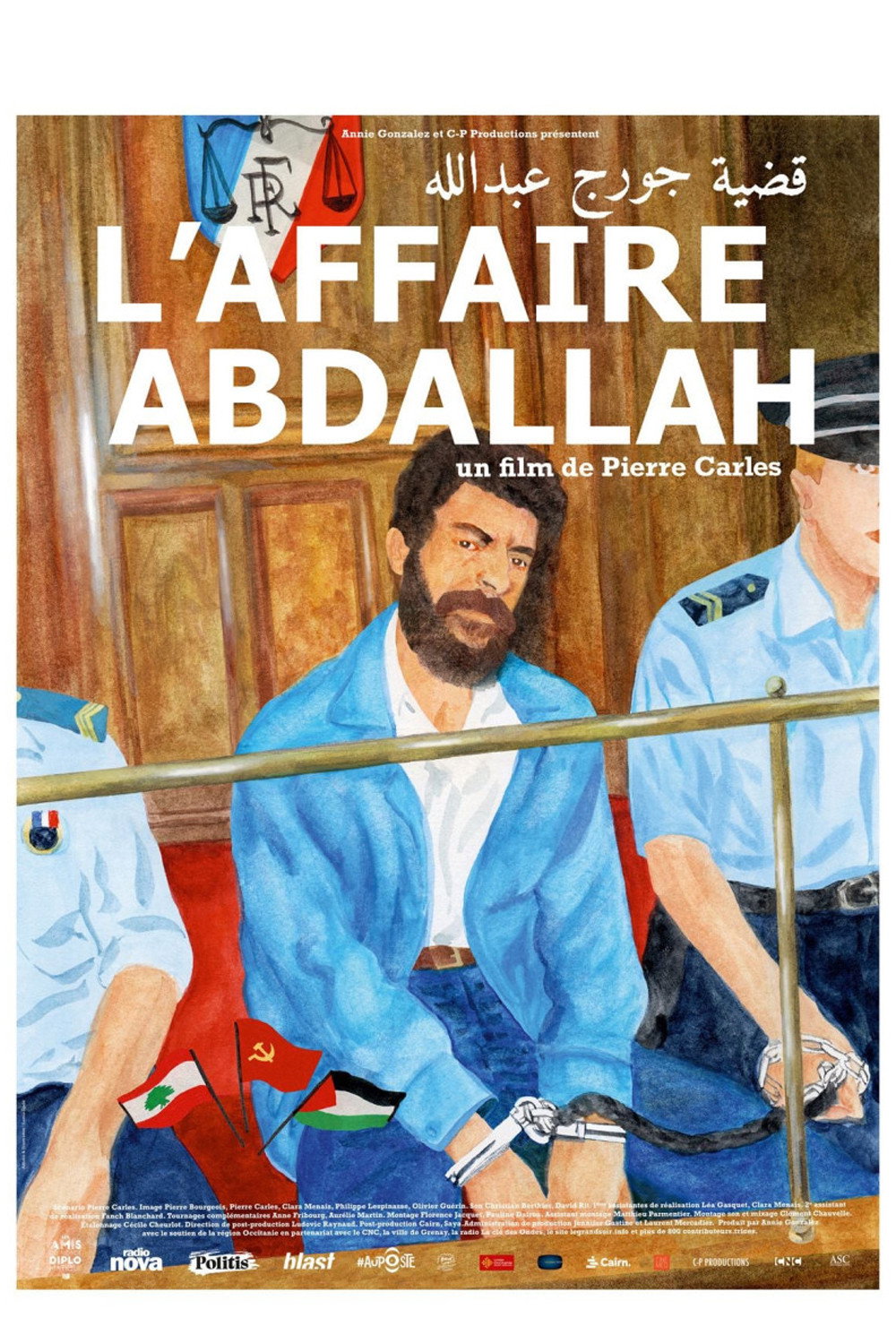 Movie8.5DocumentaryHistory
Georges Ibrahim Abdallah, a pro-Palestinian communist resistance fighter, is France's longest-serving political prisoner. Incarcerated for 40 years, he remains a symbol. He was suspected of being behind the attacks that sowed chaos in 1980s Paris and was convicted of murdering two diplomats. In the film *The Abdallah Affair*, which Pierre Carles dedicates to him, we discover a deeply troubling story: a country choosing an ideal scapegoat. An incredible piece of fake news and intense pressure exerted by the United States on France are at the root of this extraordinary length of detention. The official media machine went into overdrive, serving a national interest, blind and deaf to all the ambiguities of this case, which this documentary exposes. Georges Abdallah was imprisoned in France for nearly 41 years. Wrongfully. At 74, he managed to leave prison, standing tall, his political convictions intact.
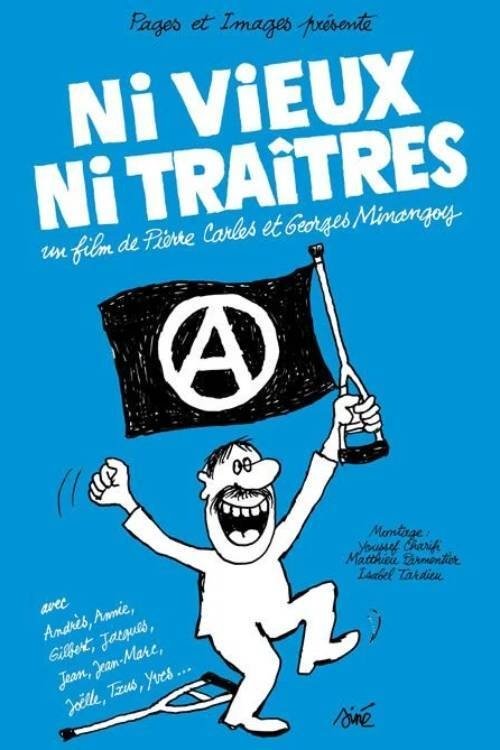 Movie6.5Documentary
Pierre Carles and Georges Minangoy go to meet former French and Catalan partisans engaged in the anti-Franco anarchist struggle of the 1970s.
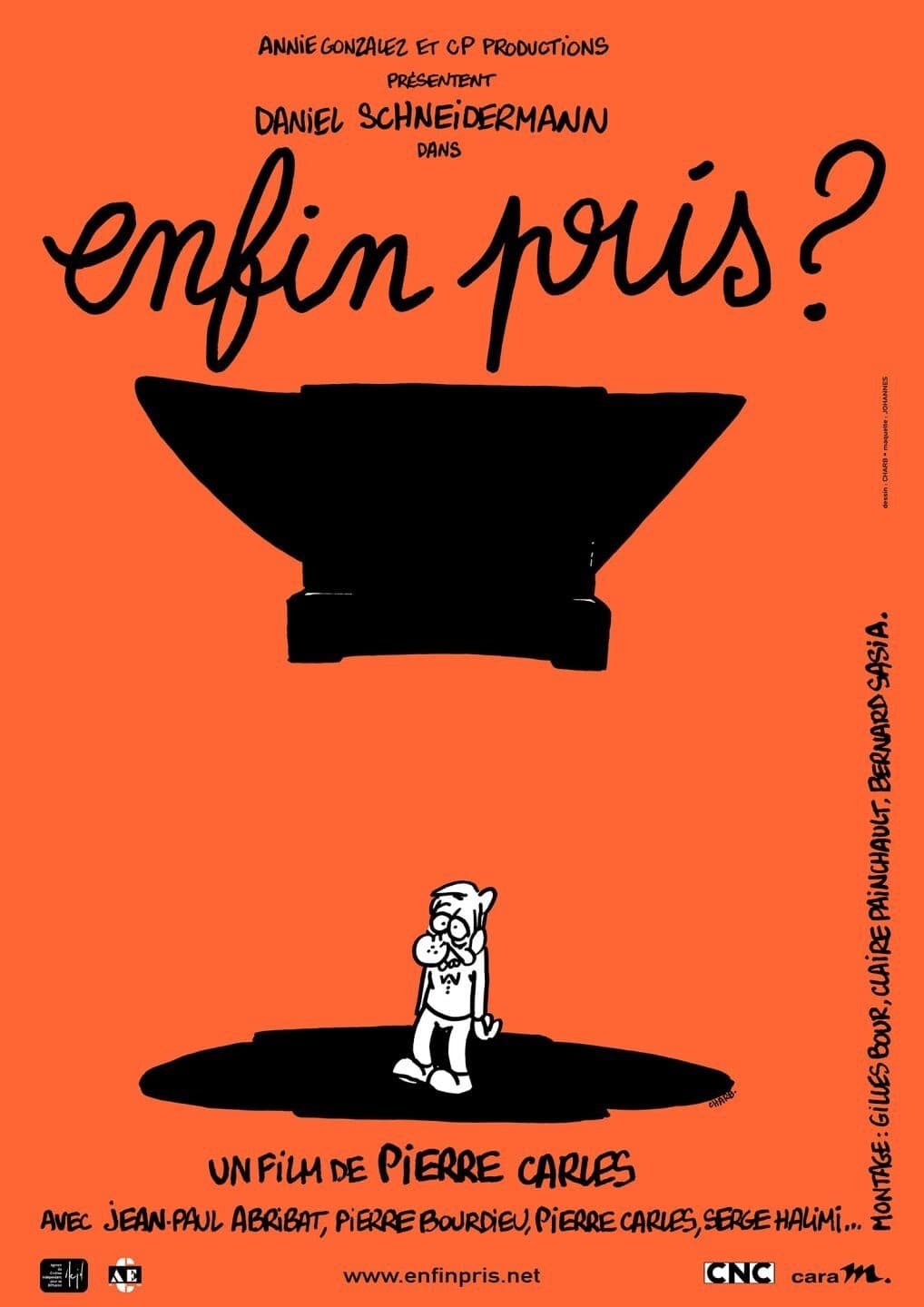 Movie6.8Documentary
Pierre Carles, the dispenser of justice seen in “Pas vu, pas pris,” is back in the saddle. After attacking French television star reporters, his new target is television critics as represented by Daniel Schneidermann, host of the "Arrêt sur images" show. “Enfin pris ?” analyzes censure at work in television. It is also a thought-provoking look at how power changes people and the intimate forces between ambition and loyalty. A cruel, biting comedy from which no one really comes out unscathed.
Enfin pris ?
2002 · 9 votes
 Movie6.5Documentary
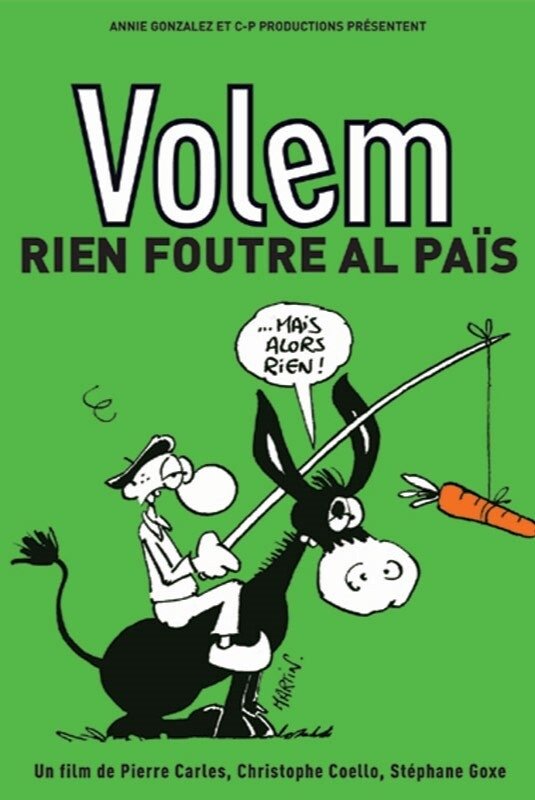
In this economic war, promised to us many years ago and which advances like bulldozer, does there still exist a surge of imagination offering resistance ? Ordered to choose between the breadcrumbs of precarious employment and the meager charity still offered by the system, some abandon the society of consumption to claim back their lives. “Neither exploitation nor handouts!” many of them exclaim. They’ve chosen another path, that of autonomy, of consciously choosing to undertake certain activities, and of uniting together with other like-minded people.
Volem rien foutre al païs
2007 · 6 votes
 Movie6.2ComedyDrama
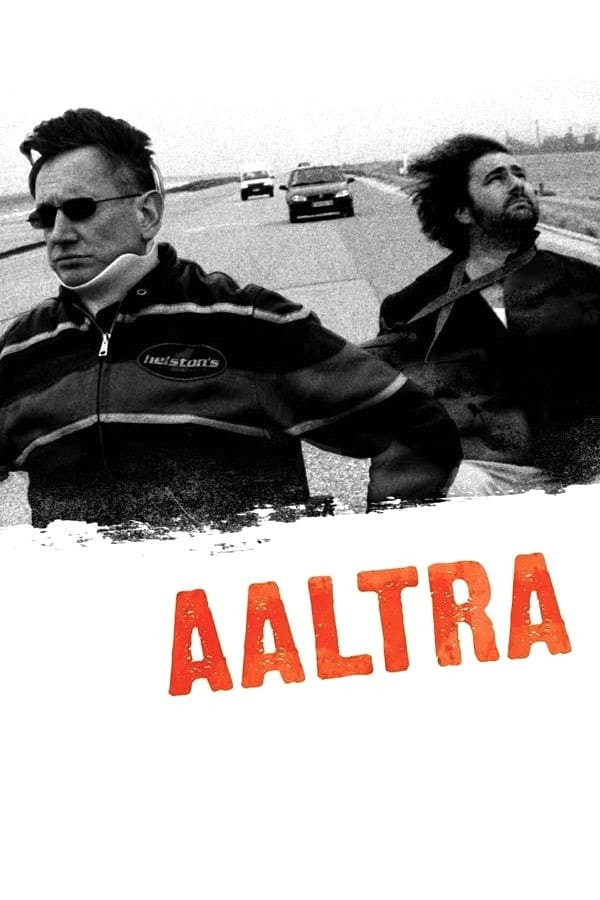
In this pitch black comedy the rivalry between two neighbors escalates into an all out war. Through a maintenance error on a tractor they both end up, paralyzed, in a wheelchair. It seems they are doomed to stay together. They no longer focus their rage on each other but on the manufacturer of the tractor, in Helsinki. So get ready for a hilarious wheelchair road movie.
Aaltra
2004 · 69 votes
 Movie6.3Documentary
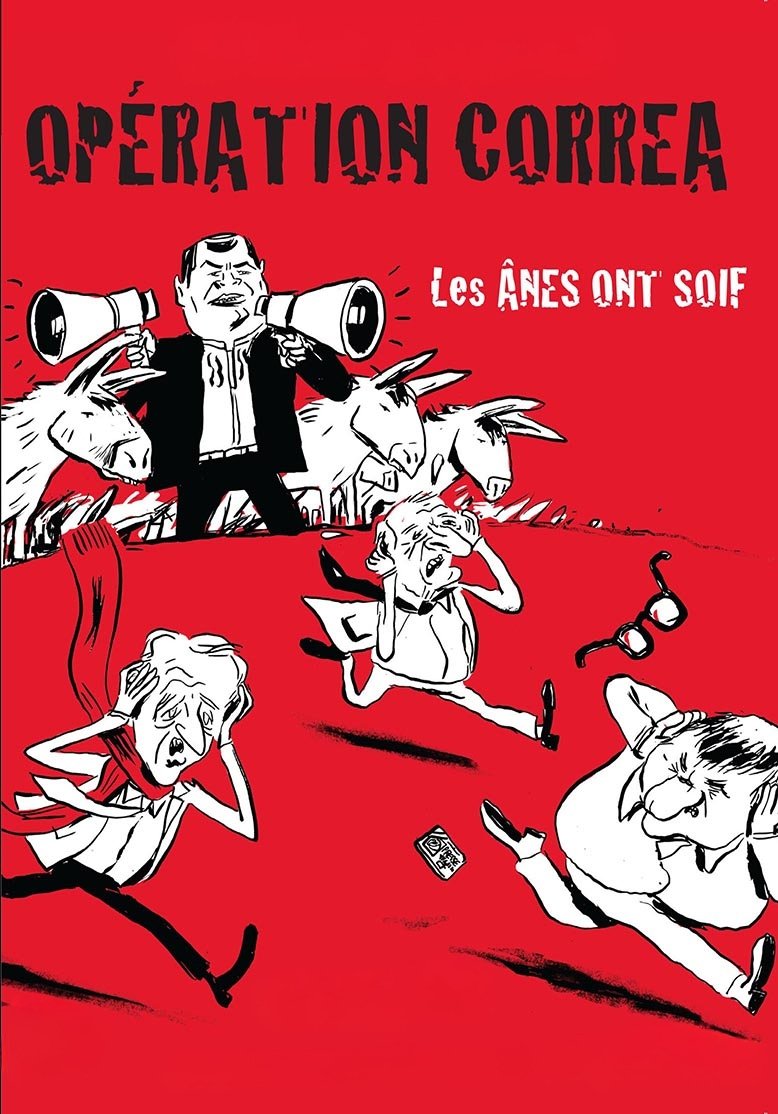
The french mainstream media ignored the last visit in Paris of the leftist Ecuadorian President Rafael Correa. It's however this small country of Latin America, Equator, that serves as a model for Greek activists who are taking part in Syriza party or for non-orthodox economists from the spanish movement Podemos in order to solve the issue concerning the public debt. The Correa government declared a part of this debt « illegitimate » to implement public investment, and social inequalities reduction policies.
Les Ânes ont soif
2015 · 3 votes
 Movie6.8Documentary
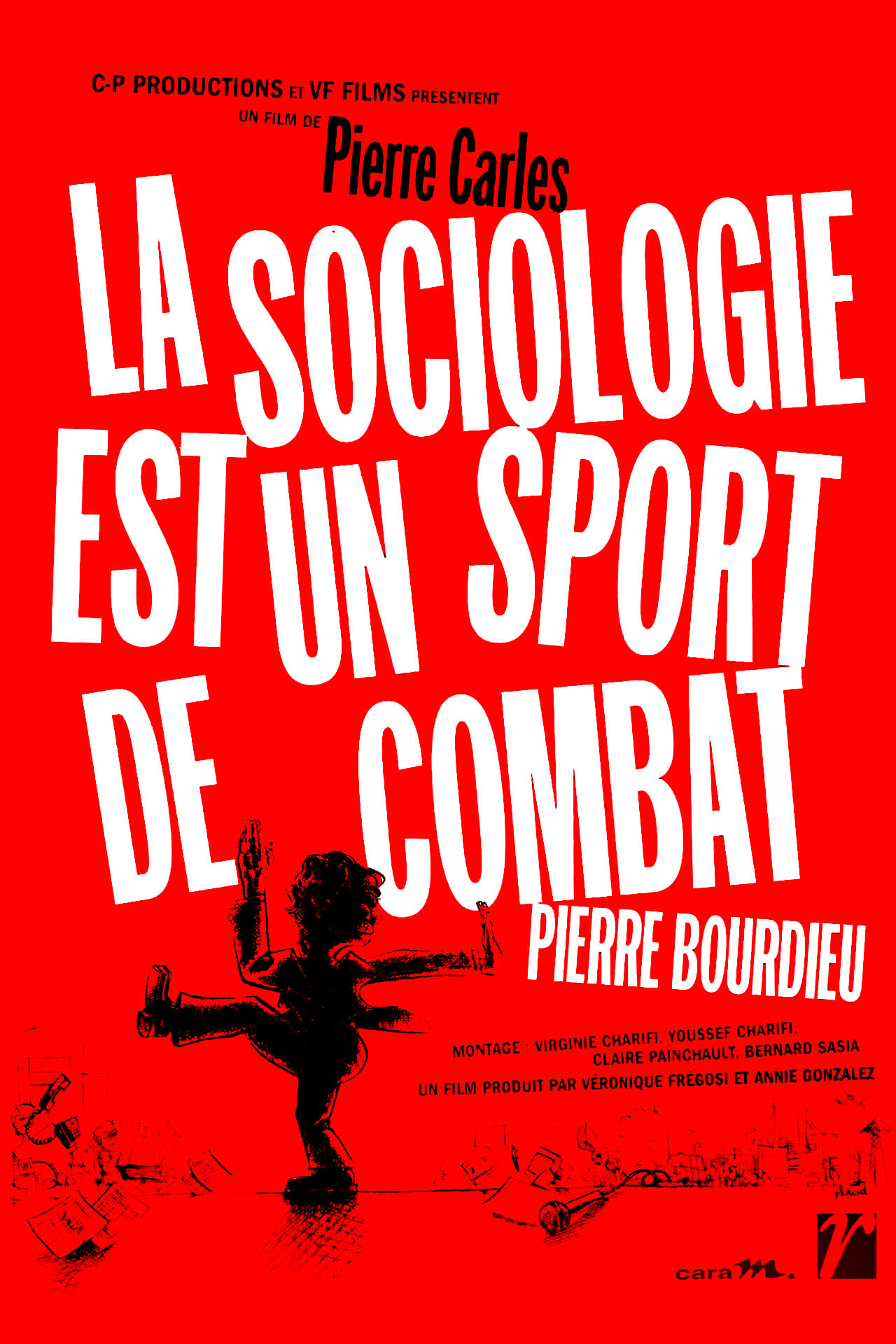
"I often say sociology is a martial art, a means of self-defence. Basically, you use it to defend yourself, without having the right to use it for unfair attacks." (Pierre Bourdieu) The world has witnesses who speak out loud what others keep to themselves. They are neither gurus, nor masters, but those who consider that the city and the world can be thought out. The sociologist, Pierre Bourdieu is one such witness." Over a three- year period, Pierre Carles' camera followed him through different situations: a short conversation with Günter Grass, a lively conference with the inhabitants of a working-class suburb, his relations with his students and colleagues and his plea that sociology be part of the life of the city. His thinking has a sort of familiarity, which means it is always within our reach. It is the thinking of a French intellectual who has chosen to think his times.
 Movie7.5Documentary
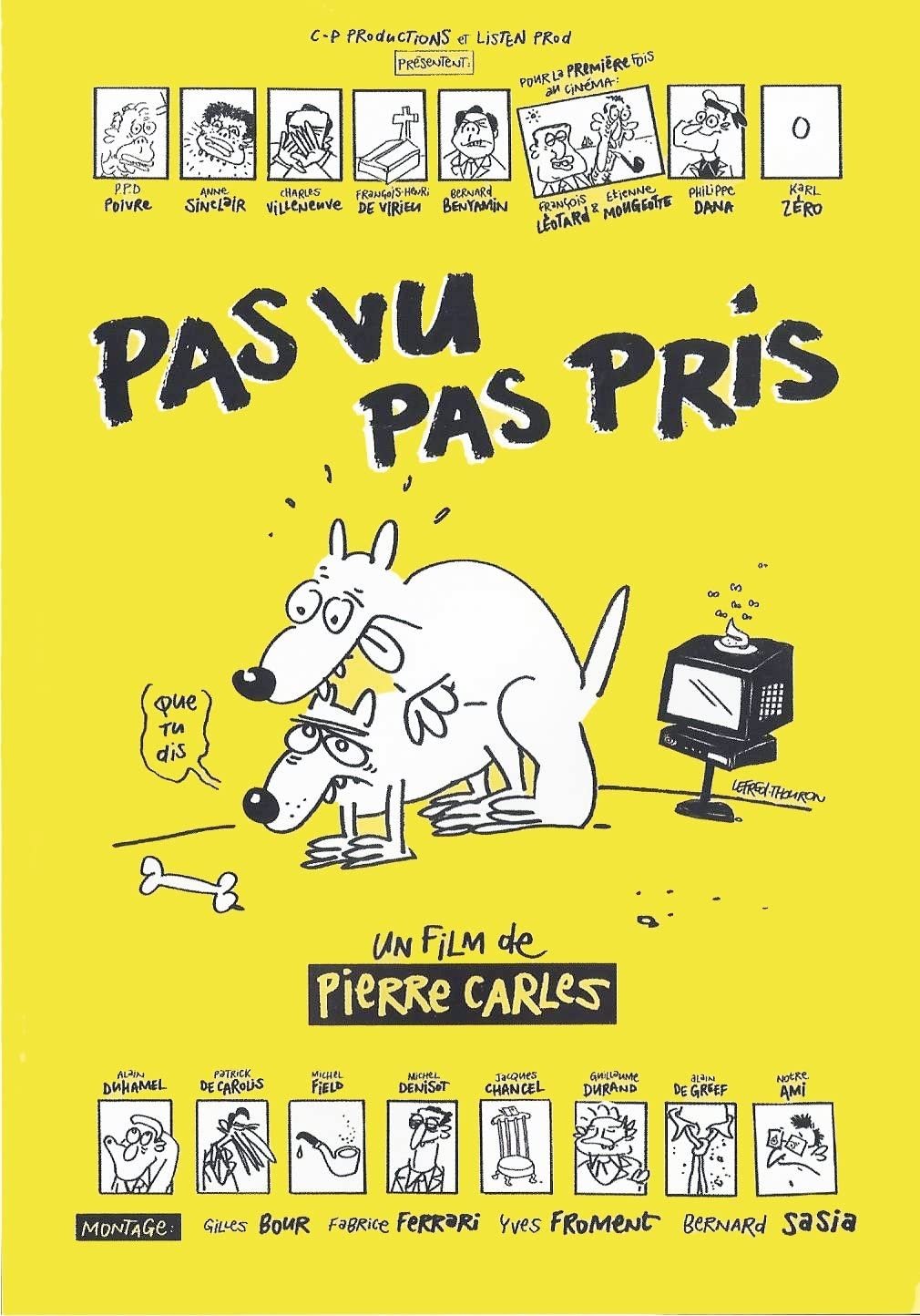
On April 2, 1995, the television channel Canal+ censored the documentary "Pas vu à la télé" (Not Seen on TV), directed by Pierre Carles, which had been commissioned a few weeks earlier by the program director, Alain de Greef. "Pas vu à la télé" was slated to be featured in Canal+'s "TV Day" segment, under the heading "Television, Power, Morality." Carles recounted this censorship in the feature film "Pas vu pas pris" (Not Seen, Not Caught), released in theaters on November 18, 1998. It drew over 160,000 viewers. Eighteen years later, "Pas vu à la télé" remains unaired on French television. As for "Pas vu, pas pris," it has still not been broadcast on French television. However, it has been shown on television in Belgium, Quebec, and Switzerland. Since then, nine billionaires now control more than 80% of the media in France, while eleven of them account for 57% of the television audience.
 Movie6.8Documentary
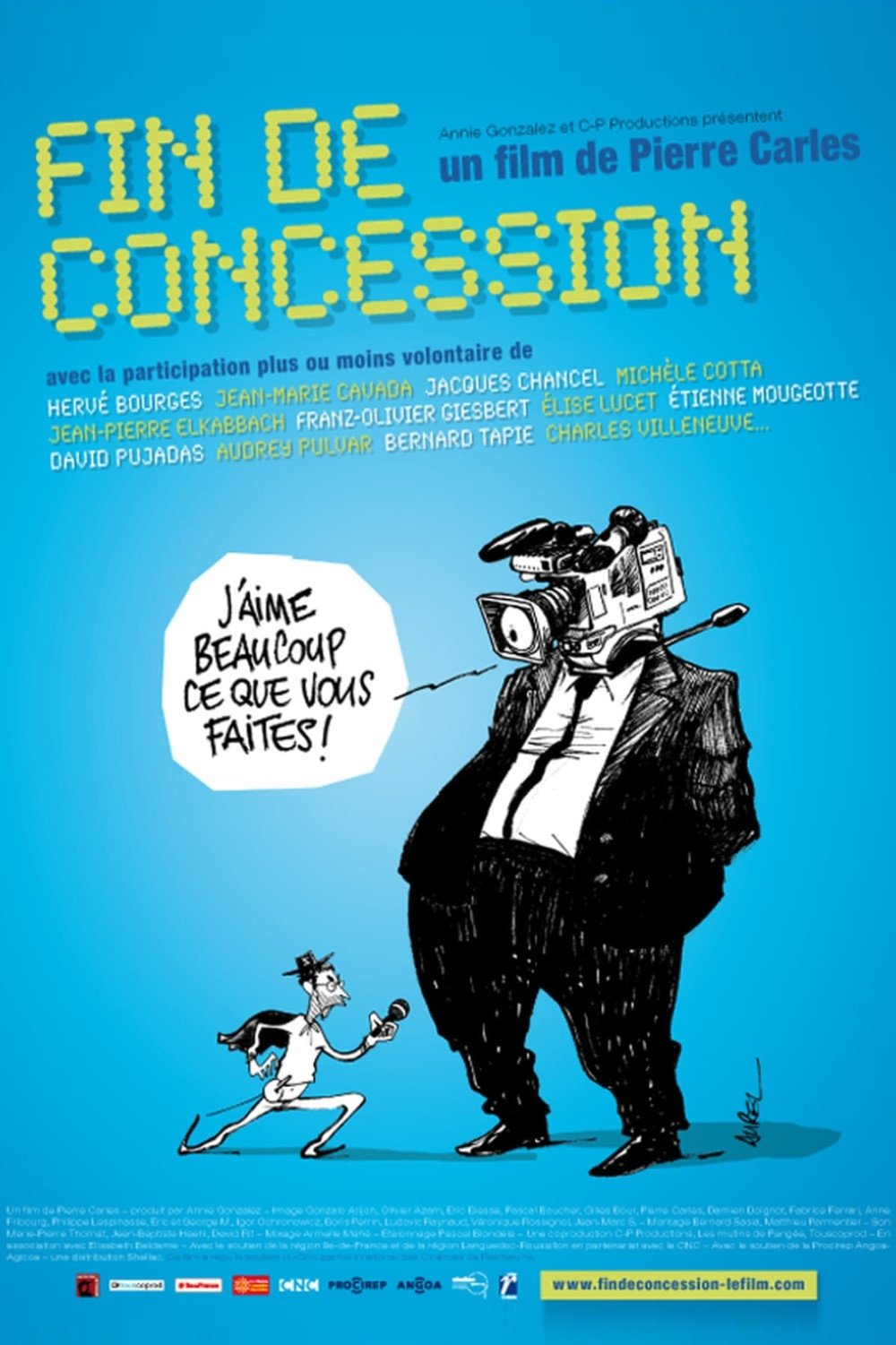
Pierre Carles questions the privatization of the leading French televisions channel : is it not scandalous that the TFI-Bouygues concession has been automatically renewed since 1987 ? Taking up the anti-television fight he initiated with "Pas vu Pas pris", his first film, he confronts the people responsible for the news who have always avoided tackling this taboo subject. But the investigation does not go as planned : the old dinosaurs and young guardians now how to handle this media critic. To find his "fighting spirit" again, Carles calls to arms his friends and changes methods : Henceforth, no more concessions !
Fin de concession
2010 · 6 votes
 MovieRomance
Nino is 16, the vacation is starting and his heart is torn between Natacha, a beautiful girl who is an actress both in the theater and in life, and the delightful Nathalie, whom he's known all his life. She refuses to let the "man of her life" drift away from her as inexorably as his childhood did...